Beyond five stars: How the world’s wealthiest travellers are changing the way they holiday
Hotel rates are rising, but the people working with the world’s wealthiest travellers say price and polish are only part of the equation. Boulevard looks at the forces reshaping ultra-luxury travel, from more exacting service and private stays to remote journeys, wellness, and the growing overlap between holiday and home.
Explore luxury stays, curated by Boulevard
Luxury hotel rates have risen “at least 20 to 30 per cent” globally, according to Eleanor Tan, co-founder of Foray Travels. At the same time, her clients have become harder to impress. “In the past, luxury was about how expensive the hotel was. Today, the price tag alone matters less. Brand still matters enormously, but as a signal of consistency and execution, not just prestige. And an experienced hotel team makes a world of difference. In hospitality, that expertise is an absolute asset and differentiator—you can’t fake it or simply pay for it.”
Tan says many clients now approach her already knowing what they want. Laxmi K, founder of Miles & Memories, sees the same among younger travellers, who increasingly bring her AI-generated itineraries and ask for her assessment. Greater access to information, combined with greater experience of luxury travel, has raised the level of scrutiny.
Paul Robinson, chief operating officer of Bawah Reserve, is more mindful of the industry’s appetite for declaring new trends in luxury travel. “Has it fundamentally changed? Not really. People are still the same.” His guests still want value, to feel looked after, to explore, and to connect with somewhere beyond the beach. The underlying wants may be familiar, even as expectations around how they are met continue to evolve.
More control, less prescribed luxury
Laxmi K describes luxury a decade ago as “loud and big”; now, she says, it is “quieter, unbranded, hard to find”. Nihi Rote’s Kenny Knickerbocker hears a related preference from guests who want “space, freedom, wellbeing, authenticity”, with the details considered without feeling “too formal or overproduced”.
At Samara Lombok, co-founder Steve Ebsworth takes aim at the rituals that survive after their purpose has gone. Travellers can board a plane without checking in at a desk, he says, then arrive at a hotel and be made to sit through a formal check-in over “a warm glass of prosecco you don’t want”. The complaint is not about being looked after. It is about being made to participate in somebody else’s idea of being looked after.
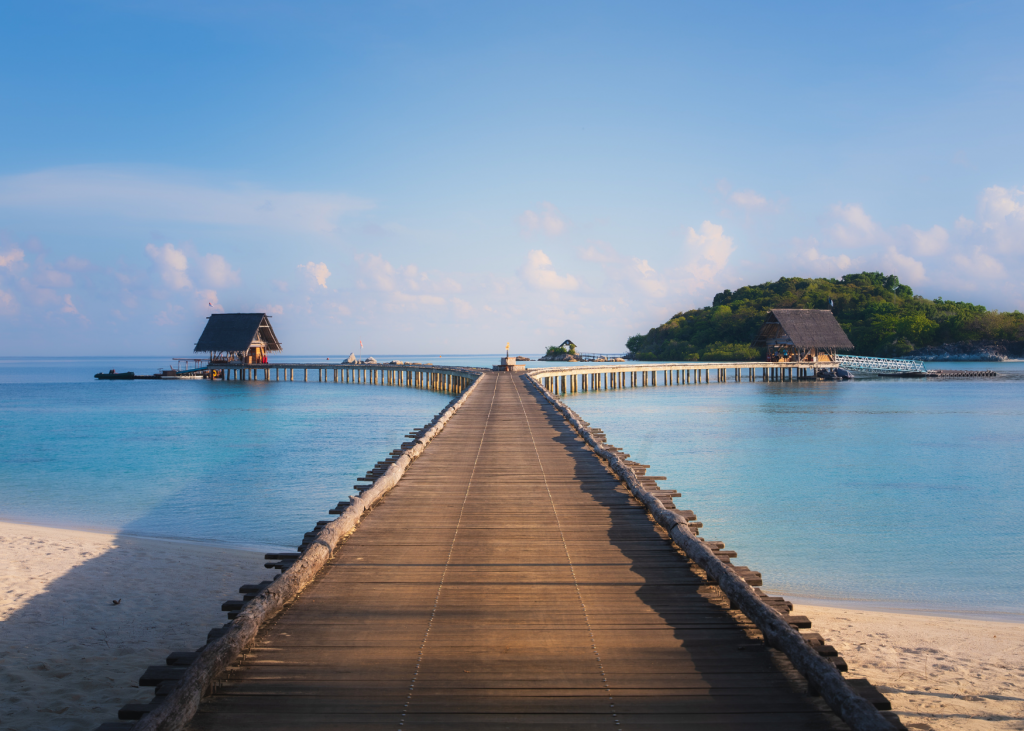
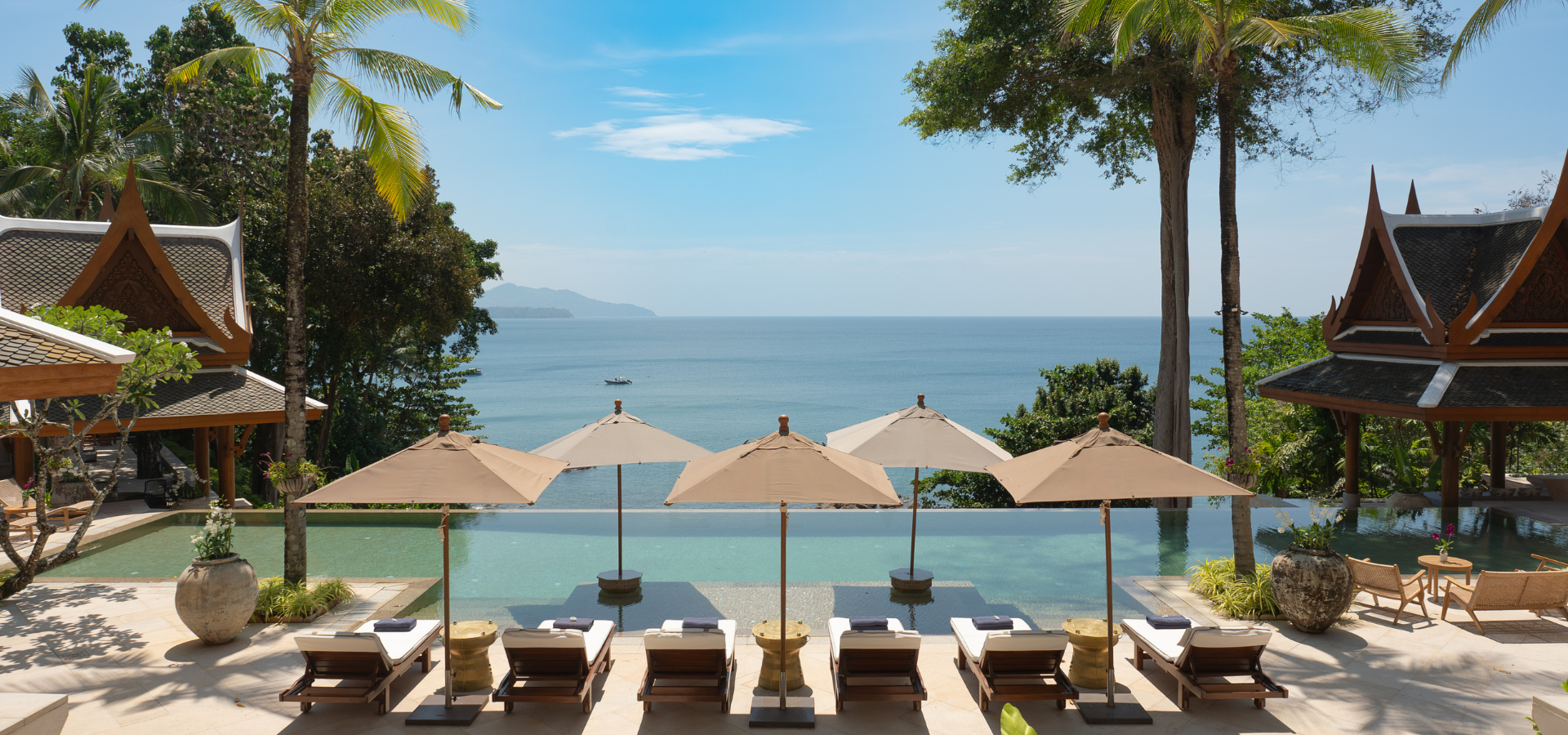
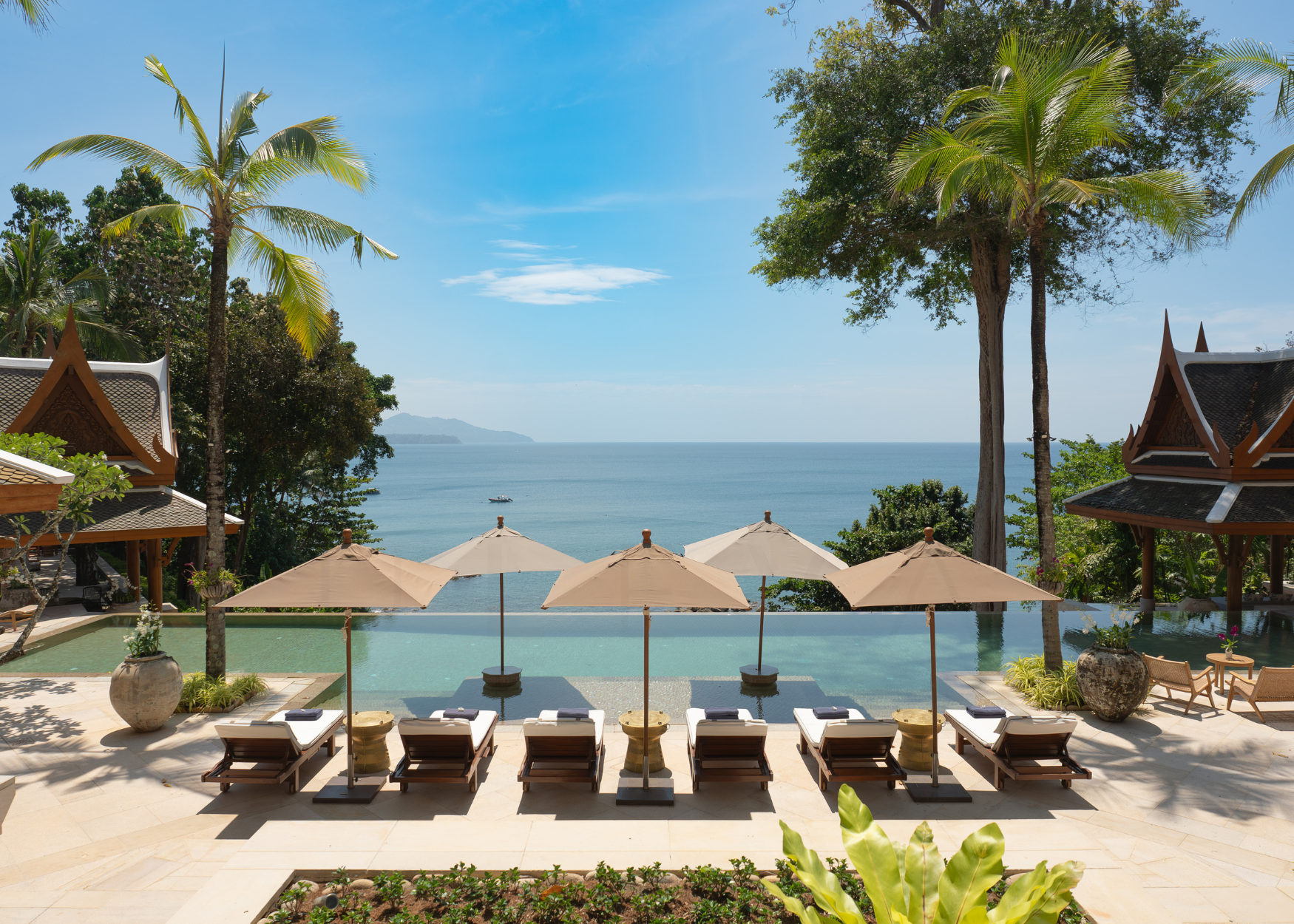
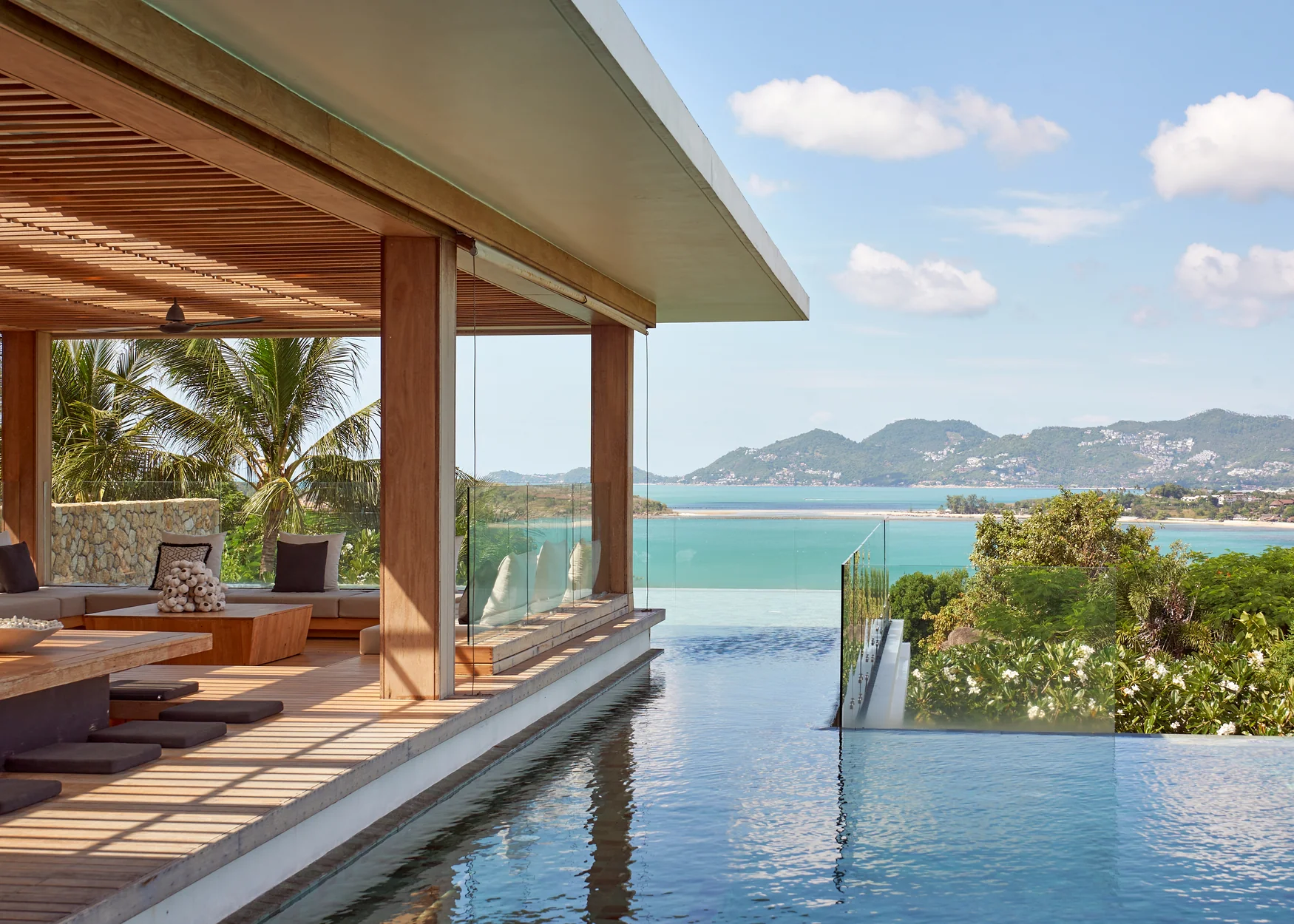
Bawah Reserve is a remote paradise spanning six islands in Indonesia’s Anambas archipelago. Top: Villa Sawan is private villa rental overlooking the Andaman Sea and Kamala Beach in Phuket.
Less scripted service puts more weight on judgement. Formerly a private yacht chef, Magpie chef-owner Eliot Thomas describes hospitality as “reading people—knowing their expectations before they even know them”. Some guests want the story behind every dish; others want the plate put down and the server to leave them alone. Geraleine Yap, senior travel consultant at Scott Dunn, makes the same point from the hotel side: personalisation means remembering what a guest has previously shared, not merely greeting them by name.
Tan uses housekeeping as a test of the operation behind the room: done well, guests barely notice it; done badly, it exposes how the hotel is run. Kenneth Cai, co-founder of beCuriou, separates the “hardware”—the chandeliers, marble bathrooms, and accommodation—from the “software” or the people. The hardware still sets expectations, particularly at the prices now being charged. The staff determines whether the stay lives up to them.
Space to be together—and apart
Private villas and residences give families control over something hotels can struggle to provide: proximity without enforced togetherness. At Four Seasons Resort Chiang Mai, general manager Sean Mosher has seen growing demand from families, multigenerational groups, and long-stay guests. “What they want is space—room to be together, mark special moments, or simply enjoy slow days surrounded by nature. The residences give them that sense of home while letting them move at their own pace.”
Jacqui Spice, founder of New Zealand’s residential rentals platform Touch of Spice, describes multigenerational travel as a growing part of her business. The attraction is practical as much as emotional. A private house lets grandparents withdraw, children move around, and everyone come back together for dinner; meals can be formal or casual, and the day need not be organised around restaurant bookings or a hotel timetable. “They want to spread out but still all be together,” she says. The privacy is within the group as much as from the outside world.
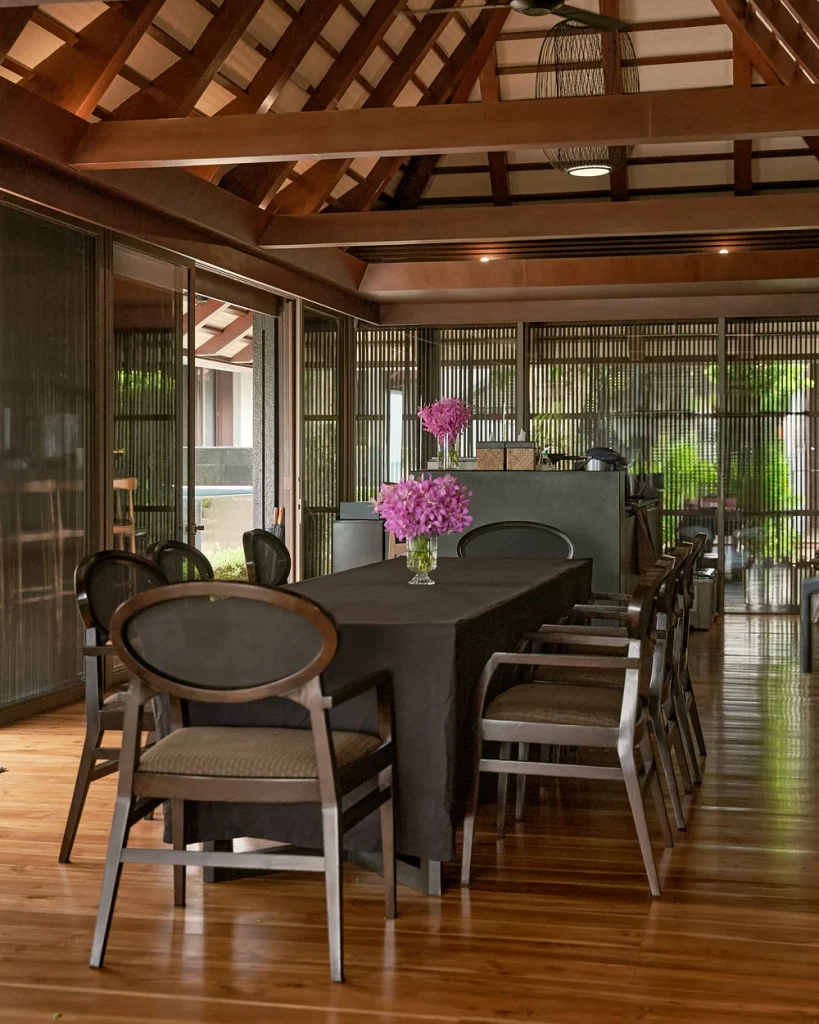
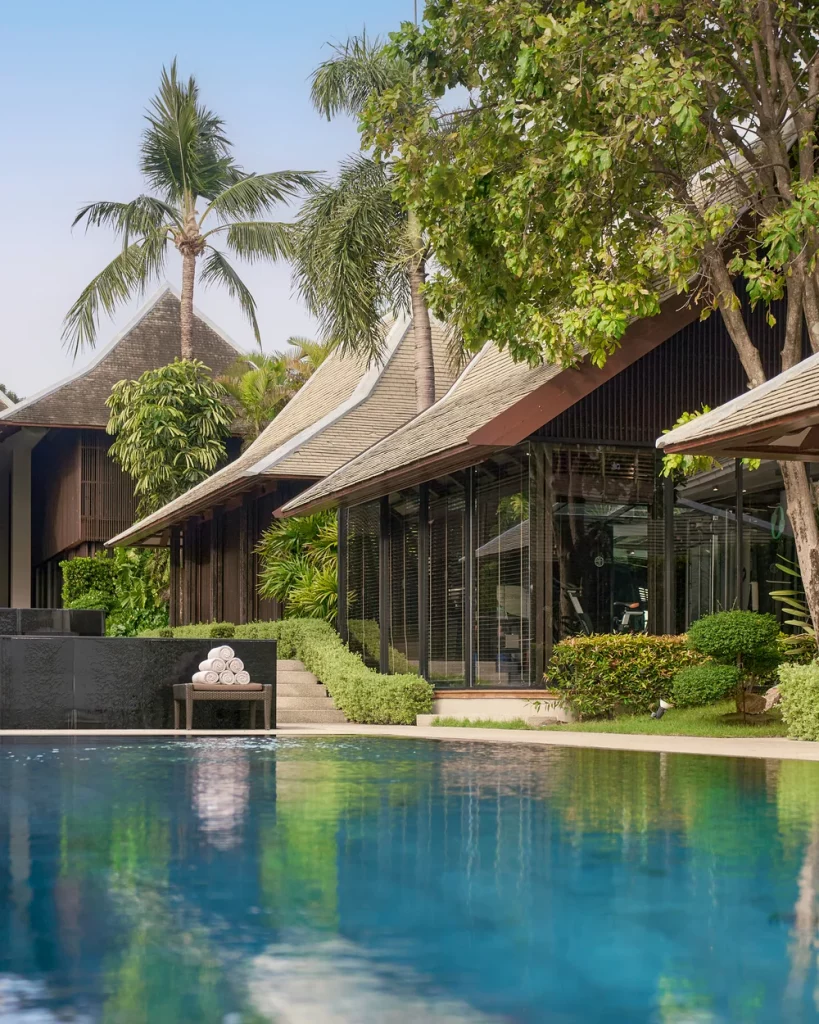
Blending Thai and Japanese design influences, Villa Akatsuki features a three-tier pool, manicured gardens, and a front-row view to Samui’s famous Five Islands.
Hotels are adapting to longer, less compartmentalised stays. Designer André Fu says the hotel room now has to accommodate work, meetings, dining, entertaining, and hosting as well as sleep, particularly when a stay extends from a few days to weeks or months. “Hotels become temporary homes.” In resort design, Christopher Chua of KulörGroup sees villas moving further towards “self-contained sanctuaries”, with wellness and environmental controls built into the experience. The overlap works both ways: residences are adding hotel-level service and amenities, while hotels are giving guests more of the autonomy they expect at home.
Going further for something different
For travellers who have already covered much of the conventional luxury circuit, the destination itself has to work harder. Cai points to Africa and South America, expedition cruising in Antarctica, the Galapagos and Svalbard, and private yacht charters around Raja Ampat. Laxmi K names private islands, safari camps, and walled estates; Yap cites red-panda and tiger tracking on the India-Nepal border, puma safaris in Patagonia, and growing interest in less familiar parts of China. The appeal is not a longer flight or a more obscure pin on the map. It is access to an experience that is difficult to reproduce elsewhere.
Victor Dizon, co-founder of A2A Safaris, remembers an early client in Hong Kong hearing the price of a safari and replying: “For that much, I could buy another Patek Philippe, or two more Birkins for my wife.” He now finds clients more inclined to ask about destinations they might once have dismissed as too distant or difficult. Safari also gives him one of the clearest examples of an experience shared across generations: “There’s that newness factor of being put in a raw, wild setting, and its ability to cut through age brackets—the 80-year-old grandfather feels the same thing as his 10-year-old grandson.”
Distance still has to earn itself. Cai values access to local personalities over expensive experiences arranged simply to impress, while Robinson says Bawah’s guests want exploration and “more substance” than being waited on at the beach. Wildlife, landscape, culture, and access can justify the effort of getting somewhere. Remoteness on its own cannot.
A stronger sense of place
International brands still offer reassurance, particularly in unfamiliar destinations, but consistency can tip into sameness. Fu argues that travel should provide “a sense of locality”: “When you travel to a place, you want to experience the culture, you want to experience something that is out of your everyday life.” The challenge is not simply to make a hotel recognisably luxurious, but recognisably of its setting.
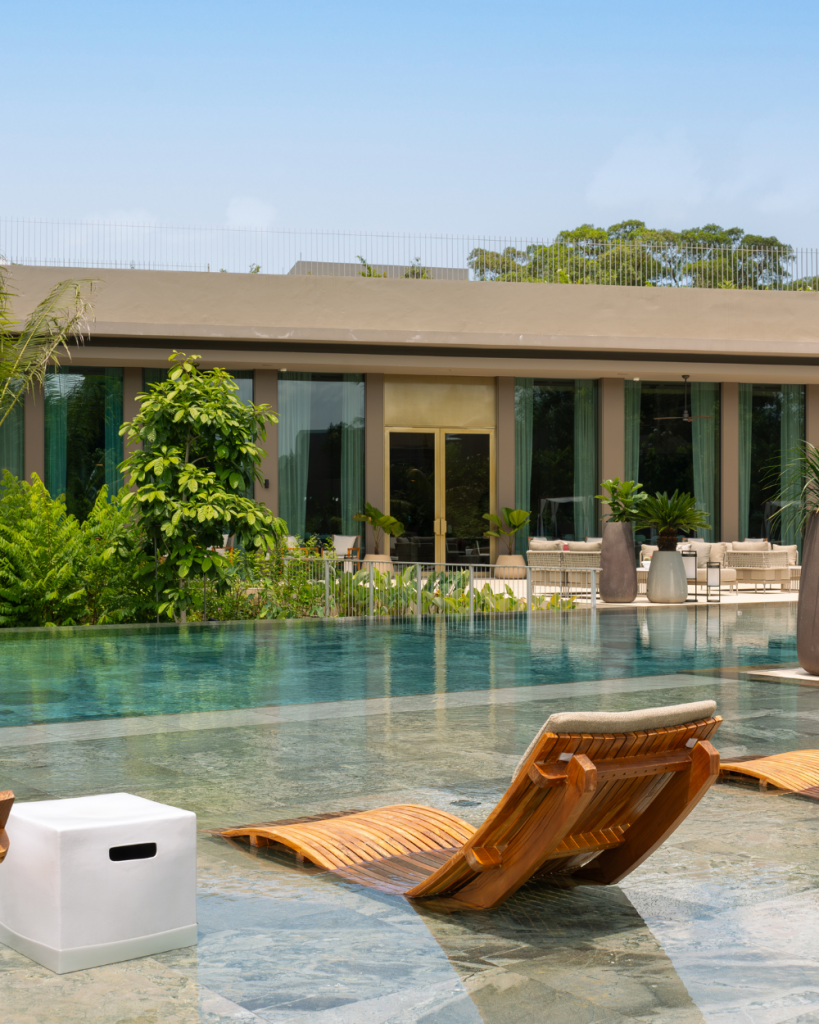
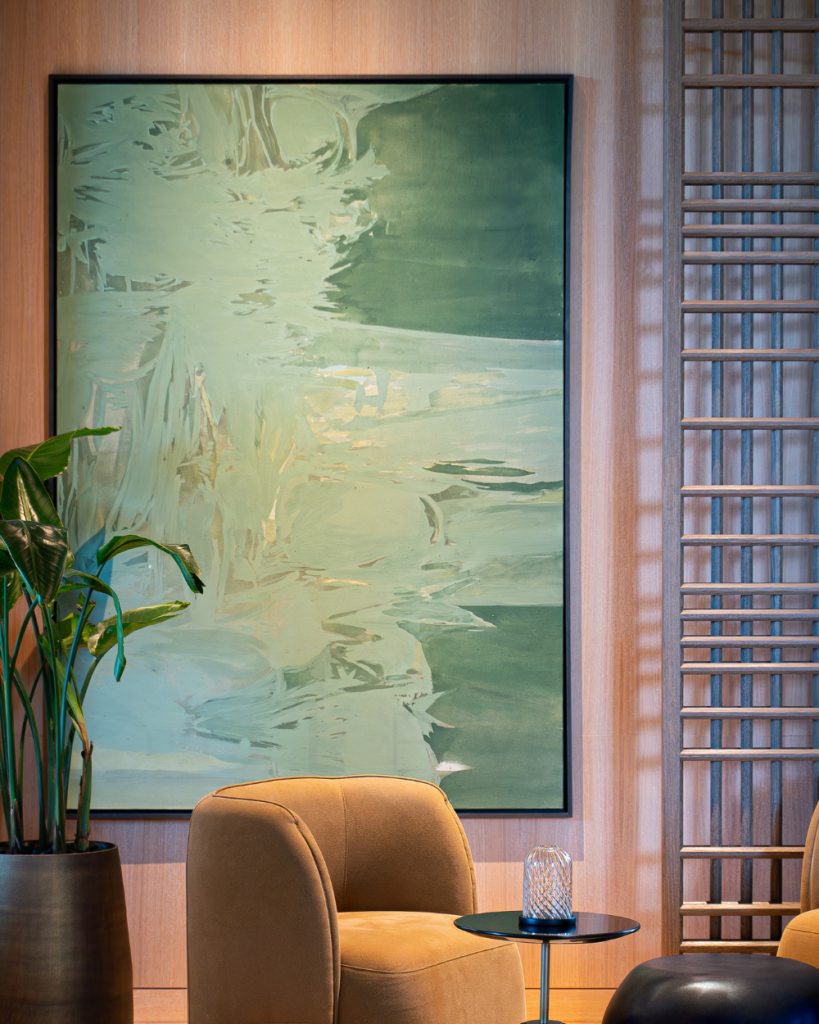
Inside Raffles Sentosa Singapore, a villa-only resort designed by globally renowned Yabu Pushelberg.
That asks more of a hotel than a few local references added to an otherwise transferable design. At Raffles Sentosa Singapore, designer Glenn Pushelberg rejected a purely contemporary approach because “it felt too generic”. Instead, the team drew on the Raffles heritage while adapting it to a resort setting, building up layers of “colours, patterns, and a sense of history”.
A stronger relationship with the setting does not require every resort to become rustic. Kengo Kuma describes architecture as a way to reconnect people with the environment rather than enclose them in a “concrete box”. Landscape architect Martin Palleros argues for beginning with the greenery and site before fitting the architecture around it. The point is not a single aesthetic. A city hotel and an island resort should not look alike; neither should feel as though it could have been dropped anywhere.
The rise of restorative travel
Wellness now reaches well beyond a treatment menu. Sleep, nutrition, movement, recovery, nature, medical and longevity programmes, and the ability to maintain healthier routines while travelling can all shape a stay. Soneva co-founder Sonu Shivdasani says some guests arrive to “reboot their health or recover from illness, to launch a new beauty or wellness regime”. Joali chief executive Esin Güral Argat describes personalised programmes intended to send guests home renewed rather than simply rested.
It need not be formal. Scott Blum, founder of Dutch Design, noticed that people on yachts started swimming in the morning, walking, and exercising more because the setting changed their habits; his Sea Rover concept builds wellness facilities into the vessel accordingly. Chua makes a comparable point about villas, where lighting, bathing, temperature, and other environmental controls can support the guest’s daily rhythm. In both cases, the setting itself does part of the work.
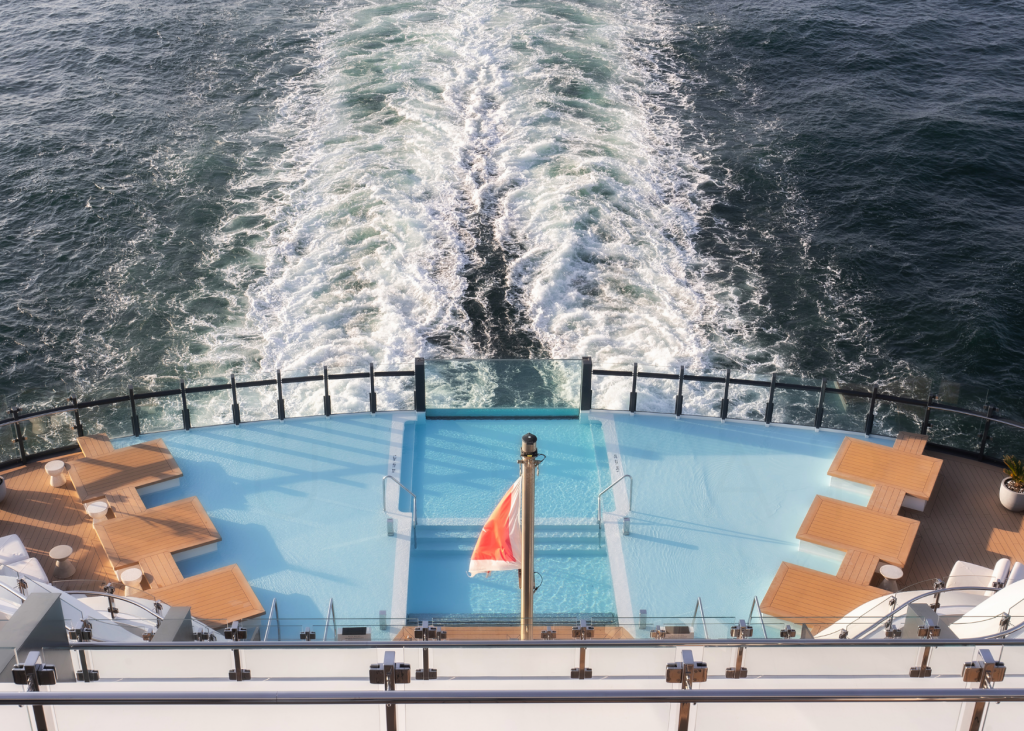
The infinity pool on board Luminara, The Ritz-Carlton Yacht Collection.
Shivdasani’s broader definition of luxury helps explain why this sits comfortably at the most expensive end of travel. For an urban guest, he argues, rarity may be walking barefoot for a week or eating a salad picked from the garden that morning. Opulence has not disappeared, nor has the market for it. But clean air, quiet, space, sleep, and direct contact with nature can be scarce too.
Buying back time
Private aviation makes the value of time unusually easy to calculate. Brendan Toomey, chief executive of Air Charter Service Singapore, points to the ability to avoid commercial terminals, choose a more useful departure time, and fly directly to an airport closer to the final destination. “There’s nothing quite like going exactly where you want to go,” he says. Dassault Aviation’s Carlos Brana calls a private jet “a way to manage what little time you have”, while Bombardier’s Jean-Christophe Gallagher points to lower cabin altitude and arriving less depleted after an 18-hour flight.
Time is also lost in smaller increments throughout a trip. A travel adviser can remove hours of research and coordination. A good hotel team resolves requests before they become problems. A villa lets a family eat when it wants rather than when a restaurant can seat it. Chef Thomas calls family time something “you can’t buy”; much of the expense surrounding a high-end trip is directed towards protecting it. The jet, house, chef, or concierge is the mechanism. The benefit may simply be getting several people into the same place with fewer demands on their time once they arrive.
When the destination becomes home
Longer stays are also changing the relationship between holiday destinations and property. In Phuket, ultra-prime property specialist Adam Taugwalder says homes once treated as conventional second residences are increasingly used as semi-primary bases for three or four months a year. Gaël Ovide-Etienne of Ocean Worldwide Real Estate sees more buyers staying for longer or relocating permanently. The property must accommodate both modes: the escape of a holiday home and the rhythms of everyday life.
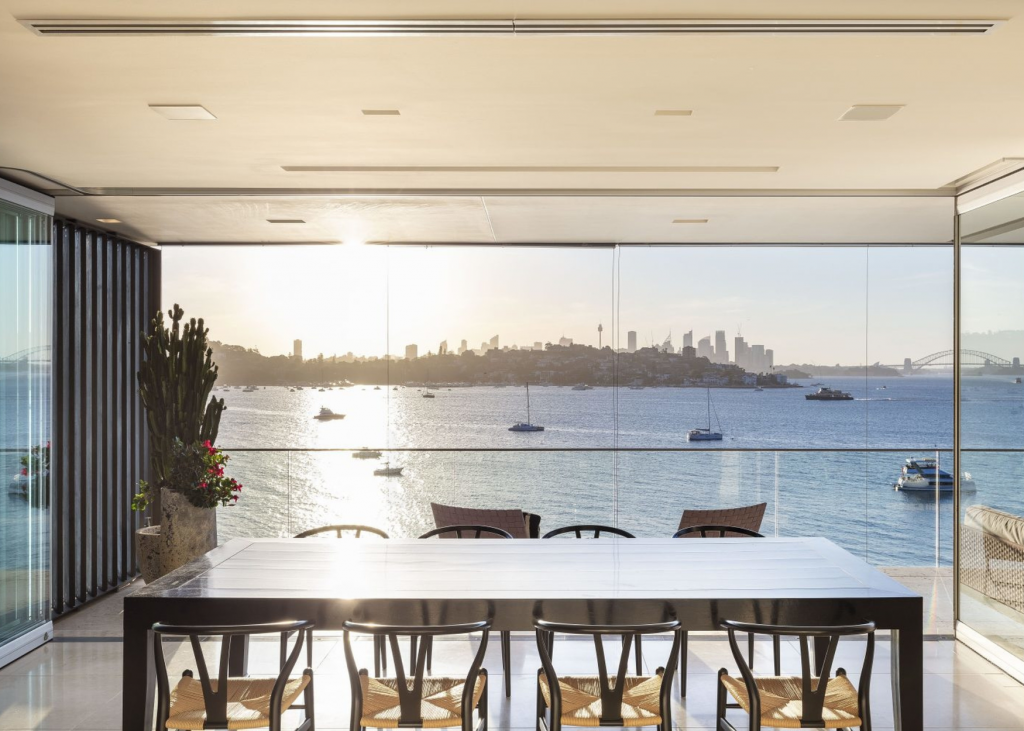
The panoramic view from Sydney Harbour Private, a luxury rental basking in natural light.
The pattern extends well beyond Phuket. In Noosa, buyer’s agent Christine Mount identifies remote-working entrepreneurs using the Australian resort town as a primary base—a segment she says did not exist in the same way before covid. In Turks and Caicos, The Agency’s Ian Hurdle describes second and third homes as an “alternative base of operations”, helped by digital connectivity and private aviation. In Niseko, prestige agent Paul Butkovich sees demand for private resort homes with onsen-style baths, spa zones, cold plunges, saunas, ski rooms, and staff areas. The house is expected to deliver much of the comfort and service once sought from a hotel.
Ownership, however, competes with the desire to remain mobile. Shivdasani encounters wealthy Maldives buyers who initially resist adding what’s typically a fifth home, because it ties them to another destination—while others decide they want to return repeatedly. Felix Desjardins of List Sotheby’s International Realty in Thailand works with clients who maintain homes around the world, often to give geographically dispersed families somewhere to come together. The purchase has to offer something repeated travel cannot—and the place has to be worth repeating.
What has actually changed?
Personalisation, authenticity, transformation, and “quiet luxury” can describe real changes in products and behaviour, but to some extent they merely repackage things good hospitality has long tried to do.
The surrounding conditions have changed more clearly. Travellers can compare rates, inspect rooms, read reviews, and build a plausible itinerary before they speak to an adviser. They can choose among hotels, private villas, yachts, safari camps, expedition ships, and their own residences, sometimes within the same journey. Flexible work allows some to stay for months rather than days. A guest who moves easily among those categories does not judge each one in isolation; the best service, design, food, privacy, or convenience encountered anywhere can reset expectations everywhere else.
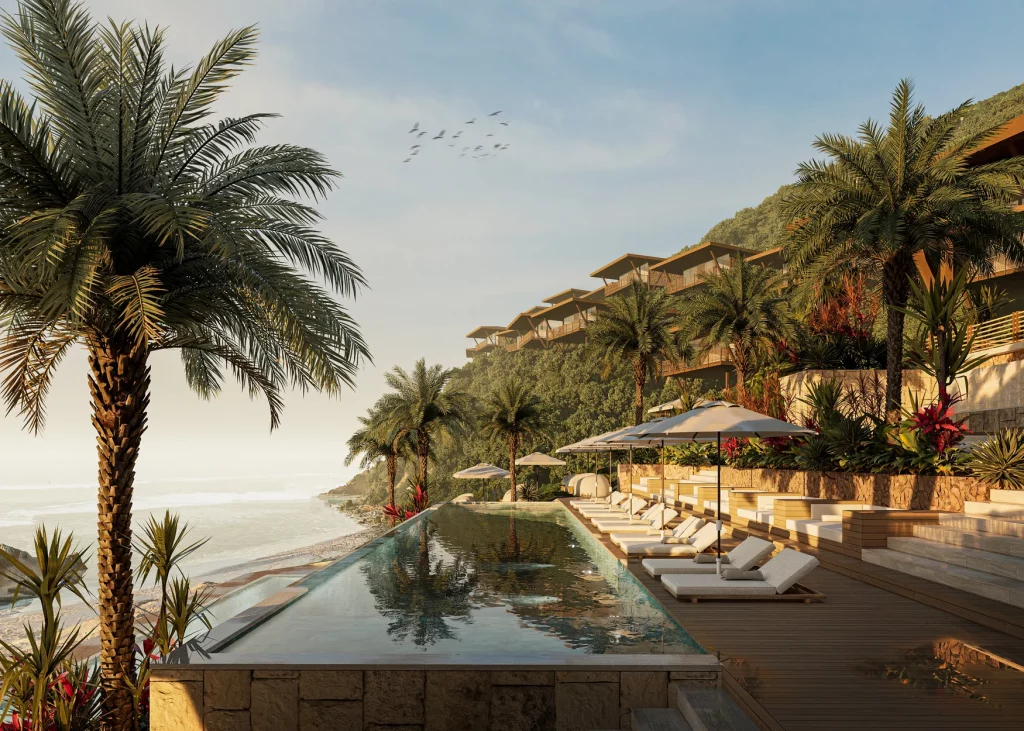
Artist’s rendering of the beach club at Samara Lombok, a 150-hectare resort set to open in 2028.
More choice makes judgement more important. Laxmi K describes herself as a “travel thought partner”, bridging the gap between the destination a client has imagined and what they actually want to feel. Tan values experienced hotel teams because their expertise cannot simply be bought with expensive finishes. Thomas reads the table before deciding whether to explain the food or step away. A2A Safaris’ Dizon builds the trust that allows him to steer clients towards unfamiliar destinations. In each case, the value lies in deciding what the traveller needs rather than adding another layer of service by default.
There is no single aesthetic at the top of the market. Marble and Champagne coexist with barefoot islands, remote camps, private houses, expedition travel, and highly engineered aircraft. The more interesting shift is in how these worlds intersect. Travellers may bring the expectations of a private residence to a hotel—or vice versa; they’ll expect the service of a great restaurant in a villa, the efficiency of private aviation throughout a journey, or the sense of discovery found on safari or an expedition from a resort stay. Architecture, gastronomy, wellness, aviation, hospitality, and residential living increasingly inform the same idea of how time away should feel. At the very top of the market, each experience sets a benchmark for the next.
Read next:
- The interview: ThirdHome’s Wade Shealy on turning second homes into a passport for travel
- The interview: K. P. Ho, founder of Banyan Tree Group, on three decades of luxury hospitality
Explore luxury stays, curated by Boulevard
In brief:
Luxury hotel rates have risen “at least 20 to 30 per cent” globally, according to Foray Travels co-founder Eleanor Tan, yet the price tag alone no longer impresses. Travellers arrive better informed, some with AI-generated itineraries for their advisers to assess, and the definition of luxury has moved from “loud and big” to “quieter, unbranded, hard to find”.
The trends: Five shifts are shaping the top of the market.
- Travellers who have covered the conventional circuit are going further, to Antarctica, Svalbard, and Raja Ampat, but distance has to earn its place through access that can’t be reproduced elsewhere.
- Design is chasing “a sense of place”, with Raffles Sentosa rejecting a purely contemporary look because it “felt too generic”.
- Wellness now reaches well beyond the treatment menu, with sleep, nutrition, recovery, and longevity programmes alongside clean air, quiet, and space.
- Private aviation, villas, and expert advisers are bought to buy back time.
- Longer stays are turning destinations into homes, from Phuket residences used for three or four months a year to Noosa bases for remote-working entrepreneurs.
What has changed so far: The wants behind these trends are familiar; what changed are the surrounding conditions. Travellers can compare rates, inspect rooms, read reviews, and build a plausible itinerary before speaking to an adviser. They move easily among hotels, private villas, yachts, safari camps, and their own residences, so the best service, design, or privacy they find anywhere resets expectations everywhere else. Flexible work lets some stay for months rather than days. With more choice, judgement matters more.
The takeaways: There is no single aesthetic at the top of the market, where marble and Champagne sit alongside barefoot islands, remote camps, and private houses. The more interesting shift is how these worlds overlap, with guests expecting a residence’s privacy in a hotel, a great restaurant’s service in a villa, and an expedition’s sense of discovery in a resort stay. Each experience now sets the benchmark for the next, and the value lies in deciding what the traveller needs rather than adding another layer of service.
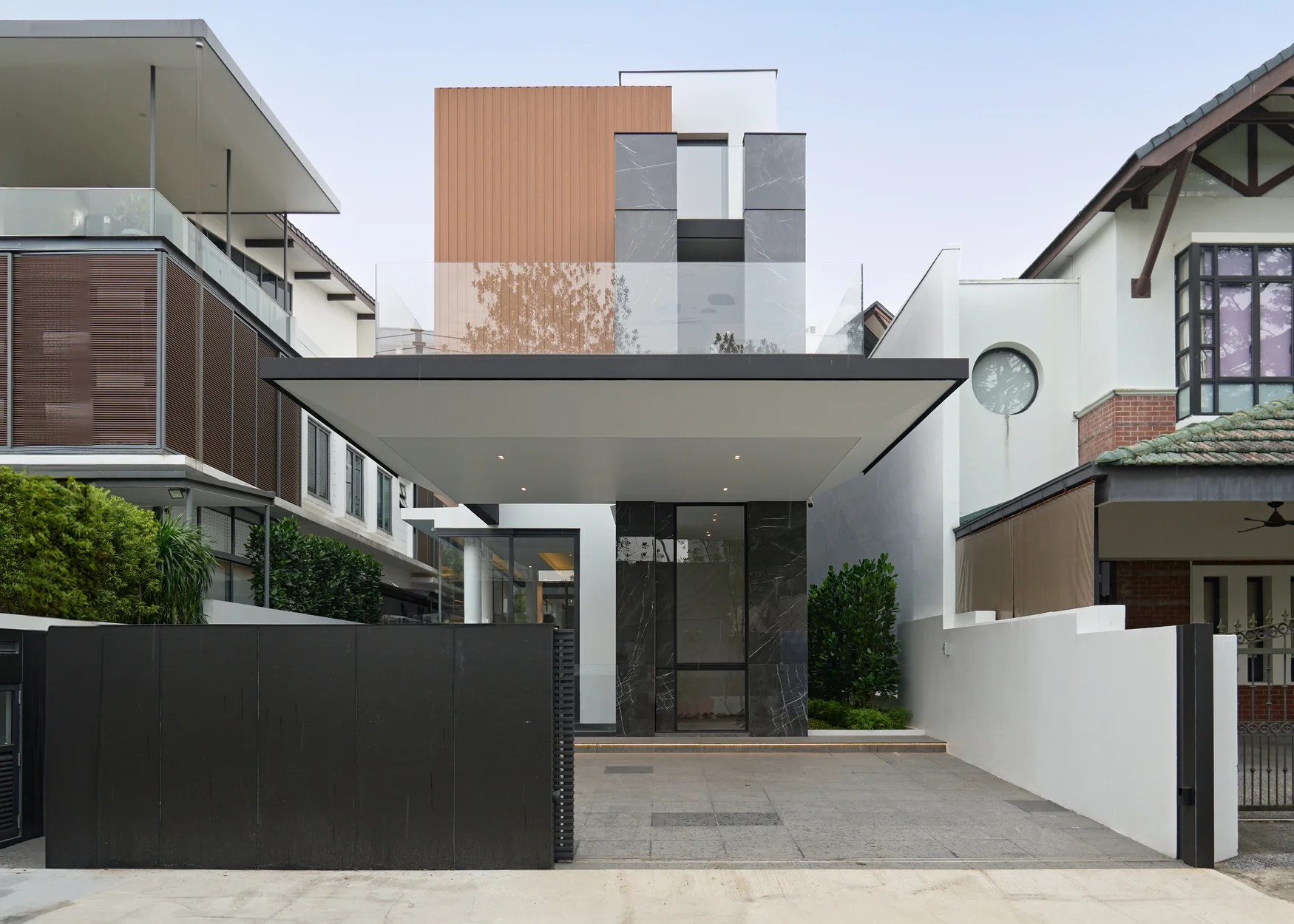
8+1 bed | 10,200 sqft area 19,500,000 SGD
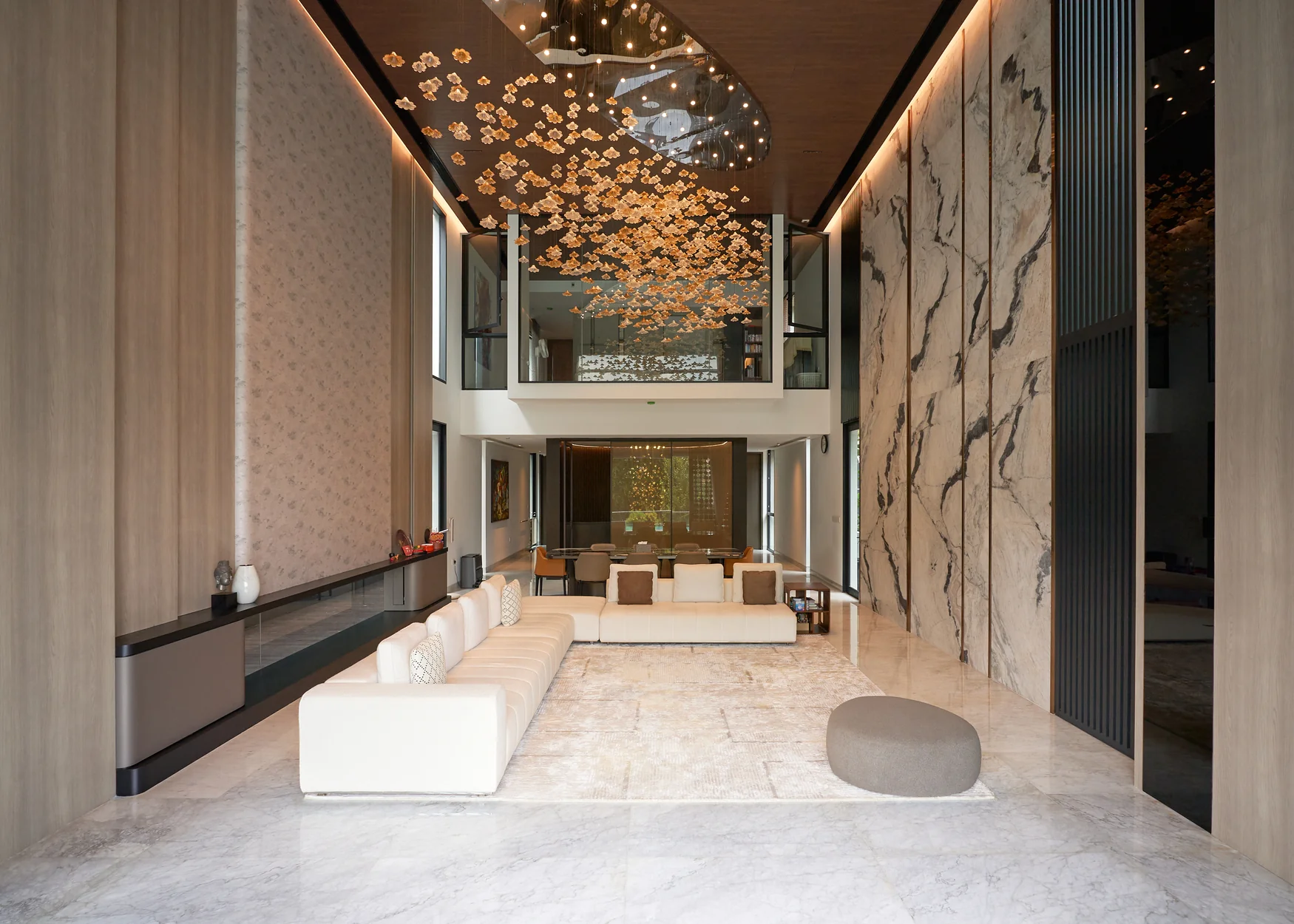
5 bed 19,380,000 SGD
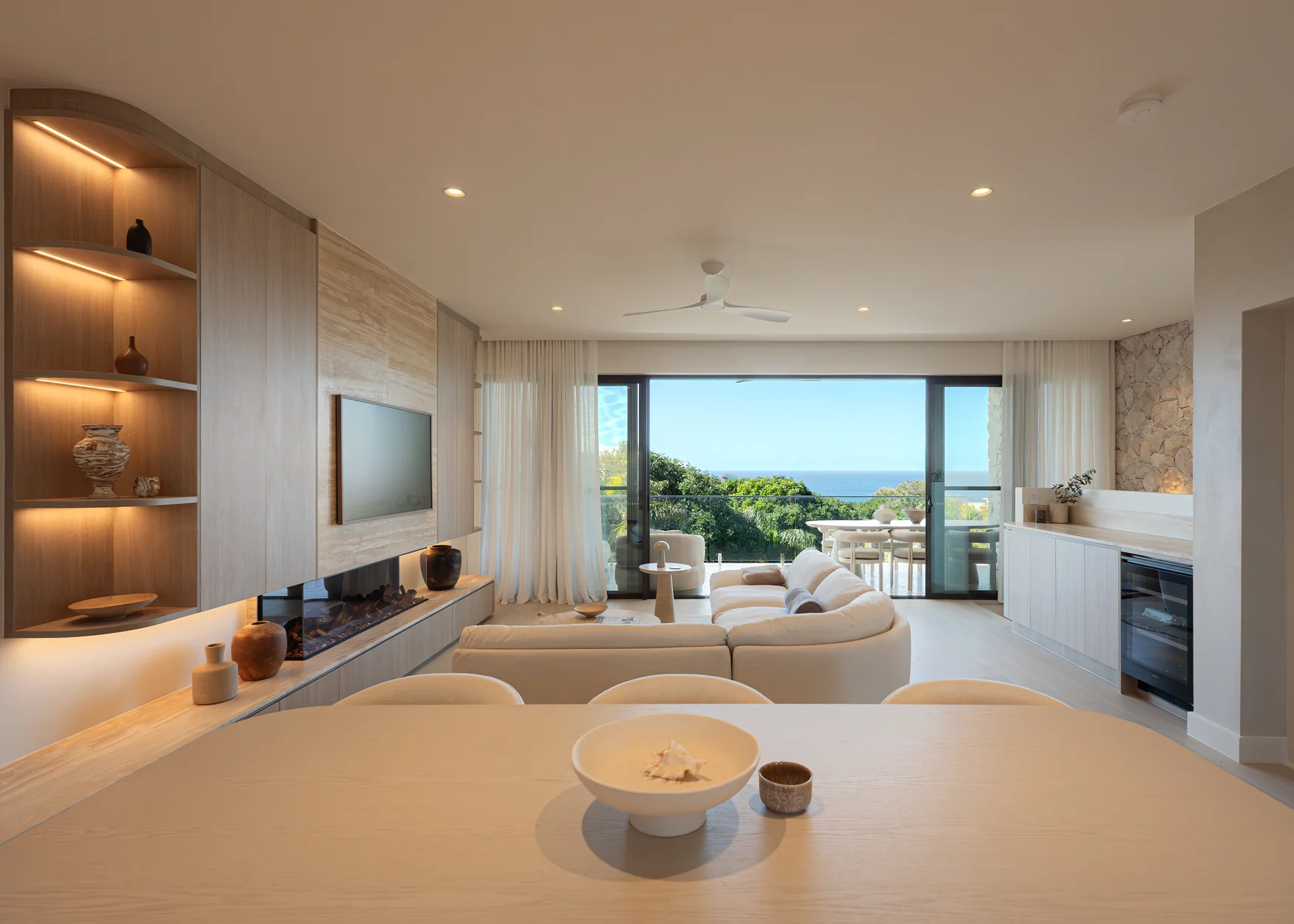
4 bed | 4,208 sqft area POA
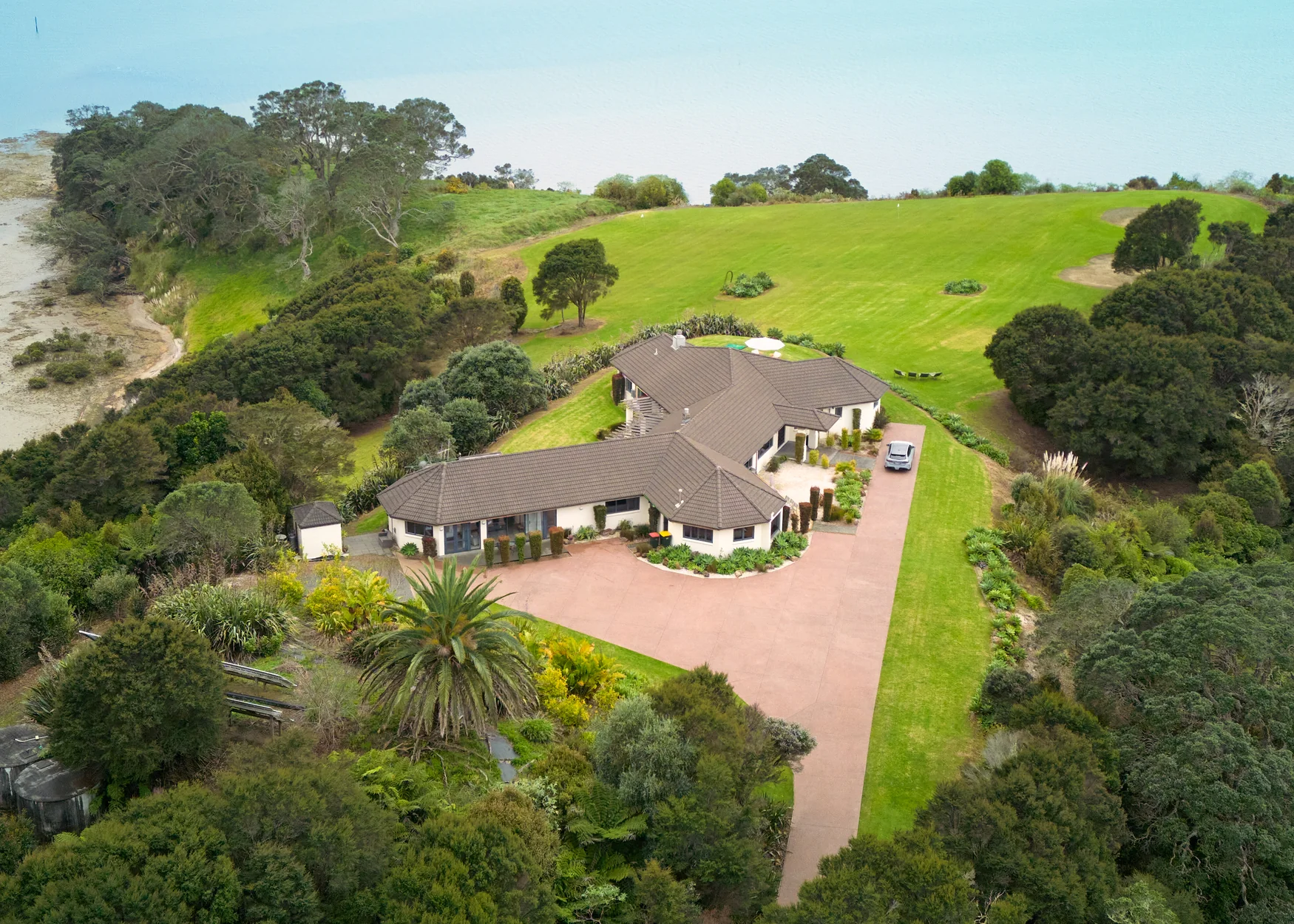
3-8 bed | 699,654 - 784,080 sqft area POA
6 bed POA