The interview: KulörGroup’s Christopher Chua on the studio’s global playbook for designing the most luxurious, private resorts
KulörGroup has built a distinct position in the boutique hospitality market through its integrated approach to design. Founded in 2016 by Christopher Chua, the Singapore-based studio operates across architecture, interiors and master planning, with a portfolio that spans resort destinations from the Maldives to Mexico and the Galápagos.
As demand shifts towards longer stays, wellness-led spaces and residential-style hospitality, KulörGroup’s work reflects a broader evolution in how high-end accommodations are conceived and experienced. In this exclusive interview with Boulevard, Chua discusses how geography and shifting preferences influence their designs across hotels, resorts and branded residences, and touches on AI’s increasing impact on the design process.

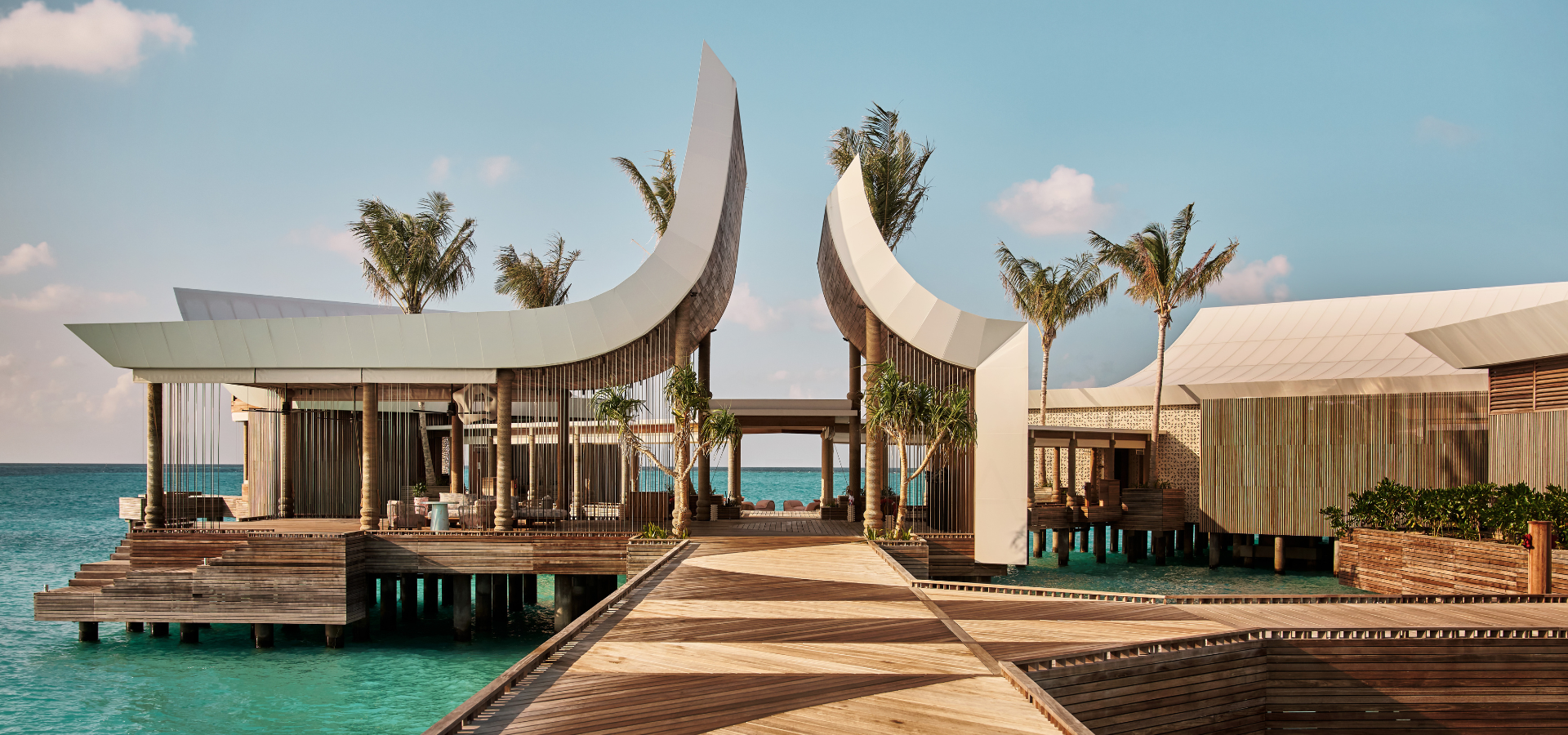
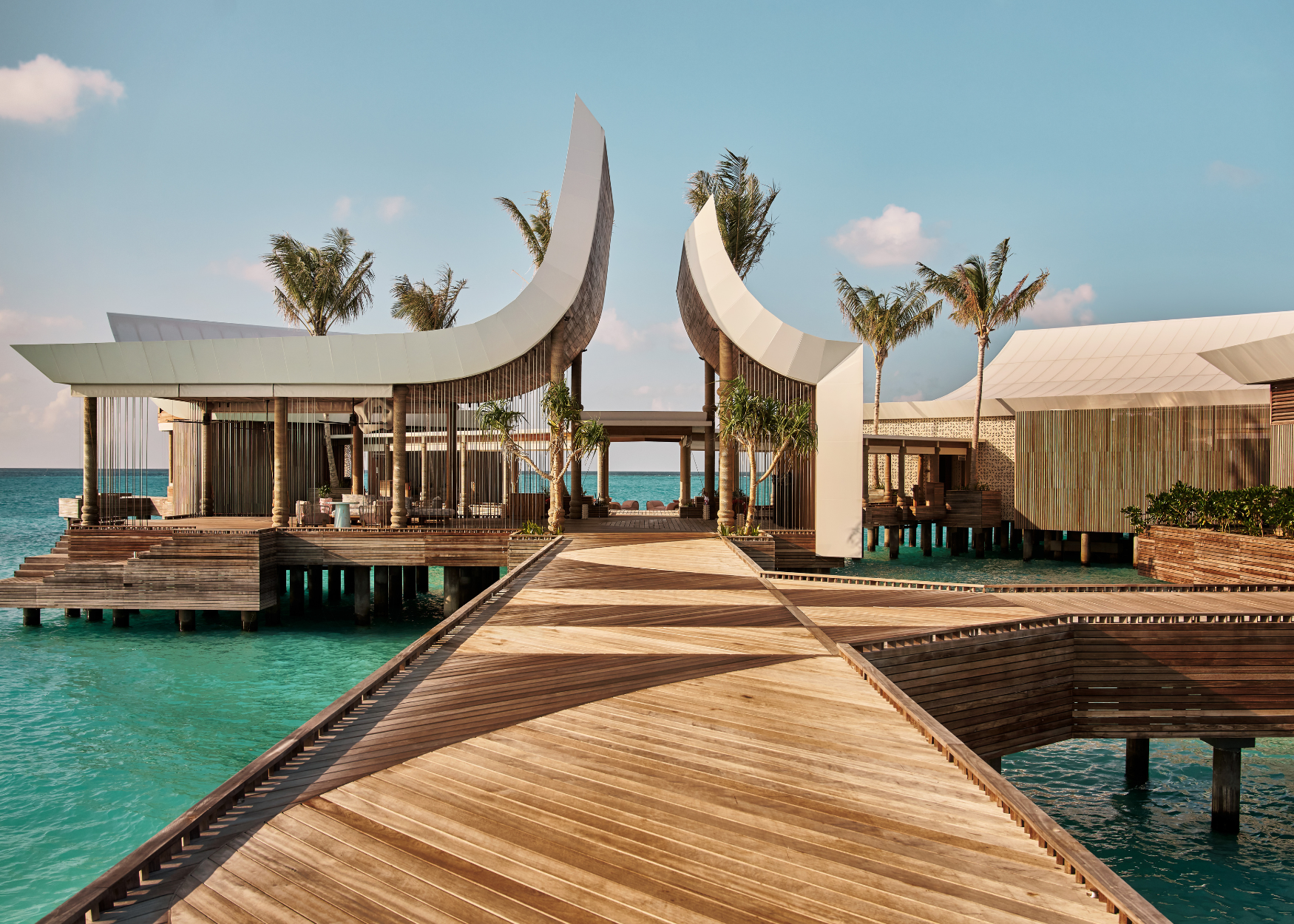
Left: Christopher Chua, founder of KulörGroup. Right: .Here Baa Atoll in the Maldives, a private island ultra-luxury resort. Top: The resort features just nine private residences with architecture designed by KulörGroup.
Boulevard: What defines your approach to the hospitality sector, particularly at the top end of the market?
Christopher Chua: I think what’s interesting is that we start everything from scratch, from master planning and architecture all the way through to interiors. Our approach is often influenced by filmmaking. We look closely at land, climate, and photography, which comes from the diversity of the places we work in, from the Galápagos to Mexico, the Maldives and Fiji.
My ethos is centred on understanding human behaviour rather than following trends. Sustainability is very important to me, and I believe it should be inherent in the way we design, rather than something added on.
When it comes to interiors, we don’t separate them from architecture. Within our group, both architects and interior designers work across disciplines. It’s something we’re very proud of. We design from the inside out and the outside in. It’s a continuous process, with spatial decisions forming a kind of gradient rather than a hard line.
“My ethos focuses on human behaviour over trends, with sustainability inherent in design, rather than something added on.”
Our work is grounded in clarity, efficiency and performance. When we started the group, we handled a significant amount of technical services for private owners, which gave us a strong understanding of financial decision-making and operational efficiency. Some of our team also have MBAs in hospitality management, so all of these considerations come together to shape each project.
Blvd: How does geography, from the Galápagos to your other markets, influence your design approach?
Chua: Our approach is global, but it’s grounded in deep engagement with each location. I personally travel frequently, immersing myself in the culture and understanding the people and why a particular hotel or resort is being built. For me, that’s key.
Luxury today can often be ego- or style-driven, but I approach it differently. I focus on why a project needs to exist for the environment and the location. Take the Galápagos, for example: the first day I visited, I asked myself why we should even build anything there. Beyond financial considerations, my thought process was, if I don’t want to build here conceptually, can I lift the building from the site? Can it avoid touching the land? Can it regenerate the site?
These considerations—whether anthropological, environmental or spatial—guide every design decision. The context of the land and the location is always the starting point for me.
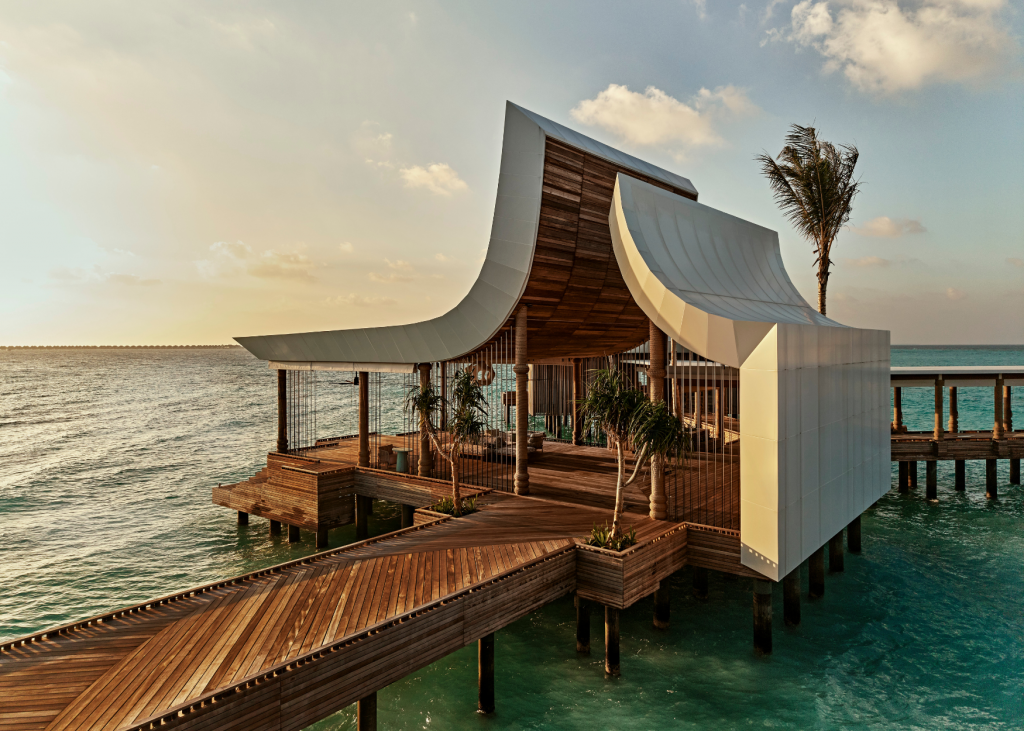
.Here Baa Atoll spans two pristine islands, Somewhere and Nowhere, and features world-class amenities, including a wellness centre and 24/7 in-residence dining by Safar restaurant.
Blvd: Over time, how have you seen tastes, lifestyles and travel habits evolve, and how have those changes influenced the spaces you design?
Chua: Over the past ten years, the market has changed significantly. I come from a hospitality design background—my first project was W Maldives, which at the time represented the pinnacle of cool luxury. Since then, the market has matured considerably.
For me, luxury has become much more differentiated and experiential. Owners today are more financially disciplined—they value beauty, certainly, but they also consider the performance of the asset. At the same time, service needs to be highly efficient, and the middle ground is almost disappearing.
Travellers are similarly selective. When booking stays, they tend to choose either luxury, boutique or efficiency—they focus less on the room itself and more on location and the quality of service. As a result, each project we take on now has a clear purpose and direction.
Blvd: We’ve noticed that residences are increasingly offering hotel-like amenities and service, while hotels are adopting more residential qualities—larger spaces and longer stays of two to four weeks. How does this shift influence your design approach? Are these trends something you actively consider when creating these spaces?
Chua: Absolutely. There are many layers to this. We work on both hotel developments and private residences, and the lines are increasingly blurred. Guests now expect greater autonomy and privacy in their spaces. In resorts, villas are becoming self-contained sanctuaries. Guests want to feel at home, with wellness integrated throughout.
“For me, luxury has become much more differentiated and experiential. Owners today are more financially disciplined—they consider the performance of the asset.”
For example, in the Maldives, Galápagos or Mexico, villas aren’t just about size—they incorporate wellness features throughout, whether it’s bathrooms with steam saunas, ice baths, light therapy, air quality controls or circadian lighting. Guests staying for longer periods pay a premium and expect full control over their environment—the lighting, the bath, the shower, even the W Maldives are also reaching this upper tier of luxury, so expectations for service and domestic support are rising as well. Both hospitality and residential sectors are elevating their standards.
Our approach treats hospitality as a scaled experience. While revenue logic remains important, durability and life cycle have become critical. Hospitality must evolve beyond trends and hold emotional permanence. The best hotels today aren’t trendy. Their spaces, interiors and exteriors create personal, residential-like experiences with timeless appeal.
That’s how we approach design: it’s not about what’s fashionable today, but what performs repeatedly, sustains over time and delivers an enduring, personal experience.
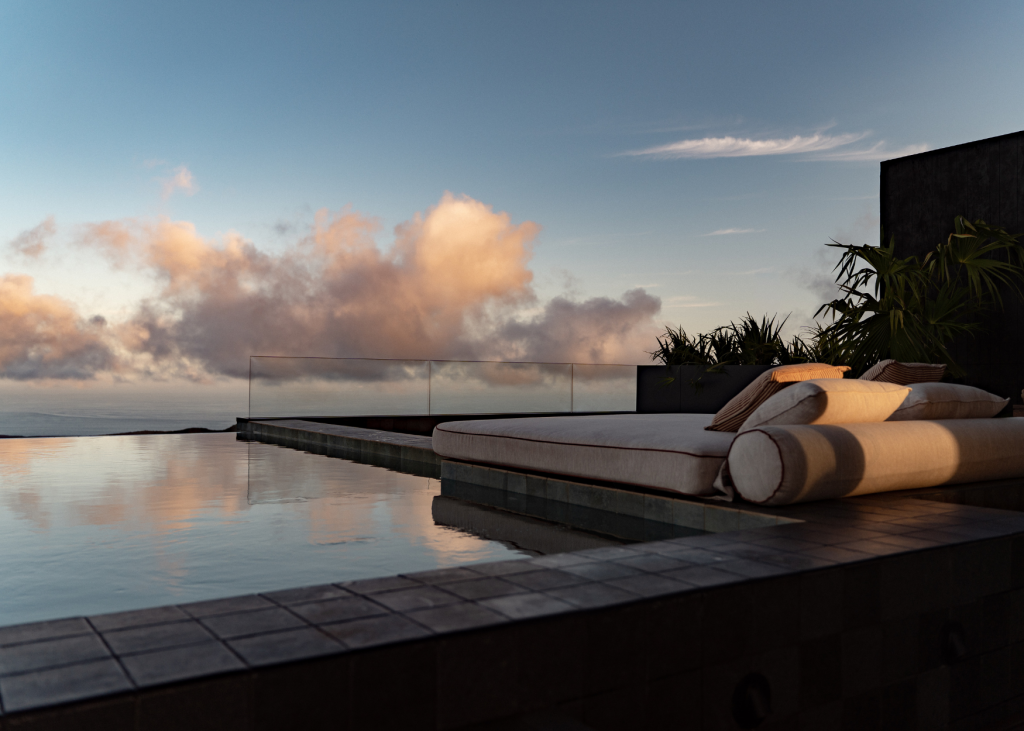
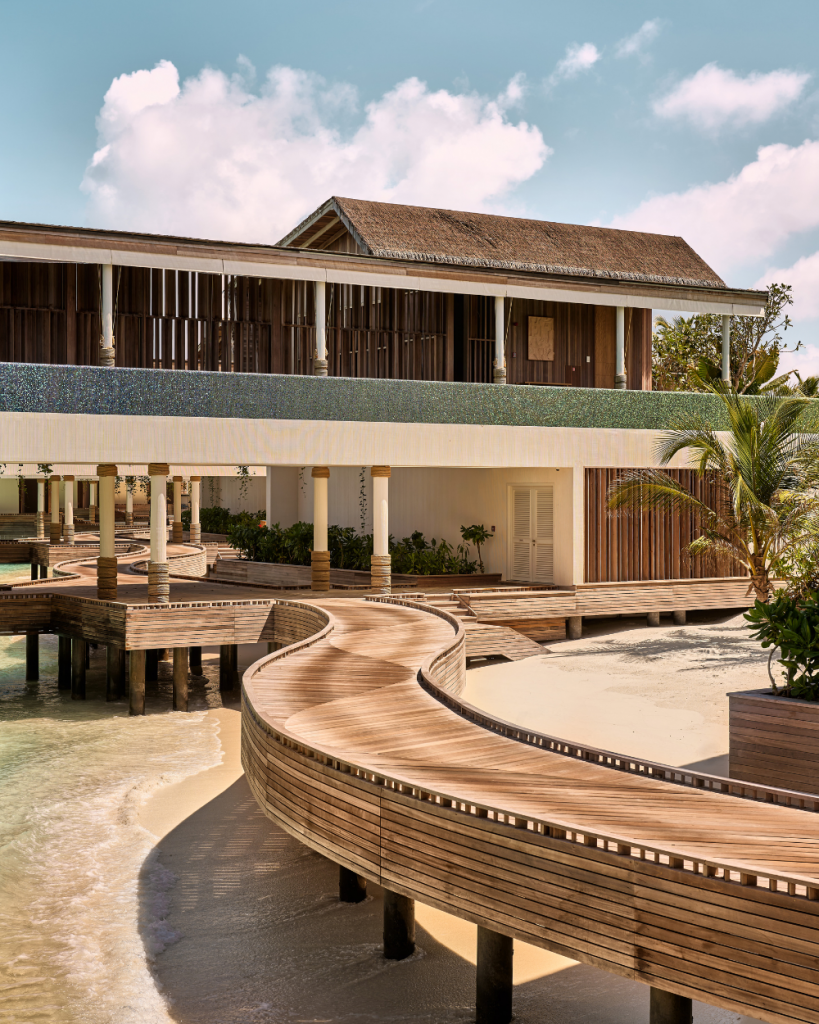
The Six Senses Galápagos in Ecuador is designed to be LEED-certified, featuring renewable and locally sourced materials, such as volcanic stone, bamboo and clay-fired tiles.
Blvd: You’ve designed for W Maldives as well as Six Senses, which have very different brand aesthetics. How do you balance your own design approach with the identity and style of the properties you’re bringing to life?
Chua: For me, the brand DNA and guidelines are guardrails—they protect the brand asset, which is extremely important in hotel brands. Once we have those guardrails, they don’t feel limiting. What we distil from the brand standards is how to localise each brand to its setting.
Whether it’s a W, an Autograph Collection, Marriott or Six Senses, the property should feel inevitable in its location. When done well, the brand equity and the asset value reinforce each other. Localising intelligently makes the project resonate—it’s much more powerful than simple replication.
The reason why our portfolio is so varied is that we don’t impose our ego onto the project. We design for the locale first, letting form and style emerge naturally, rather than applying them arbitrarily. When a project feels inevitable, it works both in terms of brand context and location. Guests respond to that authenticity, and as a result, the asset performs well and increases the value of both the location and the property.
“Our approach treats hospitality as a scaled experience. While revenue logic remains important, durability and life cycle have become critical. Hospitality must evolve beyond trends and hold emotional permanence.”
Blvd: Beyond the location, which is a key part of your process, where do you turn for inspiration once you’ve walked the site and experienced the space?
Chua: We start from a sense of place—I need to understand how people feel, how they move through a space and what I want them to experience. I place myself as a guest: why would I book a place to stay in the Maldives, Fiji or Bali? What would I want my guests to feel when they enter this space?
I start by observing inhabitation—where people sit, how they move, how they experience light. That informs the proportions, height, space and air, which is the foundation of the design. From there, we layer in inspirational imagery and, increasingly, tools like AI—not for generation, but to filter and refine these ideas into a coherent plan.
Outside of design, I’m drawn to immersive environments. I love gaming, not for the game itself, but for the worlds created within it. Experiencing a Japanese samurai warrior in Edo-period Japan, for example, is beautifully immersive. Games succeed because they create environments that keep players engaged for hours. It’s the same with design: guest flow, lobby layouts and food and beverage spaces guide behaviour intuitively, without obstruction. That sense of intuitive movement, atmosphere and flow is where much of my inspiration comes from.
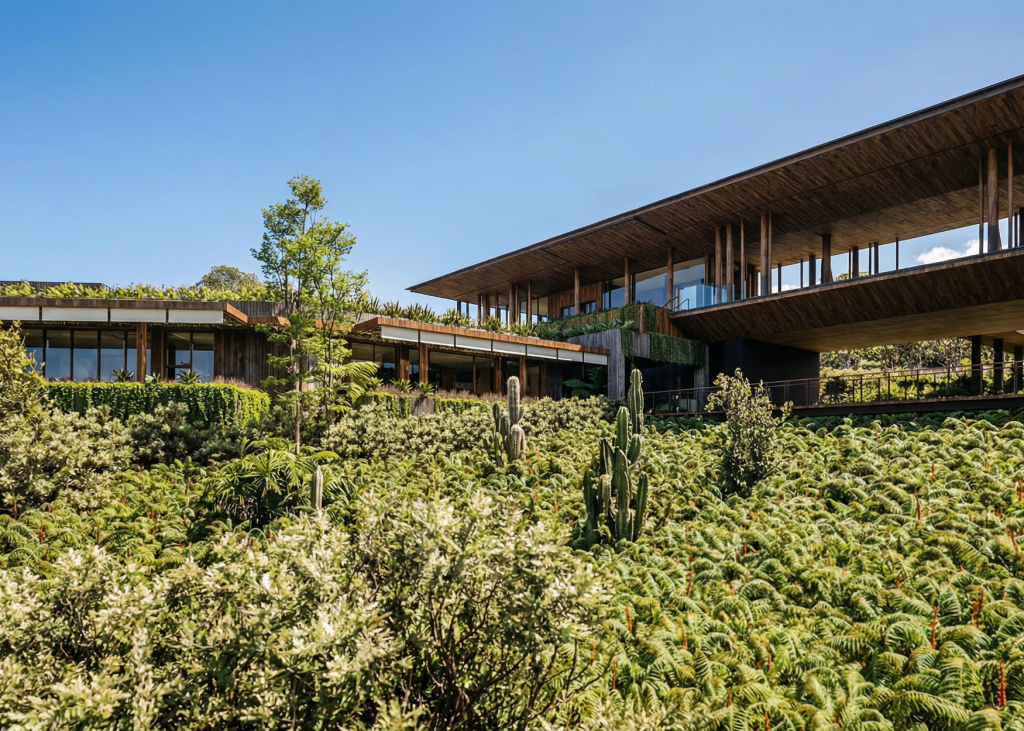
The Six Senses Galápagos’ biophilic-centric design emphasises natural lighting and ventilation, maximising the views of the ocean and the green volcanic landscape.
Blvd: You’ve also worked on branded residential projects as part of larger developments. Can you share more about any of these projects, and how the design process for residences differs from that of hospitality?
Chua: Yes, so we’re opening a project in Phu Quoc very soon with The Lux Collective. We’re also working on another project I can’t mention yet. The approach for branded residences is quite different from hospitality. Privacy is even more important, especially for owners, and interior spaces take greater priority than exterior ones, although the inside-out flow remains critical.
We also focus more on transitional spaces—between rooms, living areas and dining. In a resort, people are fine with umbrellas and staff support, but in residences, the design needs to accommodate long-term living. Furniture and layout, including beds, are planned more functionally, with aesthetics layered on afterwards.
For branded residences, there’s also consideration for resale or lease-back, so the design must have timeless appeal. Overall, the ethos is that these residences are elevated and functional, even more so than a standard hotel villa.
“We design for the locale first, letting form and style emerge naturally, rather than applying them arbitrarily.”
Blvd: Lastly, what are you still learning in the field of luxury design?
Chua: What I’m learning every day is how rapidly expectations are accelerating. With AI and technology, the pace of design iteration and visualisation has compressed dramatically. Clients now expect faster results and more options very quickly.
But what I’ve learned is that speed cannot replace judgment. This is something we’re still learning in the studio. Technology can move quickly, but applying it with meaning cannot. I’m still learning how to teach my owners and external stakeholders that yes, we can deliver quickly, but we must ensure what we’re doing truly matters. At the end of the day, factors like ROI, asset appreciation, brand equity and legacy still require careful thought.
It’s easy to dive into AI, generate concepts rapidly and produce beautiful images—but that alone doesn’t guarantee a design works. Human understanding—of behaviour, anthropology and environment—is irreplaceable. That balance between speed and meaningful design is what I’m learning every day.
Read next:
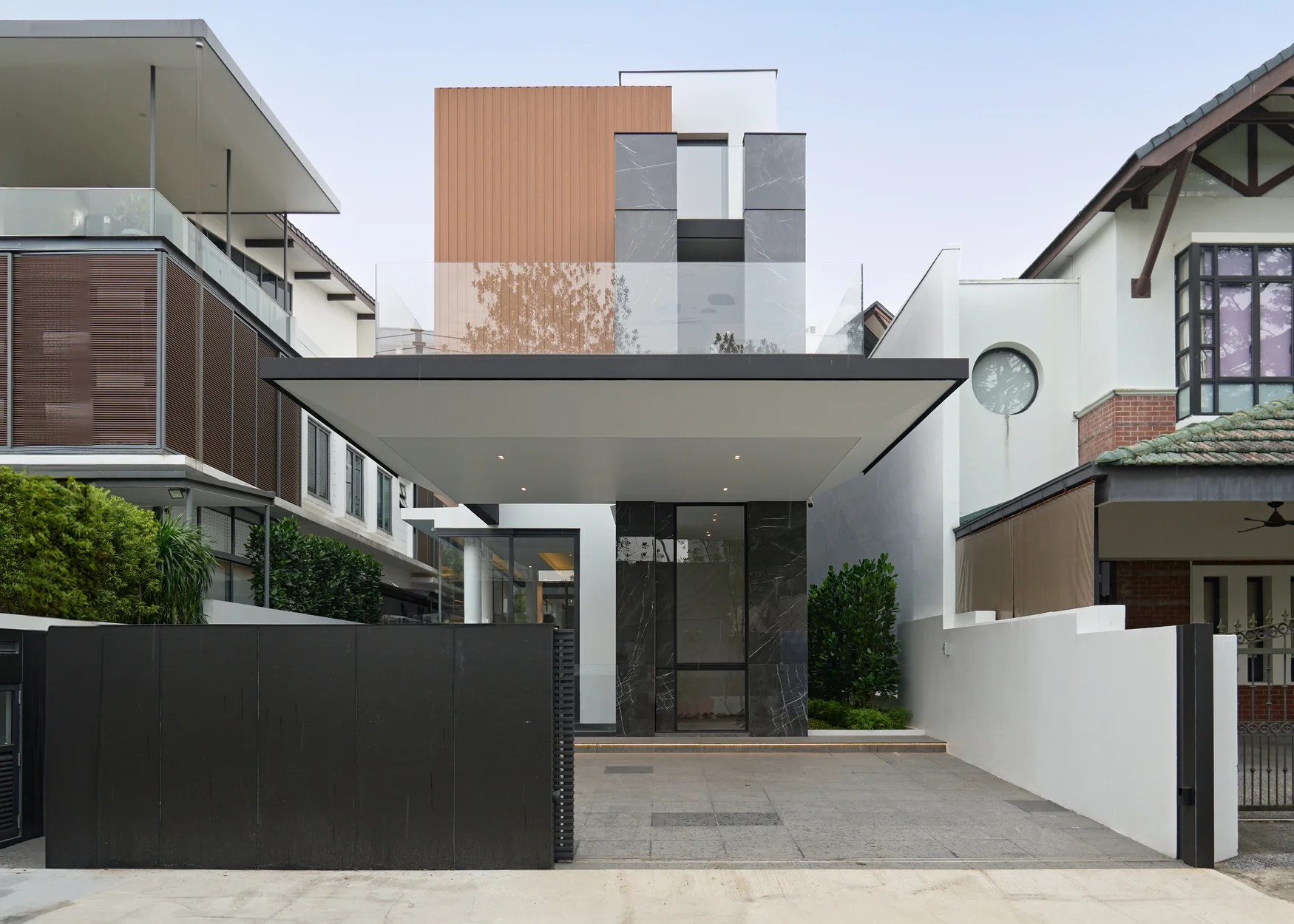
8+1 bed | 10,200 sqft area 19,500,000 SGD
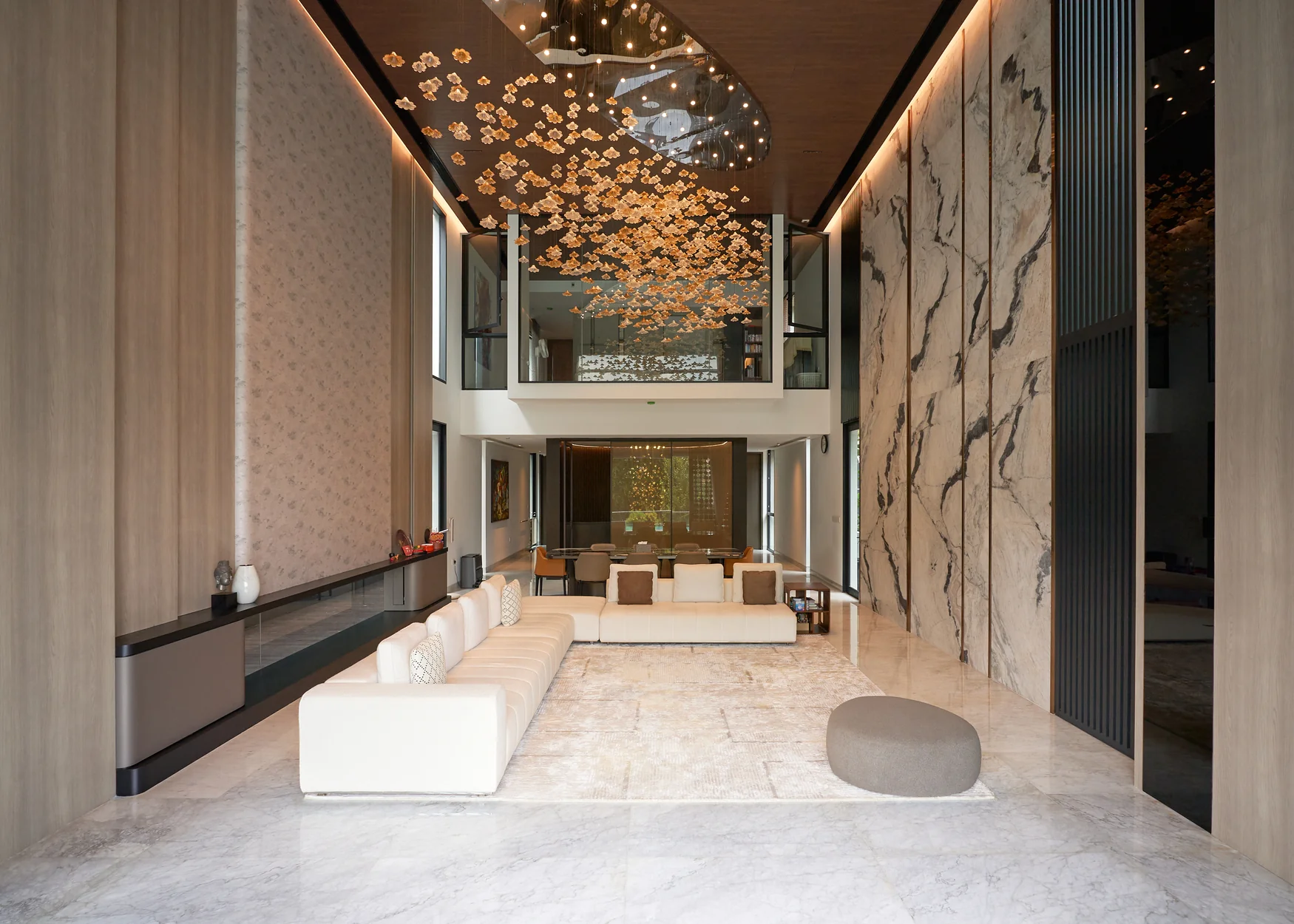
5 bed 19,380,000 SGD
4 bed | 4,208 sqft area POA
3-8 bed | 699,654 - 784,080 sqft area POA
6 bed POA