Bespoke, remote, unrepeatable: How A2A Safaris convinced Asia’s elite travellers to go off-grid
by Mac Fabella
“It’s hard to compare a safari to anything else you’ve done,” says Victor Dizon, a former investment banker who, in 2002, co-founded a luxury travel company specialising in bespoke trips to remote wilderness destinations. He’s a man who can say that travel has always been part and parcel of his life. He’s lived and worked in cities including New York, Hong Kong, London, and Singapore; he grew up in the Philippines, and says his parents loved to travel. They had brought him on many trips from the age of six, even reaching “fairly exotic places”.
But Africa, up until his 30s, was uncharted territory. That was when he’d finally decided to go on a safari by himself—because he couldn’t convince anyone to accompany him. And it was life changing. “I remember thinking there was nothing like it,” he says. “On that first trip, I felt like I’d gone back 5,000 years in a time machine. I was seeing what a human would have seen 5,000 years ago. No roads, no fences, no electricity, nothing, not even other people. Just nature.”
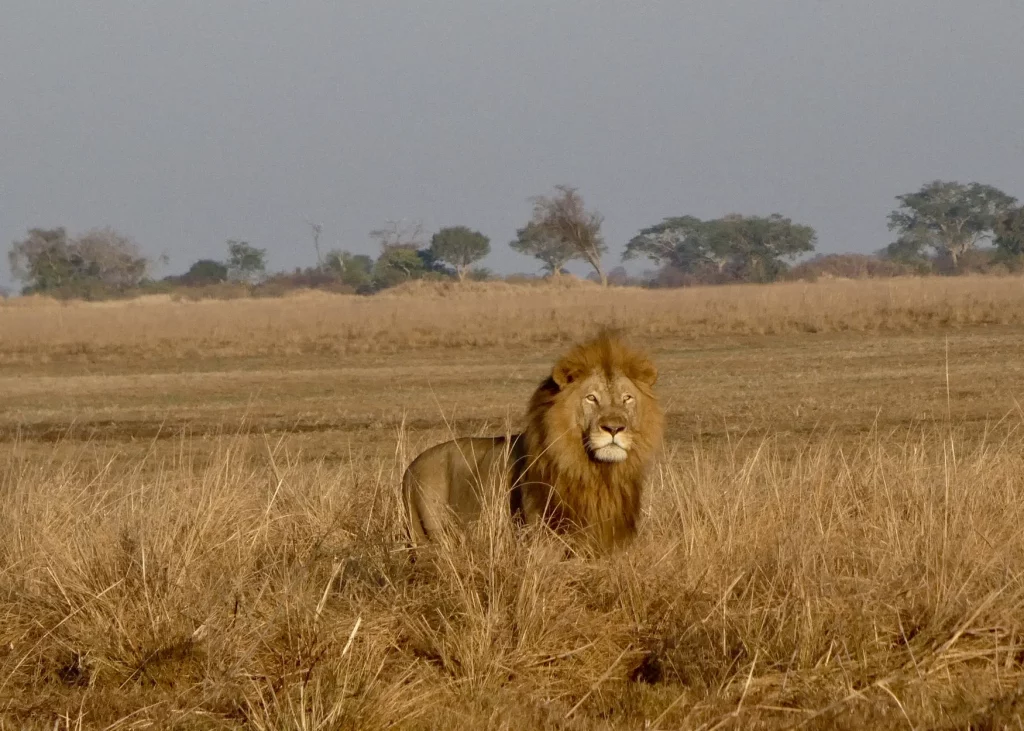
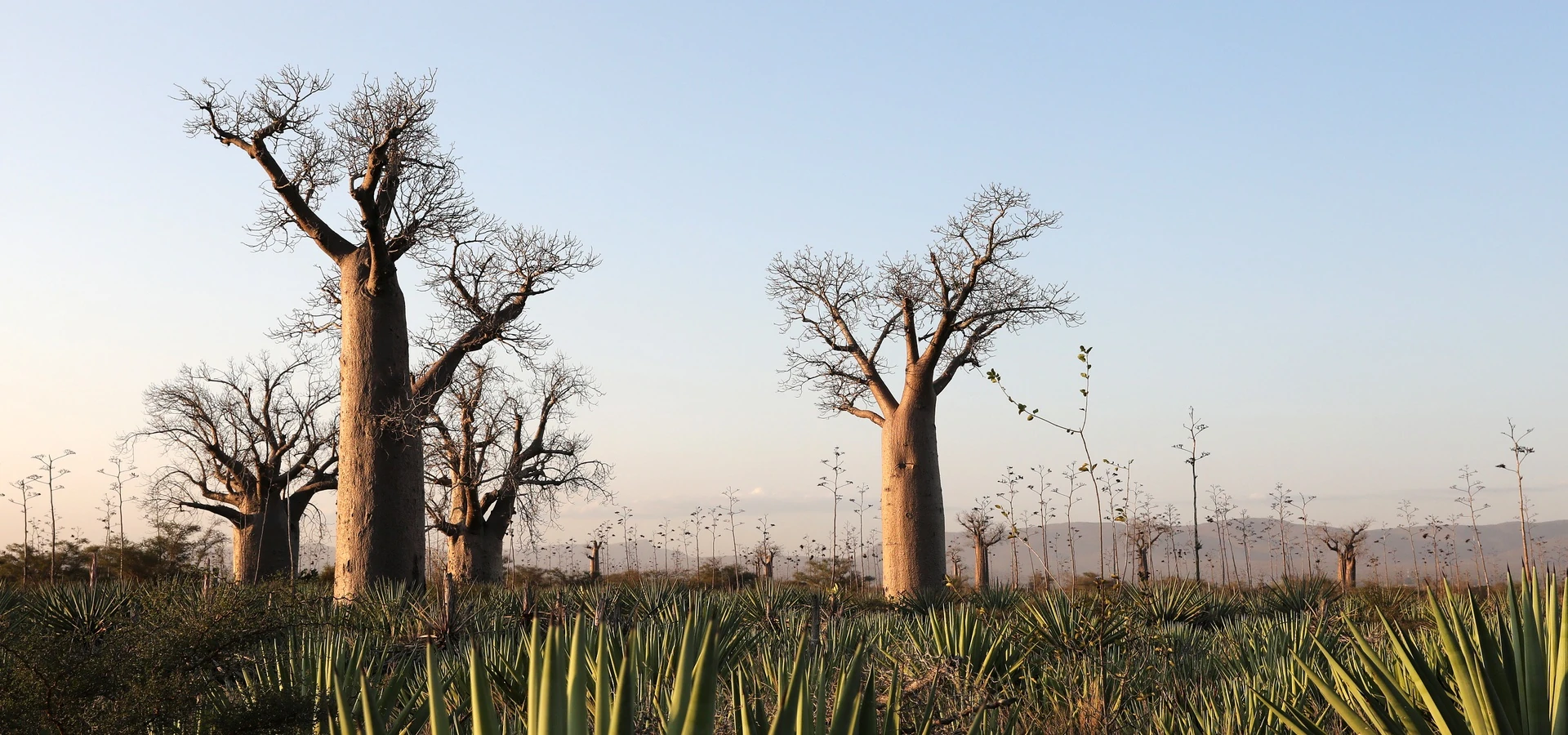
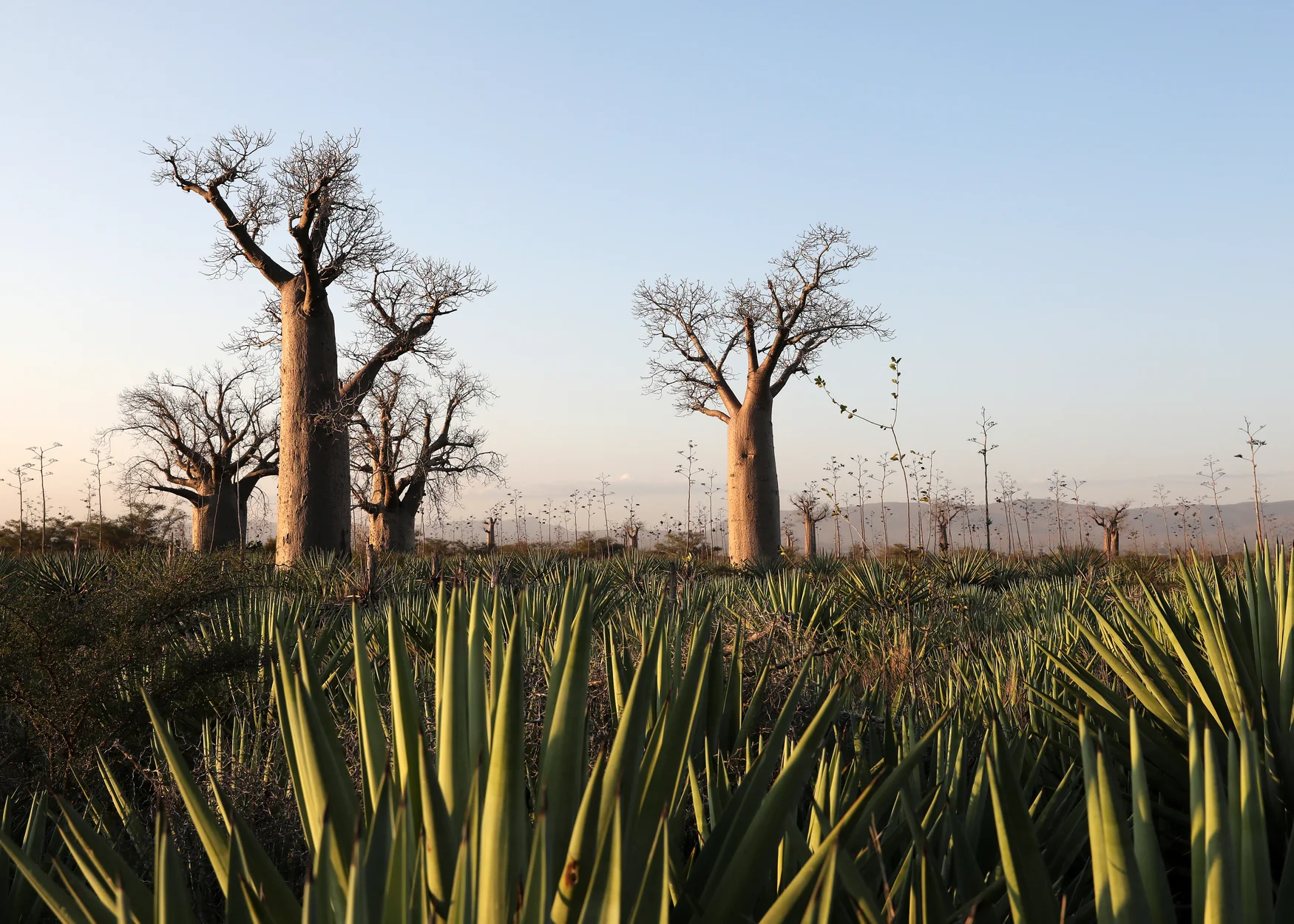
A lion roams Kafue National Park in Zambia (Photo by Yessa Caparas). Top: Baobab trees in Madagascar (Photo by Jose Cortes).
He developed, in his words, an addiction: he’d return to the continent every year on holiday, eventually persuading family, friends, and colleagues to tag along. Then, the watershed moment: “While I was working in London, a few years later, I took a sabbatical from my job and went to work in Africa as a conservationist for six months. At that time, I felt I was truly in love with Africa and wanted to do something there—that was the start of A2A.”
Co-founded by Dizon and fellow ex-banker Jose Cortes, A2A Safaris built its name curating bespoke African expeditions for Asia-based travellers, but it has since expanded into journeys throughout Latin America, Antarctica, and Wild Asia. Dizon says they are ultimately in the business of building relationships: “People don’t always know what they want, and it often comes out through dialogue and a relationship.” He points to one UHNW client the firm has known for almost 20 years. They know him exceptionally well, yet even after two decades, his preferences continue to evolve and change.
So A2A invests in the collaborative process from which the best trips come about. “These UHNW clients really value relationships—be it in business or finance—and coming from that background myself, that’s always been our thrust. We want to become the trusted advisors of these clients when it comes to travel.”
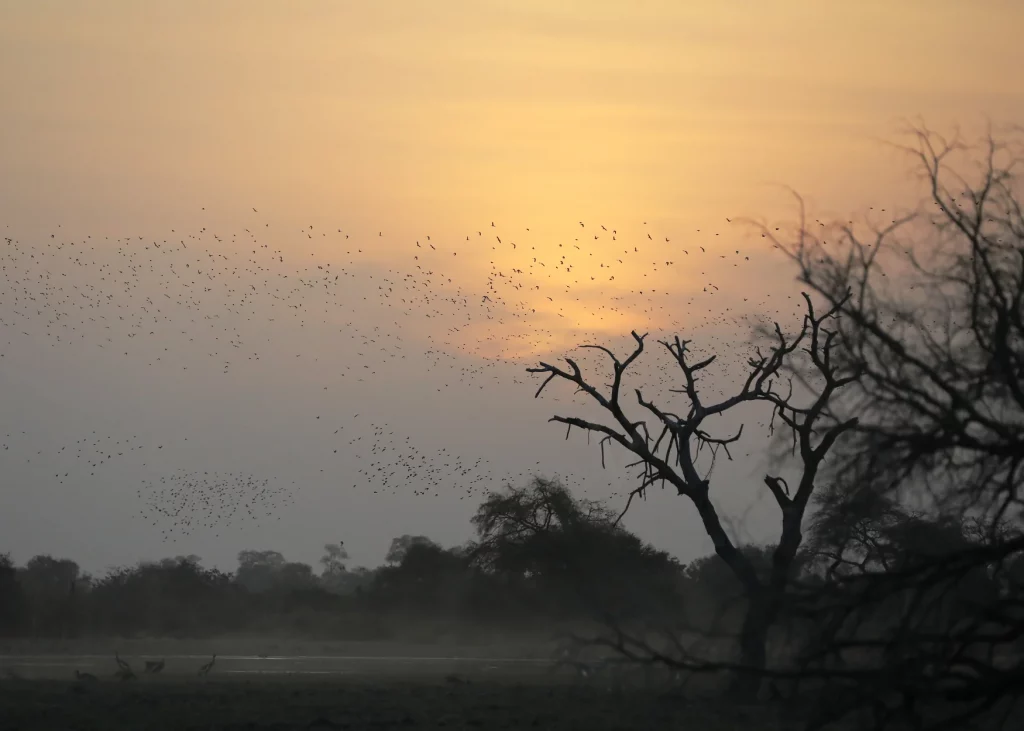
Zakouma is the oldest national park in Chad, home to one of the largest elephant populations left on the continent and 50 per cent of the world’s Kordofan giraffes. (Photo by Jose Cortes)
The safari industry has also evolved in the last 24 years. Dizon recalls when the Middle Eastern airlines were just starting out and routes were limited. Lodging and food were more rudimentary, and it was difficult to liaise with partners in more remote locations. He also speaks of the one thing he misses: a time when wifi and cell signals were not so ubiquitous, when a safari meant truly disconnecting. “A little bit has been lost there,” he reflects, “but you can’t really buck that tide.”
The other thing that’s changed, he says, is that very few people in the nineties brought their kids or families on safari. That has done a complete 180, with Dizon now saying that the safari is one of the best bonding experiences UHNW families can have. “There’s that newness factor of being put in a raw, wild setting, and its ability to cut through age brackets—the 80-year-old grandfather feels the same thing as his 10-year-old grandson.” Pure awe.
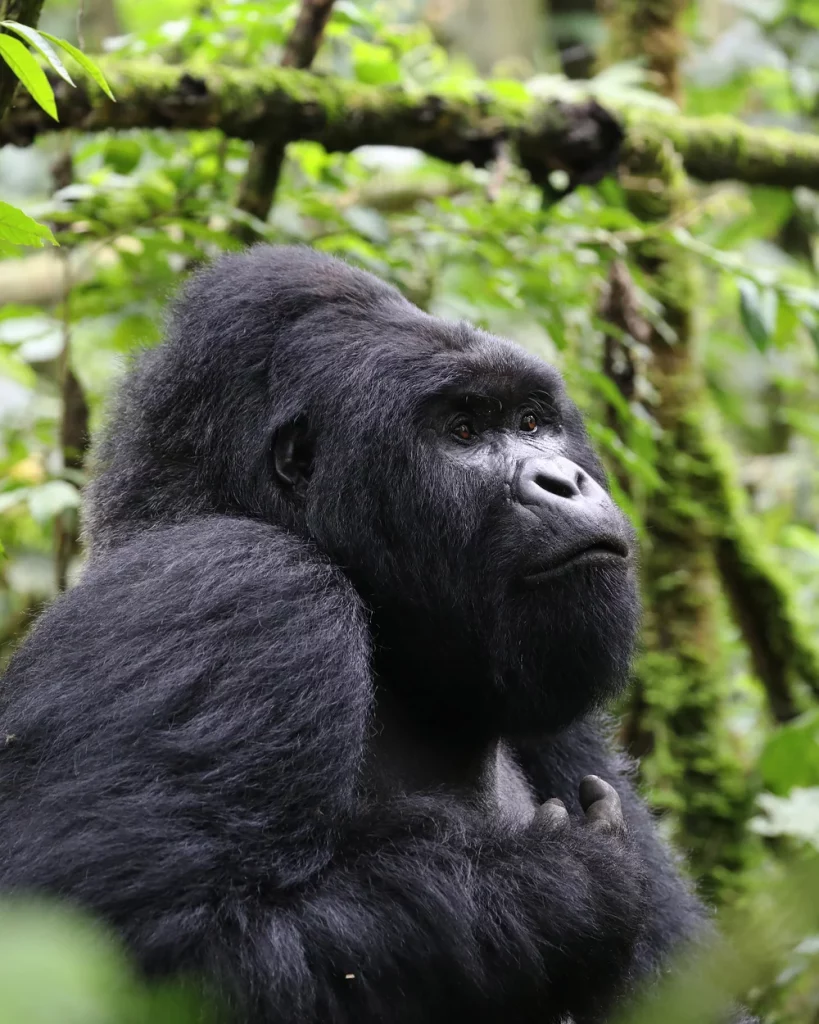
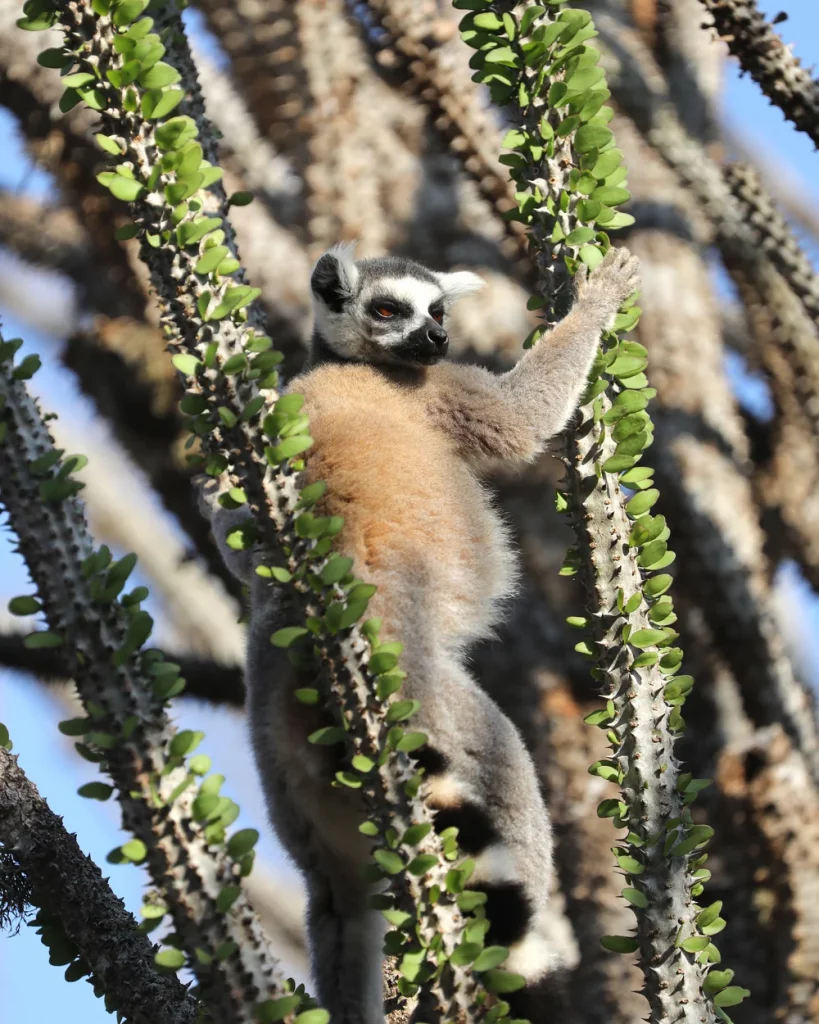
Left: In Rwanda, travellers venture on foot to witness gorillas up close. Right: The lemur is endemic to the island of Madagascar. (Photos by Jose Cortes)
The African circuit
In his view, one of today’s most in-demand African destinations is Rwanda. Dizon talks about the human element of the country: “It’s one of my favourite places in Africa, because you really connect with the people there, and they’re much more involved in your trip.”
A Rwandan safari is distinct because of its focus on gorillas and trekking through the ecosystem. Dizon counts his first visit to Rwanda, and his first encounter with a gorilla in the wild, among his most memorable travel experiences. “On these safaris, you’re not in a vehicle, you’re on foot. So you really see them up close, and there’s a little fear because there’s no barrier or cage. When you look a gorilla in the eye and see it interacting with its own, you really think, whether you believe in evolution or not, that we evolved from these creatures.”
Up-and-comers include Zambia and Madagascar, where Dizon is seeing more investment in infrastructure and hospitality. He explains that, for a destination in Africa to be viable, there typically needs to be what’s called a “circuit”—not many people will go out of their way to stay in one nice lodge in the whole country, but if there are several, then it merits the trip. While Madagascar is still developing its own circuit, it is slowly but surely levelling up its offerings for the intrepid, high-end traveller.
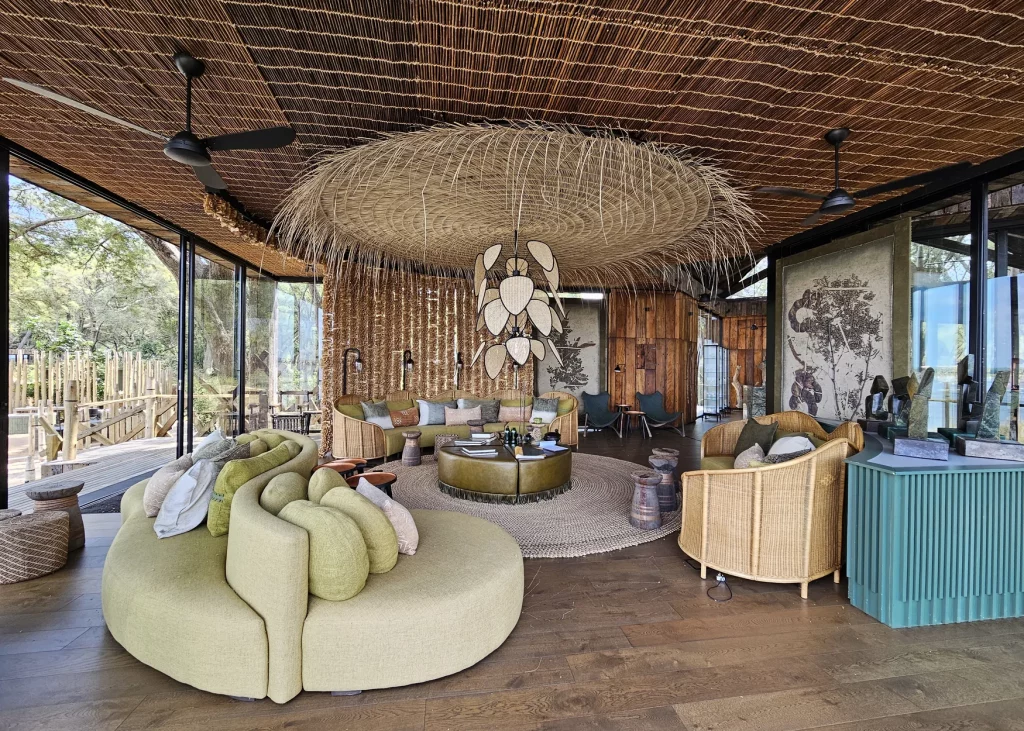
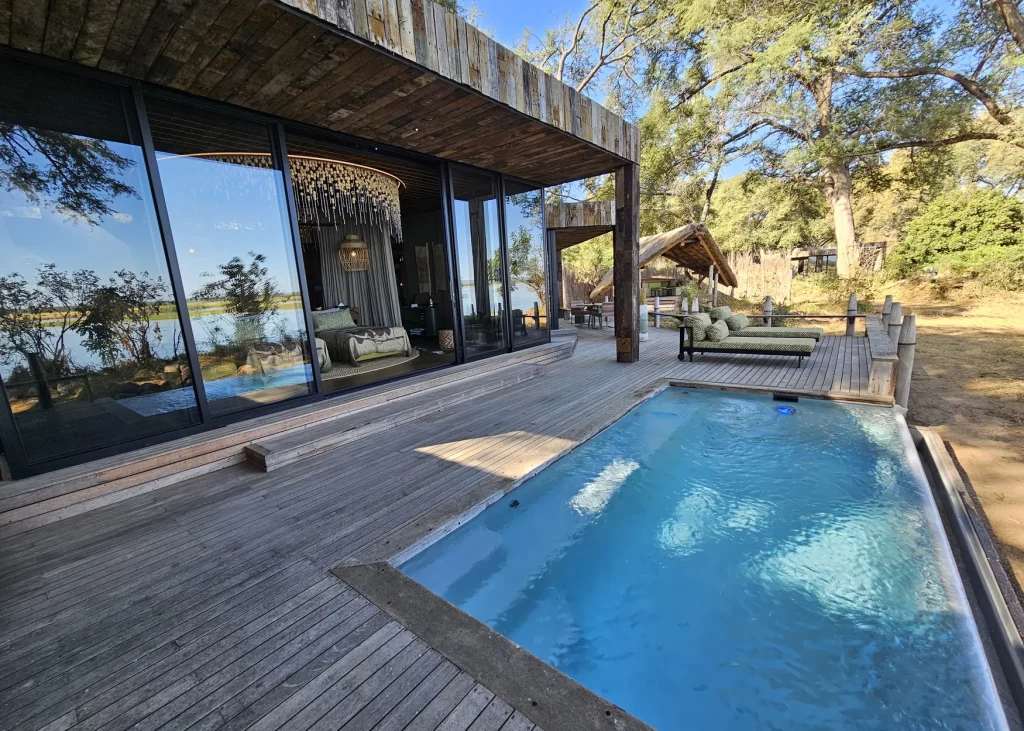
Accommodation in Zambia. (Photos by Cherine Lum)
What the luxury traveller wants
A2A has organised many extraordinary trips for its patrons. Among the most memorable, Dizon recalls an exclusive expedition to Chad, arranged with non-profit conservation organisation African Parks. A camp in Zakouma National Park hosts just one group at a time, for a week, during a season that lasts only two months each year.
“You need armed security, helicopters, and so on. But once you’re there, it’s out of this world. Our VIP clients said it was the most amazing thing, because even just getting there was part of the journey, and it really felt like they’d been transported.”
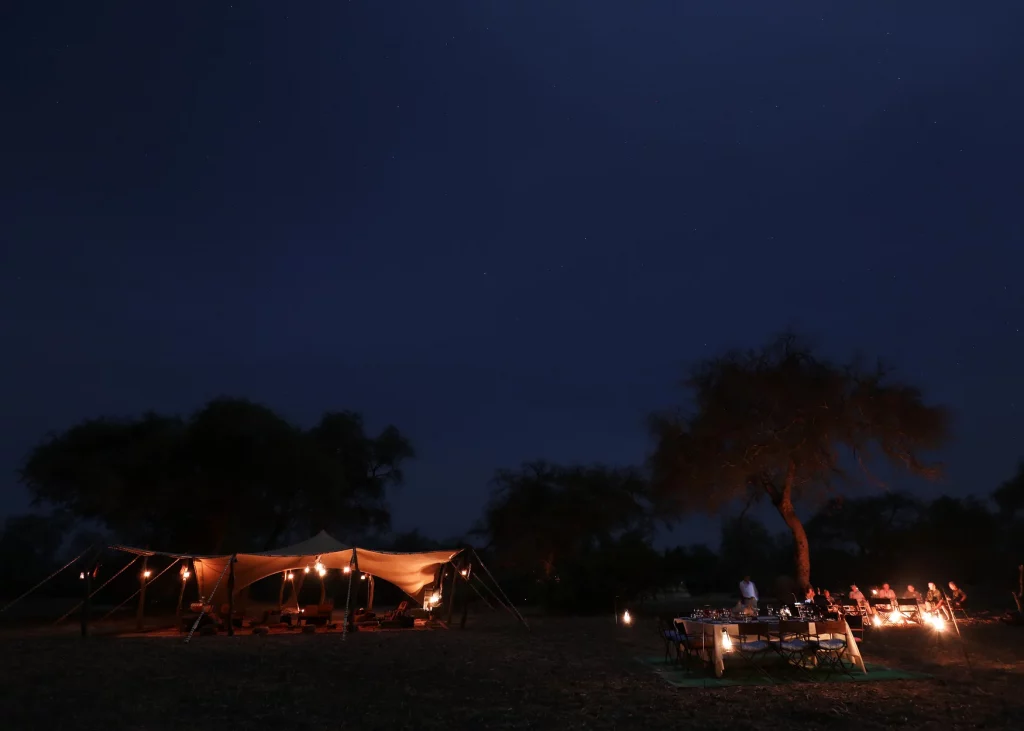
VIP clients camp out in Zakouma National Park, Chad. (Photo by Jose Cortes)
He keeps returning to the shift in view towards experiences, seeing it especially in the Asian market. “When we were starting the business, I would meet with high-net-worth clients and tell them the cost of a trip. I remember one client from Hong Kong told me, ‘For that much, I could buy another Patek Philippe, or two more Birkins for my wife.’ He could afford it, but that’s how he thought about it.” Years later, they’d had the same conversation—the value of the trips had gone up with inflation, but the client just told him, “Done, let’s do it.”
“The way I put it to people is that you’re investing in yourself, in your family, in your marriage, or just in your own well-being.”
The same curiosity that built A2A keeps Dizon going. He enthuses about how he’s watched travellers grow more open-minded about where they’re willing to go—destinations once dismissed as too remote or too extreme, like Patagonia, Antarctica, or the Pantanal, are now met with curiosity rather than hesitation. “Now they’ll say ‘tell me more about it’ rather than immediately dismissing it because of the distance or weather. That’s the sort of conversation we’re having now, and we get just as excited as they do when they want to go somewhere different.”
Read next:
- Exploring Bawah Reserve, one of the world’s most remote private island resorts
- On board Luminara, The Ritz-Carlton Yacht Collection’s Asian debut
In brief: A2A Safaris
The premise: A2A pairs curious travellers with a specialist who shapes their curiosities into a bespoke itinerary. The luxury travel company was co-founded in 2002 by Victor Dizon and Jose Cortes, originally as a shorthand for “Asia to Africa Safaris.”
The destinations: Africa remains the core, with Rwanda and Zambia currently in highest demand, as well as Madagascar as an emerging focus. The company has also expanded into bespoke wilderness journeys across Latin America, Antarctica, and Wild Asia (including India, Bhutan, Mongolia, Nepal, and Tibet).
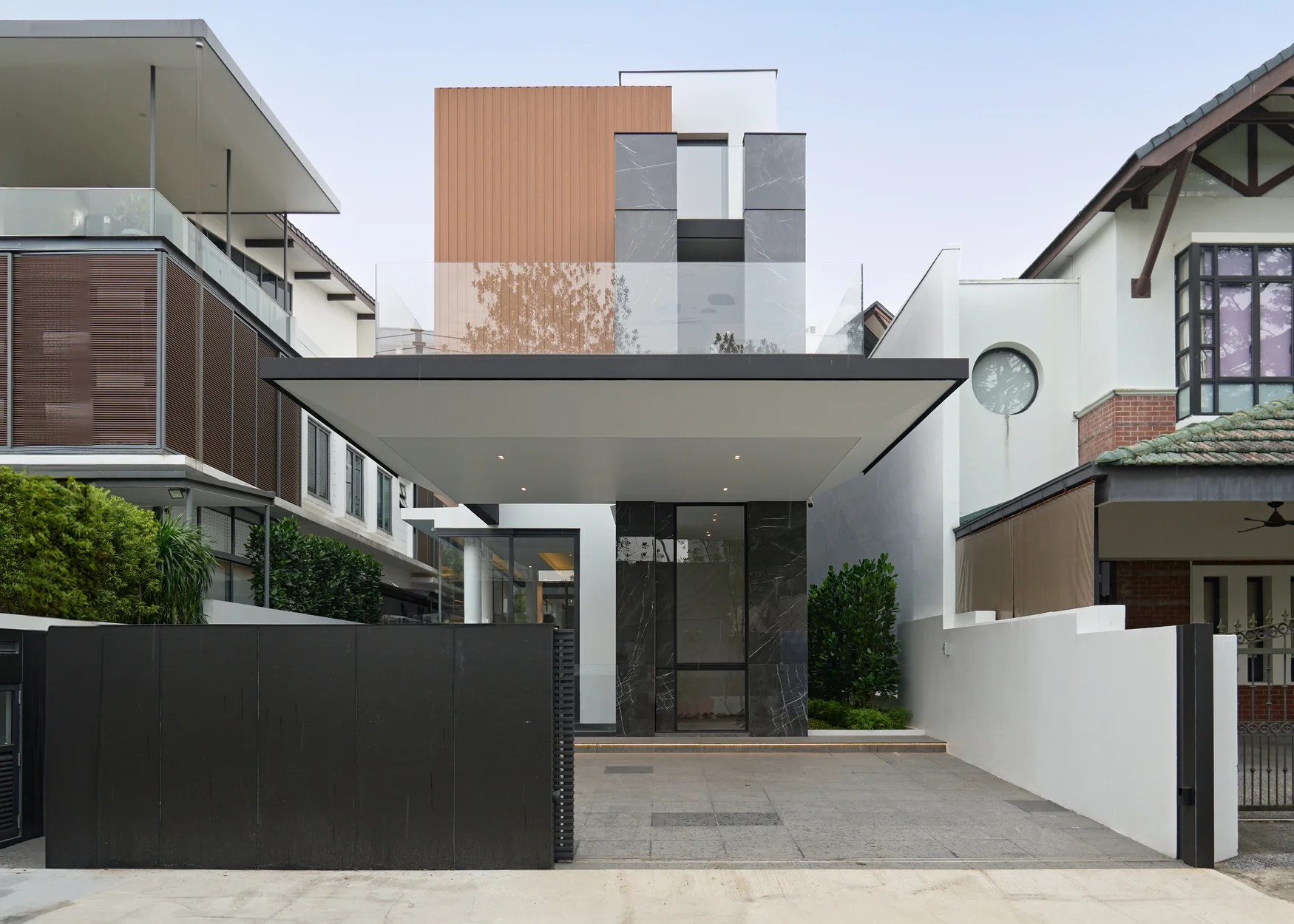
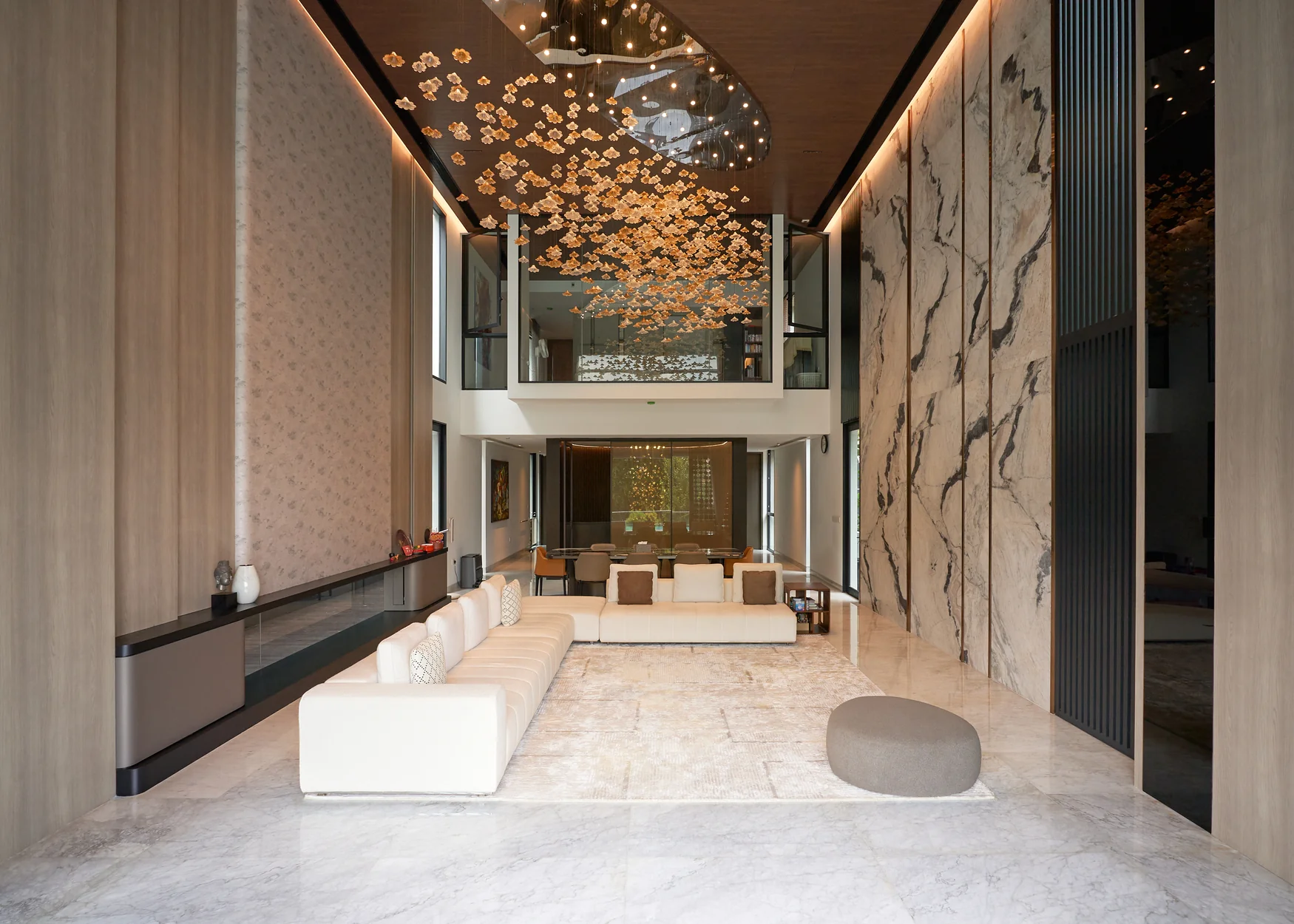
8+1 bed | 10,200 sqft area 19,500,000 SGD
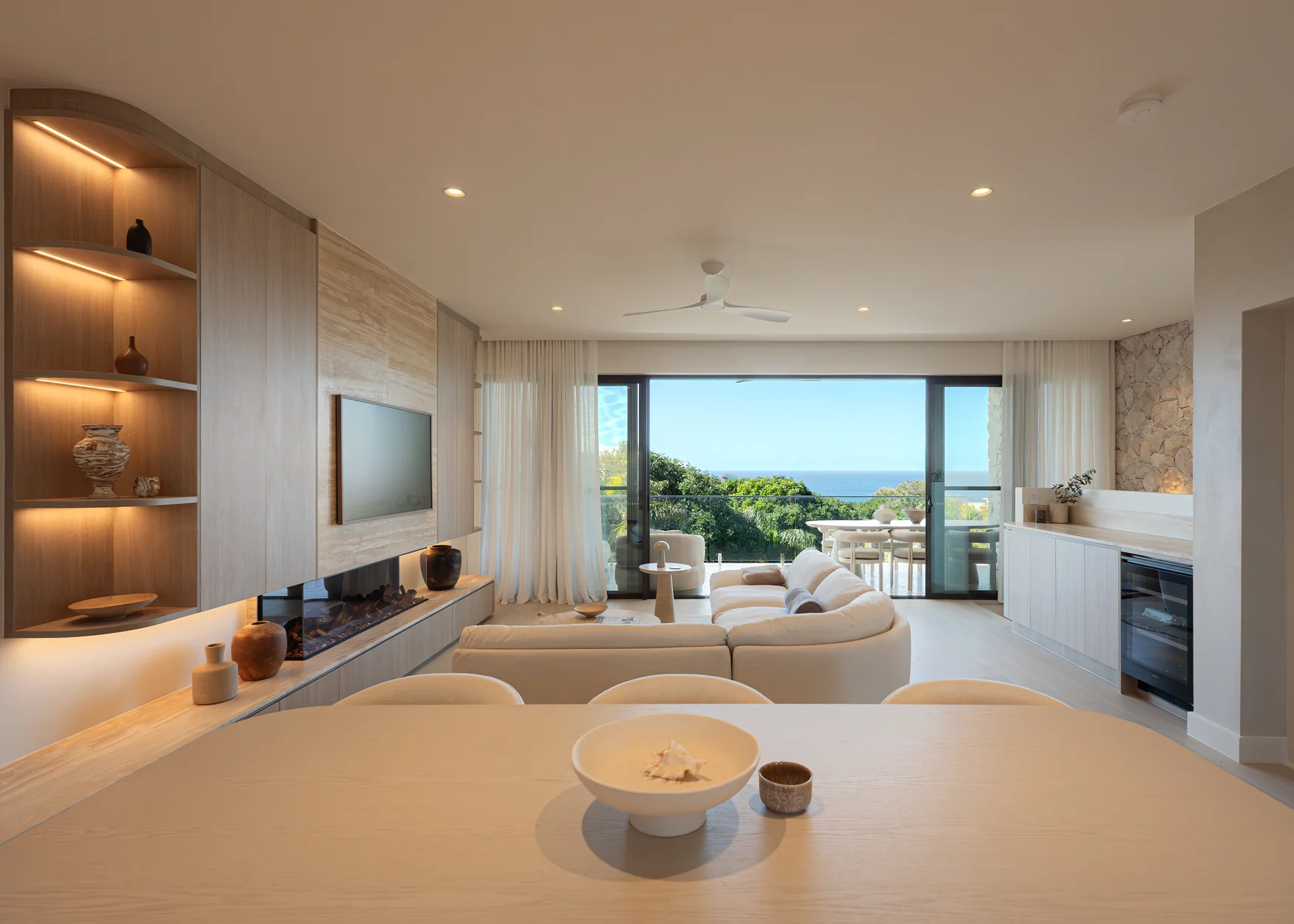
5 bed 19,380,000 SGD
4 bed | 4,208 sqft area POA
3-8 bed | 699,654 - 784,080 sqft area POA
6 bed POA