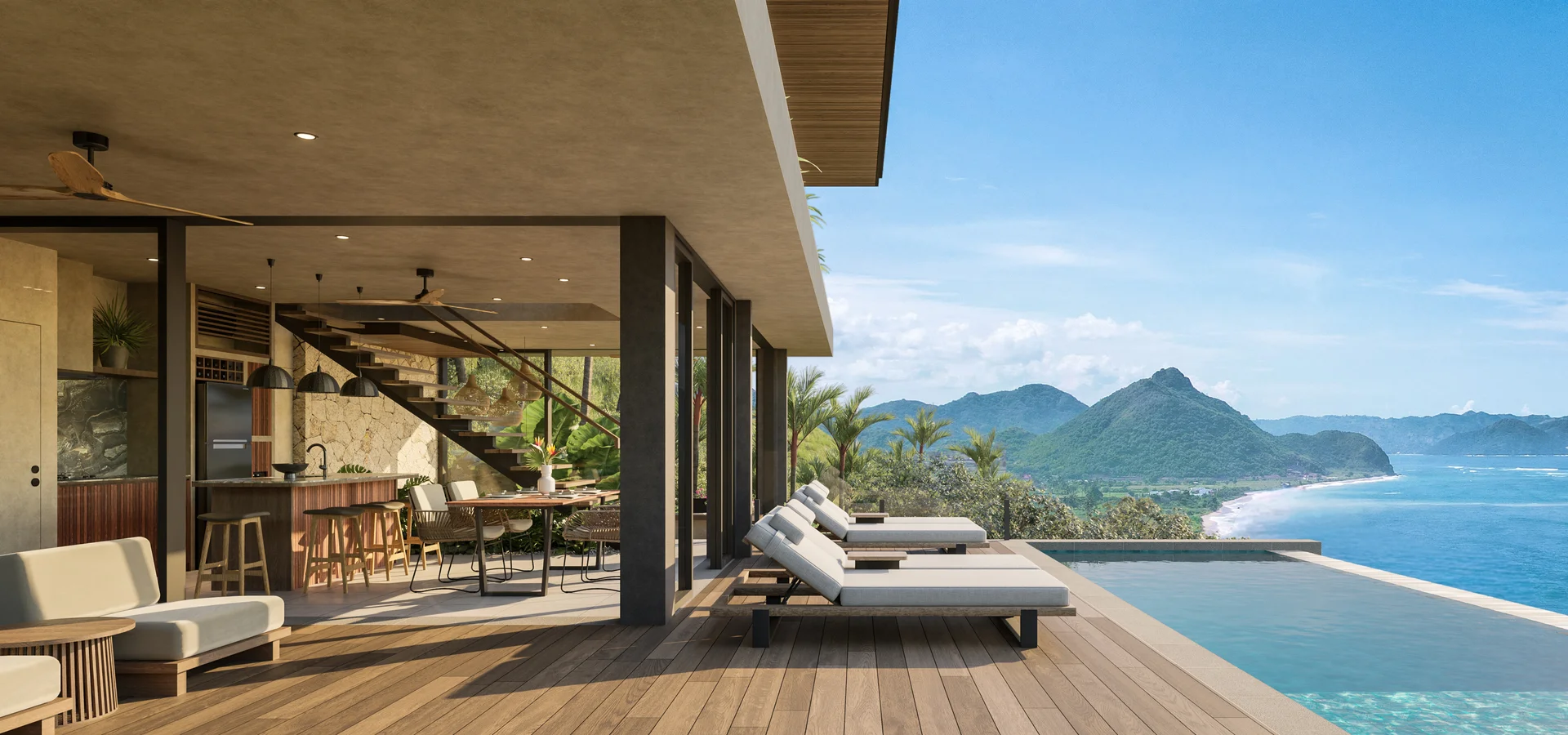
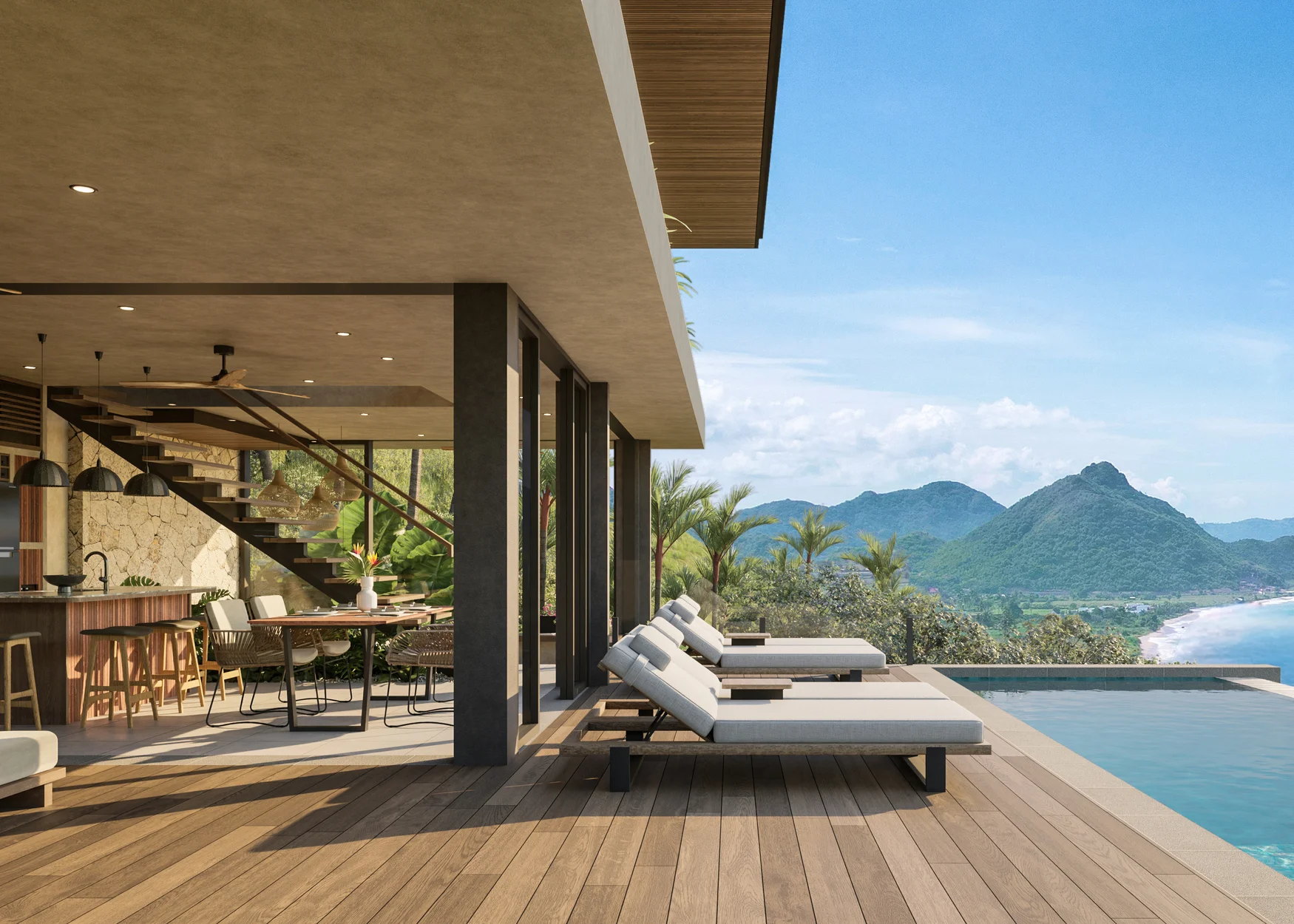
Samara Lombok: Inside the 150-hectare, Hyatt-backed resort-residences on Indonesia’s next great holiday island
by Hamish McDougall
Bali is one of the most beautiful islands on earth—and it has paid for its fame: the south of the island now runs on traffic and construction, and the scenery that drew everyone there is getting harder to find. A short hop east lies Lombok—quieter, emptier, still unspoilt—a glimpse of what Bali looked like before the world arrived. On its south coast, among world-class surf breaks, white-sand beaches and rugged green hills, a developer is deploying 150 hectares to prove the resemblance holds.
That developer is Steve Ebsworth, a British entrepreneur two decades into building bars, hotels and property across Southeast Asia with Erik Barreto and Tom Wheeler, under their hospitality and development group, Rascal Republic. Samara Lombok, their project on the island’s south coast, opens in 2028 as the first Destination by Hyatt in Southeast Asia: three boutique hotels and 500 villas across a single headland, under 30 minutes from Lombok International Airport.
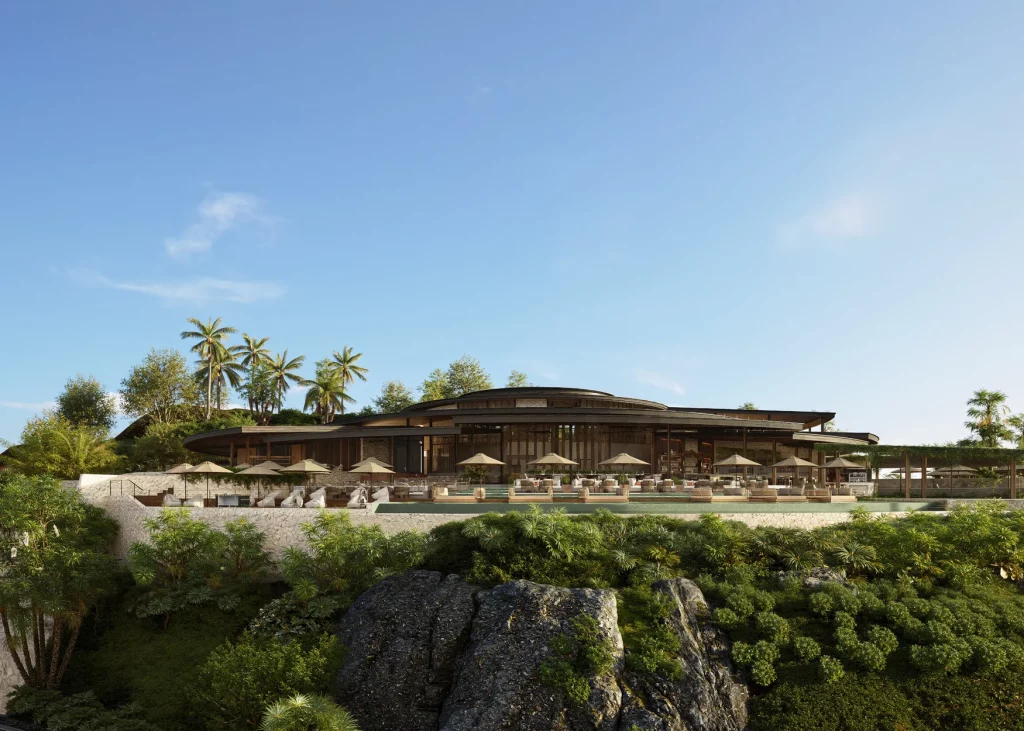
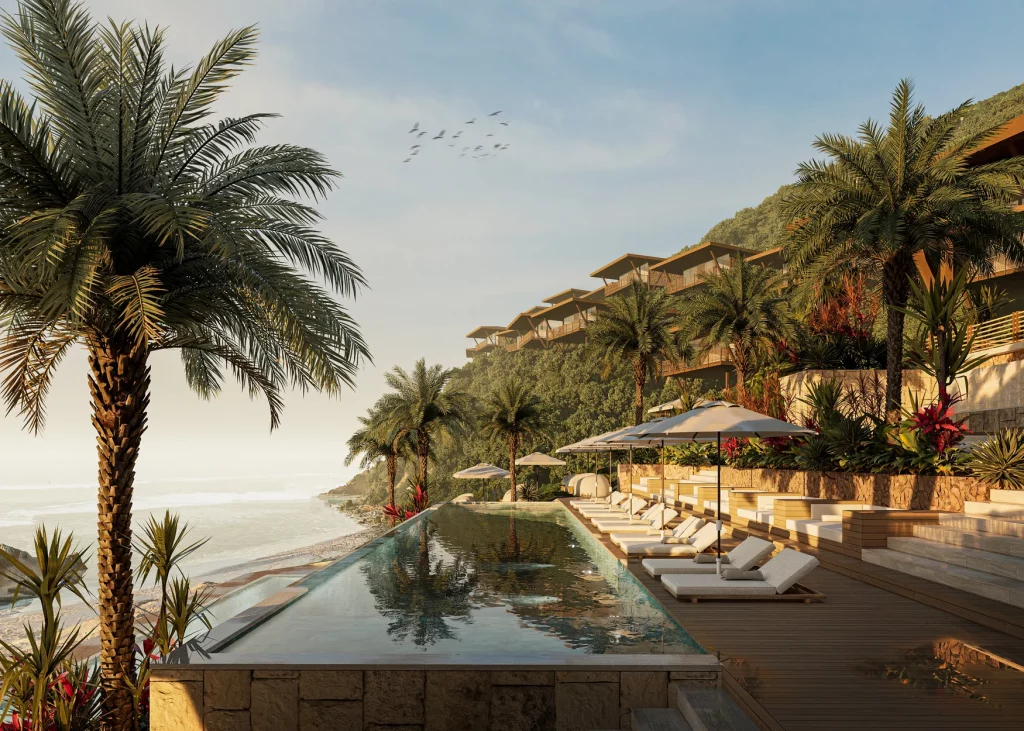
Artist’s rendering of the the Samara Bay Clubhouse (left) and Samara Beach Hotel (right), both part of the 150-hectare integrated resort opening in 2028 as the first Destination by Hyatt in Southeast Asia. Top: Artist’s rendering of the pool deck in a residential villa for sale. (Photos courtesy of Samara Lombok)
It started as a land bank
Samara did not begin as a resort. “I’d love to tell you it was a clear vision from day one,” he says. It wasn’t. The original plan was almost aggressively simple as a land bank investment. The twist was in what they went looking for. “The thesis was to buy the most beautiful land we could find, but with a strange caveat: that it be inaccessible, extremely difficult to get to. Which sounds crazy—why would you buy that?”
The logic ran backwards from the obstacle. Land nobody could reach was land nobody had seen, and land nobody had seen was, by his reckoning, underpriced; as access improved, the price would follow. They researched, and settled on Lombok. That part of the bet has already been settled: the drive that once took five hours from the old airport now takes under 30 minutes.
Somewhere along the way the land bank stopped being the point. “Let’s not just do a boring land bank,” he recalls deciding. “Let’s try to create an awesome integrated resort.” Buying early let them buy at scale—150 hectares, about a third the size of Singapore’s Sentosa—and scale, he argues, is what pays for the thing the modern traveller actually wants: “space, brightness, closeness to nature, away from congestion.”
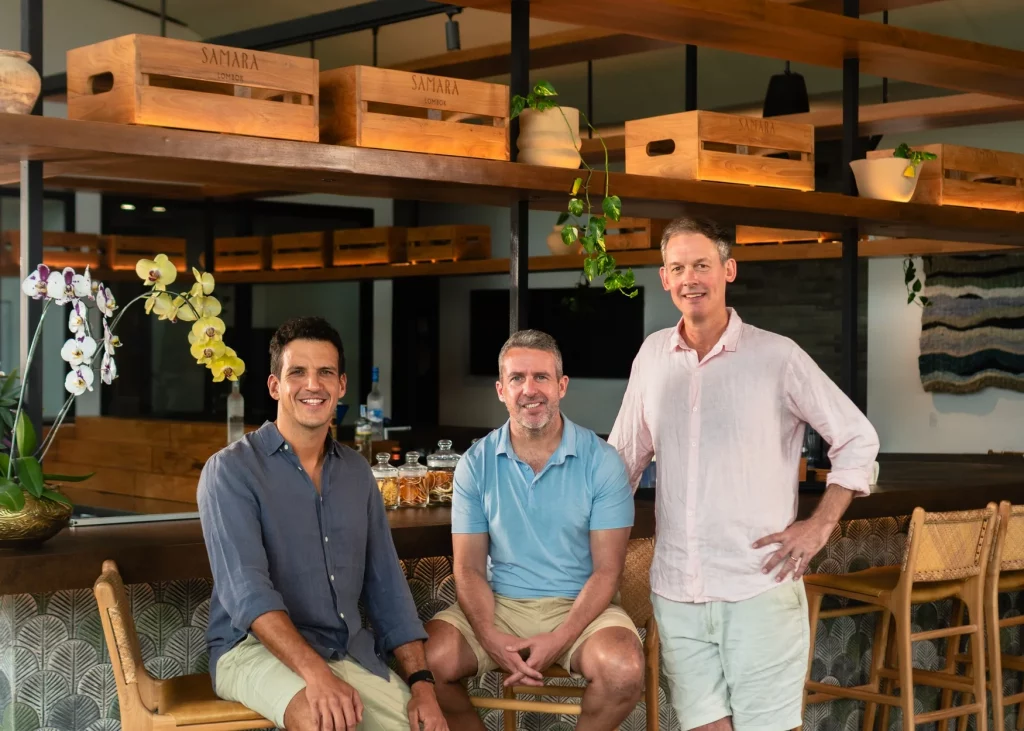
From left: Erik Barreto, Steve Ebsworth and Tom Wheeler are co-founders of Rascal Republic, a Singapore-based hospitality and development group. (Photo courtesy of Samara Lombok)
Investing in the destination
Ebsworth’s case for Lombok rests less on Samara than on the Indonesian government. Bali, he says, “has reached its capacity.” A decade ago the state reached the same conclusion and began steering the tourism dollar east. Lombok became a focus: it is one of Indonesia’s five Super Priority tourism destinations, and public investment on the island now runs to more than US$3 billion.
That figure is the argument. Normally, he points out, an investor in a frontier destination is betting that the roads, power and airlift turn up later, in stages. In Lombok the state front-loaded it. “You’ve already got an international airport that can take seven million passengers, six-lane bypasses, desalination plants, every road tarmacked.” Hosting a MotoGP round on an island few could place on a map—broadcast to a couple of hundred countries—is, in his reading, brand-building at national scale. “You’re not just investing in the developer. You’re investing in the destination.”
He calls the gap between that spending and current prices a “price lag”: the infrastructure risk has largely been absorbed by the state, leaving the narrower question of where on the island to buy. Then there is tenure—the sticking point for anyone who has looked at Bali. Foreigners cannot own freehold in Indonesia, and the horror stories, Ebsworth says, almost always trace back to nominee structures that try to get around that and aren’t legal. Samara sells on a 90-year leasehold, “fully prepaid, irrevocable,” registered with the land office online. Against the 25-to-30-year leases common in Bali, the length is the pitch.
The economics of a villa you actually use
He is unbothered by the scepticism, and answers it as a maths problem. “If you break it down—say a three-bed villa is $900,000, and you’ve got 90 years—that’s $10,000 a year, paid up front to lock the price in. About $800 a month. What could you get for that in Sydney or Singapore?” The comparison he keeps returning to is not another resort but a city apartment. “You could put a million dollars into a Sydney, Melbourne or Singapore CBD apartment—it’d probably be quite small. You’d get capital appreciation, a certain amount of yield perhaps, but you definitely don’t get to use it.” Samara, he says, has sold to more than 300 buyers so far, on the strength of a large plot, ocean views and access to everything, “for that price, and you get to use it whenever you want.”
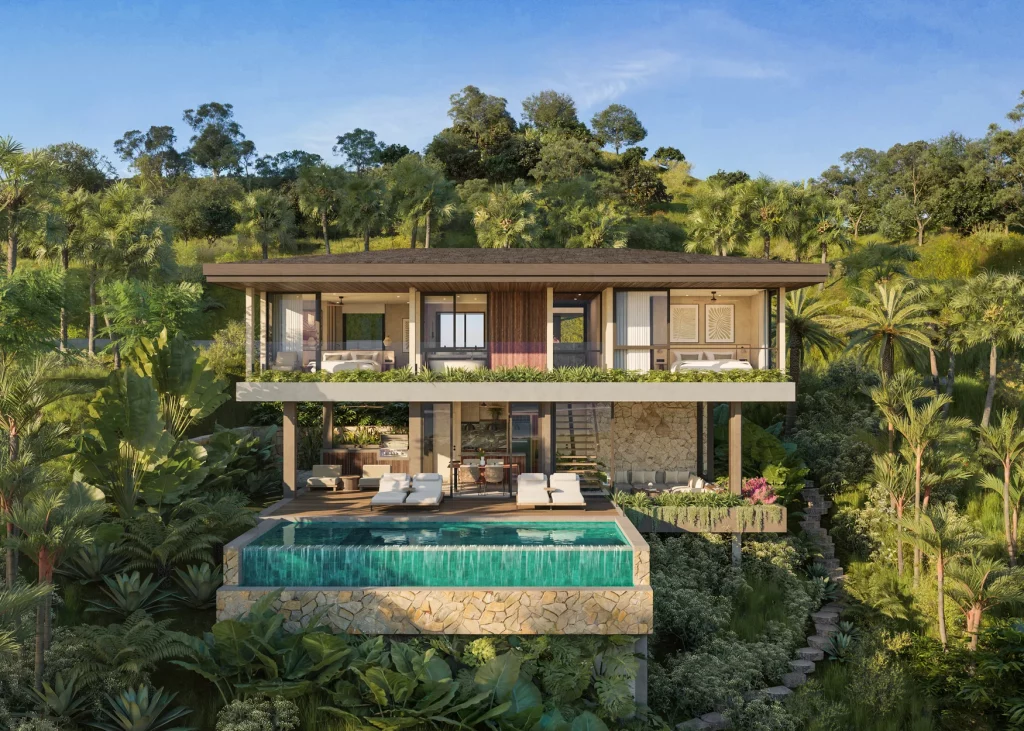
Artist’s rendering of the Frangipani villa exterior. (Photo courtesy of Samara Lombok)
The “everything” is the point of difference, and the reason for the partnerships. Rather than run a resort of that size alone, Samara has assembled a roster of names and let a hotel group sit behind them.
The Hyatt tie is a franchise agreement, not a management contract—a distinction Ebsworth is keen on. “That’s where the big players are going these days,” he says. Hospitality groups have little appetite for running an operation in a remote, different-language market—hiring and training hundreds of staff—but every appetite for distributing one, through their booking platforms and loyalty members. The franchise lets Samara keep operational control and the personality that comes with it: 12 dining concepts curated by the chef Will Meyrick and the children’s cookery author Annabel Karmel MBE; the first Rafa Nadal Tennis Centre in Southeast Asia with four world-class tennis courts and four padel courts; a football training centre; and a marine biology and watersports centre run by Rascal Voyages, the founders’ own yacht-charter company. “If it were a full Hyatt Regency, it’d just be the Hyatt tennis centre or the Hyatt Italian restaurant,” he says. “We get to choose our partners.”
The value of Hyatt, in his telling, is not the flag over the door but the diligence behind it.
“Hyatt could have gone anywhere. But they chose Asia, they chose Lombok, they chose our site, they chose us.” A US-listed company signing off after combing through the structure; a multi-family-office capital partner, Westgrove, funding the build; brand names lending their own credibility—for a buyer who couldn’t have found Lombok on a map a decade ago, that stack is, Ebsworth says, “a comfort blanket.”
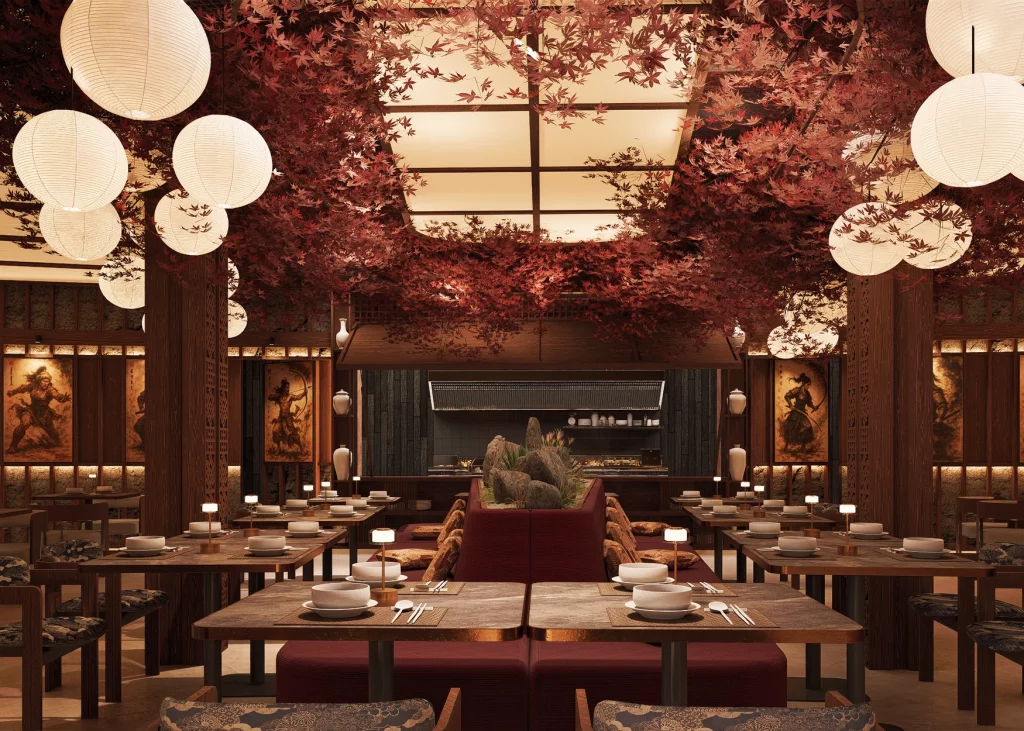
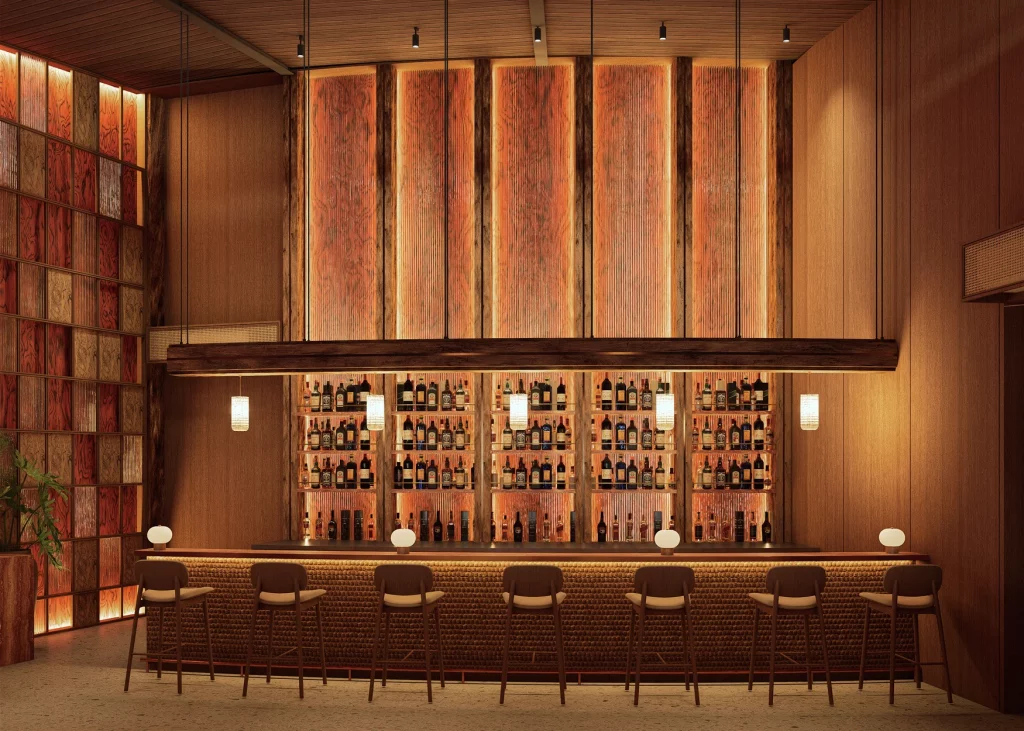
Artist’s rendering of a restaurant and bar in Samara Lombok. (Photos courtesy of Samara Lombok)
What luxury is actually for
Behind the spreadsheet is a conviction about what the whole thing is for, and it is where Ebsworth is at his most animated. He is openly suspicious of the industry’s inherited idea of luxury. “I hate the thought that luxury equals formality,” he says. “Anything performative, I find crushing.” That extends to the small rituals as much as the grand ones—the arrival drink, the cold towel, the check-in desk. “You can board a plane without checking in these days, but go to a hotel and you’ve got to have a warm glass of prosecco you don’t want,” handed over right after a flight, before you’ve reached your room. “It’s totally pointless, but it feels like everyone does it because it’s always been done.”
What he wants in its place comes down to a word he keeps returning to: authenticity. In an age when “a stone’s throw from the ocean” gets checked against the map before check-in, the only durable promise is that what you see is what you get. The rest—a place with what he calls “soul”—he traces to Rascal Voyages, the hand-built phinisi the founders have run out of Sulawesi for a decade, chartering the remote edges of Indonesia from upwards of US$12,000 a night. The lesson from that end of the market, he says, was never the price. “We really understood that guest experience. That’s helped shape Samara—we want to bring that ethos onshore,” at a few hundred dollars a night rather than 12 thousand.
Whether 500 villas and, soon, 3,000 contractors on site can hold on to something learned on a 10-guest boat is the open question, and Ebsworth doesn’t pretend the scale isn’t daunting—“equally exciting and frightening,” he says. But the instinct underneath it is unguarded and personal. A father of three, he keeps describing the resort in the language of memory: a grandmother and granddaughter swimming with a turtle for the first time; a father and son learning to dive together. “That’s luxury,” he says. “Travel that changes you for the better, and leaves you having taken something back with you.”
Read next:
- Exploring Bawah Reserve, one of the world’s most remote private island resorts
- The interview: Four Seasons Resort Chiang Mai’s Sean Mosher on crafting authentic experiences in Northern Thailand
More luxury holiday properties.
In brief: Samara Lombok
Samara Lombok is a 150-hectare integrated resort on the south coast of Lombok, Indonesia.
The plan: Three boutique hotels and 500 villas, opening in 2028 as the first Destination by Hyatt in Southeast Asia.
The destination: Lombok sits directly east of Bali, connected by direct flights from Singapore (about three hours) and Kuala Lumpur.
The outlook: Lombok’s south coast anchors the government’s Mandalika Special Economic Zone—the same programme behind the island’s MotoGP circuit and its US$3 billion infrastructure spend—and Samara is one of a growing cluster of hospitality-backed developments betting on it.
The market: Prime land around Kuta and Mandalika now trades at roughly US$215–500 per square metre, with rental yields reported among the highest in Southeast Asia.
Investor insight: Foreigners can buy villas on a 90-year leasehold—fully prepaid, irrevocable and registered with the land office online. Foreigners cannot own freehold in Indonesia, and Bali leases typically run 25–30 years.
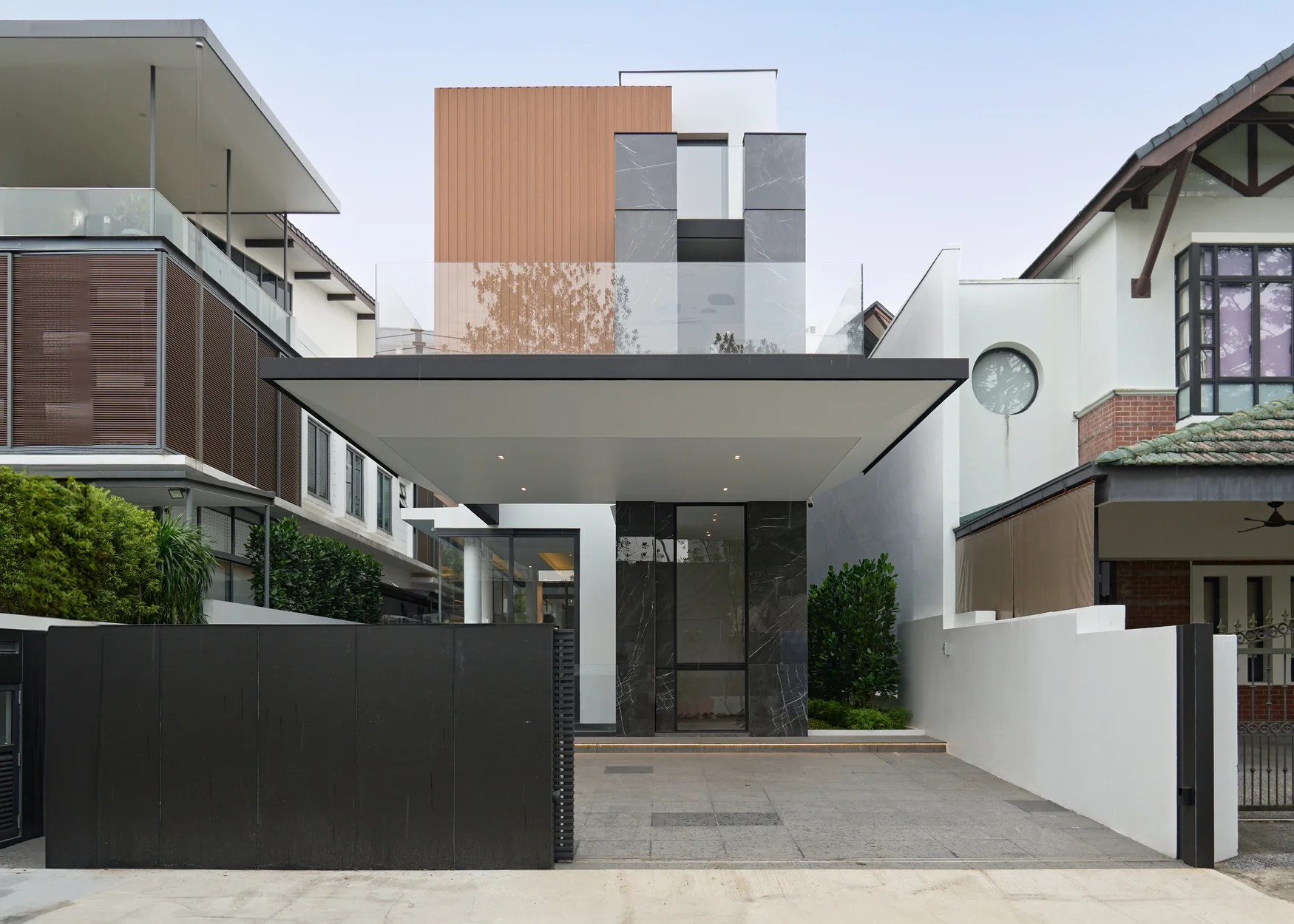
8+1 bed | 10,200 sqft area 19,500,000 SGD
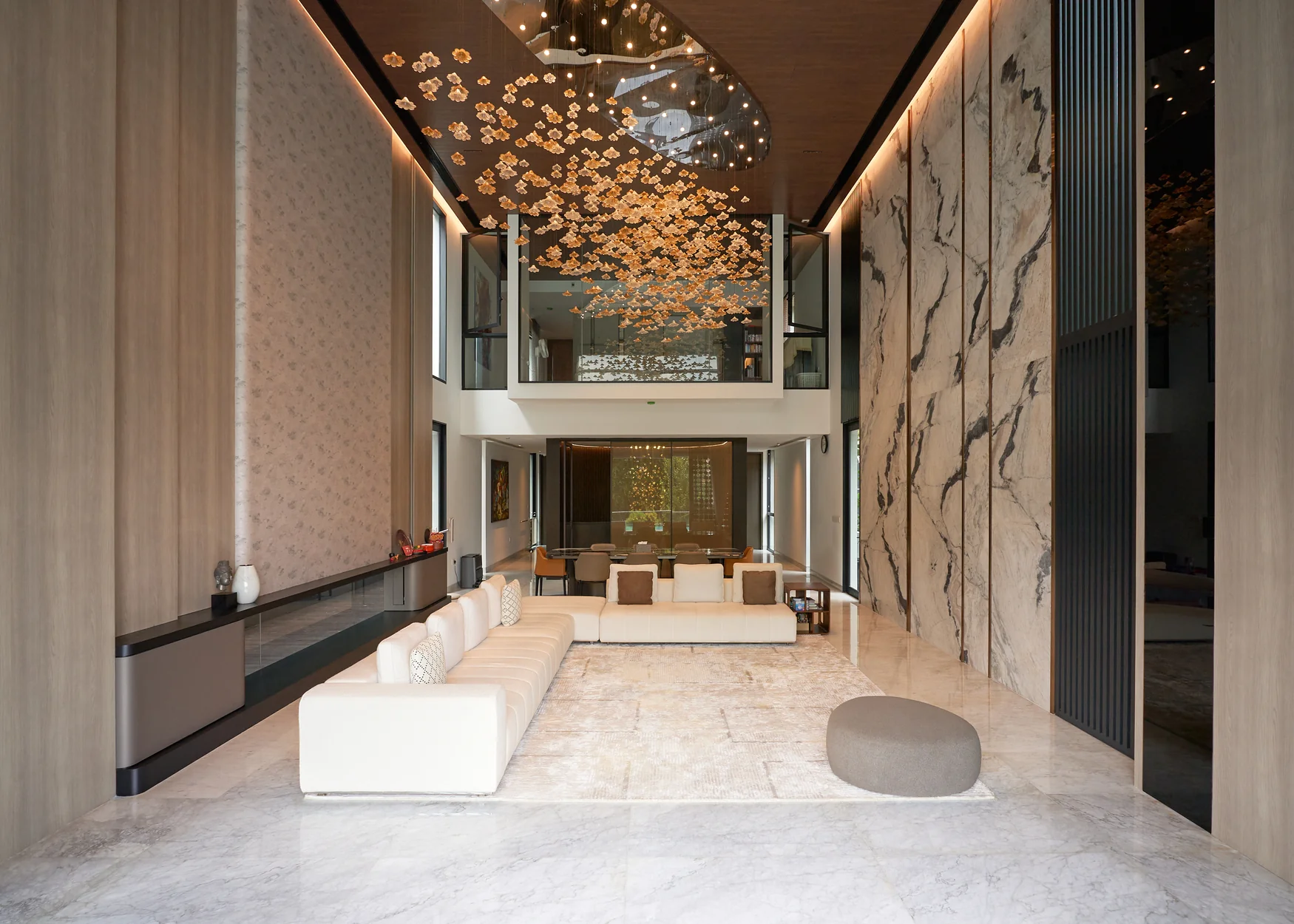
5 bed 19,380,000 SGD
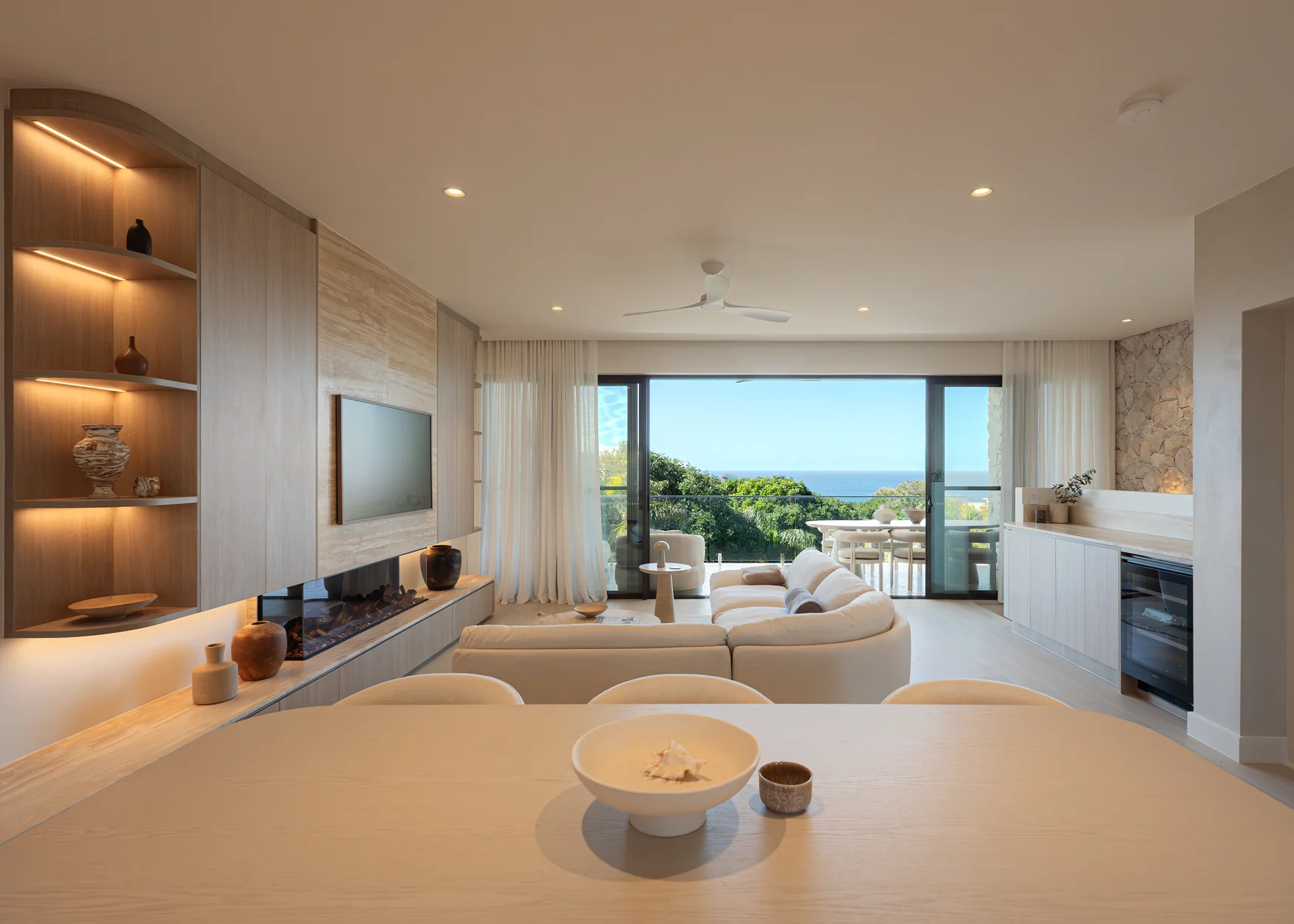
4 bed | 4,208 sqft area POA
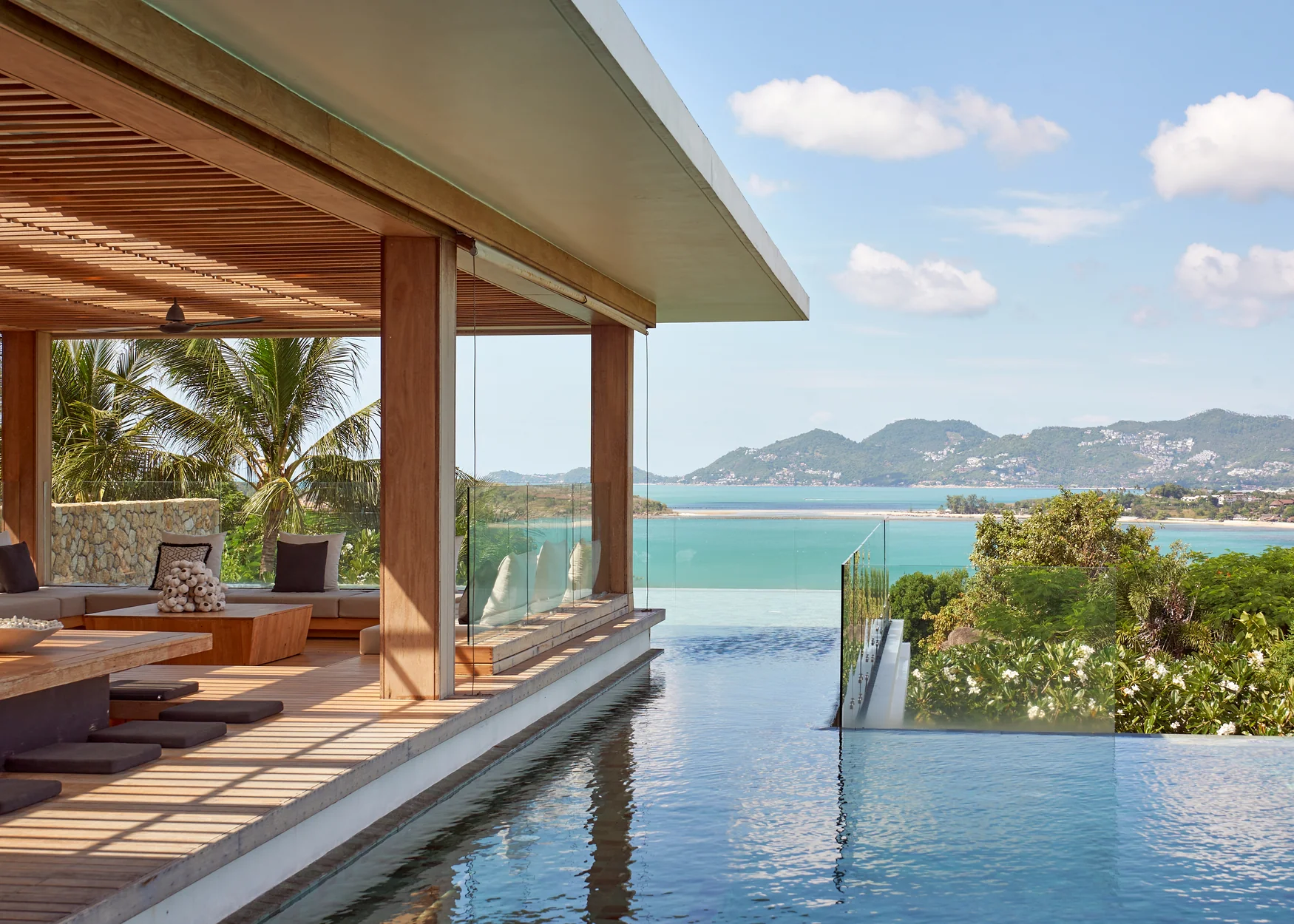
3-8 bed | 699,654 - 784,080 sqft area POA
6 bed POA