The interview: How Phuket’s luxury developments are turning to landscape-first design, according to architect Martin Palleros
by Hamish McDougall
Martin Palleros, founder of Tierra Design, brings a landscape-led perspective to architecture shaped by over two decades of work across Asia, with a particular focus on Phuket. Trained as an architect with a master’s degree in landscape architecture, his approach centres on integrating built form with its natural surroundings, positioning landscape as the foundation of a project rather than an afterthought. His portfolio on the island spans early resort landmarks such as Twinpalms Phuket, as well as large-scale mixed-use developments including MontAzure and its residential components.
Among his most ambitious current projects is Gardens of Eden, a large-scale residential masterplan that sets aside approximately 70 per cent of its land as open green space, an unusually high proportion in a market often driven by density. Conceived as a nature-led community, the development reflects a broader shift in Phuket towards prioritising wellness, landscape and long-term liveability. Palleros is also expanding his role beyond design through ventures such as Tierra Cuatro Villas, where he is involved as both architect and developer.
For Palleros, design begins not with the building, but with the land itself. “We now start with nature and then determine how architecture can be integrated with it,” he says. This philosophy underpins a body of work that continues to evolve alongside Phuket’s changing market and cultural landscape.
In this exclusive interview with Boulevard, Palleros shares how the island has shaped his design approach, why green space is increasingly seen as a form of luxury, and how changing lifestyle expectations are influencing the way residential and resort environments are conceived.
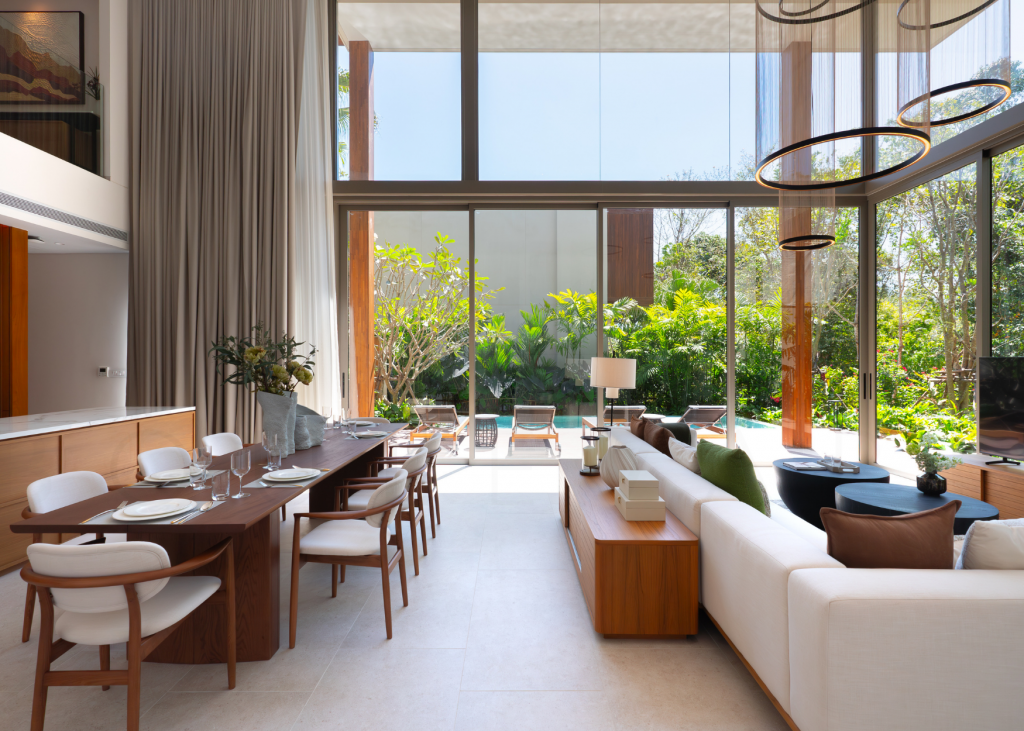
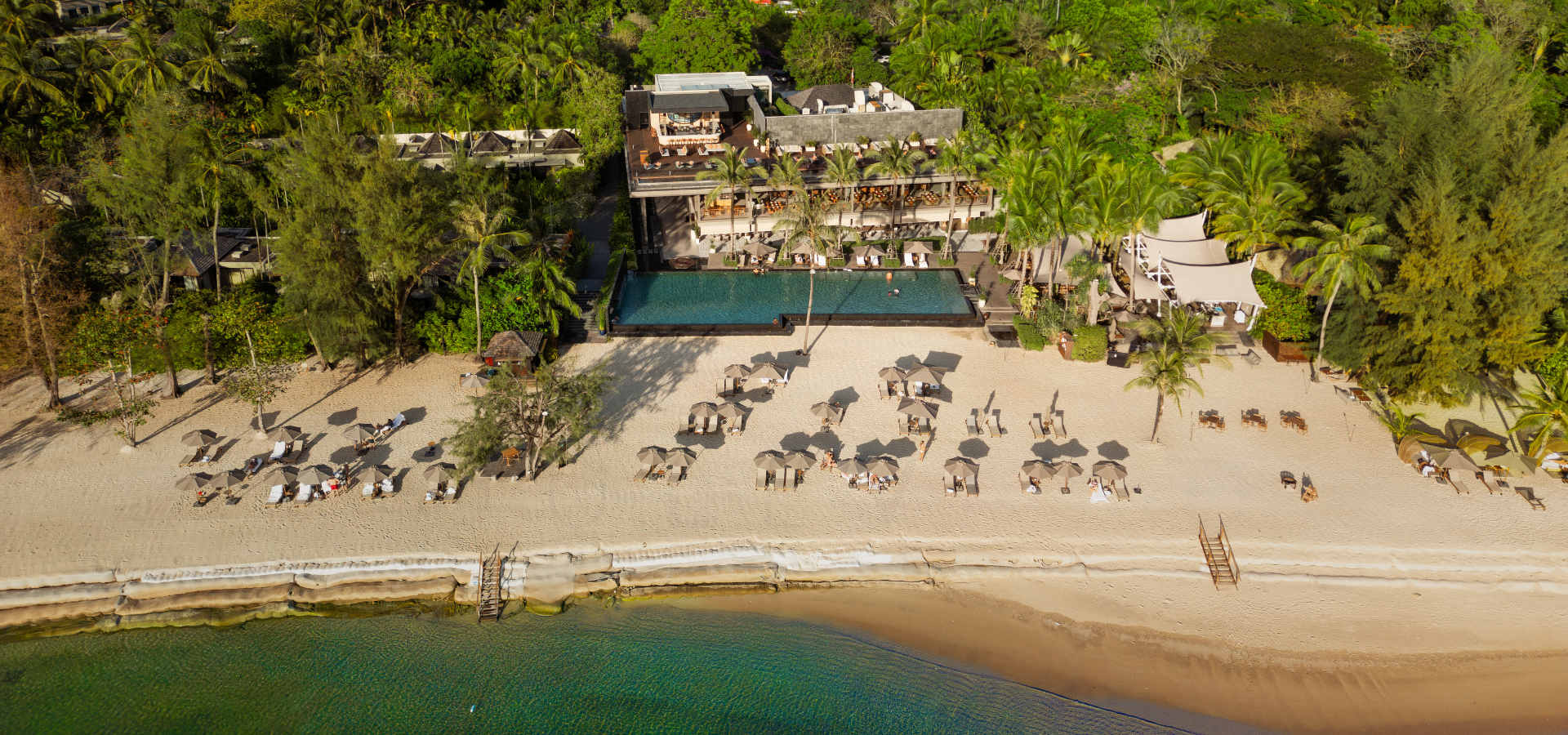
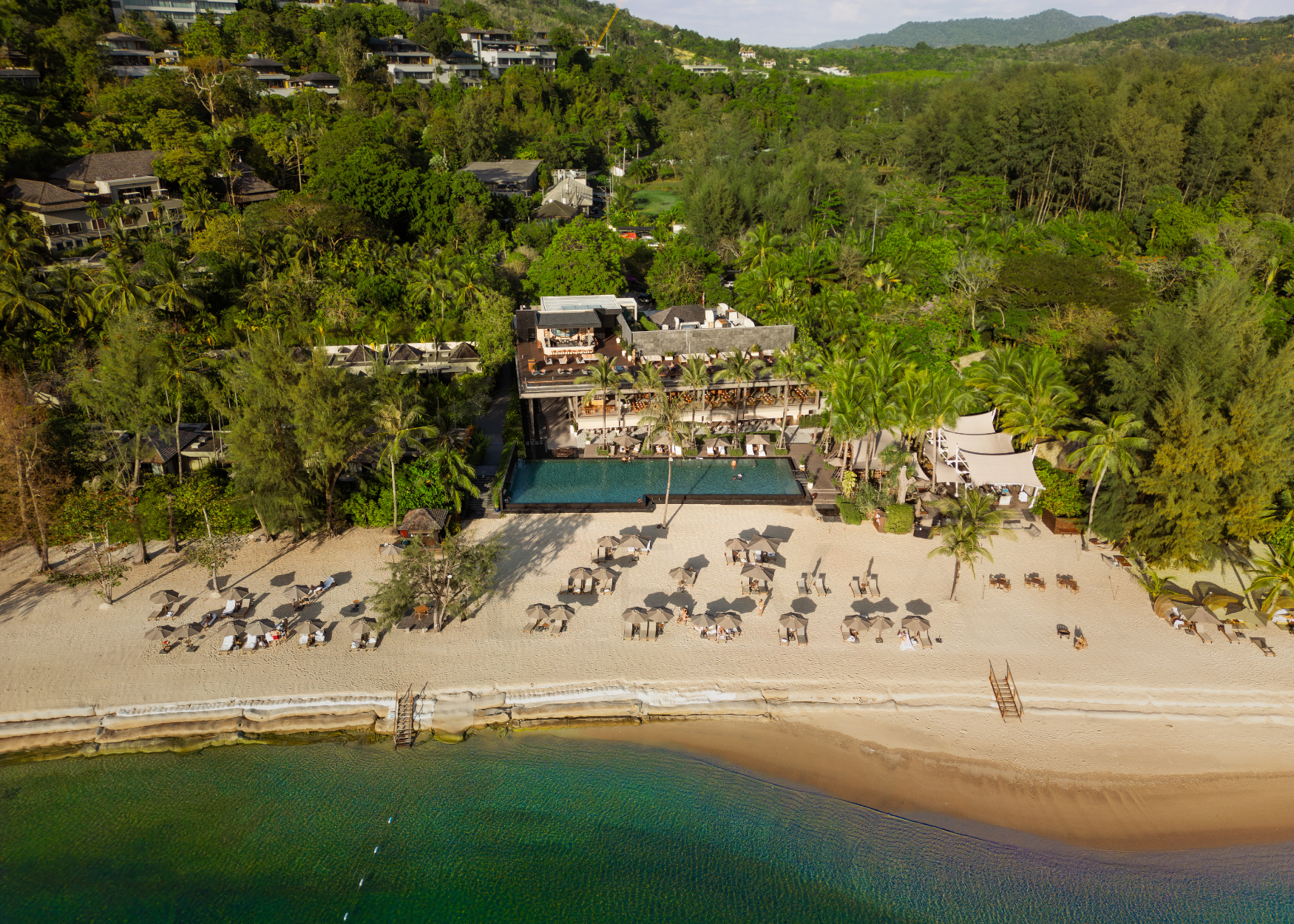
The four-bedroom pool villa at Kiara Reserve Residences features floor-to-ceiling windows and glass sliding doors that seamlessly connect with the outdoor area. Top: Kiara Reserve Residences by Anantara, designed in collaboration with Tierra Design.
Boulevard: What is your approach to designing for a market like Phuket?
Martin Palleros: Over the past 20 years working in Asia, I have focused on a holistic approach to design, emphasising the relationship between architecture and nature. In contrast to the traditional process, which often starts from the building, we now begin with nature and then determine how to integrate architecture with it. Much of our work has centred on resort and residential projects.
Some of the projects you may have seen in Phuket include Twinpalms Phuket, completed over 20 years ago as our first resort project on the island. Since then, we have worked on many others, including the original master plan for MontAzure, as well as the Twinpalms Residences there. We have also collaborated with Anantara Hotels & Resorts, specifically on their beach club, wellness components and the Kiara Reserve, which consists of 17 villas and 25 condos.
“Over time, people have become more aware of the importance of nature and landscape within a project… are beginning to recognise the value of thinking about landscape first.”
Currently, we are involved in a very significant project, likely the largest in Phuket at the moment, called Gardens of Eden. What makes it especially interesting is that the developer has committed around 70 per cent of the site to open space, which is quite rare, as most developments aim to maximise every square metre. For us, it is a dream project because it allows us to fully engage with landscape design.
We are also working on villa projects. After many years in Phuket, many clients already know our work. One example is the branded Tierra Cuatro Villas, where we are involved not only as designers but also as developers, which makes it particularly interesting for us.
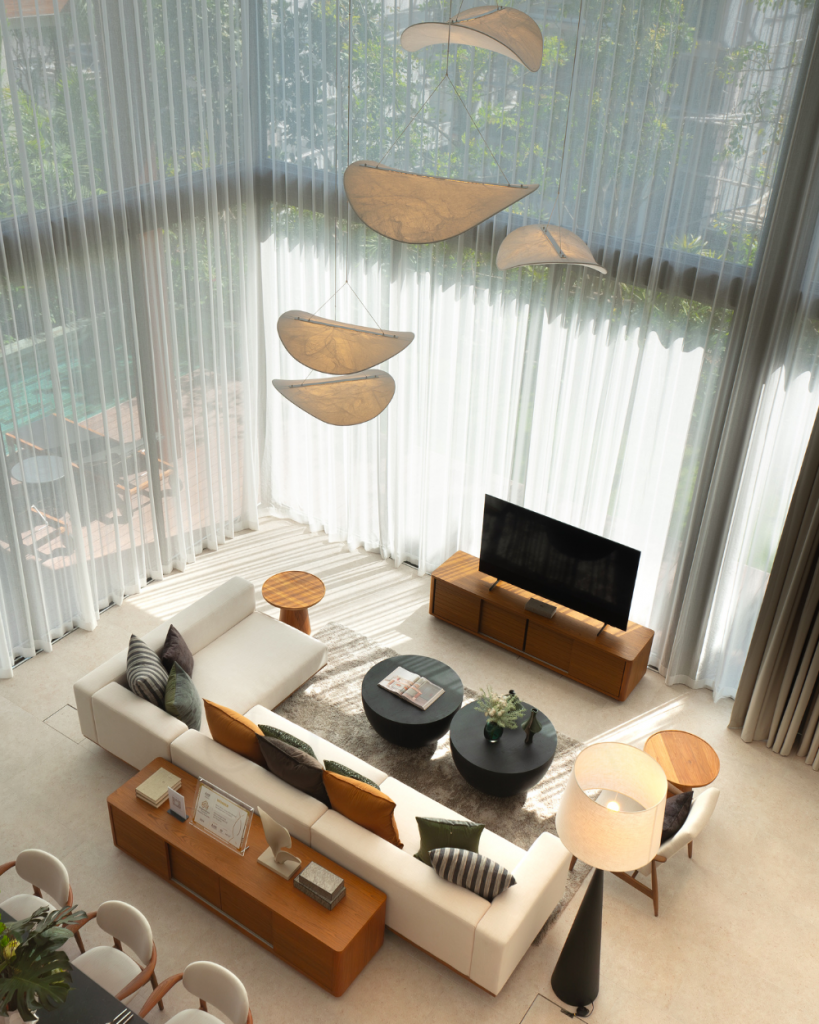
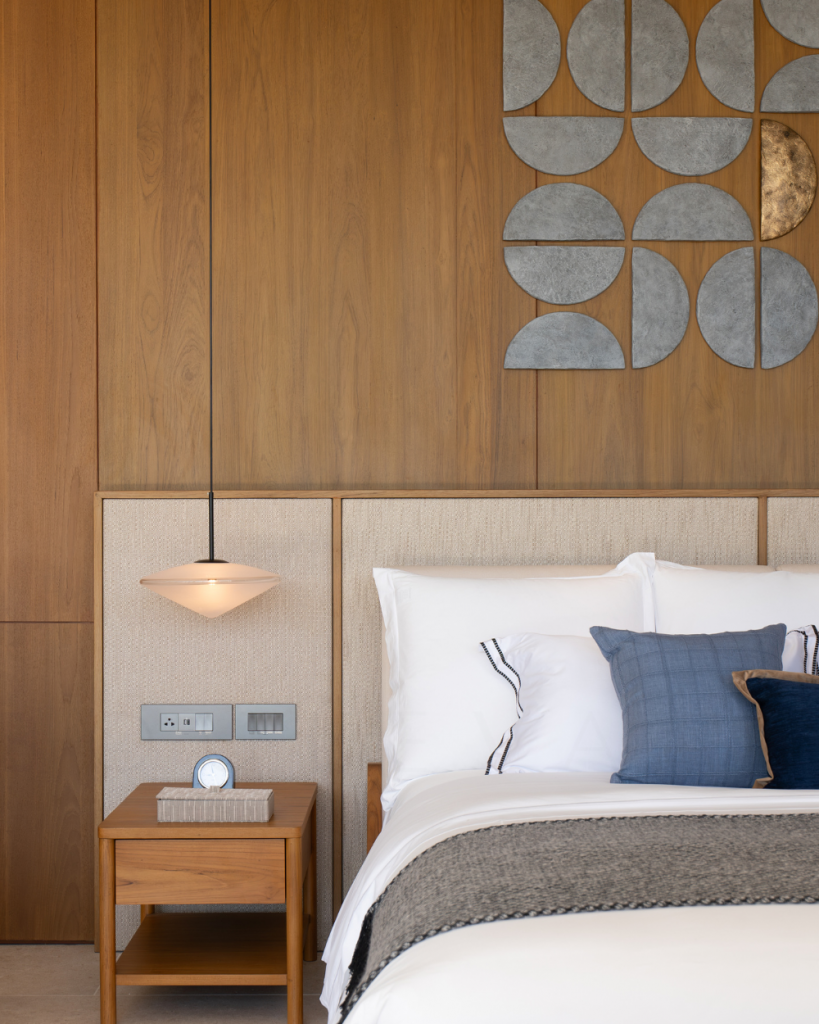
Kiara Reserve Residences also includes a three-bedroom pool villa, with double-volume windows.
Blvd: How has Phuket, both as a market and a culture, shaped and influenced your design approach over the years?
Palleros: When I first came to Phuket over 20 years ago, it was quite different. I was struck by the nature—the sea, the hills and the greenery. That had a strong impact on my approach to design.
What I see now is Phuket moving towards bringing back some of what it used to be, which is very encouraging.
Blvd: How have you seen people’s expectations of homes, and the lifestyles they imply, change over that period of time?
Palleros: Over time, people have become more aware of the importance of nature and landscape within a project. Before, it was simply about completing the development, and whatever space remained became the landscape.
“Cities are becoming increasingly urbanised and dominated by concrete, so green space is becoming the new luxury.”
Now, people are beginning to recognise the value of thinking about landscape first, and what that brings into a project. I can see this shift happening, although there is still a long way to go.
In the past, developers often saw landscape as wasted space and tried to maximise every area of a site. But the proof is in recent projects.
Gardens of Eden is a good example, as it is currently one of the best-selling projects on the island. The developer truly understands the importance of bringing nature into the project, and I hope others will follow.
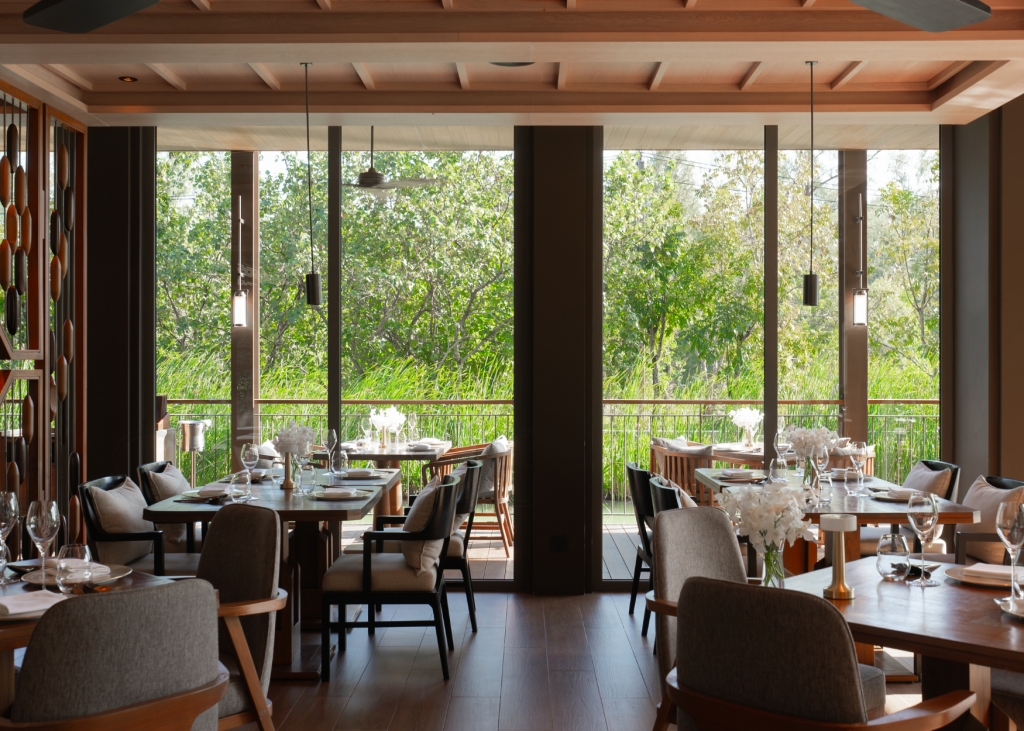
The amenity-rich development is located within the Anantara Layan Phuket Resort compound and is fully managed and serviced by Minor Hotels.
Blvd: How is the way we use these natural spaces changing?
Palleros: It is changing in many ways. It brings wellbeing into a project—wellness and clean air. Cities are becoming increasingly urbanised and dominated by concrete, so green space is becoming the new luxury.
It also brings value by helping restore natural systems. In a place like Phuket, people come because of nature, so it is important to preserve, and where possible increase, green areas.
Blvd: The Tierra Cuatro Villas project is your first under your own development. Is it an opportunity to do things you haven’t been able to do before, and what makes this project different?
Palleros: Yes, of course. This project allows me to bring all my years of experience into practice. When you work with developers, you don’t always get exactly what you want and sometimes compromises are necessary. In this case, however, there is a lot of room for exploration—experimenting with new materials and, of course, trying to blur the line between architecture and nature as much as possible, so the spaces feel fully integrated.
Over the years, I’ve seen many new residential developments, and part of what motivated me to undertake this project is observing the market. I noticed a lack of high-quality, well-considered residential projects. This gave us the opportunity to demonstrate that it is possible to create a beautiful, timeless project while maintaining reasonable costs.
Read next:
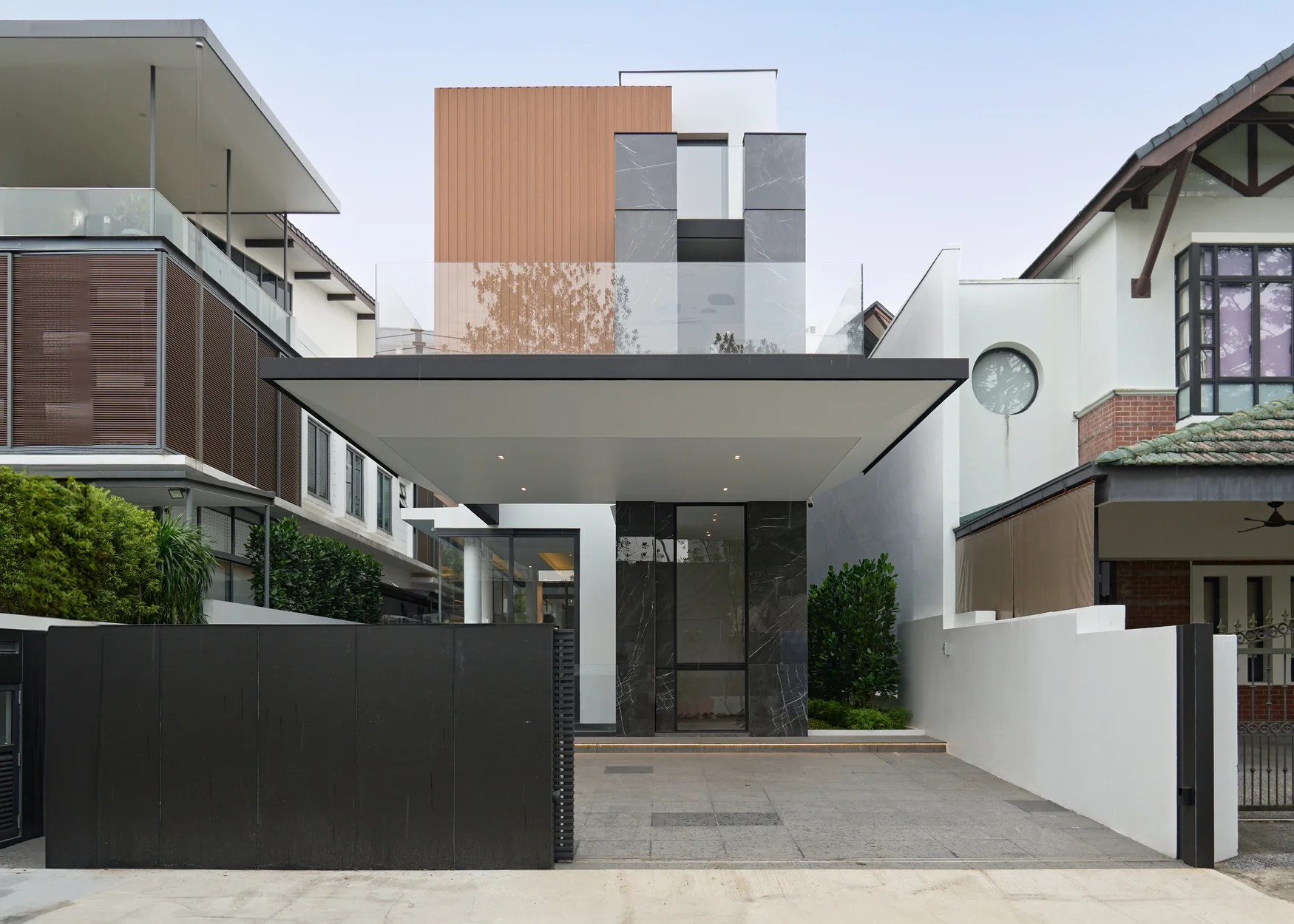
8+1 bed | 10,200 sqft area 19,500,000 SGD
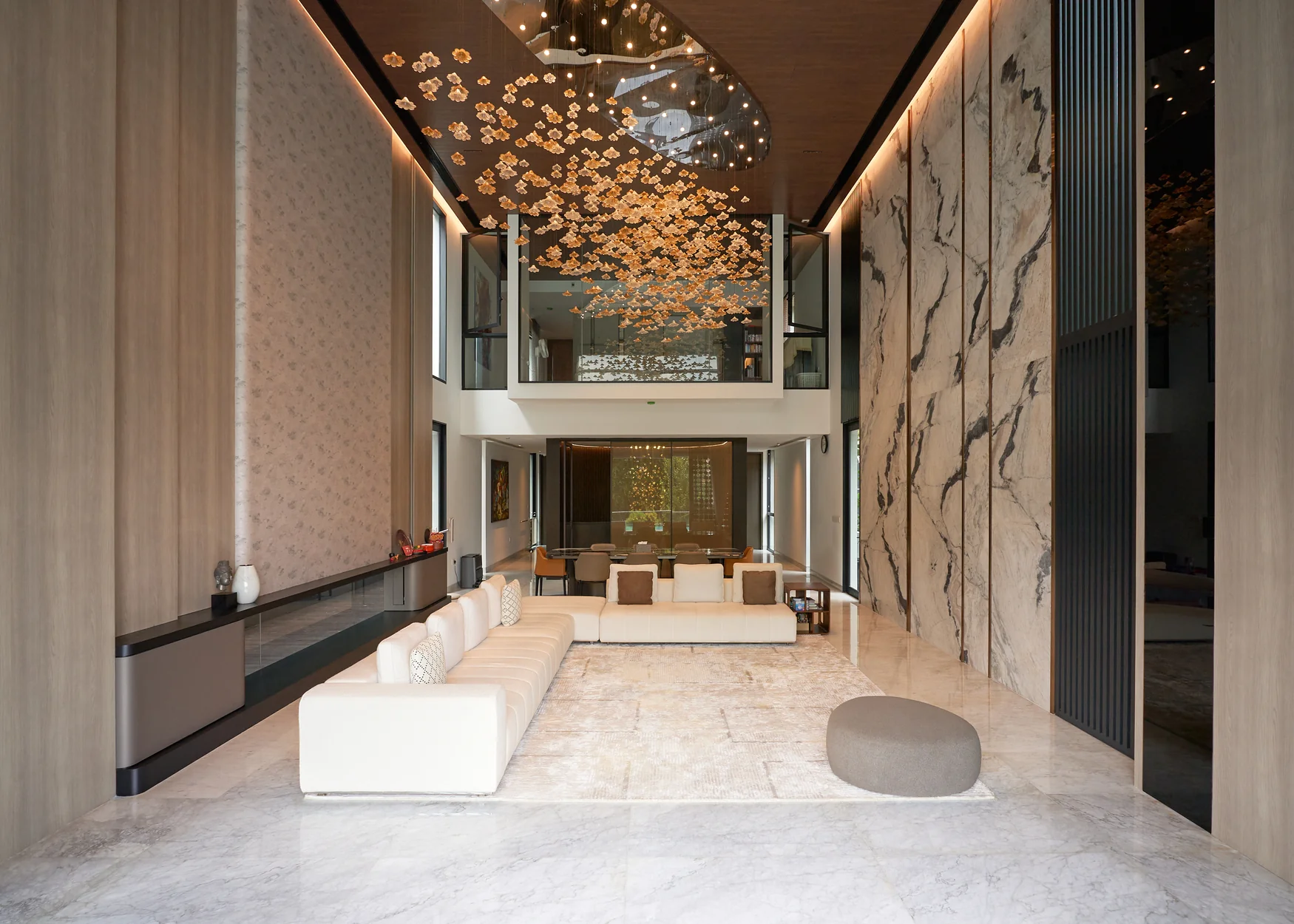
5 bed 19,380,000 SGD
4 bed | 4,208 sqft area POA
3-8 bed | 699,654 - 784,080 sqft area POA
6 bed POA