Past the Golden Triangle and AI itineraries: Where Miles & Memories is actually sending ultra-luxury travellers, and what they’re looking for
by Mac Fabella
Increasingly, Laxmi K’s clients arrive at her door with the trip already planned. They’ve fed a destination into a chatbot, built an itinerary, and priced it out—and then they call her anyway. “They come to me and check, ‘Hey, I got this from AI, but I still wanted to get your opinion and your expertise,'” says the founder of Miles & Memories, a Singapore-based bespoke travel curator specialising in culture-led and food-led journeys to India, Nepal, Bhutan, Sri Lanka, and Vietnam.
It’s reframed how she describes her own job: someone clients consult for judgment, not just logistics, because of the access and contacts she’s built over time.
Laxmi founded Miles & Memories in Mumbai in 2014, building the business there for close to a decade before a relocation to Singapore, prompted by her husband’s job, forced her to close it down. Restarting from scratch, she has spent the past three years rebuilding her client base in Singapore.
People first
She didn’t set out to work in travel. Before she founded Miles & Memories, Laxmi worked behind a desk, crunching numbers for roughly a decade in banking. Those years, spent mostly removed from clients, made her realise she was “more of a people person”. Outside of her 9-5, she had already become a self-enlisted planner for friends and colleagues, spurred by a fluency for “looking around and gathering information” after multiple relocations: from Mumbai to Singapore, then the United States.
That eventually blossomed into a real passion for travel. Upon her return to India, she decided to start a business that would feed this passion while granting her more flexibility for her growing family. “But, as most entrepreneurs realise, you leave a 9-5 to do a 24/7 job,” she retorts. Her background in banking gave her the organisational and operational know-how; travel gave her opportunities to connect with others who shared a curiosity for exploring.
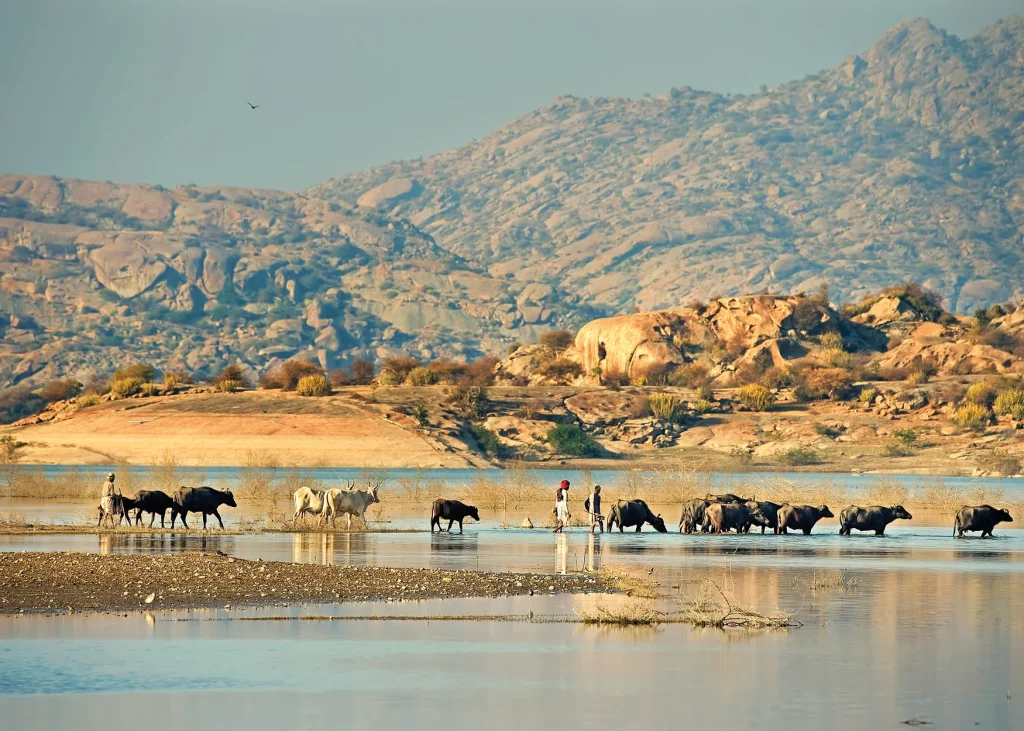
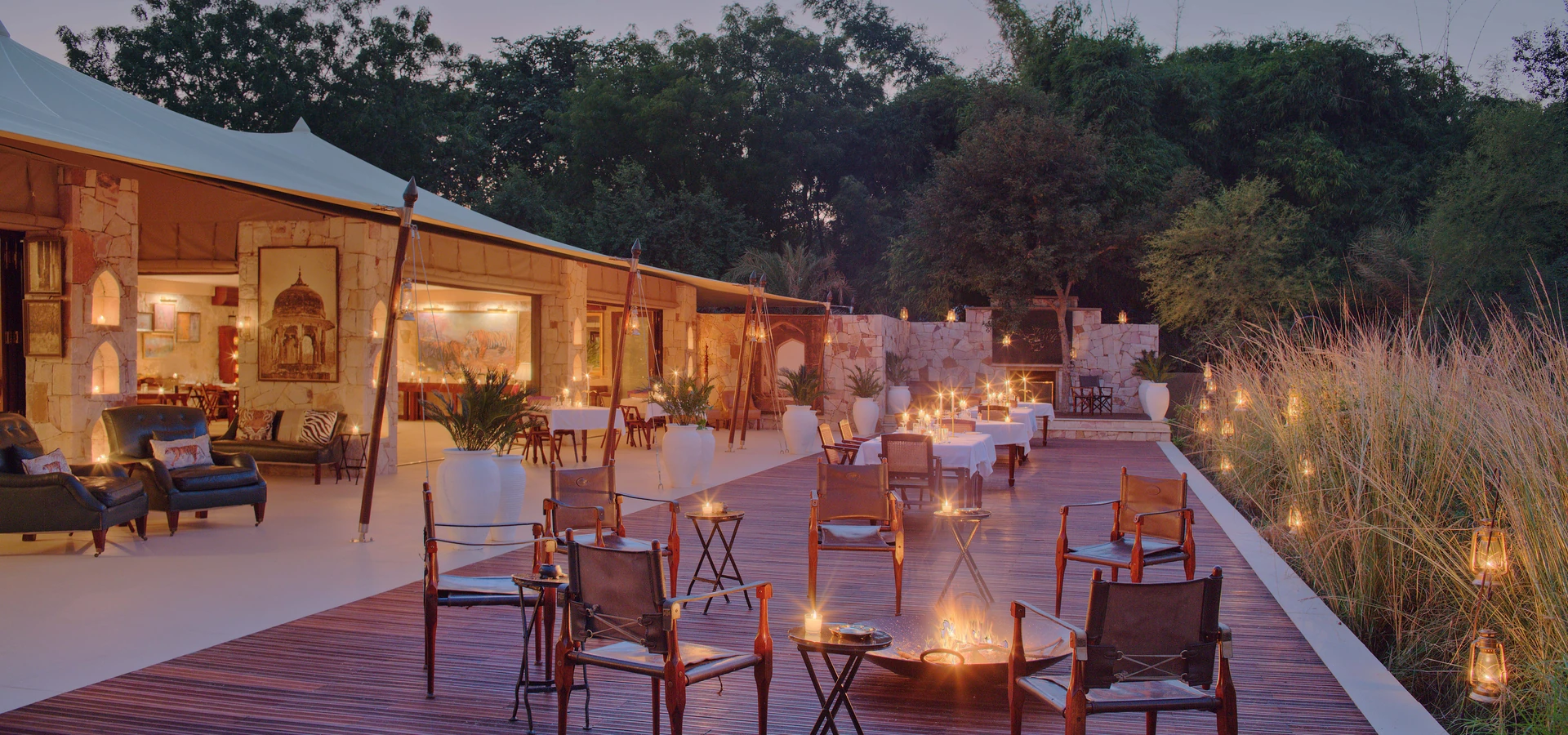
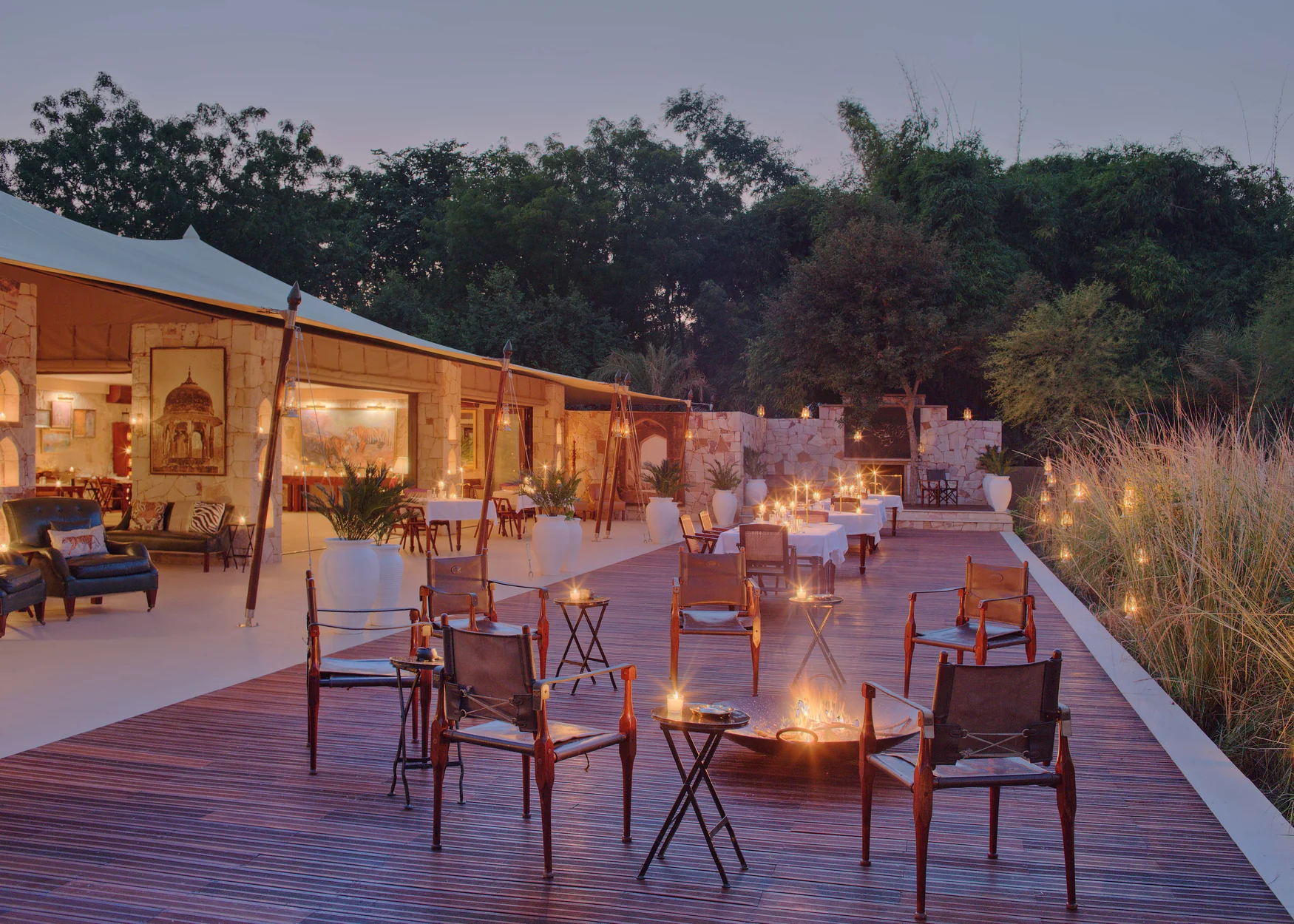
Jawai is an off-the-beaten-path wildlife region in Rajasthan, India. Top: Suján Sher Bagh is a luxury tented safari camp located on the edge of Ranthambore National Park in Rajasthan, India. (Photos courtesy of Miles & Memories)
Matching the clients to the destinations
Today, one major driver of her business in Singapore is the multi-generational family, along with their growing interest in taking vacations together. They would rent or buy out a property or resort where everybody is jointly having a good time; there would be activities for every generation, and activities to do together.
The second cohort reshaping her client list is younger. Where the typical ultra-high-net-worth traveller has traditionally skewed late-40s and 50s, she’s now fielding a wave of clients in their mid-20s to mid-30s. “They are less interested in traditional five-star formality,” says Laxmi. “They are more drawn to design-led and wellness-forward resorts.”
Both cohorts are steering her toward the same handful of markets. “They prefer more remote settings: private islands, safari camps, walled estates.” Sri Lanka and Vietnam are pulling ahead of longer-established destinations, with Bhutan as a third option for those “who want more seclusion”. For Laxmi, the appeal is specific: neither is performing luxury for a Western audience.
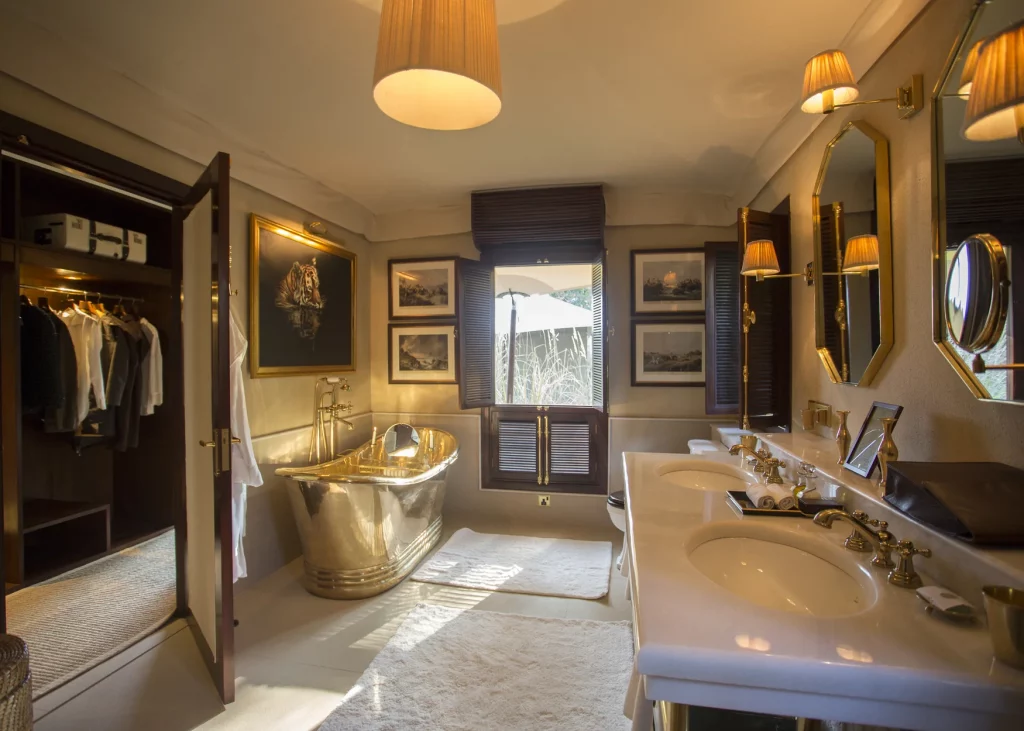
Inside an elegant bathroom at Suján Sher Bagh. (Photo courtesy of Miles & Memories)
“Sri Lanka, very interestingly, has a lot to offer in a single country—national parks, beaches, surfing—and it’s really upped its game in hospitality,” she says. “Sri Lanka isn’t trying to be anyone else. They’re serving travellers Sri Lankan food, and that authenticity is what people like about it.” Vietnam is following the same script, with names like Capella arriving while “trying to keep the culture and give the flavour of actual Vietnam to people”.
Within India, demand is bypassing the Golden Triangle for hoteliers like Suján, whose ultra-luxury, tented wildlife camp within a leopard reserve in Jawai, for example, sits well outside the usual circuit. She additionally mentions the Kumaon in the Indian Himalayas, a private mountain retreat with no TV, no Wi-Fi, and ice-glazed mountain views on waking.
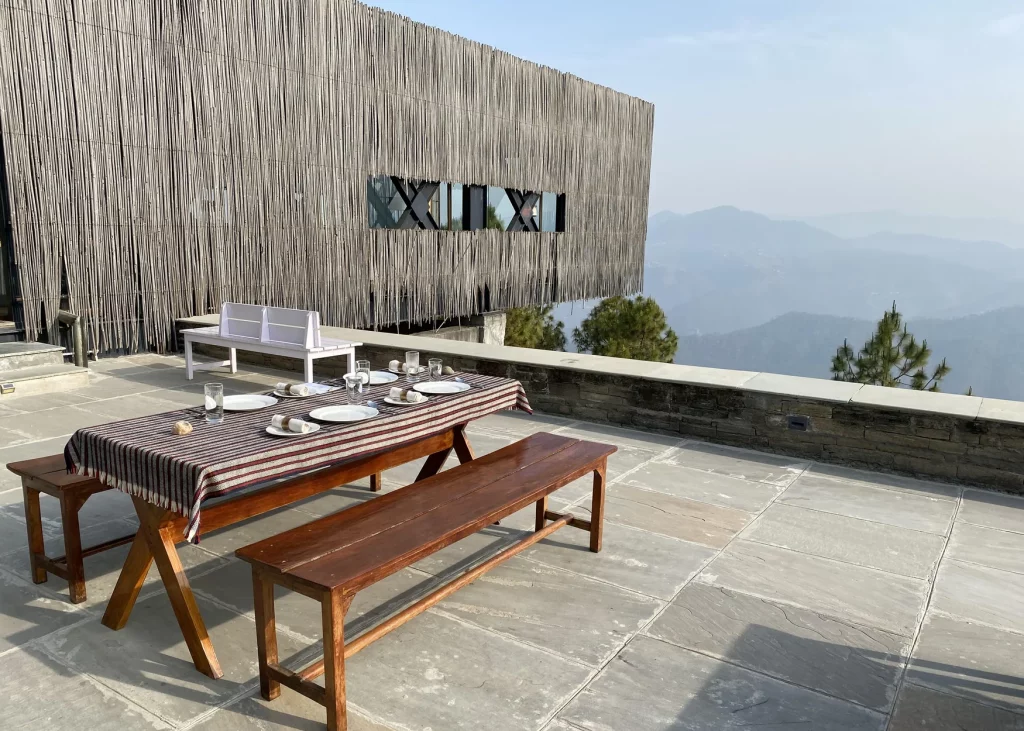
The Kumaon, located in Uttarakhand, provides a scenic view of the Himalayas. (Photo courtesy of Miles & Memories)
According to Laxmi, the Maldives is also undergoing its own reshuffling—the South Atolls picking up interest after years of North Malé dominance—and in Japan, Niseko has gone from ski-town secret to fixture, with Aman due to open there. Underscoring most of it is wellness: Ananda, Six Senses’ Vana retreat in the Himalayas, Ritz-Carlton’s Mandapa in Ubud. “Life these days is very demanding,” she says, “especially in a country like Singapore with a very aggressive economy”. A seven-day retreat with no Wi-Fi has become its own kind of status symbol.
Another recurring request has nothing to do with hotels at all: immersive textile tours, where clients meet the weavers and artisans behind the fabric itself, often plant-based alternatives to leather, and silk made from materials like banana fibre and aloe vera. It’s a request she’s leaning into herself—she’s currently developing a food-and-textile tour through Kolkata, pairing local chefs with the history behind regional ingredients.
What’s actually changing
Zoom out, and Laxmi frames all of it as one shift: from extravagance to intention. “A decade ago, luxury was loud and big. Now it’s quieter, unbranded, hard to find.” Her clients aren’t chasing more stops—they’re chasing fewer, deeper ones. “People want to go to one destination and really immerse themselves,” she says, “rather than taking multiple stops.” Someone travelling to Japan, in her experience, now goes to Niseko and opts to stay there. Tokyo and Kyoto can wait.
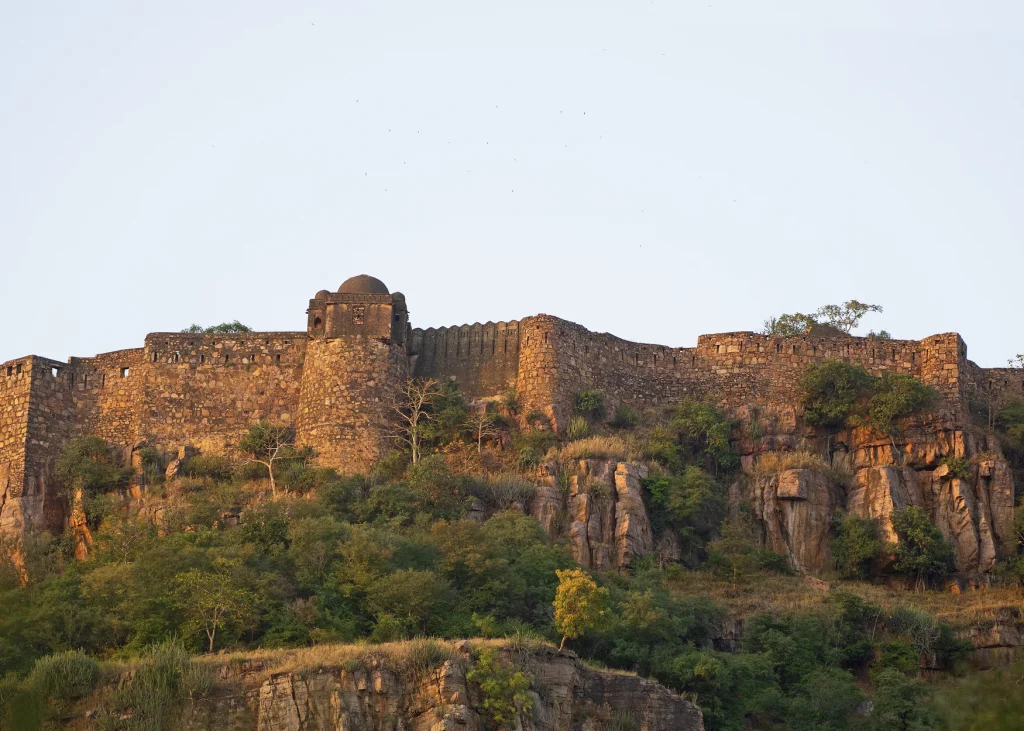
The Ranthambore Fort, a 10th-century fortress within a national park, is one of the famous stops on a culture-led trip to Rajasthan, India. (Photo courtesy of Miles & Memories)
AI is part of that story too, though not as a threat to her business—more as a filter that’s changed what clients actually need from her. “I’d call myself more of a travel thought partner,” she says. “I’m the one who bridges the gap between the place in your mind and what you personally want to feel.”
The value of that, she’s found, rarely shows up when a trip goes well; it shows up when it doesn’t—a lost passport mid-trip, a plan that needs rebuilding overnight—and there’s someone on the other end of the phone who already knows the itinerary or destination by heart. None of it is the kind of thing AI can assemble from a search query.
Read next:
- Bespoke, remote, unrepeatable: How A2A Safaris convinced Asia’s elite travellers to go off-grid
- How a remote Indonesian resort puts purpose and community first: “The ultra-luxury traveller wants stories, not photographs”
Discover more travel and culture stories.
In brief: Miles & Memories
The agency: A Singapore-based bespoke travel agency specialising in curated trips for ultra-high-net-worth clients to India, Nepal, Bhutan, Sri Lanka, and Vietnam.
The founder: Laxmi K is a former banking professional turned travel entrepreneur. She built Miles & Memories once in Mumbai in 2014, then had to close it when her husband’s job moved the family to Singapore. She relaunched the business there in 2023 and now works almost exclusively with Singapore-based clients.
The destinations: She recommends Sri Lanka and Vietnam for their authenticity, Niseko for a slower encounter of Japan, the Maldives’ South Atolls over the long-dominant North Malé, and off-circuit India—including properties like the Suján Jawai—over the Golden Triangle.
Her hotel hit list and recommendations: She’s looking forward to Aman Niseko. She recommends The Ritz-Carlton, Langkawi for short trips from Singapore and Brunton Boatyard by CGH Earth in Kochi for a cultural stay.
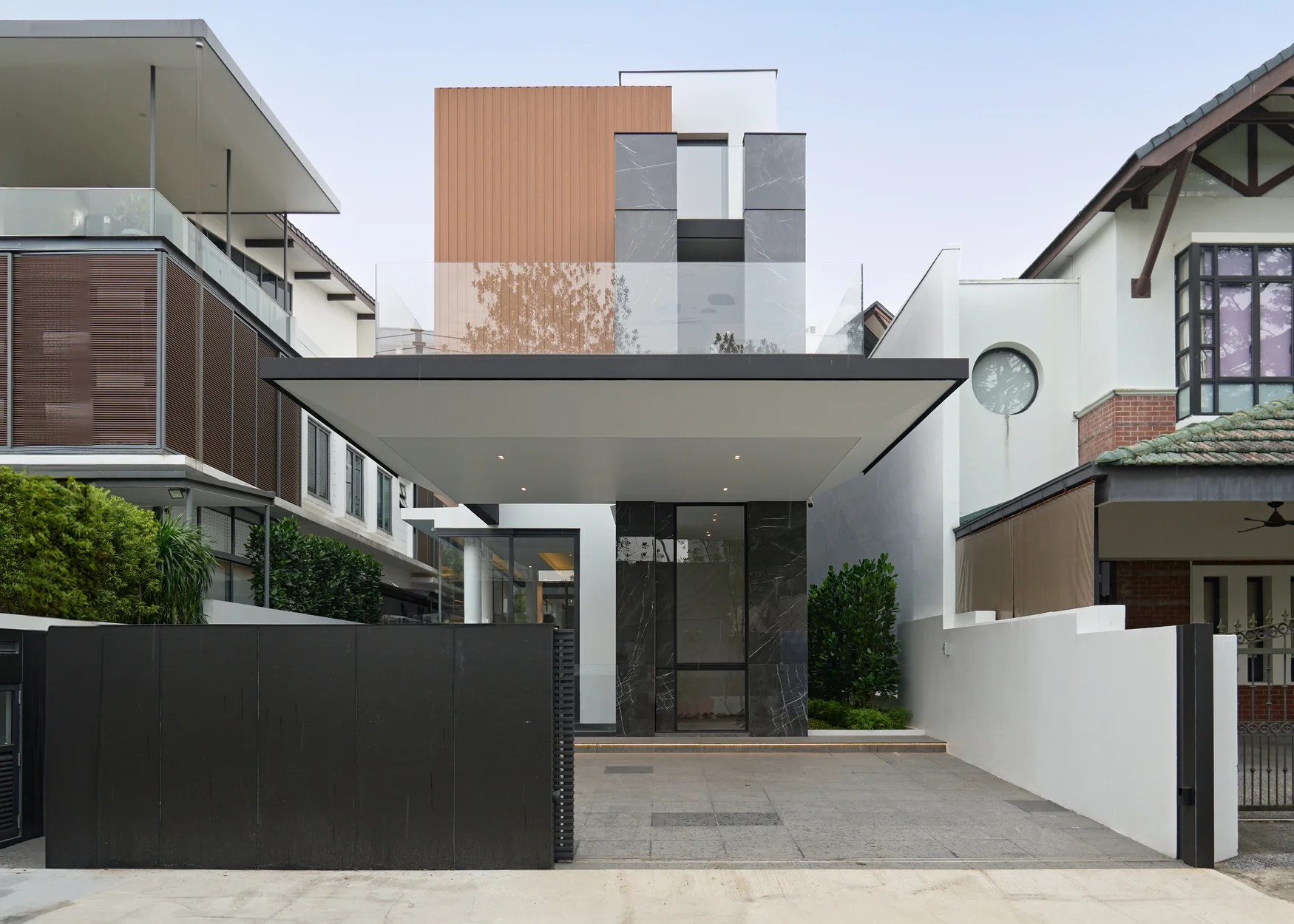
8+1 bed | 10,200 sqft area 19,500,000 SGD
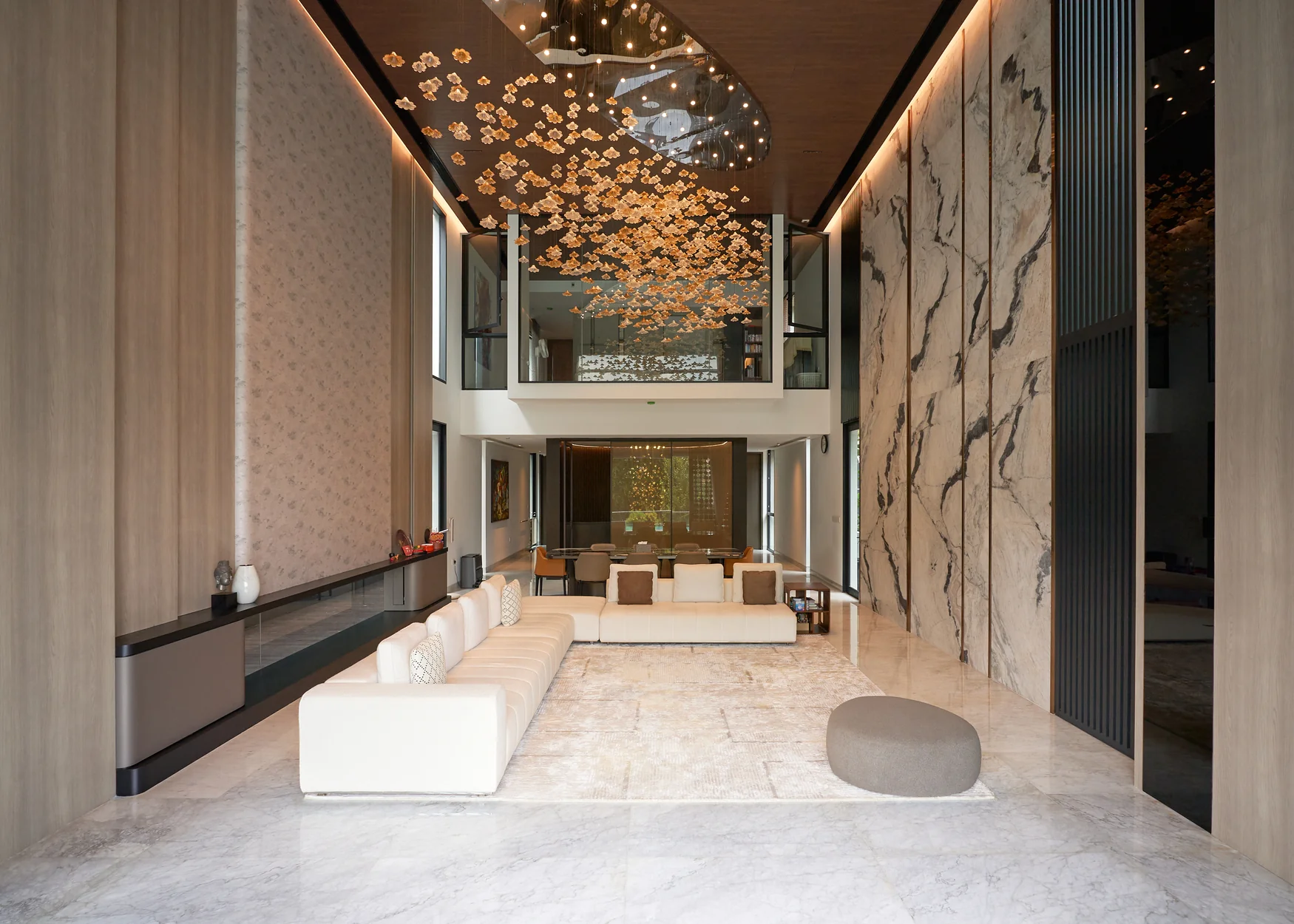
5 bed 19,380,000 SGD
4 bed | 4,208 sqft area POA
3-8 bed | 699,654 - 784,080 sqft area POA
6 bed POA