Foray Travels on what ultra-luxury travellers want now—and why price no longer buys the best stay
by Hamish McDougall
Having paid north of £2,000 for a night in a Paris hotel, what Eleanor Tan remembers most is the housekeeping—because they got it wrong. “To me, these are very basic things,” she says. “Housekeeping done well is something guests barely notice; done poorly, it’s a signal of how the hotel is really run.”
Tan sits at an unusual junction in the luxury travel trade: between its most affluent consumers and the hotels expected to deliver for them. Foray Travels, which she co-founded with Jay Zou in Singapore in 2020, is a travel concierge focused on exactly one thing—hotels and resorts—for a clientele based largely in the Middle East, particularly Dubai. No flights, no two-week Italian itineraries. “We chose to be a master of hotels and resorts,” she says, and six years of booking at the very top of the market have given her an unsentimental view of which properties are worth the money—and which are not.
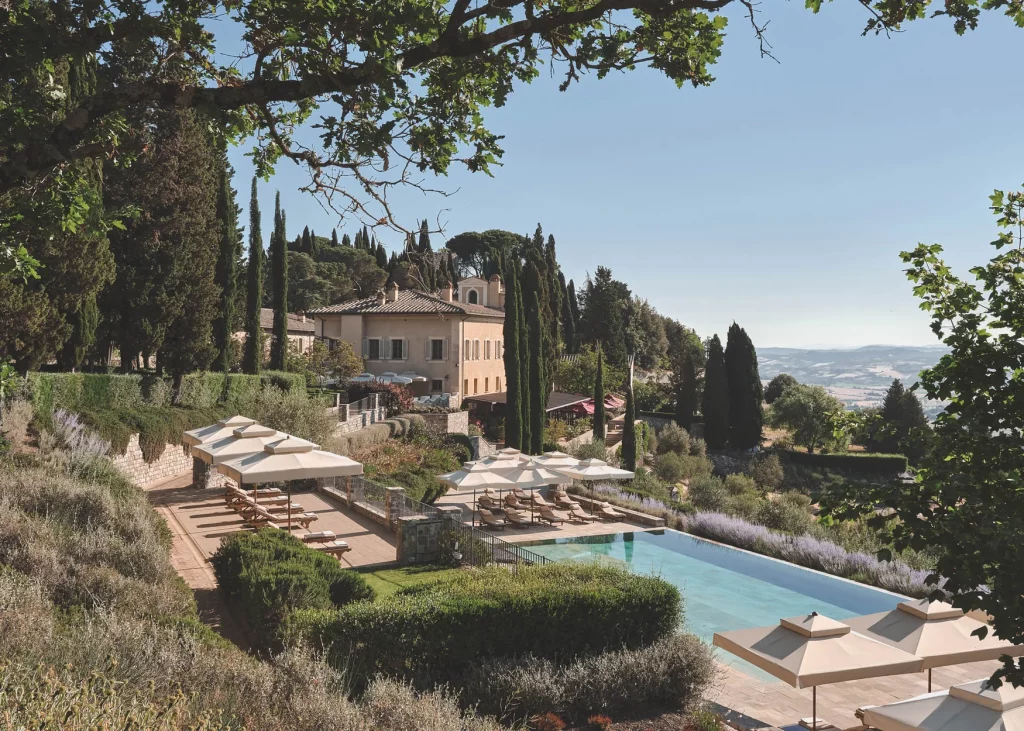
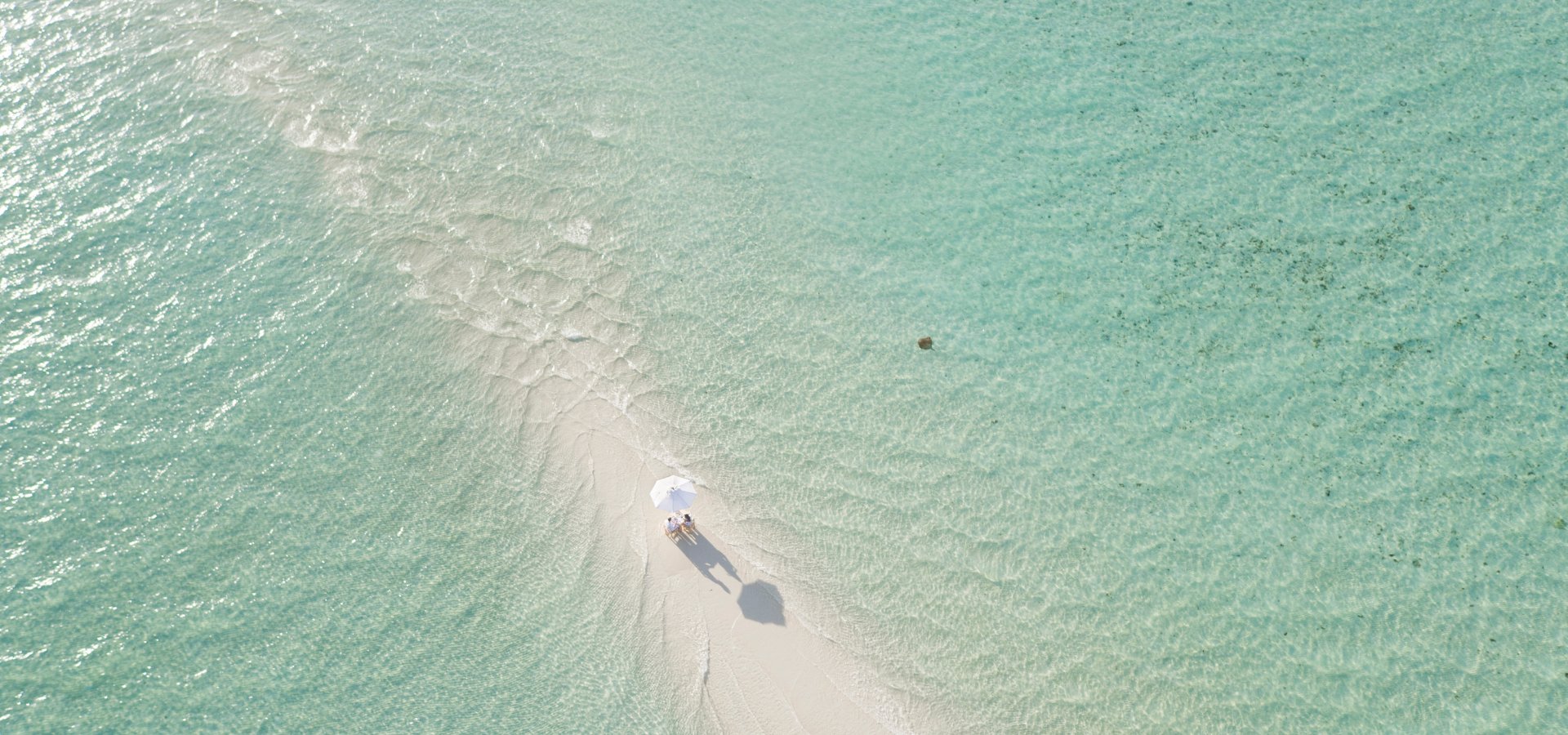
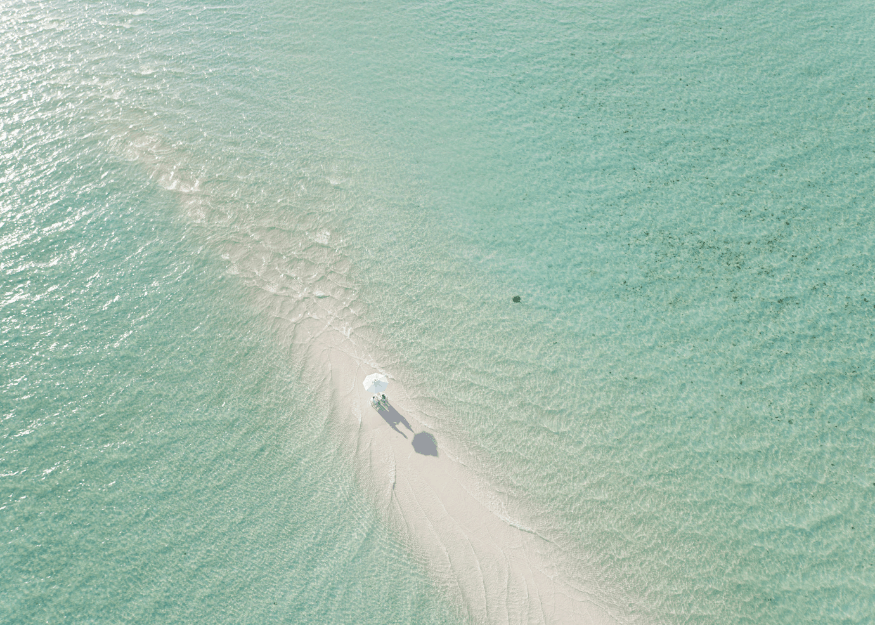
Castiglion del Bosco, a Rosewood Hotel located in Montalcino, Tuscany, Italy. (Photo courtesy of Rosewood) Topmost: A sandbar at Soneva Jani, Maldives. (Photo by Jin Cheng Wong)
Master of one trade
Foray Travels was born into the worst market in travel’s modern history. Tan and Zou registered the company in 2020; covid arrived two months later. “It might’ve been unlucky,” she says, “but I think it was precisely because of Covid that we managed to stand out and find a niche for ourselves.”
With Singapore closed, they went looking for a market that was still moving. Dubai was open, its residents wanted to travel, and many local agencies had shut or suspended operations. “We really just went in blindly, and luckily we found a base of customers there who wanted to travel to the Maldives.” For the first two or three years, it was effectively the only destination on the menu—and ultimately became the firm’s specialism.
That focus has since become policy. Ask Foray Travels to plan a two-week Italian itinerary,
activities and all, and the answer is a polite no. “You have to be a specialist in everything, which we find difficult to manage: you become a jack of all trades but master of none.” Friends in the industry tell Tan she’s leaving money on the table, as packaged trips carry better margins. “That’s not our end goal. It is about profit, but we don’t want to keep chasing it and forget how we started the business.”
The team numbers about 10, split between Dubai and Singapore, and Tan intends to keep it that way. “The bigger you scale, the lower the quality of customer service becomes.”
It is a conviction Boulevard has heard before. Kenneth Cai, co-founder of elite travel concierge beCuriou, told us the heart of hospitality is “the software—the people”. Tan’s version narrows the aperture further: the hotel is the product; her trade is everything around it that the website never shows.
When price stops meaning luxury
Five years of post-covid travel have produced a different traveller. “Right now, clients are a lot more discerning. Most of the time they come to us already knowing what they want.” They’ve seen the villas, the drone shots, the menus. “Beauty alone isn’t enough to impress them any more.”
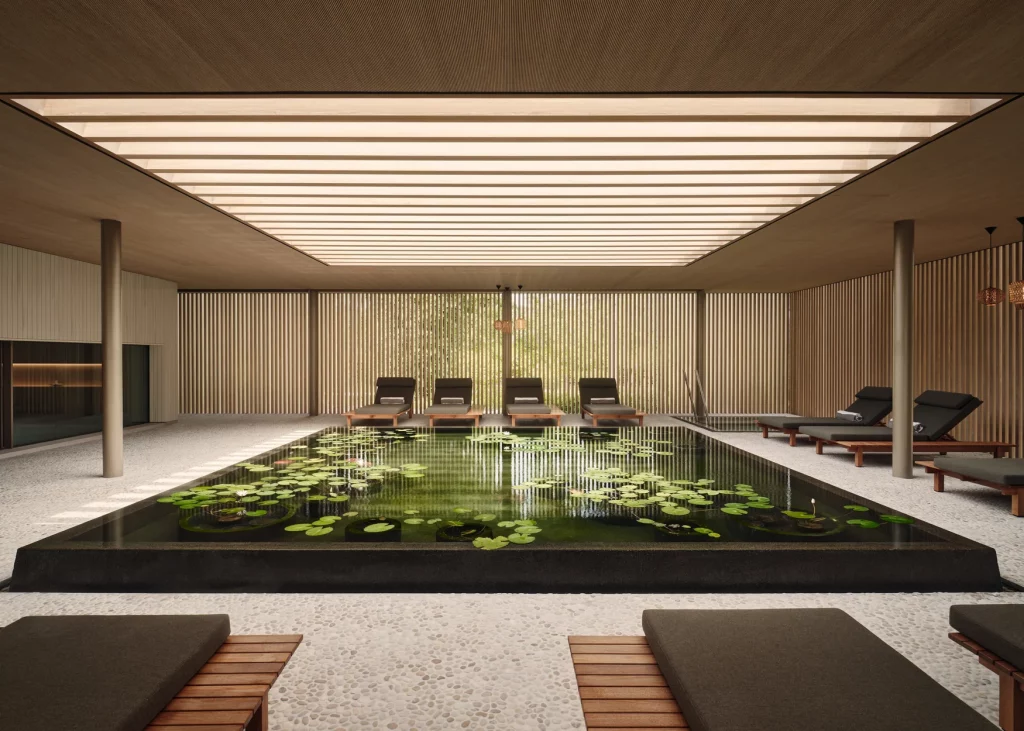
Patina Maldives is a newly opened beach resort in Fari Islands and a member of Design Hotels. (Photo courtesy of Patina Maldives)
Prices, she says, have risen “at least 20 to 30 per cent” globally, and expectations have risen with the invoice. “It’s easy to promise paradise; what Maldives resort website doesn’t? Whether it actually lives up to that when you get there is a completely different story.”
In Tan’s view, what happens during the stay is only half the equation. True ultra-luxury begins before a guest arrives, in details largely invisible at the point of booking: the speedboat transfer to a resort such as The Ritz-Carlton Maldives; connecting rooms that actually connect; a dinner reservation secured before wheels-down. “The hotel has to deliver and execute all this before arrival; otherwise, the experience is disjointed from the get-go. That’s why most of our work happens pre-arrival.”
The corollary is that price has quietly decoupled from quality. “In the past, luxury was about how expensive the hotel was,” Tan says. “Today, the price tag alone matters less. Brand still matters enormously, but as a signal of consistency and execution, not just prestige. And an experienced hotel team makes a world of difference. In hospitality, that expertise is an absolute asset and differentiator—you can’t fake it or simply pay for it.”
Which is why the priciest room in town can still fail at the fundamentals, while less exalted names get them right. “More mid-tier luxury brands are surprising me with how well they map the client journey end-to-end, smoothing out friction at every stage.”
When luxury is the baseline
“In a market like Dubai, luxury is just part of everyday life,” Tan says. “They’re very familiar with it and know what to expect. A regular hotel stay won’t impress them; they need something beyond that.”
For Foray, delivering that “something” means obsessing over the journey rather than simply the property: removing friction, anticipating requests, and tailoring each stay to the individual. And that extends to the team itself: “Whenever we have VIP Middle Eastern clients travelling, we’re essentially on call 24 hours a day.” A reply is expected within five minutes; much longer, and the phone rings. “When you’re dealing with UHNW clients, it’s something you have to get used to.”
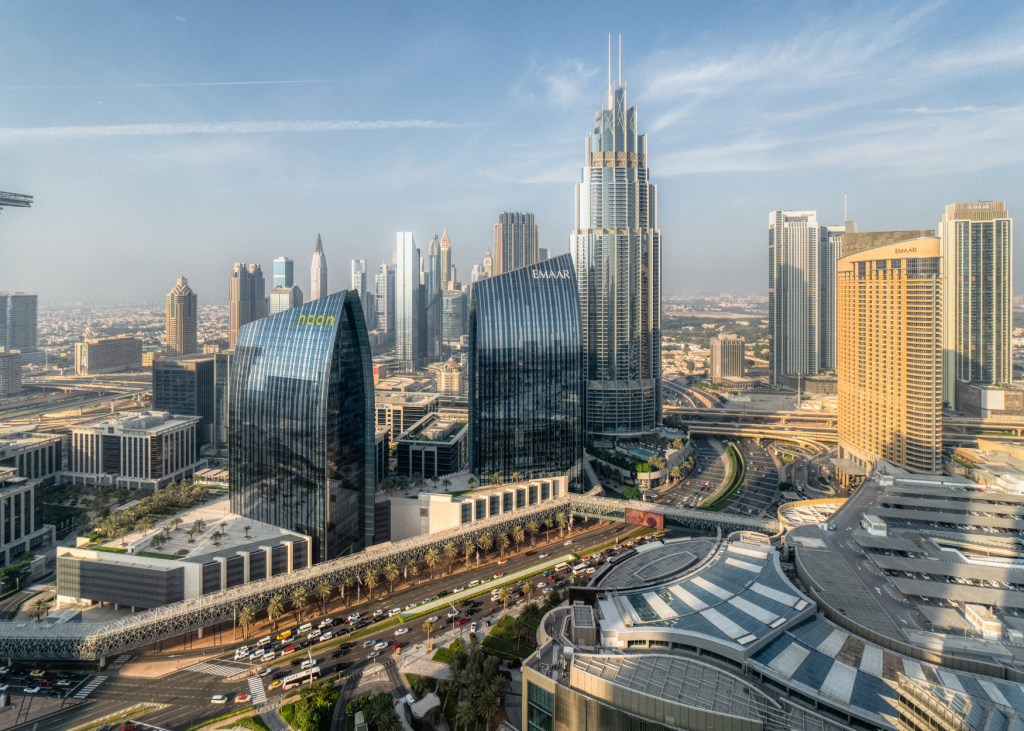
City view from the Armani Hotel Dubai. (Photo by Jin Cheng Wong)
What the client buys is not a discount—“hotel prices are super transparent nowadays; we’re the same price as what you’d get online”—nor simply the property credits, breakfasts, and other benefits agency programmes can add. It’s a single point of accountability throughout the stay, and the expertise to solve problems most travellers can’t: a room when the hotel says it’s full, a reservation when the restaurant says otherwise. “We offer peace of mind.”
Invisible demand
The Maldives is where Foray’s expertise runs deepest, and Tan’s recommendations vary sharply depending on the traveller. Patina Maldives, in the Fari Islands, is perhaps the closest to an all-rounder: honeymooners, families, and multigenerational groups—with “some of the best dining options in the Maldives,” and just 40 minutes by speedboat from Malé.
For clients who want something more overtly luxurious, she looks to Cheval Blanc, Joali, One&Only, and the Waldorf Astoria: “Very glitz and glamour, a lot of chandeliers, marble, and all that, which speaks to them.” Asian and European clients, she says, tend towards something more understated, such as the new Six Senses Kanuhura.
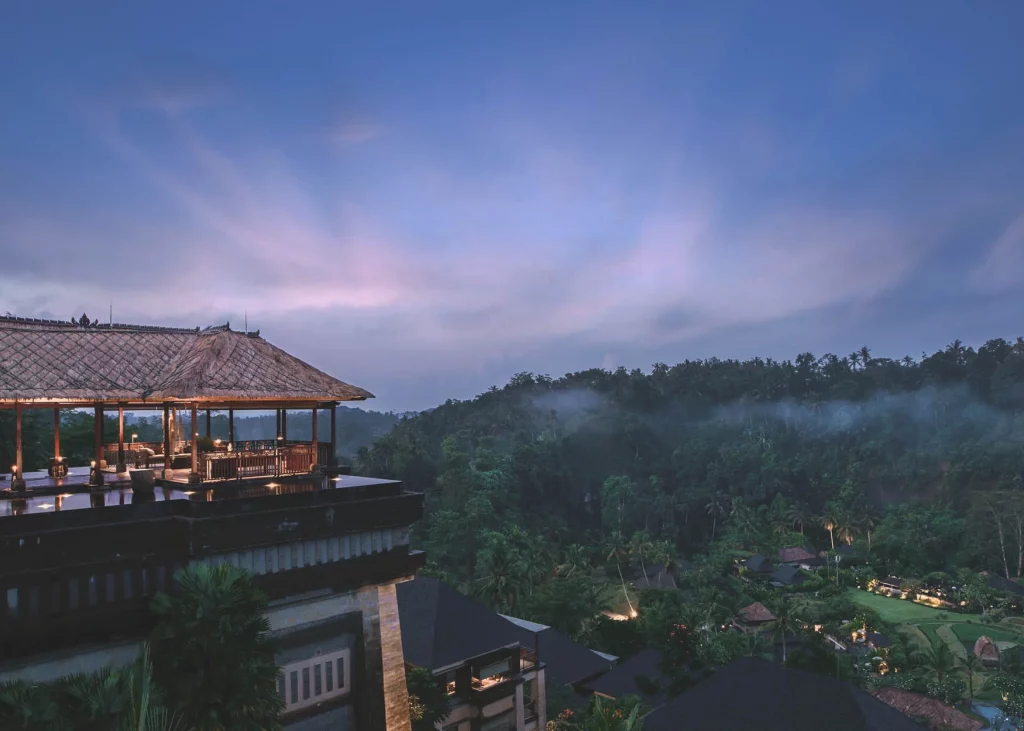
An ultra-luxury riverside sanctuary, Mandapa sits at the cultural and western heart of Bali, Indonesia. (Photo courtesy of Mandapa, a Ritz-Carlton Reserve)
Beyond the Maldives, Tan’s recommendations range from Bawah Reserve, one of the world’s most remote private-island resorts, to Mandapa, a Ritz-Carlton Reserve on Bali’s Ayung River, and Amankora, whose five lodges across Bhutan are best experienced as a journey through the country rather than a single stay. Further afield, there’s Passalacqua on Lake Como, which feels more like a private home than a hotel; Rosewood Castiglion del Bosco, set within a working Tuscan wine estate; and Four Seasons’ new yacht, which she’s been recommending to clients curious to experience the brand at sea.
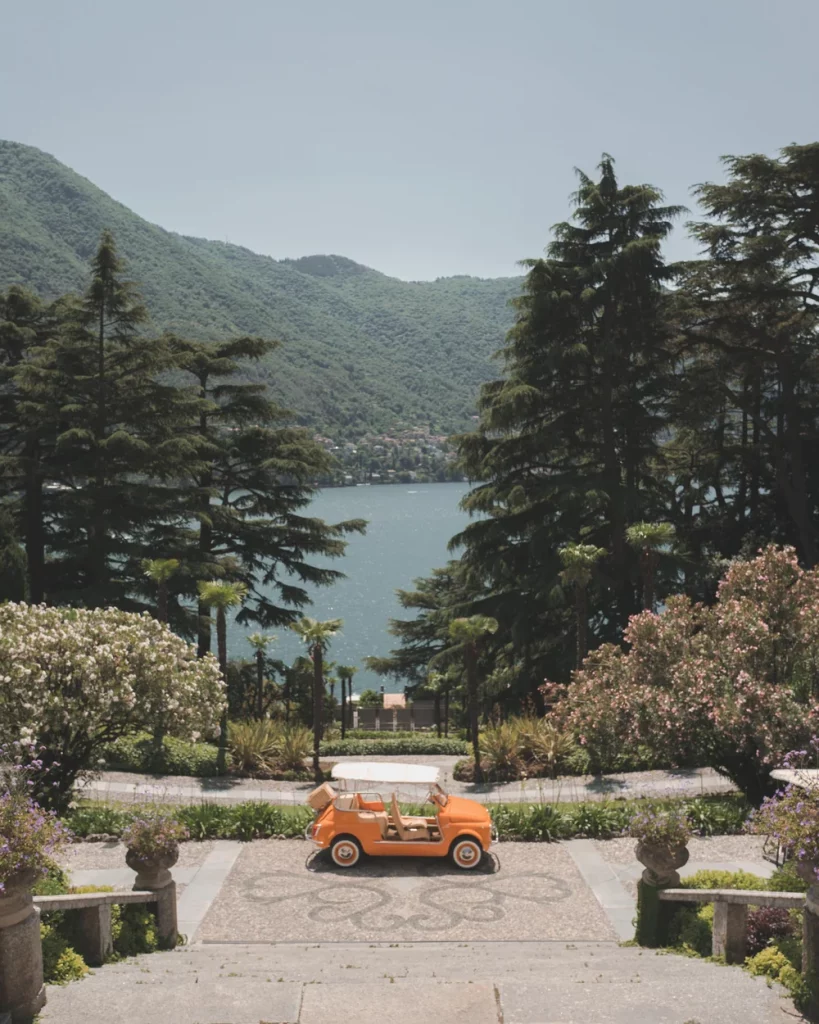
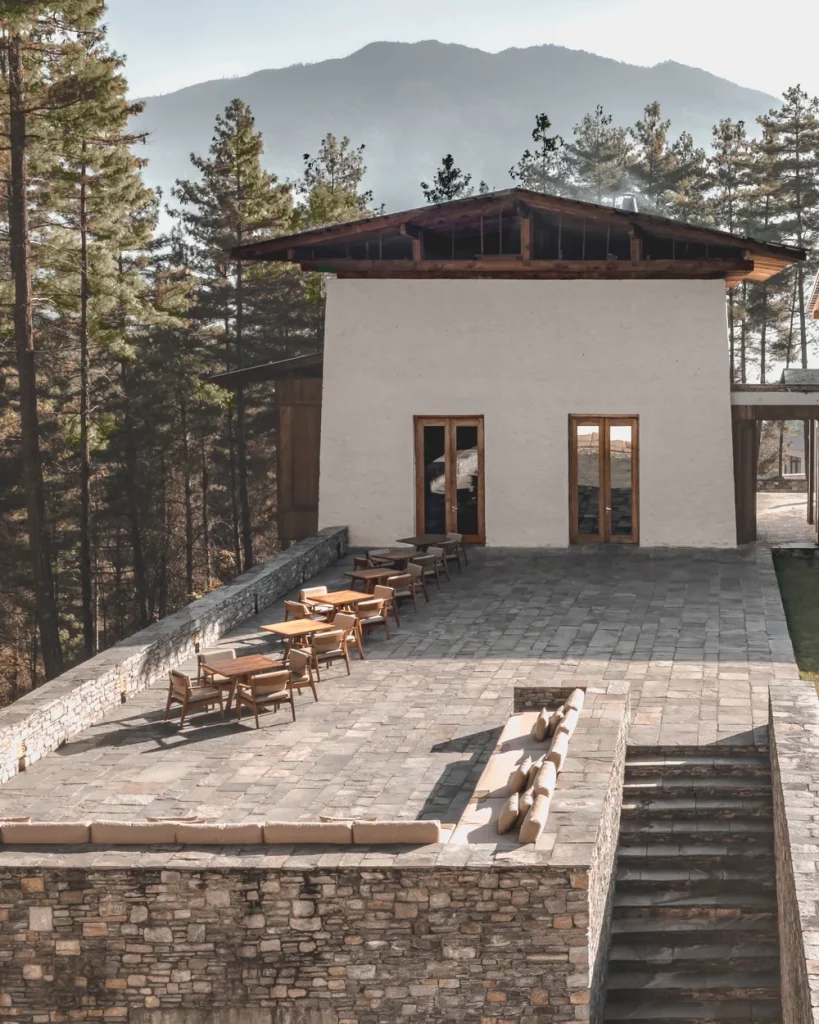
Left: Passalacqua in Italy is a five-star boutique hotel in the lakeside village of Moltrasio. (Photo courtesy of Passalacqua) Right: Amankora, an Aman Resort scattered across the central and western valleys of Bhutan. (Photo courtesy of Amankora)
Perhaps the most surprising is the Venice Simplon-Orient-Express, where the accommodation bears little relation to either the price or the experience. The classic overnight journey from Venice to Paris is upwards of £9,000; the cabins are too small to fully open a carry-on, and eight share a lavatory. There isn’t a shower on board. But when Tan took the journey herself, the evening won her over: black tie, fine dining, music and drinks in the bar car. “The staff are phenomenal; I think half the experience is down to how great they are. They know how to talk to guests, and what makes you tick.”
It is, Tan says, a must-try, if once-in-a-lifetime experience—though she points anyone unwilling to forgo a shower towards the roughly £12,000 suite.
The conversion was immediate. “In fact, I sold the experience to one client while I was on the train myself. I was sharing pictures with him, and he said, ‘Sign me up.’”
Go further with Foray Travels.
Read next:
- Exploring Bawah Reserve, one of the world’s most remote private island resorts
- The interview: Elite travel concierge beCuriou co-founder Kenneth Cai on why human connection is the new currency of ultra-luxury vacations
More luxury travel, hotels and resorts
The brief: Foray Travels
Foray Travels is a luxury travel concierge with teams in Singapore and Dubai, working exclusively in hotels and resorts rather than flights or packaged itineraries. Around 70 per cent of its clients are based in Dubai and the wider Middle East.
Where? Globally. Foray works with a select group of luxury hotel brands, including Aman, Rosewood, Oetker Collection, and Cheval Blanc, as well as independent properties.
Top recommendations? Patina Maldives, Cheval Blanc, Joali, One&Only, Waldorf Astoria, Six Senses Kanuhura, Bawah Reserve, Mandapa, Amankora, Passalacqua, Rosewood Castiglion del Bosco, Four Seasons Yachts, and the Venice Simplon-Orient-Express.
Why book? Foray brings specialist judgement and hotel relationships, generally at the same rate as booking direct, with added benefits such as property credits, breakfast, and upgrade priority.
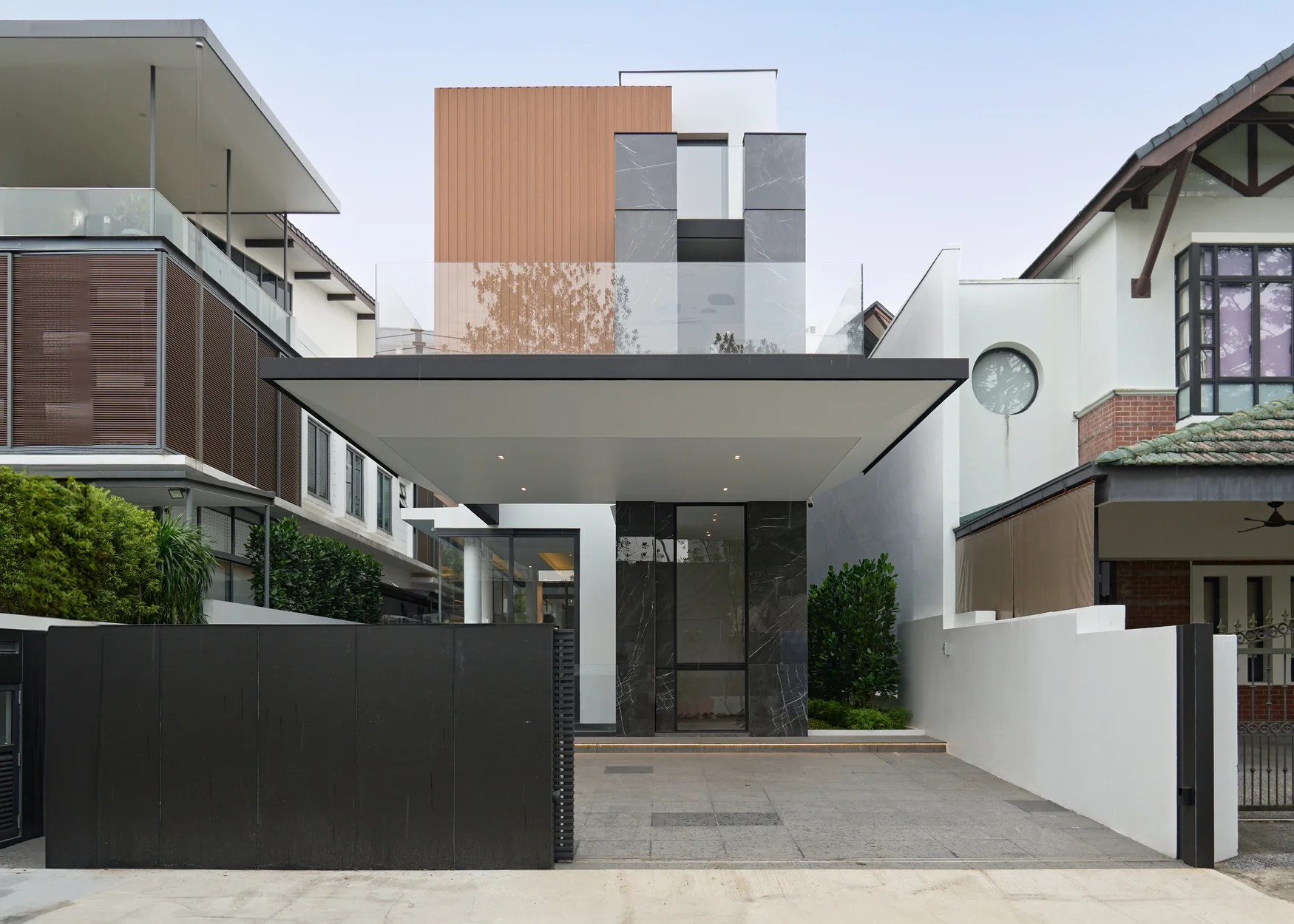
8+1 bed | 10,200 sqft area 19,500,000 SGD
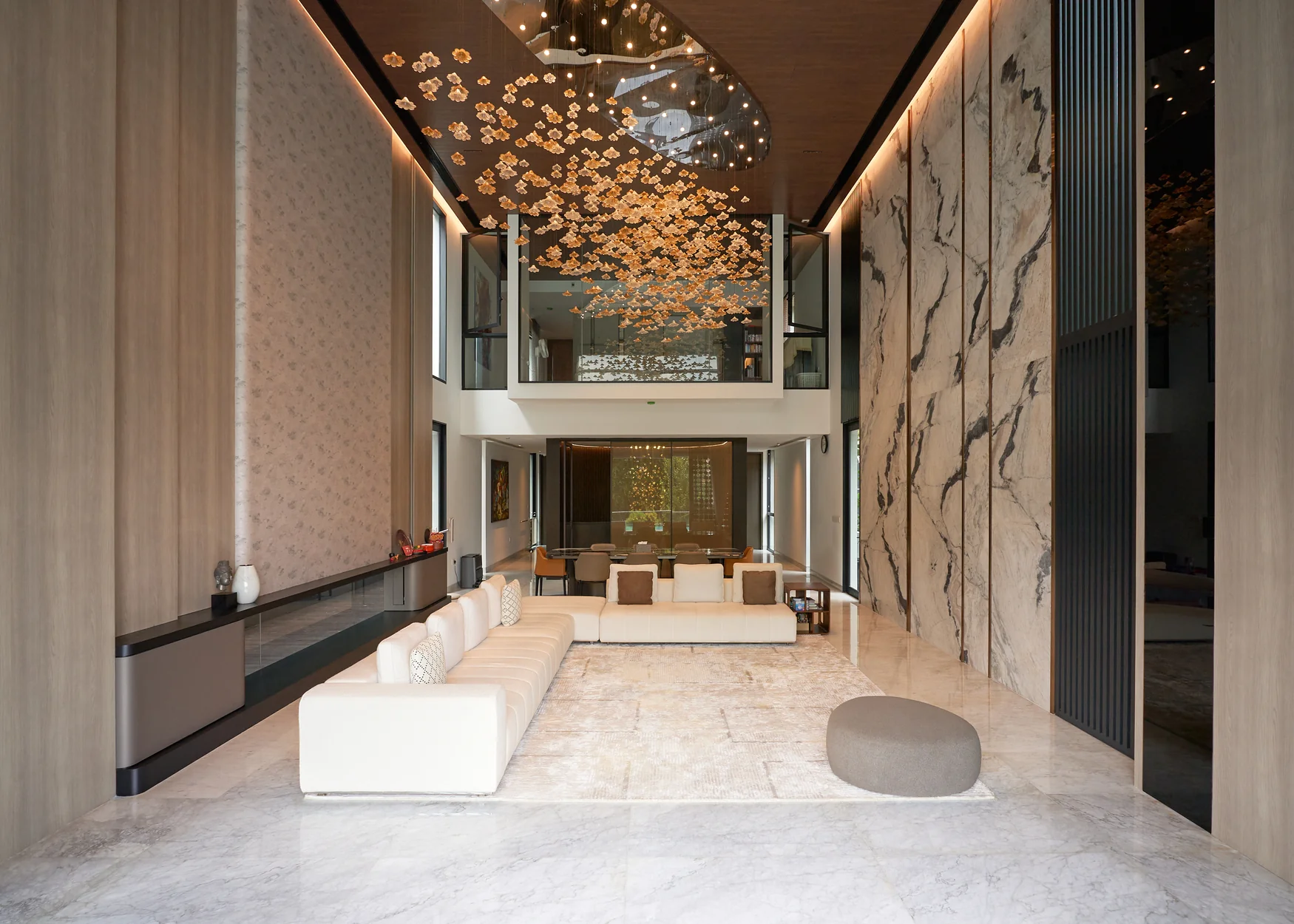
5 bed 19,380,000 SGD
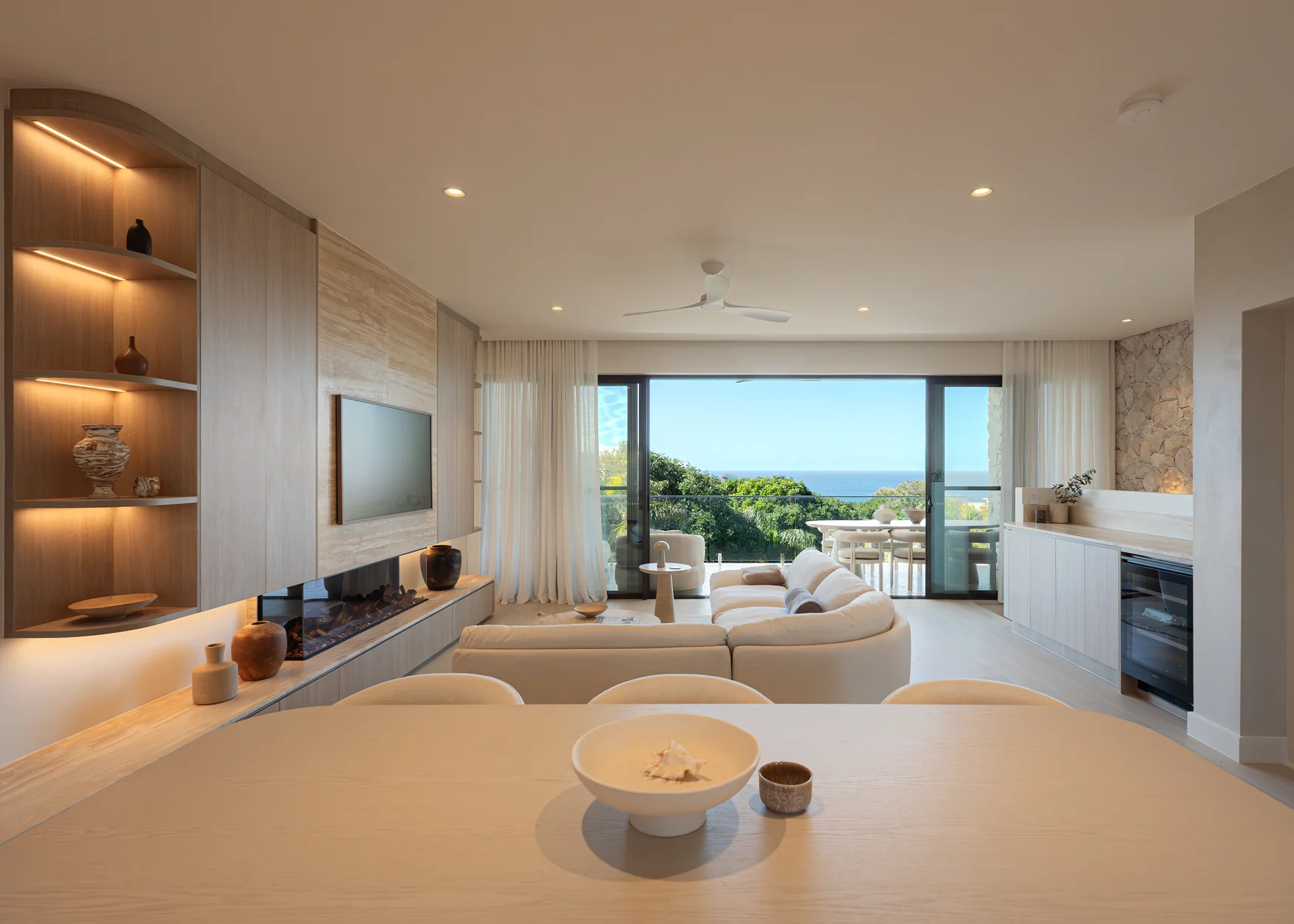
4 bed | 4,208 sqft area POA
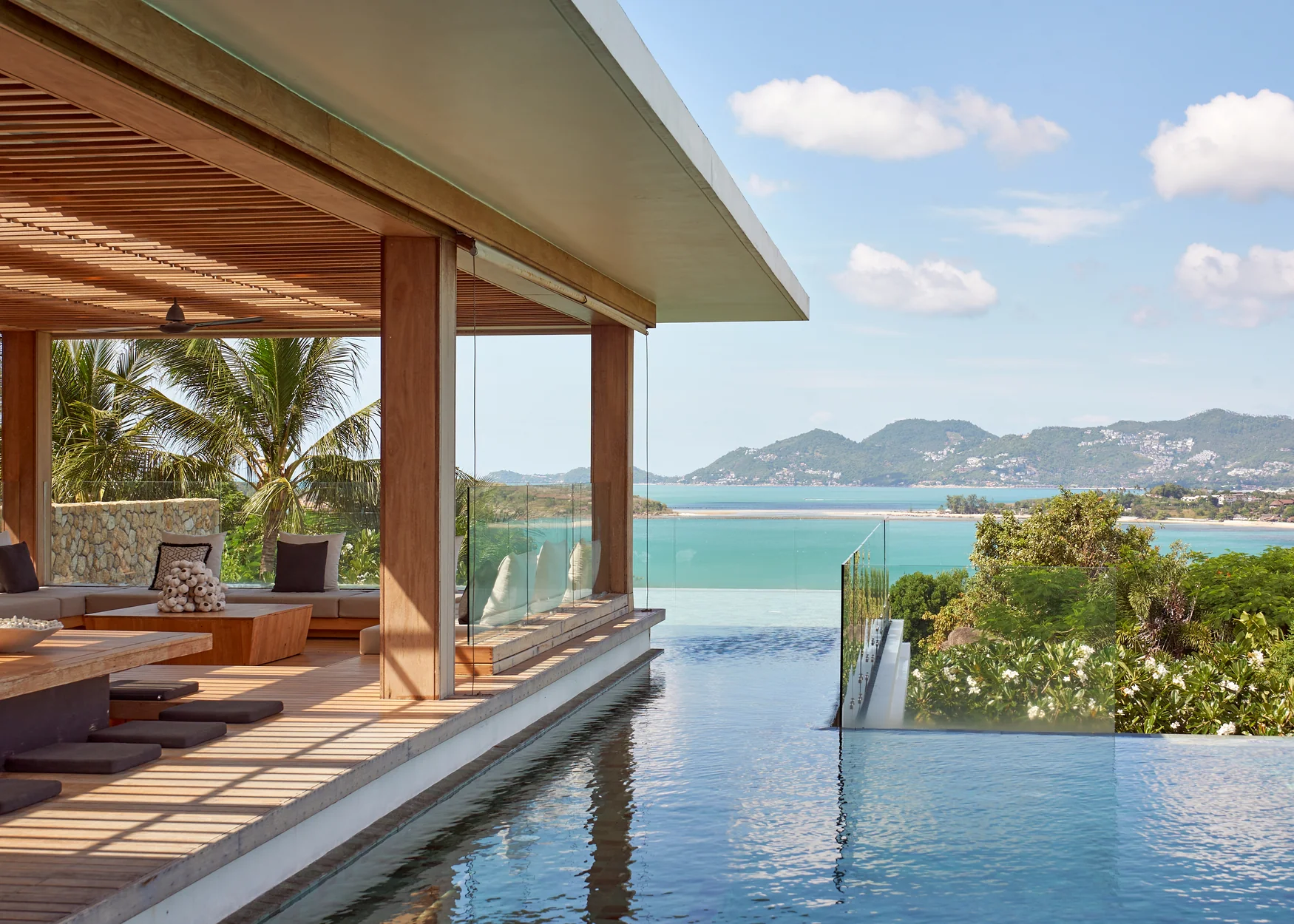
3-8 bed | 699,654 - 784,080 sqft area POA
6 bed POA