The report: Phuket’s ultra-prime market holds steady as global wealth flows in
Adam Taugwalder, owner of luxury real estate advisory CB Prime, offers a glimpse into Phuket’s fast-evolving ultra-prime market, recognising the steady influx of entrepreneurs and globally mobile families incorporating the island into their portfolio of homes. He shares what today’s UHNW buyers are seeking in a Phuket residence, and what an “extremely constrained” inventory could mean for those looking to buy in. He also points to a deeper shift in use case, hinting at a new role for Phuket beyond the second-home narrative.
This is part of a series of interviews for our Phuket ultra-prime feature—go further with the Phuket market report.
The ultra-prime segment in Phuket has remained resilient and active in the last quarter of 2025 to the first quarter of 2026. As the island continues to evolve into a year-round lifestyle destination, with improving air connectivity, world-class food and beverage, luxury hospitality, and international schooling, it is increasingly attracting UHNWIs globally.
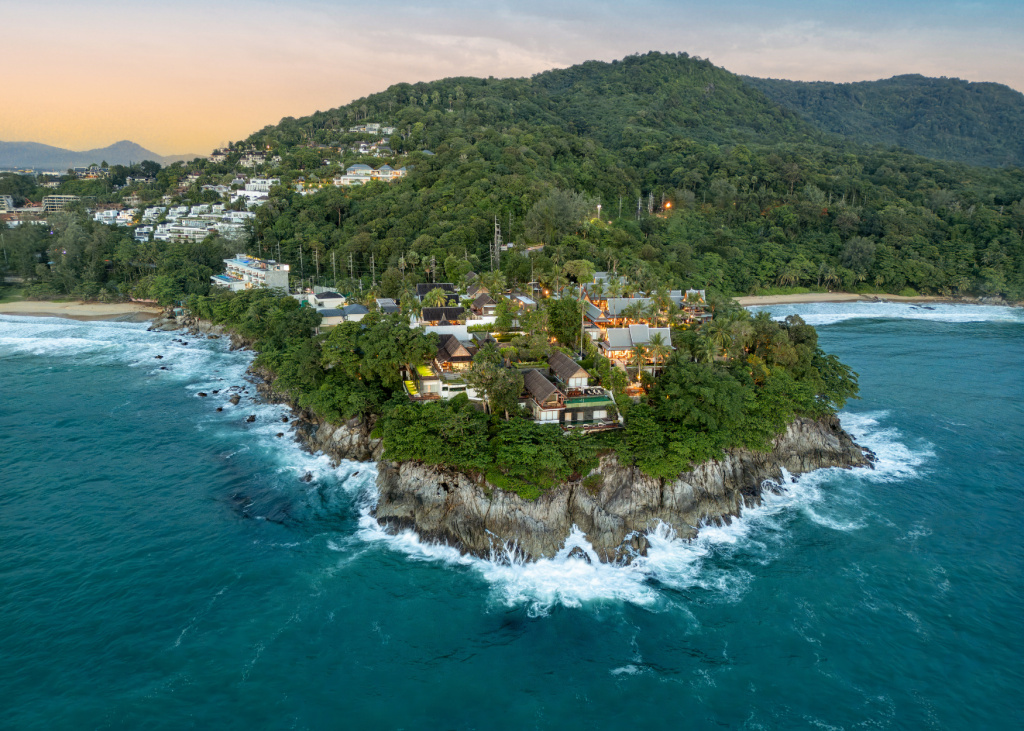
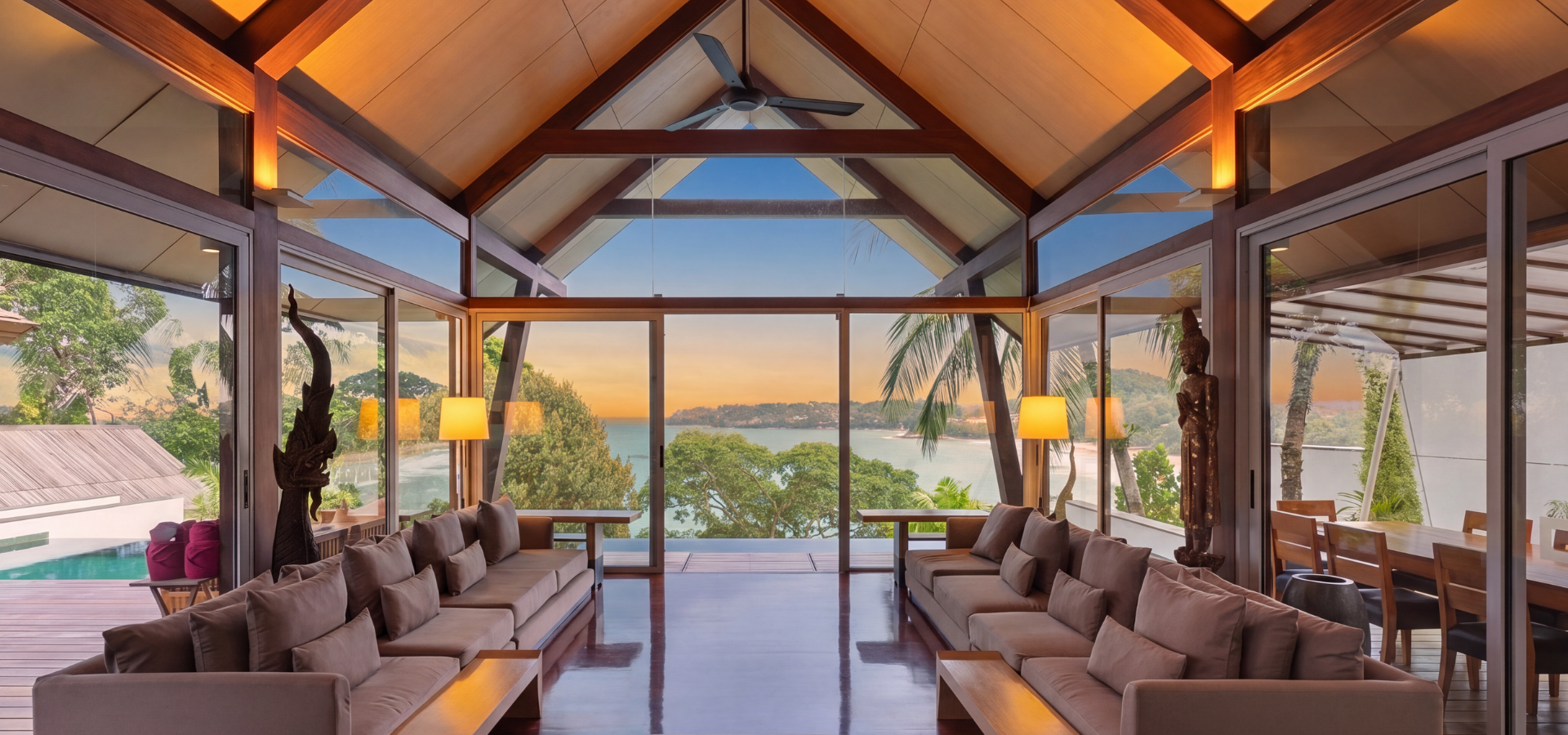
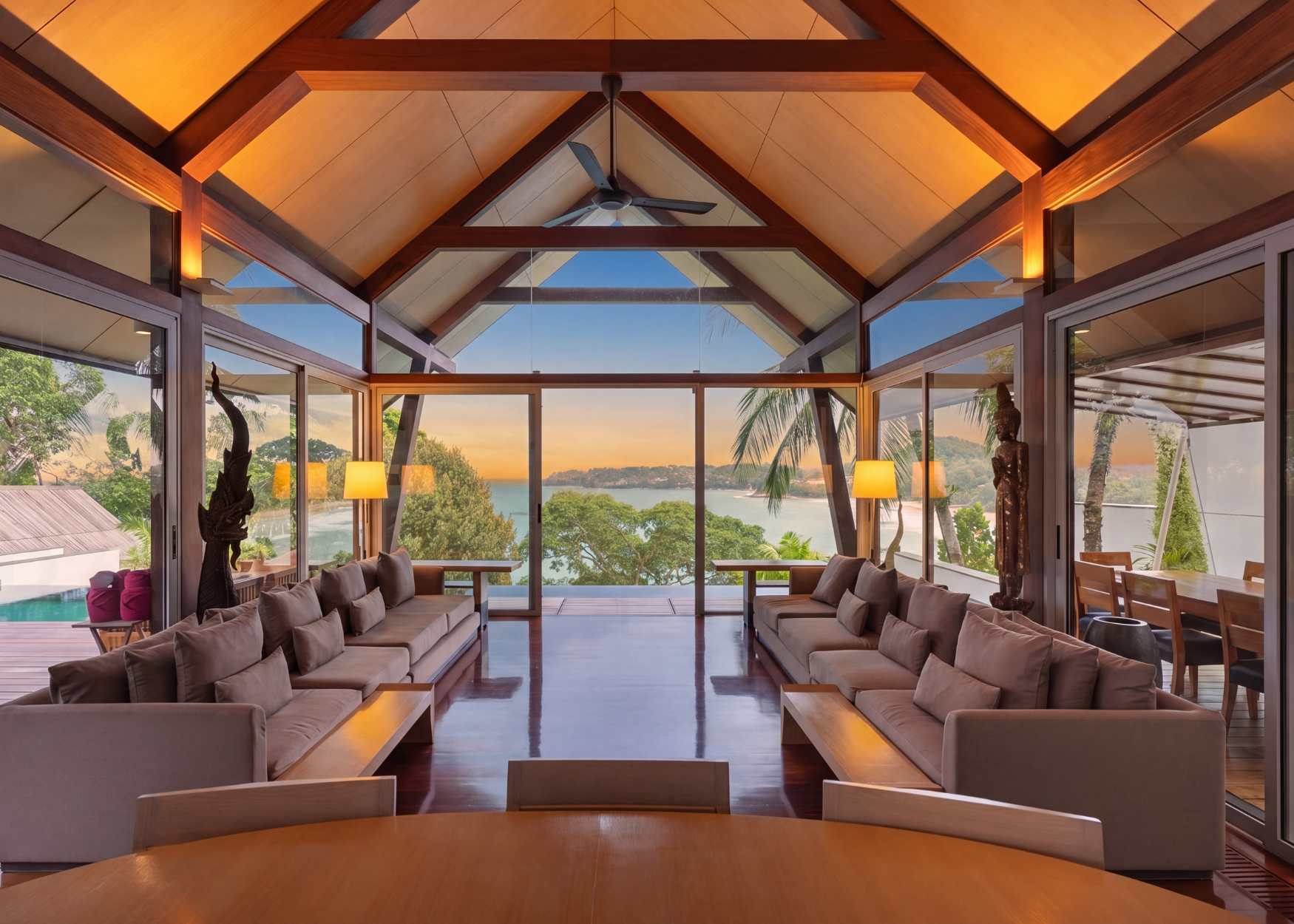
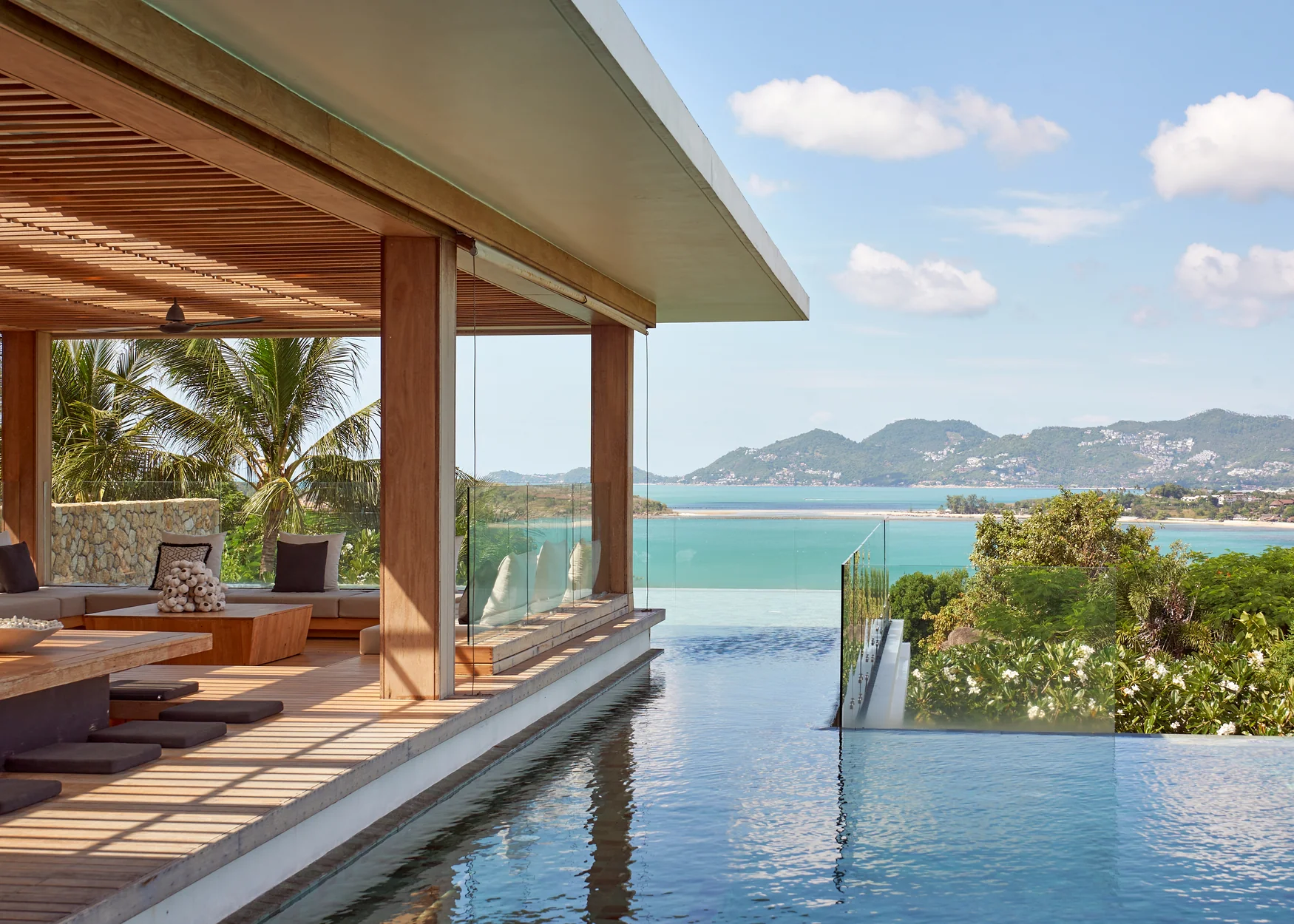
Laemsingh Villa, elevated on the Laemsingh headland, while the Surin Bay and the Andaman Sea provide a backdrop to the open-plan living and dining areas (top).
Capital today is highly mobile, and we are seeing a continued influx of entrepreneurs and globally mobile families incorporating Phuket into their portfolio of homes. This demand is driven both by regional buyers, given Asia’s significant wealth growth, and Western buyers seeking lifestyle diversification amid rising taxes, security concerns and geopolitical uncertainty.
Over the coming years, we expect sustained demand, particularly for best-in-class assets with strong intrinsic scarcity.
The evolving buyer profile and key demand drivers
Buyers are primarily seeking large, well-designed estates with expansive entertainment areas, generous green spaces and unobstructed sea views. Privacy, security, and turnkey condition are key requirements, along with full-service capabilities such as staff accommodation, wellness facilities, and professional property management. Turnkey, fully serviced villas with strong architectural identity and premium finishes are particularly in demand.
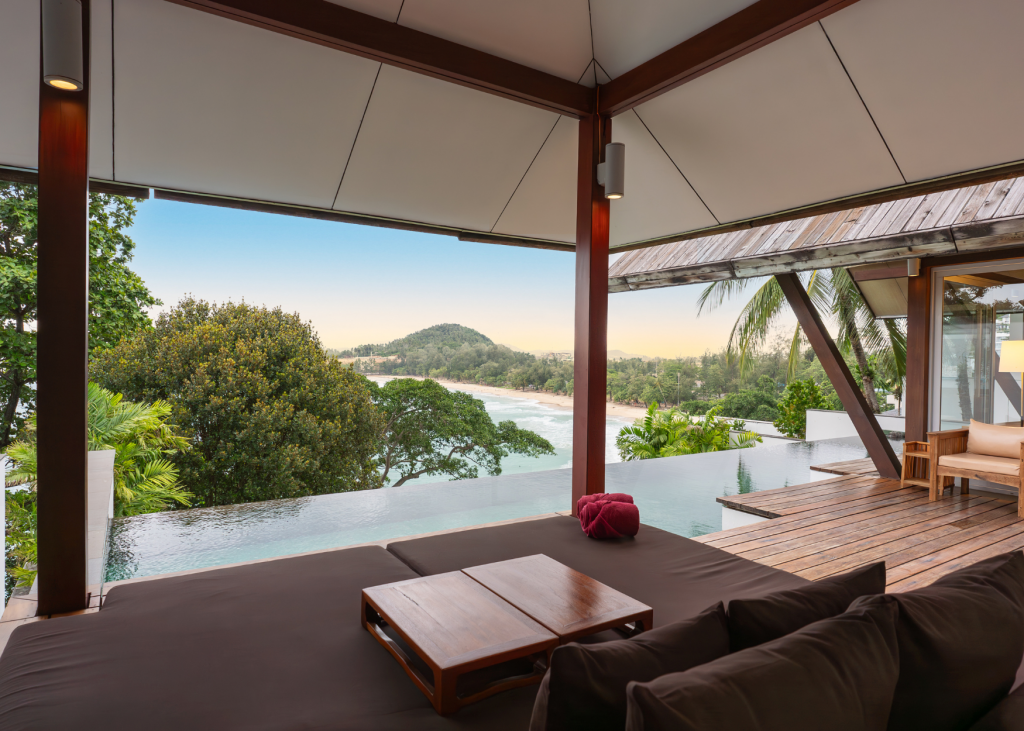
A Thai-style patio with a daybed provides an outdoor retreat at Laemsingh Villa.
The typical ultra-prime buyer in Phuket is predominantly lifestyle-driven, with capital preservation and long-term appreciation as secondary considerations rather than short-term yield. That said, most buyers prefer their assets to be operationally efficient, ideally covering running costs through selective rentals.
In response to this demand, we have developed a dedicated villa management and rental platform to provide a seamless, turnkey solution for overseas owners. International buyers account for the overwhelming majority of ultra-prime transactions, approximately 90 per cent of the market.
Rare and off-market properties gain traction
Inventory is extremely constrained. Prime oceanfront land is effectively exhausted, and high-quality sea-view plots are increasingly scarce. As a result, the market is largely driven by existing luxury villas rather than new supply, which reinforces the value of rare, well-located assets.
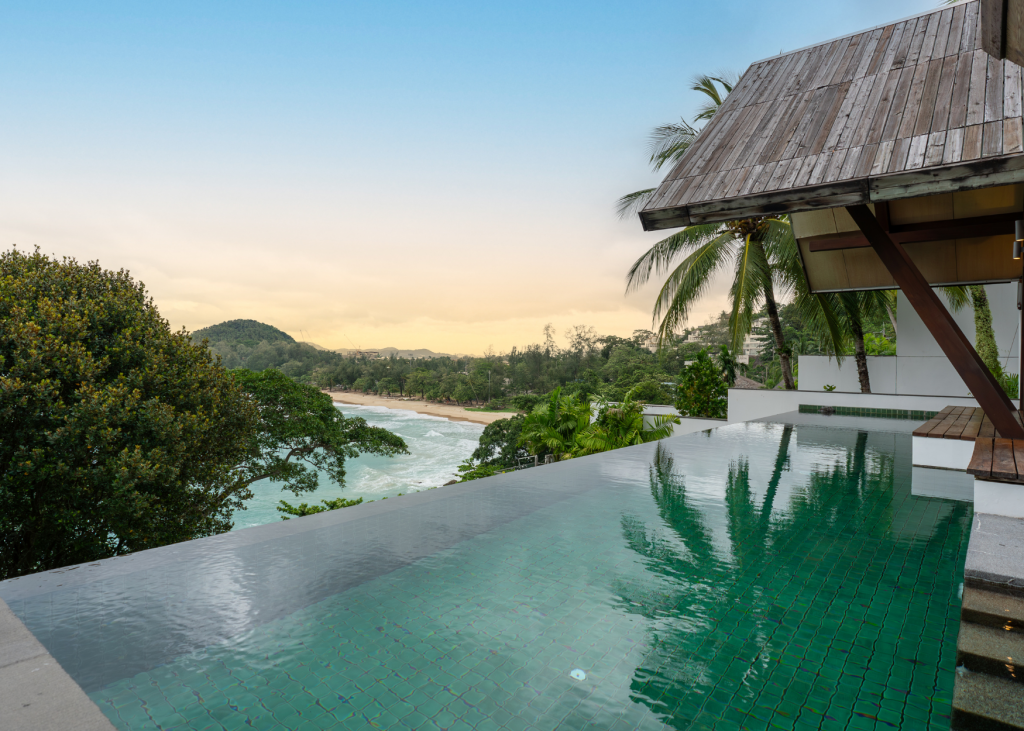
Laemsingh villa’s infinity-edge pool overlooks the coastline and surrounding headland.
Off-market activity has increased notably in the ultra-prime segment. Many UHNW owners and buyers prioritise discretion and prefer not to publicly market high-value properties, leading to a greater reliance on private networks and curated, off-market transactions.
Phuket’s appeal as an ultra-prime second-home market
Phuket stands out as one of the most comprehensive lifestyle destinations in the region and remains primarily a second-home market. It offers a rare combination of natural beauty, established luxury hospitality, international schools, high-end healthcare, yachting infrastructure, and a mature expatriate ecosystem.
Compared to many competing resort destinations, it provides both lifestyle depth and year-round liveability, which is increasingly important for globally mobile UHNW families.
Besides being a second-home destination, we are also seeing a growing trend of buyers treating Phuket as a semi-primary residence, typically spending three to four months per year on the island. This shift is supported by flexible work patterns and broader lifestyle migration trends.
Go further with Adam Taugwalder luxury property listing:
Read next:
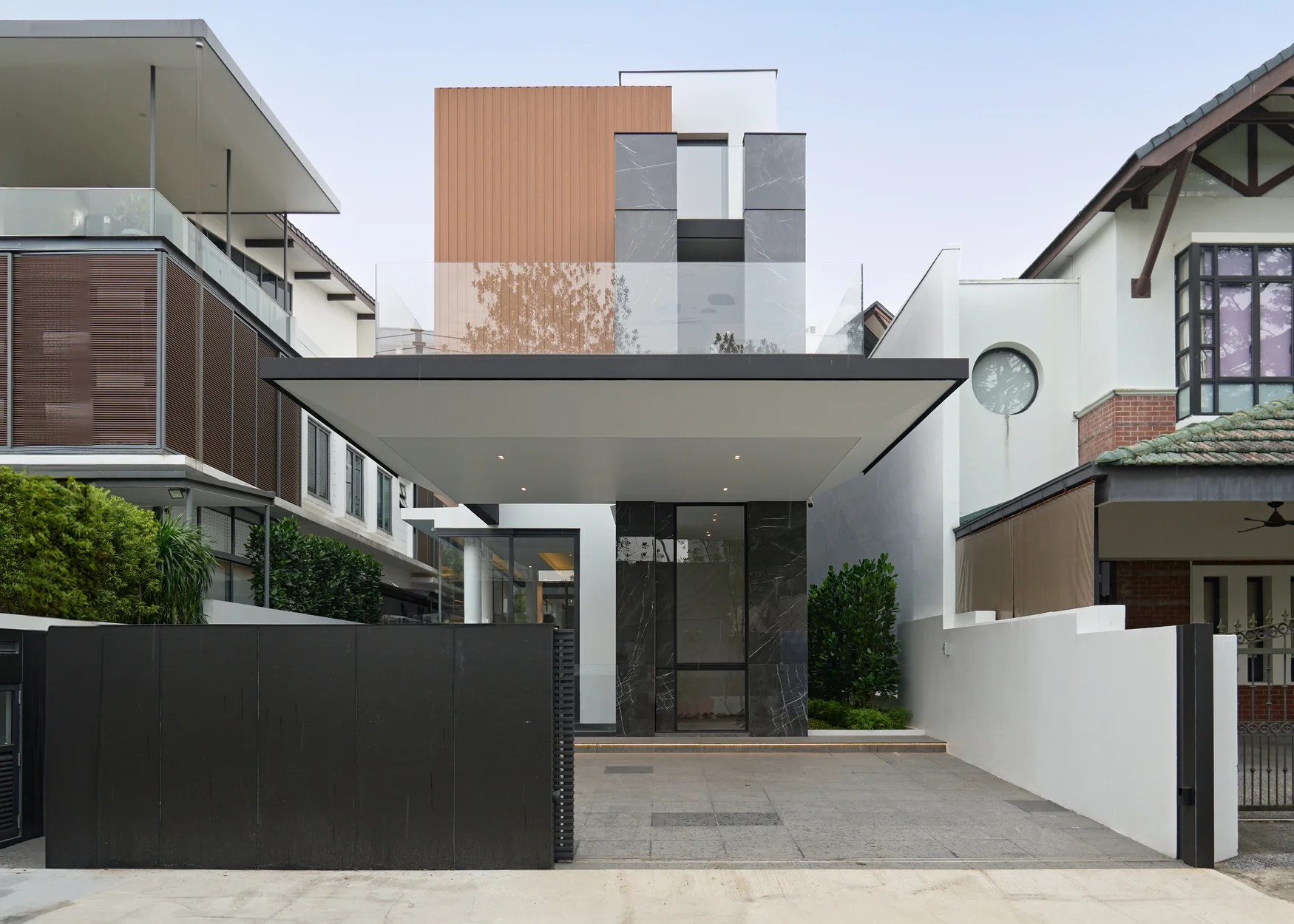
8+1 bed | 10,200 sqft area 19,500,000 SGD
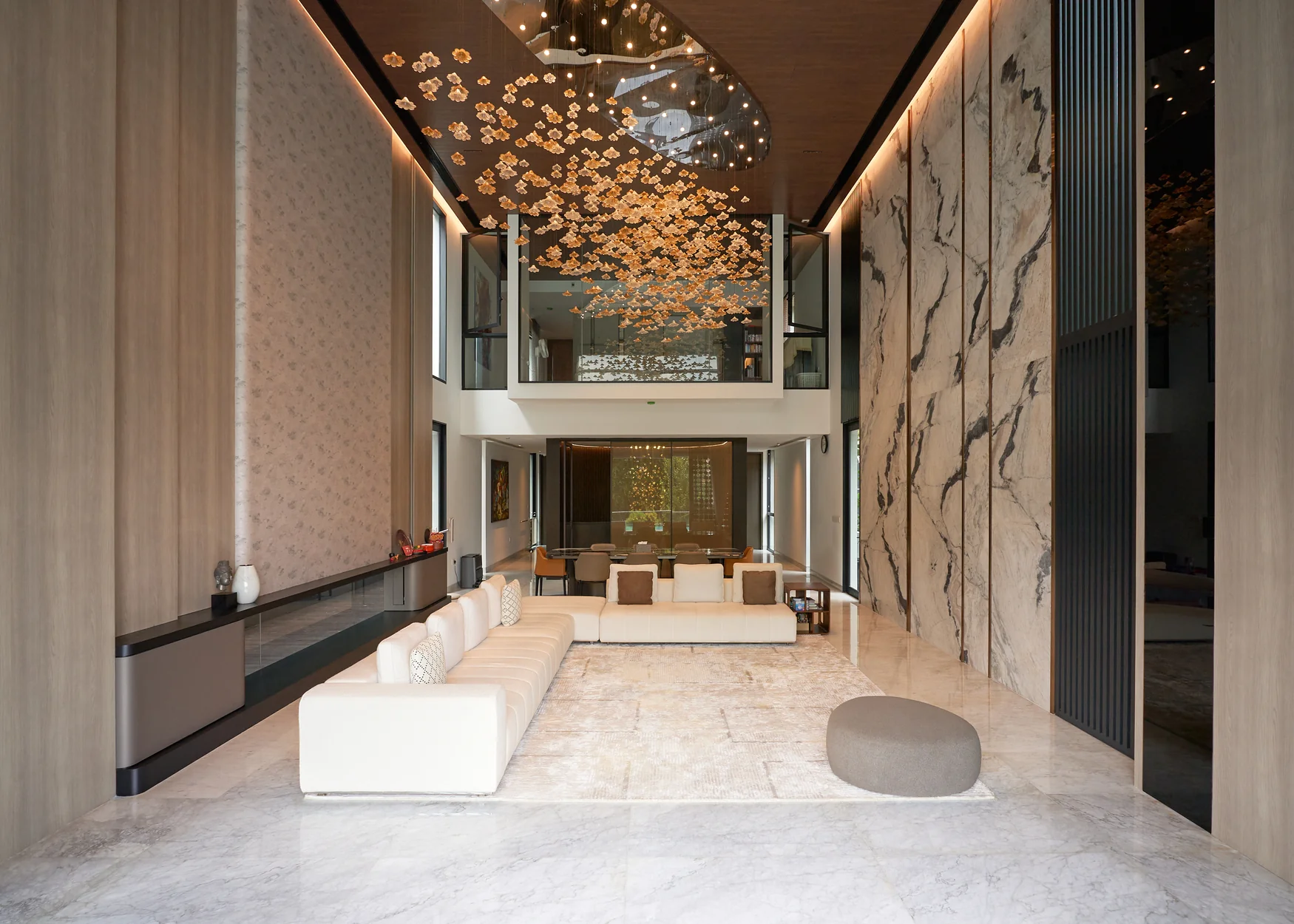
5 bed 19,380,000 SGD
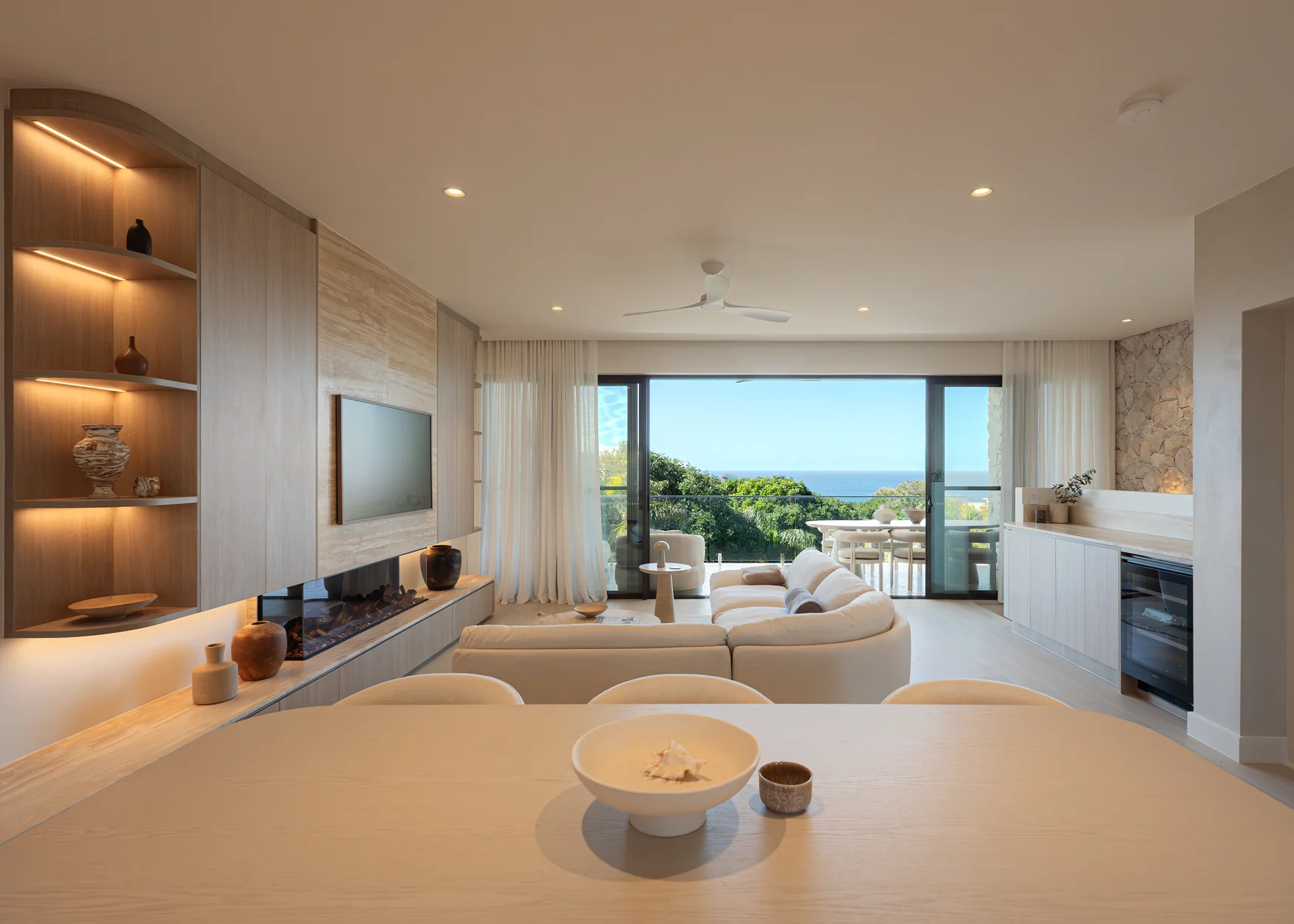
4 bed | 4,208 sqft area POA
3-8 bed | 699,654 - 784,080 sqft area POA
6 bed POA