Watches and Wonders 2026: The defining watch trends and standouts of the year
by Hamish McDougall
Photography by Kevin Khng
As the watch industry grapples with global volatility and changing values, key themes are emerging in the effort both to excite existing collectors, and to attract and engage a new generation of luxury consumers.
Read exclusive interviews and insights from Watches and Wonders 2026 here:
- The interview: Ulysse Nardin’s Jean-Christophe Sabatier on the Freak’s “epic” story and the role of watches to cultivate community
- The quiet ambition behind Van Cleef & Arpels’ latest Poetic Complications, according to the man who built them
- The interview: Jean-Loup Glénat, Franck Muller’s Head of Design, on the brand’s latest novelties and why his job is all about creating emotion
- The case for complexity: These are the bold, new watches that dared to take risks in 2026
- The interview: H. Moser & Cie. co-owner Bertrand Meylan on staying one step ahead and reinvention as a business strategy
- The interview: Hautlence co-founder Guillaume Tetu on making watches for fun over investment
The show-offs: skeletons
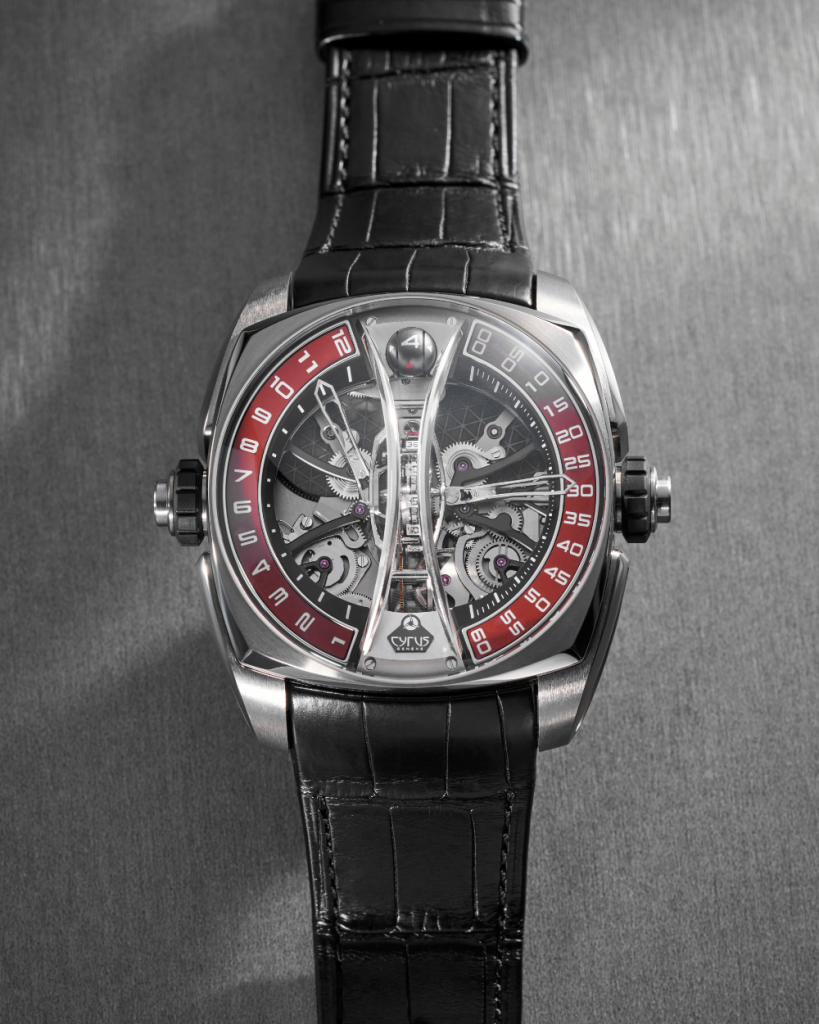
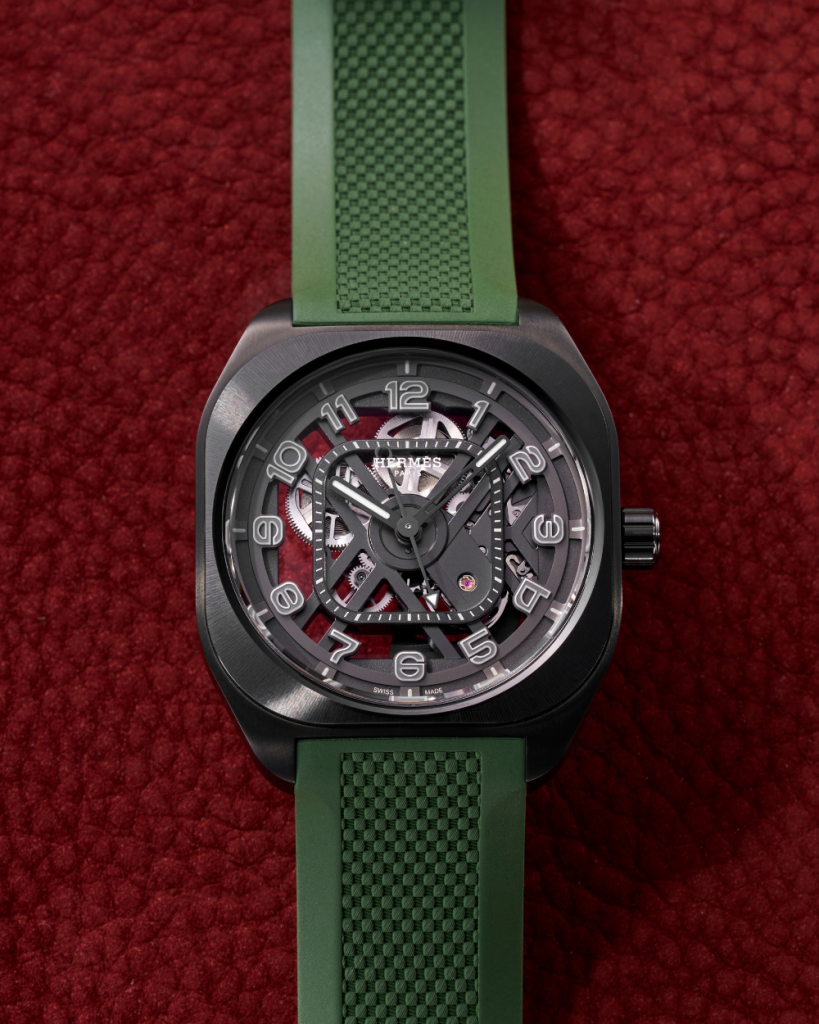
The prevalence of openworked watches is no mere trend—it’s bordering on an obsession. To be fair, it’s perhaps our obsession, as much as the industry’s. From the admittedly rather busy openworked retrogrades of Cyrus (below, left) and the Roger Dubuis Excalibur Biretrograde Perpetual Calendar, to the exceedingly elegant Hermès H08 Squelette (below, right), this was a year of stripping off, and showing off the mesmerising mechanics that (in several cases) had hitherto been secreted behind closed dials.
Patek Philippe debuted the Cubitus in a striking skeleton that takes up the marque’s signature horizontal pattern for its bone structure, while Cartier unveiled the Privé Crash Skeleton in platinum, with hand-hammered, distorted numerals forming the bridges across the wonderfully warped dial. And Franck Muller, being Franck Muller, took things to a whole new level with the launch of the Vanguard Aero Revolution 3 Skeleton, showcasing a tri-axial tourbillon movement in an architectural case that’s open on all four, breathtaking sides.
Dials that stood out
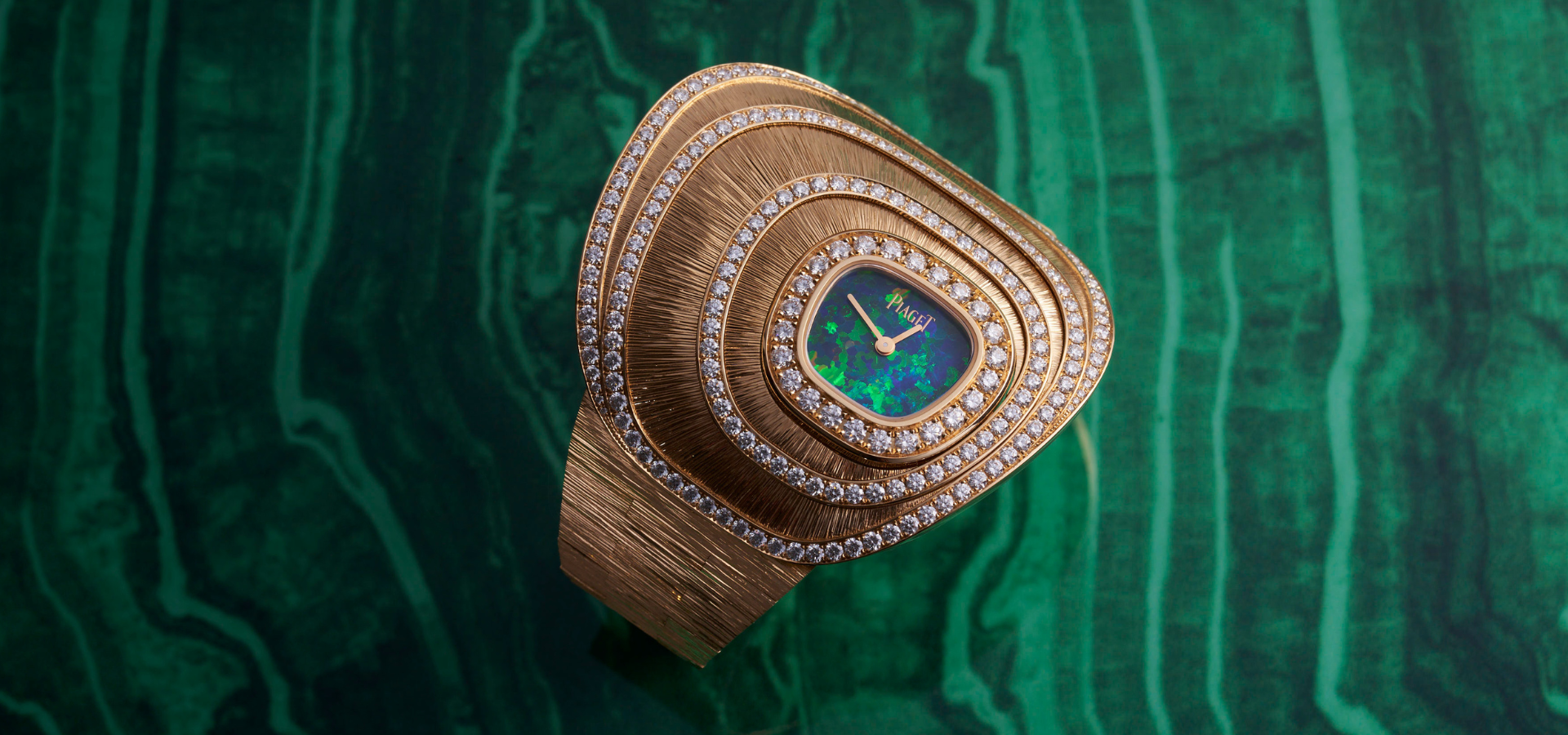
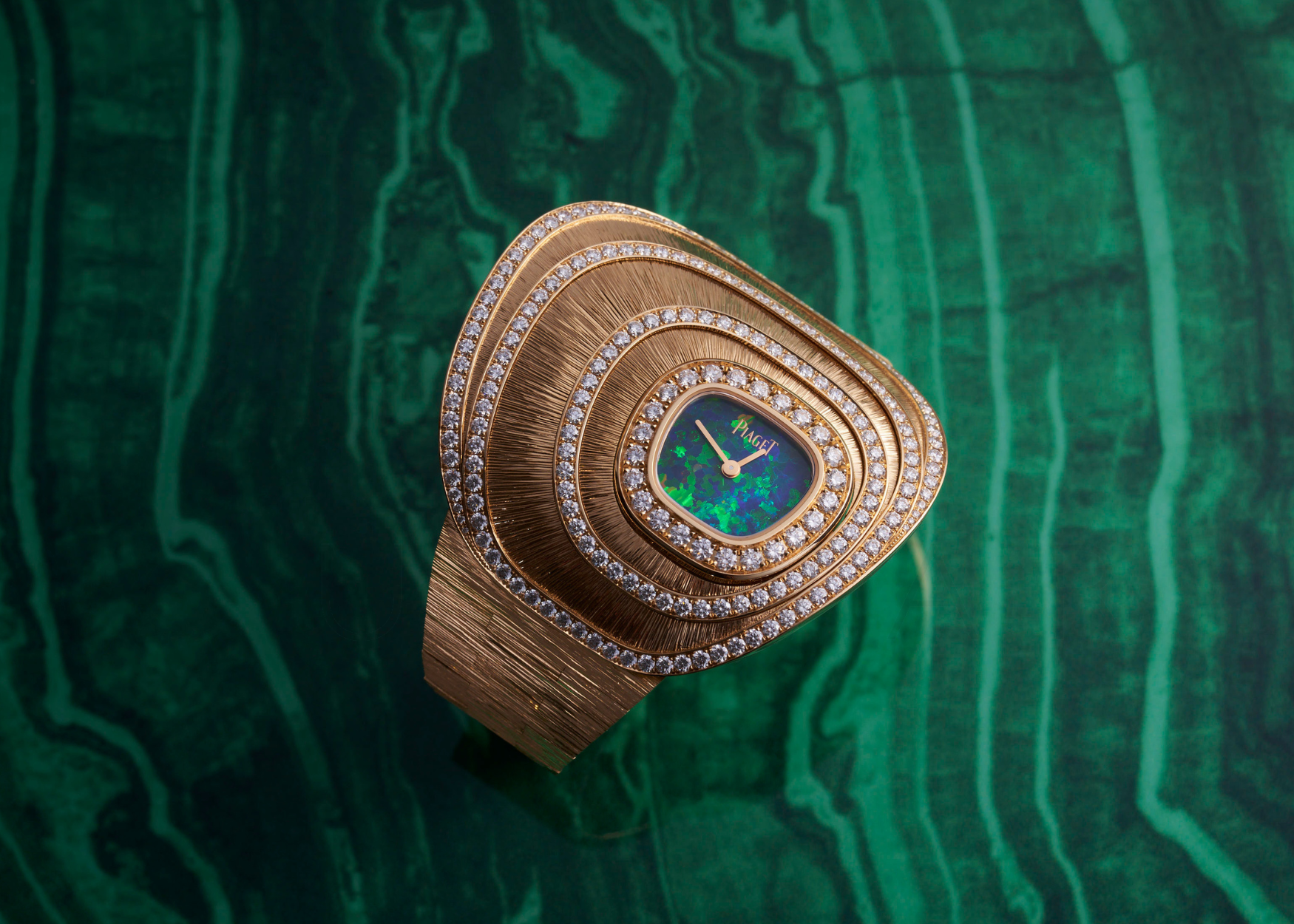
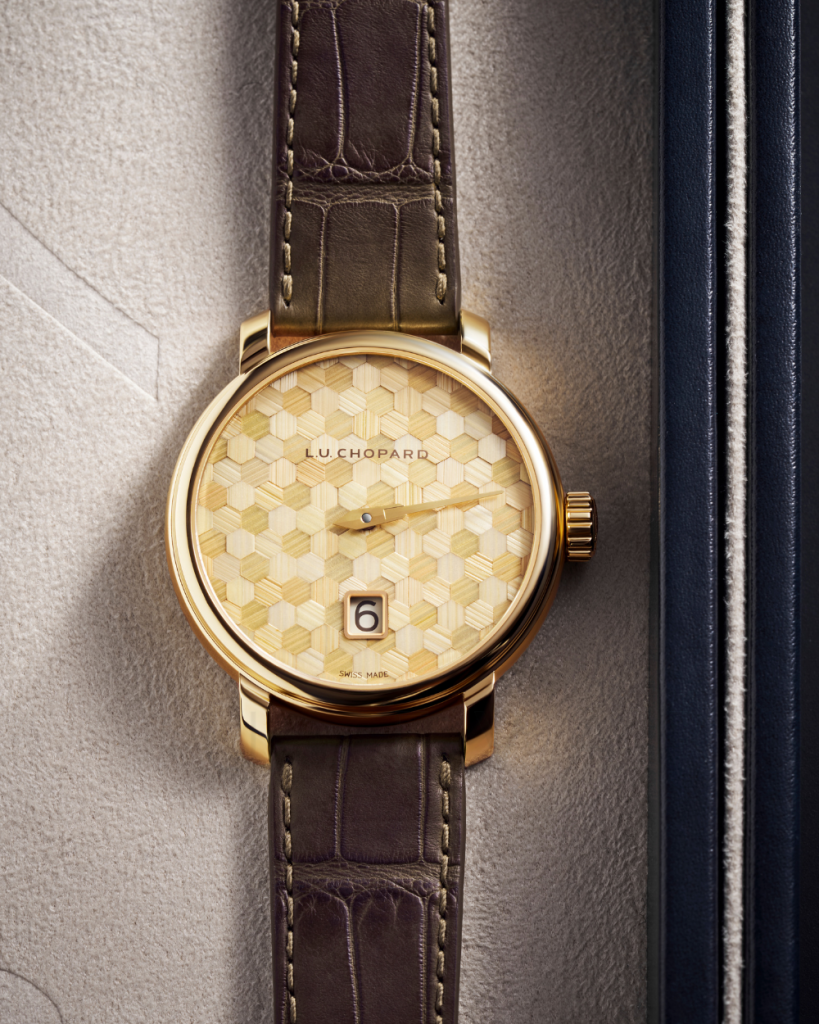
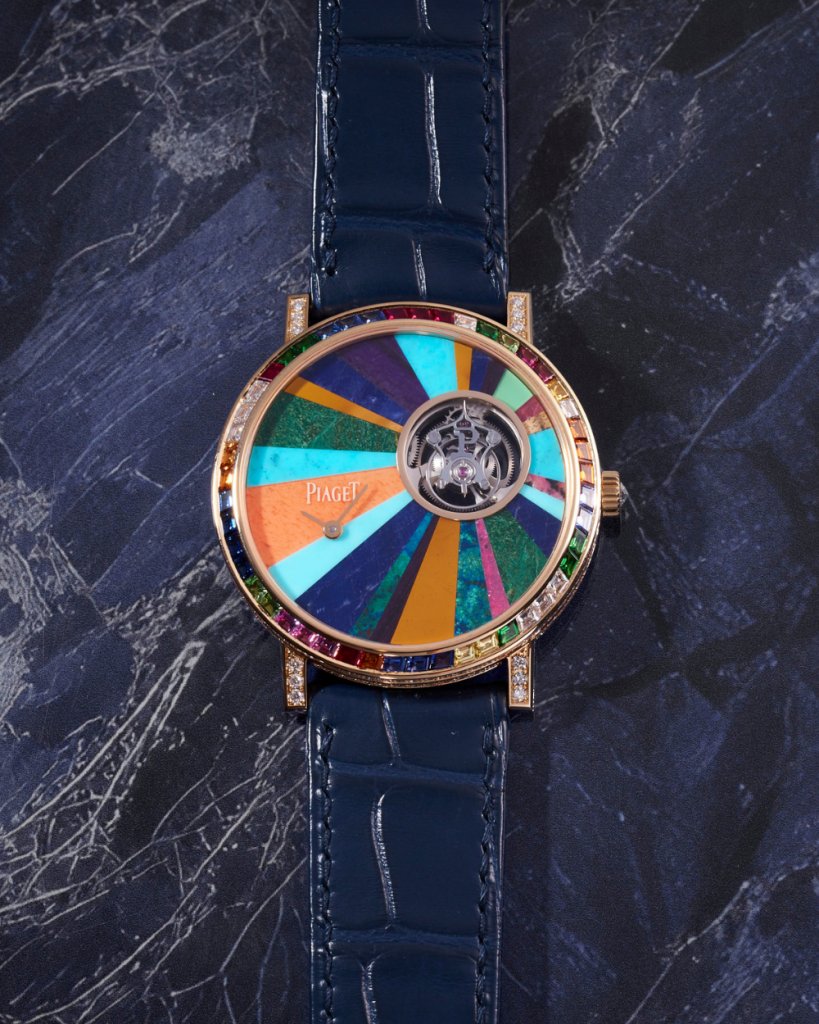
When we were on occasion treated to a dial, they didn’t disappoint: From the exquisite straw marquetry of Chopard (below, left); to the intricate engravings of Grand Seiko’s “Mystic Waterfall” Platinum Spring Drive; to the latest, brazenest iterations of Piaget’s trapeze dials, and the stunning, ultra-thin, gem-set asymmetry of the Altiplano Kaleidoscope (below, right).
In the latest iteration of the visually fragmented Big Bang Impact, Hublot pioneered diamond-setting directly into sapphire—a feat perhaps more technically, than aesthetically, impressive. Van Cleef & Arpels layered five techniques and more than 400 stones into each of the Ladies Rencontre, and Retrouvailles Céleste, requiring a loupe even to begin to fathom their sparkling depths. And Vacheron Constantin rolled out four new editions to its collection of Métiers d’Art Tribute to Great Civilisations—including the astonishing “Buste d’Akhénaton” featuring a carving in Sinai limestone, bordered by a stone champlevé frieze enclosed by a single, solid engraved turquoise outer ring.
Dialled back
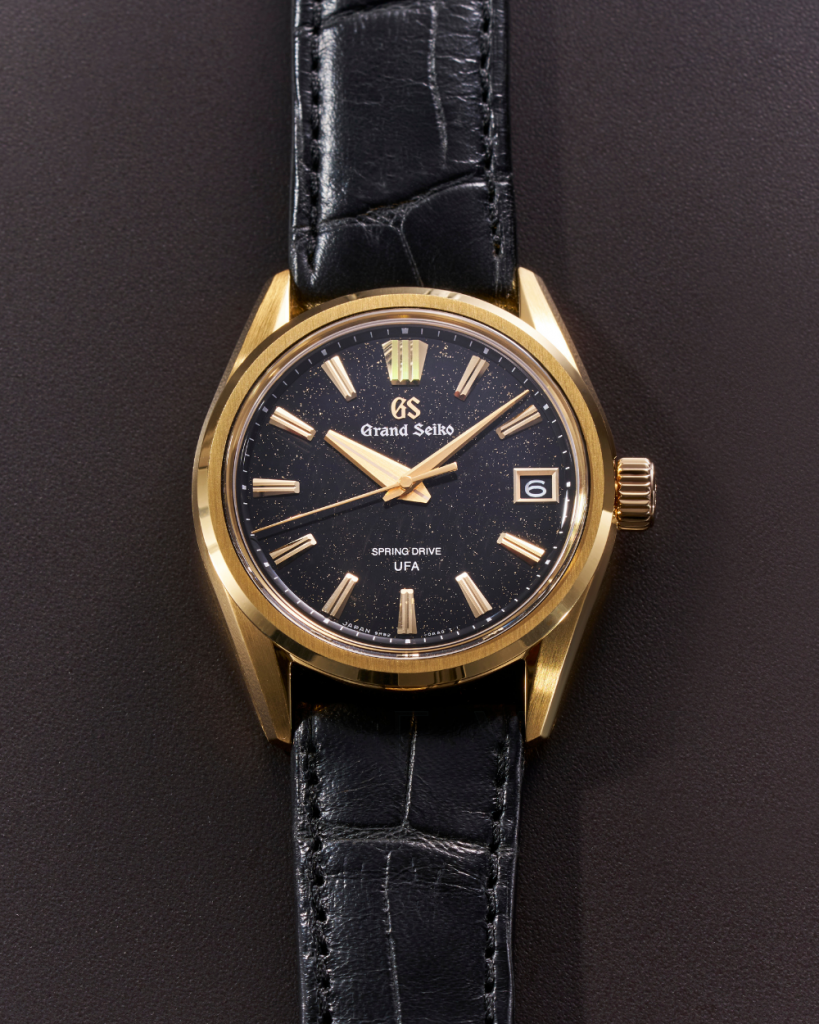
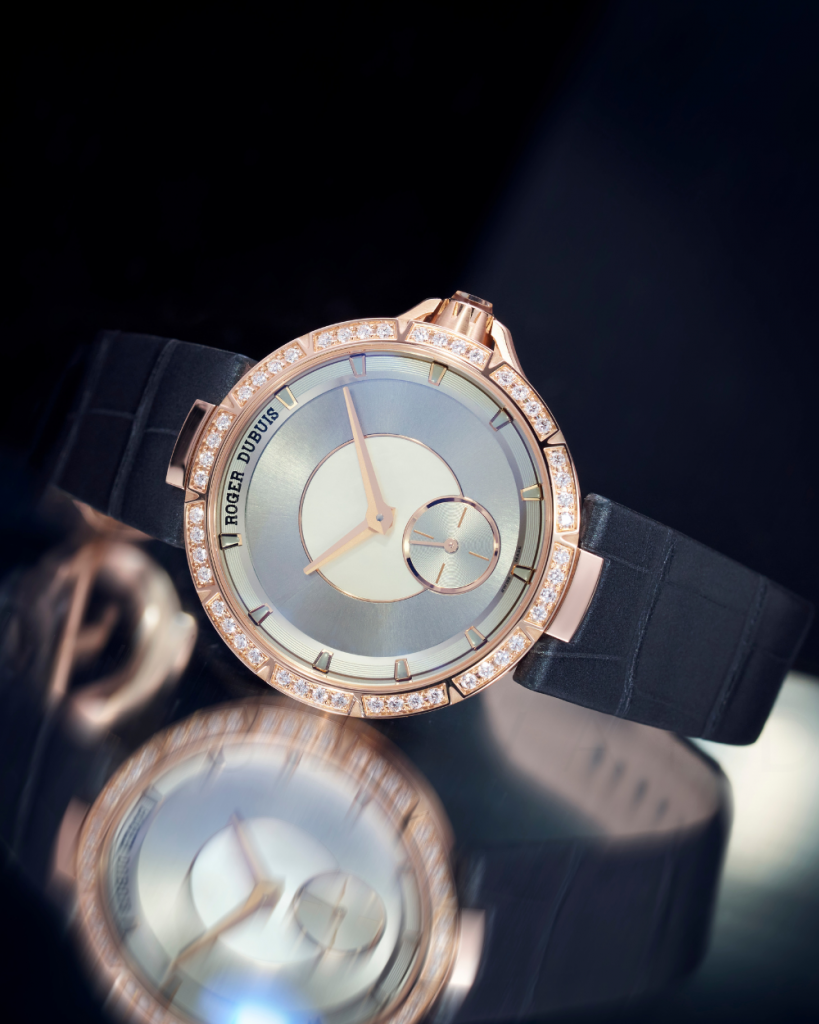
Wonders, there were. But in equal measure, there was a palpable pragmatism in the paring back of many releases. In some cases, the emphasis shifted from complication to elegant simplicity—as with Grand Seiko’s “Ice Forest at Dawn” Spring Drive UFA (below, left), a handsome dress watch featuring gold specks scattered across a piano-black dial, intended to evoke the morning sunlight hitting suspended ice crystals in the Japanese Alps. Some brands leaned into accessibility (comparatively speaking), such as Roger Dubuis, whose Excalibur Lady of the Lake (below, right) presented a notably uncomplicated piece for the house, albeit set with 48 diamonds.
Several maisons also leaned into comparatively more accessible executions of their signature collections this year. Audemars Piguet expanded the Royal Oak Chronograph line with new 38mm references and an in-house calibre, while Jaeger-LeCoultre continued to position the Master Control collection as an understated entry point into high horology.
Vacheron Constantin also expanded the Patrimony and Traditionnelle collections, offering more approachable alternatives to the maison’s grand complication and métiers d’art creations. And Rolex’s key release for the 100th anniversary of the Oyster case—the much anticipated (and hotly debated) Oyster
Perpetual 36 “Jubilee Dial”—was eye-popping not for its price tag, but the retro colour-bomb of the 1970s-inspired dial.
The jumpers
Where in 2025, much of the “innovation” tended towards complexity for its own sake (Vacheron Constantin’s super-complicated Les Cabinotiers Solaria, and Hublot’s polka-dotted ceramic novelty come to mind), this year, several of the more complicated and most celebrated releases featured new takes on an old favourite—jumping hours and dates. The newly launched “Neo Frame Jumping Hour” collection from
Audemars Piguet takes its leave from pieces dating back to the high Deco of the late ’20s. Updated with a black sapphire dial elegantly set off by a pink-gold case, it’s an icon in the making built on the brand’s first self- winding jumping hour movement.
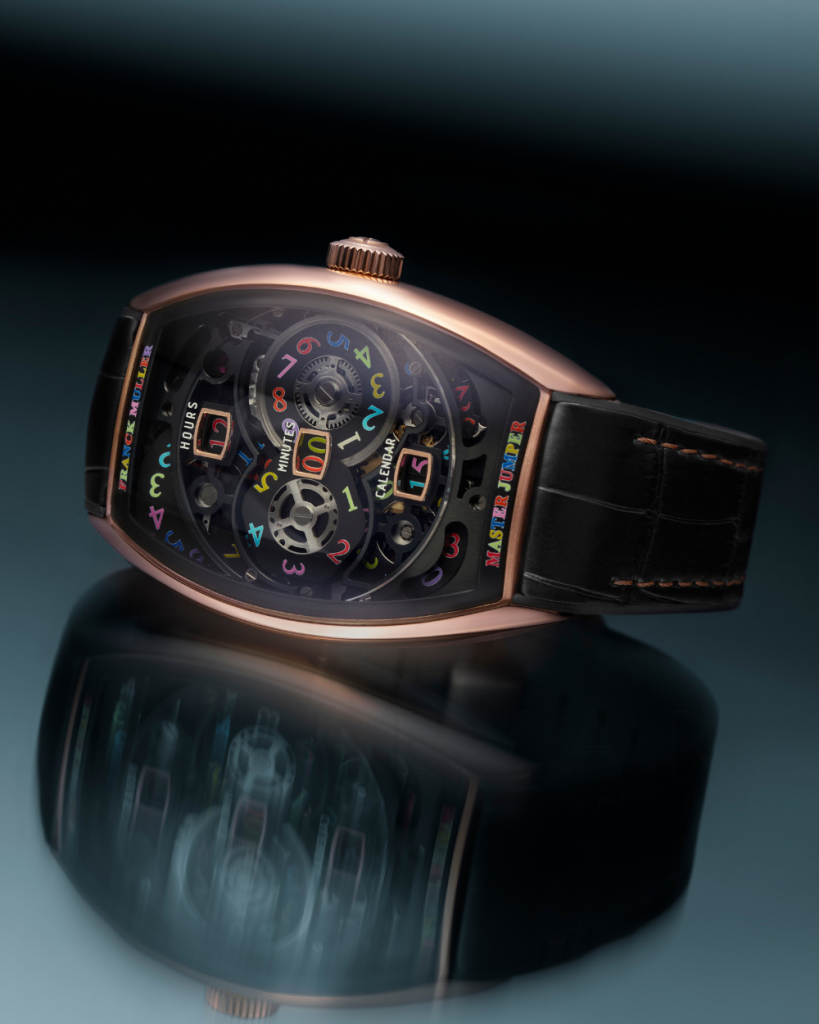
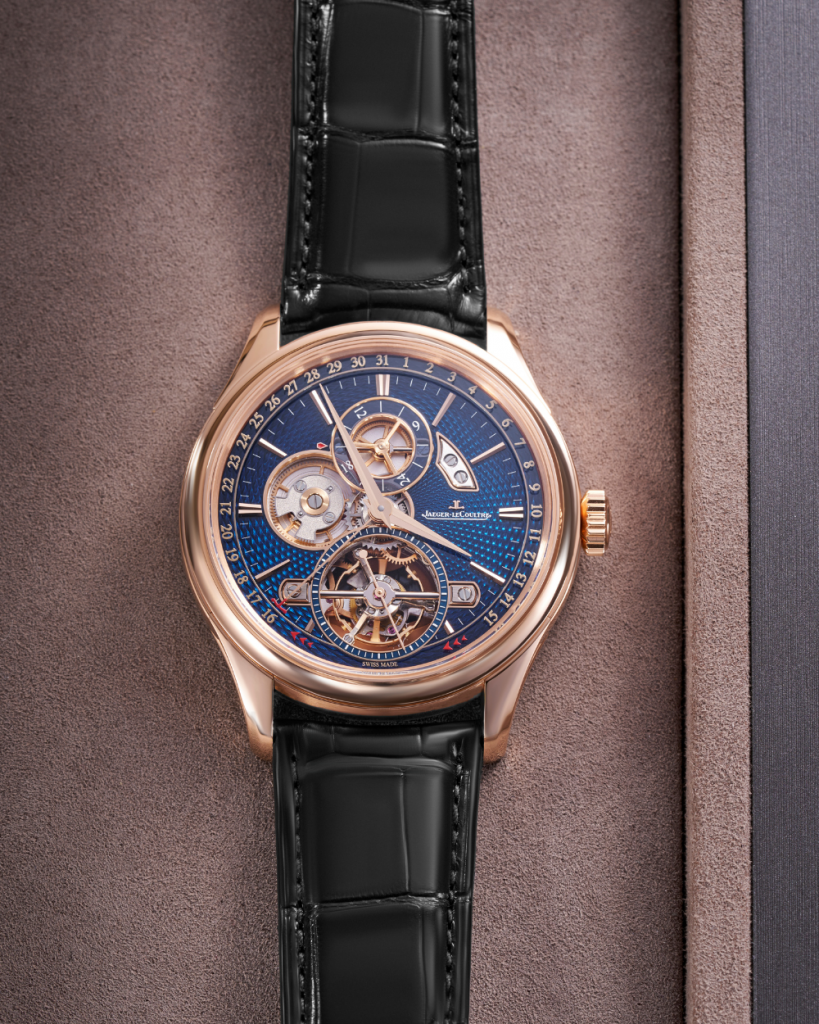
Not to be outdone, Jaeger-LeCoultre (above, right) relaunched its marvellous jumping date with an open-worked tourbillon aperture over which the “date” hand leaps, instantaneously, at midnight on the 15th of the month to land on the 16th, almost 90 degrees away. Franck Muller, meanwhile, dropped its stunning Master Jumper complication into the signature Curvex CX tonneau case (above, left), shown here in a colourful skeleton whose brilliant playfulness belies its complexity.
Nature as a perpetual motif
There is something about bending the technical mastery of high horology back towards organic motifs that has long fuelled watchmakers’ imaginations. Patek Philippe’s “The Crow and the Fox” pits a quaint scene out of Aesop’s Fables against the staggering complexity of constructing a retrograde movement that only displays the time on demand. Grand Seiko has long drawn on the natural splendour of Japanese landscapes, and this year extended the Masterpiece Collection with a Spring Drive featuring a hand-engraved platinum dial representing the flow both of time and the Tateshina waterfall (below, right).
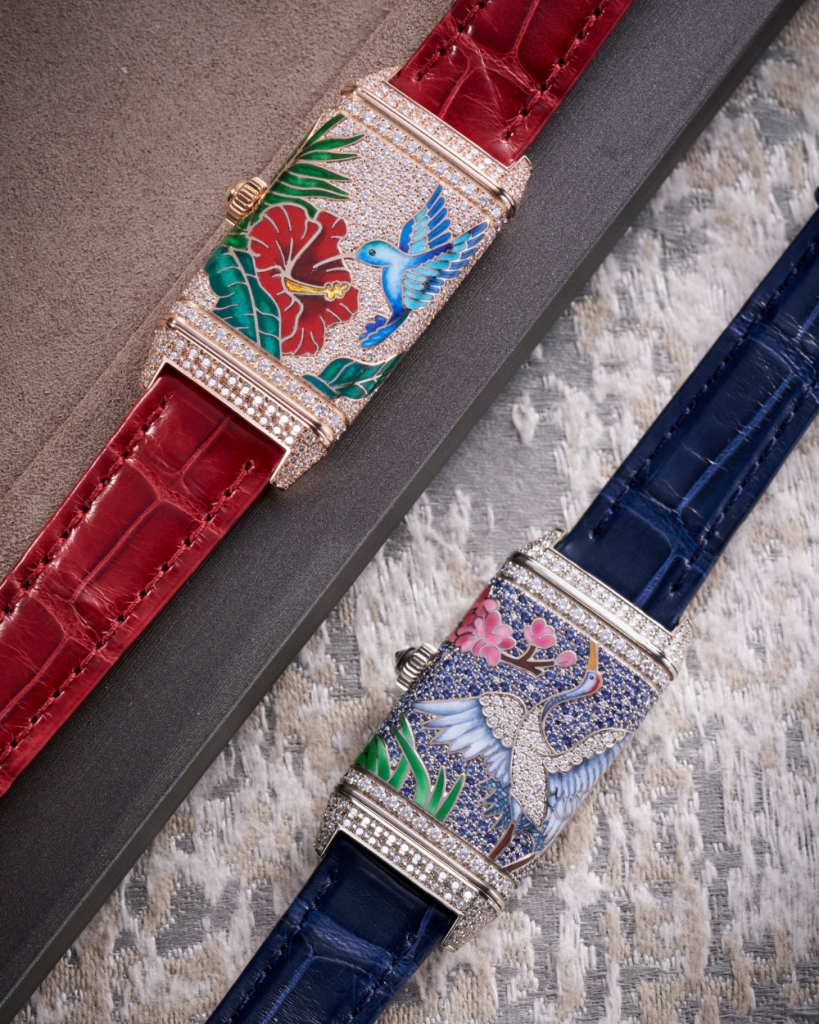
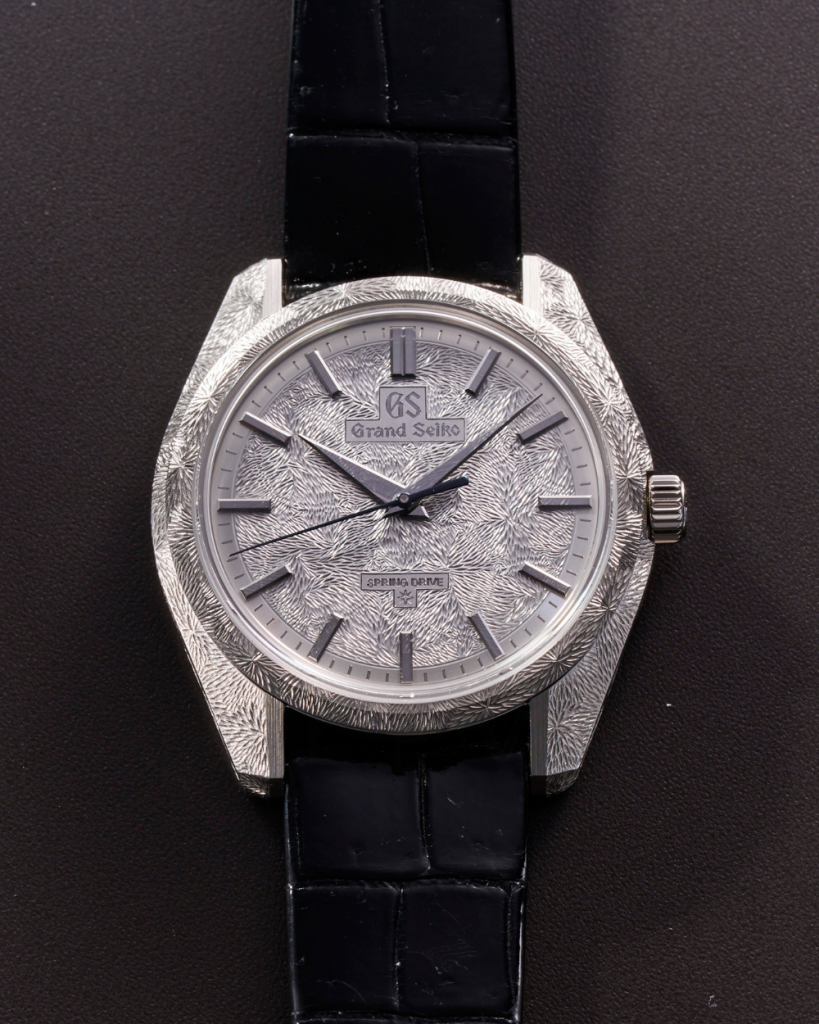
Hermès turned its trademark whimsy to leonine effect, in the Slim d’Hermès Pocket Roaaaaar!—a pocket watch whose astonishingly intricate marquetry depicts a roaring, miniaturised lion. And from the Métiers Rare atelier at Jaeger-LeCoultre come the Reverso One “Sakura” and “Hibiscus Rosa” limited-edition timepieces (above, left), in which the exquisite scenes are rendered in Grand Feu champlevé enamel and, respectively, no fewer than 689 precious stones, and 1,029 diamonds.
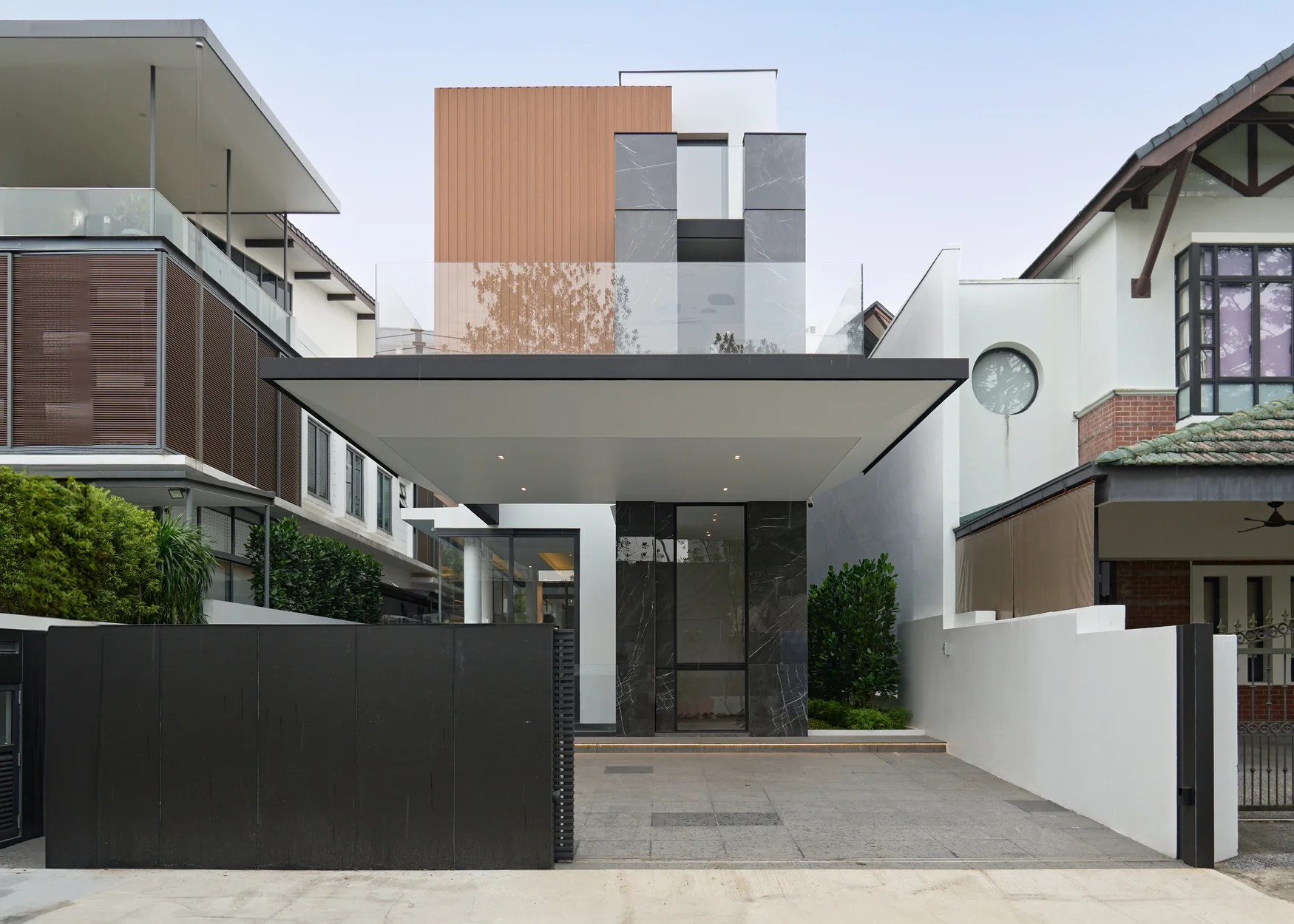
8+1 bed | 10,200 sqft area 19,500,000 SGD
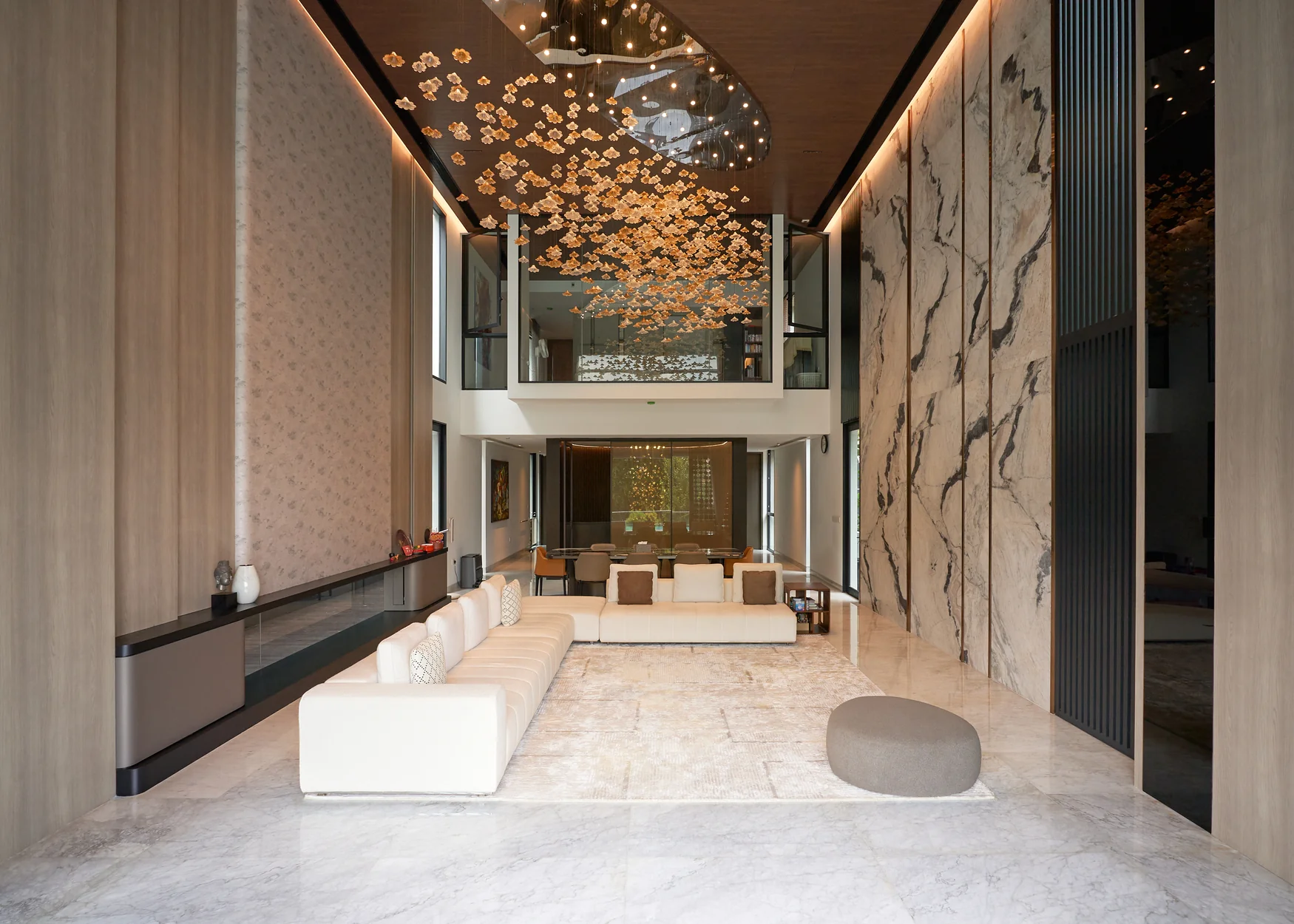
5 bed 19,380,000 SGD
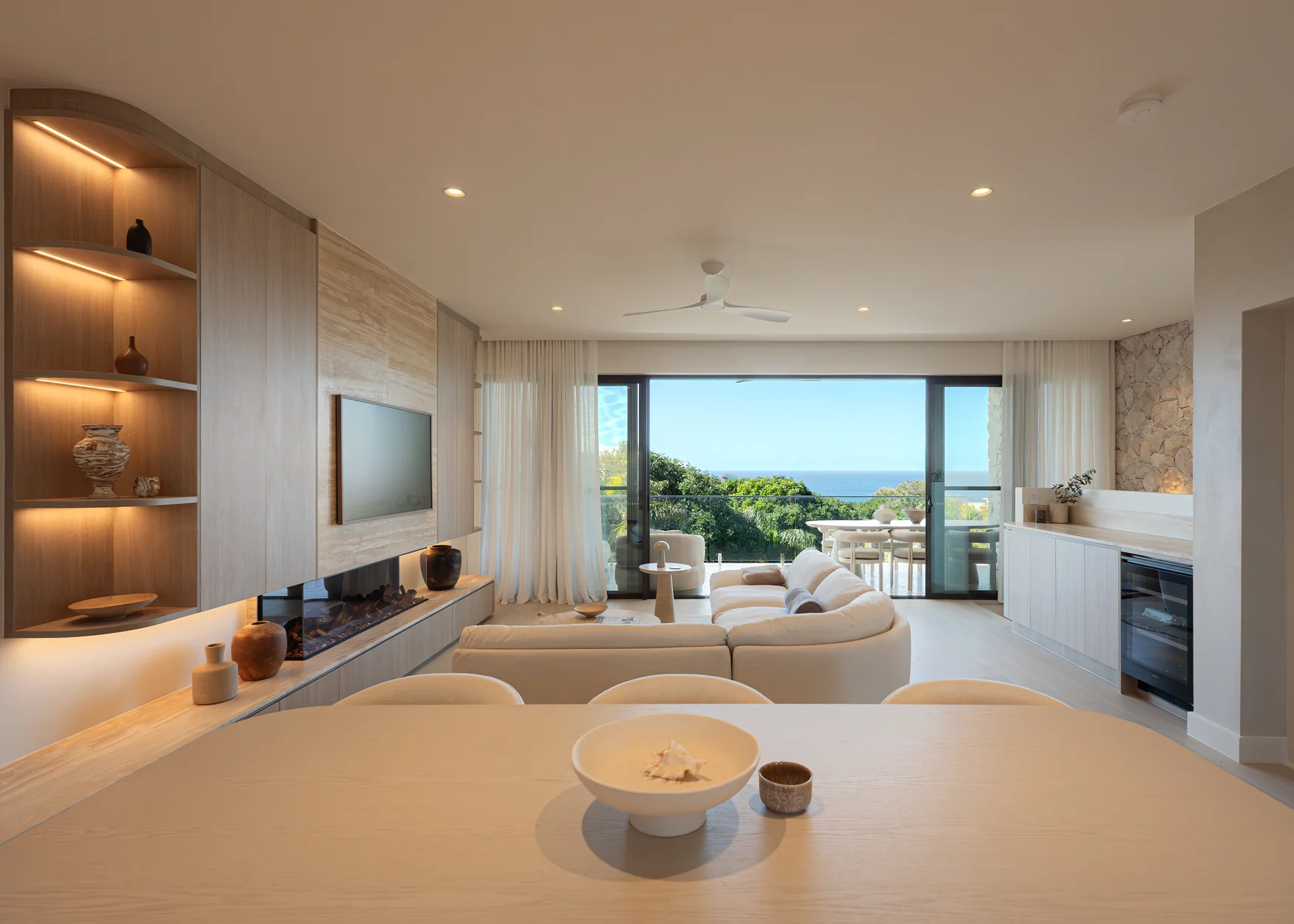
4 bed | 4,208 sqft area POA
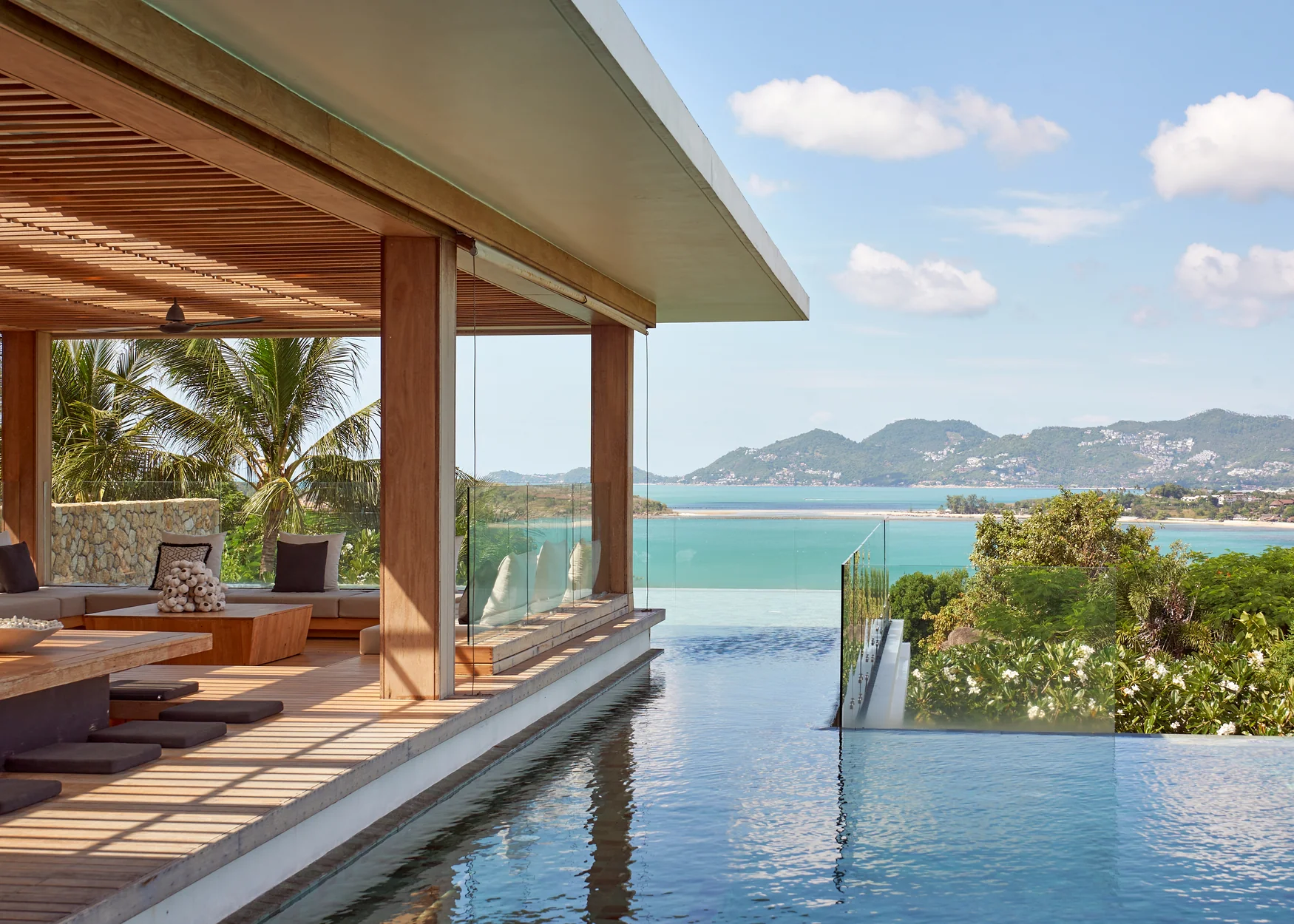
3-8 bed | 699,654 - 784,080 sqft area POA
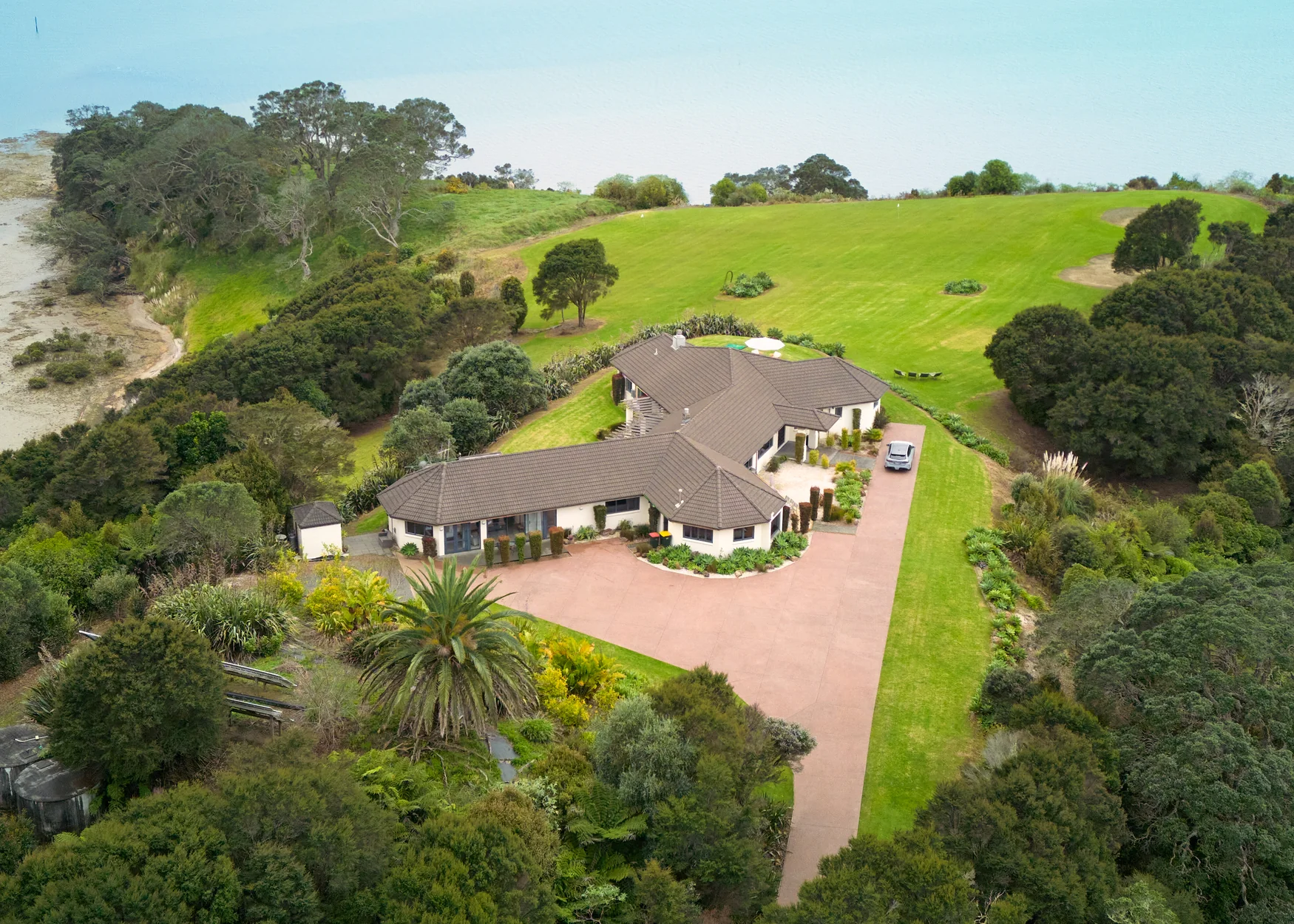
6 bed POA