Singapore luxury real estate
Report | Enclaves | GCBs | Listings
From the great landed estates of Bukit Timah, Holland and Nassim to some of Asia’s most tightly held apartment buildings and the waterfront houses of Sentosa Cove, Singapore’s prime residential market is unusually varied for an island of its size.
What connects its most sought-after property is scarcity, although for different reasons. Good Class Bungalow land is protected and ownership tightly restricted; many of the best apartment buildings contain only a few dozen homes; and Sentosa Cove occupies a singular position as the one part of Singapore where foreign buyers can acquire landed residential property, subject to approval. Together, they make for a market in which the address, tenure, property type and buyer’s residency status can matter as much as the home itself.
Represent an exceptional property?
Boulevard works with leading agents, developers and owners to present exceptional properties to its international audience through film, editorial, print, digital and private distribution.
Boulevard Ultra Prime: Get the latest ultra-luxury listings delivered to your inbox
Our weekly property newsletter brings you a line-up of the world’s most desirable listings to hit the market—from city penthouses and waterfront mansions, to beachside, ski and country retreats to vineyards, private islands, hotels and beyond.
Singapore ultra-prime property report
At the very top of Singapore’s residential market, extraordinary prices continue to be set for exceptional property. Good Class Bungalows remain among the most tightly held, with just 36 changing hands in 2025 from a stock of roughly 2,800, while record-setting condominium sales have continued across Nassim, Orchard and the surrounding prime districts.
Scarcity is a recurring theme, but it takes different forms. GCB supply is effectively fixed and the buyer pool restricted; in the best condominium buildings, owners are often reluctant to sell and there may be only a handful of comparable homes. As Realstar Premier Group’s Martin Goh puts it: “The challenge is the extremely limited supply—very few owners are selling. And when something does come onto the market, the price is typically high.”
The 60% Additional Buyer’s Stamp Duty has also radically changed the market for international purchasers. Yet Singapore’s continuing concentration of private wealth, family offices and new citizens means the top end is not simply a story of foreign demand disappearing. The pool of buyers has changed, while demand for the best addresses and buildings remains.
Sentosa Cove is the conspicuous exception. It remains the only part of Singapore where foreigners can acquire landed residential property, subject to approval, but its resale market has been markedly softer than the mainland prime districts. Boulevard speaks to the agents, developers and architects working across the market about what is selling, who is buying, and how scarcity, regulation and a changing pool of wealth are reshaping Singapore’s most expensive homes.
Read the Singapore ultra-prime property report.
View from the top
“The challenge is the extremely limited supply of good class bungalows—very few owners are selling. And when something does come onto the market, the price is typically high, especially if it’s a squarish plot with a wide frontage, in a quiet and prime location.”
Martin Goh, Realstar Premier Group
Read Martin Goh’s market report
“Sentosa remains the only enclave in Singapore where true seafront and marina-front landed homes are available to foreign buyers with approval.”
Tricia Ang, CBRE
Read the Sentosa market report
“Branded residences outperform not just on price, but on narrative and aspiration, commanding a 20 to 35 per cent premium over non-branded peers.”
Leong Boon Hoe, Arcadia Consulting
Read the branded residences report
Ultra-prime enclaves
Nassim | Orchard | Sentosa | City | Holland
Nassim: Singapore’s most prized residential enclave
Nassim sits at the very top of Singapore’s residential market—an astonishingly low-density enclave between the Botanic Gardens and Orchard Road. Nassim Road itself is lined both with embassies, and some of the country’s largest good class bungalows, set behind mature trees on substantial plots. Transactions are extremely rare, with most estates remaining in the same hands for generations.
The condominium market is similarly concentrated: The Nassim comprises just 55 residences, while Nassim Park Residences notches 100. Les Maisons Nassim takes scarcity considerably further, with just 14 residences, including two penthouses of around 12,000 sqft. Older developments such as Nassim Mansion occupy landholdings that would be extraordinarily difficult to replicate today.
Freehold tenure predominates, and the combination of large plots, limited development and proximity to both the Botanic Gardens and Orchard has kept Nassim at the apex of Singapore’s ultra-prime market.
Prized addresses: Nassim Road, Nassim Hill
Key condominiums: Les Maisons Nassim · Nassim Mansion · Nassim Park Residences · The Nassim
Orchard: Trophy apartments and prime central addresses
The residential market around Orchard extends well beyond the towers overlooking the shopping district. Behind the main thoroughfares are some of central Singapore’s most established low-density streets, from the large landed properties around Tanglin and Dalvey to the apartment buildings of Ardmore, Cuscaden and Orchard Boulevard.
For condominiums, this is Singapore’s deepest concentration of trophy developments. Park Nova, Boulevard 88, Skyline at Orchard Boulevard and 21 Angullia Park sit within minutes of one another, while St Regis Residences established one of the city’s earliest branded residential addresses. Cairnhill rises immediately behind Orchard Road, with developments including the Ritz-Carlton Residences and Alba.
Tanglin provides the quieter counterpoint: leafy residential roads, embassies, black-and-white houses and some significant landed estates, while remaining minutes from Orchard and the Botanic Gardens.
Prized addresses: Ardmore Park · Cuscaden Road · Dalvey Road · Orchard Boulevard · Tanglin Road · White House Park
Key condominiums: 3 Orchard by the Park · 21 Angullia Park · Alba · Ardmore Park · Boulevard 88 · Park Nova · Ritz-Carlton Residences · Sculptura Ardmore · Skyline at Orchard Boulevard · St Regis Residences · The Marq on Paterson Hill
Sentosa Cove: Waterfront houses, private berths and resort living
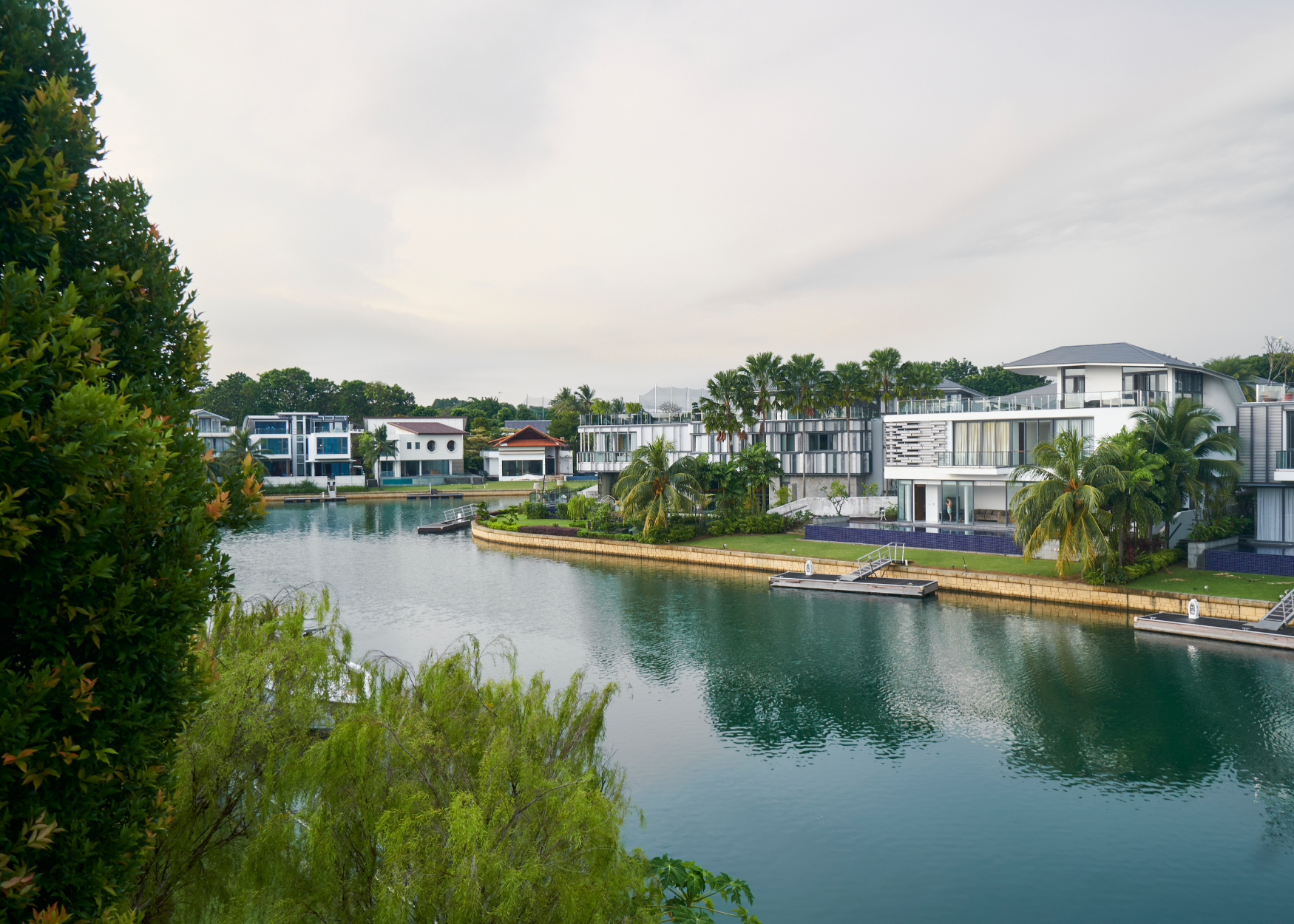
Sentosa Cove occupies a category of its own in Singapore: a purpose-built waterfront residential enclave of landed homes and condominiums, with houses opening directly onto canals and, in many cases, private yacht berths.
The most prized landed properties are distinguished as much by water frontage, orientation and outlook as by land size. The best combine substantial plots with direct marina or open-water views, creating a residential format that has no mainland equivalent.
The condominium market follows the waterfront. Seven Palms sits directly on Tanjong Beach, while Cape Royale, The Oceanfront, Seascape and Marina Collection offer larger apartments overlooking the marina or surrounding waterways.
Sentosa is also singular for another reason: it is the only part of Singapore where foreign buyers can acquire landed residential property, subject to government approval. That distinction makes it an important market in its own right rather than simply Singapore’s resort precinct.
Prized addresses: Cove Drive · Lakeshore View · Ocean Drive · Paradise, Sandy & Treasure Islands
Key condominiums: Cape Royale · Seascape · Seven Palms · The Oceanfront
City: Sky villas, harbour views and riverfront living
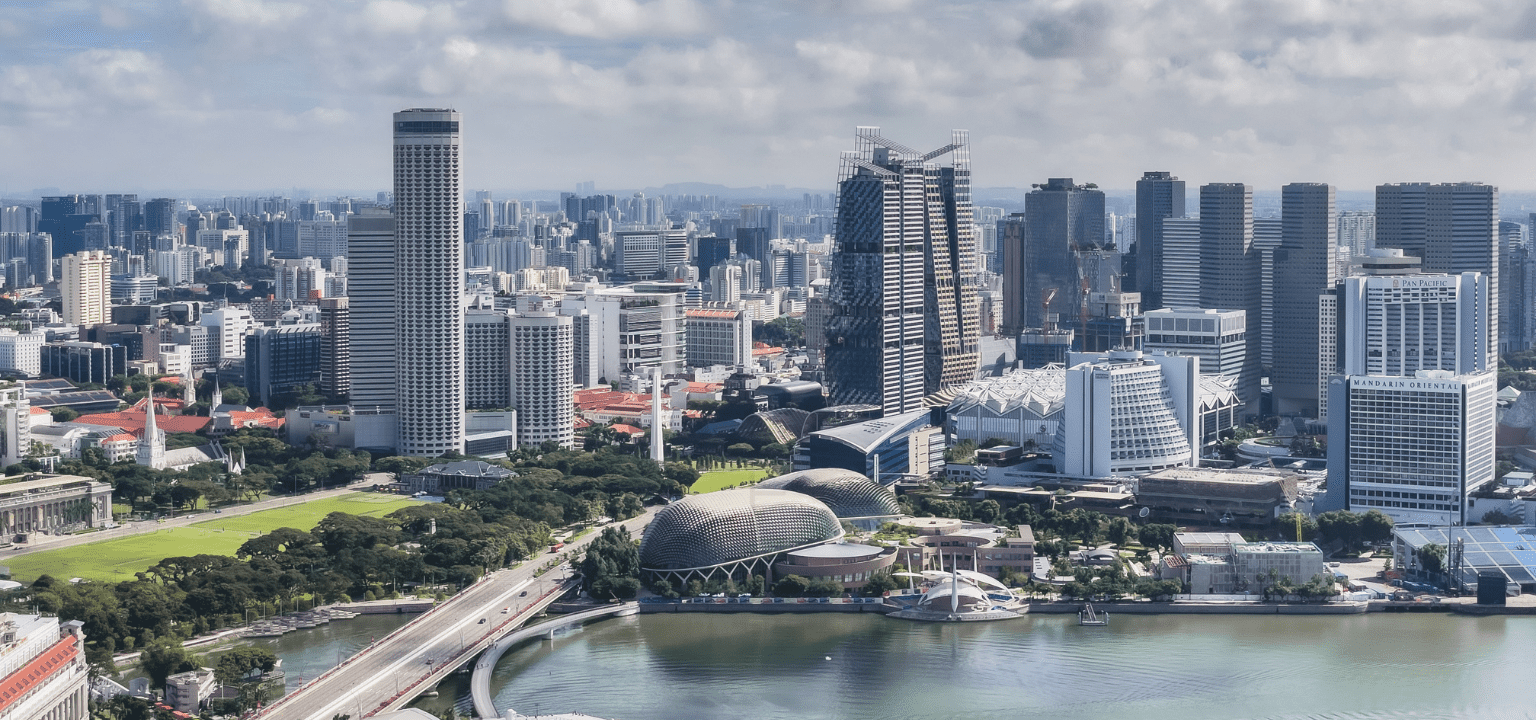
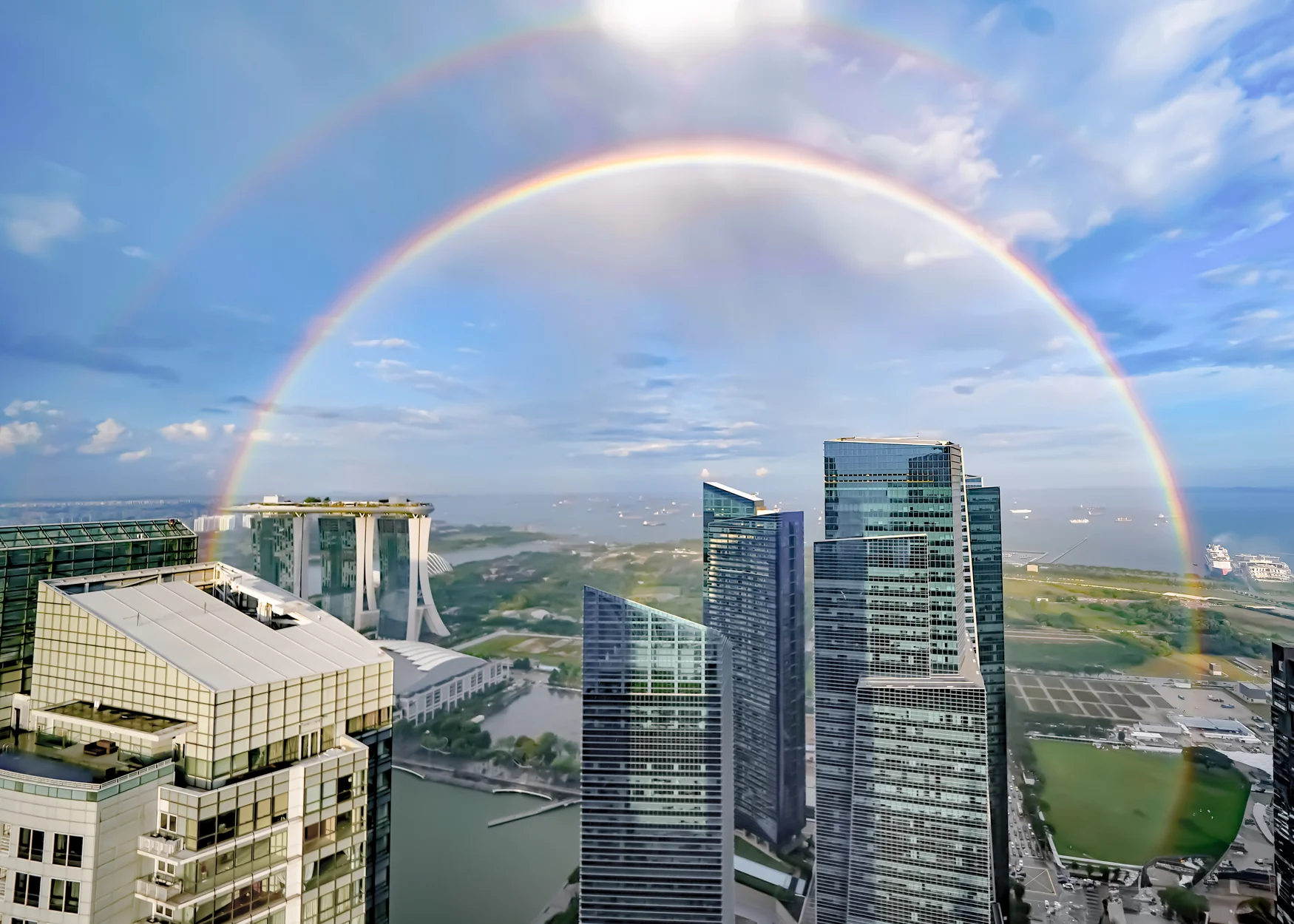
Singapore’s central apartment market is defined by scale, height and outlook. Around Marina Bay and the CBD, the most important residences occupy the upper levels of towers overlooking the harbour and skyline; farther west, the Singapore River provides a lower-rise waterfront market around Robertson Quay.
The city has produced some of Singapore’s largest apartments, including the house-sized residences and penthouses often described as sky villas. Developments such as Marina One Residences and Wallich Residence put homes within major mixed-use towers, while Eden Residences Capitol occupies the upper floors of the restored Capitol development.
Along the river, the emphasis shifts from altitude to waterfront living. Rivergate, Martin Modern, The Avenir and Rivière combine proximity to the CBD and Orchard with a more residential setting around Robertson Quay.
Unlike Nassim and much of Orchard, leasehold tenure is common across the central market. The proposition is consequently different: views, scale, waterfront position and immediate access to the city rather than the combination of freehold tenure and low density found farther north.
Prized addresses: Marina Blvd · Marina Way · Shenton Way
Key condominiums: Eden Residences Capitol · Marina One Residences · One Shenton · Skywaters Residences · South Beach Residences · The Avenir · Wallich Residence
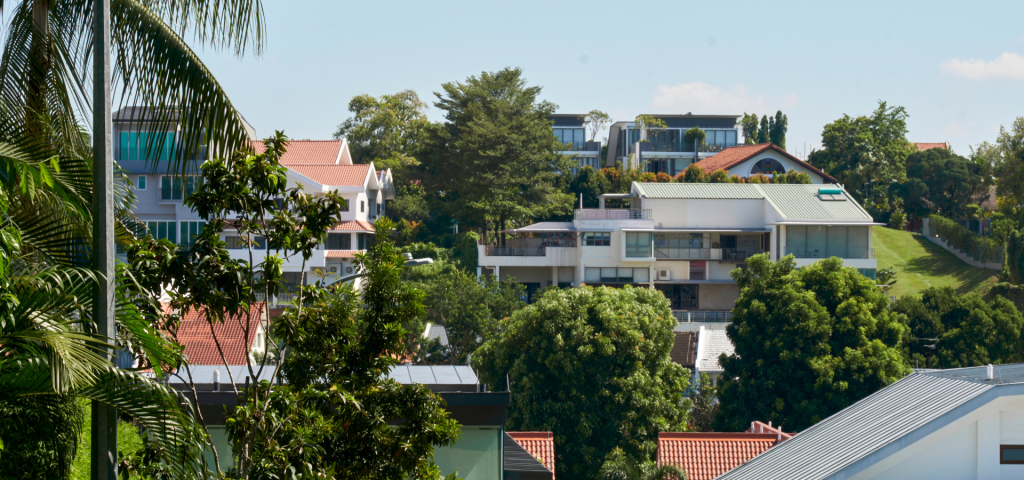
Holland & Bukit Timah: Singapore’s great landed estates
Holland and Bukit Timah contain much of Singapore’s most important landed residential property, including a succession of good class bungalow areas stretching through some of the island’s greenest and lowest-density neighbourhoods.
The individual enclaves have distinct characters. Cluny and Gallop sit beside the Botanic Gardens; Leedon Park combines large plots with immediate proximity to Holland Village; Queen Astrid Park and Victoria Park contain some exceptionally substantial estates; while Bin Tong Park, Binjai Park, Brizay Park and Swiss Club Road extend the GCB market farther into Bukit Timah.
Here, the hierarchy is overwhelmingly about land: plot size and shape, frontage, elevation, privacy, redevelopment potential and the particular standing of the street. Houses may change completely between transactions while the underlying address and landholding retain their value.
The district also contains a smaller collection of significant condominiums, particularly around Holland and Leedon, but landed property remains its defining ultra-prime format.
Prized addresses: Langsuan · Lumphini · Wireless Road · Sukhumvit · Thonglor · Chao Phraya riverfront
Key condominiums: Porsche Design Tower Bangkok · Scope Langsuan · The Residences at Mandarin Oriental · The Residences 38 · The Diplomat 39 · Dusit Residences
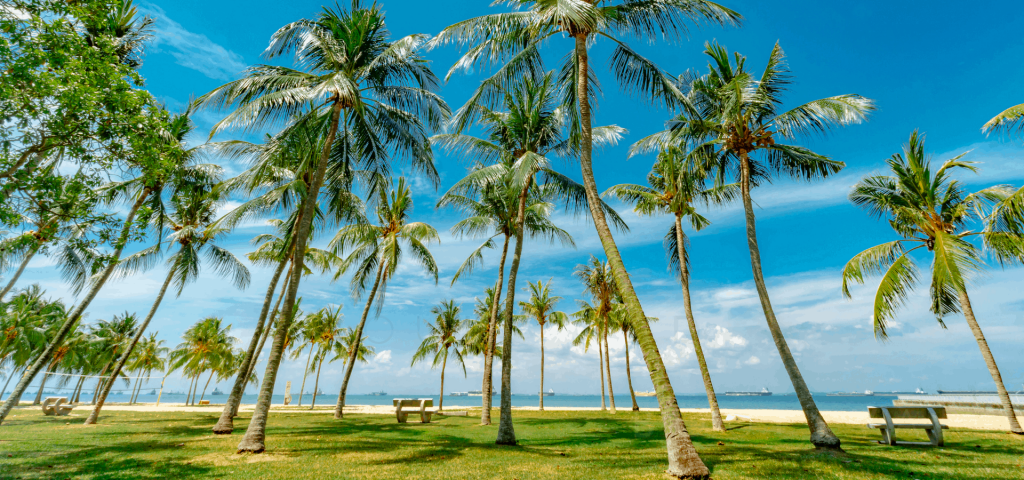
East Coast: Water views and prime central residences
Meyer Road forms the ultra-prime edge of Singapore’s East Coast: a narrow residential strip running parallel to the shoreline, with established freehold condominiums and newer developments looking across East Coast Park towards the sea.
Its appeal is unusually specific within Singapore. The city centre remains close, but the outlook opens onto parkland and water rather than neighbouring towers, with East Coast Park providing kilometres of waterfront immediately in front of the residential enclave. Larger apartments and penthouses with unobstructed sea views occupy the top of the market.
The area has also seen a new generation of high-end development, including MeyerHouse and Meyer Blue, alongside established buildings such as The Meyerise and The Seafront on Meyer. Freehold tenure across much of the enclave adds to the distinction from the predominantly leasehold waterfront developments closer to the CBD.
Prized addresses: Broadrick Rd · Goodman Rd · Meyer Rd
Key condominiums: MeyerHouse · Silversea
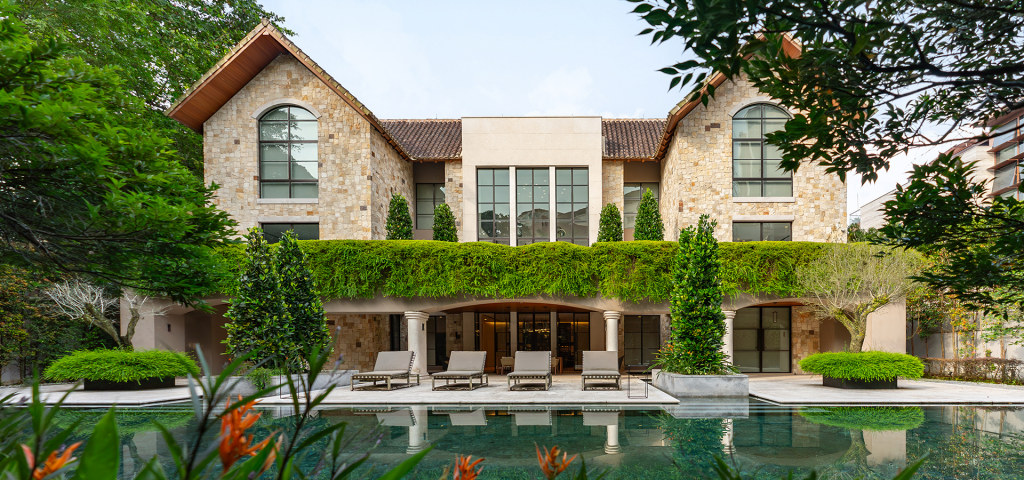
Good class bungalows
Singapore’s most tightly controlled landed homes
There are only around 2,800 good class bungalows in Singapore, spread across 39 gazetted areas and subject to planning rules designed to preserve their low-density character. A GCB must occupy at least 1,400 sqm (15,070 sqft) of land, with restrictions on building height and the proportion of the site that can be developed.
The designation encompasses some of Singapore’s most prized residential addresses, from Nassim, Cluny and Gallop to Leedon Park, Queen Astrid Park and the landed enclaves of Bukit Timah. Within them, value is determined as much by the land as the house: the size and shape of the plot, frontage, elevation, privacy and exact position can all materially affect the price.
They are also extraordinarily tightly held. From a stock of roughly 2,800 homes, just 36 changed hands in 2025, while individual enclaves can go years without a transaction. Many properties never reach the open market.
Ownership is tightly restricted, too. GCBs are generally reserved for Singapore citizens, making them a distinct market even within the country’s already scarce landed housing sector.
Read the good class bungalows report
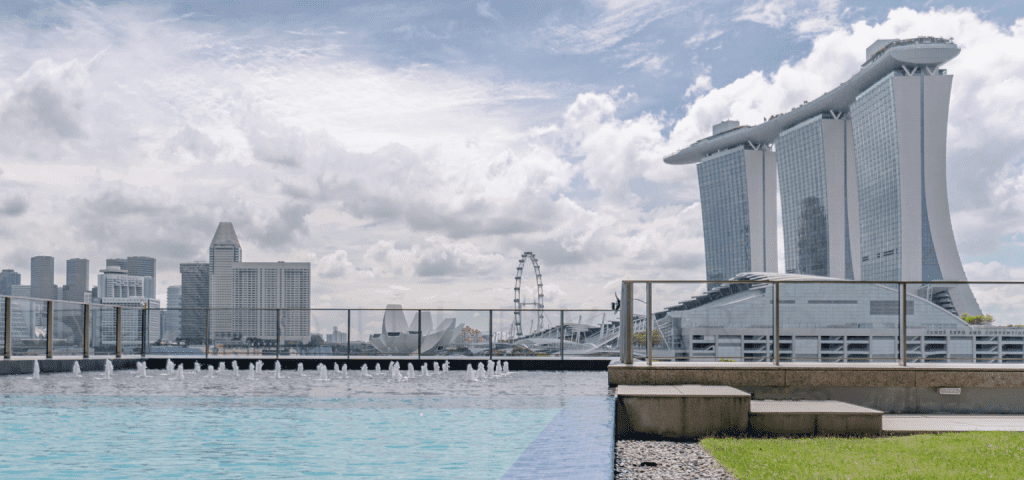
Buying property in Singapore as a foreigner
What international buyers can buy—and what it costs
Foreigners can buy residential property in Singapore, but the rules vary sharply by property type. Condominiums are generally open to international purchasers without prior government approval, including freehold apartments in prime districts such as Nassim, Orchard and Tanglin. Landed property is much more restricted.
The major exception is Sentosa Cove. Foreign buyers can apply to purchase a landed home there, making it the only residential enclave in Singapore where international purchasers have access to this type of property. Approval is not automatic, and the restriction applies to the buyer rather than removing the taxes ordinarily payable on the transaction.
The 60% ABSD
For most foreign buyers, the biggest consideration is Additional Buyer’s Stamp Duty. Foreign individuals purchasing residential property currently pay ABSD of 60% of the purchase price or market value, whichever is higher, in addition to Buyer’s Stamp Duty.
The effect becomes substantial at the top of the market. On a S$10 million apartment, ABSD alone is S$6 million; on a S$20 million purchase, it is S$12 million. This applies whether the property is freehold or leasehold and, subject to any applicable exemption, whether the buyer is purchasing an apartment or an approved landed home on Sentosa Cove.
Singapore permanent residents are treated differently, with ABSD dependent on the number of residential properties they already own. Singapore citizens have a separate set of rates.
Who is exempt?
Not every foreign purchaser is subject to the standard foreign-buyer ABSD rate. Nationals and permanent residents of certain countries receive the same stamp-duty treatment as Singapore citizens under Singapore’s free-trade agreements, subject to the relevant eligibility requirements.
Because these exemptions can transform the economics of a purchase, nationality and residency status need to be established before assessing the effective acquisition cost rather than treated as an administrative detail at the end of a search.
Can foreigners buy landed property?
Outside Sentosa Cove, Singapore’s landed residential market is generally closed to foreign purchasers. That includes the good class bungalows of Nassim, Holland and Bukit Timah, where ownership restrictions are tighter still.
Foreign purchasers considering Sentosa Cove must obtain approval from the Singapore Land Authority’s Land Dealings Approval Unit. The enclave consequently occupies an unusual position within the market: it offers the space, privacy and land ownership associated with a house while remaining accessible, subject to approval, to an international buyer.
Freehold or leasehold?
Foreign ownership does not itself restrict a buyer to either tenure. International purchasers can acquire both freehold and leasehold condominiums, making tenure a question of the individual property rather than nationality.
That distinction is particularly relevant at the top of the Singapore market. Many of the established developments around Nassim, Orchard, Cairnhill and Tanglin are freehold or held on very long leases, while much of the newer stock around Marina Bay and the CBD sits on 99-year leasehold land.
For international buyers, the result is a market with relatively straightforward access to condominiums but unusually high transaction taxes and stringent restrictions on landed property. The starting point for any search is therefore not simply budget and location, but nationality, residency status and the type of home being considered.
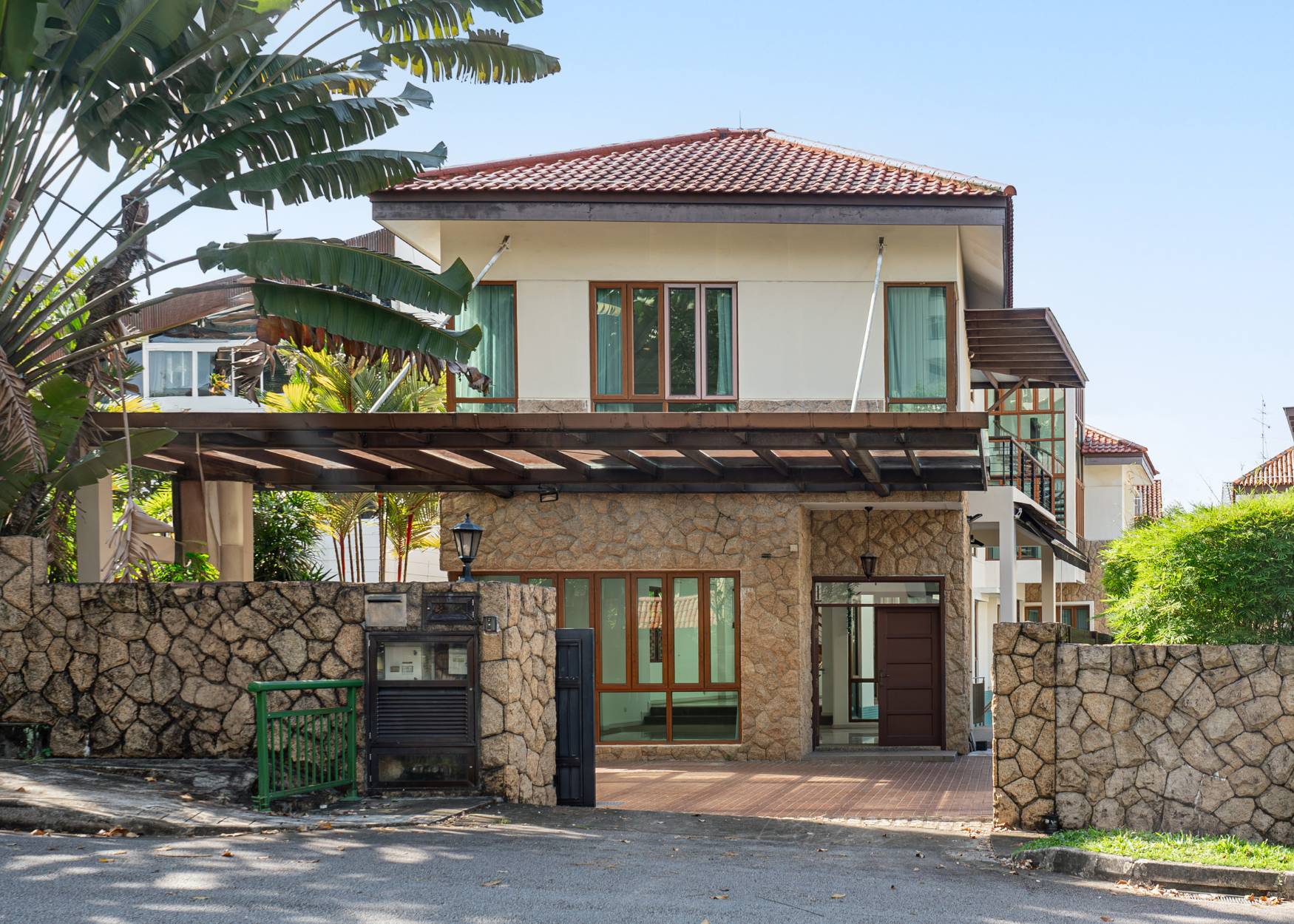
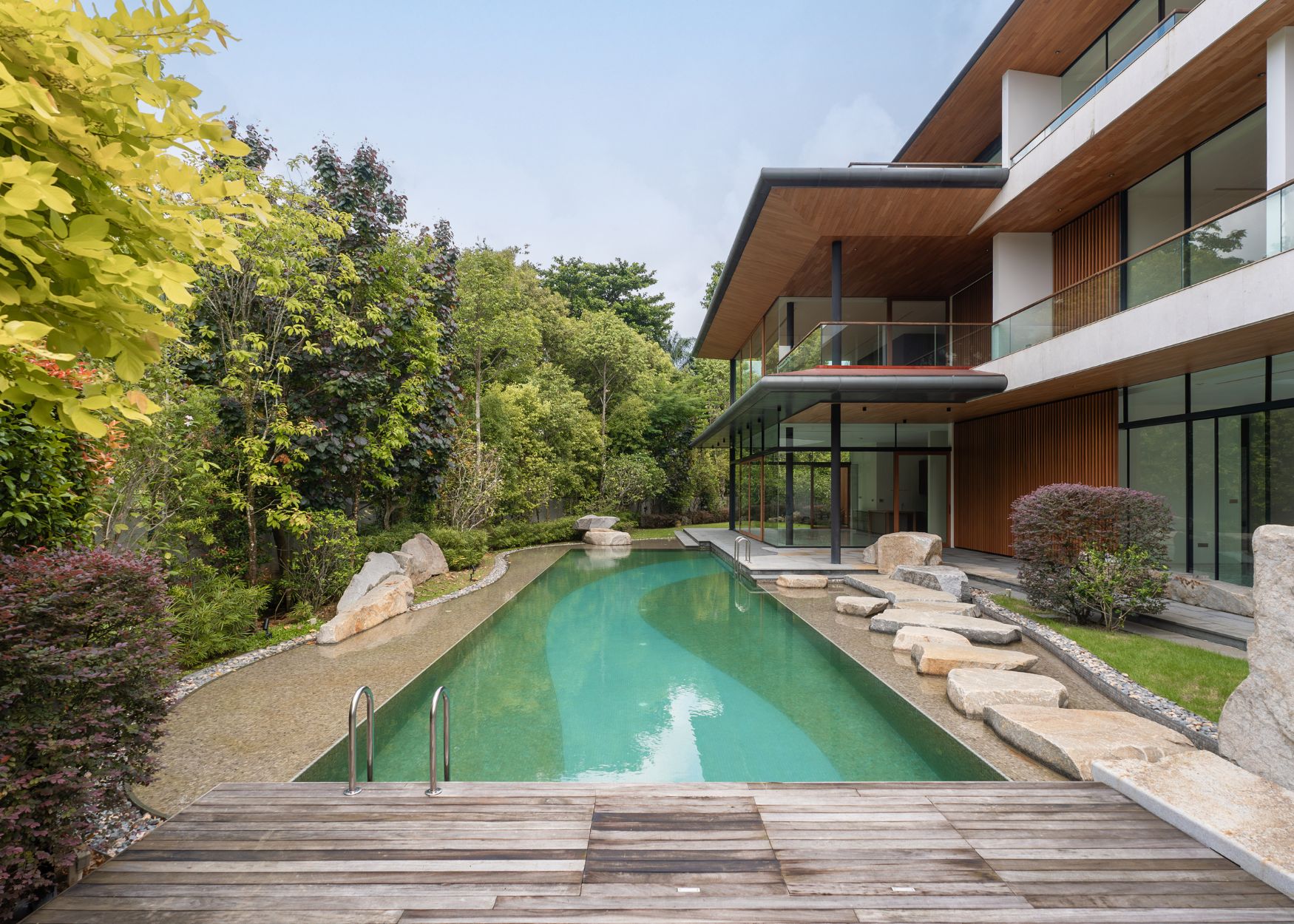
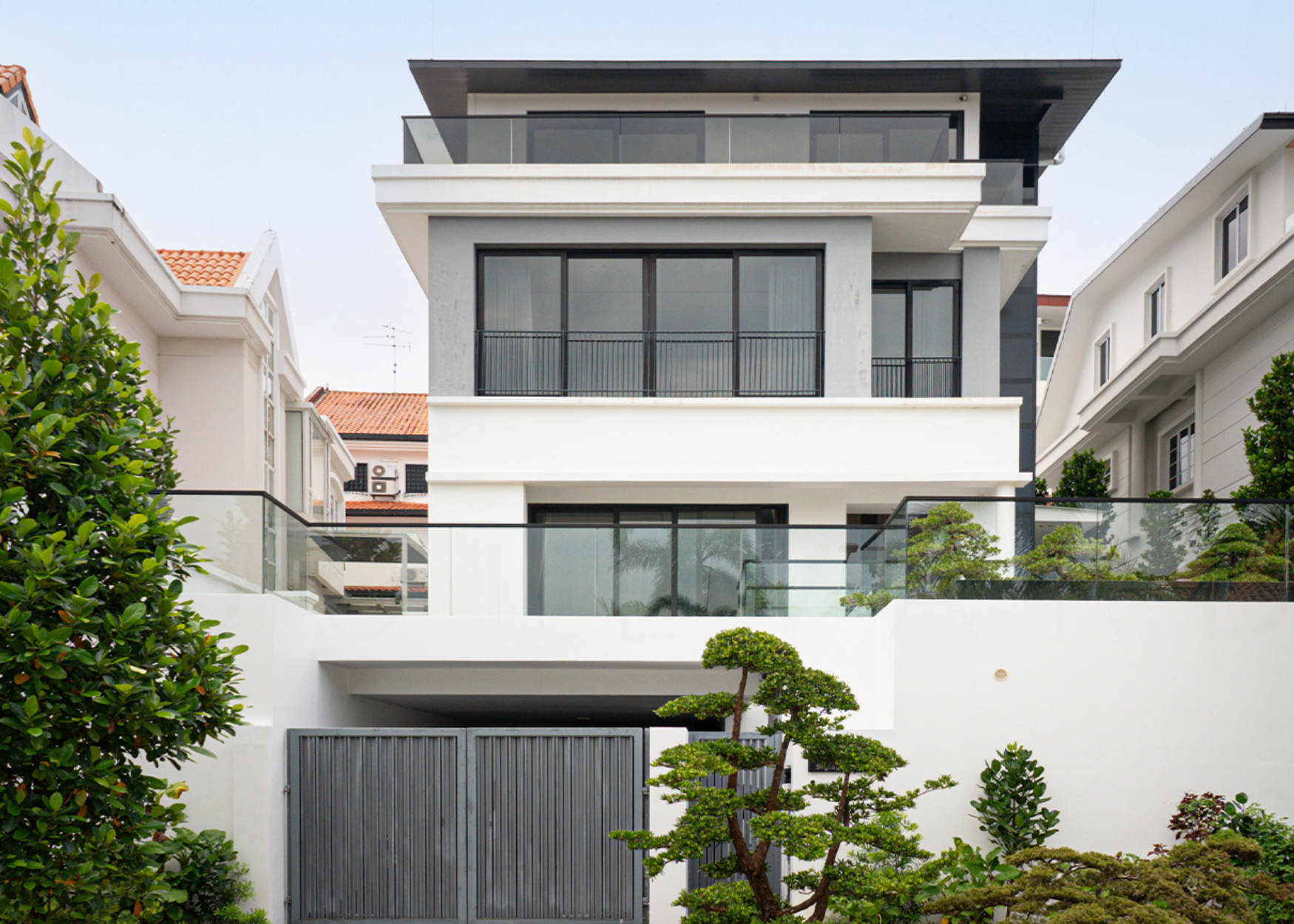
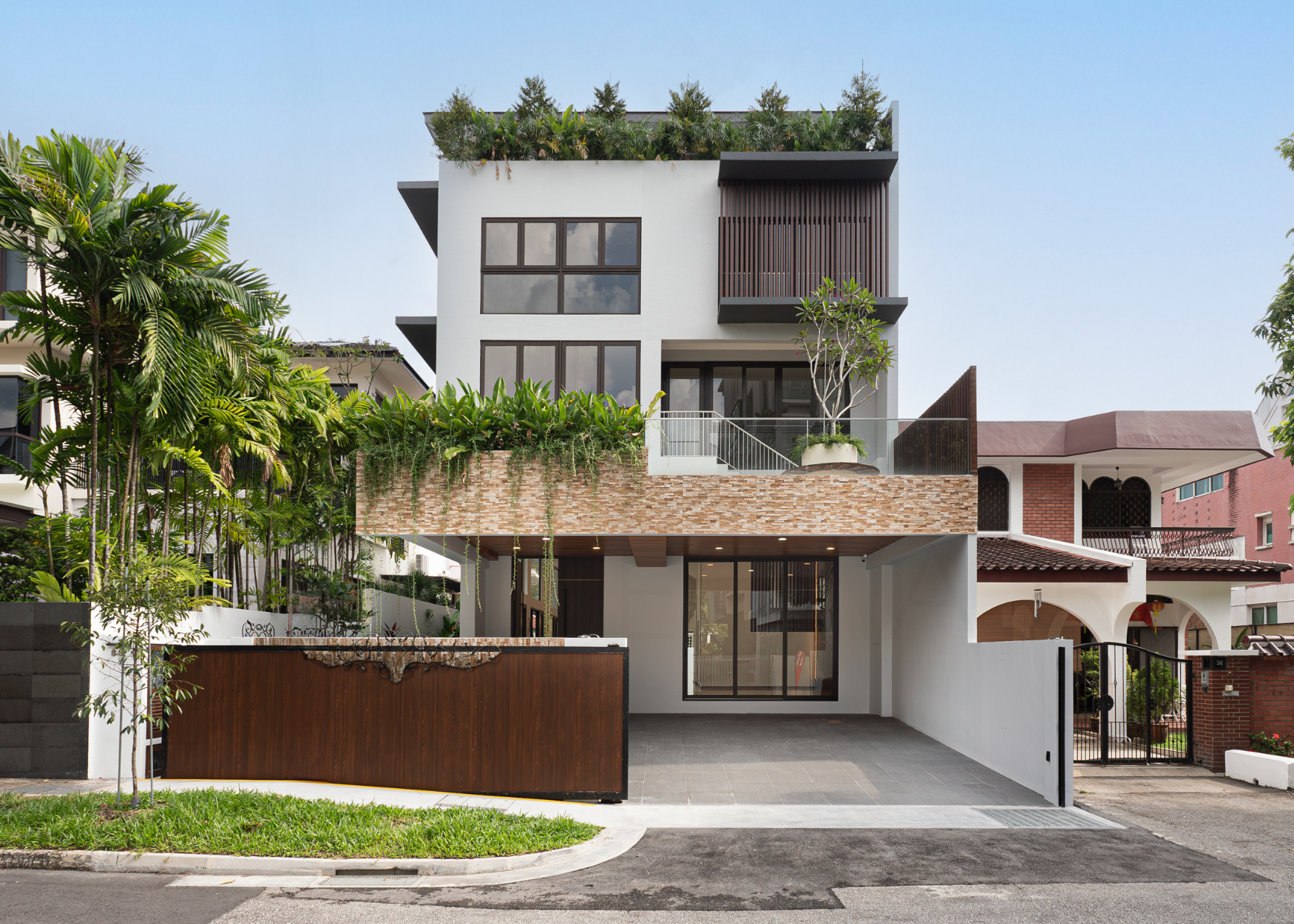
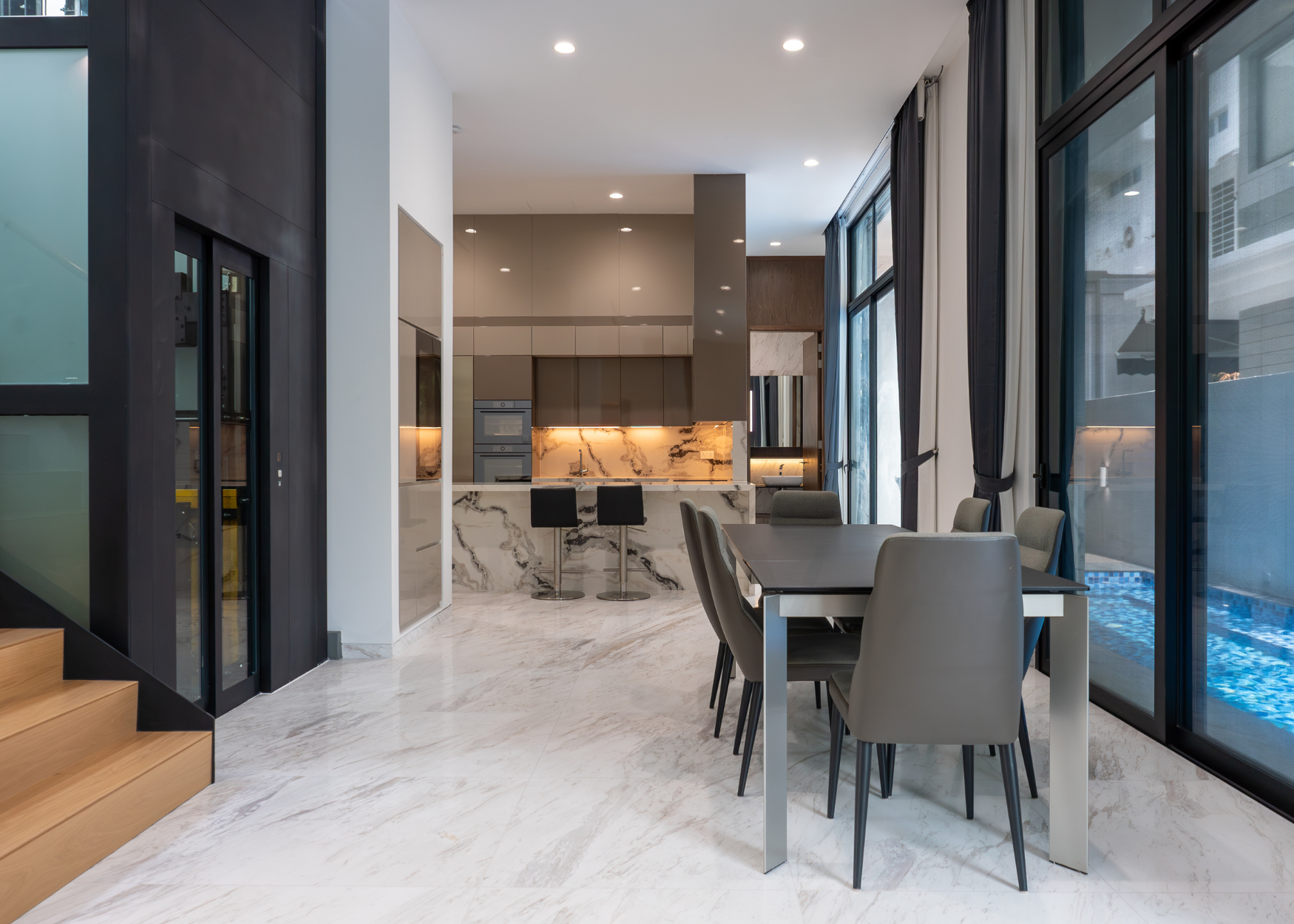
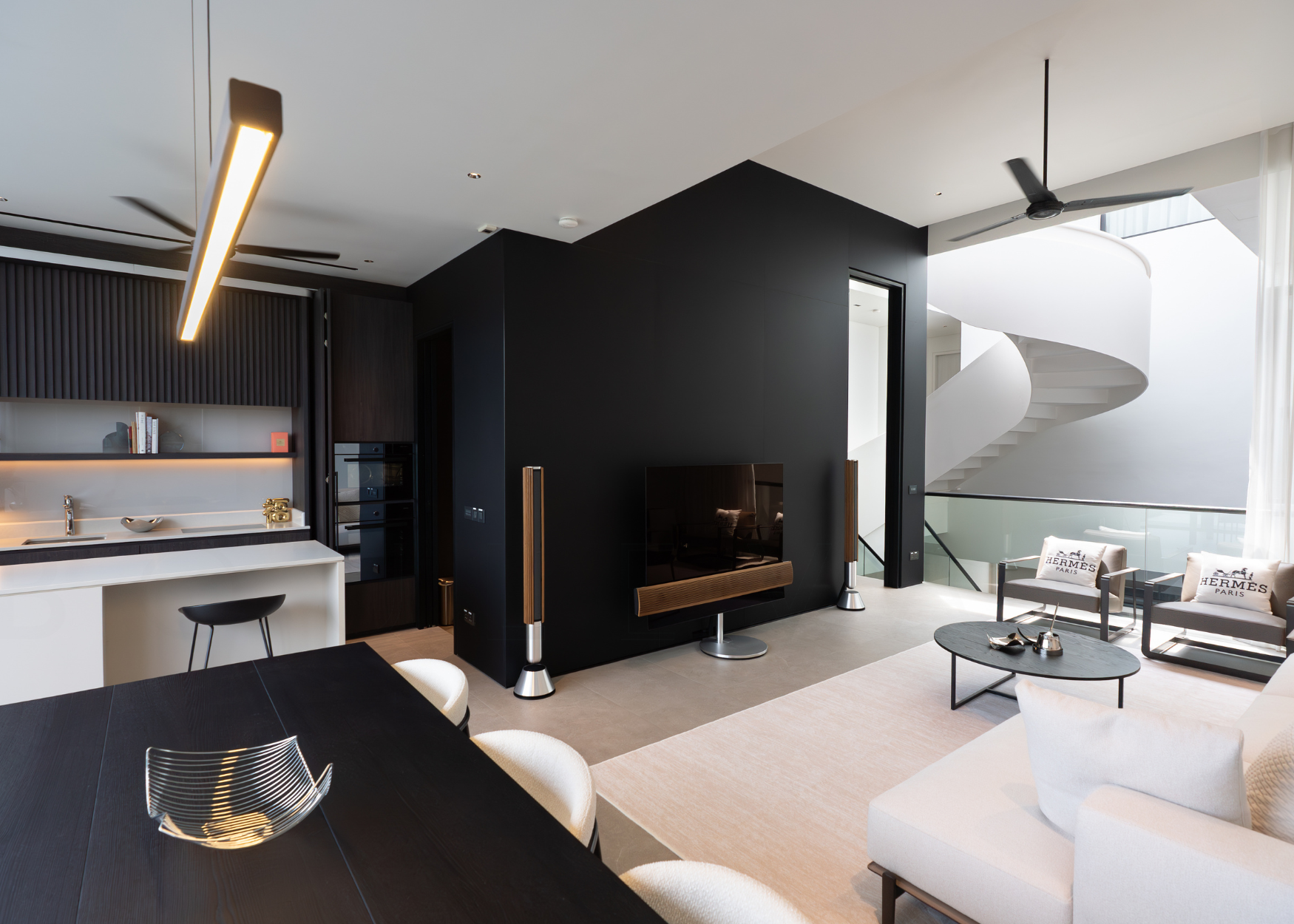
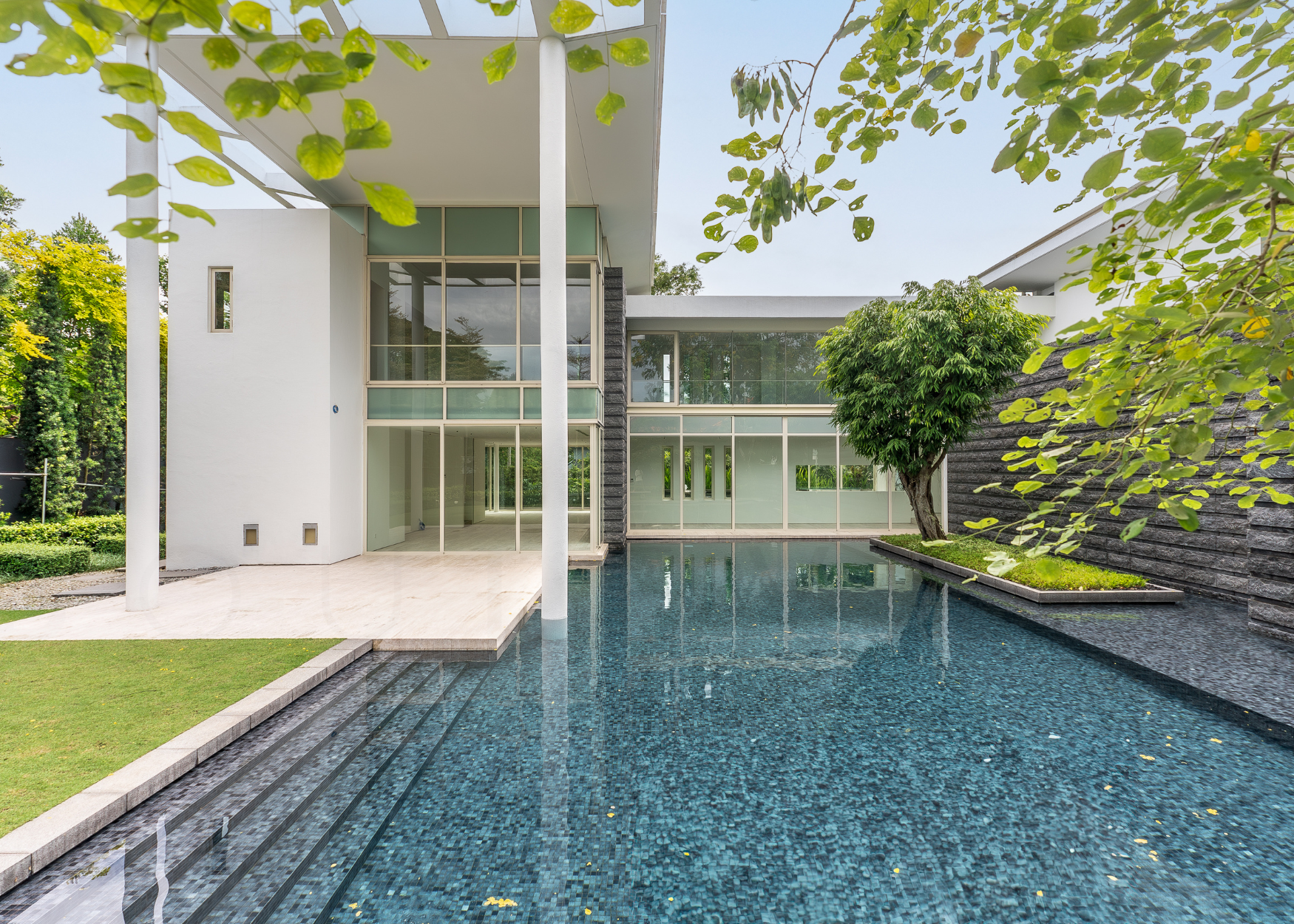
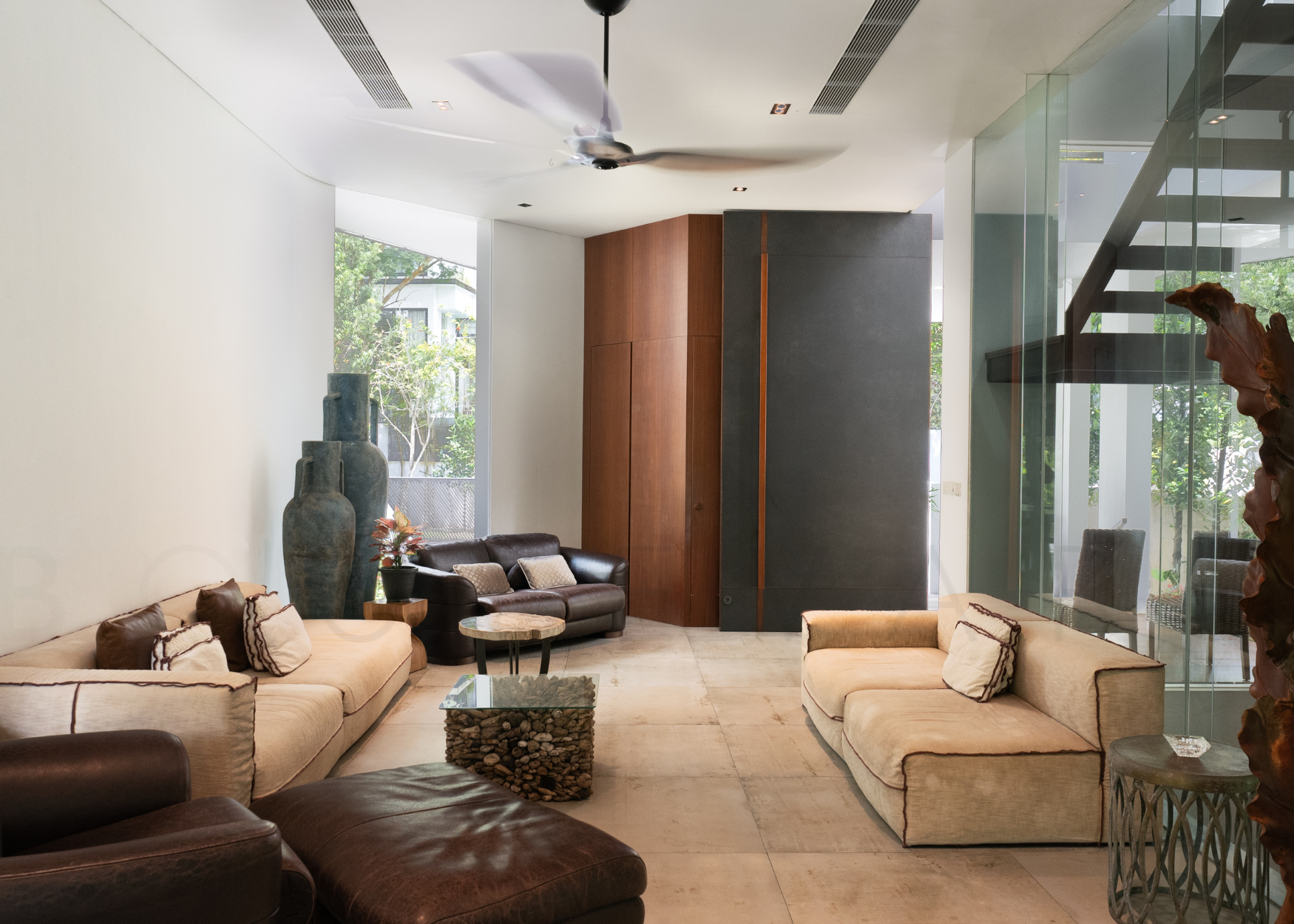
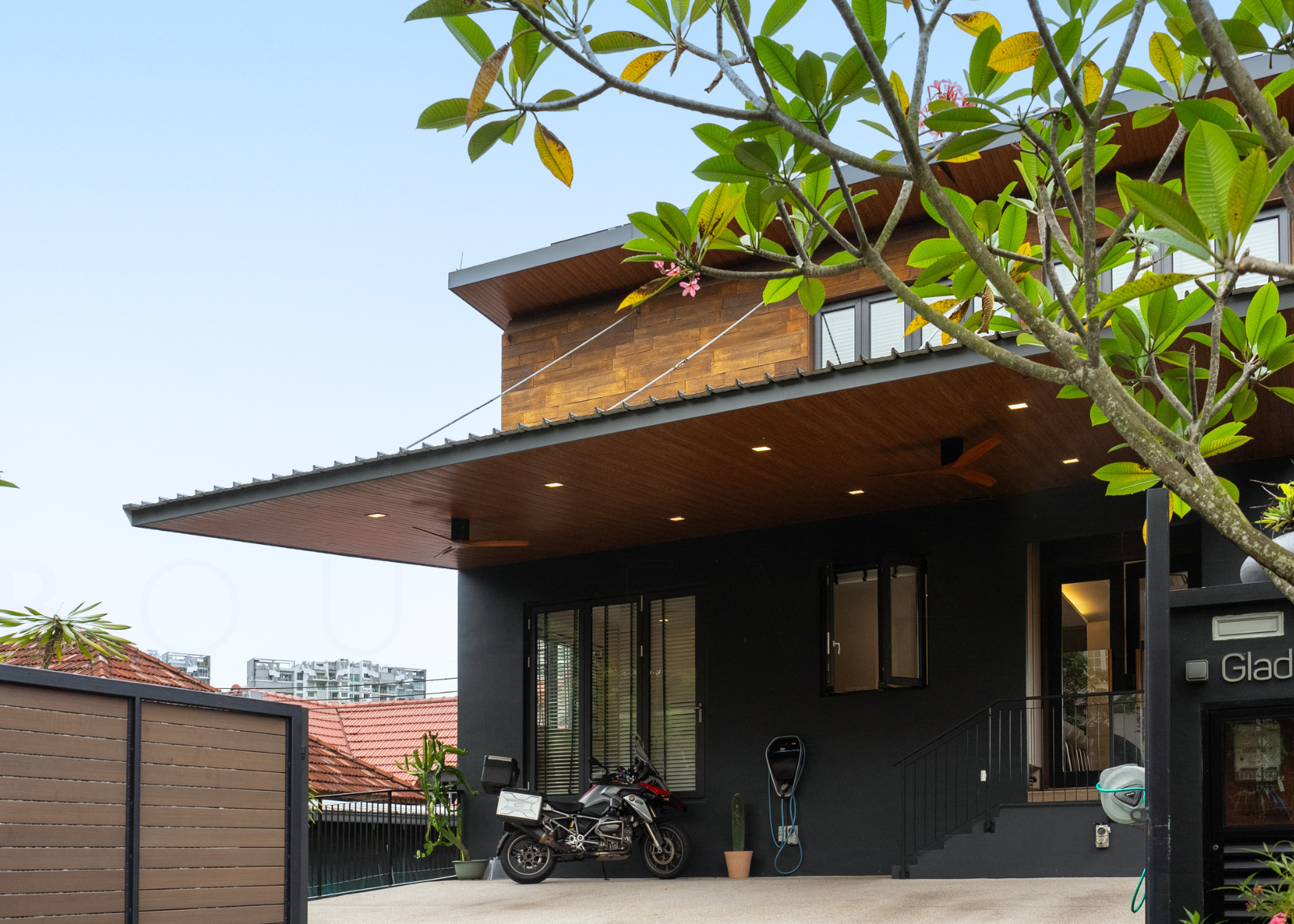
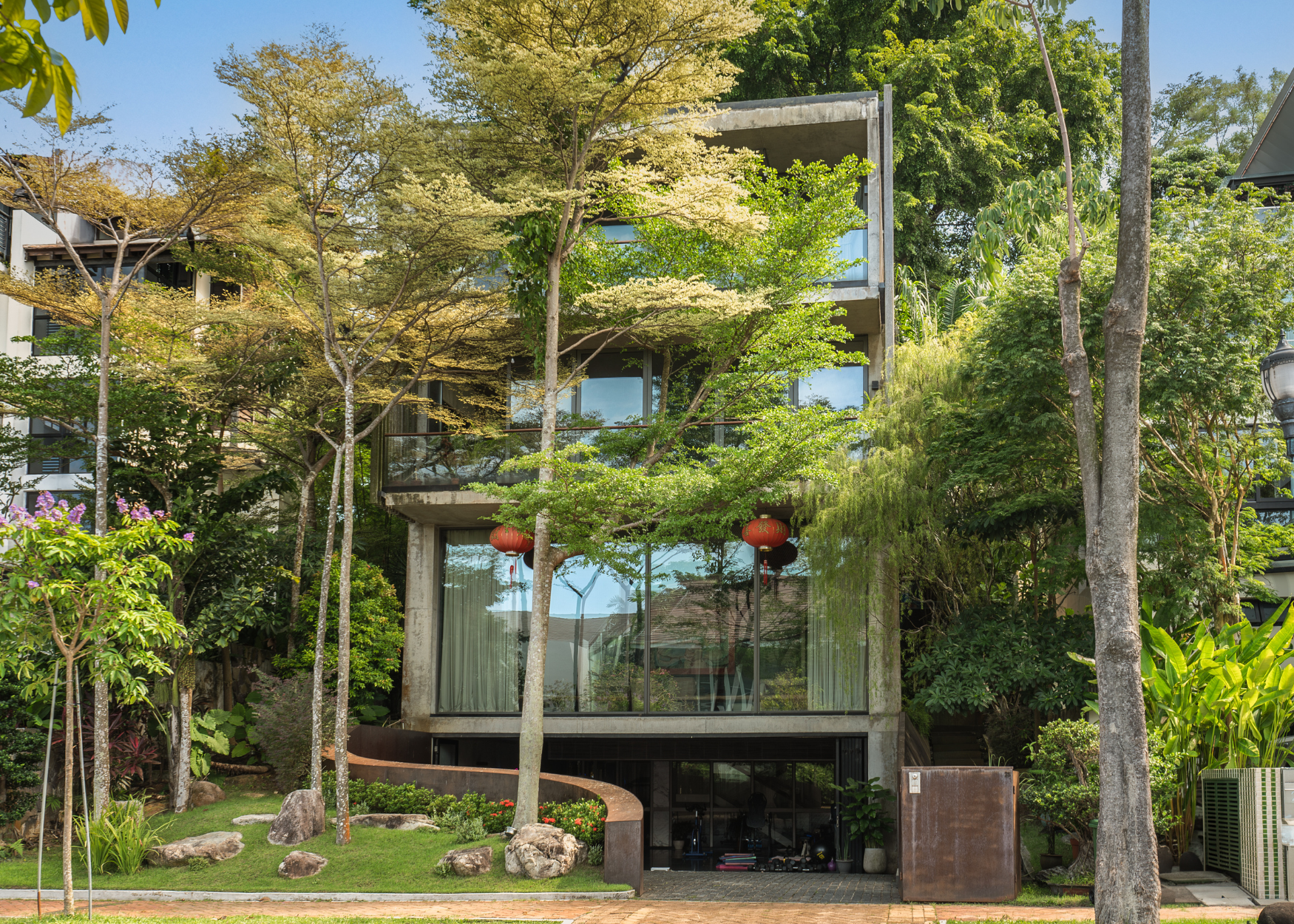
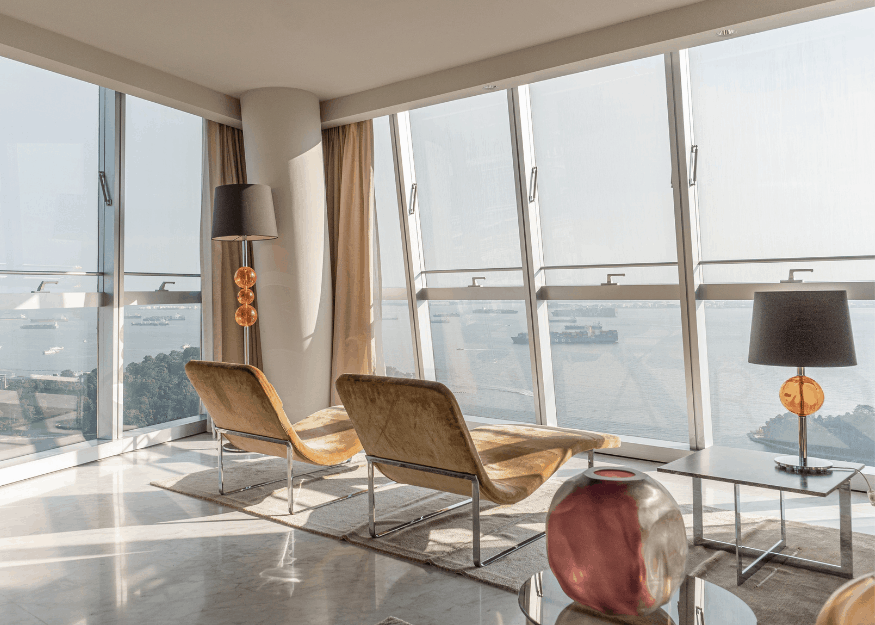
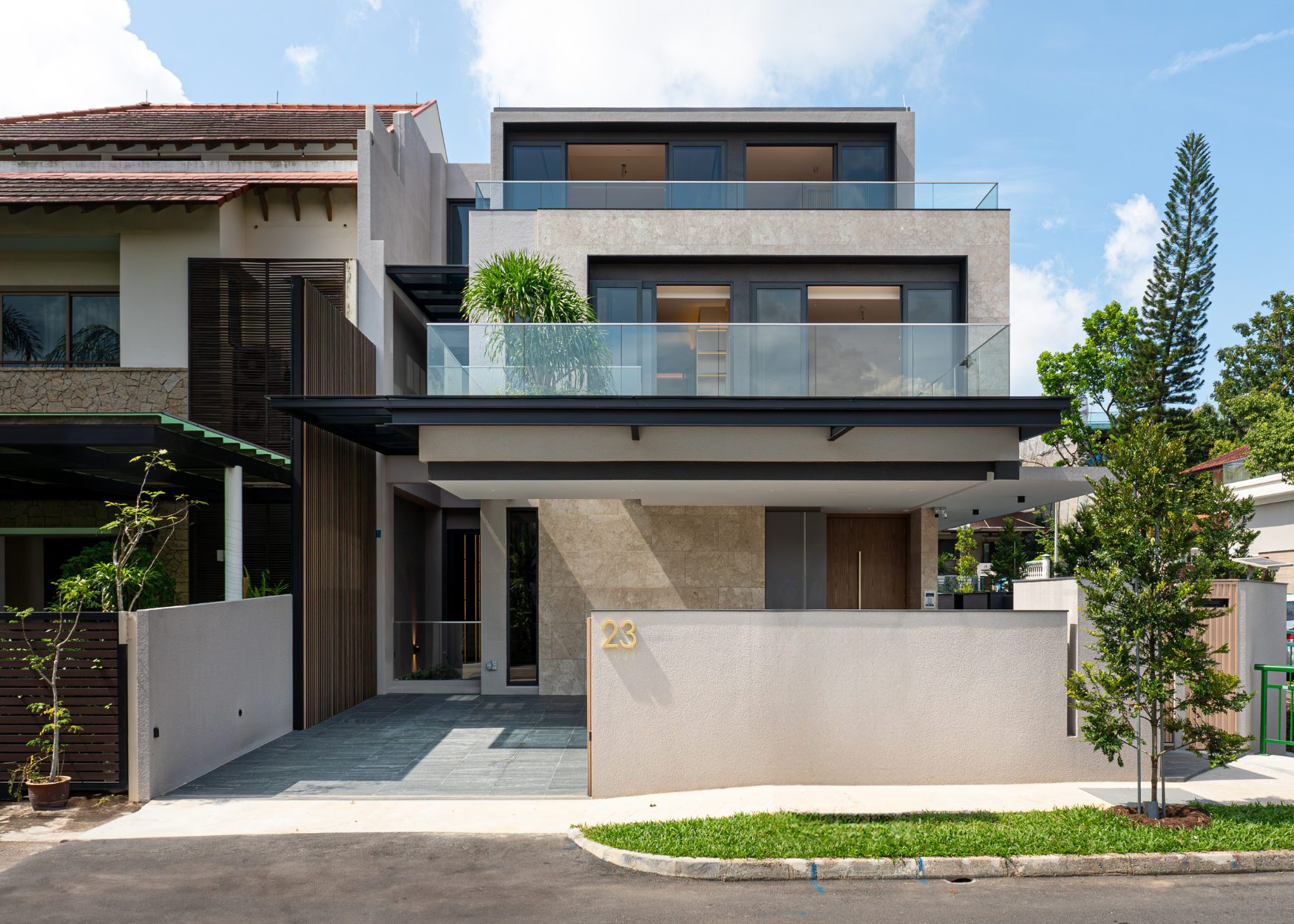
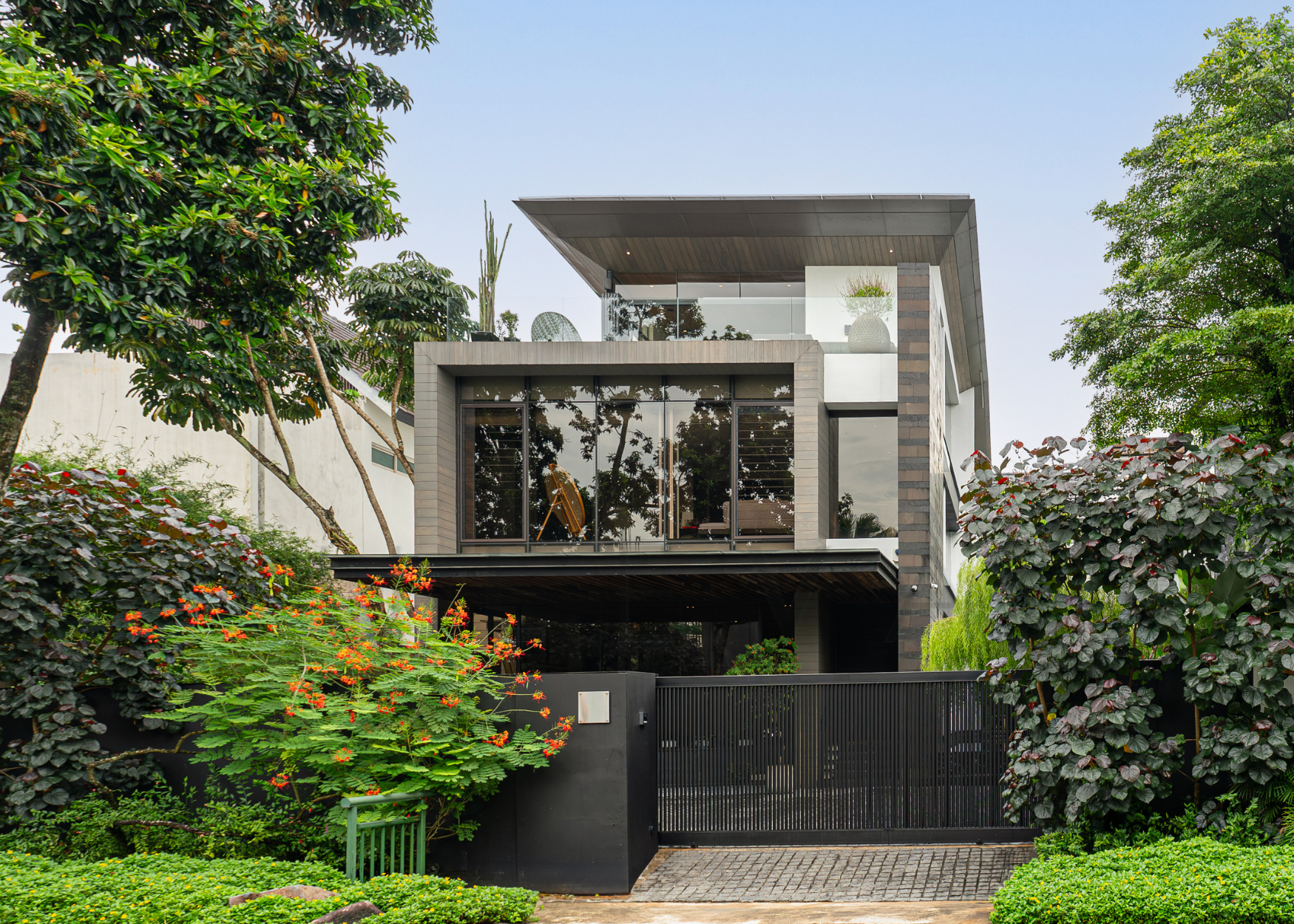
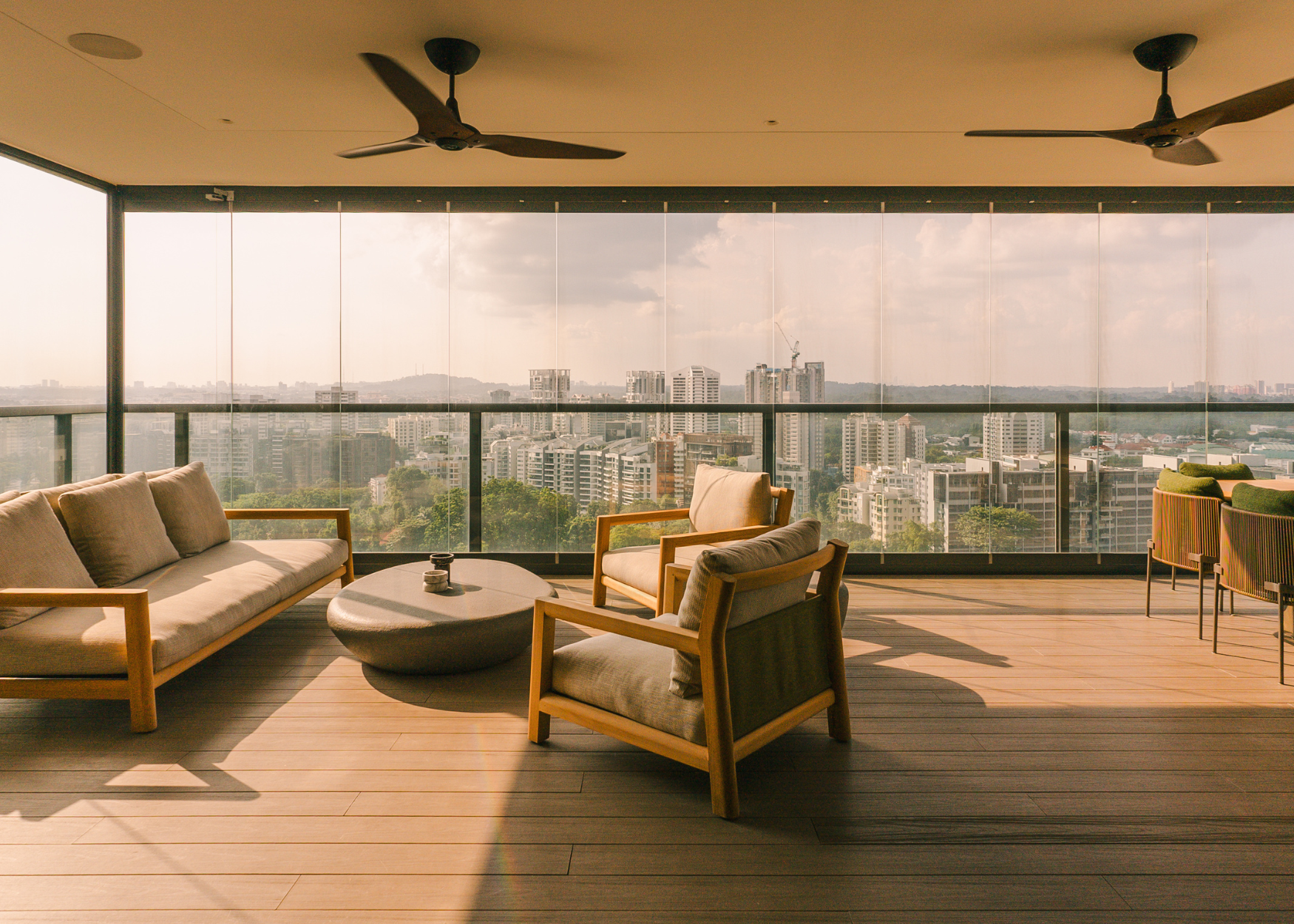
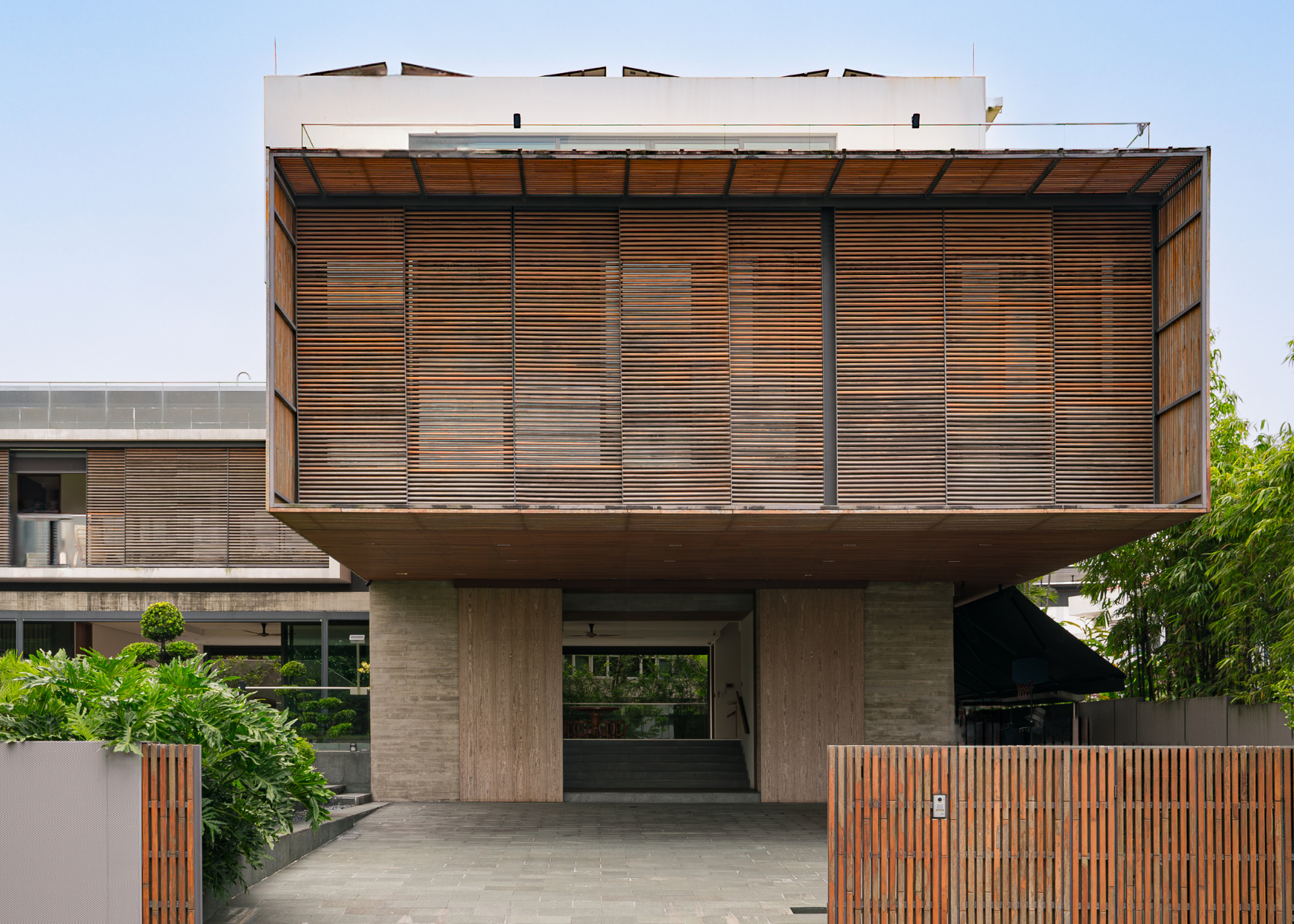
Properties for sale in Singapore
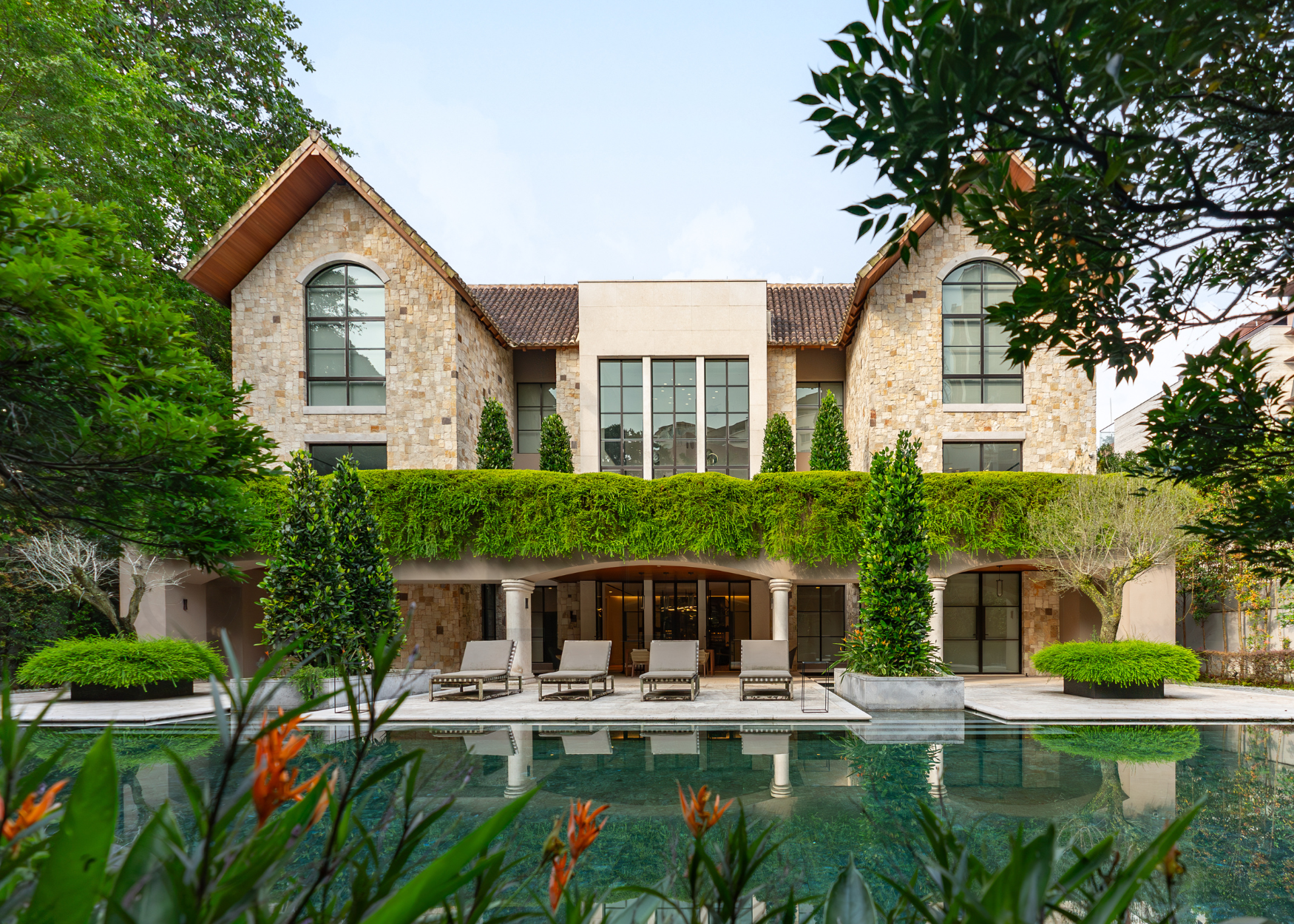
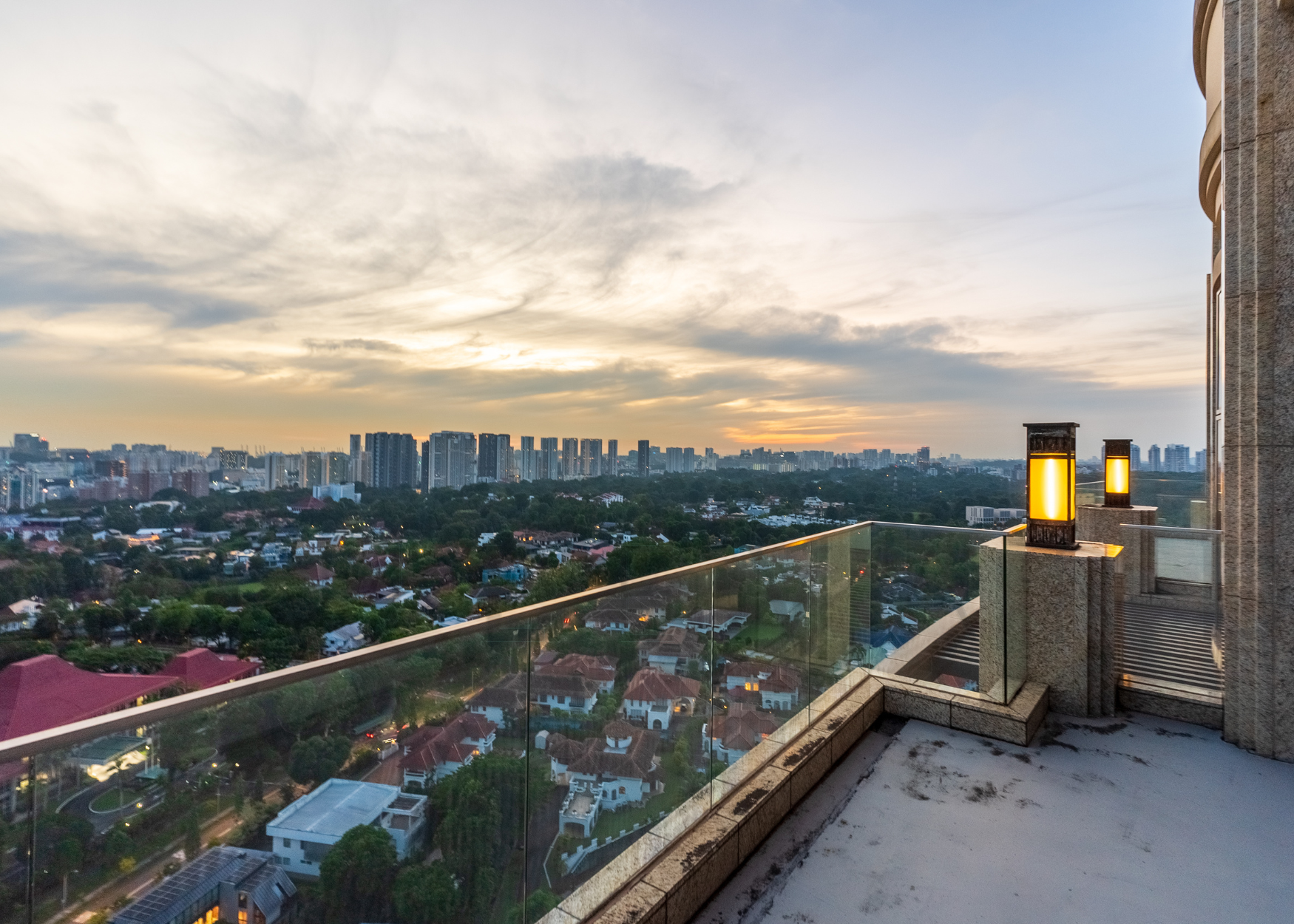
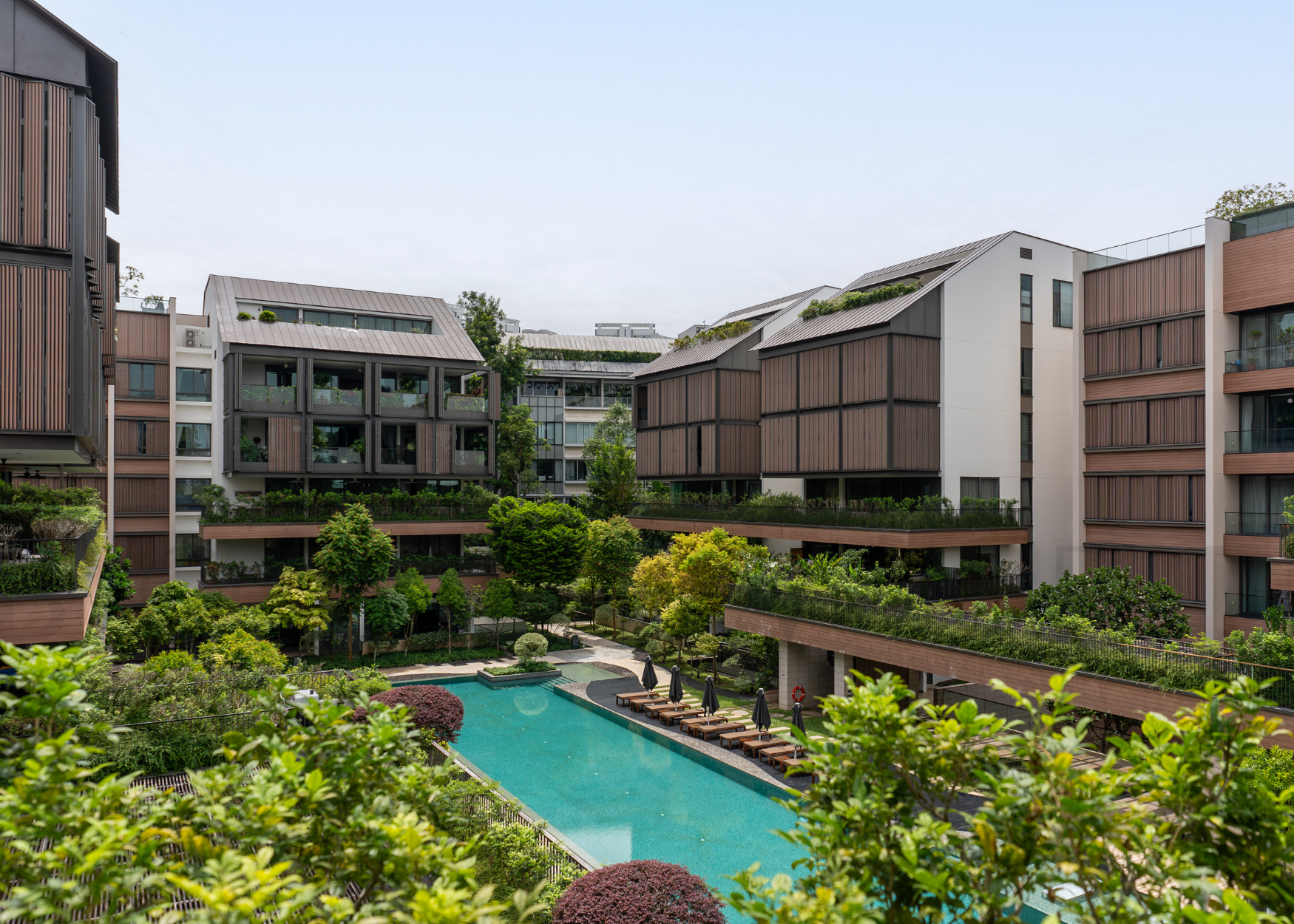
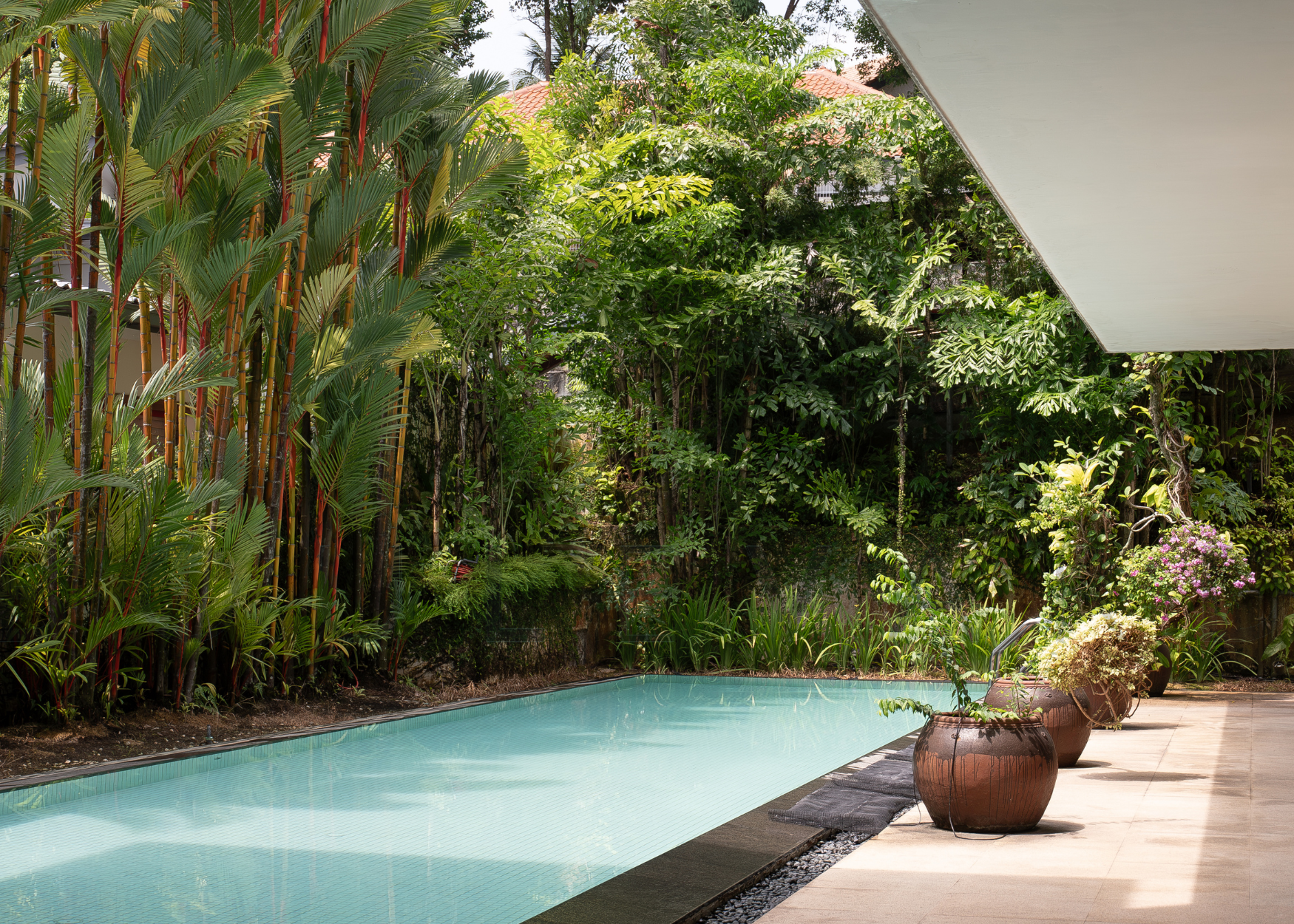
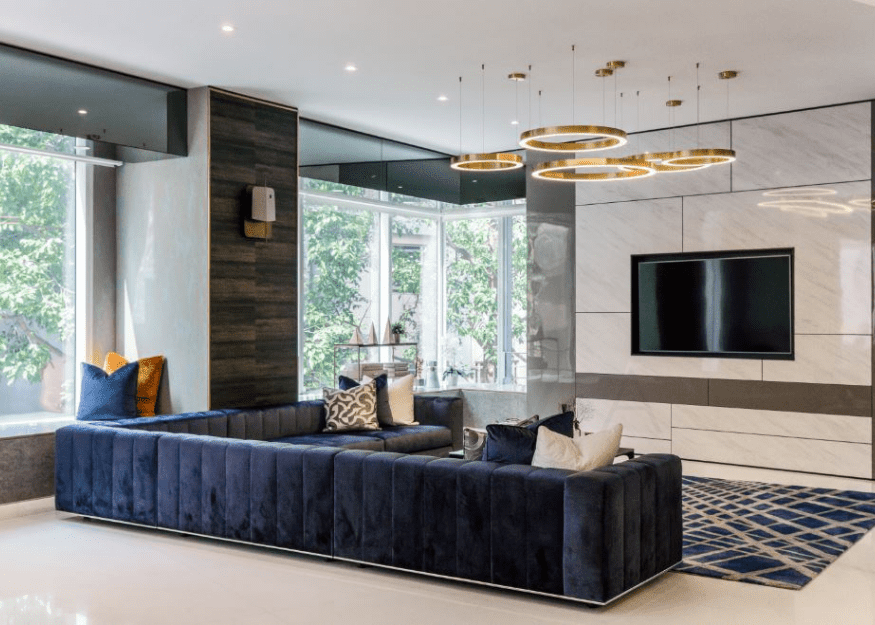
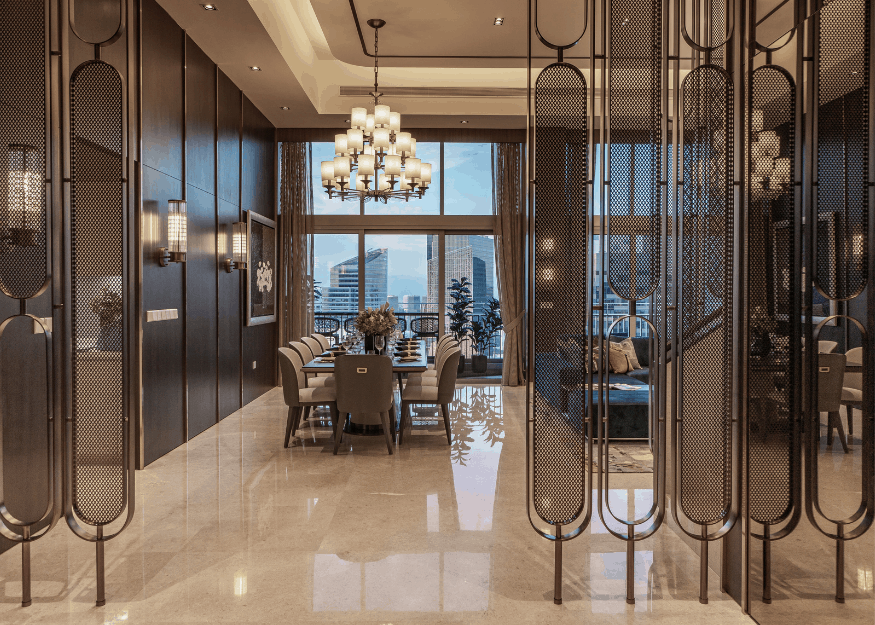
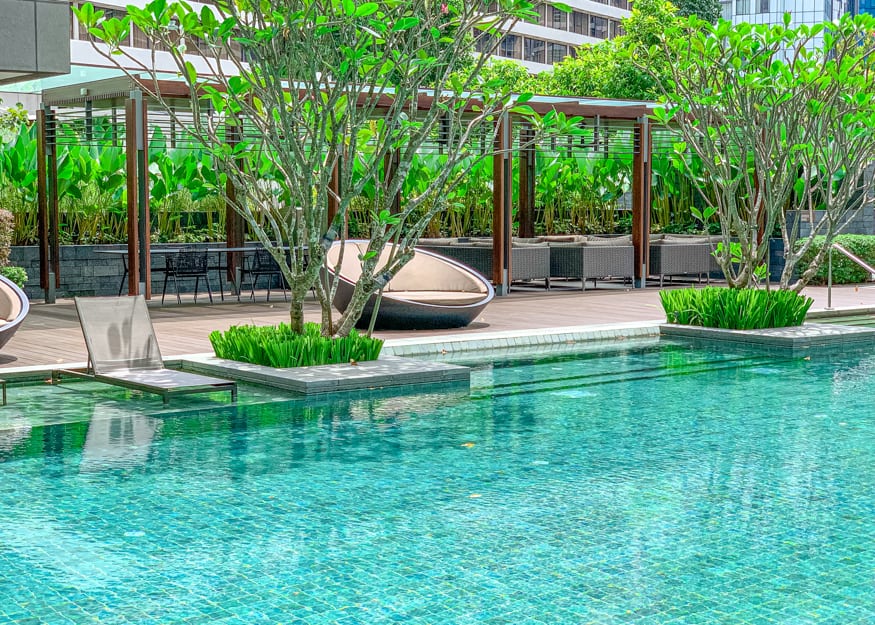
Explore Boulevard’s portfolio of homes for sale across Singapore’s most prized addresses, or enquire for off-market availability.
Boulevard Property Concierge
Some of the most exceptional property never reaches the open market. Boulevard works with leading agents, developers and owners across its core markets, with access extending beyond the properties published on the site.
Tell us what you are looking for, where and at what level, and we can make the appropriate introductions.
More luxury real estate for sale
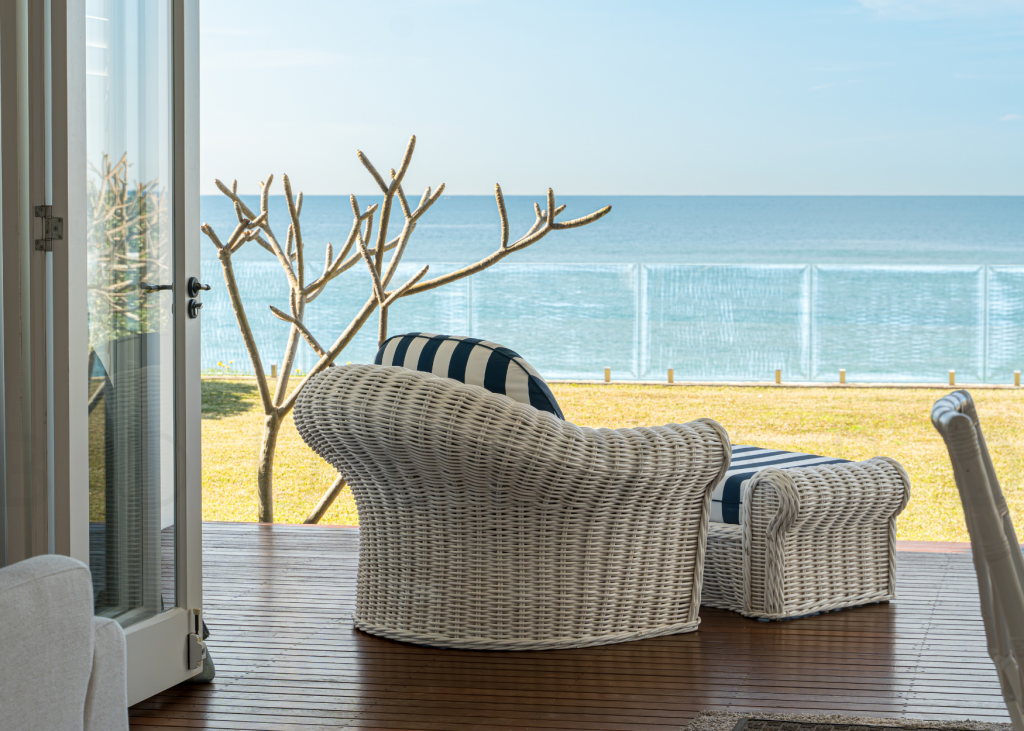
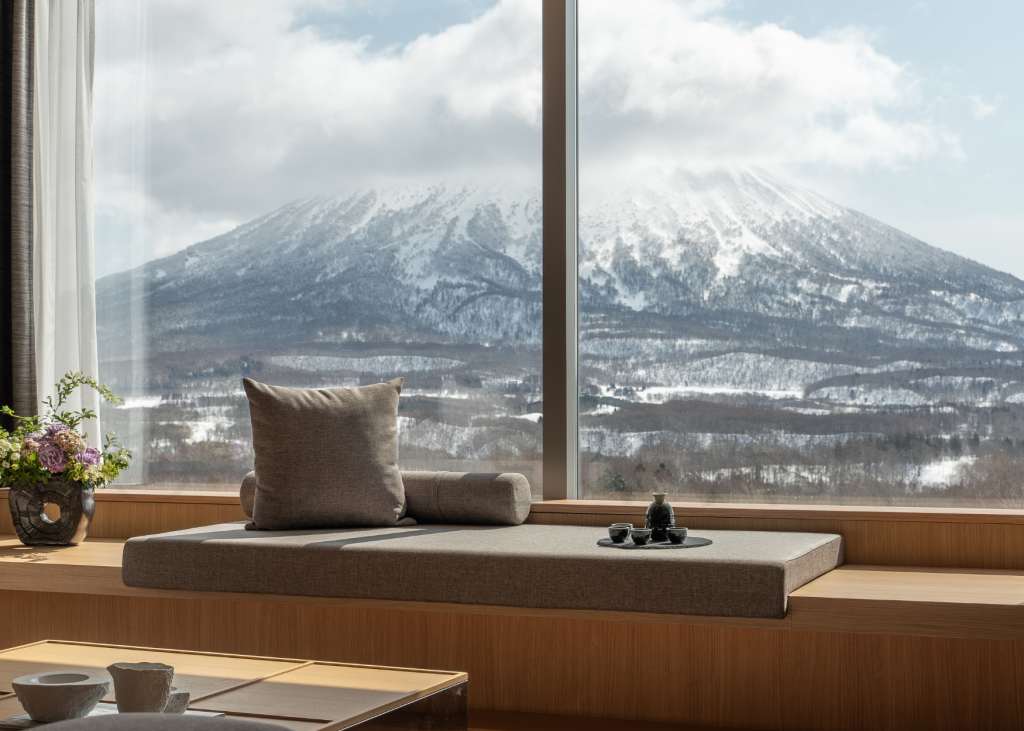
Luxury holiday homes for sale
Sublime beachfront villas, premier ski properties, idyllic country retreats – and so much more…
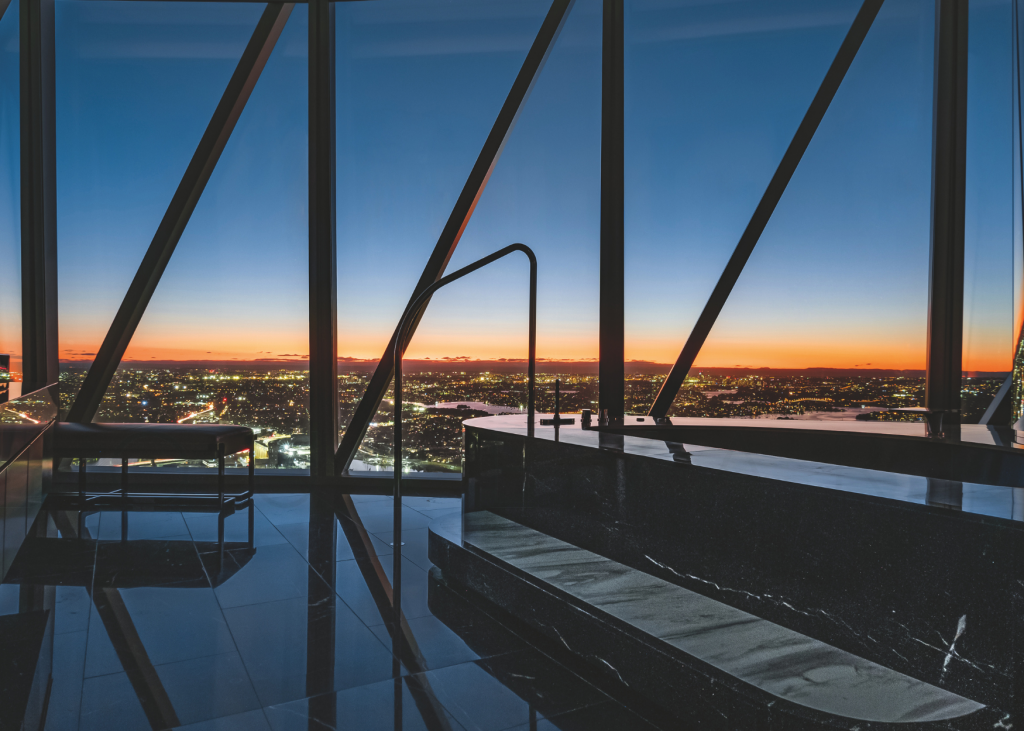
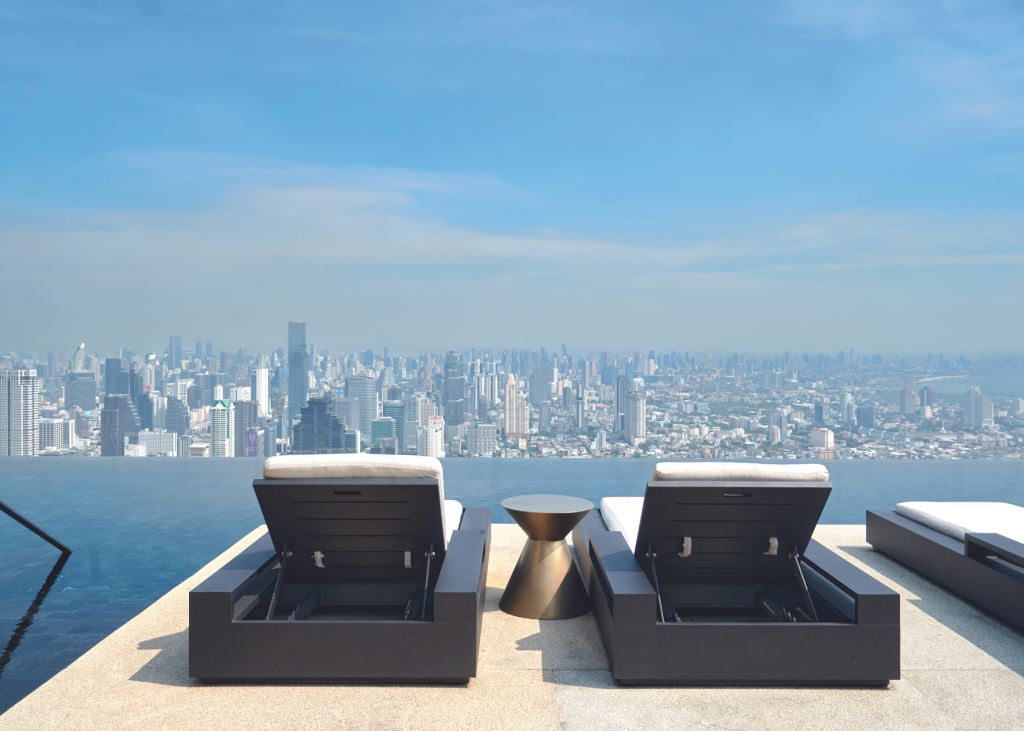
Branded residences for sale
Amenity-rich condos by the world’s foremost design, hospitality, and luxury brands.