The report: Otto Twist of Savills Singapore on the markets reshaping Southeast Asia’s branded residences
Interview by Hamish McDougall
Southeast Asia is, according to Otto Twist of Savills Singapore, the branded residence market the rest of the world has yet to catch up to, ranking second globally in maturity with 15 years of Thai product, a new Balinese project seemingly every fortnight, and Vietnam only now finding its feet. Savills’ Southeast Asia Director of International Residential Sales walks through the region in detail: Singapore’s scarcity-driven prices, the leasehold constraints reshaping Bali, Phuket’s maturing infrastructure, the due-diligence gauntlet in Vietnam, Japan’s next ski frontier, and what a cooling Gulf means for Singapore and Hong Kong as the region’s safe havens.
This is part of a series of interviews for our branded residences feature, go further with the Branded Residences Market.
Scarcity, not supply, sets Singapore’s price
Singapore’s branded residence market is old by regional standards and small by any standard—St. Regis and the first W have been on the ground for over a decade; Twist estimates that only three or four branded residence projects have reached completion; and a new Aman is arriving with a hotel and private members’ club attached to fewer than 30 branded residential Sky Villas atop the country’s tallest residential building. “It’s really scarcity that’s driving price growth in Singapore,” Twist says.
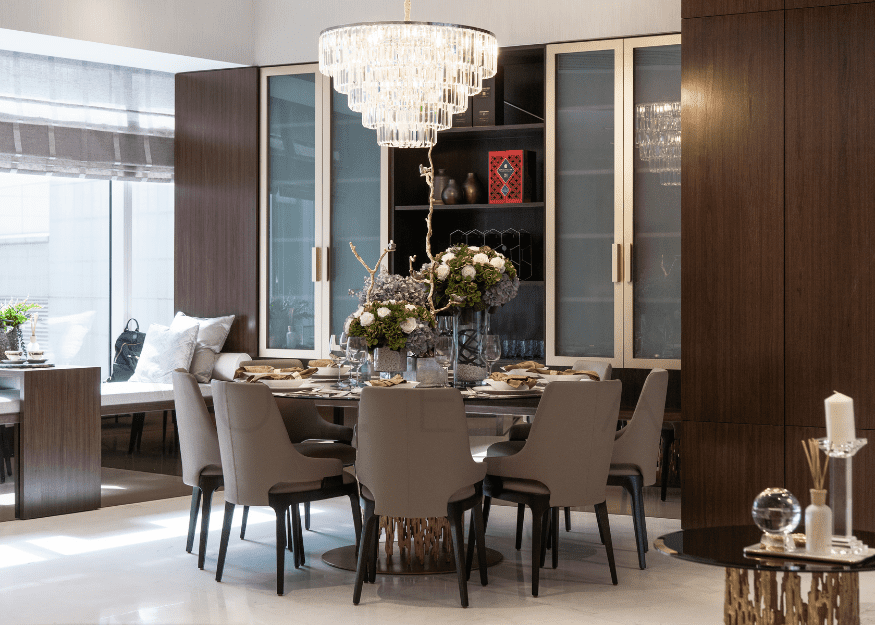

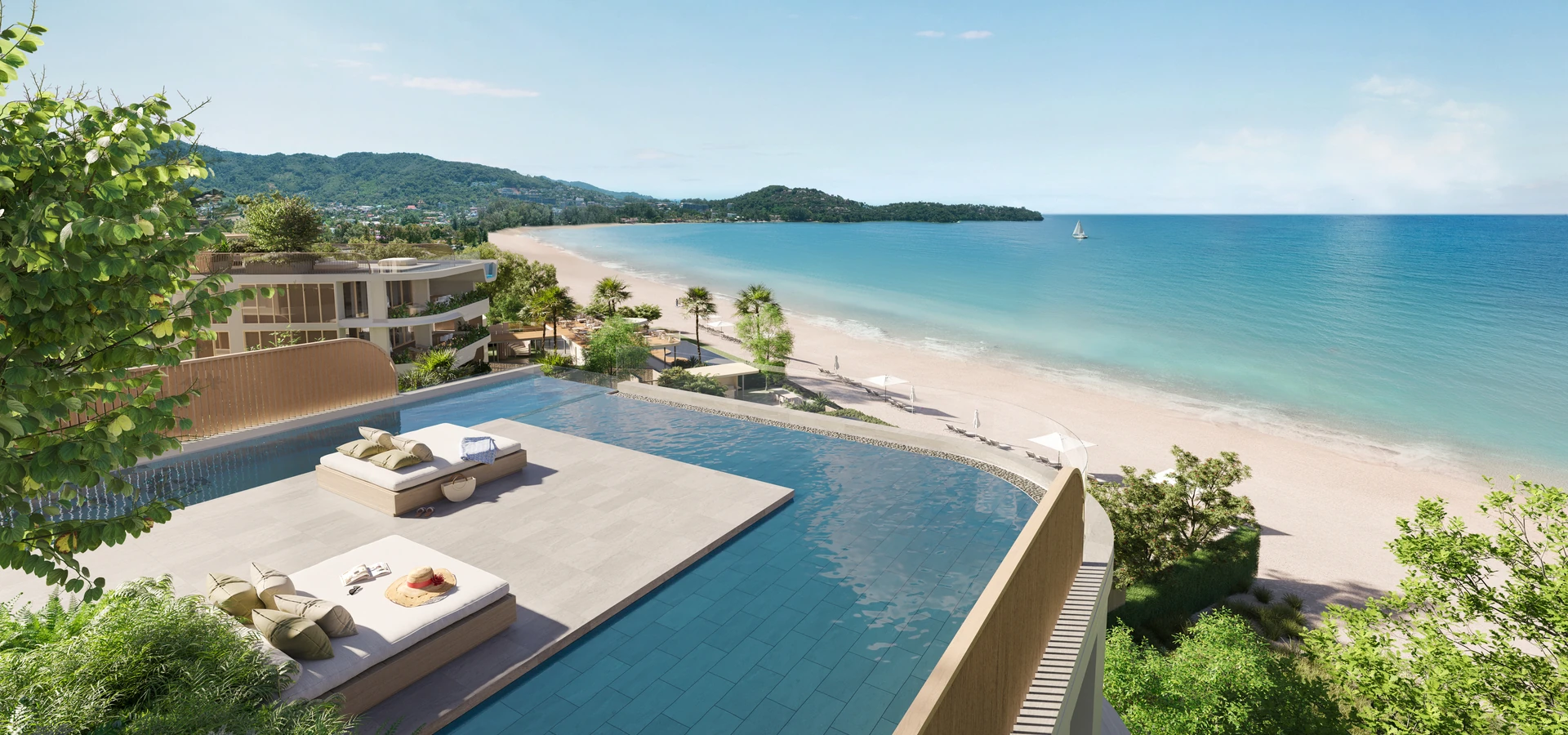
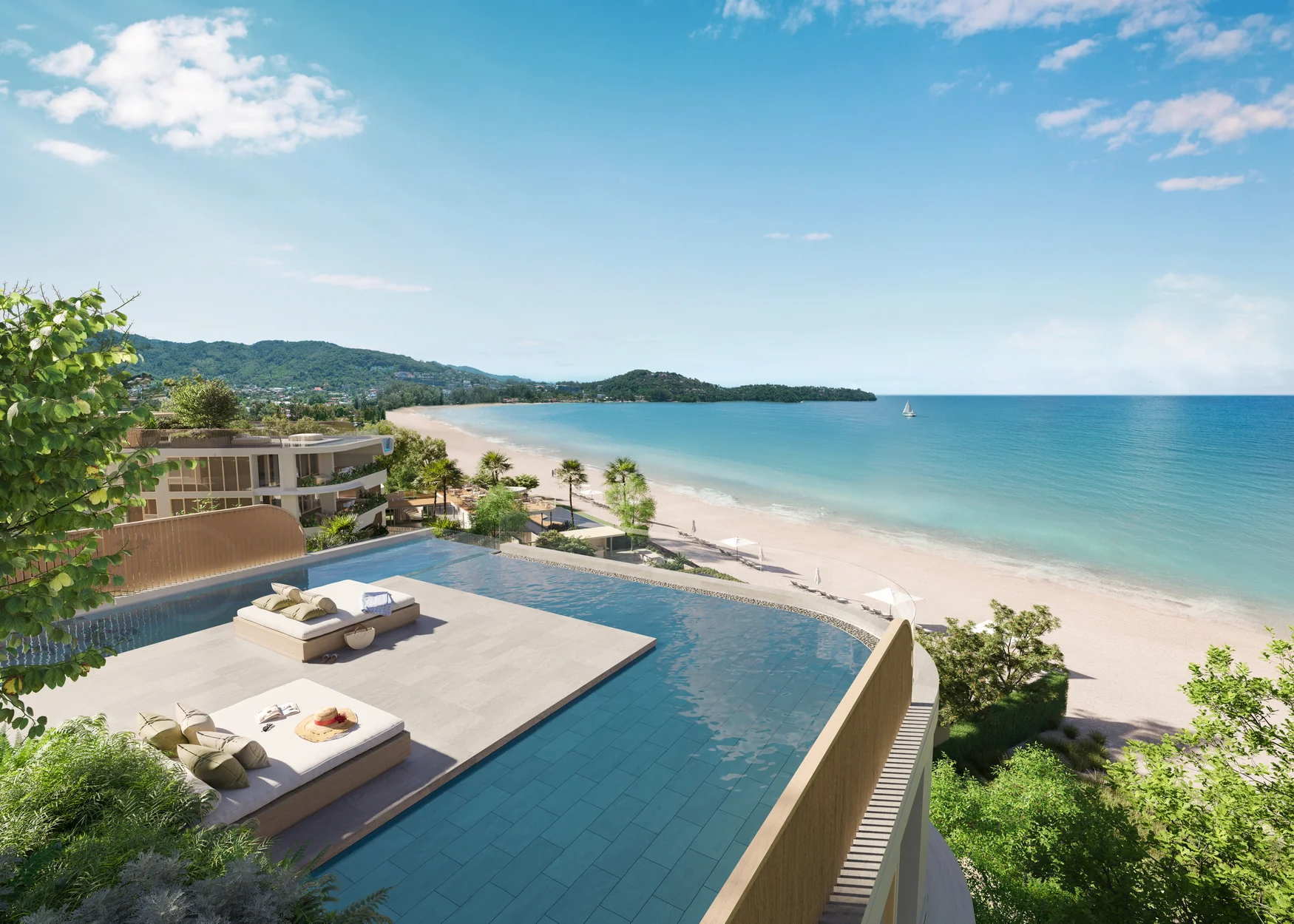
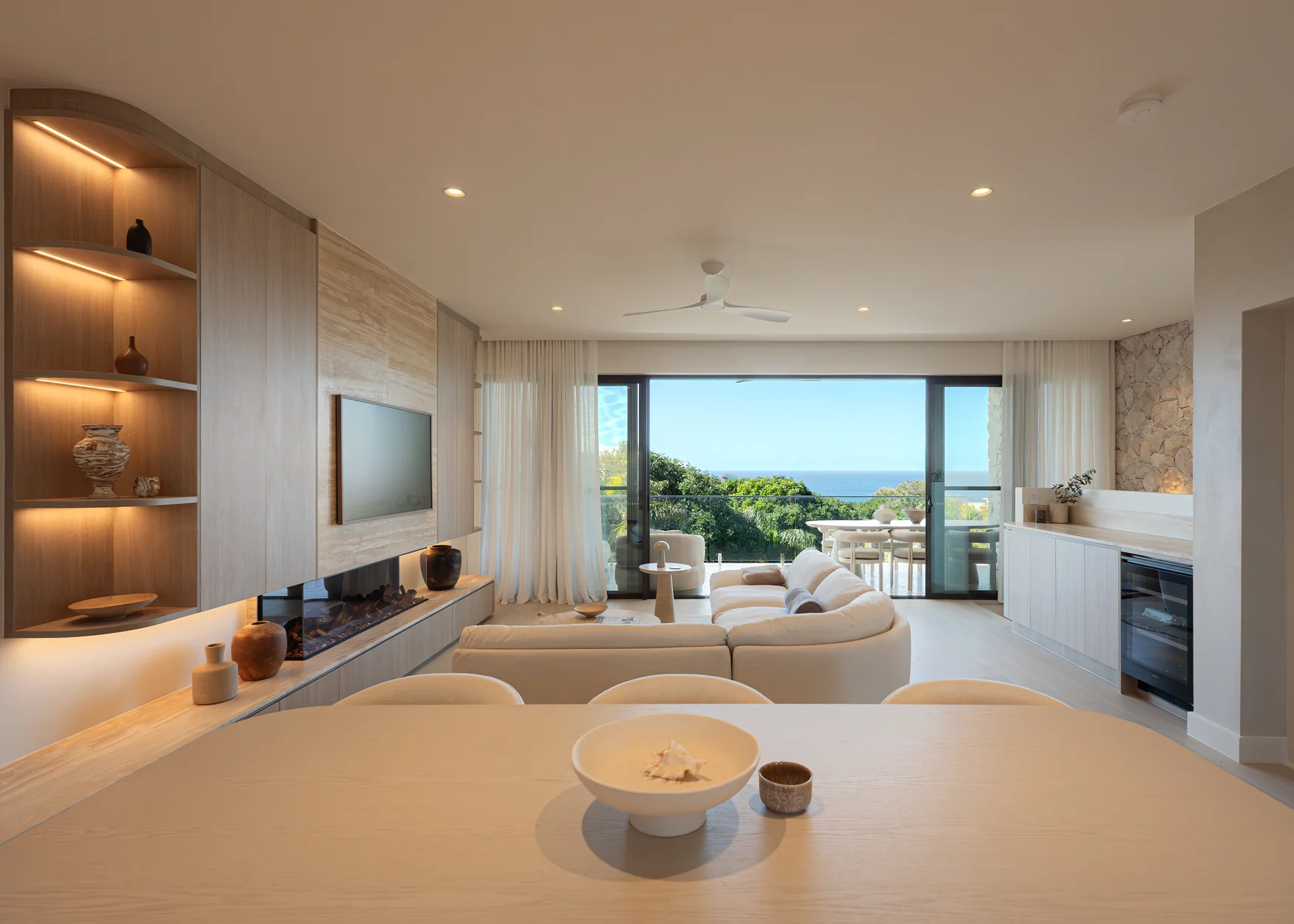
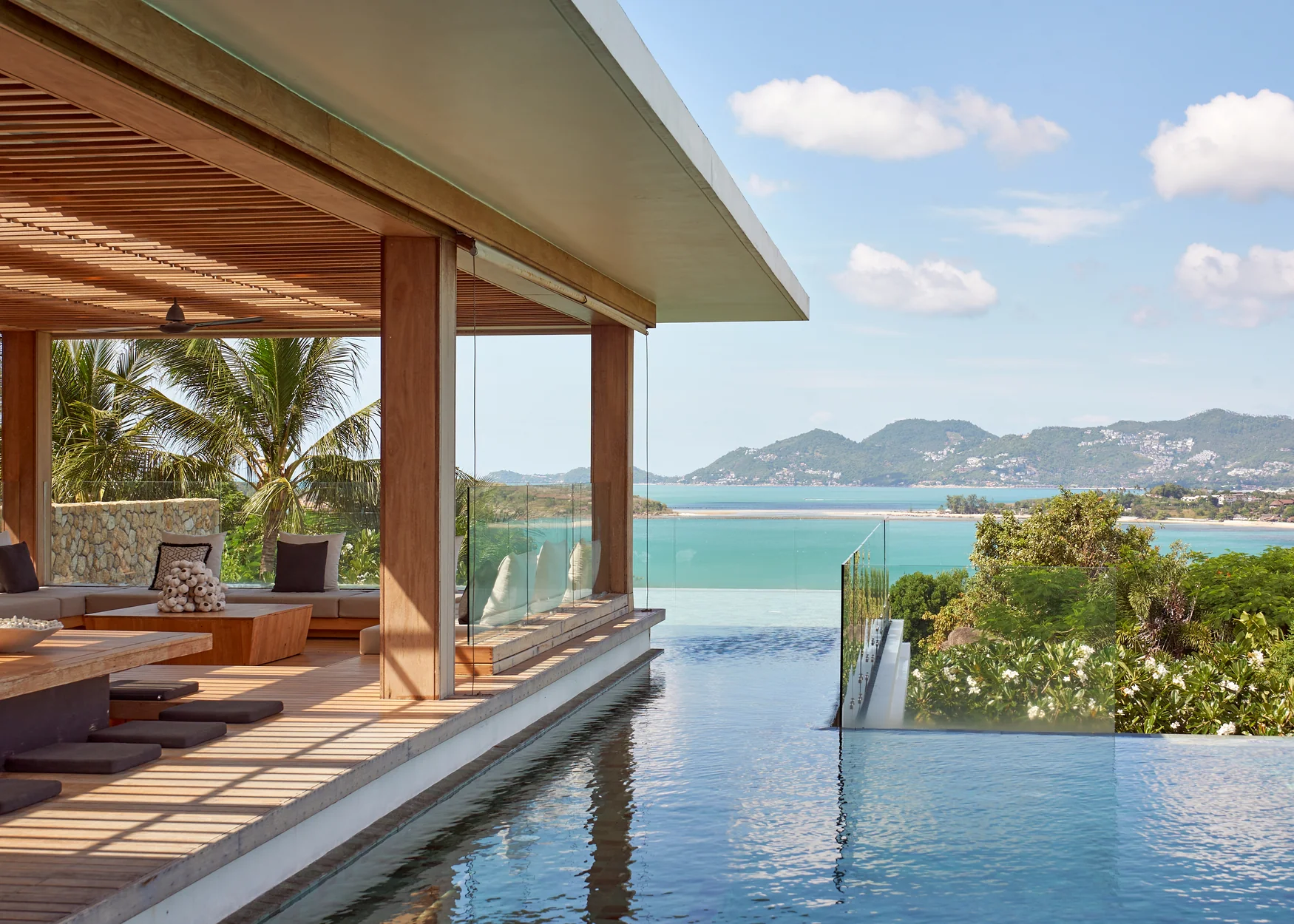
Dining and living areas at the St. Regis Residences Singapore, both finished in dark wood and grey tones. (Photos by Jin Chen Wong) Topmost: An infinity pool overlooking the Thailand coastline at Banyan Tree Beach Residences Oceanus, Phuket. (Photo courtesy of Savills Singapore)
Demand still runs mostly local. A 60 per cent Additional Buyer’s Stamp Duty applies to foreign purchasers, keeping Singaporean buyers dominant, though tax treaties with the United States, Switzerland, and Norway carve out an exception. According to Twist, “there are big business communities of Americans, Norwegians, and Swiss nationals in shipping and in banking here.”
Lifestyle outruns yield in Bali and Phuket
Bali’s constraint is tenure, not demand. Foreign ownership must be through an Indonesian partner and a leasehold that’s typically set at 20 to 30 years, with a further 20-year extension—call it a 50-year ceiling on a villa that might cost several million dollars. “A 50-year leasehold for a premium branded residential unit isn’t hugely attractive to a lot of people,” Twist says, though the villas at the incoming Mandarin Oriental have sold well regardless.
Buyers at the top of the market are there for lifestyle rather than yield. For Australians, that often means establishing a second base for their family. Increasingly, too, a different pool of buyers is arriving with wealth that has transited through Dubai before settling in Bali more permanently. This includes “day traders, remote workers, people who’ve made money through crypto,” relocating from Dubai, Russia, and Ukraine in search of security rather than return.
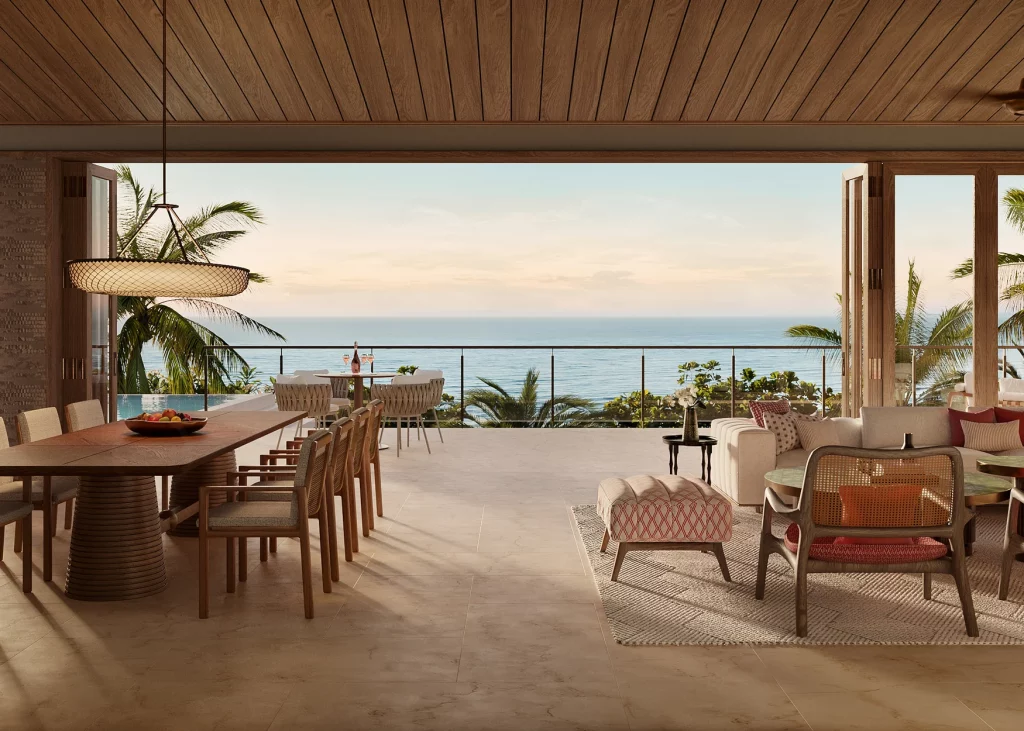
Mandarin Oriental Residences, Bali is set to open in 2027 on the Bukit Peninsula along Bali’s southern coast. (Photo courtesy of Savills Singapore)
Phuket is the same story but further along. Banyan Tree has led the market for two decades. Connectivity keeps improving, with Virgin Atlantic’s new London route landing this northern winter, alongside existing services from Russia, Korea, and the Middle East. But the buyer is typically an expat already based in Asia, treating Phuket as a retirement plan or a weekend home before eventually making the move permanent.
Stays of over two months are up 30 per cent this year alone. Twist is candid about the gap this opens between operators. Established brands are “trading well and doing well there,” he says, while newcomers “without a track record” are struggling to get the results or the price premiums compared to the established brands.
The boutique premium: Vietnam’s opportunity—and its risks
Across the region, the price premium a brand commands rose from 23 to 29 per cent over the past year—still short of the global average of 33 per cent, which Twist attributes to established cities like London and New York setting a ceiling Southeast Asia hasn’t reached.
What is closing the gap is a shift toward genuinely boutique product. “If you’re to command the price premiums we’re talking about, there’s only a certain number of buyers globally who are going to pay for it,” he says, pointing to Aman Singapore’s limited offering of Sky Villas, and the upcoming Mandarin Oriental in Bai Nom, Vietnam, with 25 residences. “Sub-50 really is where people, particularly in the urban resorts, get the scarcity value that really drives the premium.”
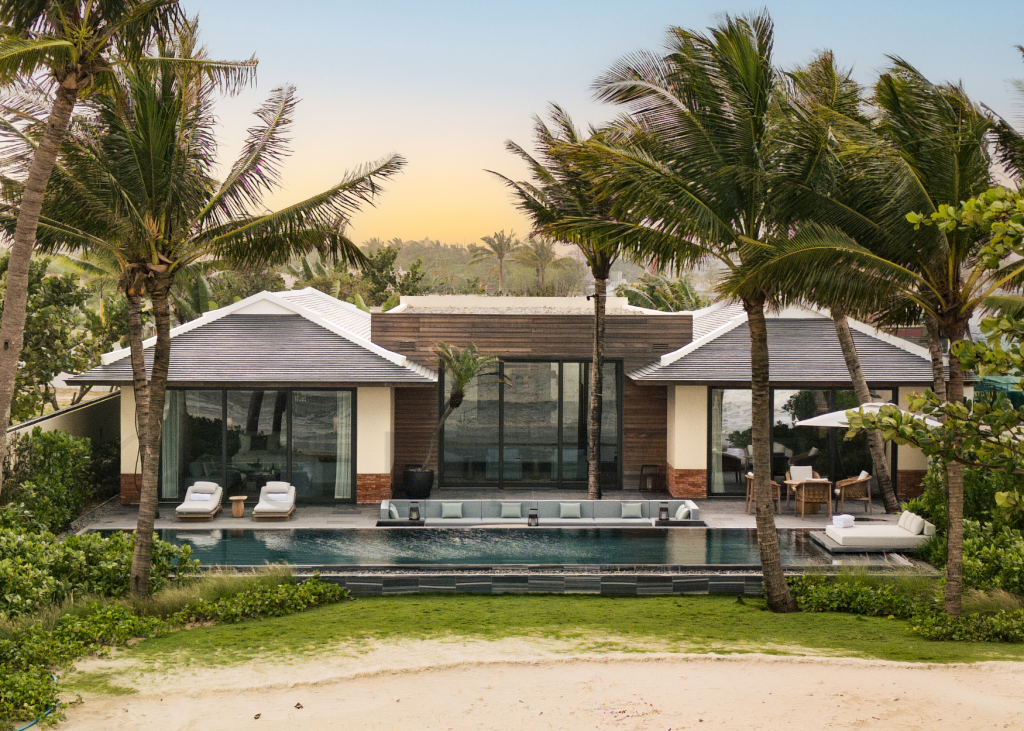
A beachfront villa at Mandarin Oriental Residences, Da Nang, with the pool opening directly onto the shoreline. (Photo by Jin Chen Wong)
Vietnam offers the greatest upside, but also demands the most due diligence. Twist’s checklist is unglamorous but specific: the brand on the building is only the operator, so buyers need to assess the developer’s own delivery track record, scrutinise its financing, and ensure the site has the necessary permits before proceeding. The length of the operator’s service agreement matters as much as the brand itself. “If it’s a five- to 10-year agreement, then suddenly in 10 years it may not be a hotel brand operating anymore,” says Twist.
His broader rule for high-growth markets: visit the site in person rather than trust a brochure or a floor plan. “Your instincts usually give you a pretty good idea whether it’s going to be delivered or not.”
Beyond Southeast Asia: From Niseko to the Gulf
In Japan, Niseko is the established benchmark. Park Hyatt led the market’s branded residence expansion from 2015 to 2017, and Twist says early buyers have already seen their apartment values double. Myoko is the next market he sees gaining momentum. Patient Capital has assembled land there for several hotels and branded residences, at what he expects will be a discount to Niseko pricing, with ambitions toward a true Four Seasons resort.
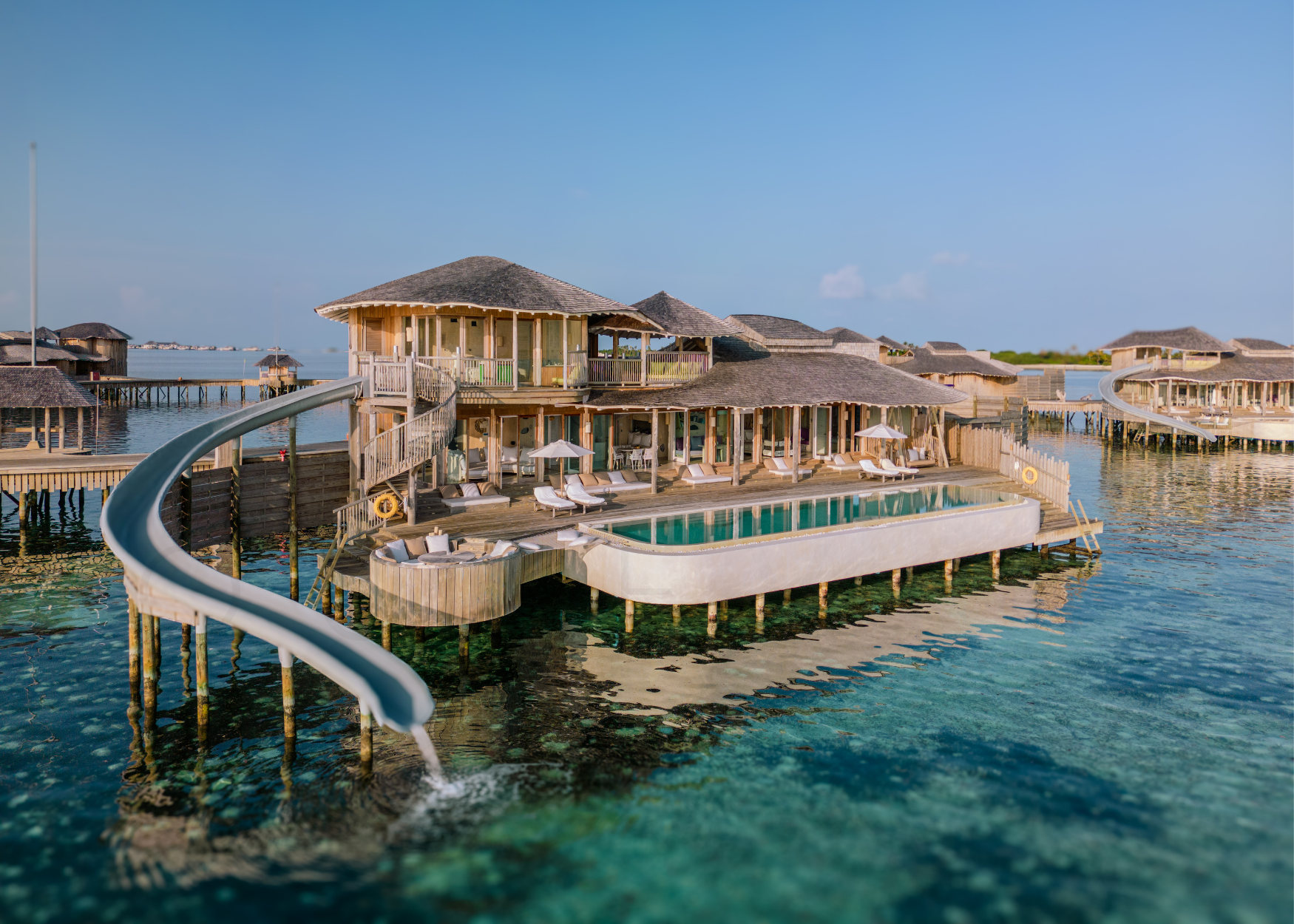
A two-storey overwater villa at Soneva Jani, Maldives, with a slide down into the lagoon. (Photo by Jin Chen Wong)
The Maldives has quietly signed around eight branded-hotel agreements in the past year, with meaningful supply due within two years. Twist sees it as a genuine five-star, lifestyle-led market rather than a yield play. Dubai’s run of 25 per cent annual growth was never sustainable, and the current normalisation is a correction rather than a collapse: transaction volumes have held up through it, even as headlines called the market’s end. Abu Dhabi, by contrast, has followed a steadier trajectory, helped by having remained comparatively undervalued through Dubai’s boom years.
What that Gulf uncertainty produces, reliably, is inbound interest in Singapore and Hong Kong—both read as safe, secure, and lifestyle-rich whenever the region gets nervous.
Read next:
- Inside Singapore’s ultra-prime property market: Where UHNW buyers are looking
- Insights into Vietnam’s growth as a global luxury destination and the soon-to-rise One Central Saigon, from Masterise Group’s Minh Phuong Nguyen
Explore luxury properties in Singapore
In brief: Southeast Asia’s branded residence market
Otto Twist of Savills Singapore reports on a market where price premiums have climbed to 29 per cent on scarcity alone, while ultra-high-net-worth buyers are increasingly choosing Singapore, Bali, and Phuket for their combination of lifestyle, security, and established operators.
Investor insights:
- Connectivity into the region keeps improving. Virgin Atlantic begins the only direct London–Phuket service in October 2026, flying three times weekly, alongside established routes from Russia, Korea, and the Middle East.
- Singapore offers freehold or long-leasehold strata title with no equivalent foreign ownership quota, offset instead by the stamp duty. The 60 per cent Additional Buyer’s Stamp Duty for foreigners has held since 2023, with treaty exemptions still drawing American, Swiss, and Norwegian buyers.
- Bali runs on an effective 50-year ceiling for foreign buyers—a 20 to 30-year leasehold plus a 20-year extension, held through an Indonesian partner rather than direct freehold.
- Thailand caps foreign freehold condominium ownership at 49 per cent of a building’s saleable area under the Condominium Act, with the balance sold to Thai nationals or held leasehold.
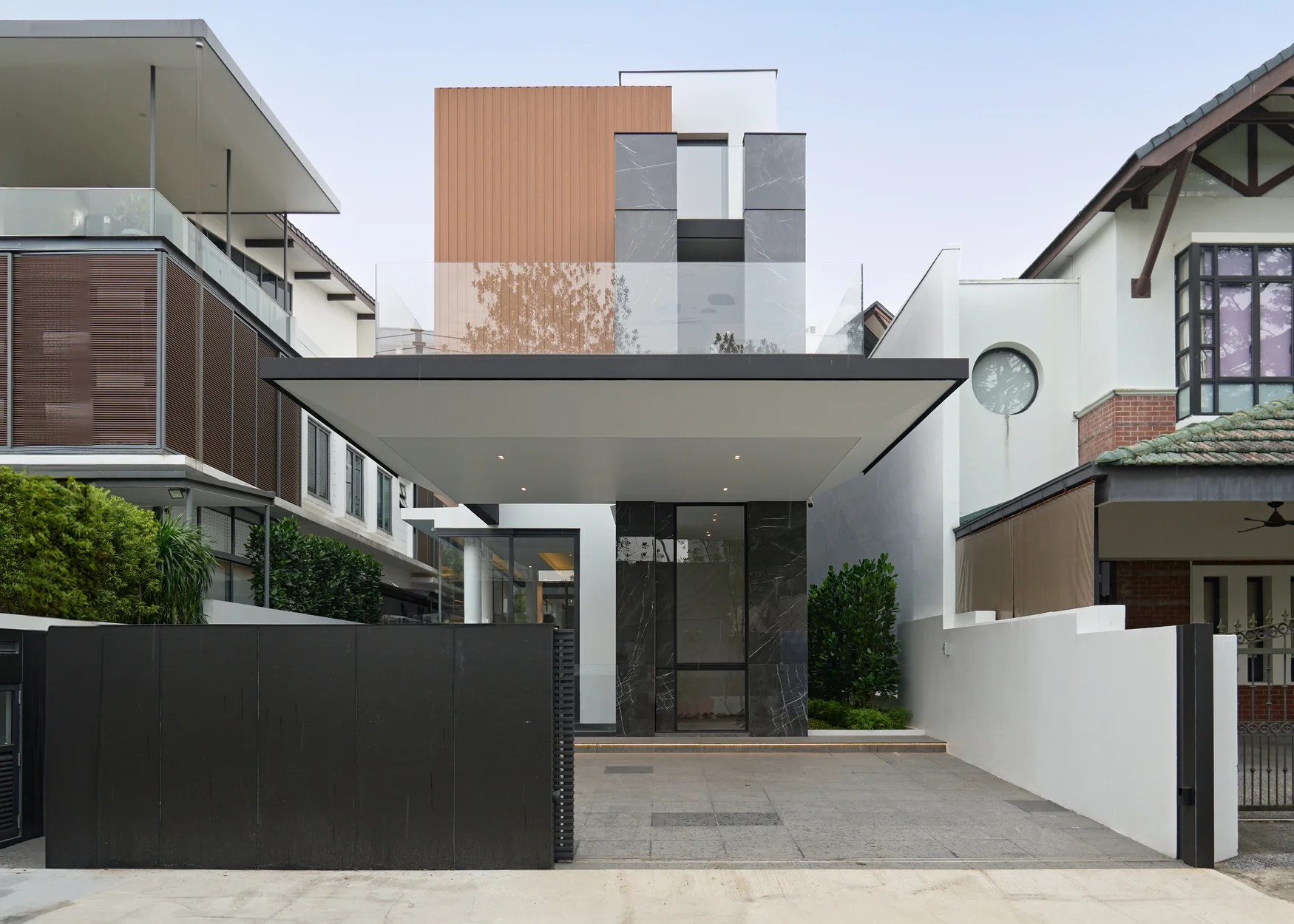
8+1 bed | 10,200 sqft area 19,500,000 SGD
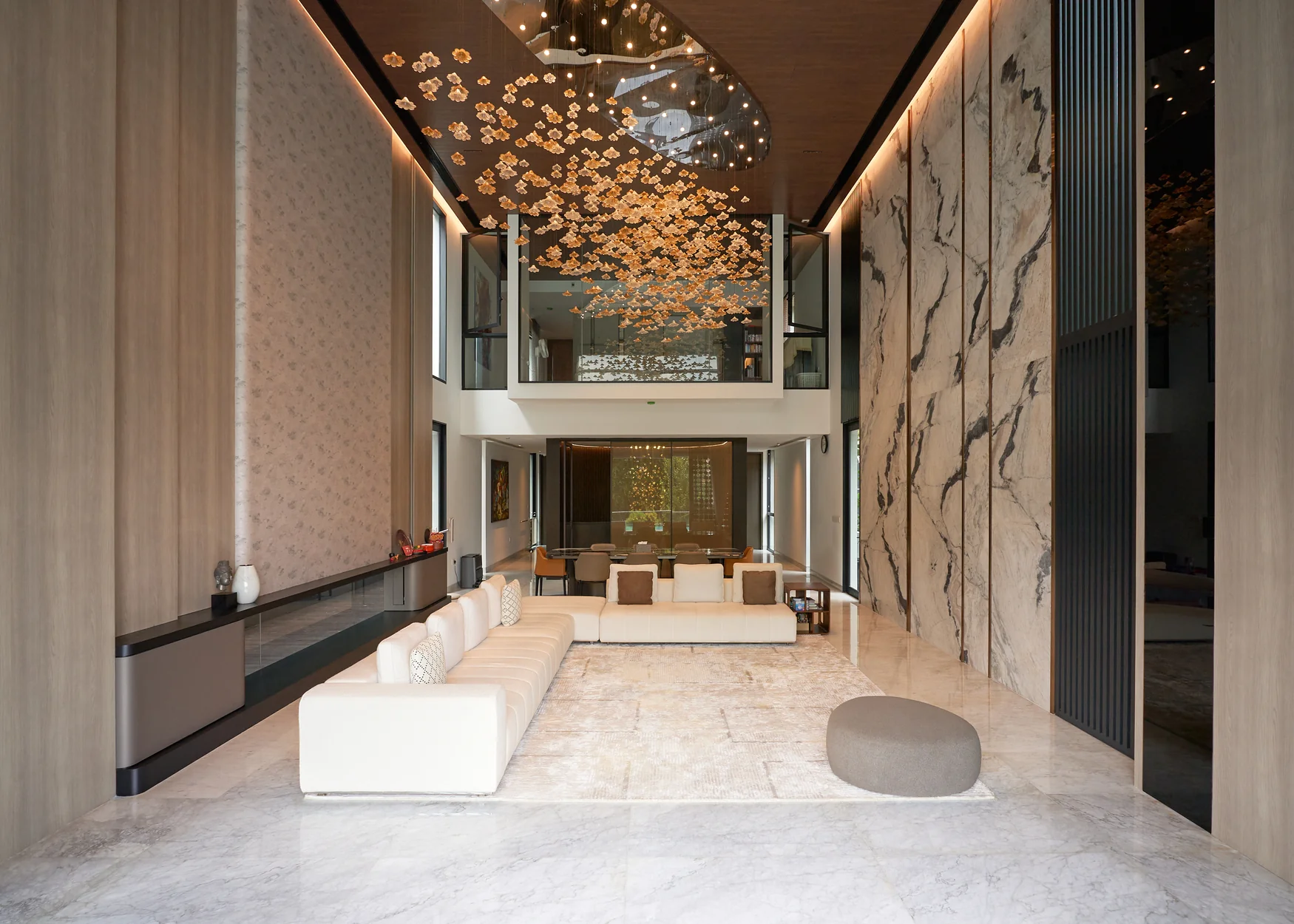
5 bed 19,380,000 SGD
4 bed | 4,208 sqft area POA
3-8 bed | 699,654 - 784,080 sqft area POA
6 bed POA