

The report: Meryl Carter on the buyers shaping Perth’s ultra-prime market
Interview by Hamish McDougall
Perth’s most expensive homes sit along two stretches of water: the Indian Ocean beaches of the western suburbs and the Swan River as it winds south and east towards the city. Meryl Carter of Luxury Real Estate Sales sells the riverfront from A$10 million upwards, and she describes who is buying at that level, what they seek in a property, and what ultimately prompts them to move.
Explore luxury properties in Australia
Perth’s prestige suburbs and waterfront addresses
Within the prestige market, five western suburbs stand out in Carter’s ranking. Mosman Park leads, followed closely by Peppermint Grove, then Cottesloe, Dalkeith, and Nedlands. Long-established Western Australian families are concentrated in Mosman Park and Dalkeith, while Cottesloe has a particularly strong association with inherited wealth. Its beachfront apartments now command prices of approximately A$10 million to A$14 million, attracting established homeowners looking to downsize without leaving the area.
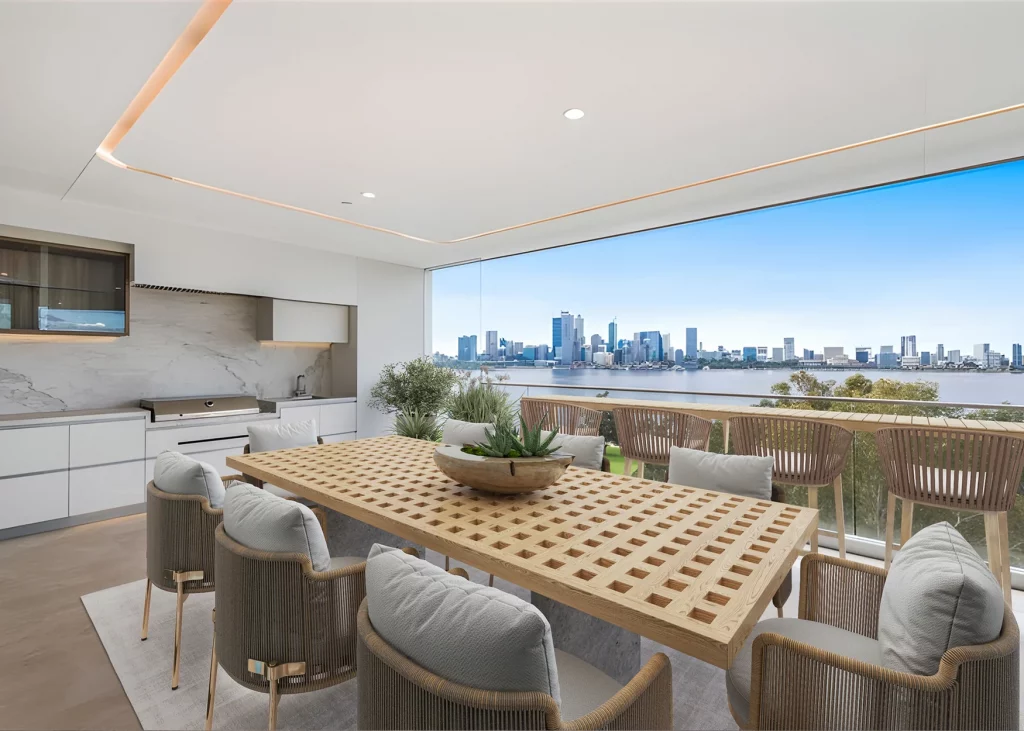
A Parker Street residence looks out across the Swan River, with Perth’s skyline rising beyond the foreshore. Top: Waterfront residences lining the South Perth Esplanade.
Beyond the western suburbs, the market is shaped by the Swan River. Some of the sought-after riverfront addresses extend south through Bicton, Applecross, Mount Pleasant, and South Perth, before reaching East Perth, where Carter estimates there are no more than half a dozen waterfront homes. Applecross and South Perth offer considerably more choices, with the highest-priced listings currently reaching A$30 million and A$20 million respectively.
Land, lifestyle, and generational wealth
At the upper end of the market, land, privacy, and lifestyle remain key purchasing considerations. Carter says buyers are often seeking substantial holdings that can accommodate their families across generations. One recent A$35 million sale, for example, involved a 2,000 sqm property with five bedrooms, five bathrooms, a games room, gymnasium, and large swimming pool.
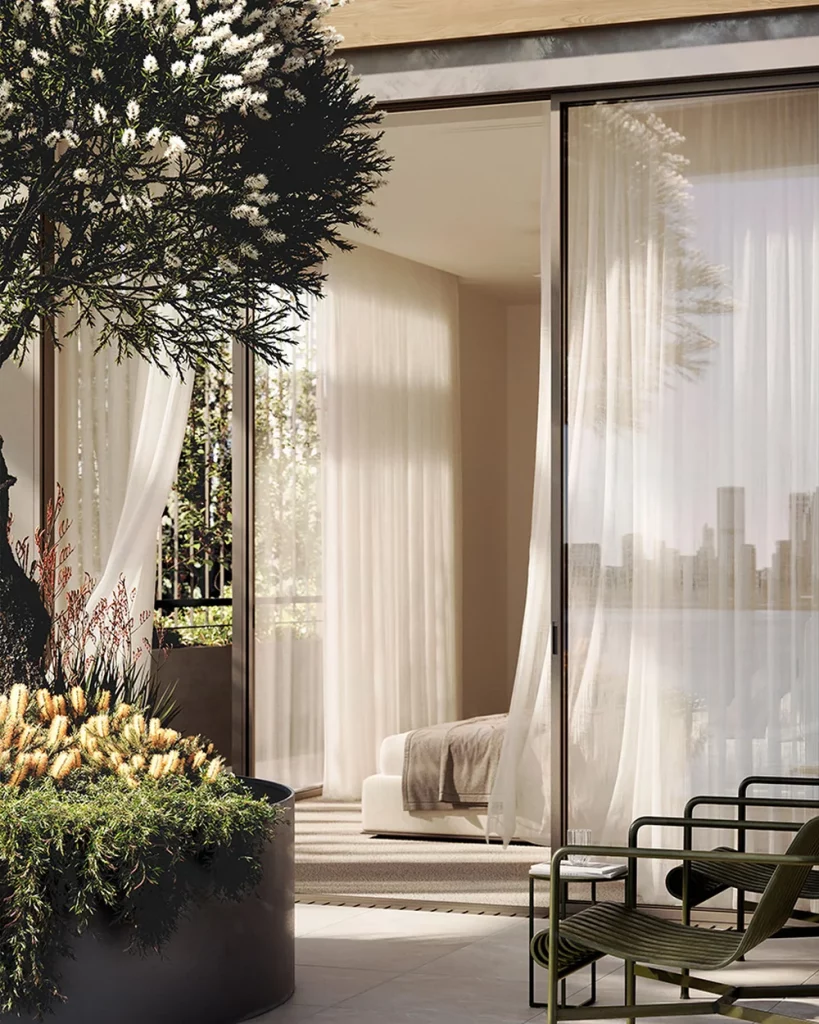
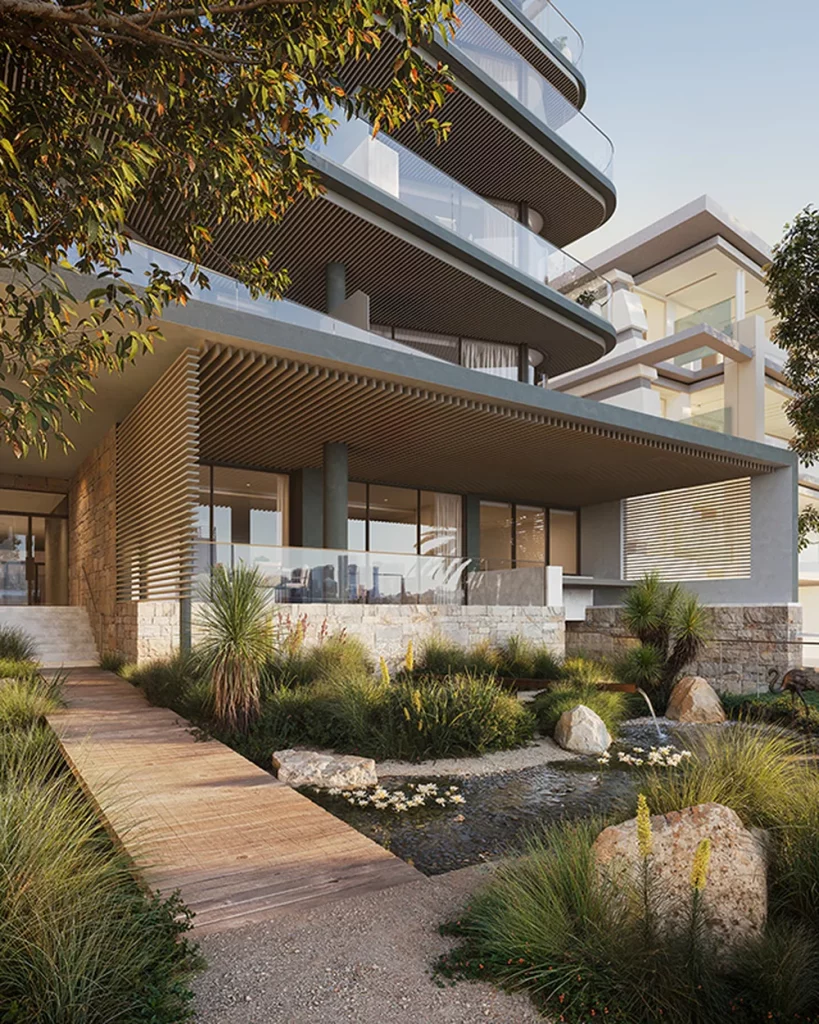
An artist’s rendering of the open-plan interiors and exterior of Ninety Seven, a boutique development on South Perth Esplanade.
The preferences of younger affluent buyers differ from those of the established property-owning generation. Carter says they place greater emphasis on lifestyle, with buyers seeking acreage, hobby farms, or properties in Margaret River, often alongside a waterfront apartment.
Perth’s coastal lifestyle continues to attract returning residents, although affordability is no longer a primary reason for relocating west.
With Victoria now comparatively less expensive, Carter says many buyers moving to Perth are instead returning to their place of origin to be closer to family.
A shift in international demand
One of the most significant changes Carter has observed is the decline in offshore demand, particularly from Asian buyers. She attributes this partly to the enhanced anti-money laundering requirements introduced for the real estate sector in July 2026, which have added another layer of due diligence to property transactions, including identity verification and disclosure requirements.
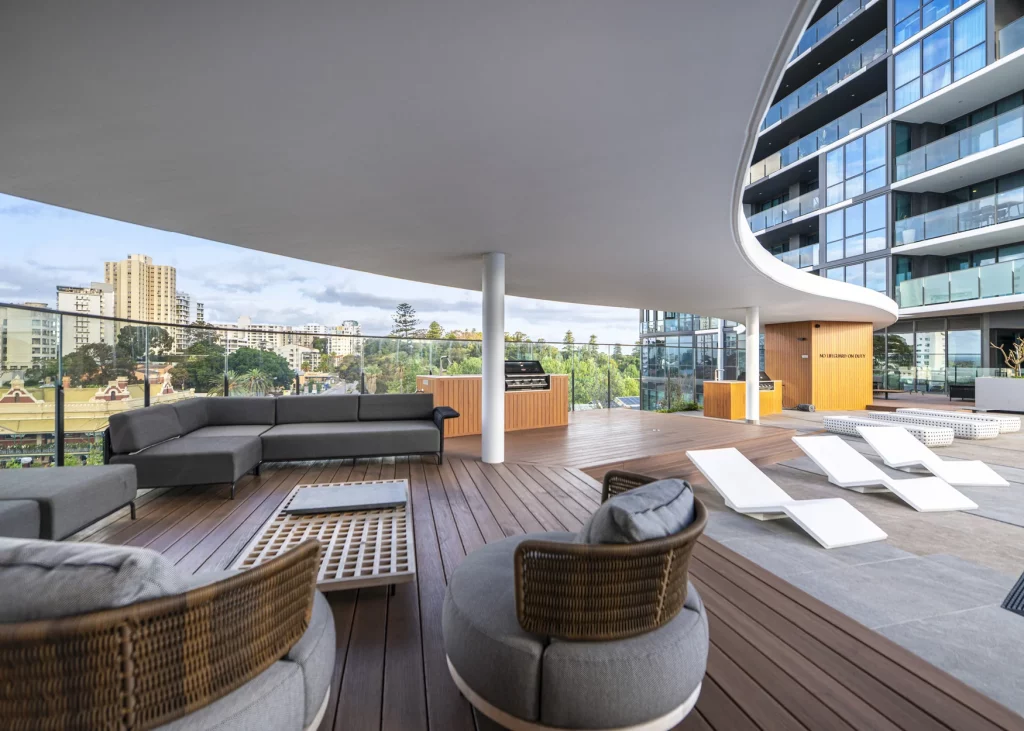
The pool deck at a Mends Street condo, offering a resort-style retreat for residents.
Many of Carter’s previous offshore clients operated businesses in Indonesia while residing in Singapore, maintaining homes in Perth or Sydney. She estimates that most had personal wealth exceeding A$100 million, but says she is no longer seeing the same level of activity from this group.
However, one segment of international demand remains active: families with children attending school in Australia. These buyers are seeking residences in Western Australia and often spend upwards of A$10 million.
The extended ban on foreign purchases of established homes, now running until June 2029, has narrowed their options, generally directing eligible purchases towards new or off-the-plan properties.
Carter believes the proposed changes to negative gearing and the capital gains tax discount, scheduled to take effect in July 2027, could be reversed under a future government, although she expects the anti-money laundering requirements to remain.
A cautious market at the top
Perth has a relatively small pool of buyers at the highest price points. Carter estimates the city has fewer than 10 homes valued above A$30 million, with insufficient buyer depth to sustain the same price levels seen in markets such as Noosa and Sydney. She identifies two distinct segments: a handful of buyers above A$20 million and a broader group in the A$7 million to A$20 million bracket, who are currently taking a more cautious approach.
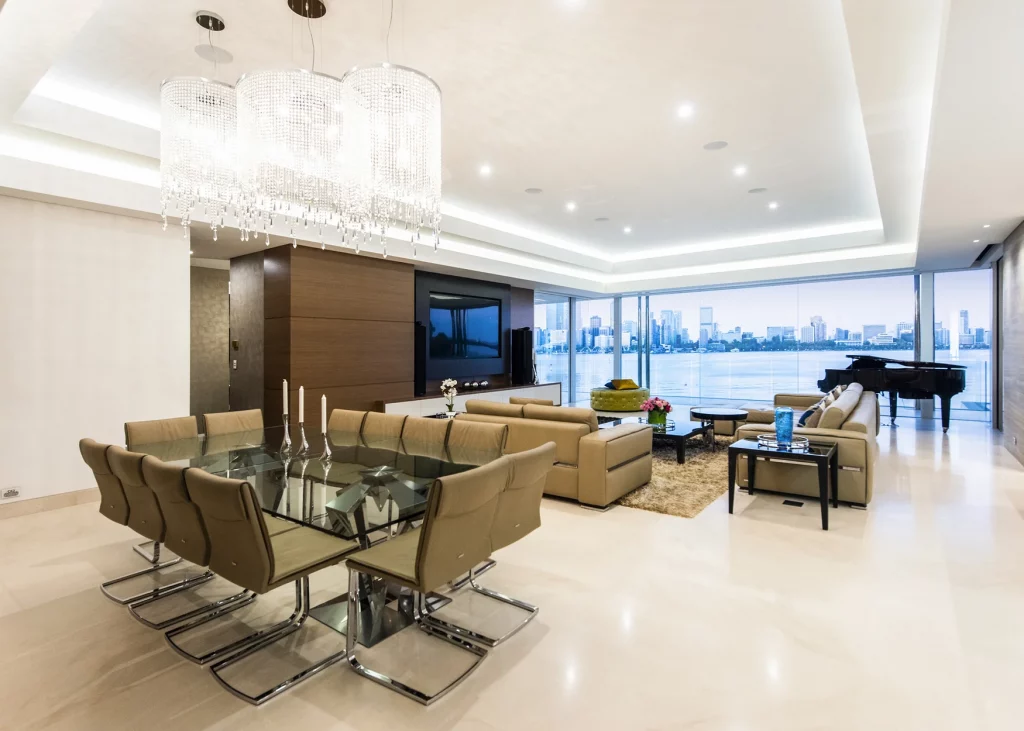
The main living area of a South Perth Esplanade penthouse, shaped by natural light and riverfront views.
At the upper end, transactions are increasingly conducted privately. Carter points to a Perth property that sold off-market for A$35 million the week before the interview. Its buyer had reportedly been searching for six months, likely with the assistance of a buyer’s agent. While owners below A$20 million may be comfortable advertising their properties, those above it generally favour discreet sales.
Meanwhile, buyers in the A$7 million to A$20 million bracket are holding back amid uncertainty over where prices may settle. Carter describes this as “sitting at the bus stop”, with prospective buyers waiting for a more favourable opportunity that may not materialise, leaving them hesitant to commit.
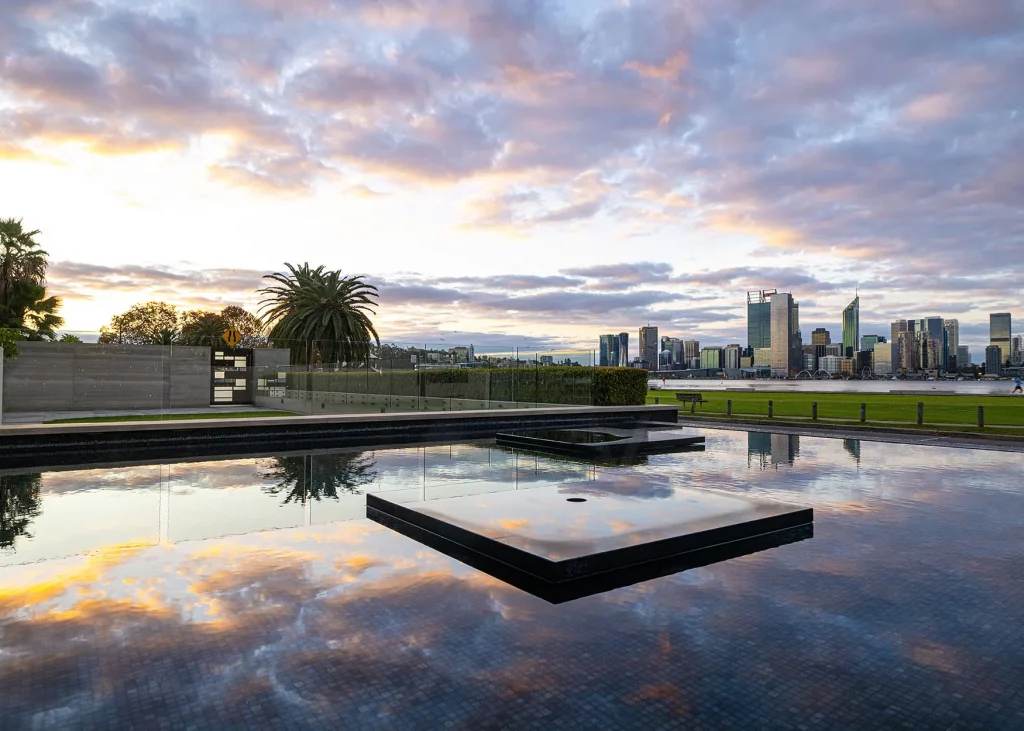
The swimming pool at a South Perth Esplanade development.
Unlike conventional property markets, Carter says sales at this level are often dictated by personal circumstances rather than prevailing conditions. Long-term homeowners may decide to downsize as their needs change with age, while favourable weather can help prompt transactions. With Perth approaching its summer selling season, she expects conditions to become more conducive to property sales.
Go further with Meryl Carter’s property listings:
- Parker Street: An elevated South Perth apartment with expansive terraces overlooking the Swan River
- Mends Street: A South Perth penthouse complete with a private garage and resort-style amenities
- Whole-floor penthouse on South Perth Esplanade, featuring a private lift access and a dedicated wine cellar
- Ninety Seven: A boutique collection of seven riverside residences with landscaped grounds in South Perth
Read next:
- What Noosa’s increasingly desirable property market means for ultra-prime buyers
- Nobody has made fractional ownership work in Australian ultra-prime property. A Noosa developer has the licence, the trust, and the residences to try
In brief:
The market: Perth’s ultra-prime property market is concentrated around two key locations: the Indian Ocean-facing western suburbs and the Swan River corridor. Waterfront homes in Applecross and South Perth command asking prices of up to A$30 million, while transactions above A$20 million are often handled off-market.
Who’s buying: Established Western Australian families continue to shape the market, particularly in Mosman Park, Dalkeith, and Cottesloe. Younger affluent buyers are increasingly drawn to lifestyle properties, including acreage, hobby farms, and residences in Margaret River. Offshore demand, particularly from Asian buyers, has declined, while families with children studying in Australia remain active buyers.
What’s changing: New anti-money laundering requirements have added another layer of compliance for property transactions, which Carter believes has contributed to the decline in offshore activity. Buyers in the A$7 million to A$20 million bracket are also taking a more cautious approach, while the pool of purchasers above A$20 million remains relatively small.
The takeaway: Perth’s ultra-prime market is driven less by conventional property cycles than by lifestyle preferences, generational wealth, and personal circumstances. Scarce waterfront holdings, substantial land, and properties offering long-term family appeal continue to define its most valuable segment.
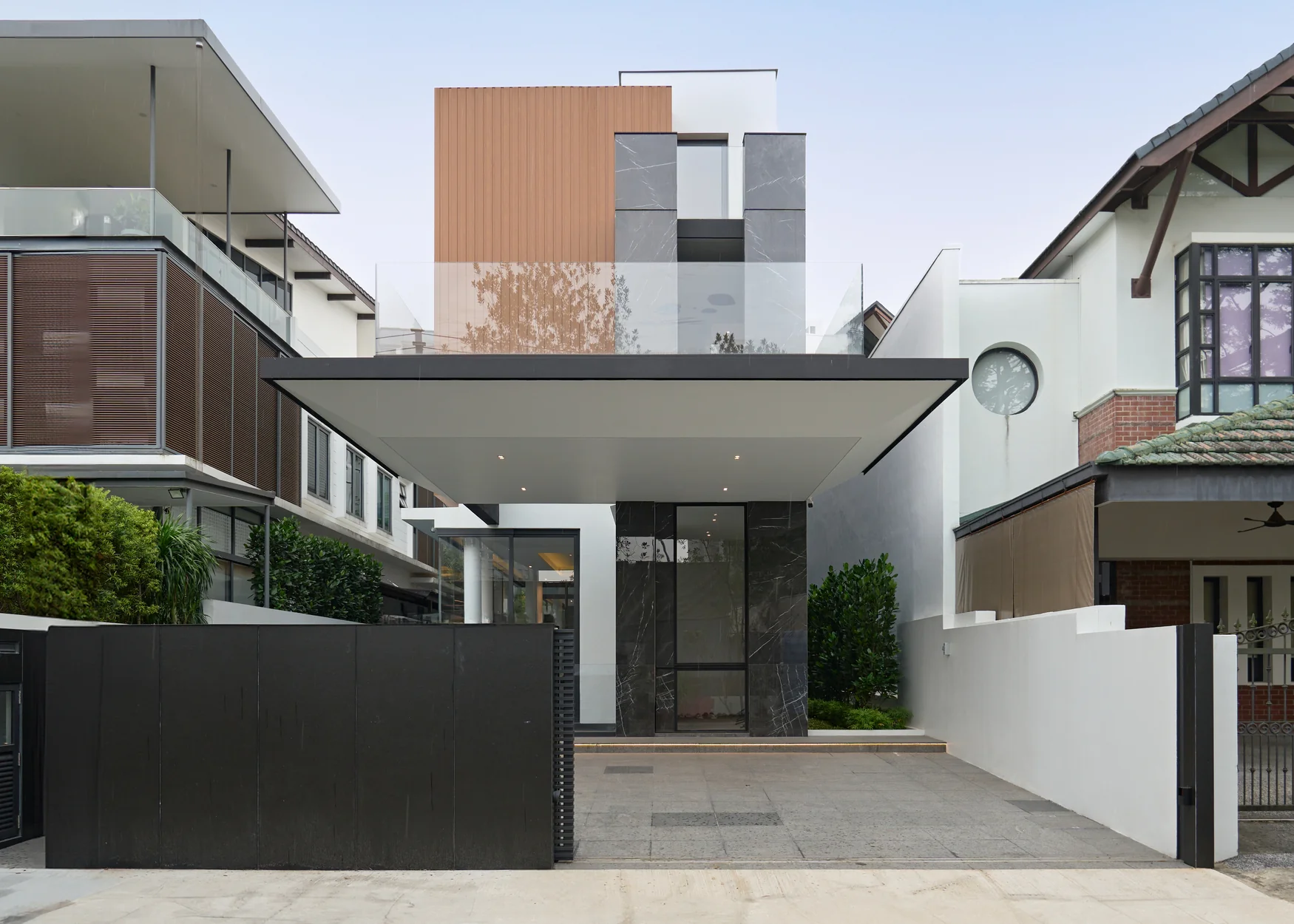
8+1 bed | 10,200 sqft area 19,500,000 SGD
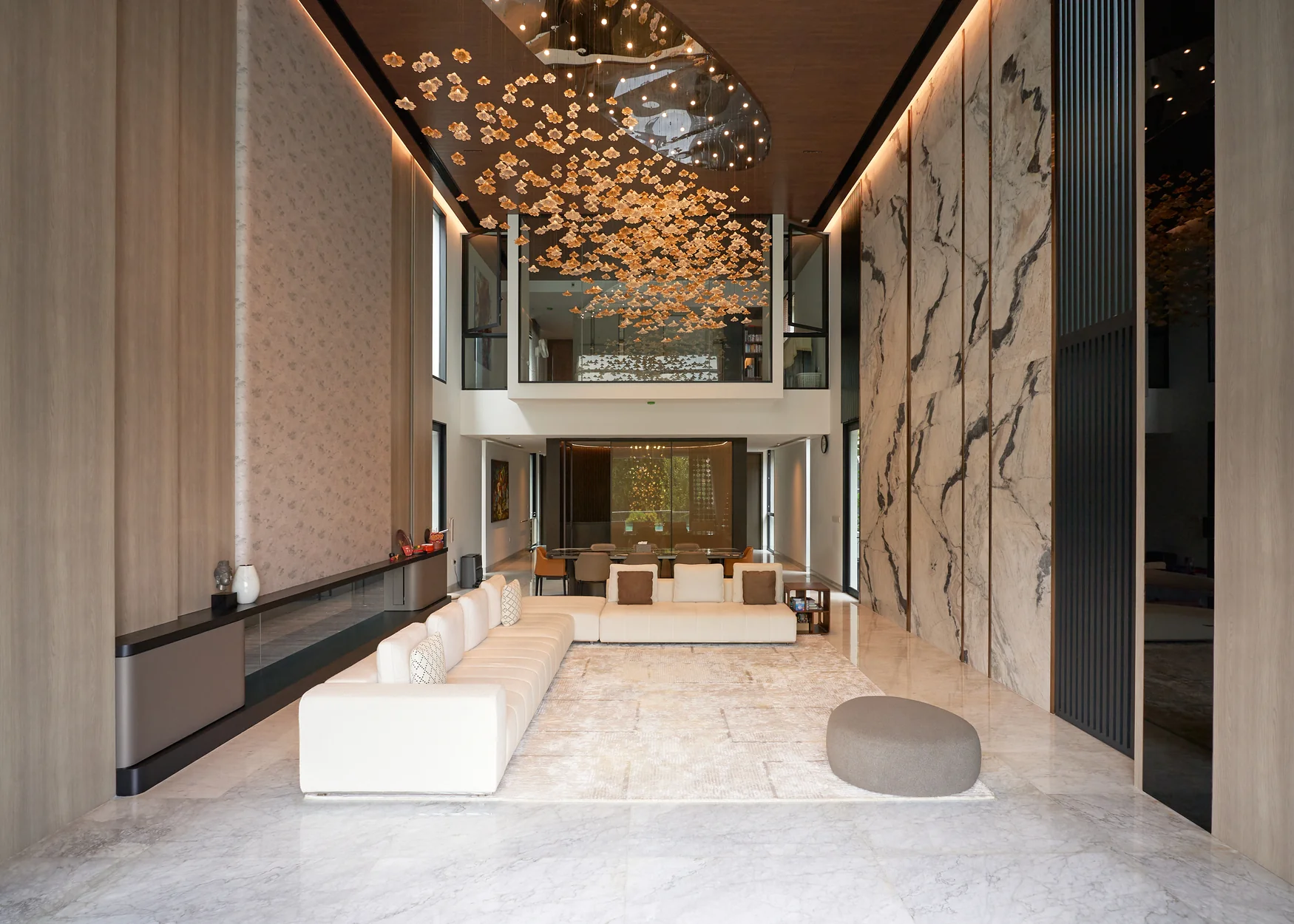
5 bed 19,380,000 SGD
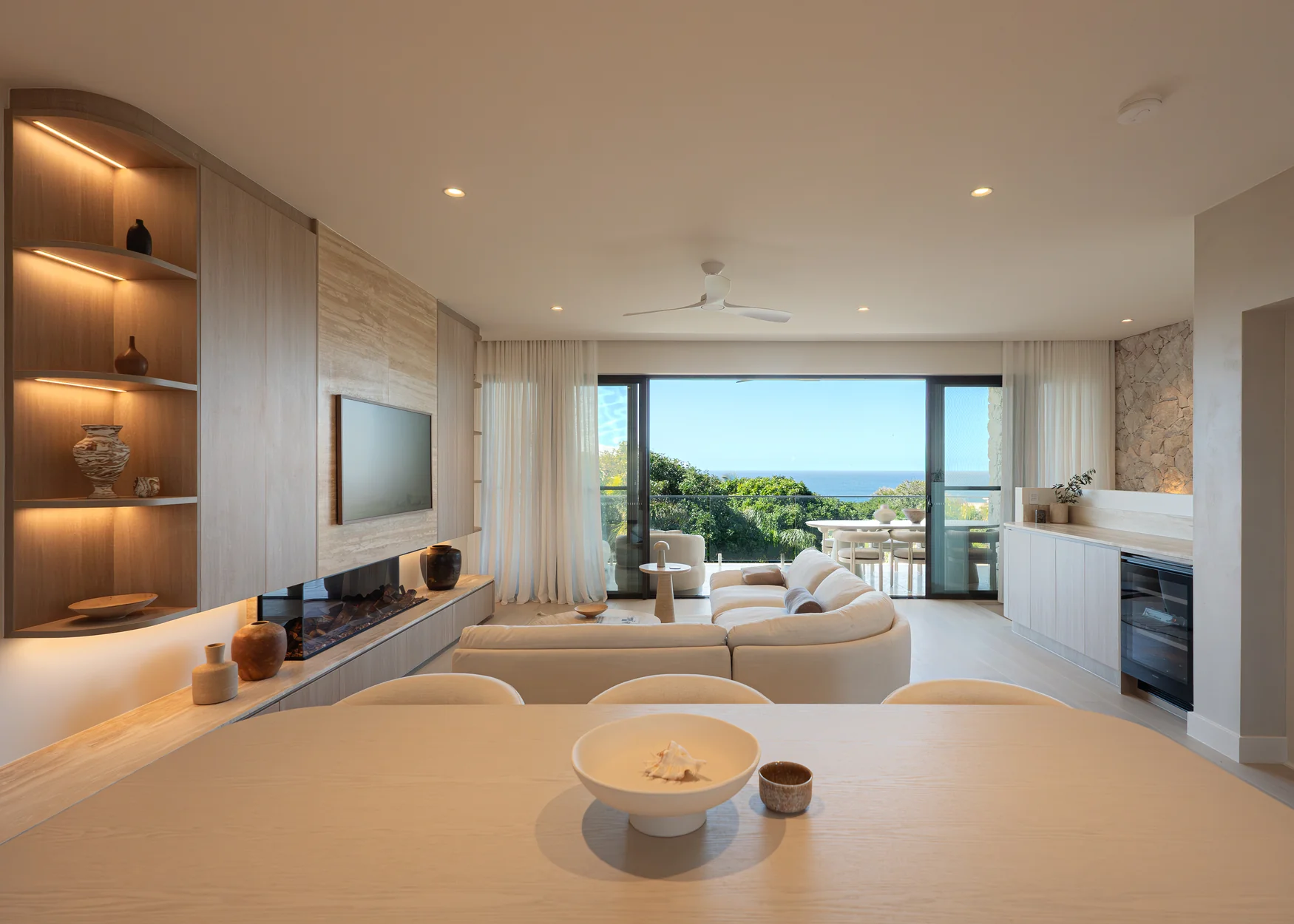
4 bed | 4,208 sqft area POA
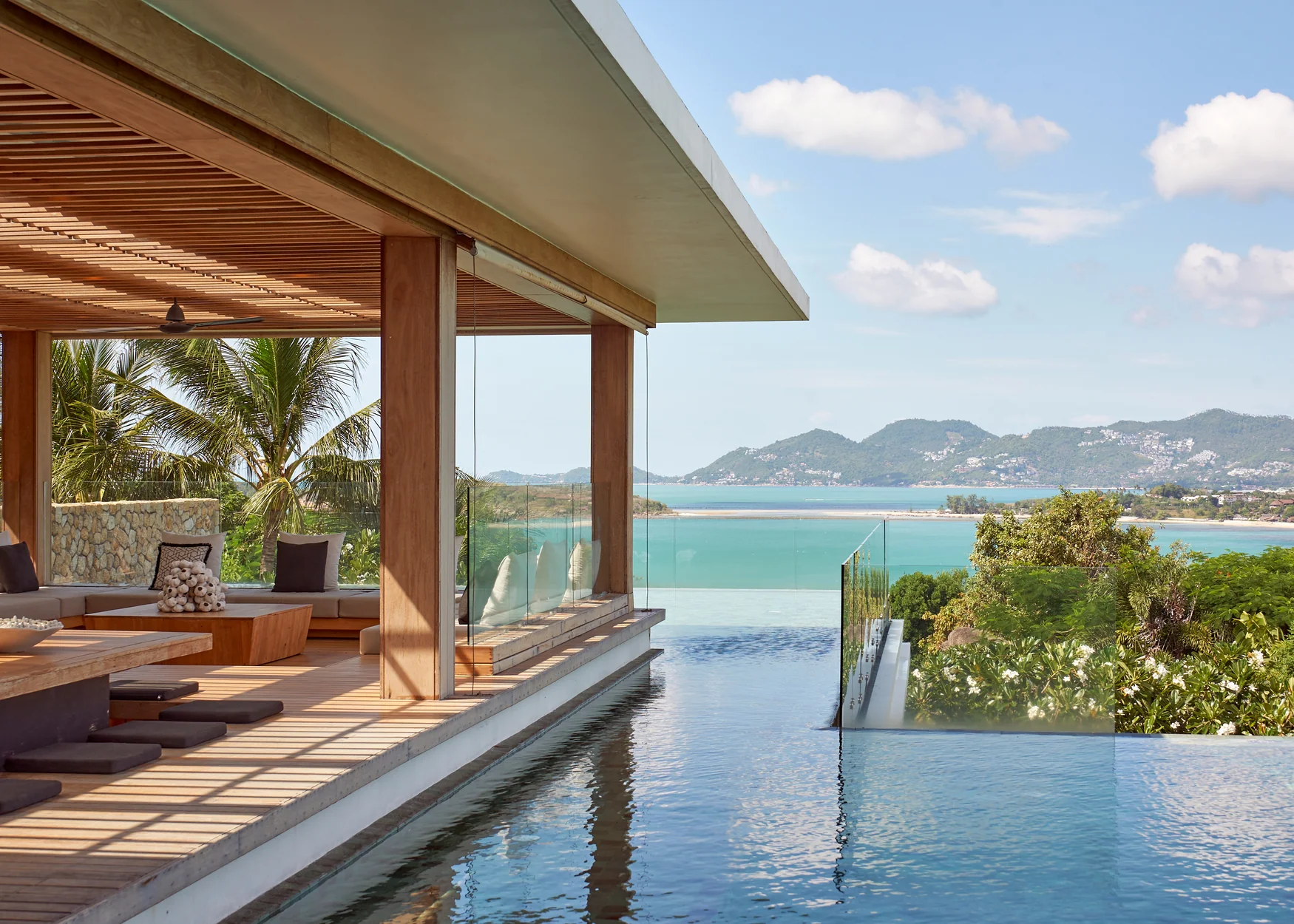
3-8 bed | 699,654 - 784,080 sqft area POA
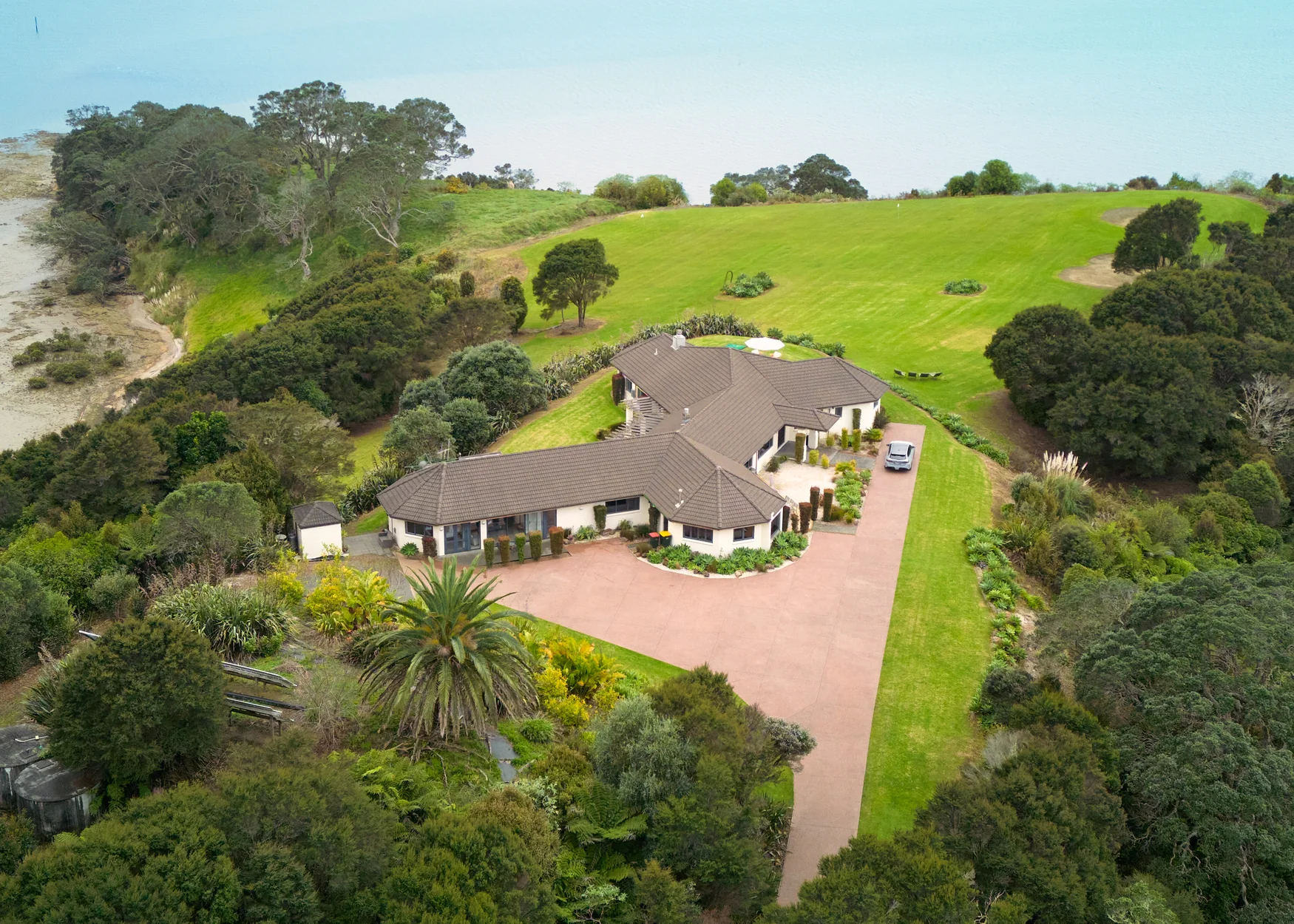
6 bed POA