Nobody has made fractional ownership work in Australian ultra-prime property. A Noosa developer has the licence, the trust, and the residences to try
by Hamish McDougall
Photography by Jin Cheng Wong
Two months after it was installed, the outdoor barbecue at a neighbouring Sunshine Beach house had begun to bleed rust down its own front. The grade was 304 stainless rather than 316—a distinction that means everything in a coastal setting and a detail that Christian Young isn’t one to miss.
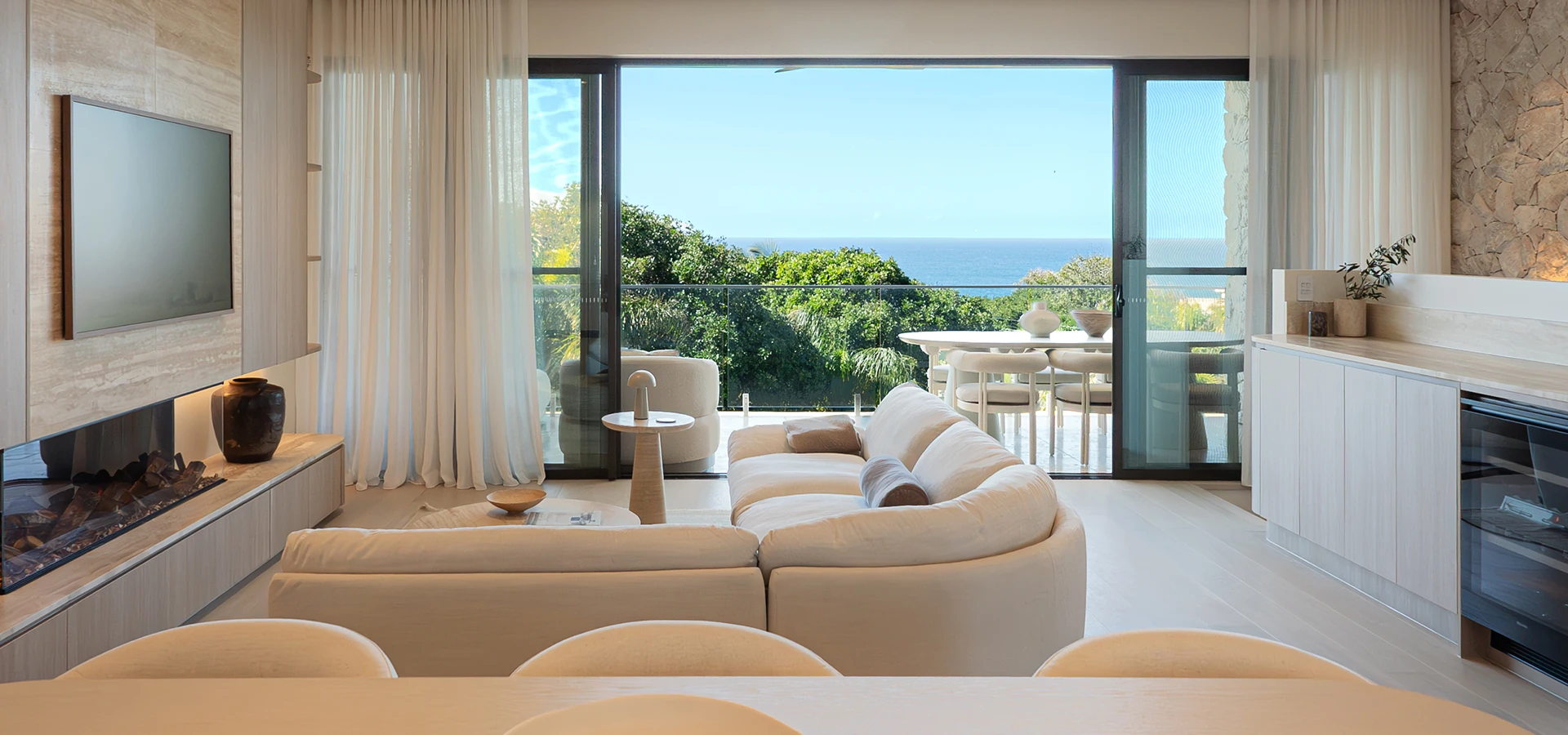
Young is a developer, and the building we are sitting in is Sunshine Residences: four terrace homes stacked over four levels at the highest point of a Sunshine Beach street, a few minutes’ walk above the sand. Three are available at close to A$7 million each. The fourth has been set aside for Secondi, the eighth-share ownership venture he launches within weeks. Two or three others have attempted something similar in Australia, he says; none has marketed it well enough for a buyer to trust it.
In this article:
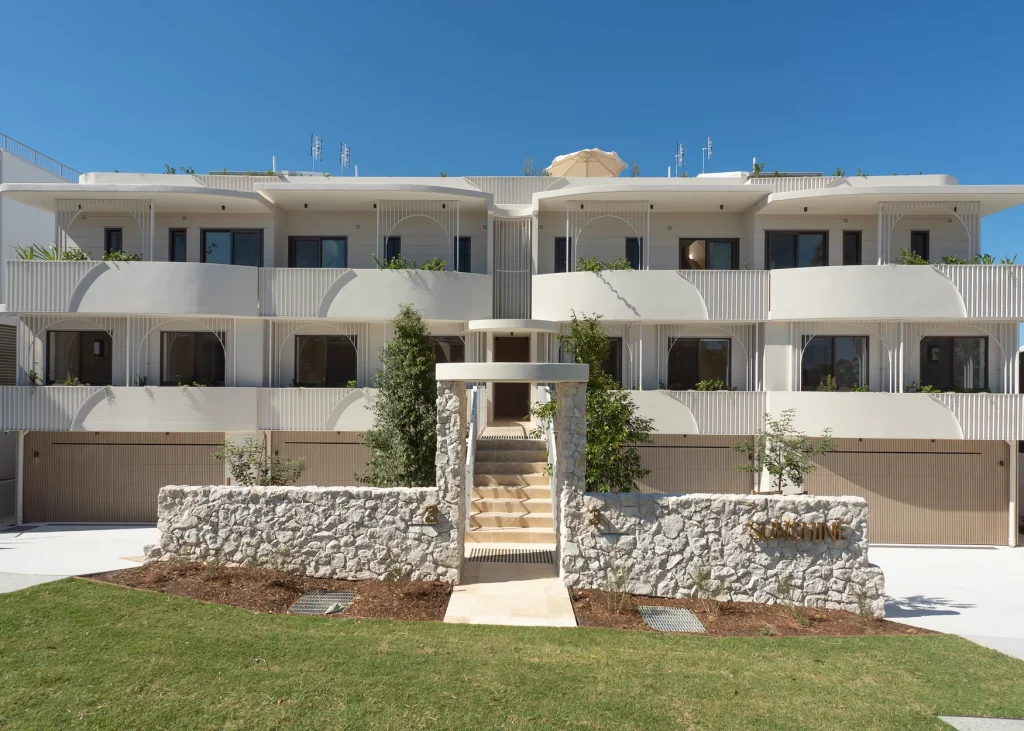
Sunshine Residences consist of four terrace-style homes, clear of any overlook. Top: The living space opens directly onto the outdoor dining terrace.
Learning the trade the hard way
He came to property sideways. In 2018, he was studying pre-med in the United States and working full-time for a metal fabricator, installing architectural stairs and railings in high-rise offices. Looking back, the subjects he had enjoyed at school were business, graphics, and architectural design, not the sciences. “I figured out while I was pre-med that I did not want to be a physician.” So he went into real estate.
His first purchase was his own home: a 1975 four-bedroom house in Utah, comprehensively ruined. The family before him had given up on the carpet and pulled it out, leaving the stained subfloor exposed. He renovated the house almost single-handed over three years, eventually selling it for more than double the purchase price.
He moved back to Australia during Covid, renovated a home on the Sunshine Coast, did another single residence, stepped the value up each time. Then this site came up.
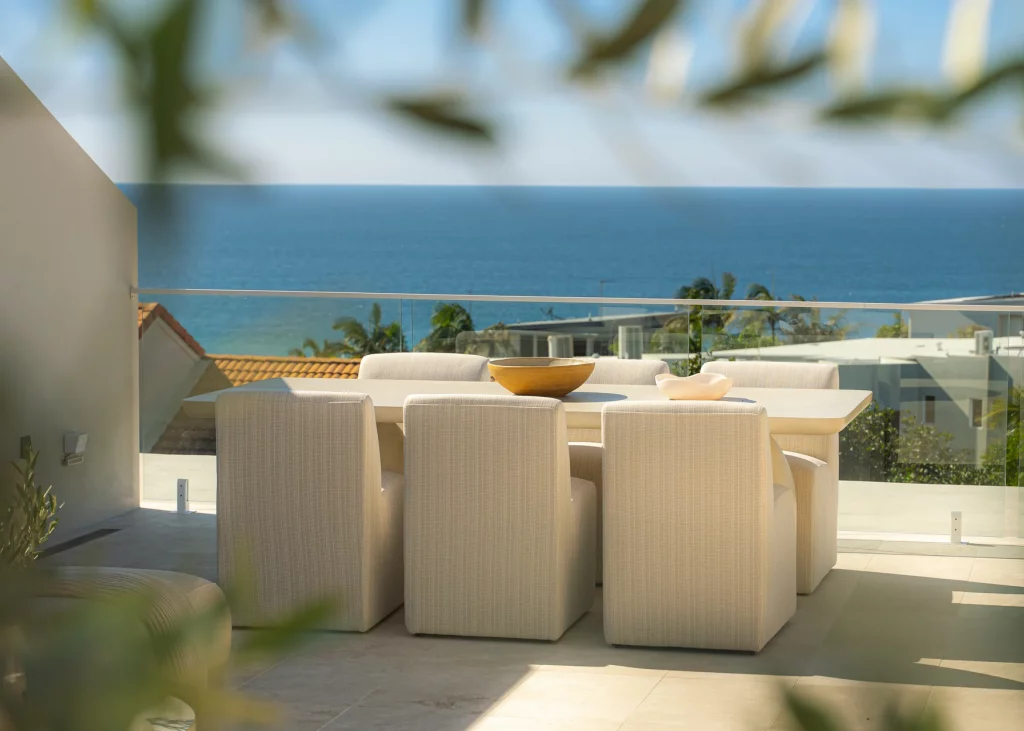
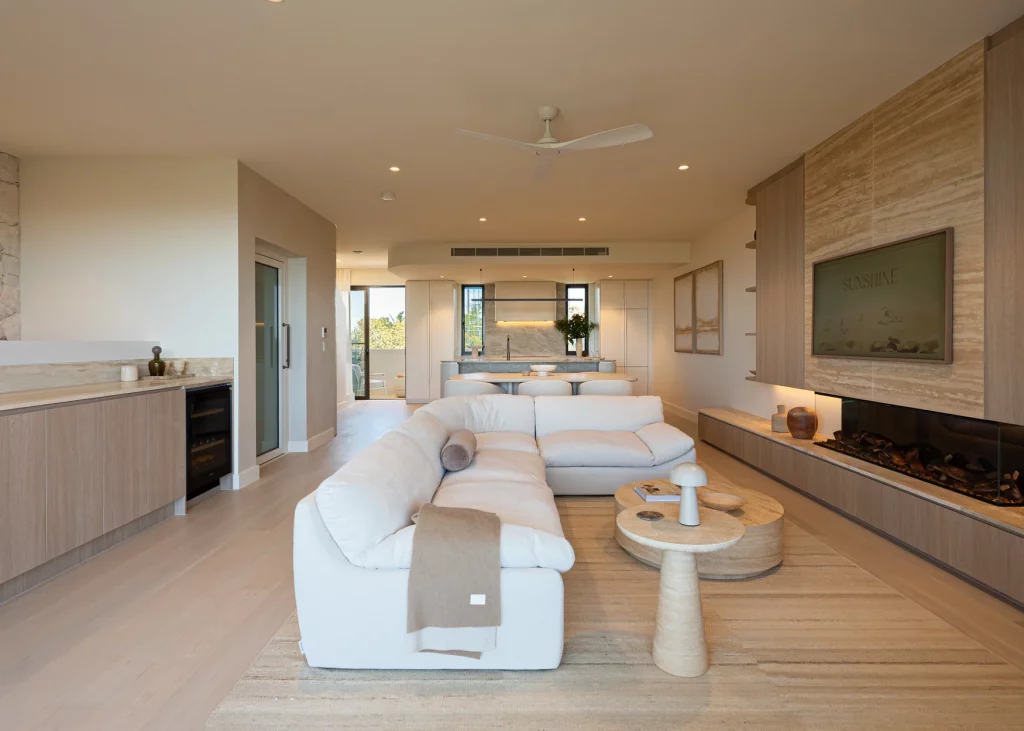
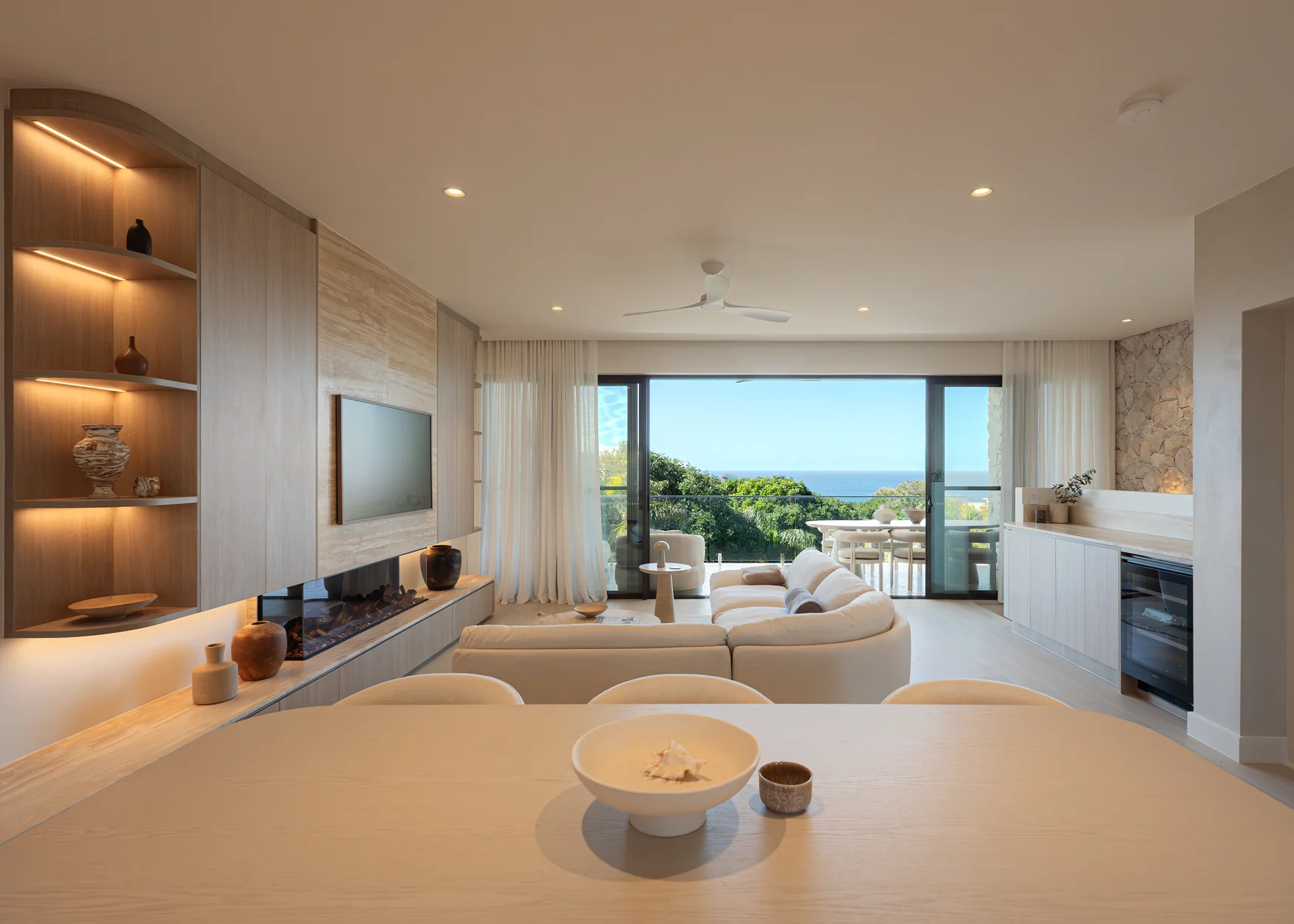
Left: The six-seater dining table on the rooftop looks straight onto the ocean. Right: The kitchen and main living space are anchored by natural stone, wood, and understated detailing.
The highest point of the street
It arrived as a mortgagee-in-possession sale—a Brisbane developer had earmarked it as his own step up and came unstuck on another job. What mattered was that it already carried a Noosa Council development approval, the hardest thing to get and, Young says, the thing most likely to bury a developer trying to break in to Noosa. “A lot of the risk was already off the table. I just had to build and sell it.” The rest of the appeal was that no other site in Sunshine Beach of that size could be assembled again for a building like this: ocean views, walking distance to the village, the sun angles, and the highest point on the street, so nothing overlooks it from either side.
“No matter what happens with the market, I wanted a product that couldn’t be replicated.”
He inherited the approved design and replaced the material palette. The buyer he has in mind already lives in Noosa, in a $10m to $15m home with the views and the amenity, and wants something lock-up-and-leave without the downgrade: smaller, he says, “without downsizing the wardrobe.”
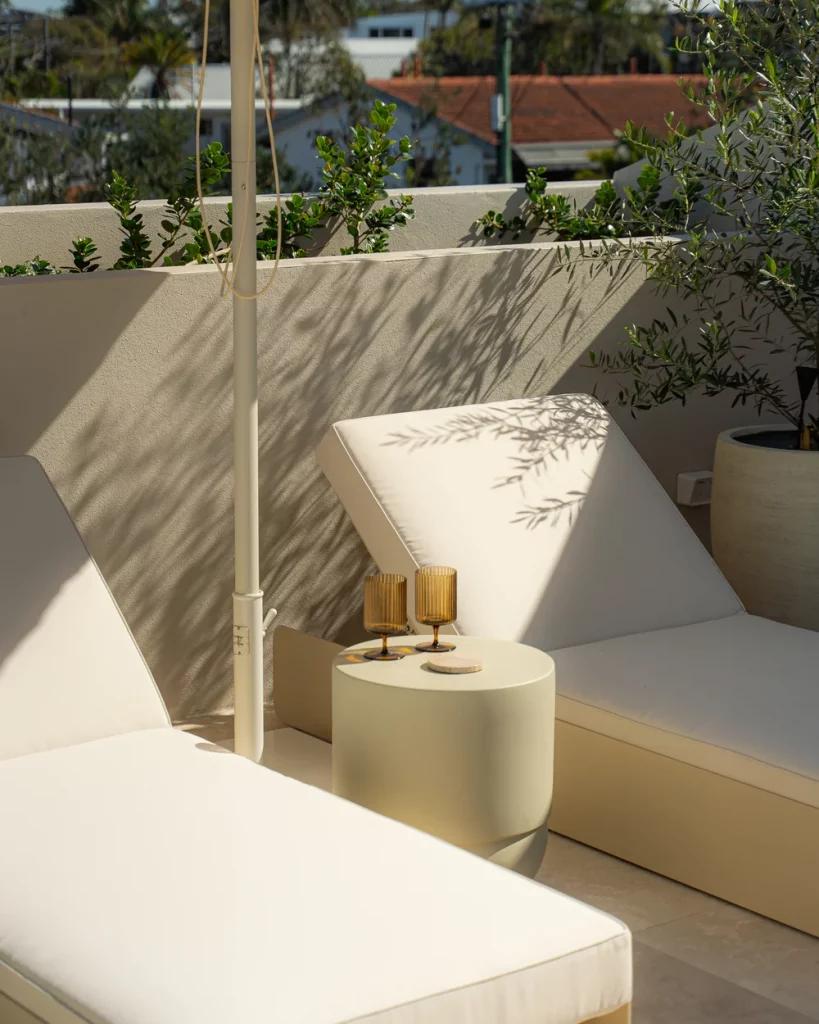
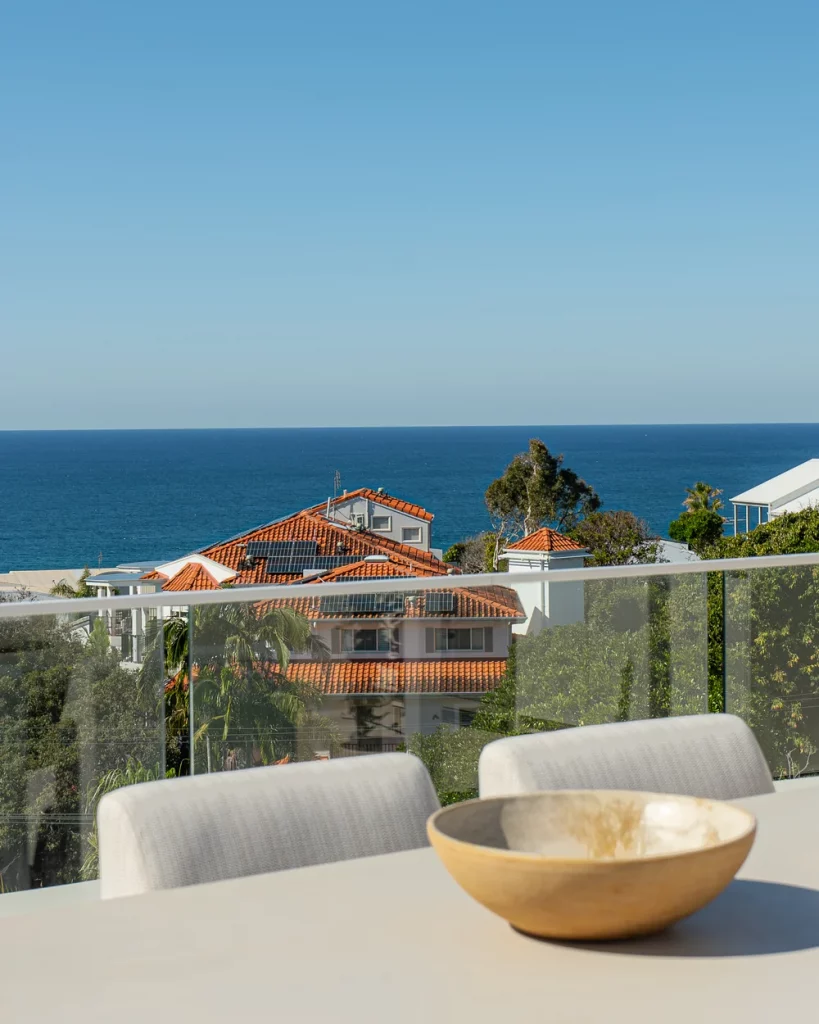
Left: Sun loungers catching light and shadows. Right: Uninterrupted blue to the horizon, the payoff of the site’s elevation.
The features he returns to are the ones that survive a decade. The rooftop terrace is the only one in Sunshine Beach with lift access all the way up, which he reckons makes it 10 times more usable—you can cater a dinner without carrying platters up four flights. The sink, fridge, and built-in barbecue are all 316 marine-grade stainless. Inside, split over four levels in the manner of a Sydney terrace, the floor plans understate the volume: the kitchen and living level carries two lounge areas, two six-seater tables, a full kitchen and a separate bar, with covered outdoor living alongside.
What he actually talks about, though, is light. Sunrise over the ocean from the front living room in winter; sunset over the mountains at the other end of the day, a consequence of the elevation. Travertine and natural stone, nothing sharp or moody. “It’s not about the biggest TV—it’s about the nature and the breeze.”
A market on pause
Timing is the awkward part. Australia’s capital gains regime changes on 1 July 2027, when the 50 per cent discount gives way to cost-base indexation and a 30 per cent minimum tax on net gains, and the effect on transactional appetite has been immediate. “The greatest question I keep hearing is whether it will last, or whether it’ll be wound back after three years,” Young says. His own reading is that discretionary spending holds up better than the forecasts suggest. “If belts are getting tighter, people aren’t quick to let go of their lifestyle. They still want the property.”
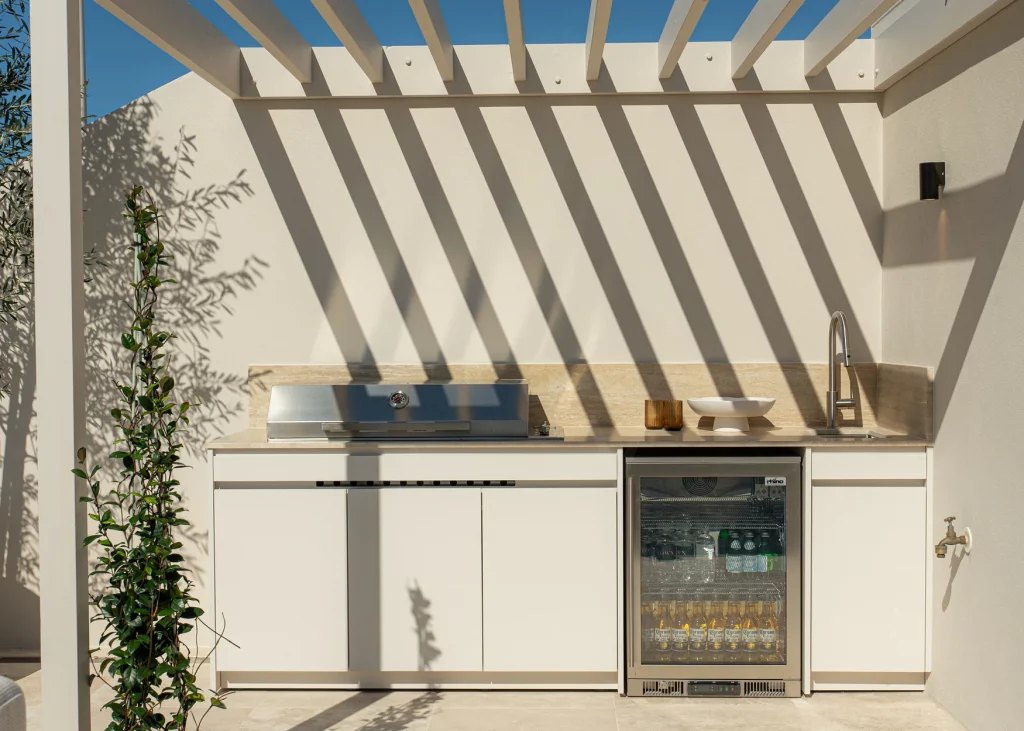
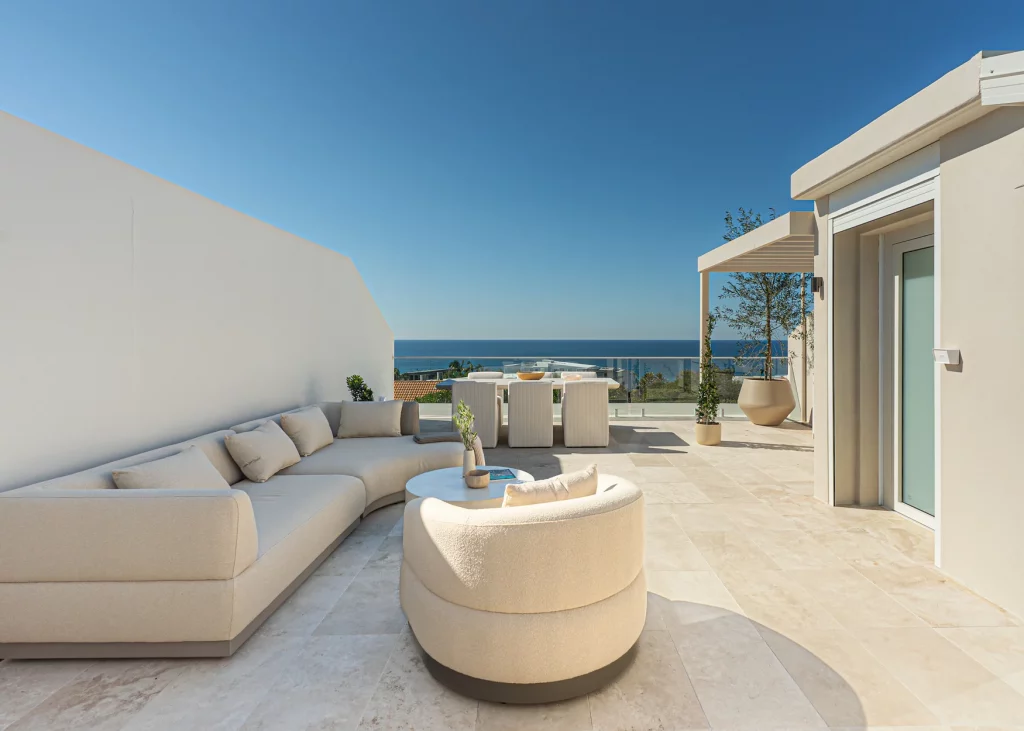
The rooftop comes with a kitchen (left), six-seater dining table, and ample space for lounging and entertaining (right).
The pause is producing dislocations. A Paul Clout-designed house on Adams Street, a few streets from here, went to RSL Queensland’s Dream Home Art Union and was won in March by an 80-year-old retired engineer from Sydney, as part of a prize package valued at A$13.9 million. He listed it in May. Young heard this week that it had gone under contract between 10 and 11 million. “To me, that’s criminal,” he says. “Whoever bought it got a great deal.”
And then there is what Noosa quietly did to second-home economics. Short-term letting in residential zones is now effectively closed: permitted without assessment only where the house is the owner’s principal place of residence, capped at 60 nights and four occasions a year, with a separate local-law approval on top. Most new builds cannot obtain it at all. The standard justification for a beach house—let it out, offset the holding costs—no longer applies here, which leaves an owner paying for 52 weeks in order to use two.
Dividing a house by eight
“The second home is becoming less attainable,” Young says, “and the expectation of quality of living is increasing. People want luxury. They don’t want the lakeside cabin that’s been standing for 50 years where a mouse runs across the floor, and that’s called character.” He cites the model of Pacaso, the American company that took on the timeshare industry by inverting its premise. Timeshare sells time; Pacaso sells the house—up to eight owners, an eighth each, five to six weeks a year, scheduled through an app with rules about peak periods and one peak booking at a time. Short-notice weekends are open to anyone. “We want the house used.”
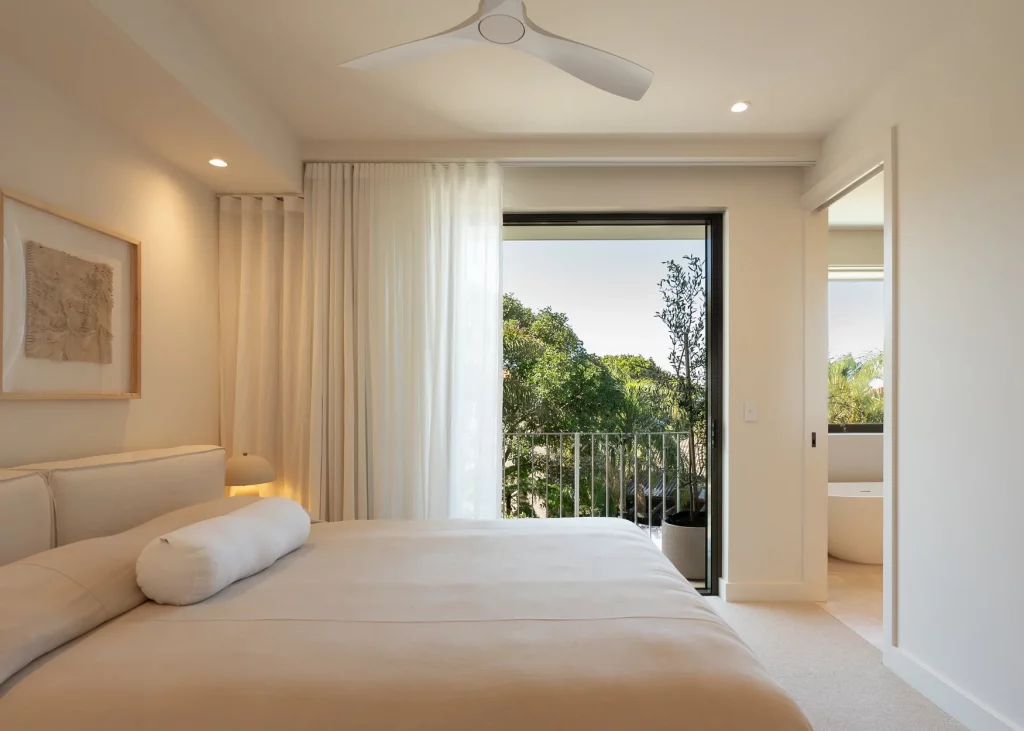
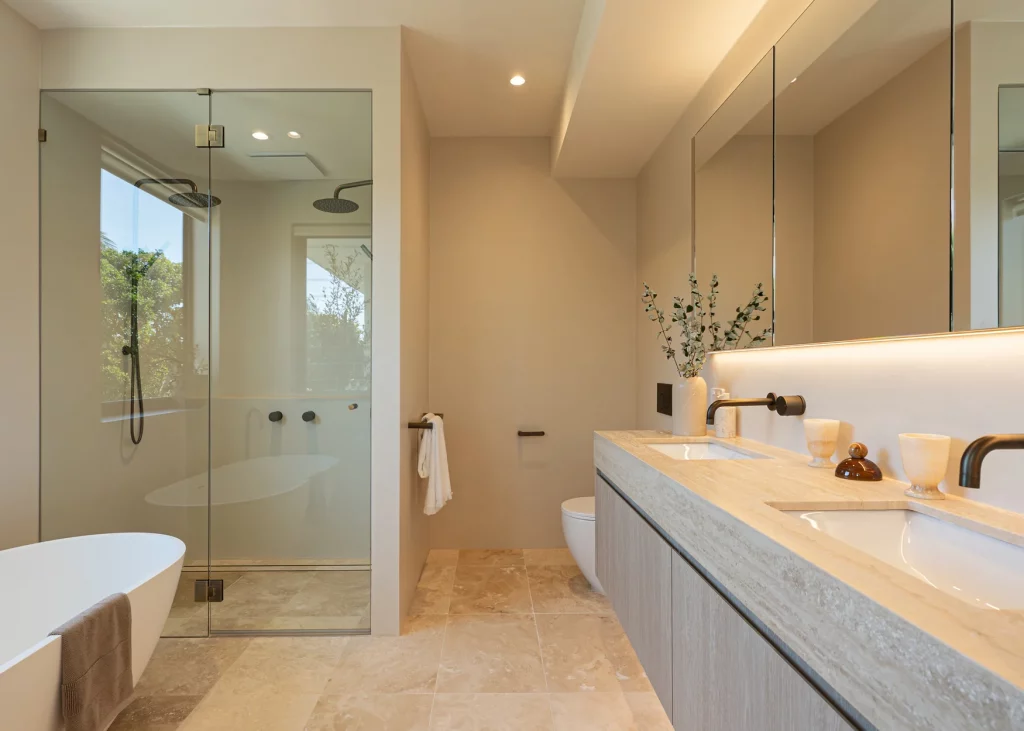
Every room, from the bedrooms (left) to the travertine-surfaced bathrooms (right), are designed to bring light and tranquility in.
The difference from a holiday rental is behavioural, and Young is precise about it. “With an Airbnb, if you damage something, you leave hoping nobody notices, and the next guest arrives to find it. As an owner, if something happens, it’s not a problem—you alert management so it’s sorted for the next person.” Eight people with a vested interest in a house look after it. “This isn’t two hundred dollars a night. You’re coming in expecting a much higher level of service.”
The Australian version is a unit trust rather than the American LLC—the trust owns the residence, a corporate trustee runs it, and each owner holds units. The tax treatment is less brutal than it looks: the trust pays stamp duty once on acquisition, and a later buyer of a single unit pays duty on that eighth alone rather than on the whole house. Foreign ownership has to stay below the threshold at which the trust would be deemed foreign—fewer than four of the eight.
What he cannot yet answer cleanly is the exit. “The greatest challenge will be convincing people the asset is still liquid—that they haven’t bought into something they can never get back out of.”
An owner can sell privately or through an agent at whatever price they choose, and Secondi will pair buyers and sellers out of its own enquiry flow. Beyond that, he is weighing a buyback guarantee inside a set period, priced off an independent valuation less a discount, and restrictions written into the management agreement so nobody can dump a unit below a floor. Financing is simply absent: no lender will take security over one-eighth of a house, so the buyers pay cash. “Pacaso offers it, but with a lot of strings attached. That’s something for down the track.”
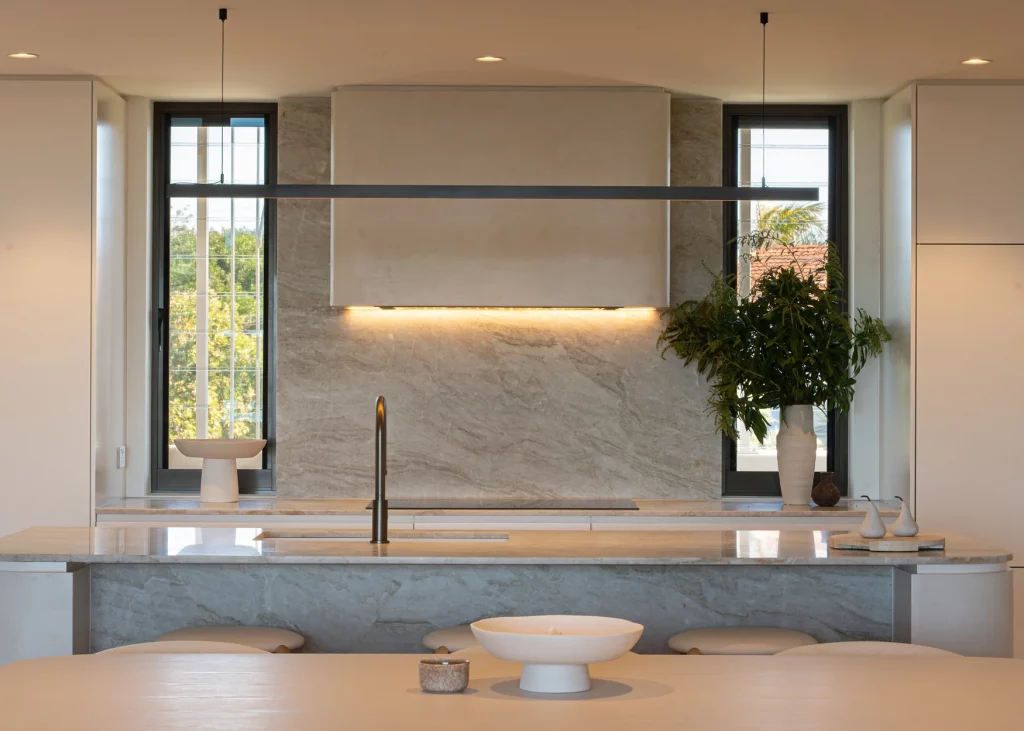
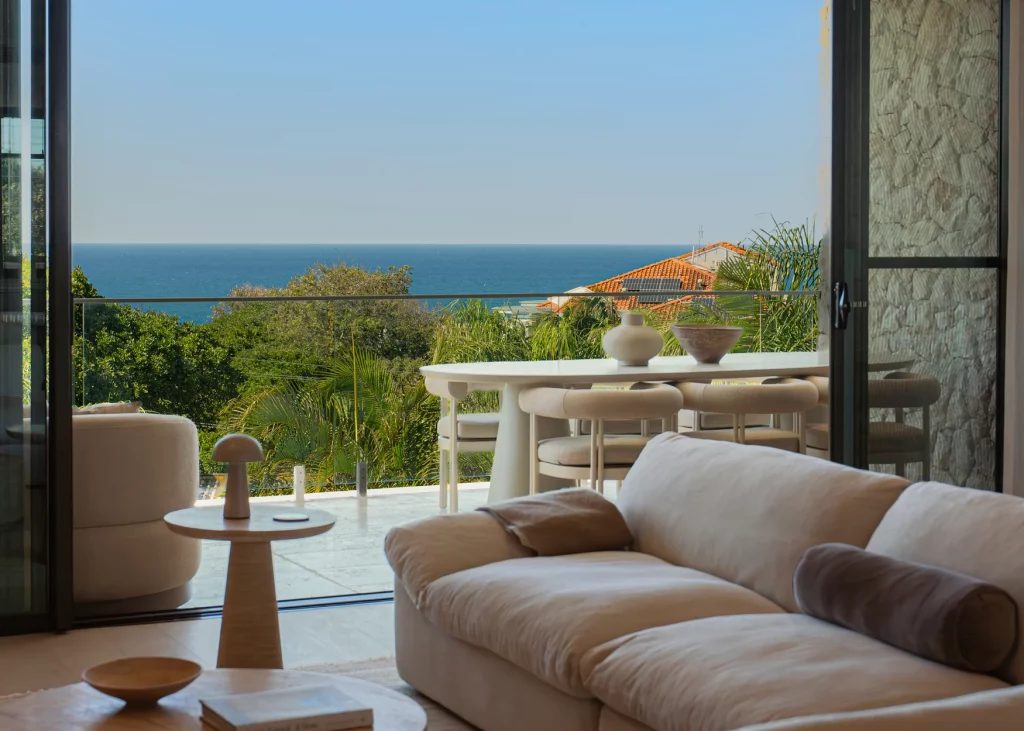
Left: The kitchen, anchoring the main living level, is finished in warm travertine. Right: The view from the main living area.
The product the model actually wants is bigger than this one. Fifteen million and up, seven-plus bedrooms, every one ensuite—“people like to travel with friends but still want privacy”—designed from the outset for shared use, with oversized garages, lock-and-leave storage for surfboards, and a concierge running out of a warehouse rather than a cupboard, so each owner’s fortnight arrives set up the way they like it.
Which is the quiet argument underneath the whole venture. It is very hard to do this in Australia, Young says, because issuing units in a unit trust is treated as an investment scheme; he holds the permissions only because he had already obtained them to syndicate investors into the development—around three million dollars, raised largely through social media advertising, from people he met on the internet. Anyone can divide a house into eight. Almost nobody here can legally sell the pieces. The scarcity Young has spent a career learning to buy—the site that cannot be repeated, the approval that cannot be got—turns out to have a regulatory twin, and it may prove the more durable of the two.
Read next:
- The rise of the Sunshine Coast: What Noosa’s increasingly desirable property market means for ultra-prime buyers
- Samara Lombok: Inside the 150-hectare, Hyatt-backed resort-residences on Indonesia’s next great holiday island
Luxury holiday homes for sale in Australia.
In brief: Sunshine Residences
- What’s for sale? Sunshine Residences is a boutique building of four terrace homes at the highest point of a Sunshine Beach street, a few minutes’ walk above the sand. Three are available at close to A$7 million each; the fourth is set aside for Secondi.
- How are the homes laid out? Four levels in the manner of a Sydney terrace. The kitchen and living level carries two lounge areas, two six-seater dining tables, a full kitchen, and a separate bar, with covered outdoor living alongside. Nothing overlooks the building from either side.
- Who built it? Christian Young, a Sunshine Coast developer.
- What’s on the roof? The only rooftop terrace in Sunshine Beach with lift access all the way to the top, with a kitchen, six-seater dining table, sink, fridge, and built-in barbecue.
- Where is Sunshine Beach? A coastal suburb of Noosa, Queensland. Sunshine Coast Airport is 42 km away, about 35 minutes by road, with more than 80 direct services a week to Sydney and Melbourne, year-round Jetstar flights to Auckland and Denpasar, and new Singapore services from March 2026. Brisbane is roughly two hours by car.
- Why is this market of interest? A median house value of A$2.57 million at the start of 2026, up 13 per cent over the year, on a median land value of A$1.8 million—land alone now accounts for roughly 70 per cent of the median house.
- What’s local to it? Sunshine Beach village and the sand are both walkable, and the elevation delivers ocean views and sun angles on both sides of the day.
- Can you let a Noosa beach house short-term? Effectively, no. In residential zones it is permitted without assessment only where the house is the owner’s principal place of residence, capped at 60 nights and four occasions a year, with a separate local-law approval on top. Most new builds cannot obtain it at all.
In brief: Secondi
- What is Secondi? An eighth-share ownership venture, selling a single luxury second home to a maximum of eight owners.
- What do you actually buy? A share of the house, not a block of time. Timeshare sells time; this sells the asset.
- How is it structured? As a unit trust rather than the American LLC: the trust owns the residence, a corporate trustee runs it, and each owner holds units.
- How much use does an eighth give you? Five to six weeks a year, scheduled through an app, with rules on peak periods and one peak booking held at a time. Short-notice weekends are open to any owner.
- How is it different from a holiday rental? Behaviourally. Eight owners with a vested interest maintain a house differently to eight guests. The service level is set accordingly.
- What is the stamp duty position? The trust pays transfer duty once on acquisition. A later buyer of a single unit pays duty on that one-eighth interest alone, not on the whole house.
- Can foreign buyers participate? Yes, but fewer than four of the eight, to keep the trust from being deemed foreign. Queensland levies additional foreign acquirer duty of 8 per cent and a land tax surcharge of three per cent on taxable land above A$350,000 where a trust is foreign, on a state test of foreign interests of 50 per cent or more; FIRB treats a trust as foreign at an aggregate substantial interest of 40 per cent, or 20 per cent for a single holder.
- How do you get out? An owner can sell privately or through an agent at any price they choose, and Secondi pairs buyers and sellers out of its own enquiry flow. A buyback guarantee inside a set period, priced off an independent valuation less a discount, is under consideration, along with management-agreement restrictions preventing a unit being dumped below a floor price.
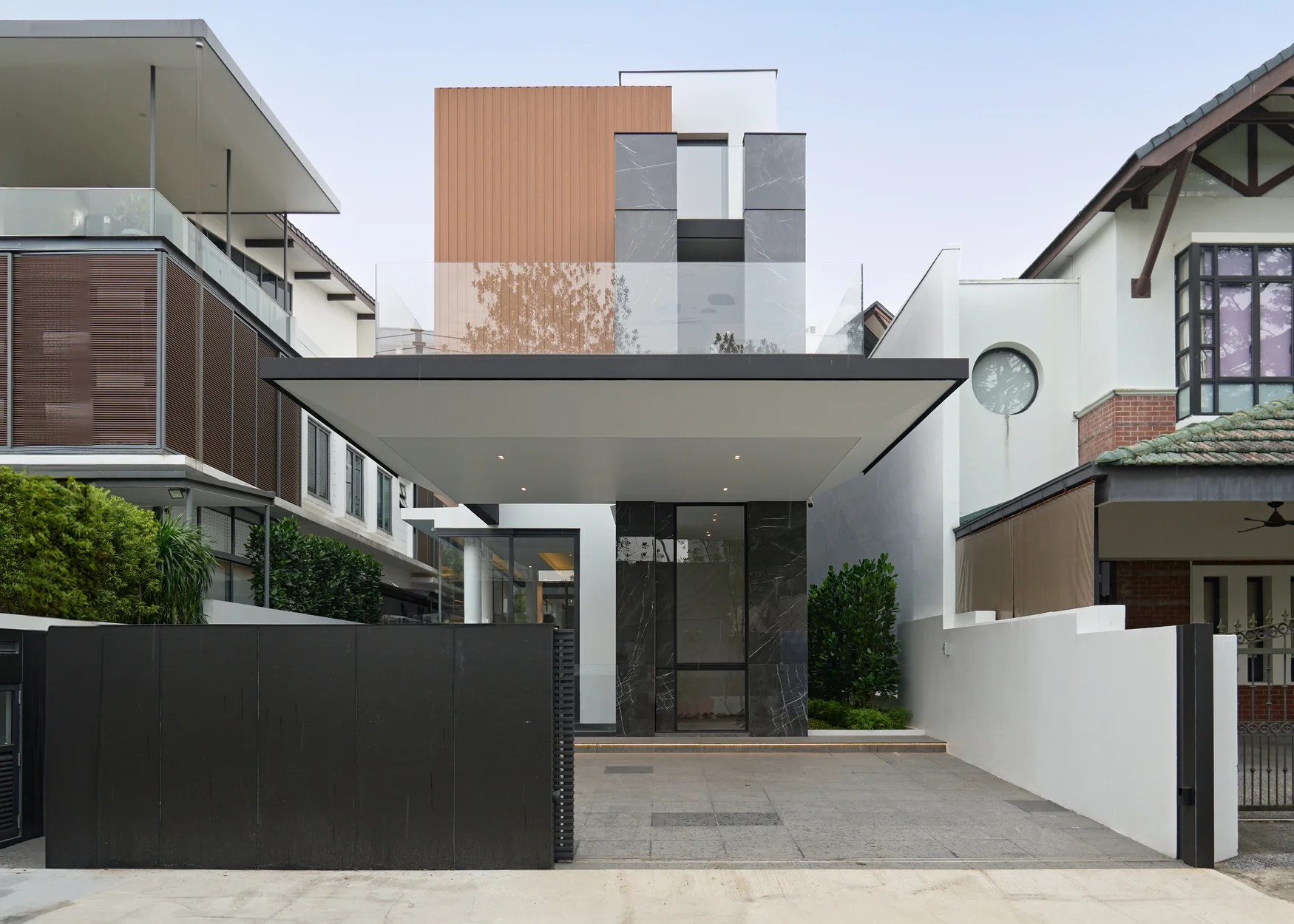
8+1 bed | 10,200 sqft area 19,500,000 SGD
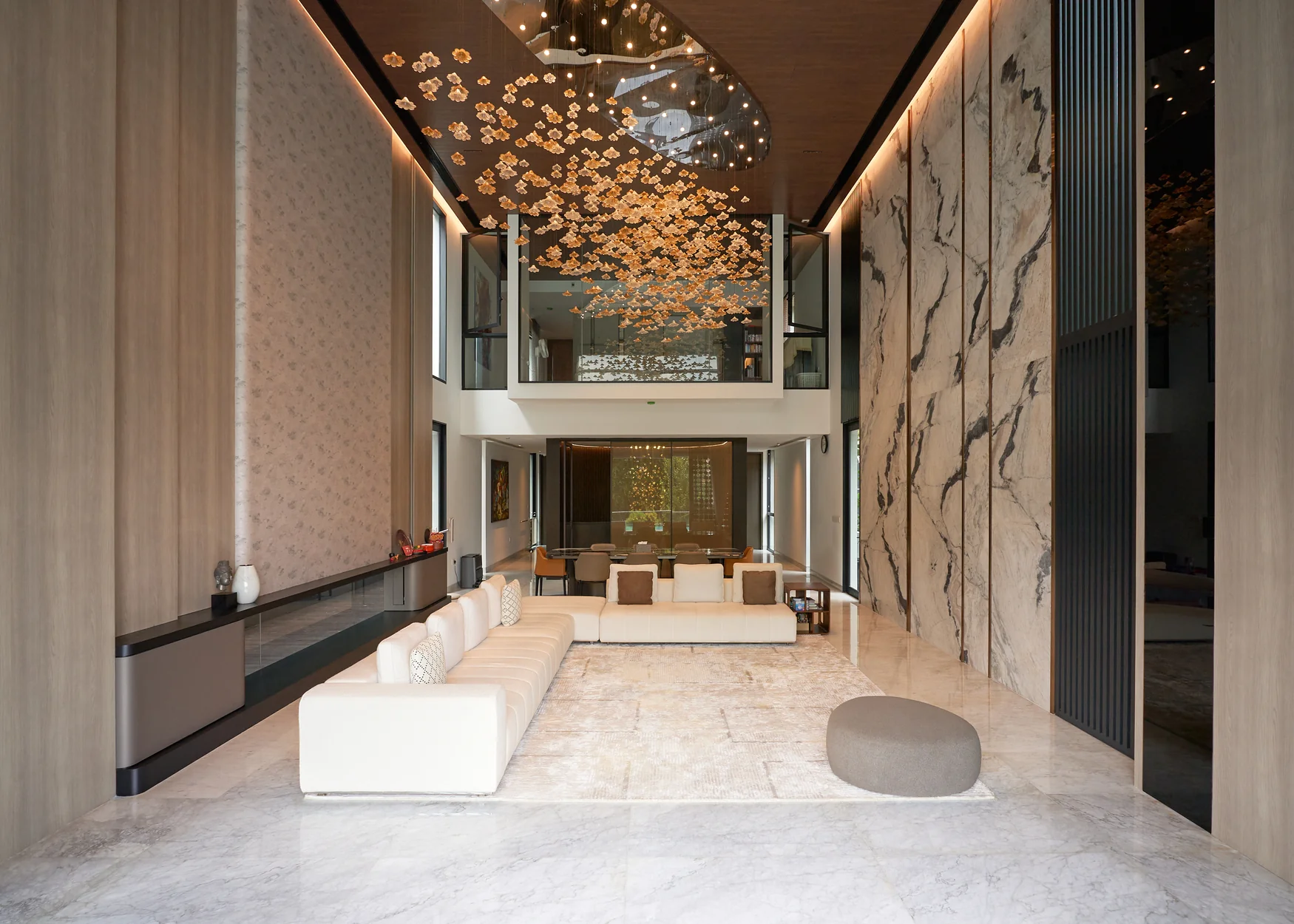
5 bed 19,380,000 SGD
4 bed | 4,208 sqft area POA
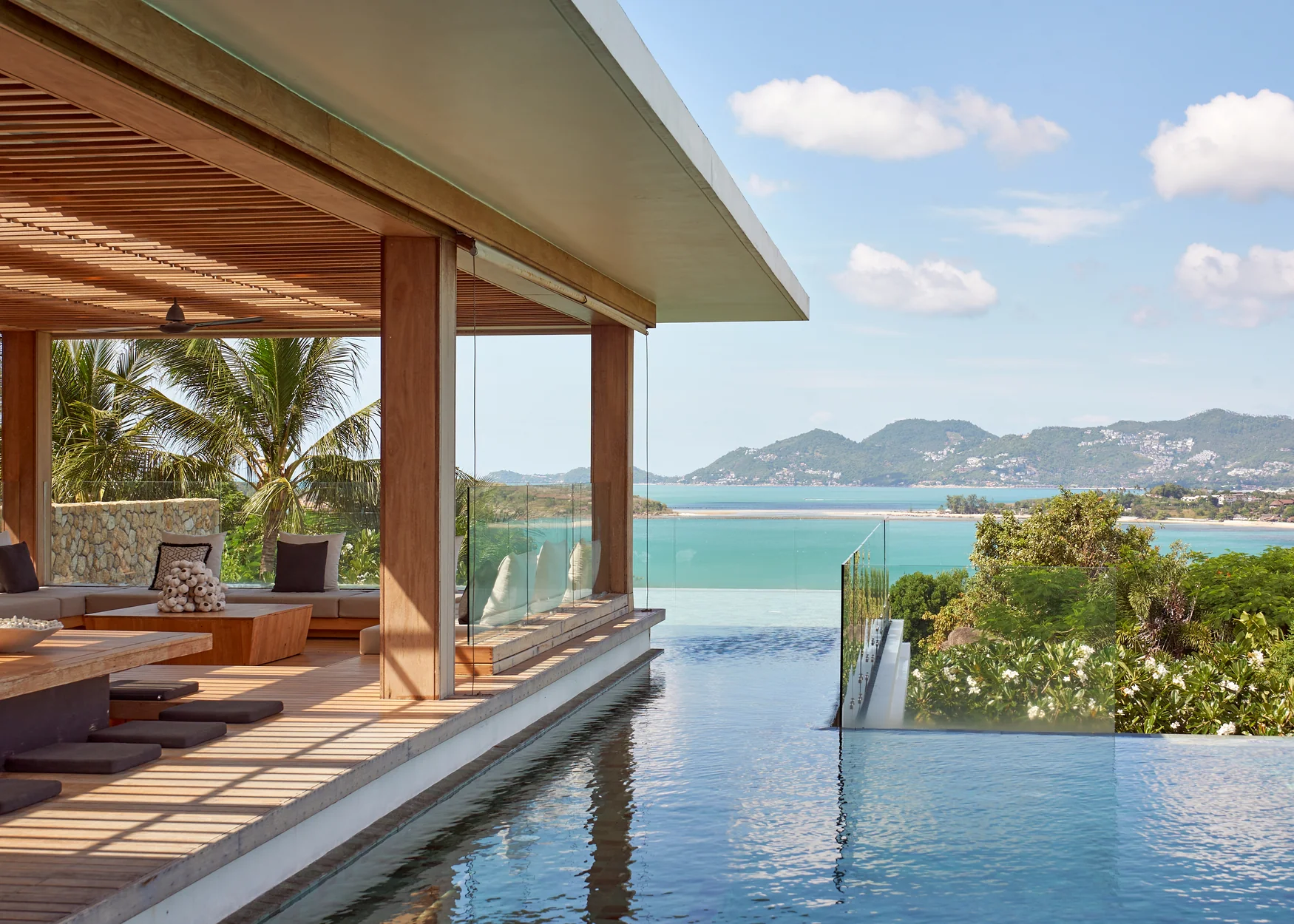
3-8 bed | 699,654 - 784,080 sqft area POA
6 bed POA