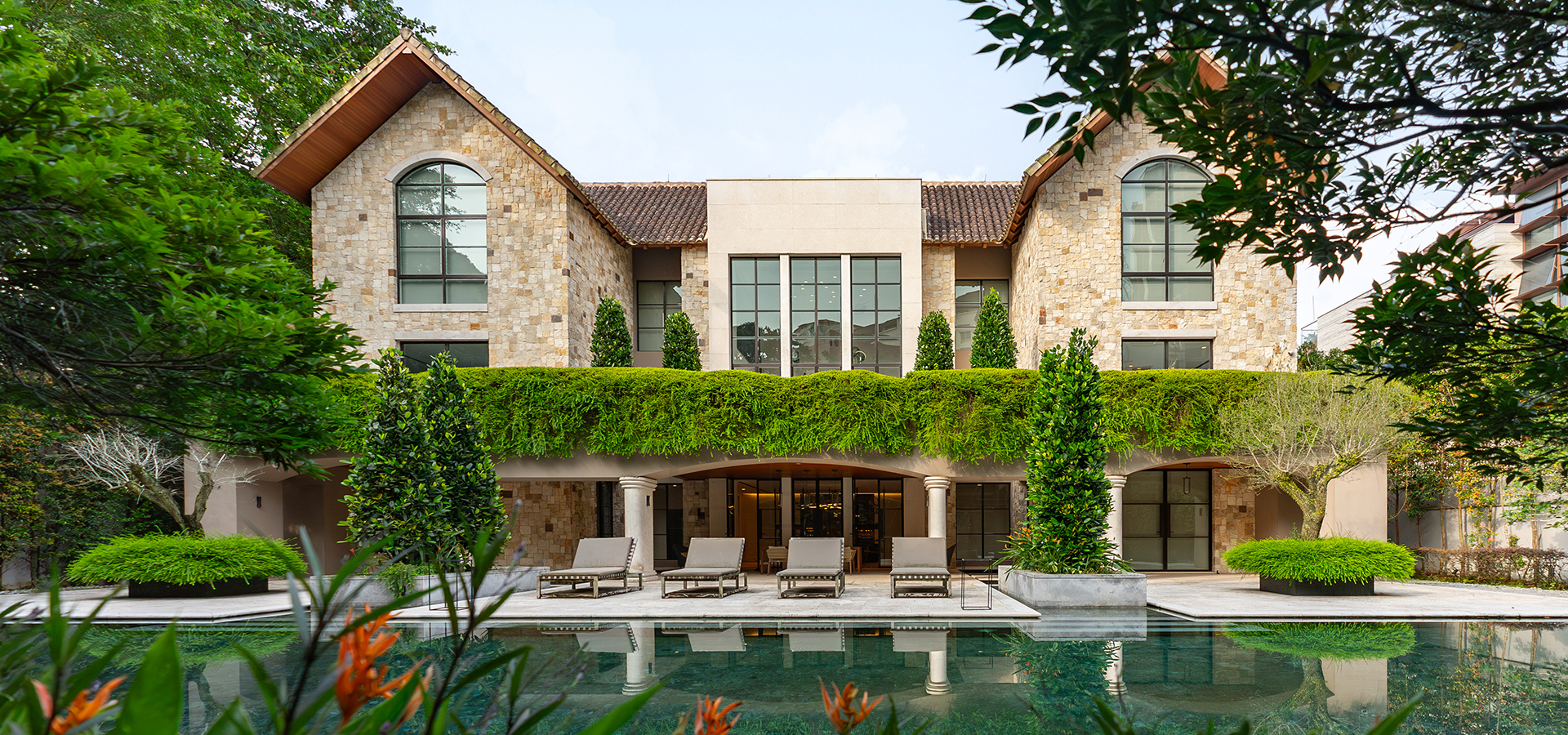
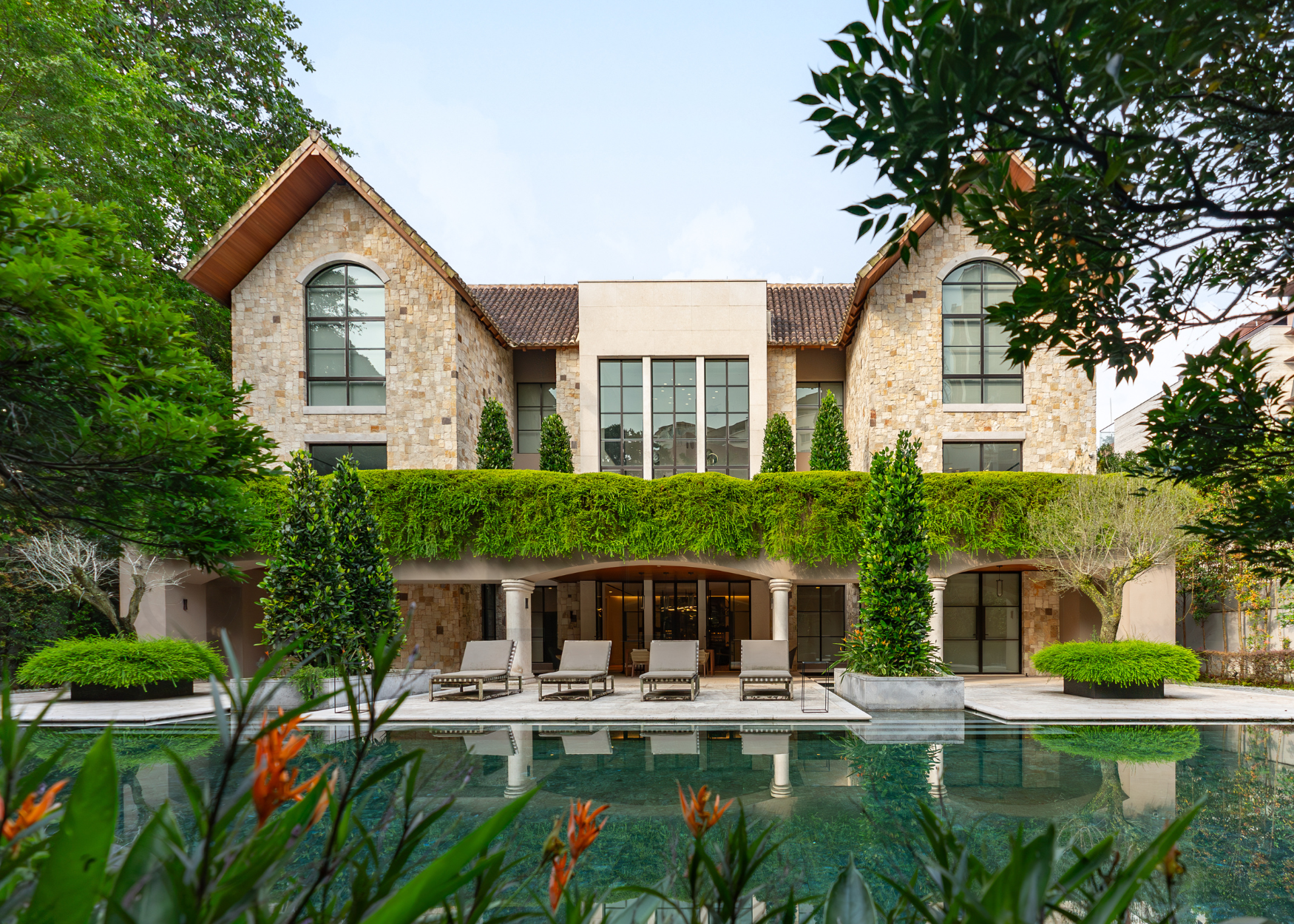
Good class bungalows: Inside Singapore’s most tightly held residential enclaves
Singapore’s good class bungalows (GCBs) occupy some of the largest residential plots in the city, spread across a small number of established landed enclaves. The houses themselves vary enormously. The constant is the land—and how rarely the best of it becomes available.
In Nassim, just four caveats have been lodged since 2010—Leong Boon Hoe of Arcadia Consulting names it “Singapore’s most prestigious enclave”. The gently undulating terrain is home to embassies and wide-fronted mansions comprising some of the largest estates on the island. Among the more prominent transactions without caveat was the $230m sale of an 84,839 sqft estate in 2019.
The scarcity isn’t accidental. Good class bungalows sit within designated residential areas and are subject to controls on matters including plot size, height, and site coverage. Ownership is restricted too: Singapore citizens can buy them, while permanent residents require approval to acquire landed residential property.
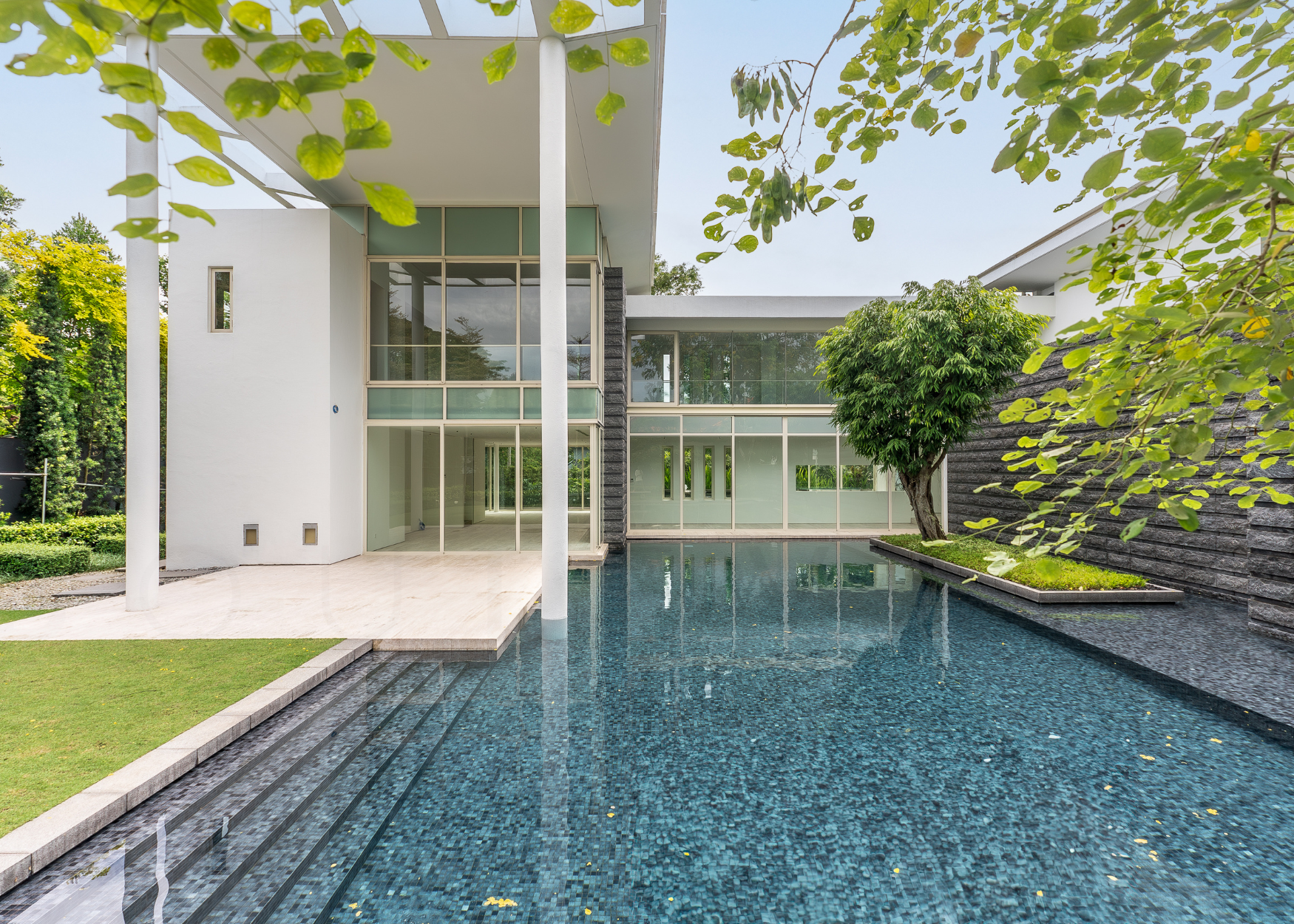
A Mok Wei Wei-designed GCB with a minimalist white facade and seamless indoor-outdoor design in the Belmont enclave, Holland. Top: A GCB with an expansive pool and manicured landscaping by Nyee Phoe Flower Garden at East Sussex Lane, Holland Village.
That combination—limited land, tightly held properties, and a restricted pool of eligible buyers—creates an unusual market even by Singapore standards.
“The challenge is the extremely limited supply—very few owners are selling,” says Martin Goh, principal consultant at Realstar Premier Group. “And when something does come onto the market, the price is typically high, especially if it’s a squarish plot with a wide frontage, in a quiet and prime location.”
Not all land is equal
The good class bungalow designation covers a surprisingly broad hierarchy of Singapore residential land. Nassim occupies the apex, alongside ultra-prime central enclaves around Dalvey and Fernhill. From there, the prestige market extends through Cluny, Chatsworth, Bishopsgate, and Jervois, while areas such as Chestnut and Windsor sit further out, geographically, and on price. All are gazetted GCB districts, but the land values, plot sizes, and character vary dramatically.
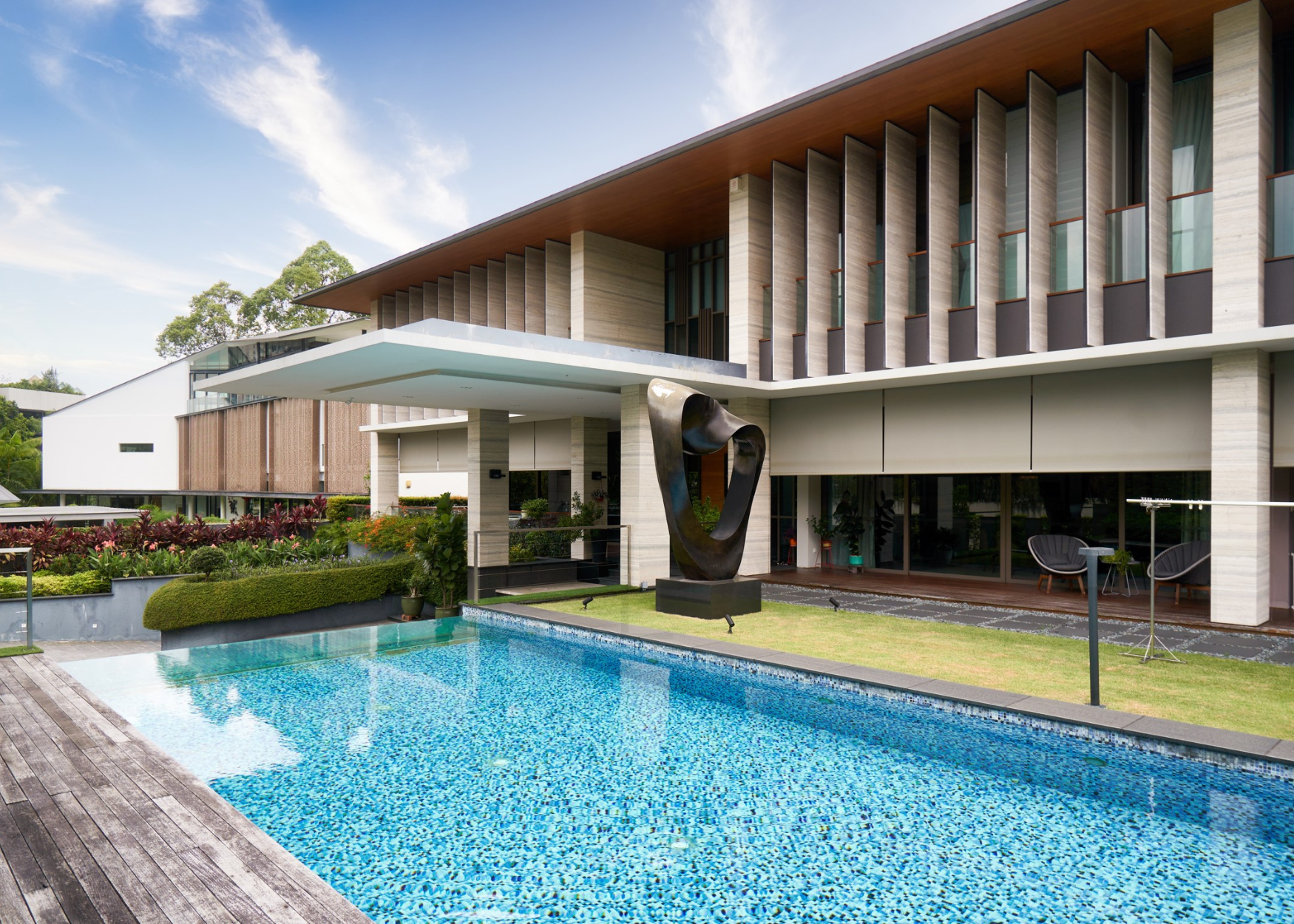
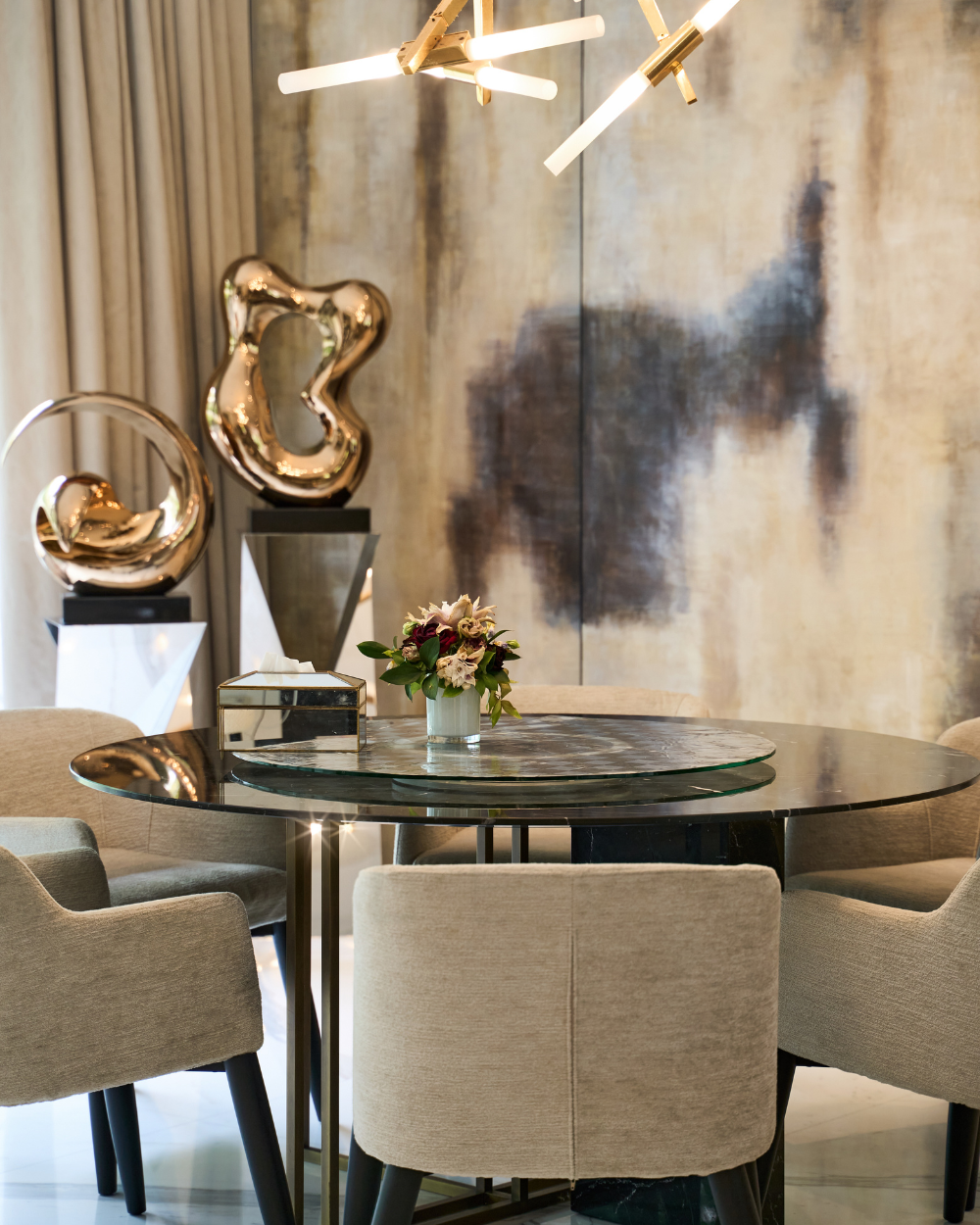
The facade of a Paul Loh-designed Jervois Hill GCB (left), which boasts marble feature walls, a large pool, and refined interiors (right).
Leny Suparman, co-founder and chief executive of KOP Group, describes Dalvey as an old “stealth wealth” address. For one of KOP’s projects there, the intention was to create something “understated, that nevertheless stands out, with a certain stature”—a low-rise condominium that felt at home among some of the country’s most coveted residences.
Jervois and Bishopsgate sit further along the central GCB belt, close to Orchard and home to several embassies. Jessica Lim of Realstar Premier Group puts the plots at 15,000 to 30,000 sqft, with many occupied by relatively new or well-presented bungalows. Vacant plots and older houses suitable for redevelopment are scarce. “While the area appeals to most GCB buyers, properties rarely come up for sale.”
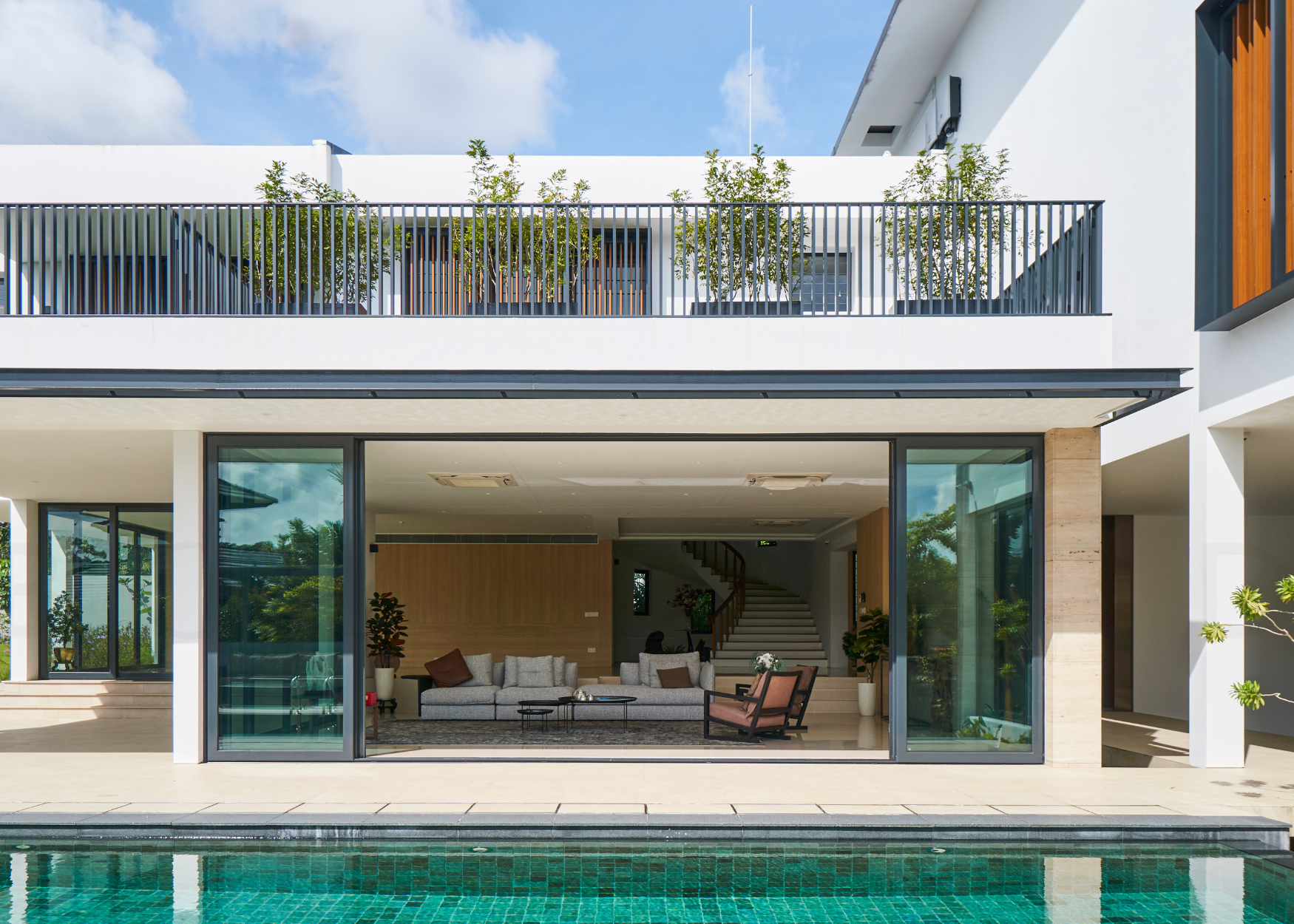
Modern two-storey Binjai Park GCB by K2LD Architects with floor-to-ceiling glazing and resort-style pool at Bukit Timah.
Further out, the balance shifts again. Bukit Timah offers proximity to schools, cafes, restaurants, and recreational clubs, but Rowena Chan of Arcadia Consulting singles out its greenery: acres of parks and nature reserves, alongside the leafy outlook enjoyed by many of its GCB residents. She also describes the area as generally more affordable—albeit lacking in the status attached to Nassim or Chatsworth.
Oei Tiong Ham Park has long attracted established Singapore families. Martin Goh of Realstar Premier Group points to professionals, architects, and business owners among its residents, while nearby Victoria Park and Queen Astrid Park have drawn a newer generation of wealth.
The ownership barrier
Money alone isn’t enough. Permanent residents can buy landed property in Singapore with approval from the Singapore Land Authority, but good class bungalows face stricter economic and residency criteria, and foreigners are generally excluded. Exceptions are rare, typically requiring a significant economic contribution.
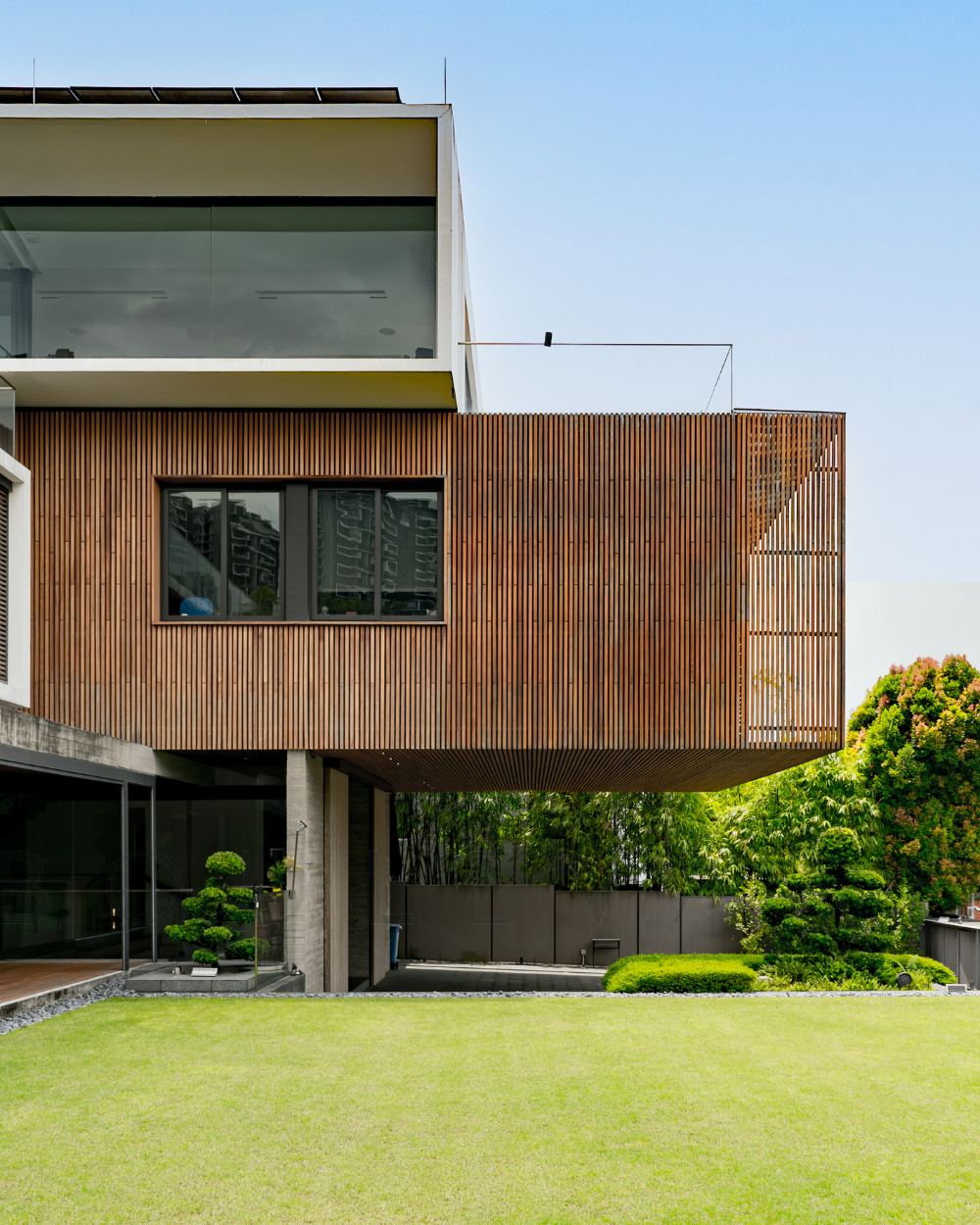
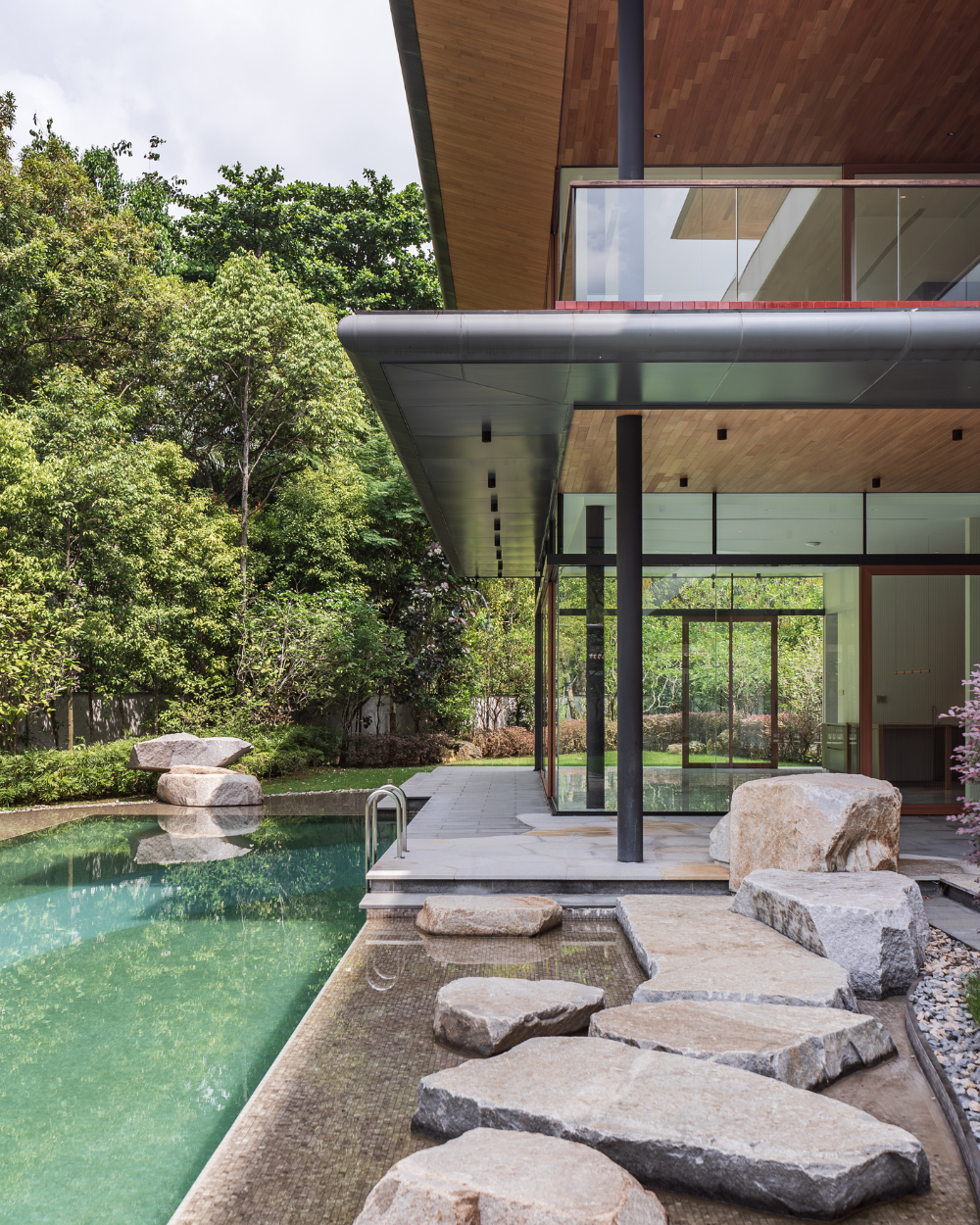
Left: An AD Lab-designed contemporary GCB at Faber Park, Clementi, with concrete walls, timber cladding, floor-to-ceiling windows, and landscaped grounds. Right: In Tanglin, a brand-new GCB opens from its living area onto a swimming pool and gardens landscaped by Shunmyo Masuno.
TikTok chief executive Chew Shou Zi bought a good class bungalow in Queen Astrid; an entity linked to Alibaba co-founder Jack Ma redeveloped a property in Victoria. The two cases reveal the narrow route into Singapore’s most restricted residential market.
The plot comes first
For those who can buy, finding the right property presents another constraint. Tricia Ang of CBRE describes one closely held enclave where only three to four properties changed hands over eight years. And for a new generation of serious wealth, the prize is often a site on which to build precisely what they want. “Regular plots on slightly elevated ground afford great potential for rebuilding—which often appeals to the newer generation of entrepreneurs and CEOs.”
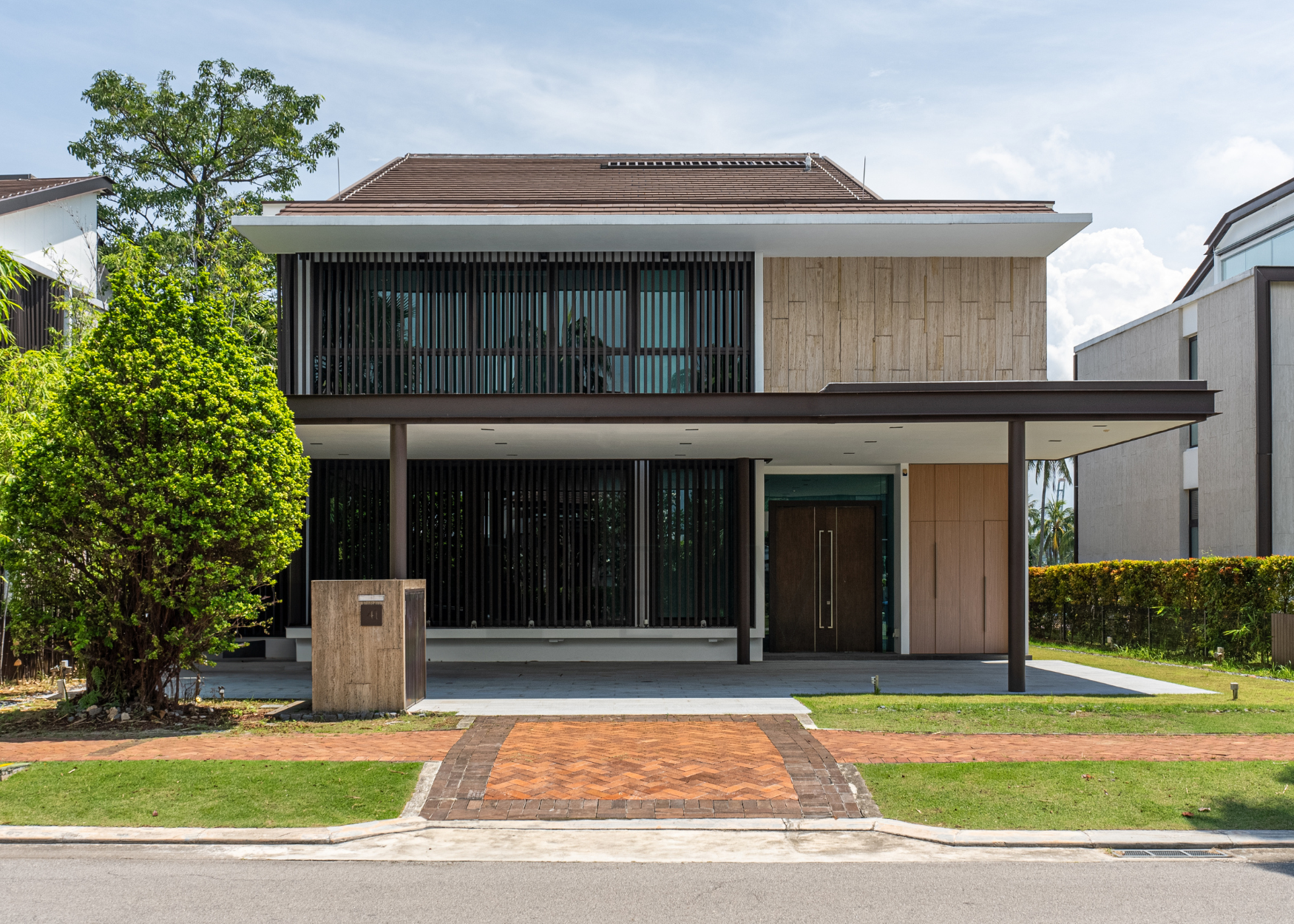
A modern bungalow on Ocean Drive, set within Sentosa’s exclusive harbourfront community.
For buyers planning to rebuild, the existing house can be secondary to the land beneath it. Plot shape and frontage determine what can be built; elevation, orientation, and outlook shape how the house relates to its site. For architect Rene Tan, founder of RT+Q, more land isn’t an invitation simply to build more. “When we come upon sites, I feel that we shouldn’t overdesign, but rather be guided by what’s around us.”
Tan also sees the relationship between architect and owner as less prescriptive than it once was. “Gone are the days of the great architect who just gave clients what he thought they should have.” Instead, he defines luxury through the freedom to live differently as needs change. “Luxury is freedom and flexibility. The freedom to choose where and how we want to live. The flexibility to make it happen, and then to make it happen in a different way when our needs inevitably change.”
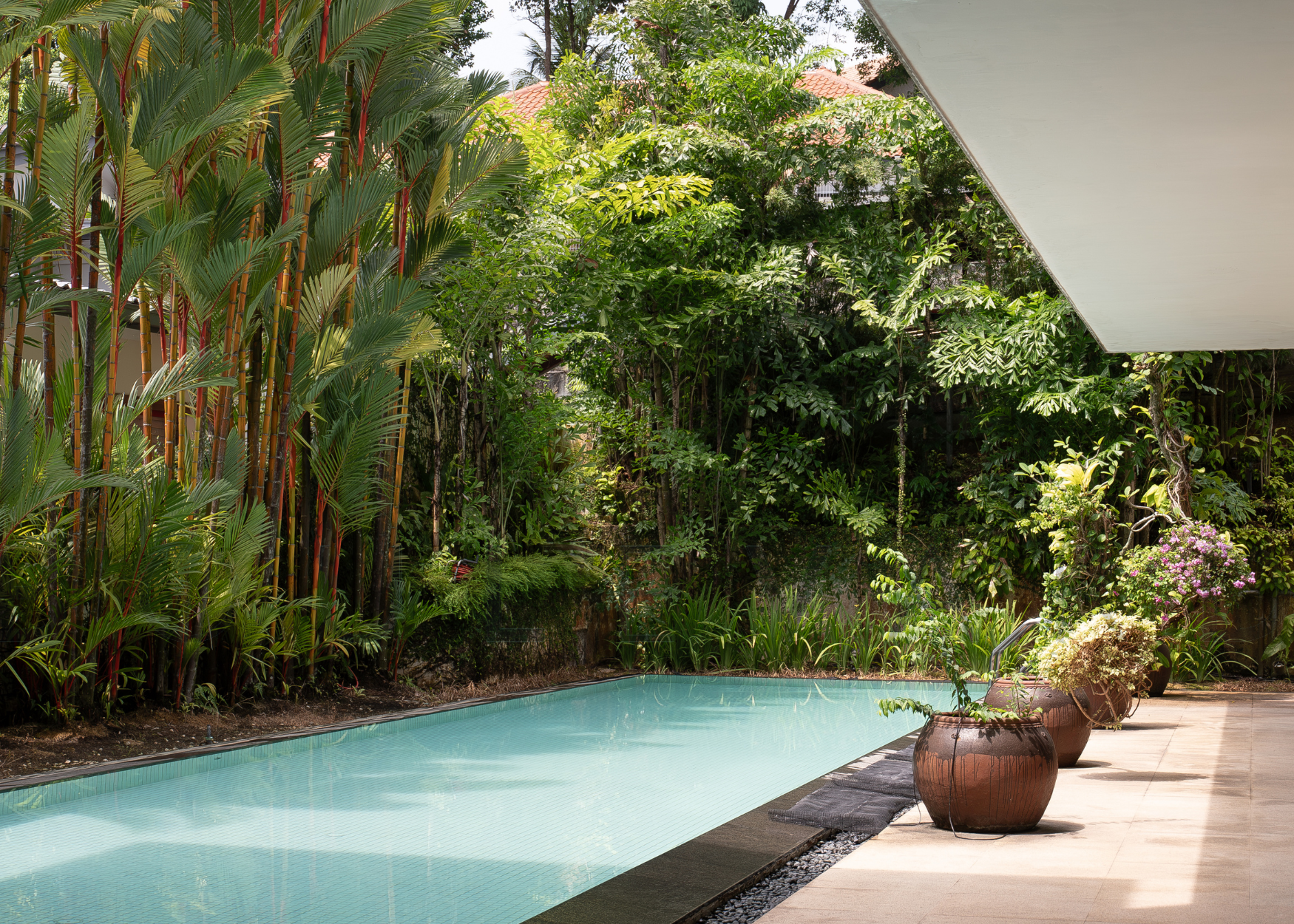
The swimming pool and covered alfresco area of a bungalow surrounded by greenery in Bin Tong Park, Bukit Timah.
In a family house intended to last decades, that flexibility has practical value: children grow up, parents age, working patterns shift, and rooms take on new purposes. But Tan doesn’t want adaptability to come at the expense of personality. “We seem to have lost our sense of humour, but the elements of surprise and counter-intuition are important, the ability to engage our curiosity.”
The disappearing trades
At the other end of the process, some of the skills required to finish these houses are becoming harder to find. Andrew Lim, founder and principal of 4plus8, produces bespoke cabinetry for Singapore homes, including good class bungalows. “This kind of carpentry is a sunset industry,” he says.
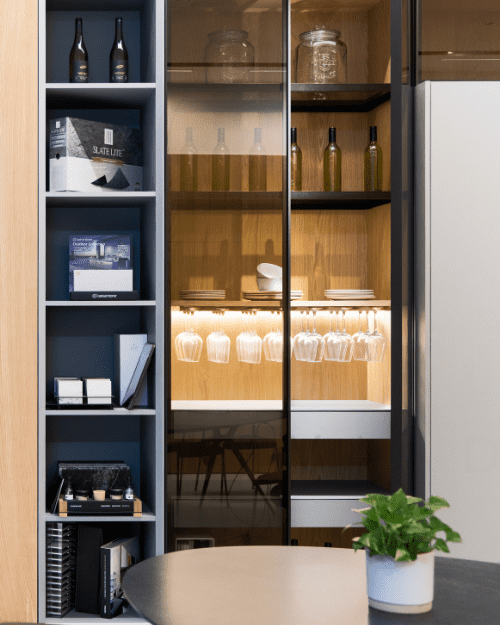

Left: A bespoke wine cabinet by 4plus8, designed as an integrated feature of the interior. Right: Inside an East Sussex GCB, a statement chandelier descends through the centre of the staircase.
The work itself has moved well beyond conventional built-in storage. “Cabinetry used to be considered as a box—we see it as something that’s evolved. We want it to be the most interesting, most useful, and most beautiful version possible.”
Lighting is considered with similar precision. “The right lighting can direct the way you move through the space or draw attention to special pieces you want to showcase,” Lim says.
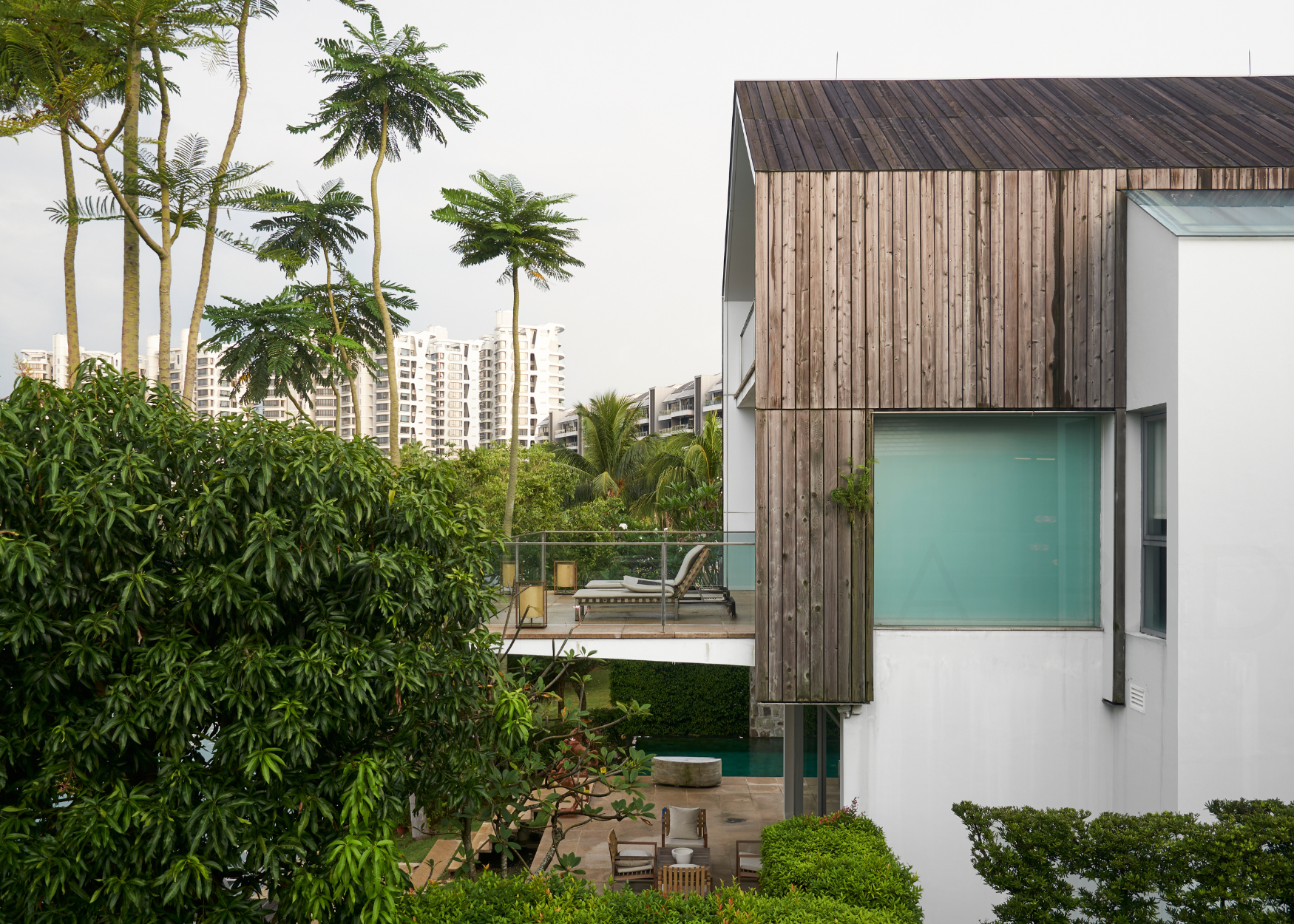
A two-storey bungalow surrounded by mature landscaping at Cove Grove, Sentosa.
The expectation is not only for bespoke work, but for it to happen quickly. Discussing the design process for a house at Coronation Road, Evocateurs co-founder Roy Teo puts the Singapore brief more succinctly: “Singapore is very fast-paced, so we need to replicate that entire process. We need to get it done by yesterday.”
For Suparman, however, the constraint precedes the design, the cabinetry, and the construction altogether. “We’re running out of land, especially for the high-end locations.”
Read next:
- Home tour: Evocateurs co-founder Roy Teo talks us through a colonial transformation on Coronation Road
- The report: The micro hotspots and the macro capital flows in Asia-Pacific’s ultra-prime market
Explore luxury properties in Singapore
In brief: Good class bungalows
Good class bungalows (GCBs) are Singapore’s most exclusive category of landed home, confined to 39 gazetted GCB areas designated by the Urban Redevelopment Authority. Plots must be at least 1,400 sqm (about 15,070 sqft), houses are generally limited to two storeys, and roughly 2,800 plots exist across the island.
Ownership rules: Singapore citizens can buy a GCB outright. Permanent residents need approval from the Singapore Land Authority and face stricter economic and residency criteria for GCBs than for other landed homes, while foreigners are generally excluded. Exceptions are rare and typically require a significant economic contribution.
What’s changing: Supply remains the constant constraint. Few owners sell, and in Nassim just four caveats have been lodged since 2010. A newer generation of entrepreneurs and CEOs increasingly buys for the land—regular, elevated plots with wide frontage—rather than the house, then rebuilds to their own brief.
The takeaway: In Singapore’s GCB market, the house is negotiable; the land is not. Plot shape, frontage, and address set the value, and the best sites rarely come up for sale.
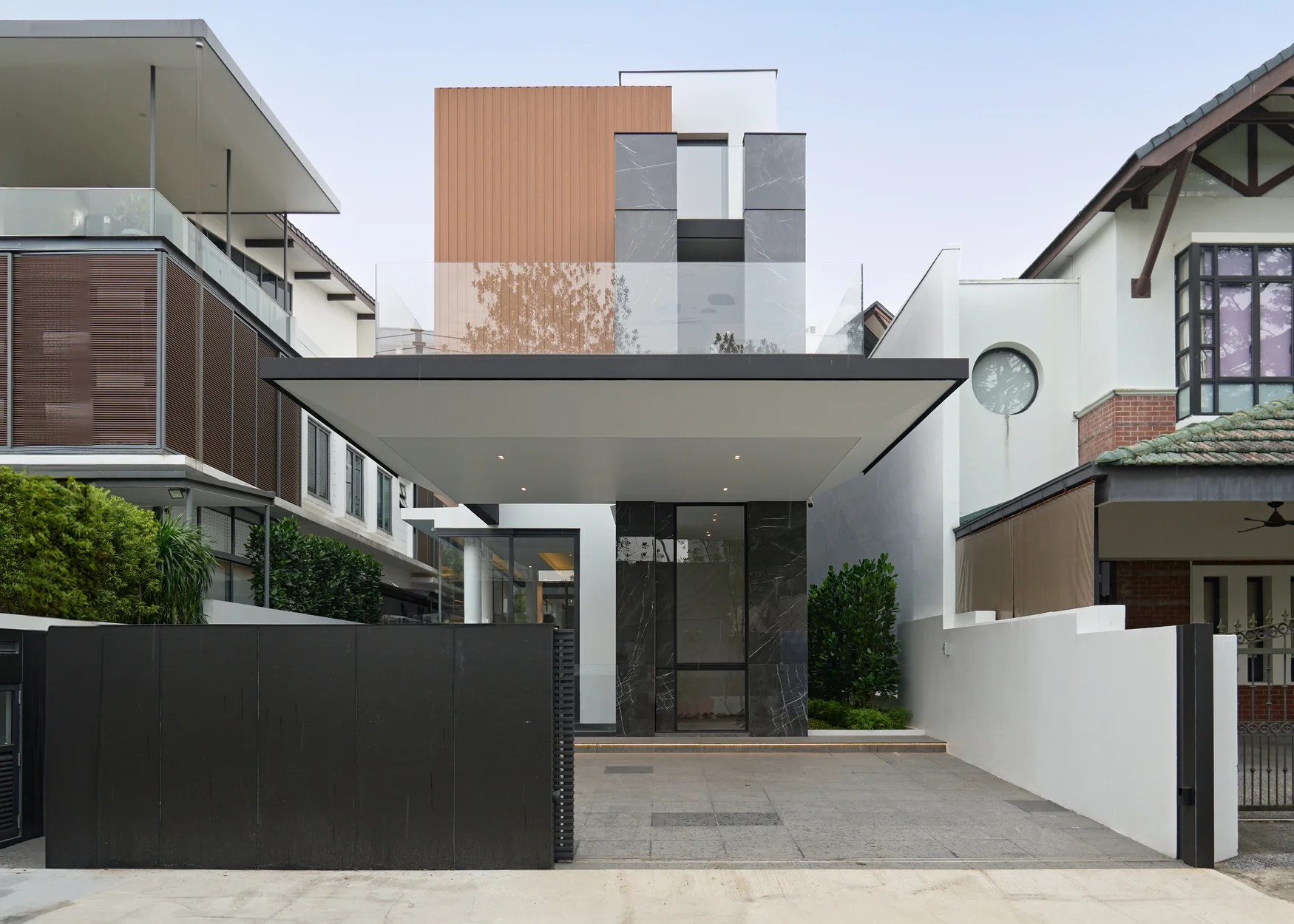
8+1 bed | 10,200 sqft area 19,500,000 SGD
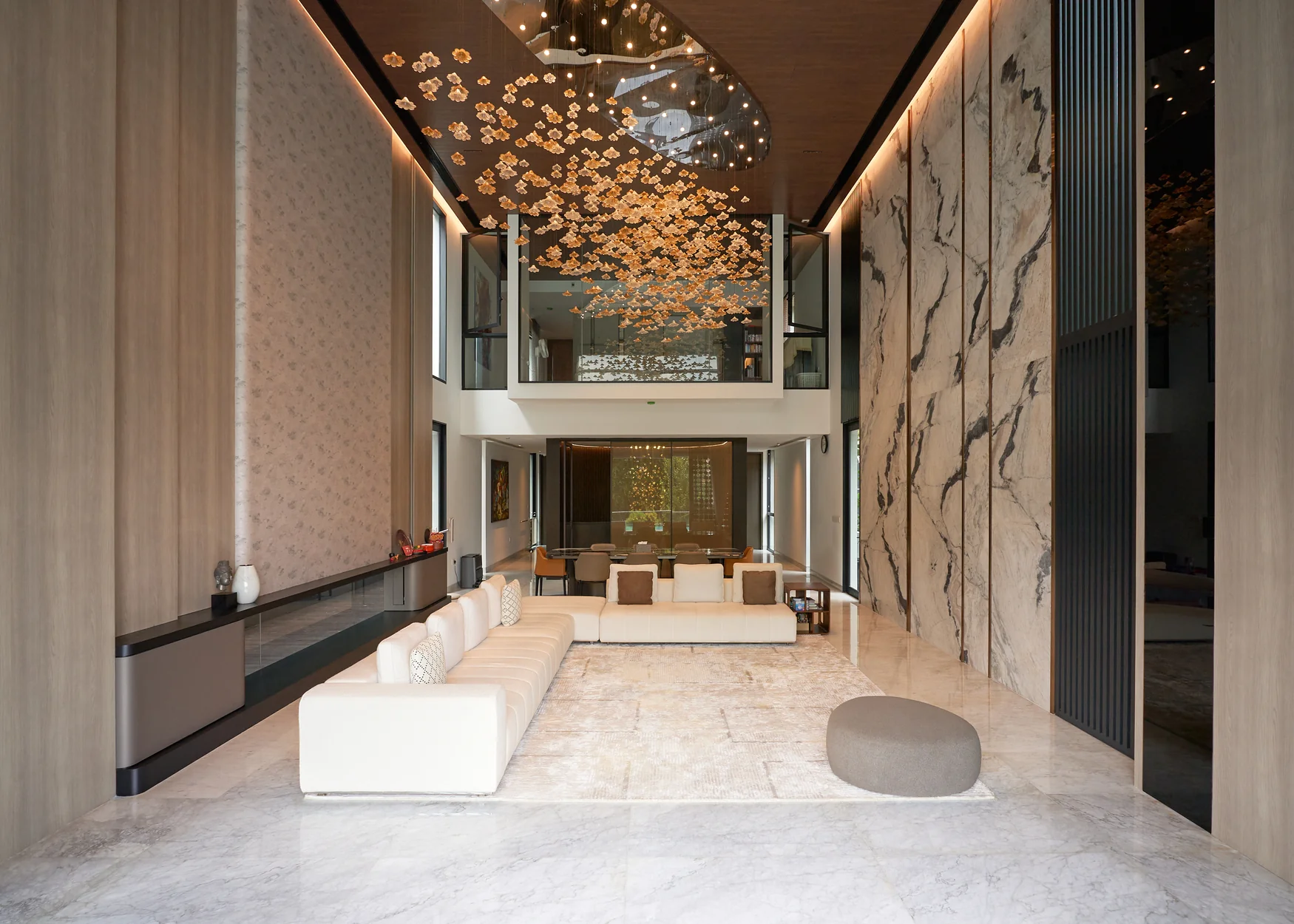
5 bed 19,380,000 SGD
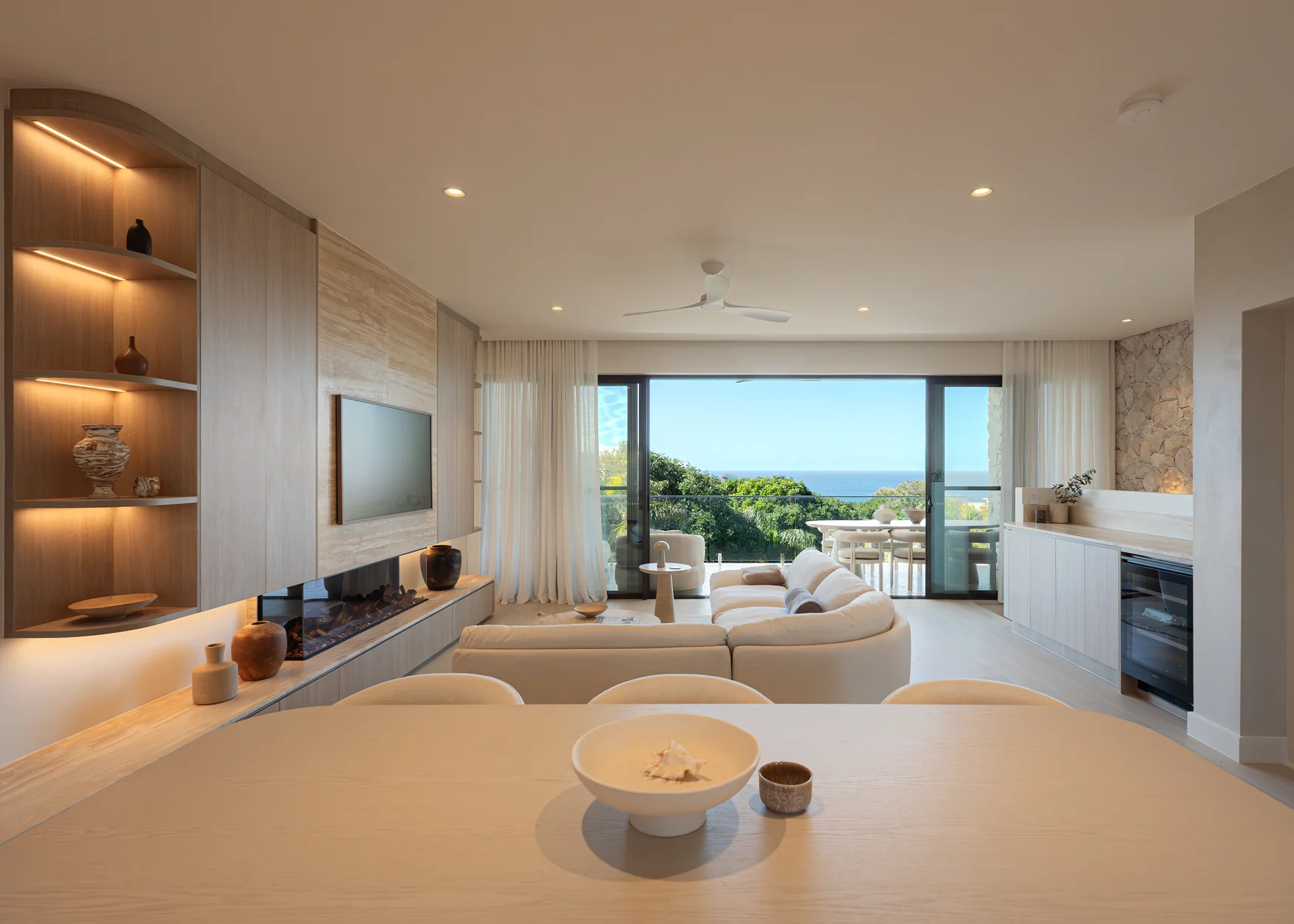
4 bed | 4,208 sqft area POA
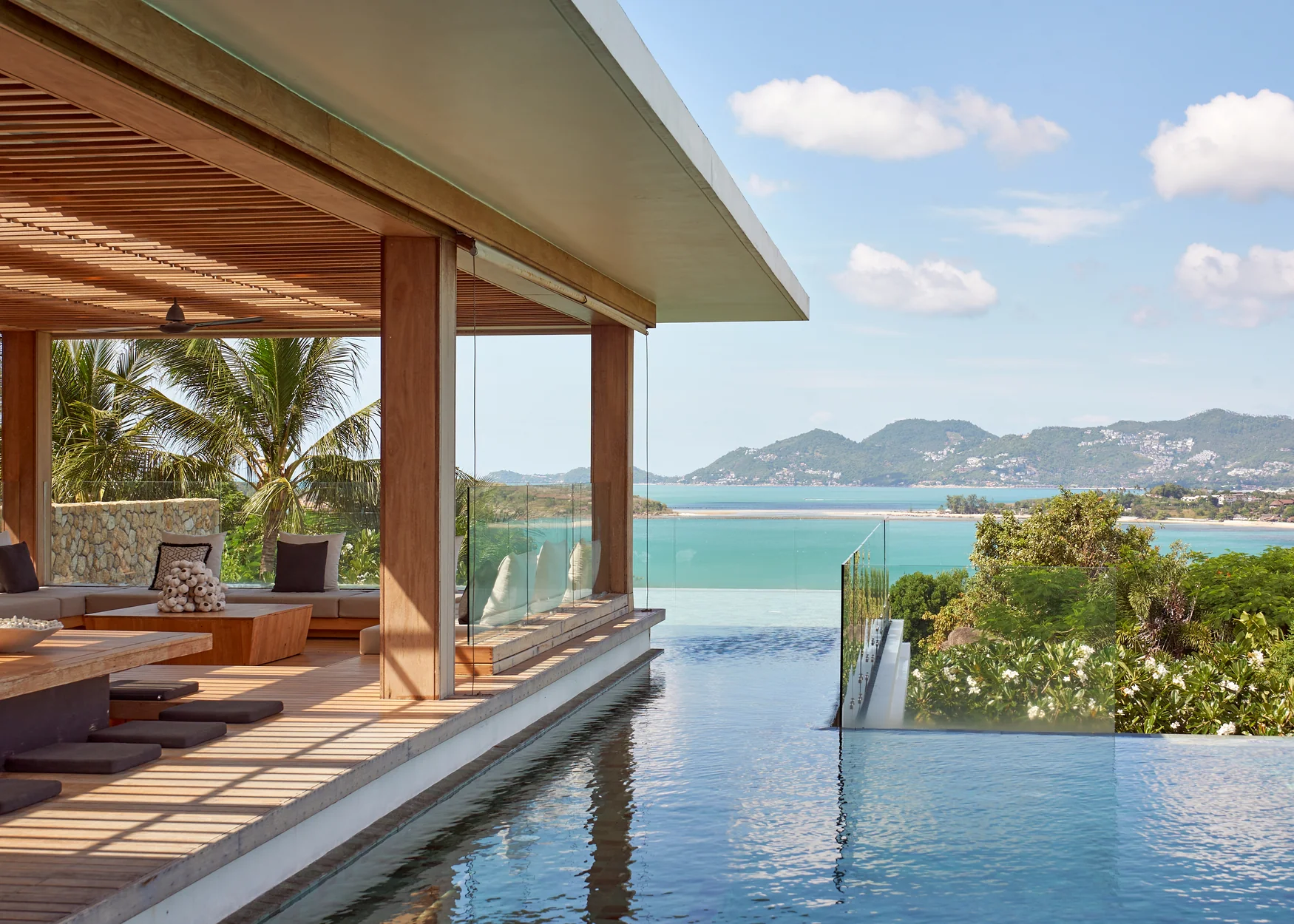
3-8 bed | 699,654 - 784,080 sqft area POA
6 bed POA