Asia-Pacific’s ultra-prime market: The micro hotspots and the macro capital flows
Fourteen metres of snow and fifteen super-prime houses. A stretch of Sunshine Beach where billionaires are assembling oceanfront compounds. A tree-lined road in Singapore where even vacant land commands nine figures. In the Asia-Pacific engine room of wealth accumulation, where asset scarcity meets booming demand, Boulevard maps where the pressure is building—and what comes next.
Explore luxury holiday homes for sale
Niseko, Japan, receives 14 metres of snow in an average year and contains, on the estimate of the agents who sell there, between 12 and 15 ultra-prime homes. On Noosa Hill, there are four sites with the view, each held by a different family, and they are rarely released. Sentosa is the only enclave in Singapore where a landed house can front the sea and hold a private berth at the end of the garden. Phuket’s primary residential market holds 43,481 properties worth an estimated US$14.1 billion, of which luxury and branded product accounts, by the reckoning of the people building it, for under 10 per cent.
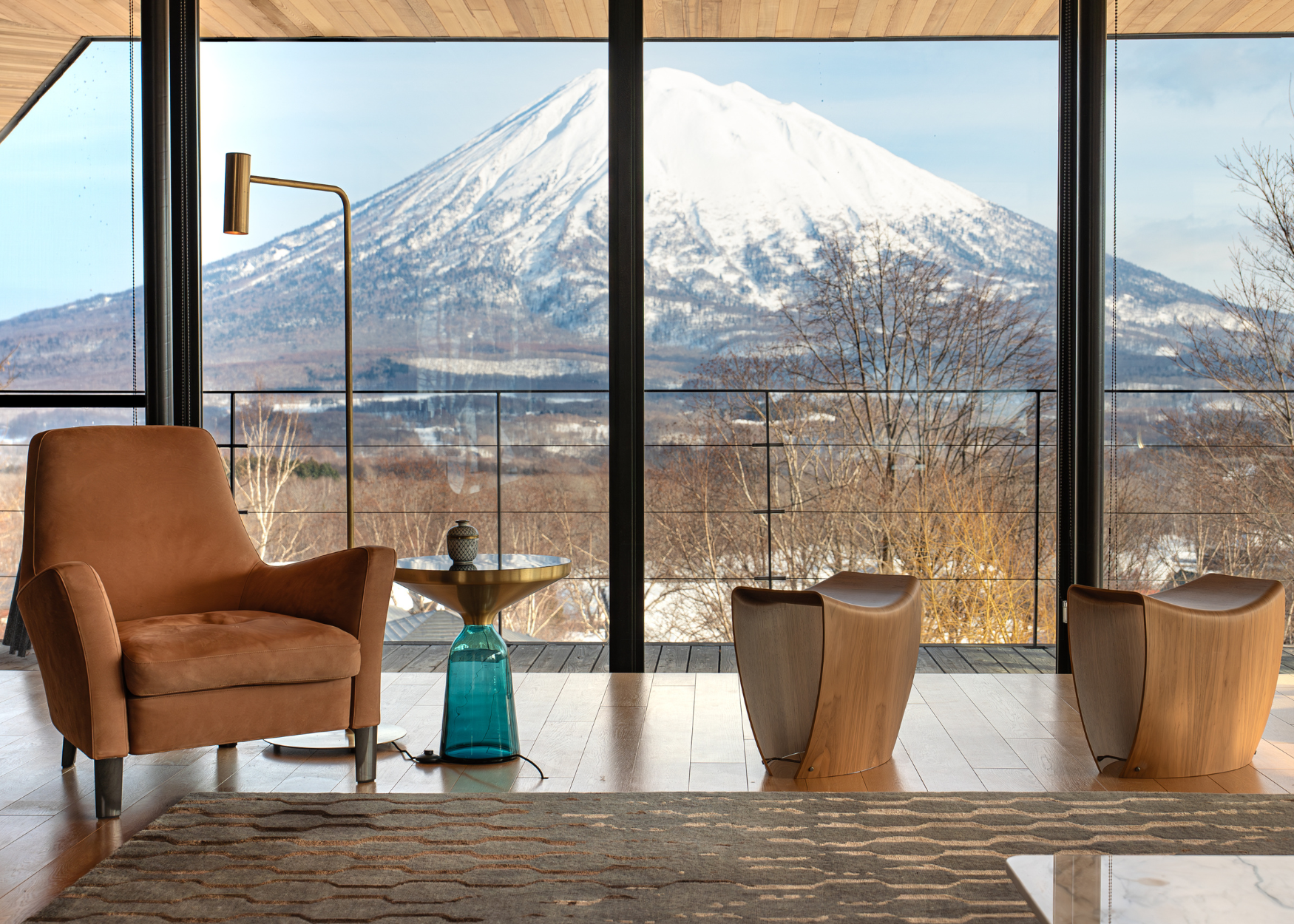
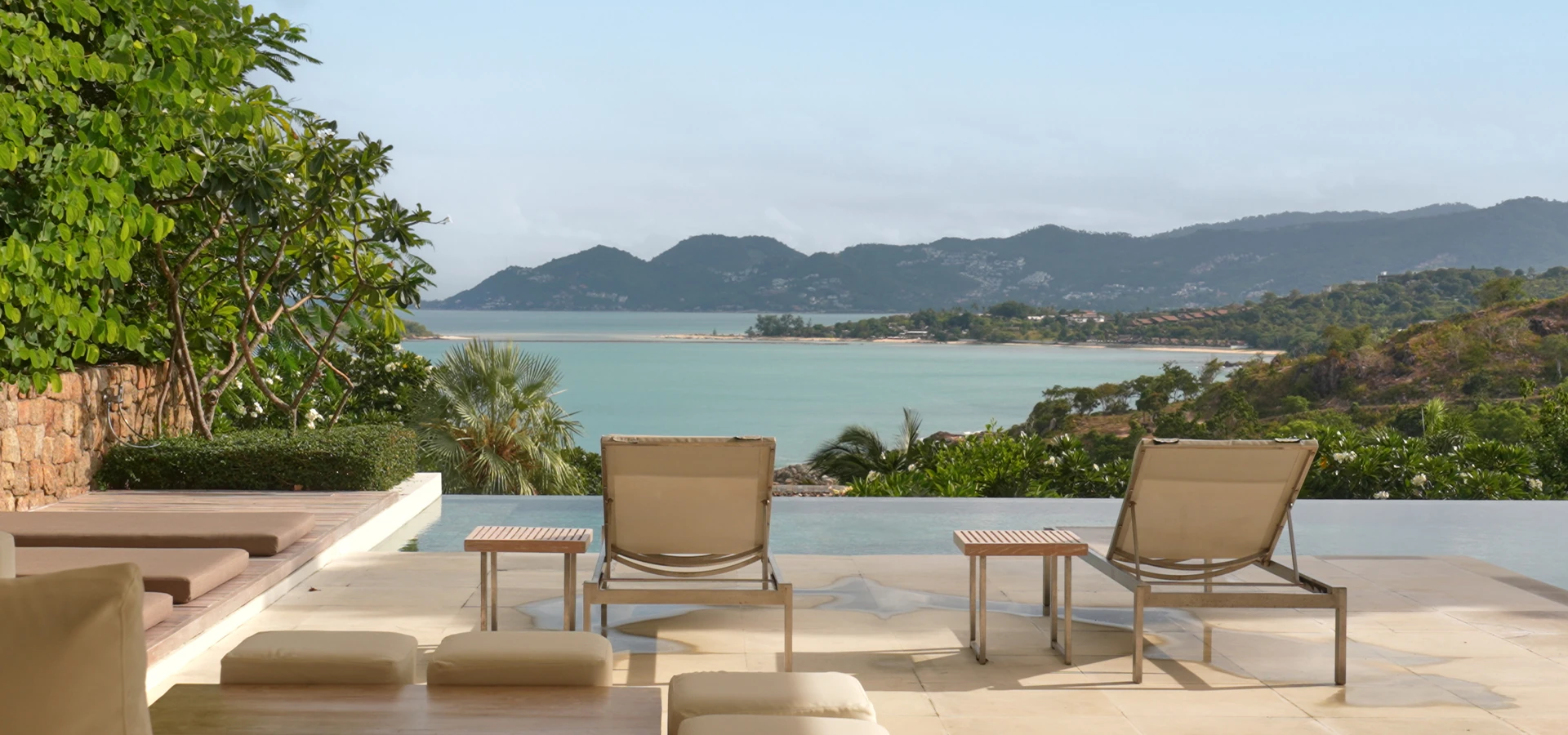
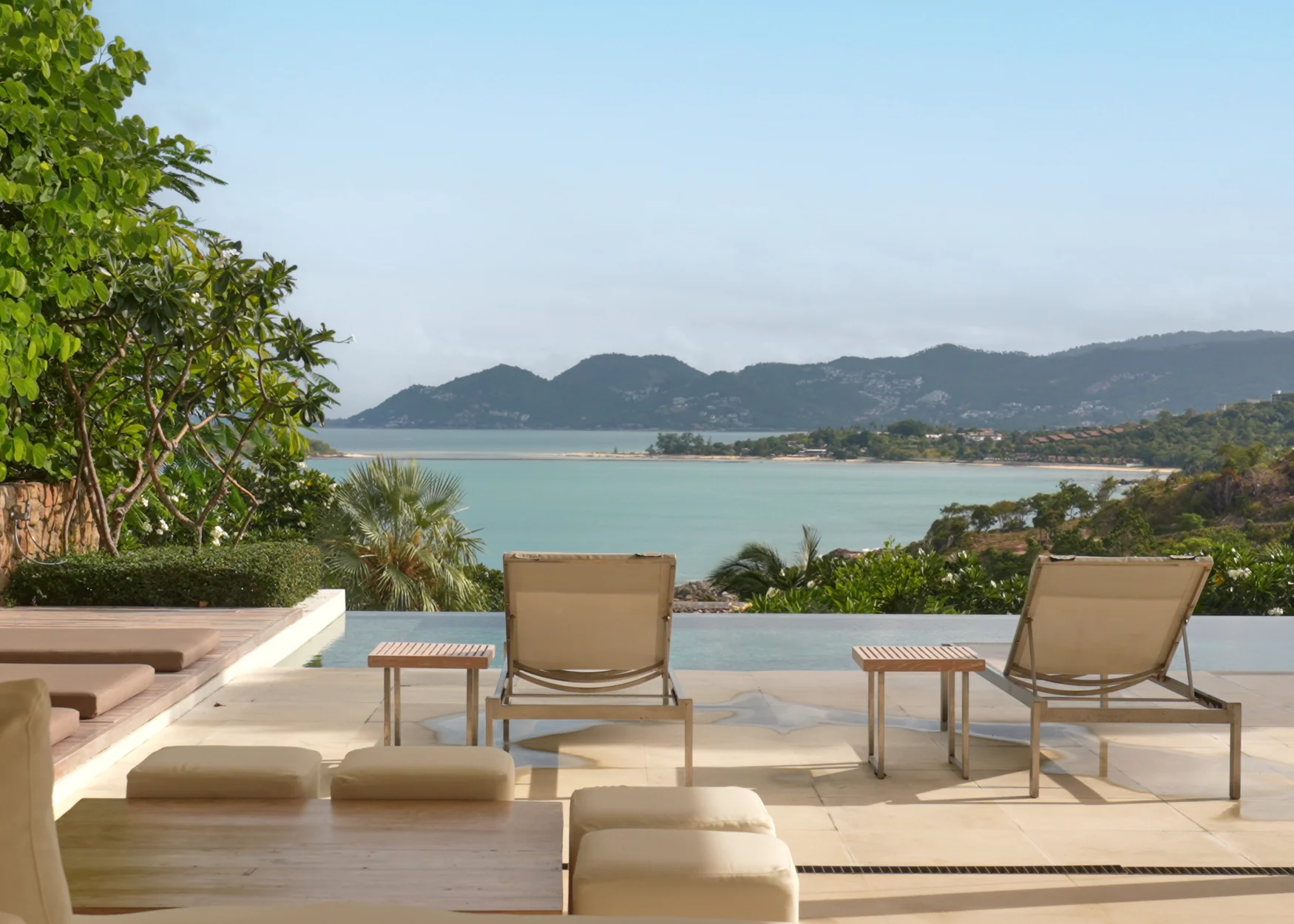
Views of Mount Yotei from Yukikage & The Annex, a dual-residence ski estate in Niseko. Top: Samujana is an award-winning villa estate in Koh Samui, Thailand, comprising 27 individually designed villas, each with an oversized private infinity pool, terraces, and private beach access.
In 2025, prime residential prices in Tokyo rose 58.5 per cent, the strongest performance of any prime market on earth. Over the same 12 months, Guangzhou fell 12.2 per cent, Hong Kong 2.1 per cent and Sydney a fraction. The regional average, at 3.6 per cent, describes almost none of it. Whatever else Asia-Pacific now is, it is not a market.
Set that against the other set of numbers. Asia-Pacific accounts for almost 31 per cent of the world’s ultra-high-net-worth population, second only to North America, and Knight Frank expects the regional total to reach 272,530 by 2031—a rise of 24.3 per cent in five years. Australia alone is forecast to add close to 60 per cent, arriving at 26,095 ultra-wealthy residents, or roughly one in every 1,000 people in the country. India’s ultra-wealthy population has grown 63 per cent since 2021.
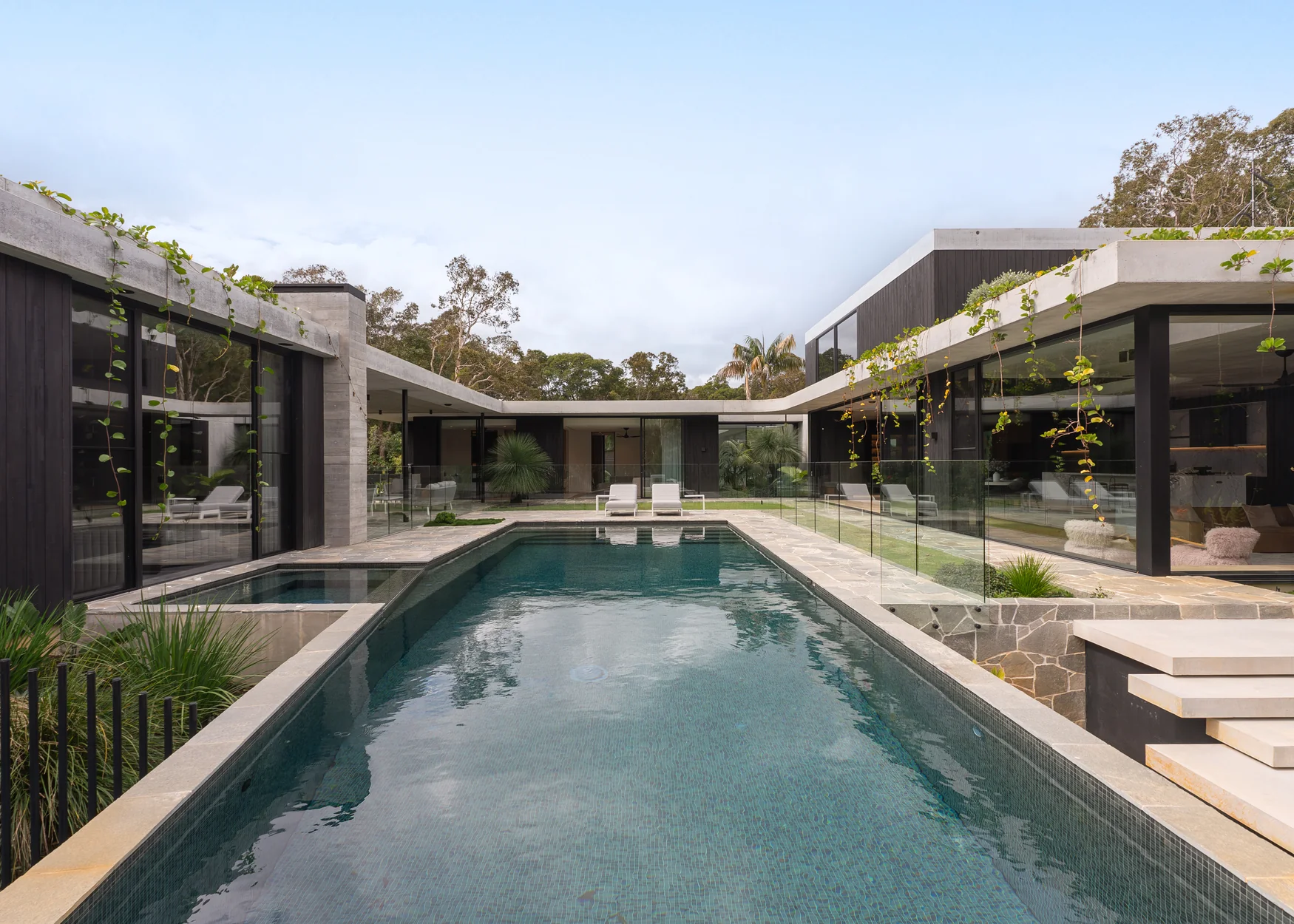
This Hive Architects-designed estate near Mudjimba Beach in the Sunshine Coast features a U-shaped plan with a pool at the heart of it.
The region’s constraint is not capital. It is that market by market—on a hillside, in a postcode, along a single stretch of sand—the number of assets capable of absorbing it can be counted without much difficulty.
One region, 40 markets
For a generation, the pattern was settled. Asian wealth was made at home and parked abroad—a flat in Kensington, a co-op on Park Avenue, the pied-à-terre that certified arrival. What has changed since 2020 is not the appetite for a trophy but the supply of one. Super-prime product now exists inside the region: branded, serviced, architecturally serious and, in several markets, considerably newer than anything comparable in Europe. “Sydney is still relatively cheap compared to the prices in London, New York, or Singapore,” says Ed Horton of The Stable Group, who is selling full-floor residences in Kirribilli. Knight Frank, tracking the branded residence sector, records the same movement in a phrase: the market’s geographic centre is shifting eastward. The capital no longer has to leave the region to find something worth buying, and increasingly it does not.
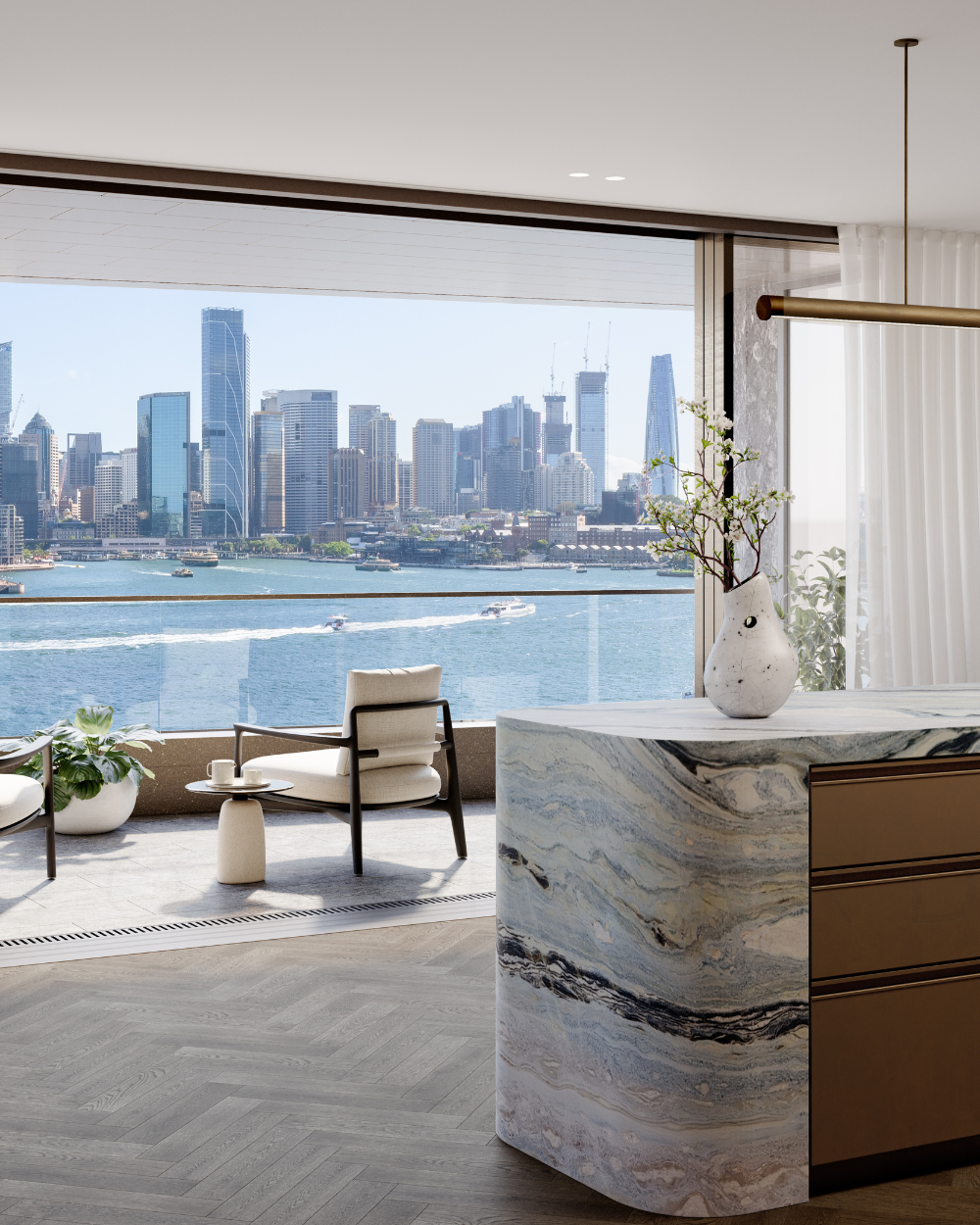
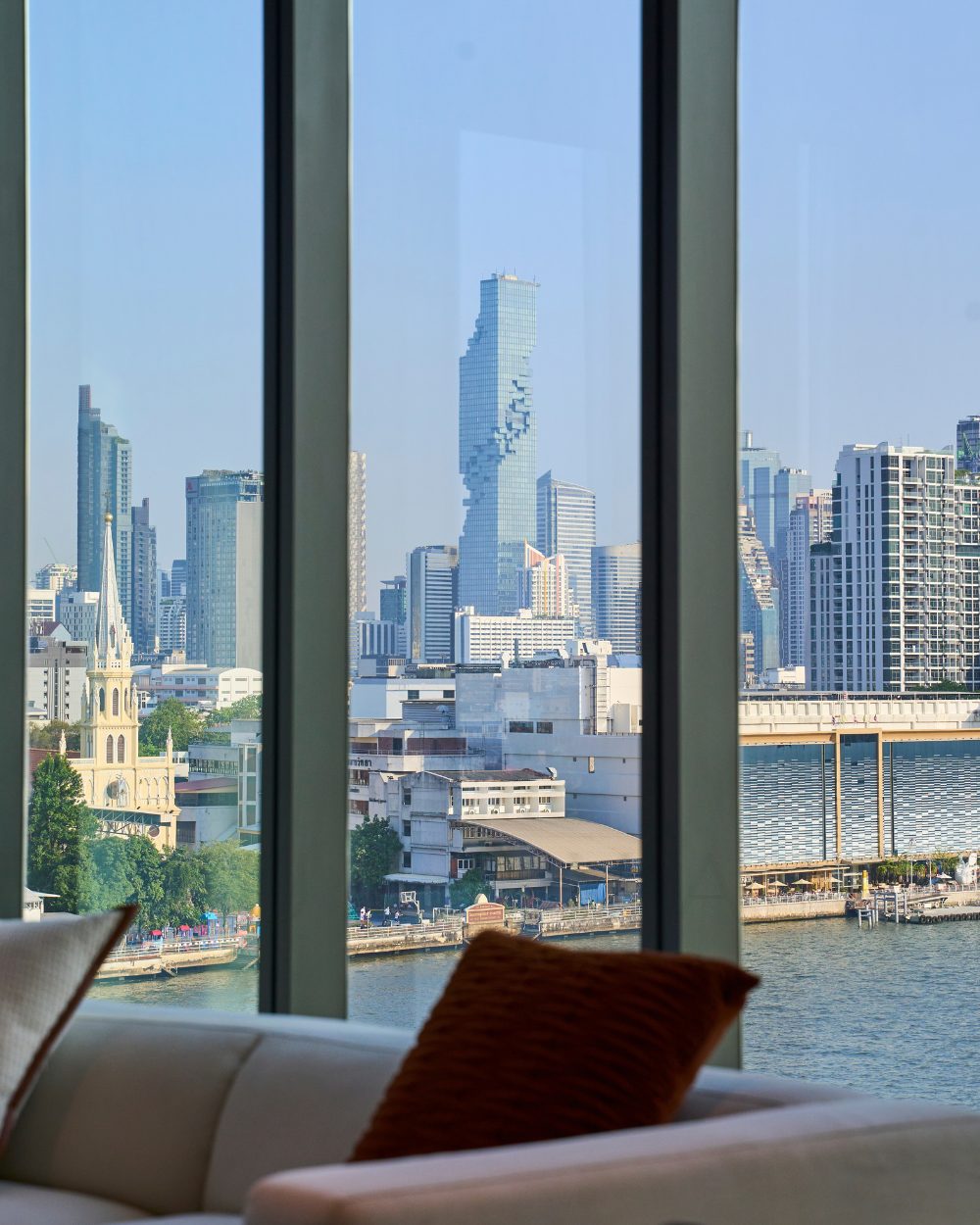
Left: A whole-floor residence at Waruda Kirribilli, featuring breathtaking Sydney harbour views. Right: Bangkok’s skyline meets the Chao Phraya River beyond Banyan Tree Residences.
Read the past five years through Knight Frank’s prime index and the region dissolves into a set of unrelated stories. Manila has compounded 84.9 per cent over five years and added a further 17.5 per cent in 2025. Seoul rose 14.7 per cent, Bengaluru 9.4, Mumbai 8.7. Tokyo’s 58.5 per cent stands alone, a currency story as much as a property one. Hong Kong recorded 81 sales above US$10 million in the final quarter of 2025, among the highest volumes anywhere, while its index fell. Even depth and direction have parted company.
The wealth migration data cuts across the standing assumption more sharply still. Singapore, for a decade the region’s default destination for relocating money, is provisionally expected to post a net inflow of 1,600 millionaires in 2025—its lowest on record, and down from 3,500 the year before. Australia’s net inflow, 5,200 in 2023, is put at 1,000. The United Arab Emirates, over the same period, expects 9,800. Henley & Partners has Japan taking a net 600, drawing particularly from China, and describes Thailand, at a net 450, as “rapidly emerging as Southeast Asia’s new safe haven, with Bangkok positioning itself as a key rival to Singapore”.
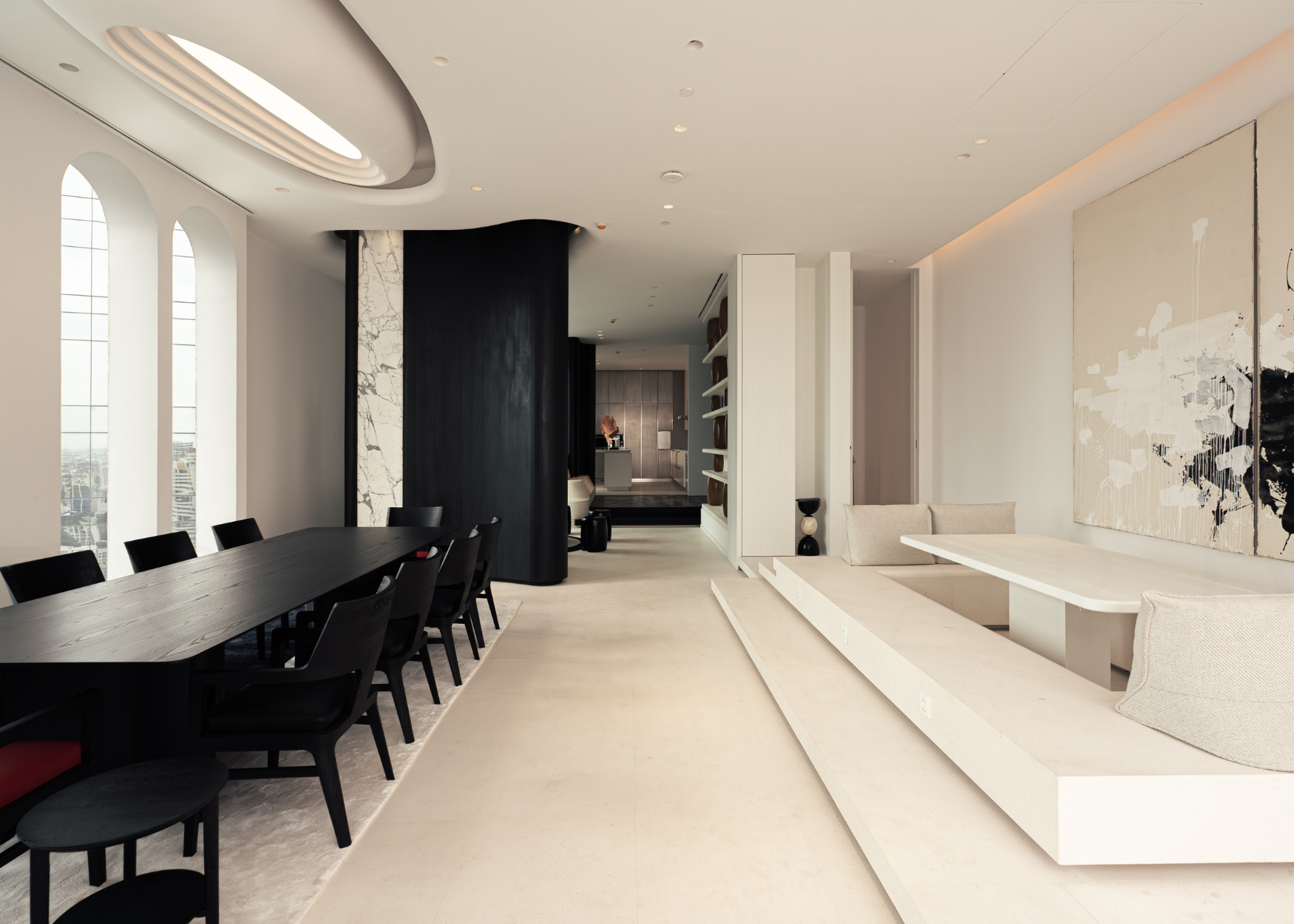
The Diplomat in Bangkok is a 31-storey tower featuring Palladian-inspired architecture and comprising 391 one- to four-bedroom apartments.
That matters because it changes who is in the room. The region is now creating ultra-wealth considerably faster than it is importing it, and the buyer at the top of these markets is increasingly domestic, regional, or a returning expatriate rather than the offshore capital most pitch decks still assume. Robert Klaric, 35 years in Sydney’s prestige market, calls the city “the Switzerland of the South Pacific”, and the enquiry supports him. “While there is a lot more enquiry, we’re not yet seeing the transactions from offshore,” says Luke Hayes of Colliers. Of the 76 apartments at One Barangaroo, four went to overseas buyers. The same rotation is running inside Thailand, where Felix Desjardins of List Sotheby’s International Realty is watching Thai investors “who feel overexposed in the Bangkok market” move capital into Phuket and Koh Samui.
The glut and the shortage share a postcode
Phuket is the clearest illustration anywhere in the region. Across the wider market, the correction is real and measurable: absorption has slowed from 5.5 per cent of stock a month through 2021 and 2022 to 1.8 per cent in the first half of 2025, and Gaël Ovide-Etienne of Ocean Worldwide calculates six years of standing inventory in Bang Tao and Surin. “Phuket is still a premier luxury destination with limited prime supply—but we won’t see the crazy price jumps of the boom years,” he says.
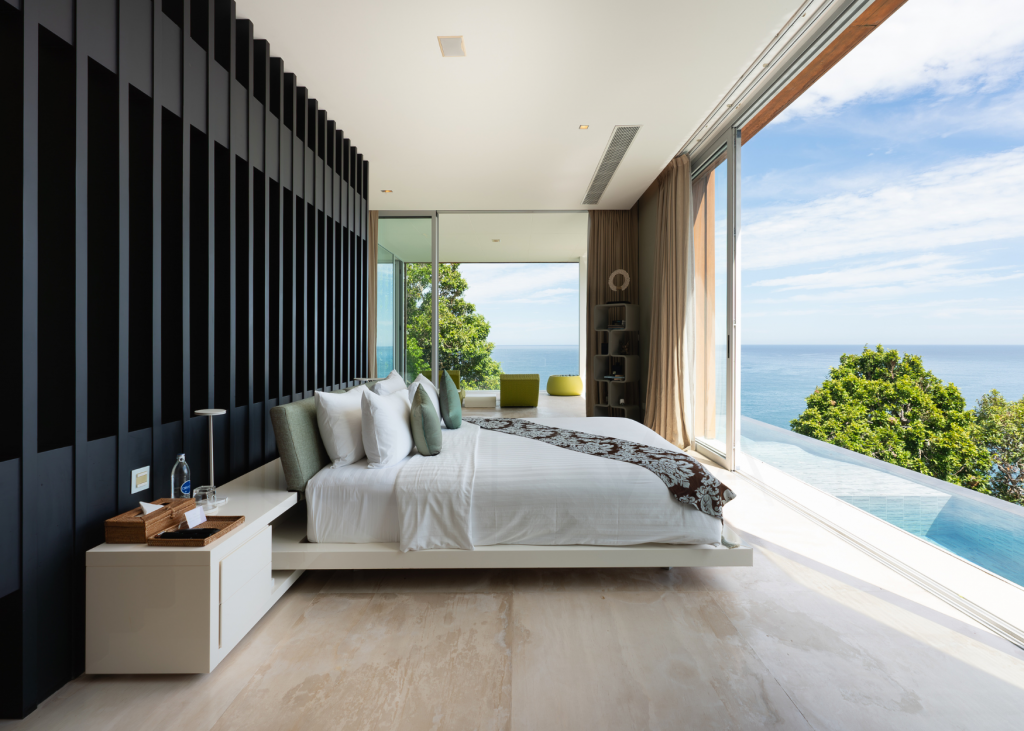
Left: Set within a gated community on Kamala’s Millionaires’ Mile, “Villa Mayavee” is a Phuket holiday property with expansive sea views and rare peninsula privacy.
Move up one tier and the arithmetic inverts. Villa transactions rose more than 20 per cent year-on-year in 2025. Sea-view and beachfront homes carry a premium of 20 to 25 per cent over comparable inland stock. Yields at the top run 10 to 12 per cent, against the 3 to 6 per cent CBRE records in Bangkok. “Yes, 43,000 units are coming online, but it’s important to look at the data more closely,” says Proudputh Liptapanlop of Proud Real Estate. “Many of these units are in the mid-tier segment. If you focus on luxury and branded residences, they probably make up less than 10 per cent of that total.”
The same shape repeats across the region. In Niseko, buyers now treat 600 square metres of internal floor area as a minimum and frequently want more than 1,000; there are perhaps 12 to 15 homes that qualify, and fewer than 30 penthouses in existence. In Noosa, Christine Mount of Luxe Coastal Property Buyers puts compound growth on prime waterfront at 12 to 16 per cent a year over 15 years, with records of A$32 million to A$34 million and a single raw waterfront parcel of roughly 700 square metres trading at A$17 million. Entry-level waterfront in the same postcode starts near A$3.2 million, and everything between the two sits within an eight-minute drive.
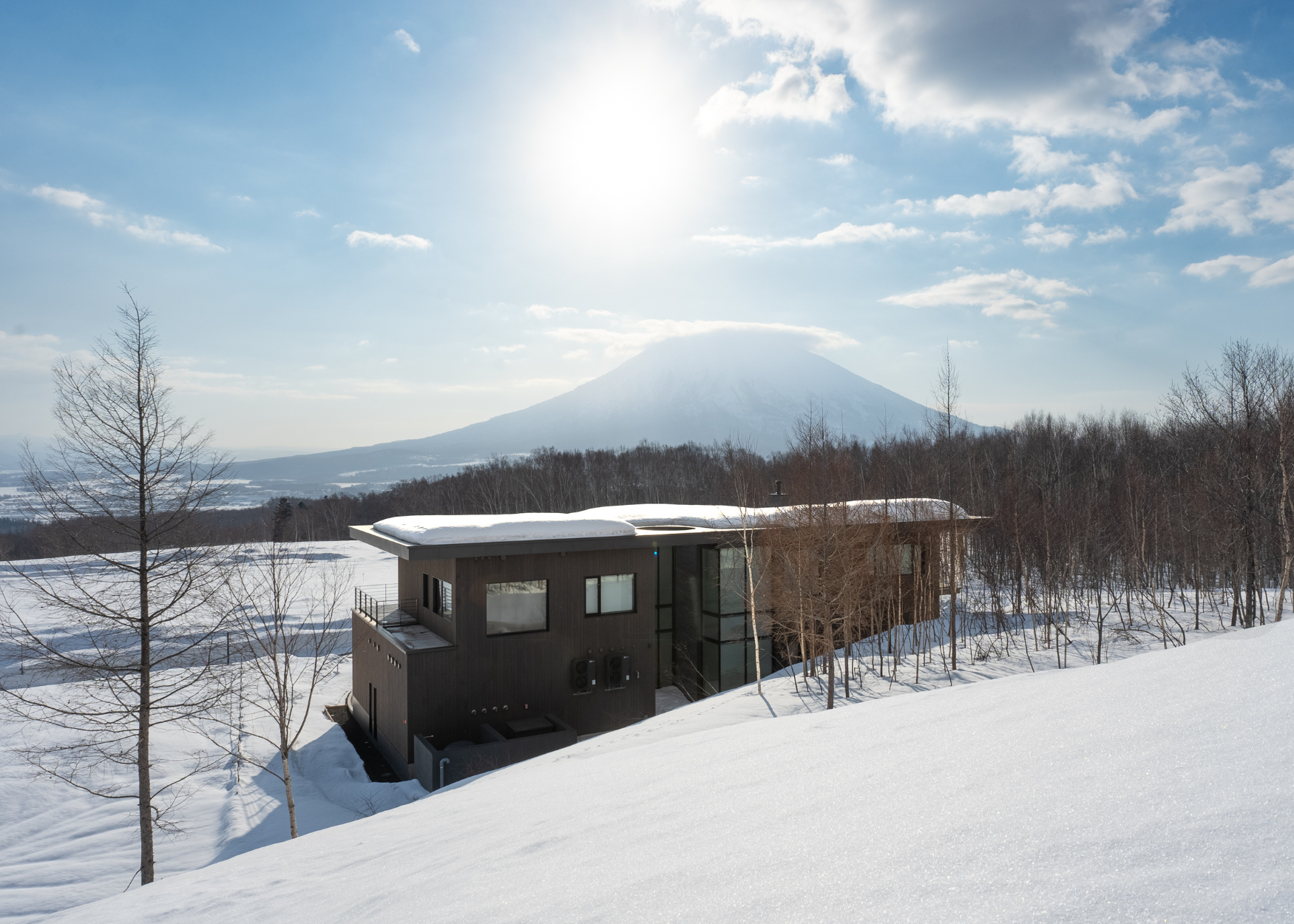

Left: A designer residence in Odin Hills, Niseko, set against a backdrop of Mount Yotei. Right: Mountain views from the living area of a Zora residence in Niseko.
“None of it can be extended. There is no more land,” says Rachel Sellman of Century 21 Conolly Hay Group. Casey Languillon of Harcourts Prestige puts it plainly: “We don’t have enough supply to service the demand.” At this level, she says, “near enough often has to become good enough”. Desjardins draws the line in Thailand at the water’s edge: “Finding a true beachfront villa in Phuket with direct access to a swimmable beach is now almost impossible.”
Not all of the scarcity is geological. Sentosa is the only address in Singapore where a landed house can sit on the water with a berth at the garden’s end, and a foreign buyer pays 60 per cent in additional buyer’s stamp duty for the privilege; bungalows there trade between S$12 million and S$40 million. New Zealand set the property threshold on its Active Investor Plus visa at NZ$5 million in March 2026. In much of Asia-Pacific, the ceiling on supply is written into the statute book rather than the coastline, and it holds just as firmly.
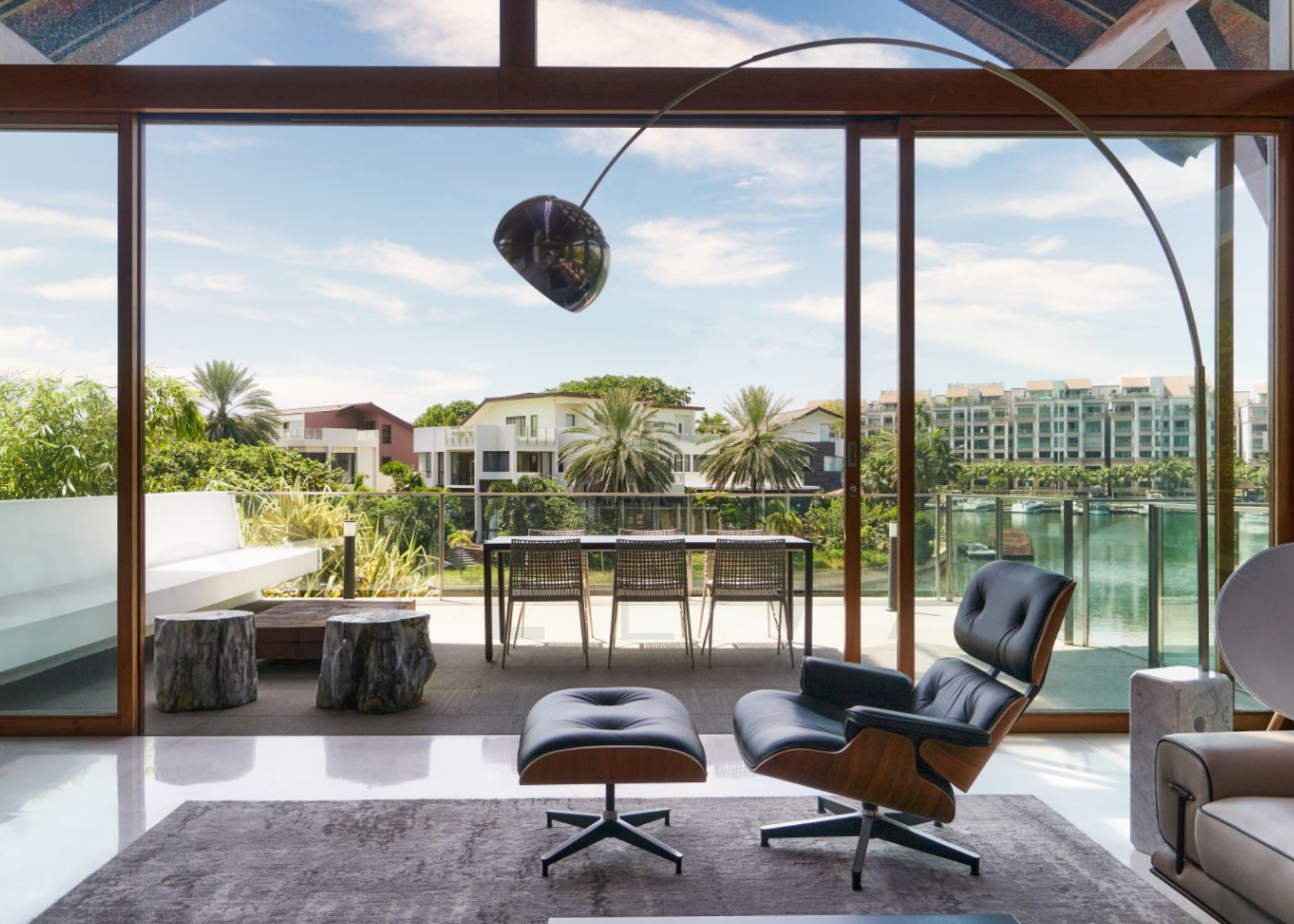
Left: The main living area opens to a balcony at this harbourfront bungalow on Ocean Drive, Sentosa.
From second home to second life
One behavioural shift shows up in every market in the archive: the holiday house is being lived in. Adam Taugwalder of CB Prime has 90 per cent of Phuket’s ultra-prime transactions going to international buyers who now spend three to four months a year on the island. “Increasingly, buyers are viewing Phuket as more than just a second-home destination,” says Ovide-Etienne. “While the traditional model of using a property as a holiday home still exists, there is a clear shift toward longer-term stays and even permanent relocation.” Liptapanlop is blunter: “People are no longer just retiring here—they’re coming to set up families and run businesses.”
Noosa ran the same experiment earlier and further. “Since Covid, people have relocated here, and they’ve redesigned their lives to live in Noosa, but still work in a corporate field,” says Languillon. Sellman’s version is more vivid: “During Covid, I think there were more CEOs in Noosa than anywhere else in Australia.” Desjardins describes his Thai clientele as “home collectors—individuals who maintain multiple residences around the world”, for whom the country “serves as a natural soft landing”. Because almost nothing at this level is mortgaged, he adds, the segment is “largely insulated from external financial volatility”—which is part of why the correction below it never reached it.
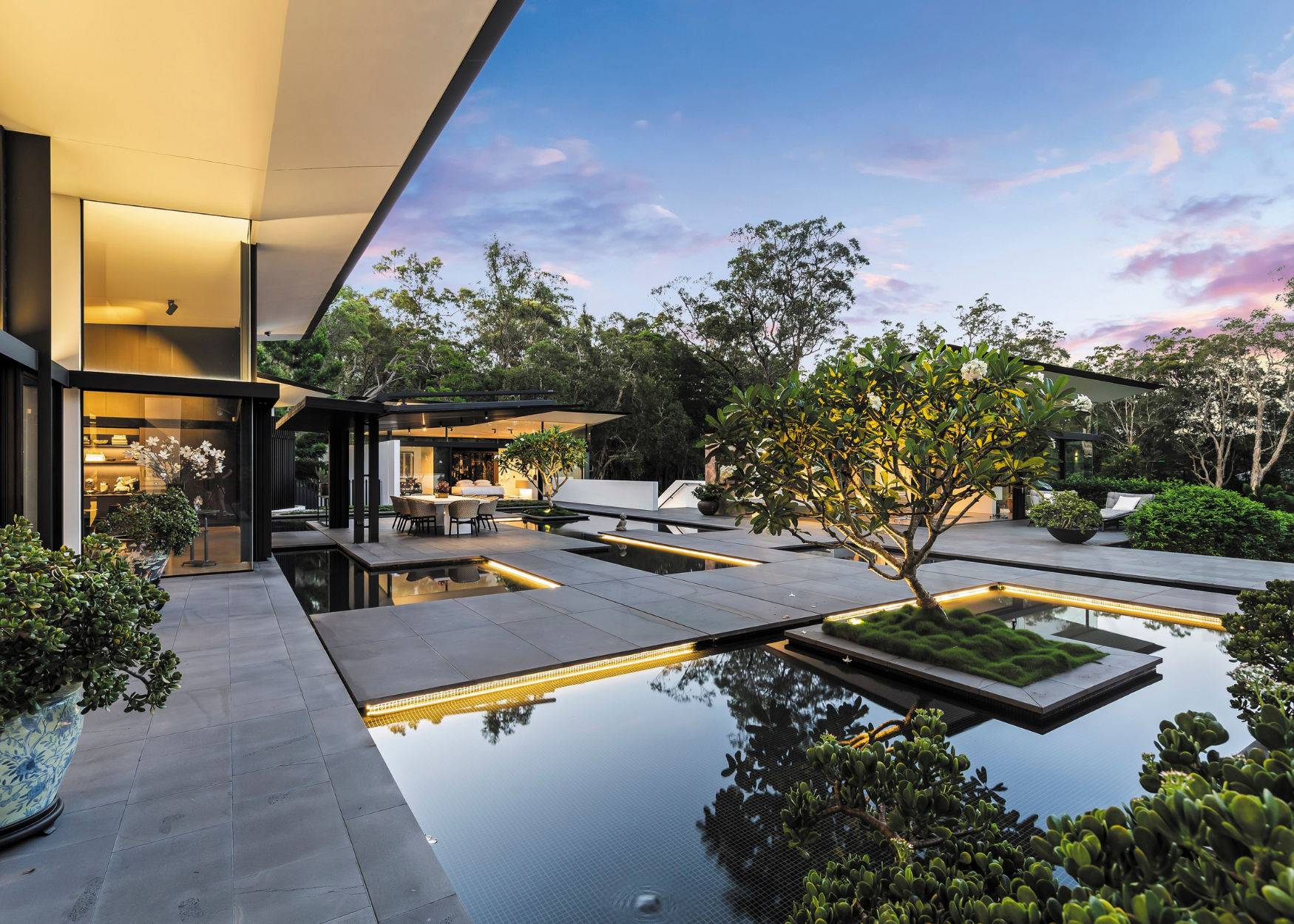
An open-plan pavilion-style estate in the Noosa hinterland, opening onto lush landscaping and water features.
Living somewhere for a third of the year rather than a fortnight changes what the asset has to do, and that, far more than any logo, is what has carried the branded residence across Asia-Pacific. The premium is well documented and inconsistently measured: 20 to 35 per cent over non-branded peers on Arcadia Consulting’s figures, 10 to 20 on CBRE’s, and on Lynn Villadolid’s 24, 32, and 52 per cent for global cities, resort destinations, and emerging markets respectively. “The emotional return is as important as the financial one,” says Villadolid, whose Lifestyle Capital Partners advises across the sector. Vimol Kogar of Bangkok 101 expects “an all-out turf war to see who will win the battle of the brands.”
The sharpest scepticism comes from inside the industry. Omar Romero, who developed Layan Residences by Anantara for Minor Hotels—villas of 1,000 to 1,500 square metres that sold at US$10 million during Covid and resold recently at US$23 million—is unconvinced by most of what now carries a name. “Everything is becoming branded nowadays. I think the market often doesn’t distinguish between what is truly branded and what is merely labelled,” he says. “I often wonder how they are bringing the brand to life beyond putting a logo at the entrance or in the brochure.” What buyers pay for, on his reading, is the service beneath the marque and not the marque itself: round-the-clock concierge, seamless access to the hotel, and the option of putting a US$20 million villa into the rental pool at US$15,000 to US$20,000 a night when nobody is in it.
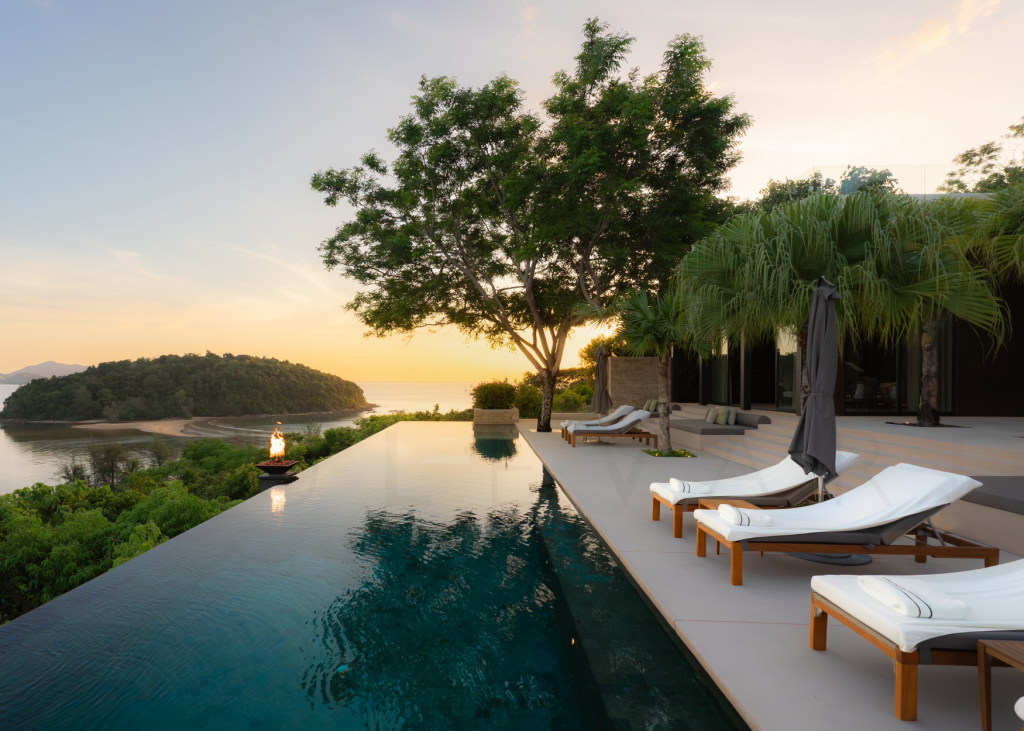
Villa Racha’s infinity pool and outdoor lounging area, with uninterrupted views across the Andaman Sea at Layan Residences, Phuket.
Where there is no hotel to lean on, the same expectation lands on whoever is holding the keys. Mount has a client on Cooroy Mountain Road who wants the house “maintained to the same standard as their yacht in Thailand—everything checked, nothing left to rust, fences inspected regularly”. Owners now expect to arrive to “their favourite wine in the fridge, their preferred food stocked, everything set up”. It is why the finished house beats the empty block almost everywhere in the region. A ground-up build in Noosa runs three and a half years through council approvals alone. “Most high-end buyers—especially those spending eight figures—have little interest in taking on renovation work,” says Desjardins. “They simply want to bring their bags.”
The corollary is that yesterday’s finish dates fast: the white box era, he says, is over, and buyers now distinguish “between a flat sea horizon and a composed panorama featuring islands, bays and depth.” Knight Frank counts 611 live branded schemes worldwide and forecasts 1,019 by 2030. Its own survey adds a caution the region’s marketing rarely does: Asia-Pacific’s share of the global total is expected to ease, even against a strong pipeline in Thailand and India. The brands are arriving everywhere at once, and the regional advantage in having them is narrowing as they do.
Where the next five years get built
Ask the region’s operators what actually moves a market, and they answer, with striking uniformity, infrastructure and tenure. Queensland has committed A$119.2 billion of capital works over four years, A$7.1 billion of it venue infrastructure ahead of the 2032 Brisbane Olympics, and Noosa’s agents have been pricing that in for two years. Thailand’s second Andaman airport at Phang Nga does something comparable for the mainland coast north of Phuket. “We’re seeing a wave of luxury hotels opening in areas like Phang Nga, and with the second Andaman airport coming online, that region is definitely one to watch,” says Liptapanlop. The Sapporo bullet train extension will cut the drive into Niseko, and Indonesia has put US$3 billion into Lombok, where Samara’s 150-hectare, 500-villa resort is due in 2028.
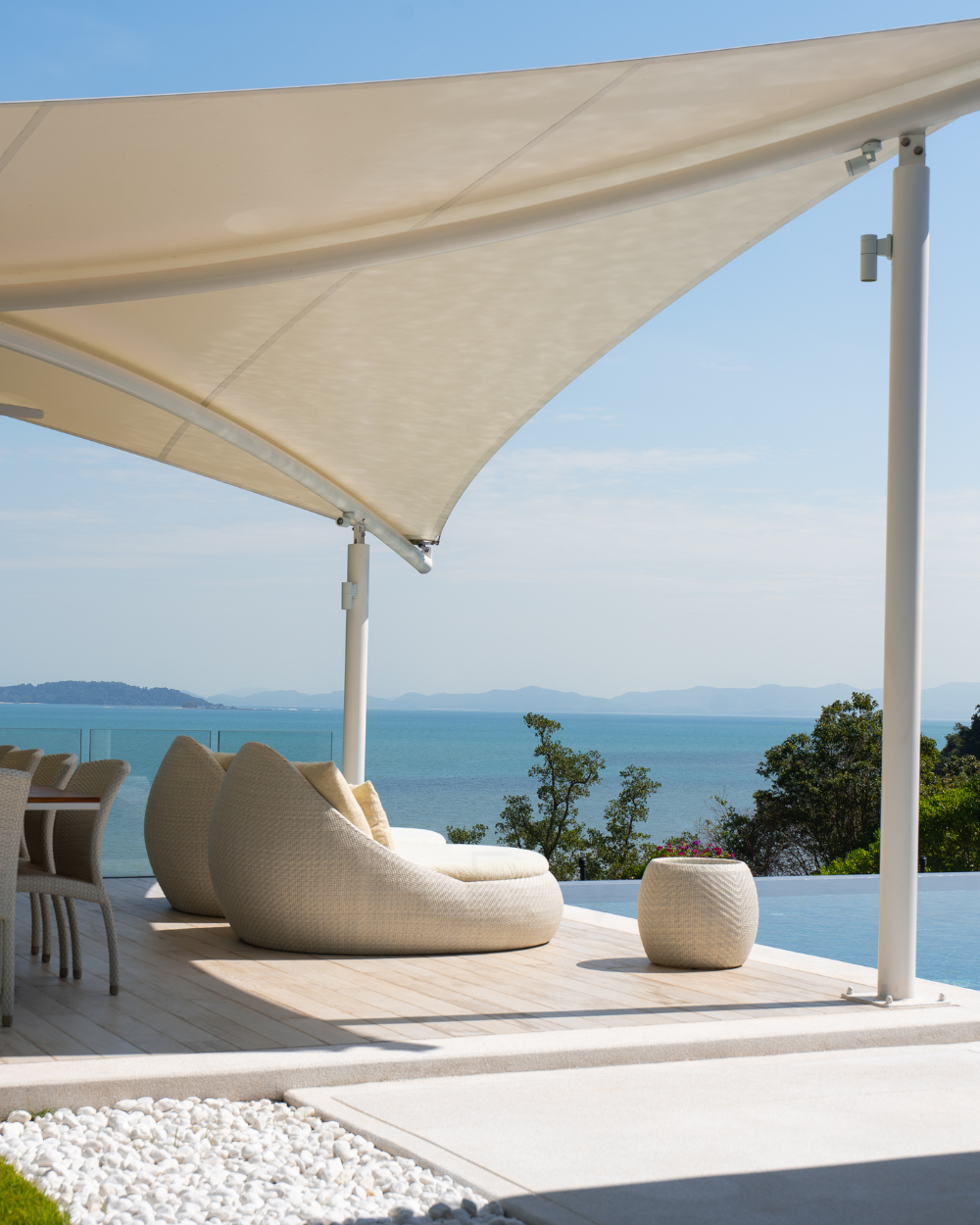
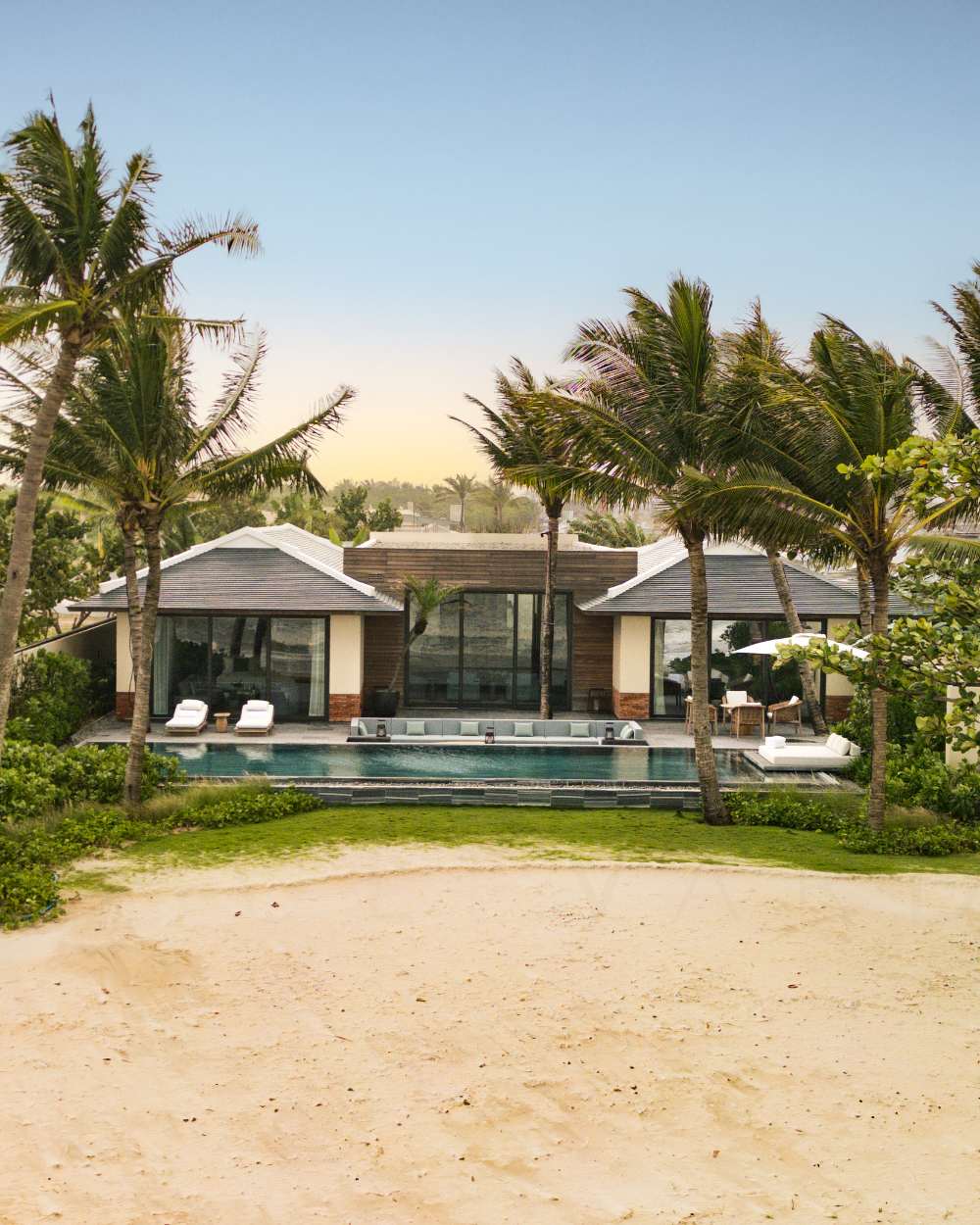
Left: The poolside sundeck at a Cape Yamu oceanfront villa, looking across Phang Nga Bay. Right: The Residences at Mandarin Oriental, Danang, sit right on the beach.
Vietnam is the region’s clearest new entrant and its clearest warning. The macro case is not in dispute: real GDP grew 8.02 per cent in 2025 on record realised foreign direct investment of US$27.62 billion and 21.2 million international visitors, and the industry has gone from a handful of Singaporean and Malaysian players to at least 95 listed Vietnamese developers in 20 years, building 500 to 1,000 units at a time where they once built 100. Danang has 83 hotels along a beach that had one when Marc Townsend—20 years in the market, now advising at Arcadia Consulting—first went there. The country has gone from five golf courses to 55.
The region’s real test is the sophistication gap in the market. A buyer who has spent 20 years between London, Singapore, and Hong Kong brings the expectation with them, and Minh Phuong Nguyen of Masterise Group, building One Central Saigon at Ben Thanh, is arguing that Vietnam has caught up with it: “Vietnam is no longer viewed only as a manufacturing destination—it is increasingly seen as a market for lifestyle, hospitality, culture, and long-term urban investment.” Townsend’s answer is that the joinery is still missing. “If a developer builds a fantastic project, it often stops at the road. It’s not like Singapore, where everything is joined and connected. If you’re looking for that seamless experience, you won’t find it yet.”
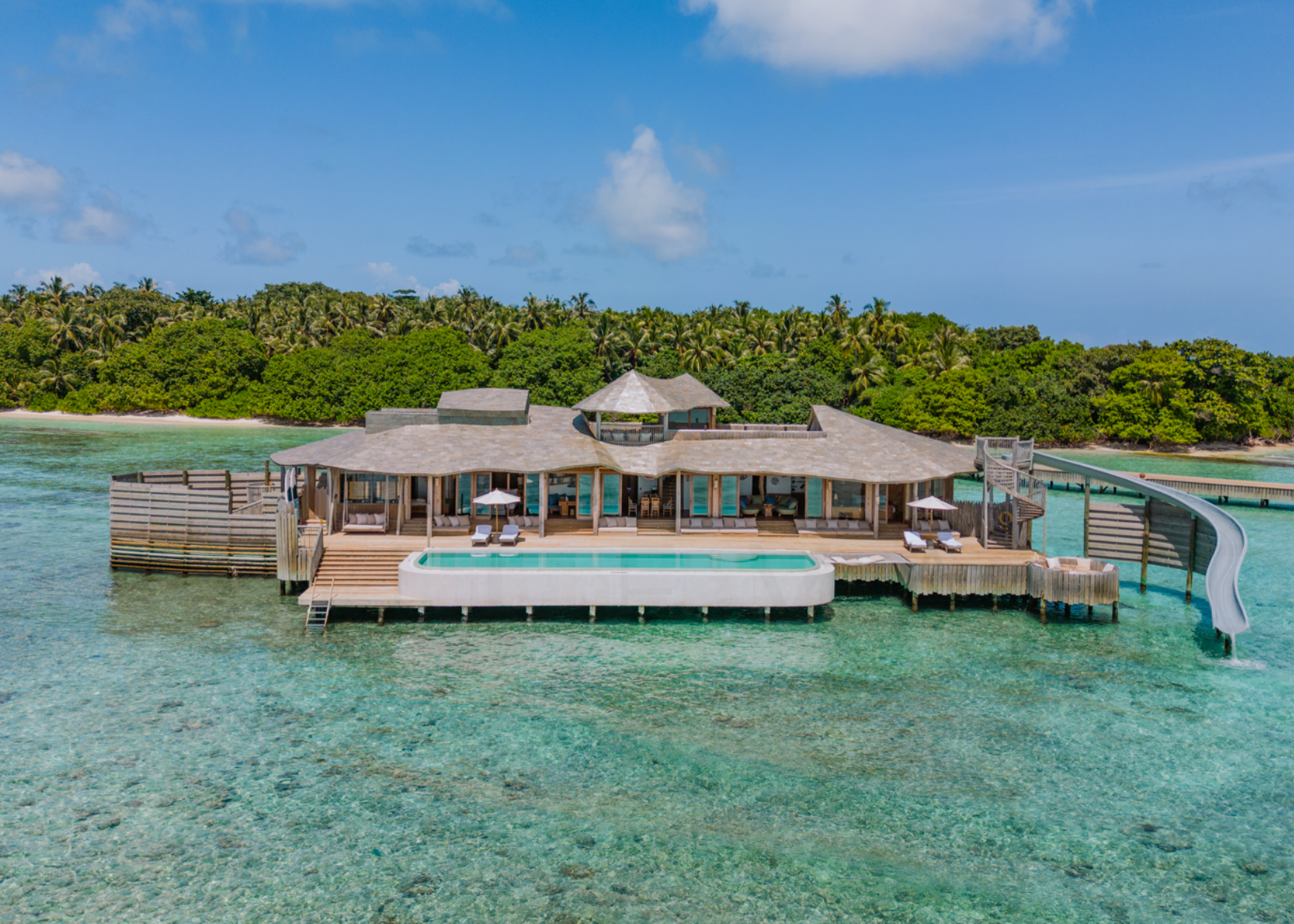
Left: An overwater villa at Soneva Fushi, Maldives, set in a sublime island paradise of white-sand beaches, dazzling waters and reefs, and an exceptional level of resort amenities across dining, wellness, sports, culture, sustainability, and more.
The more interesting frontier is ownership itself. In Lombok, Samara is selling a 90-year leasehold against the 25 to 30 years customary in Bali, and its co-founder Steve Ebsworth does the arithmetic without flinching: “Say a three-bed villa is $900,000, and you’ve got 90 years—that’s $10,000 a year, paid up front to lock the price in.” In Noosa, developer Christian Young is attempting the first properly licensed fractional structure in Australian ultra-prime—eight owners to a house, five to six weeks each—and names his own reservation without prompting. “The greatest challenge will be convincing people the asset is still liquid,” he says.
None of it alters the underlying condition. Sonu Shivdasani opened Soneva Fushi in 1995 and now sells into the most rarefied second-home market in the region—“most people looking at the Maldives are buying their fifth home”. He describes what he is actually selling in terms that have nothing to do with property. “Essentially, luxury is not about gold and marble,” he says. “If you’re urban, you’re exposed to that every day, so what’s rare is being able to walk barefoot for a week.”
Read next:
- The report: Phuket’s ultra-prime market settles into a more measured phase after post-pandemic surge
- The rise of the Sunshine Coast: What Noosa’s increasingly desirable property market means for ultra-prime buyers
Explore luxury holiday homes for sale
In brief: Asia-Pacific ultra-prime
Asia-Pacific holds almost 31 per cent of the world’s ultra-high-net-worth population, and Knight Frank forecasts 272,530 ultra-wealthy residents in the region by 2031, a rise of 24.3 per cent in five years. Prime residential performance has split market by market: in 2025, Tokyo rose 58.5 per cent and Manila 17.5 per cent, while Guangzhou fell 12.2 per cent and Hong Kong 2.1 per cent, against a regional average of 3.6 per cent.
Scarcity sets the ceiling: At the top of the region, the homes capable of absorbing this wealth can be counted: 12 to 15 in Niseko, four view sites on Noosa Hill, and luxury and branded product making up under 10 per cent of Phuket’s 43,000-property primary market. Regulation limits supply as firmly as geography: foreign buyers on Sentosa pay 60 per cent additional buyer’s stamp duty, and New Zealand set the property threshold on its Active Investor Plus visa at NZ$5 million in March 2026.
What’s changing: The buyer is increasingly domestic, regional, or a returning expatriate: Singapore’s provisional 2025 net inflow of 1,600 millionaires is its lowest on record, and only four of One Barangaroo’s 76 apartments went to overseas buyers. Holiday homes are now lived in for months at a time, which has carried branded residences across the region, while infrastructure—Queensland’s pre-Olympic capital works, Thailand’s second Andaman airport at Phang Nga, and the Sapporo bullet train extension—and new tenure models, from Samara’s 90-year leasehold in Lombok to fractional ownership in Noosa, are shaping the next five years.
The takeaway: The trophy asset no longer has to be bought abroad: super-prime product now exists inside the region, and Asia-Pacific’s capital is increasingly staying home. The open question is whether that product can satisfy a buyer educated in London, Singapore, and Hong Kong—whether a brand delivers service beyond a logo at the entrance, and whether a development stops at the road.
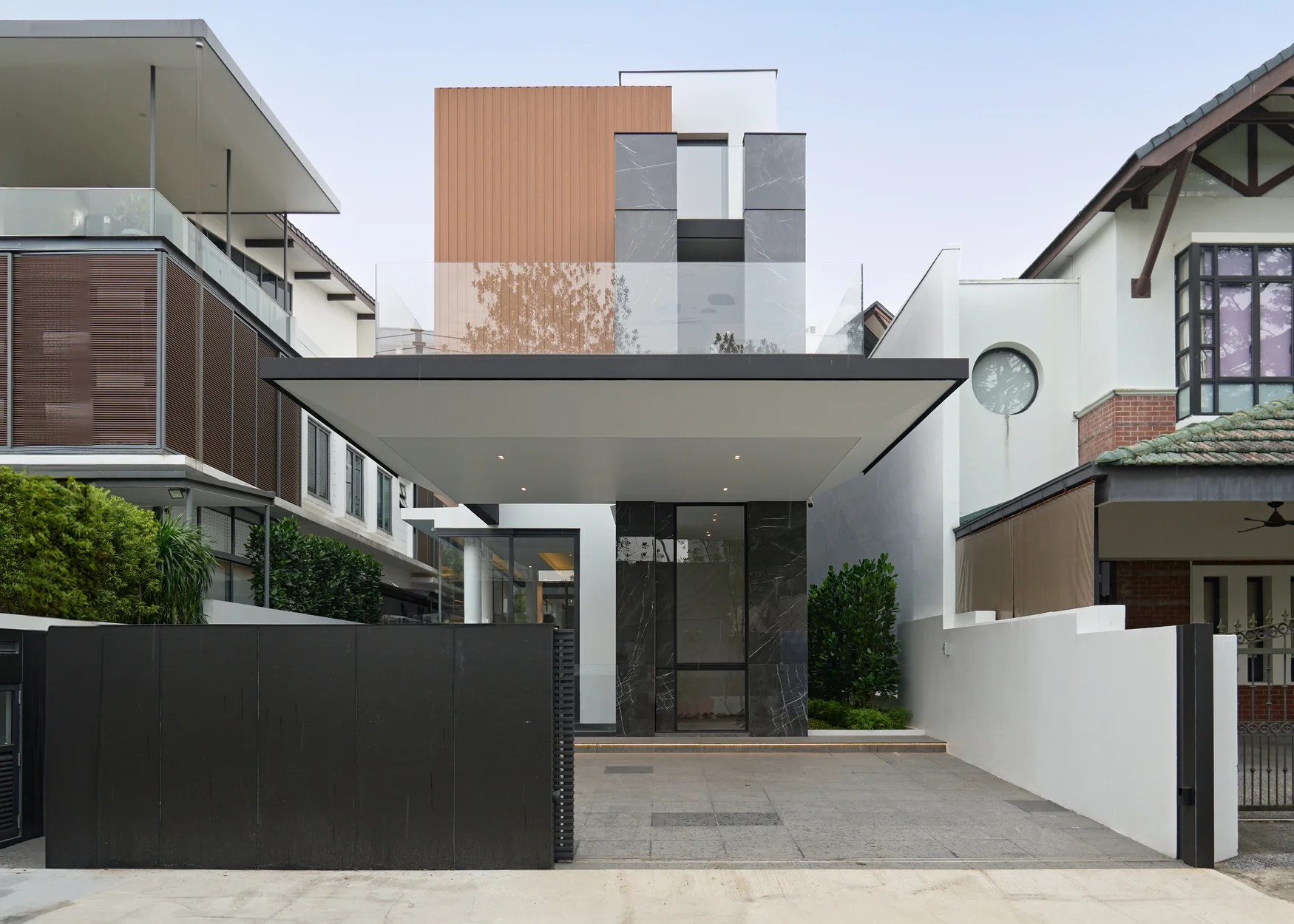
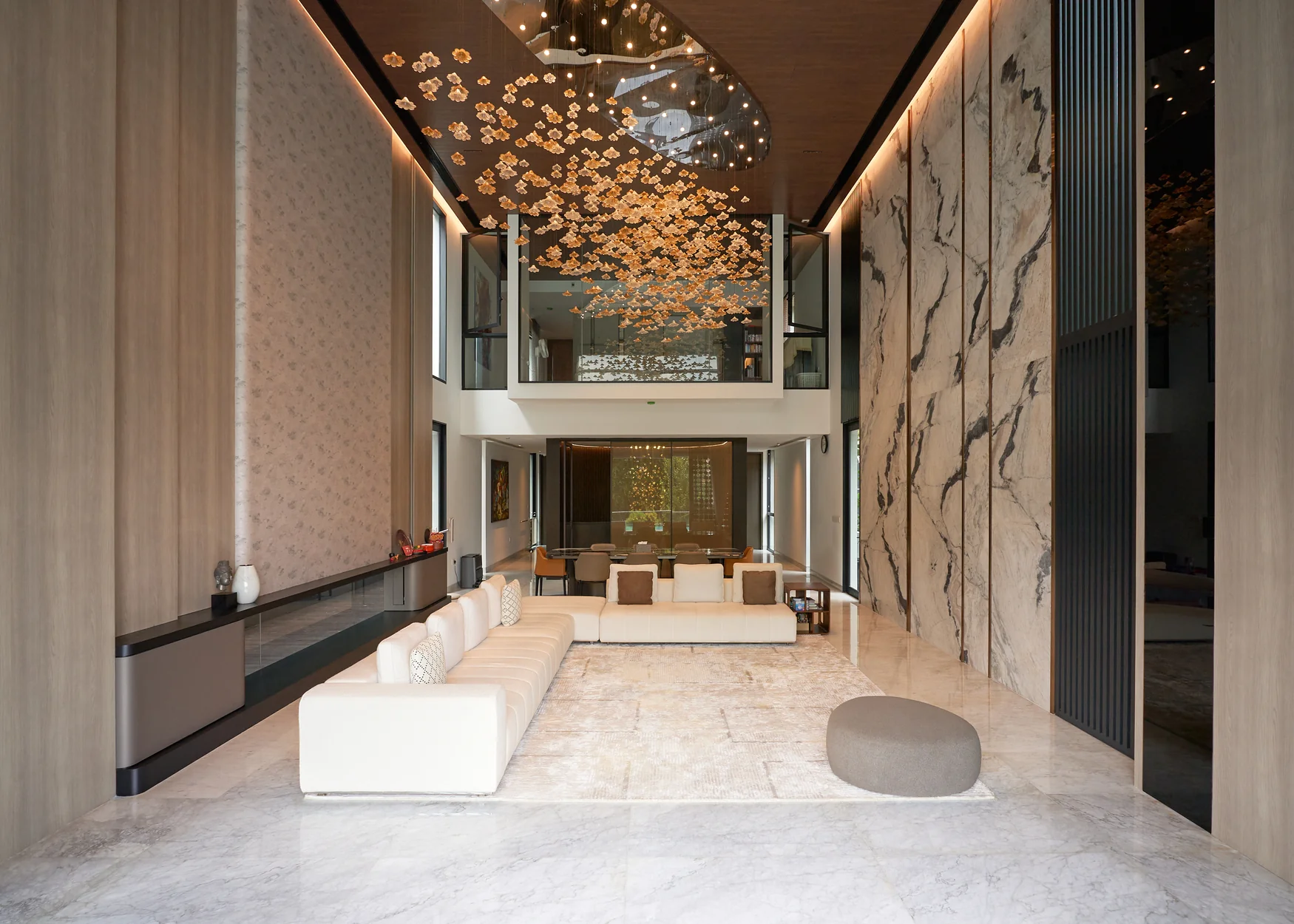
8+1 bed | 10,200 sqft area 19,500,000 SGD
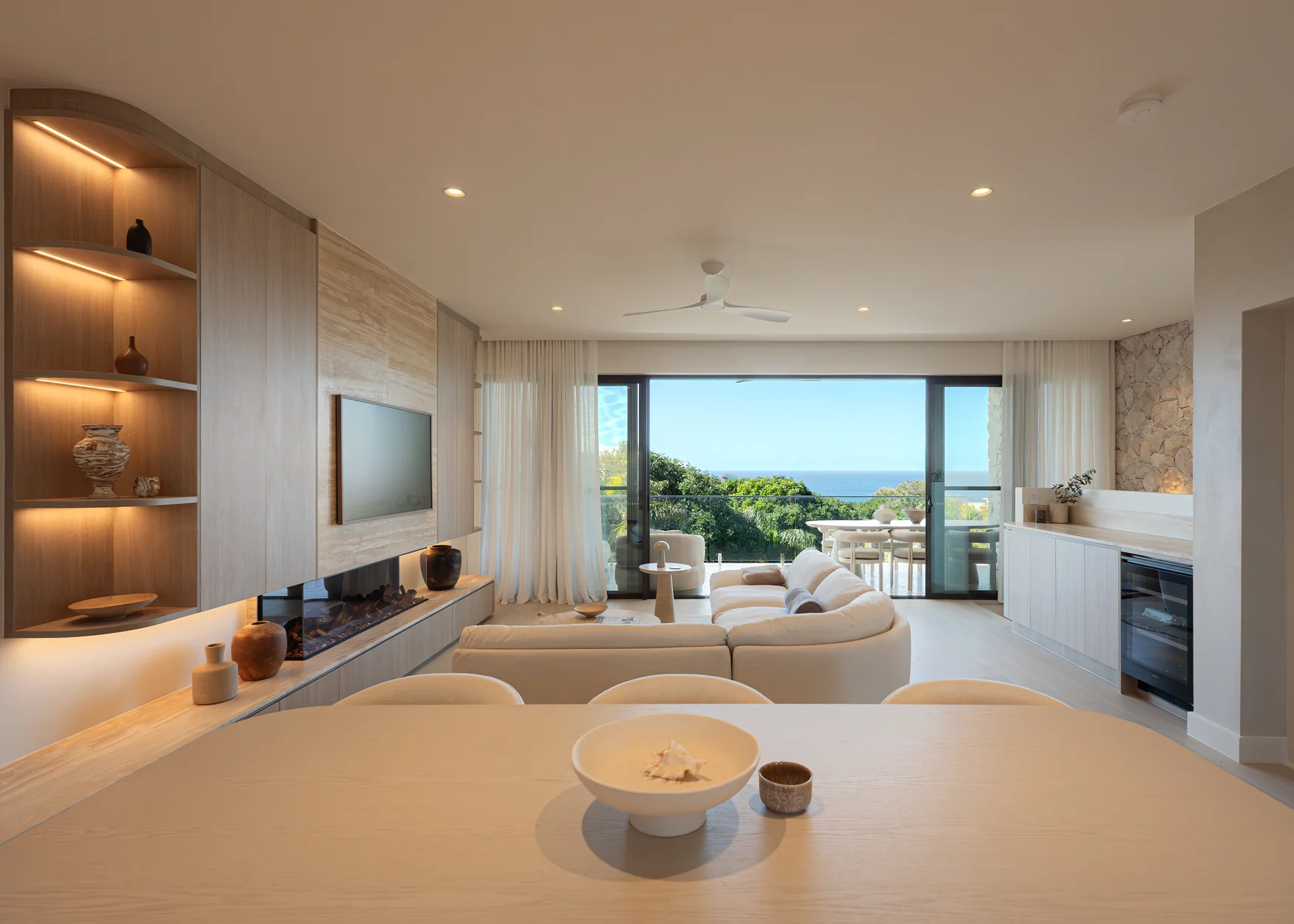
5 bed 19,380,000 SGD
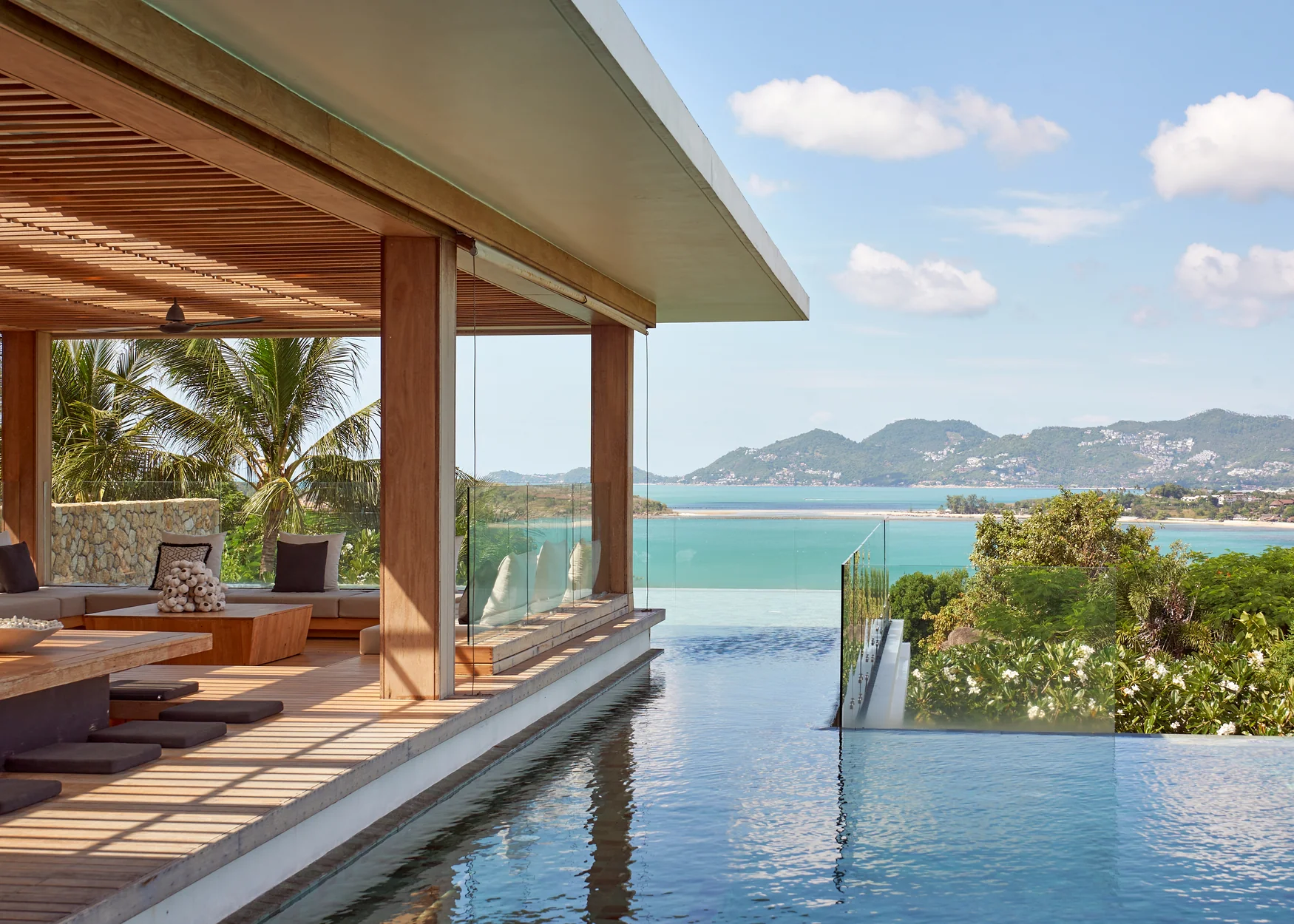
4 bed | 4,208 sqft area POA
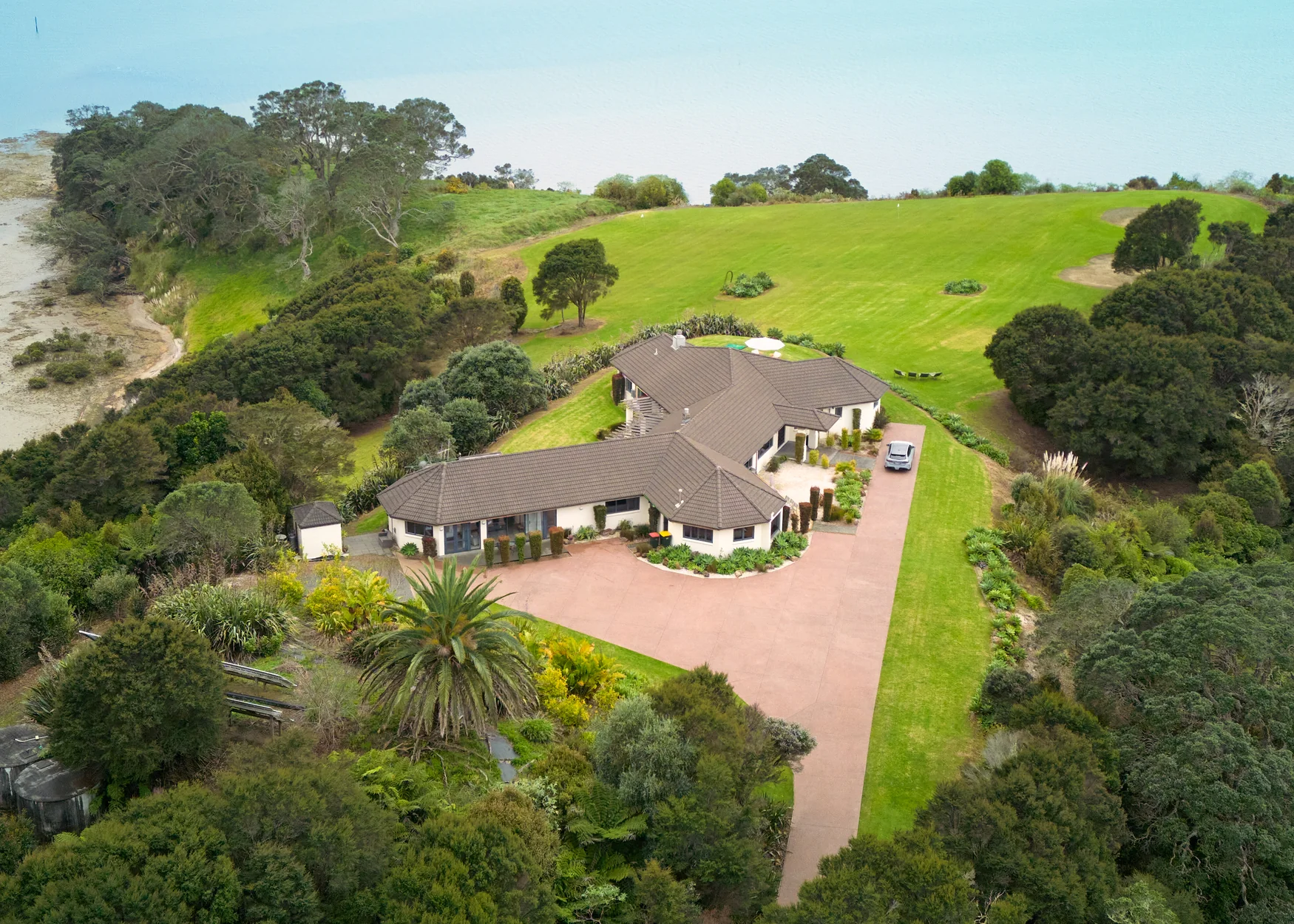
3-8 bed | 699,654 - 784,080 sqft area POA
6 bed POA