How luxury hotels are moving from spectacle to liveable space, according to top designers
by Annie Asistio
The most telling design decisions behind today’s luxury hotels are not immediately visible. They are embedded in how a guest moves through a space—how quickly they arrive, how easily they settle in, and how little they need to adjust their routine once inside.
This shift is evident across a diverse set of projects and practices. Across Boulevard‘s conversations with architects and designers, one point is repeated with consistency. Design is no longer driven by how a hotel presents itself, but by how it functions under real conditions of use.
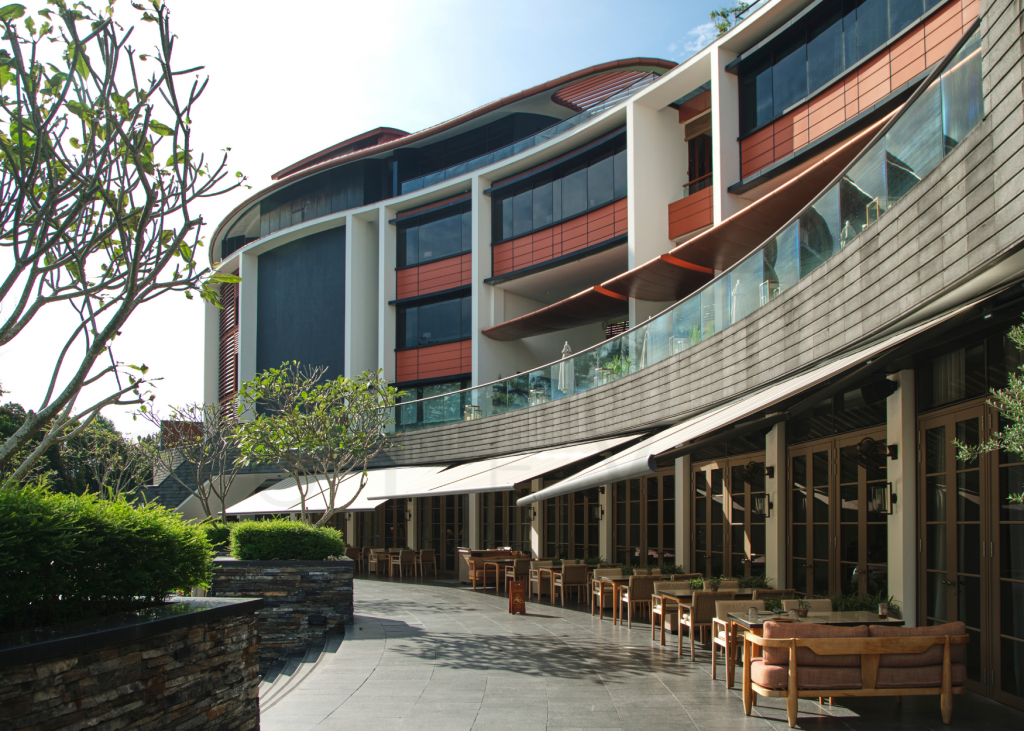
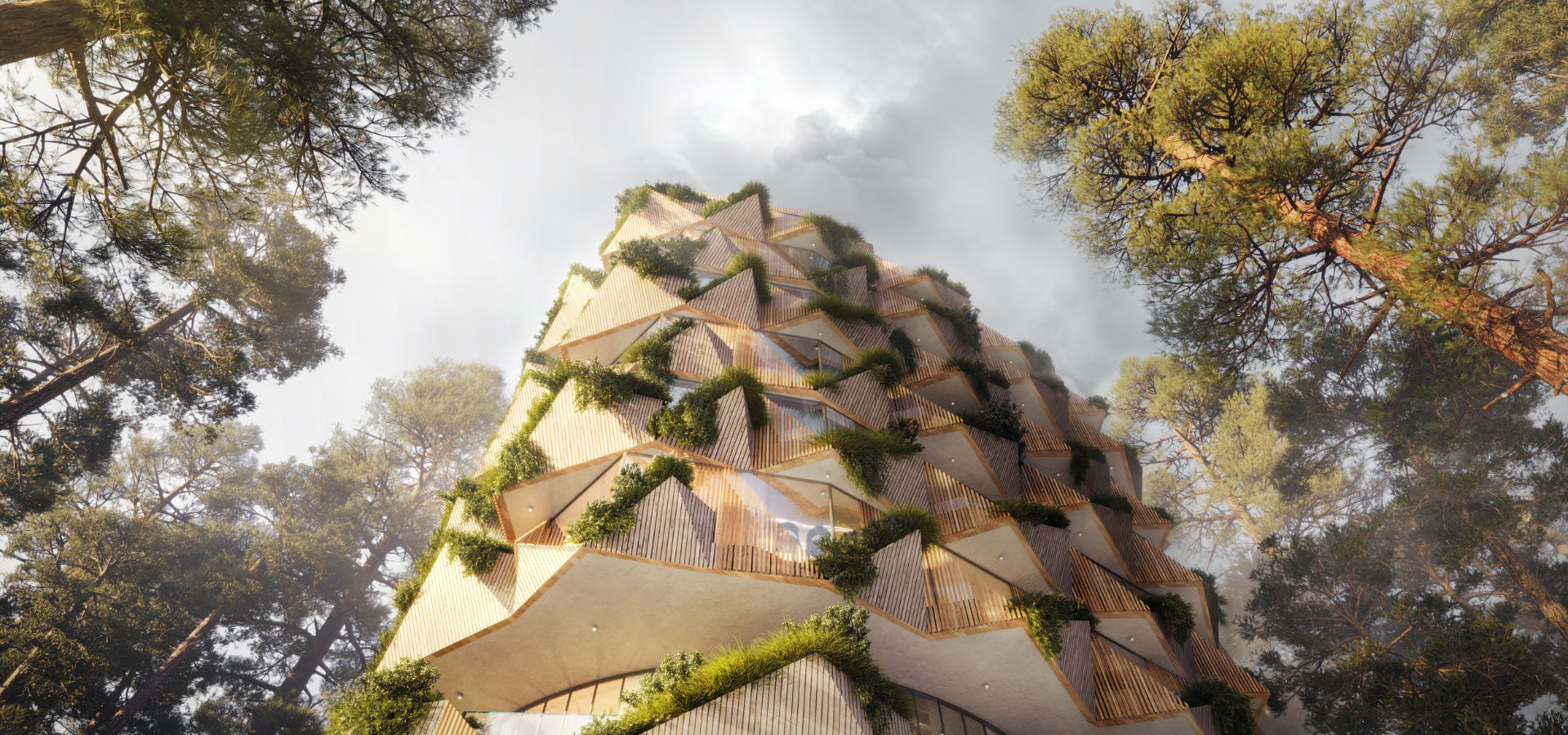
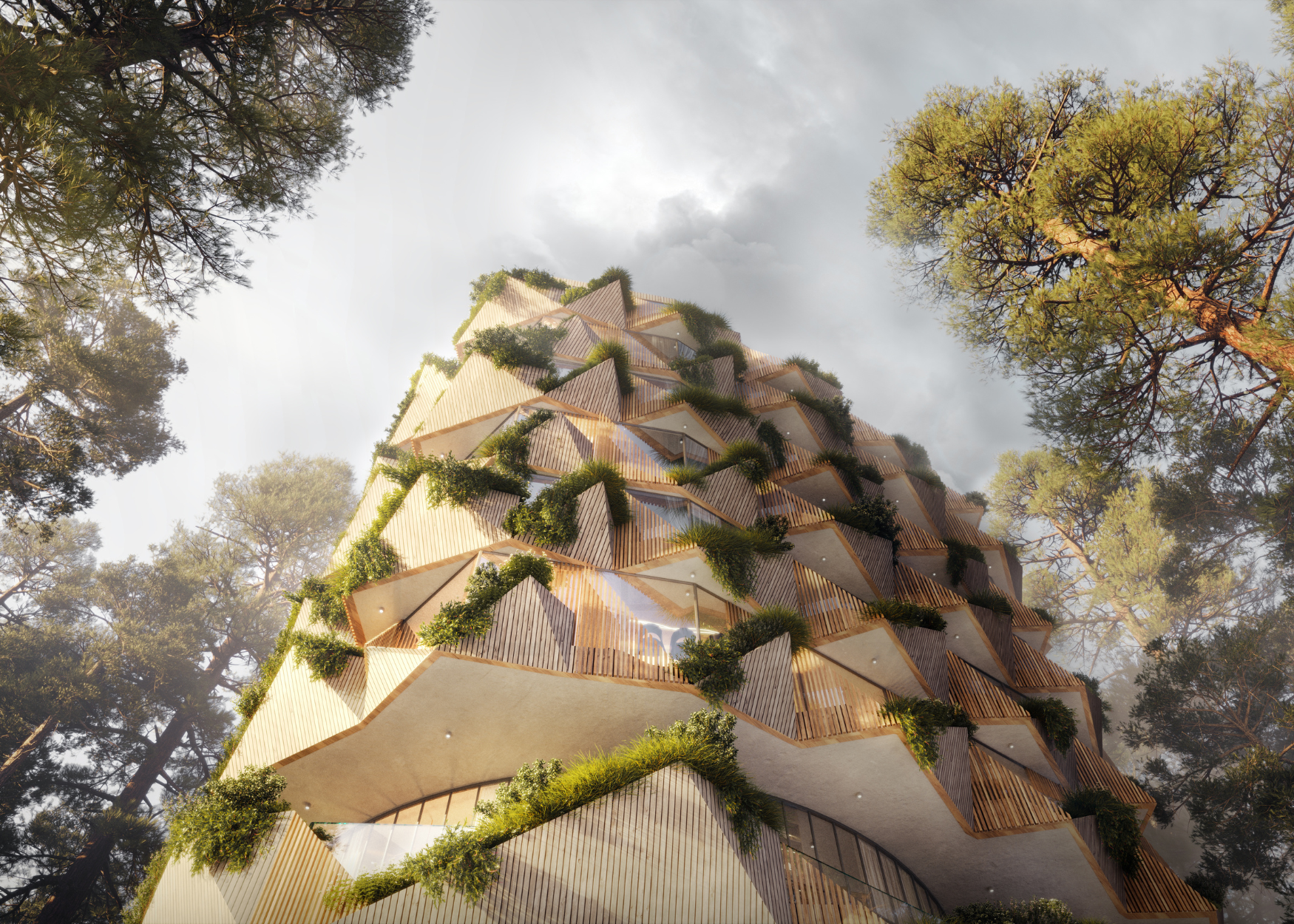
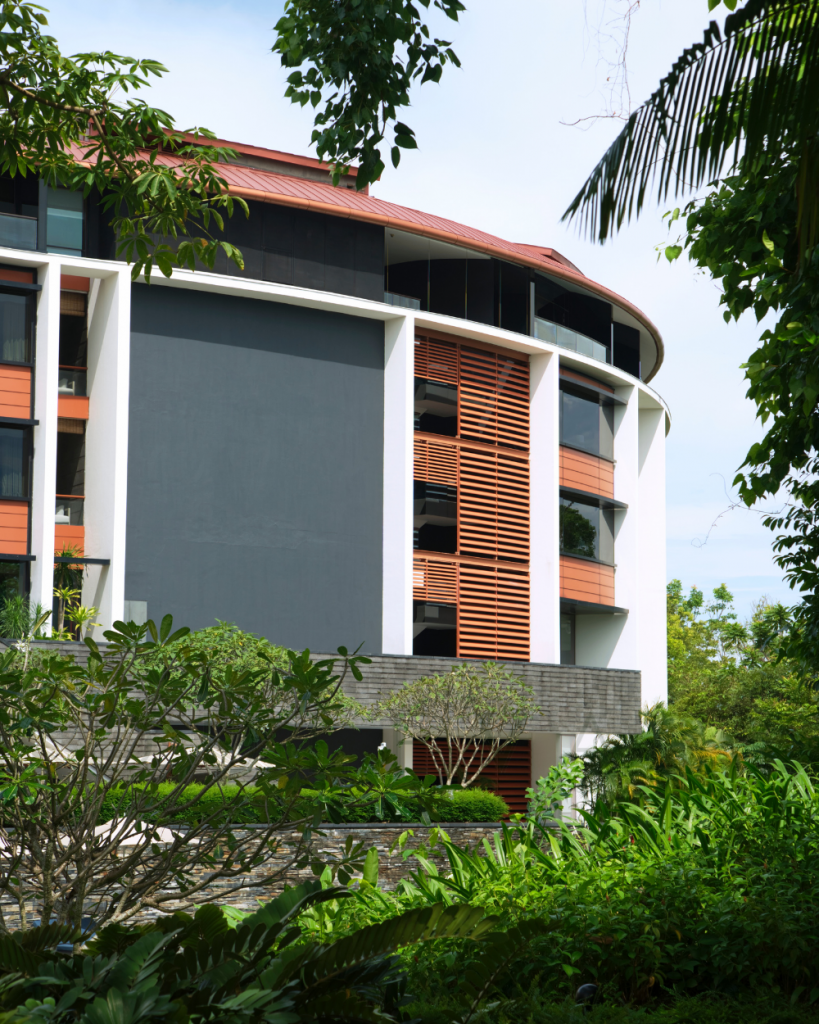
Capella Sentosa’s façade, redesigned by André Fu. Top: Artist’s impression of Haus Da Lat in Vietnam, designed by Kengo Kuma.
Designing for rhythm and time
“There’s been a change in the purpose of a hotel room,” designer André Fu says. “In the past, it was always just a place to rest and rejuvenate, but now it could also become a place where you work, where you’re doing in-person or online meetings. It’s much more of an all-round scenario.”
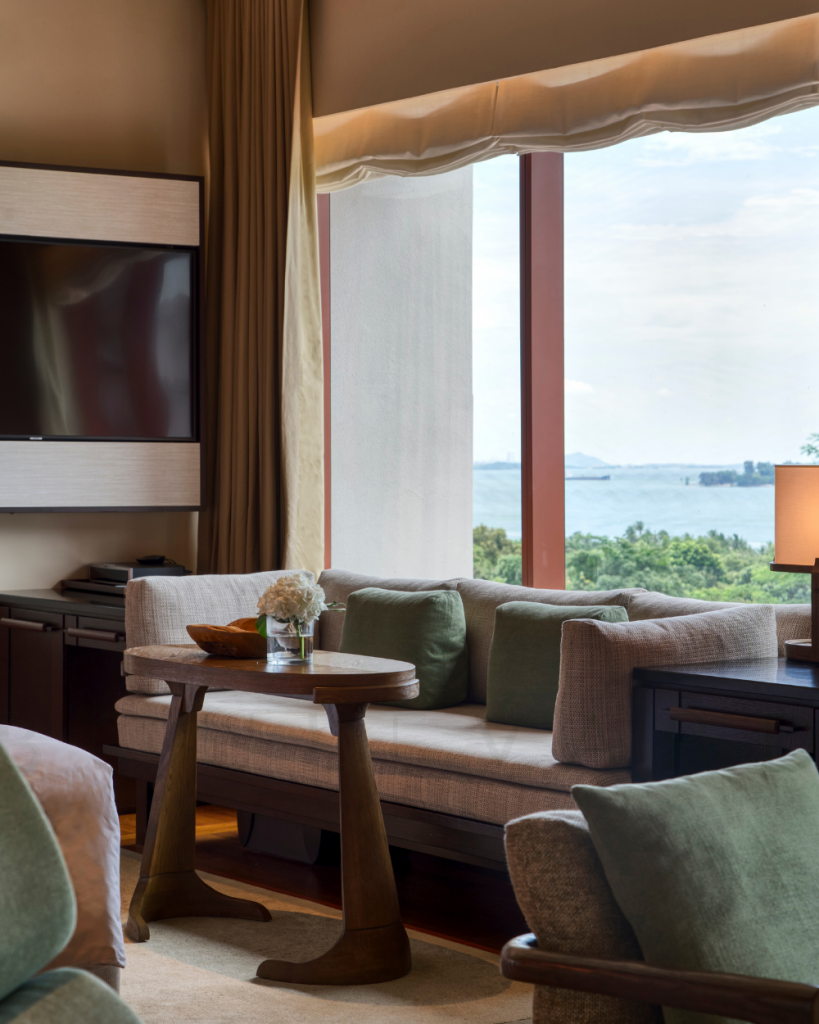
Capella Sentosa’s indulgent rooms combine organic contours and soft hues, creating a warm, inviting interior.
This shift is reflected in what he describes as a “sense of residential calm”, where spatial sequencing, materiality and proportion are calibrated to feel closer to private living than transient accommodation. The intent is not to replicate a home literally, but to remove the sense of adaptation that traditionally comes with hotel stays. “There’s definitely an underlying notion of wanting to feel more residential, wanting to feel more relaxed and at ease when you’re in a space,” Fu adds.
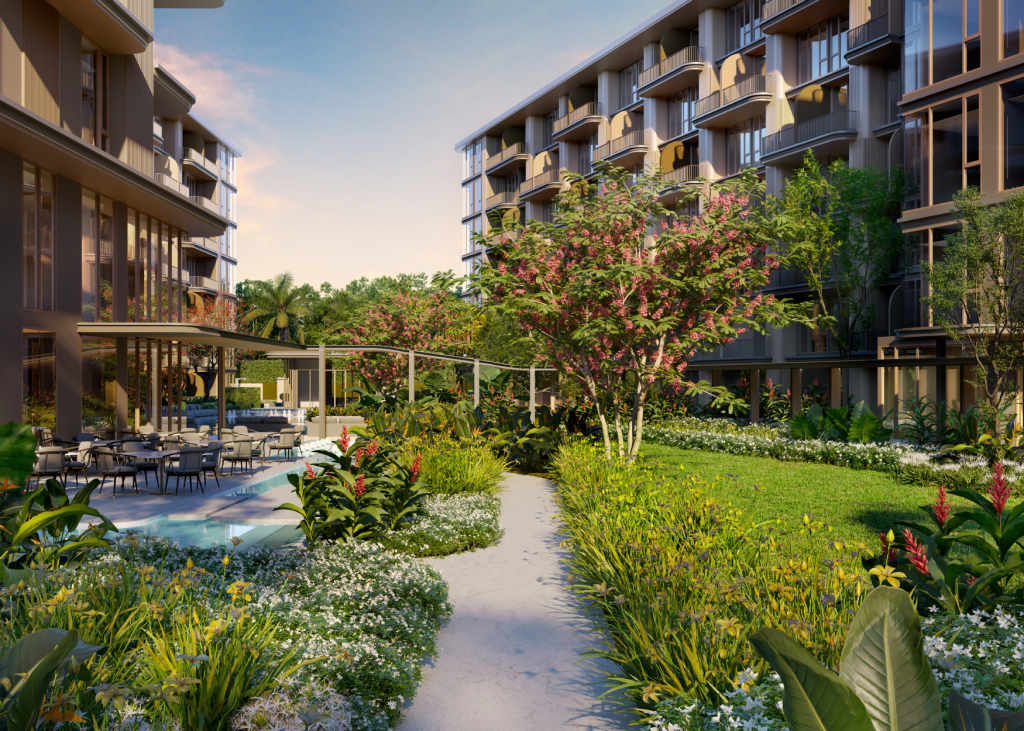
The Peylaa Phuket Autograph Collection is developed by Capstone Asset, and will be managed by Mariott International.
Titiwat Kuvijitsuwan of Capstone Asset points to a more deliberate alignment between design and the realities of how guests live. He notes, “Ten years ago, we didn’t talk much about lifestyle. Today, we interpret it as creating the right hardware so that when someone lives in the property, or when the management company takes over, they can activate the software that allows residents to live the way they want.”
Gyms, for instance, become part of a broader wellness sequence, incorporating ice baths, steam rooms and saunas to support recovery. Landscapes are similarly functional, with jogging tracks integrated into the masterplan rather than added later.
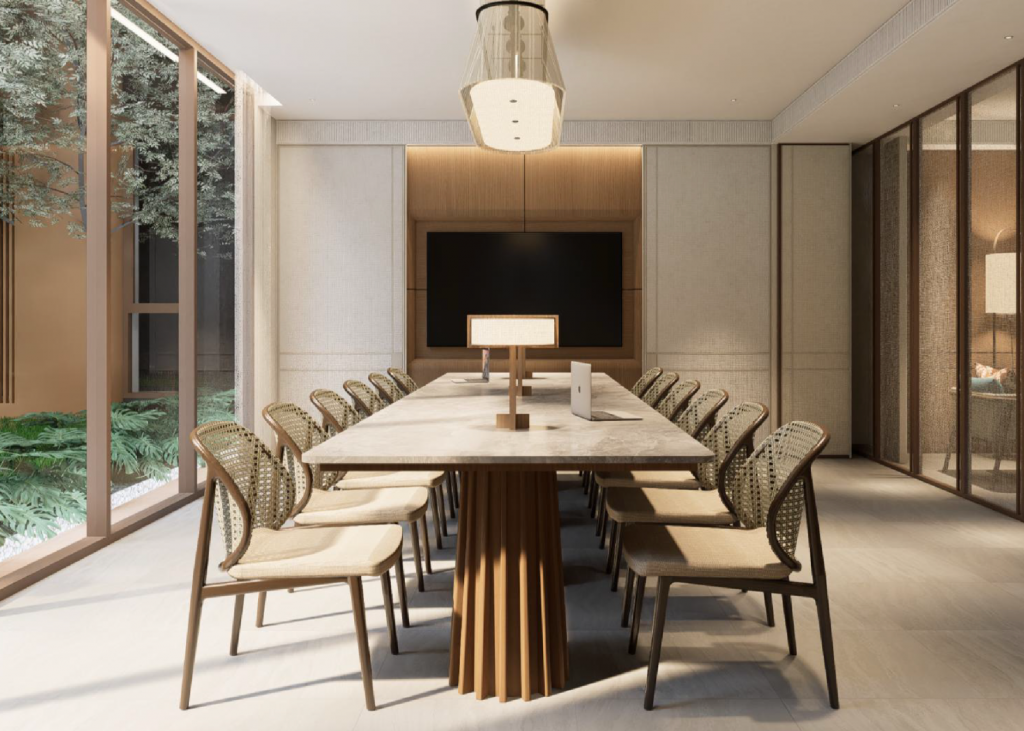
The Peylaa Phuket is a 408-unit residential project, co-located with a 126-key hotel as part of the masterplan.
This same thinking extends to professional routines. Drawing from past projects, Kuvijitsuwan highlights the consistent demand for practical details such as private phone booths within co-working areas. In response, flexible workspaces are designed as part of hotel lounges, combining informal seating with focused workstations and dedicated areas for calls.
Christopher Chua of KulörGroup also describes an increasing overlap between hospitality and residential design. “In resorts, villas are becoming self-contained sanctuaries. Guests want to feel at home, with wellness integrated throughout,” he says.
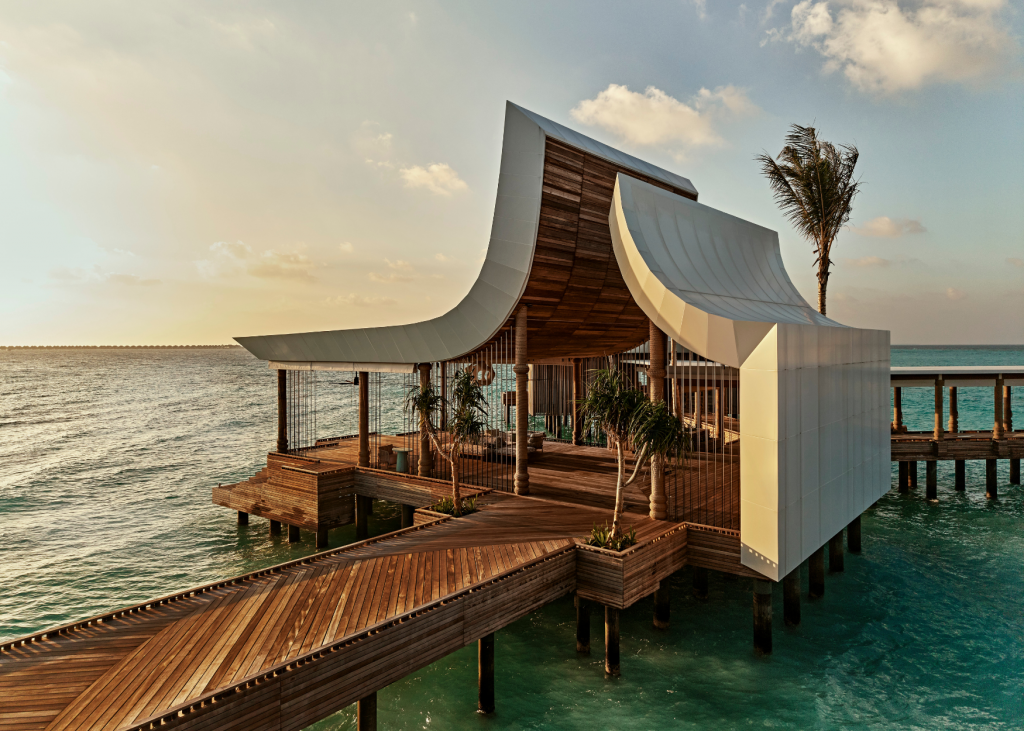
.Here Baa Atoll in the Maldives, a private island ultra-luxury resort, designed by KulörGroup.
Rather than being treated as separate facilities, features such as steam, ice baths and circadian lighting are integrated directly into guest rooms, reflecting longer stays and more personalised routines. As Chua notes, guests are no longer simply passing through, but “expect full control over their environment, from lighting to bathing to how the space responds to their daily rhythm.”
At the same time, these decisions are increasingly tied to performance. UHNW individuals, he explains, are more disciplined in how they evaluate hospitality assets, placing equal weight on durability and long-term value. Design is driven by repeatability, how well a space continues to function and resonate over time. “The best hotels today aren’t trendy,” he adds. “They hold a sense of permanence.”
Nature, materiality and biophilia as structure
Across many luxury hotels today, the focus has shifted from adding natural elements to reducing the separation between building and landscape.
For Kengo Kuma, this is a fundamental starting point rather than a stylistic choice. He describes his approach as “anti-object” architecture, where buildings are not conceived as standalone forms but as part of a wider environment. Instead of relying on dominant materials or monumental structures, Kuma’s projects are constructed through layered elements—wood, bamboo, ceramics and fabric screens—that allow light, air and movement to pass through.
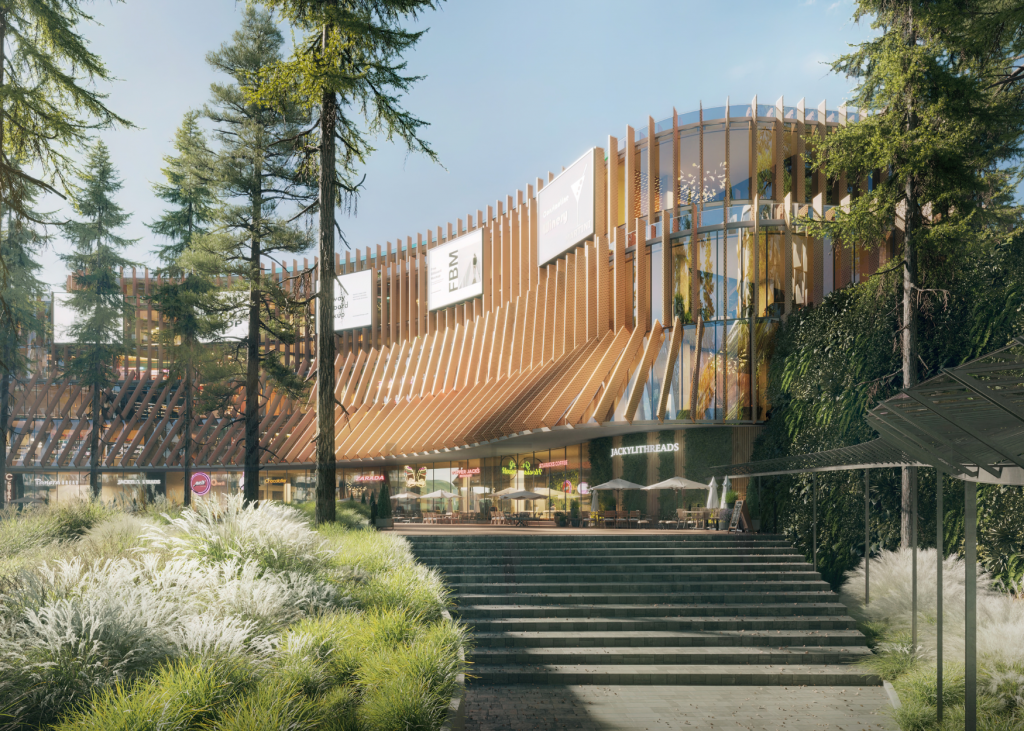
Artist’s impression of Haus Da Lat in Vietnam, designed by Kengo Kuma.
“Everybody wants to connect with nature, but there’s a solid, heavy world that separates the relationship between nature and humans,” he says. “I don’t want to be enclosed in a concrete box. I want to connect with and talk to the environment.”
In practice, this translates into buildings that are deliberately porous. Terraces, balconies and transitional spaces are treated as active zones, not residual ones, creating multiple points of engagement with the surroundings. “We created a space filled with geometry,” adds Kuma, “where each corner creates a dialogue with the environment.”
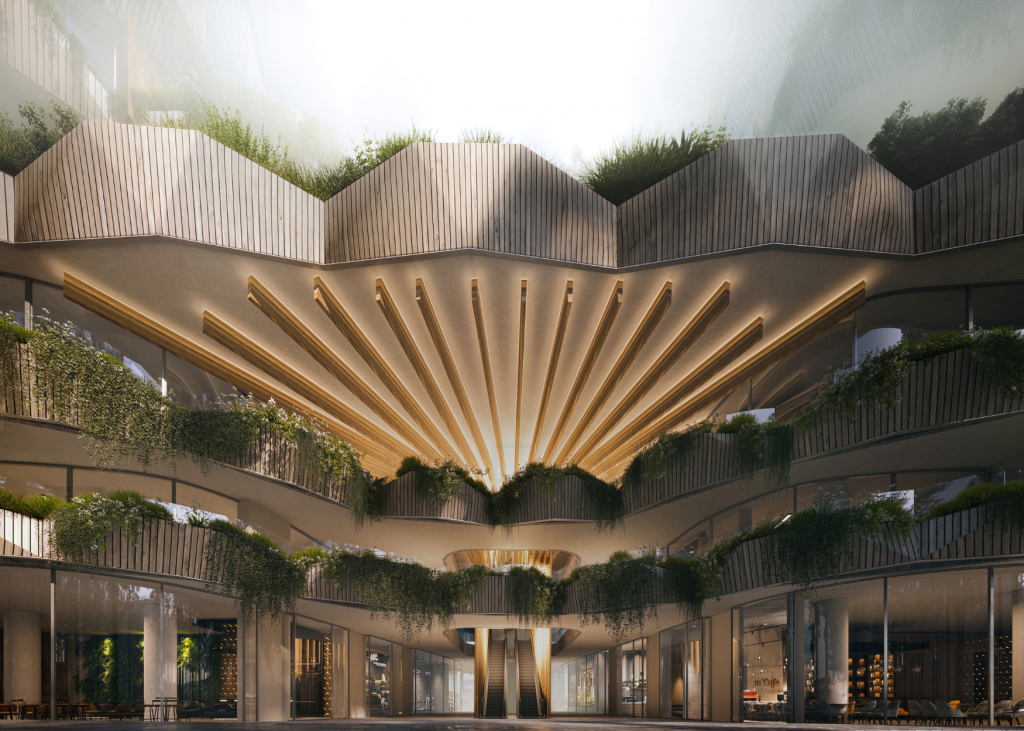
The Haus Da Lat in Vietnam features geometric architecture that creates a dialogue with the environment.
A similar philosophy is visible in the work of Bill Bensley, though expressed in a more overtly narrative way. His distinctive approach to landscape and interiors lies in intention, particularly in how materials are sourced and reused.
“The Capella Ubud’s interiors are made from garbage,” he once told Boulevard. “I spent two years going through garbage dumps and pulling out stuff that I thought would be fun to renovate. All the rooms are furnished with junk, but it’s junk that’s been, as I call it, ‘gayed up’. Coloured and amalgamated and covered with fabric. That for me is a huge step in the right direction.”
Designing for space, not just a brand
As luxury hospitality becomes more globally consistent in service and standard, differentiation is increasingly rooted in location. For Clint Nagata of Blink Design Group, this begins with what he describes as “a sense of place”. While the term is often overused, his approach is more exacting in practice.
“People genuinely want to feel what that destination is like,” he says, noting that design must distil elements of local culture and carry them consistently through the project, rather than applying them superficially.
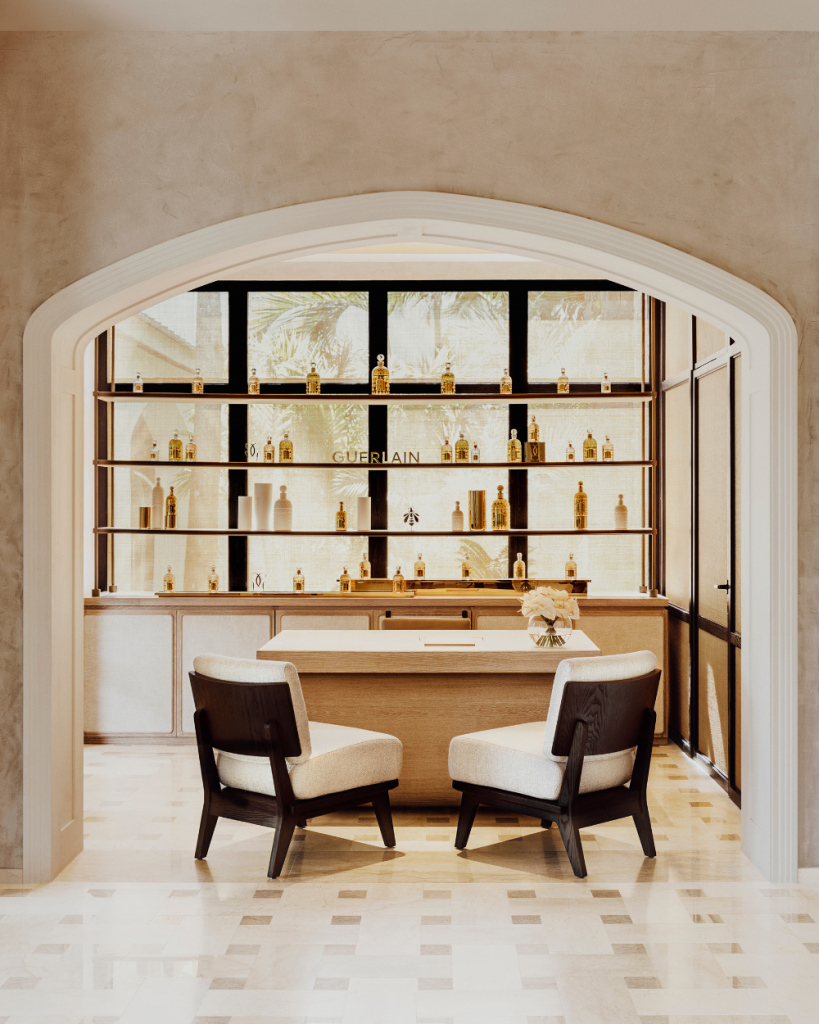
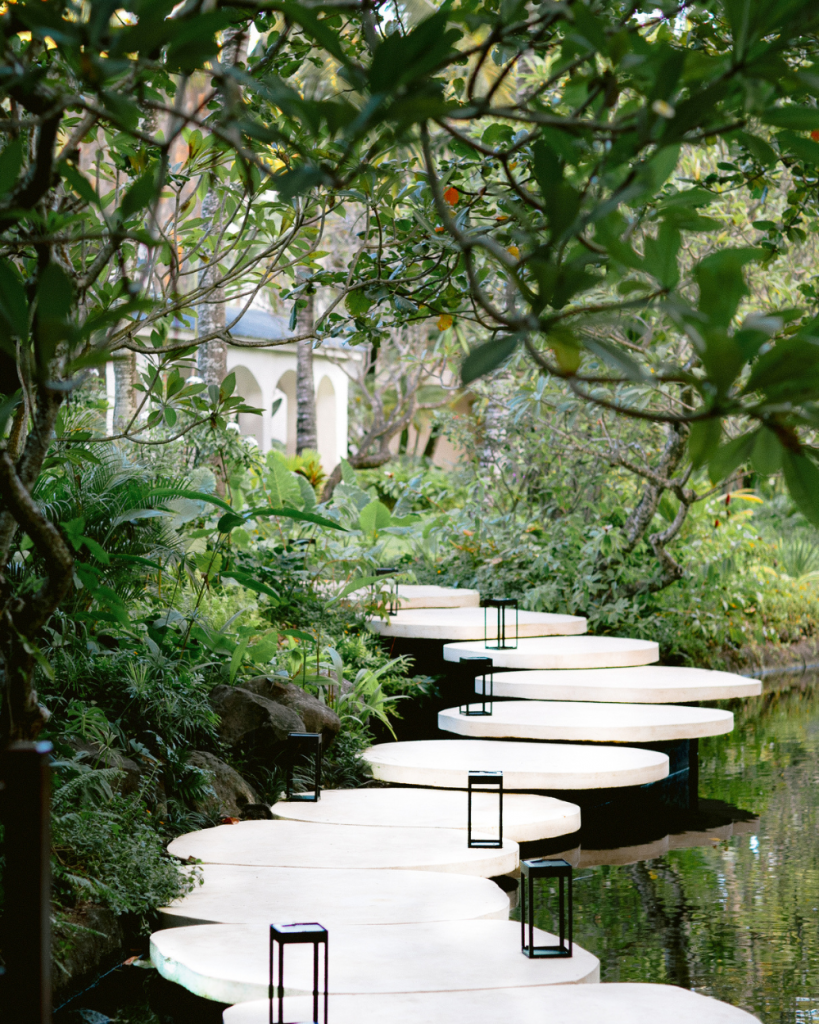
One&Only Le Saint Géran in Mauritius, designed by Blink Design Group.
That translation is not only cultural, but demographic. At resorts such as One&Only Reethi Rah, planning decisions are informed by how different guest groups occupy space.
Nagata observes this with European families, for instance, who tend to travel in multi-generational groups, favouring larger beach villas with shared dining areas and additional rooms for staff. By contrast, Asian couples often prefer overwater villas and more compact, private layouts.
“It’s about understanding the audience and designing specifically for their needs,” Nagata explains.
A similar calibration is evident in the work of Glenn Pushelberg of Yabu Pushelberg, where context is filtered through both brand and environment.
His starting point for Raffles Sentosa Singapore was not visual identity alone, but how to reinterpret the Raffles legacy within a beachfront setting. Pushelberg shares his experience with early proposals for the project, which was supposed to be a purely contemporary resort. But then the idea was set aside in favour of a more layered approach, incorporating pattern, symmetry and spatial hierarchy drawn from the brand’s history, while allowing for a loose, more relaxed layout suited to its setting.
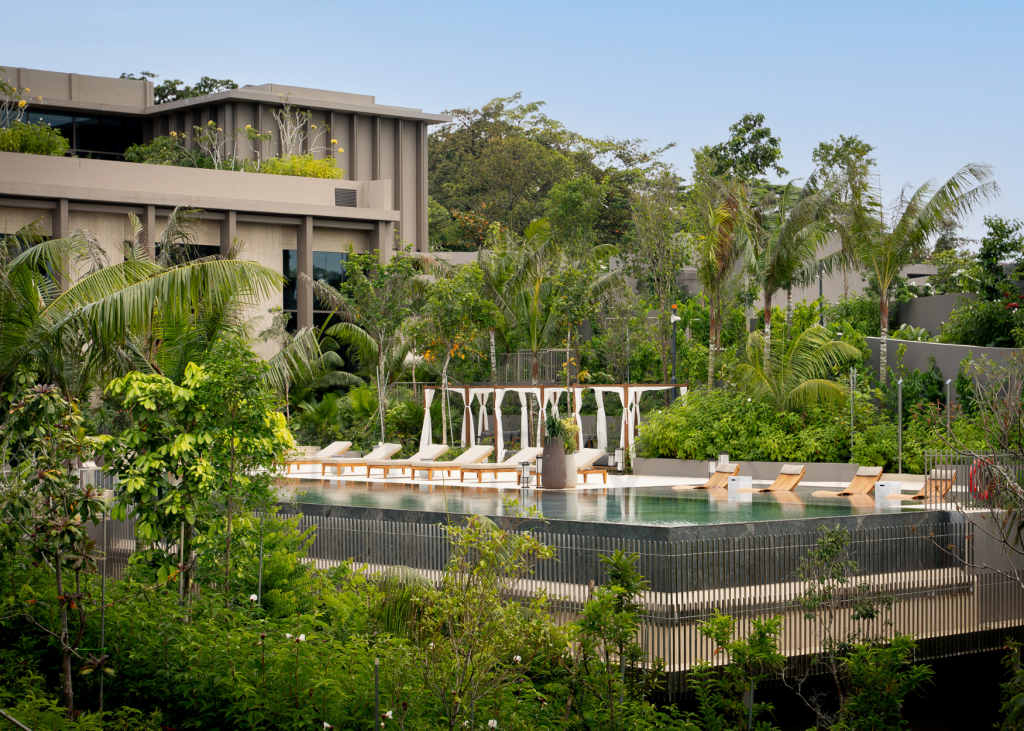
The Raffles Sentosa Singapore, designed by Yabu Pushelberg.
“You can achieve style in both hotels and residences,” Pushelberg notes, “but people pick up on subtle cues… about whether a space feels like an extension of how they want to live.”
At the highest level, this often means restraint. As Pushelberg shares, “people want spaces that feel less ‘designed’ and more distilled.” Rather than over-defining a space, designers are leaving room for it to be inhabited more naturally.
Read next:
8+1 bed | 10,200 sqft area 19,500,000 SGD
5 bed 19,380,000 SGD
4 bed | 4,208 sqft area POA
3-8 bed | 699,654 - 784,080 sqft area POA
6 bed POA