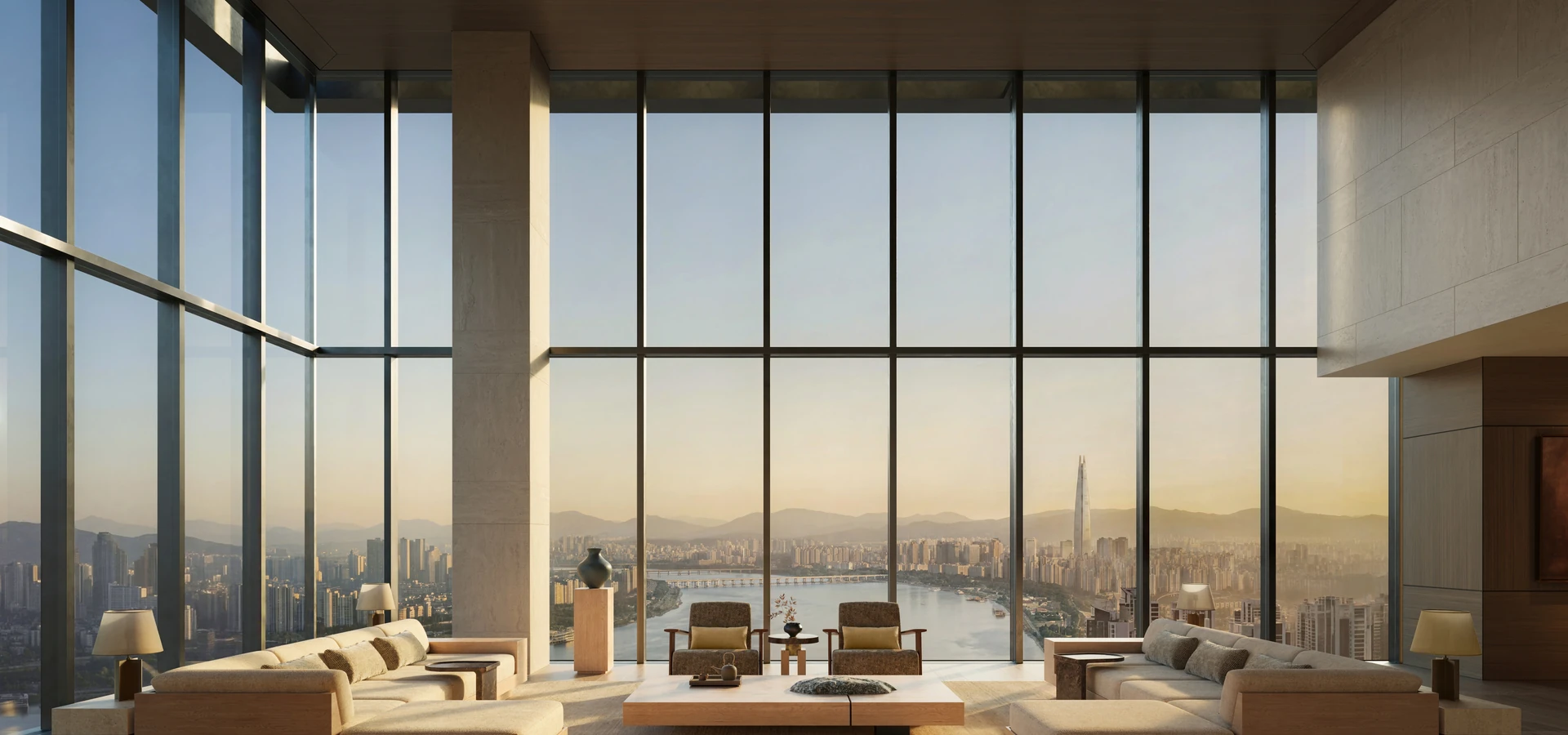
The interview: Aman Resorts CEO Vlad Doronin on bringing the brand’s signature calm to urban environments, and how that translates to launching in Seoul
by Lyene Darang
In the 1980s, luxury hospitality was often defined by scale and extravagance: hundreds of rooms, crystal chandeliers, marble floors, and gilded ceilings. A counter-movement began in the same decade, with the emergence of boutique hotel resorts, including Aman’s very first resort, Amanpuri in Phuket, in 1988. Aman started with just 40 pavilions, a few hundred short of what was “extravagant”, and completely abandoned the idea of a larger space defining what a luxury hotel could look like.
Taking its name from the Sanskrit-derived word for “peace”, Aman set out to offer peace and serenity from the beginning. Decades on, that promise remains the brand’s signature. So, when Vlad Doronin acquired the company in 2014, becoming its owner, chairman, and CEO, his desire to uphold the company’s vision directed where it should go from there. “When I bought Aman in 2014, I saw its potential as the leading brand in luxury hospitality, but it was missing from the world’s leading cities,” Doronin told Boulevard.
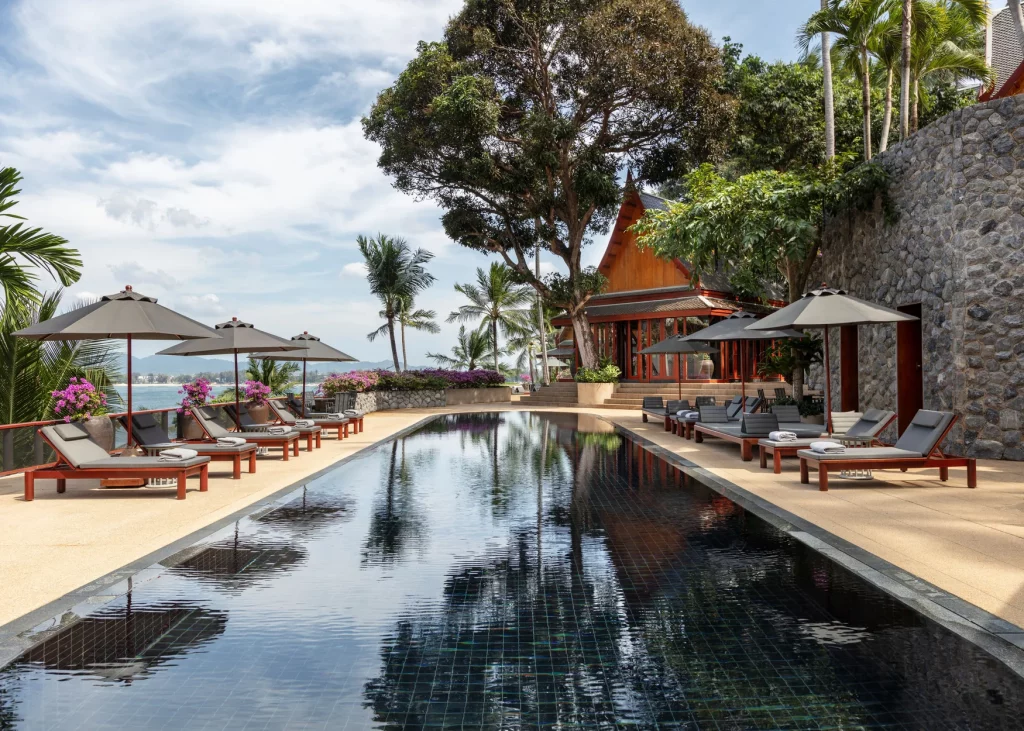
Amanpuri, Aman’s first resort in Phuket. Top: Aman Seoul, an upcoming collection of branded residences.
That same year, Aman opened in Tokyo, completing a circuit of three Aman properties across the country. It now occupies the top six floors of the Otemachi Tower, rising above the district and capturing the city’s heritage and energy. In 2023, Aman also launched its first standalone branded residences in Tokyo, occupying the top 11 floors of the Mori JP Tower in the Azabudai Hills district. The setting is as much garden as skyline, in keeping with the hospitality group’s habit of building with nature.
“The success of Aman Tokyo demonstrated that the Aman philosophy could translate seamlessly into a city setting,” says Doronin. “You feel it the moment you arrive.” In Tokyo, he says, it is evinced in the remarkable sense of space created by the soaring washi-paper-lined lobby. In New York, it is the expansive terraces, flowing water features, and feeling of retreat in the centre of Manhattan. In Bangkok, it is the connection to nature within Nai Lert Park and the integration of the site’s historic tree into the design. Aman Seoul continues that journey.
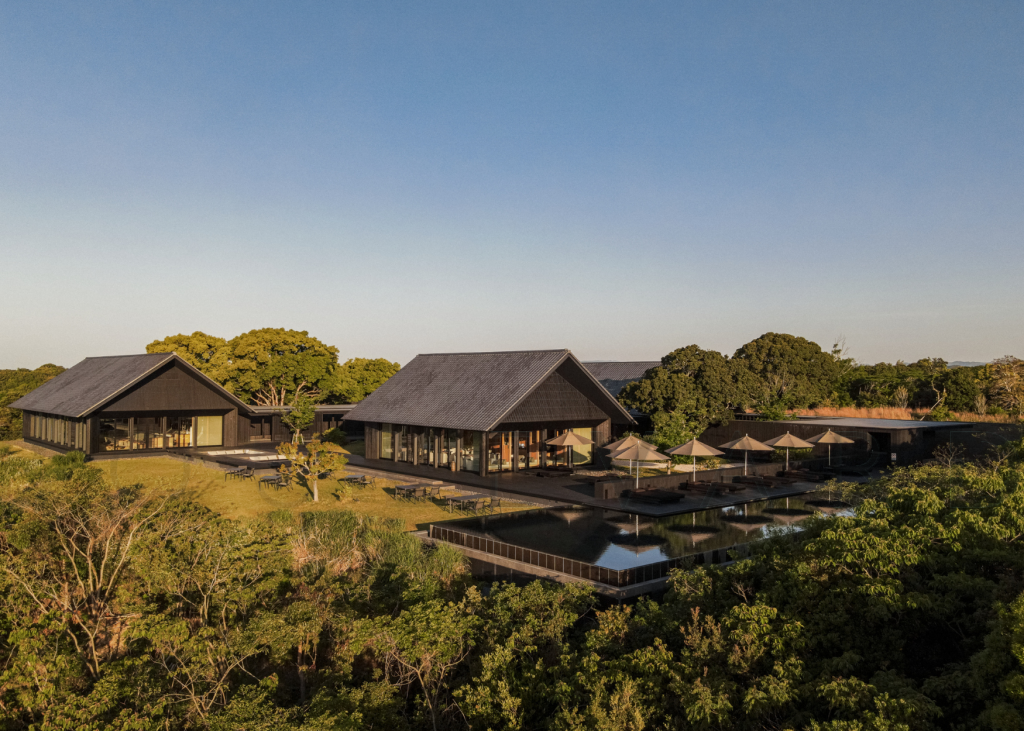
Amanemu in Japan, beside Ago Bay and the forested hills of Ise-Shima National Park.
Korean design, Aman calm
Aman’s approach to expansion, Doronin says, starts with the location: “We have always selected the best locations with cultural depth, architectural character, and the potential to create a genuine sanctuary. Seoul was a natural next step.”
He points to Korea’s standing as one of the world’s influential financial and cultural capitals, with an impact that extends far beyond the country. “Seoul’s luxury market has reached a very exciting stage of evolution. The city attracts a sophisticated international and domestic audience that is increasingly discerning in its expectations, which places greater value on privacy, wellbeing, personalised service, and meaningful experiences,” he says.
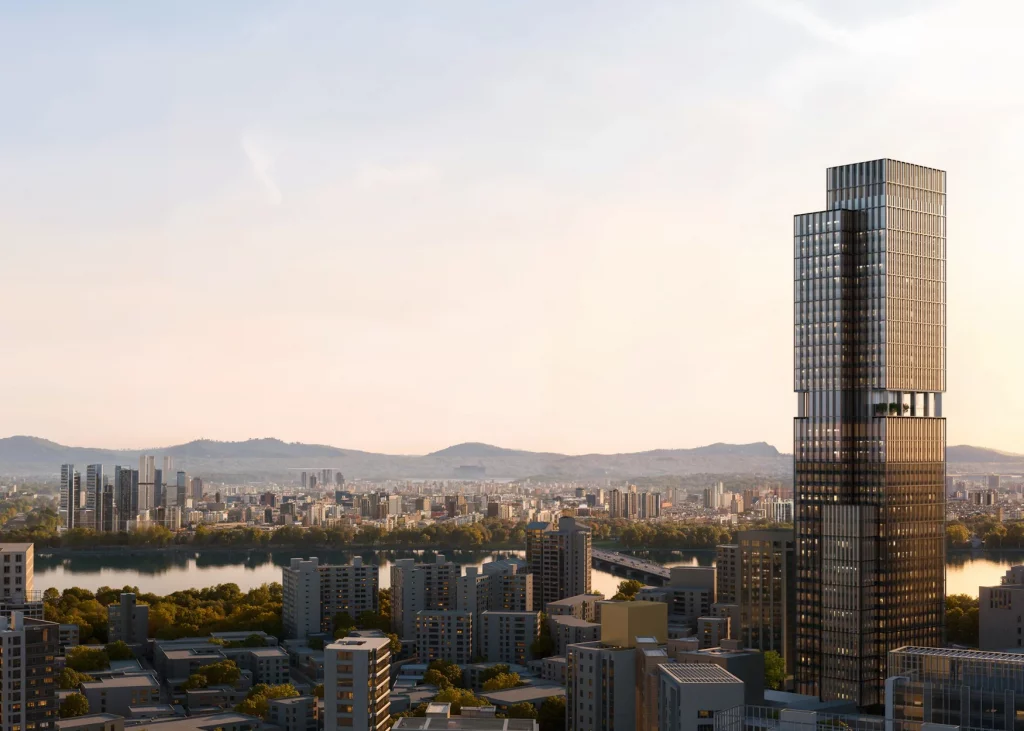
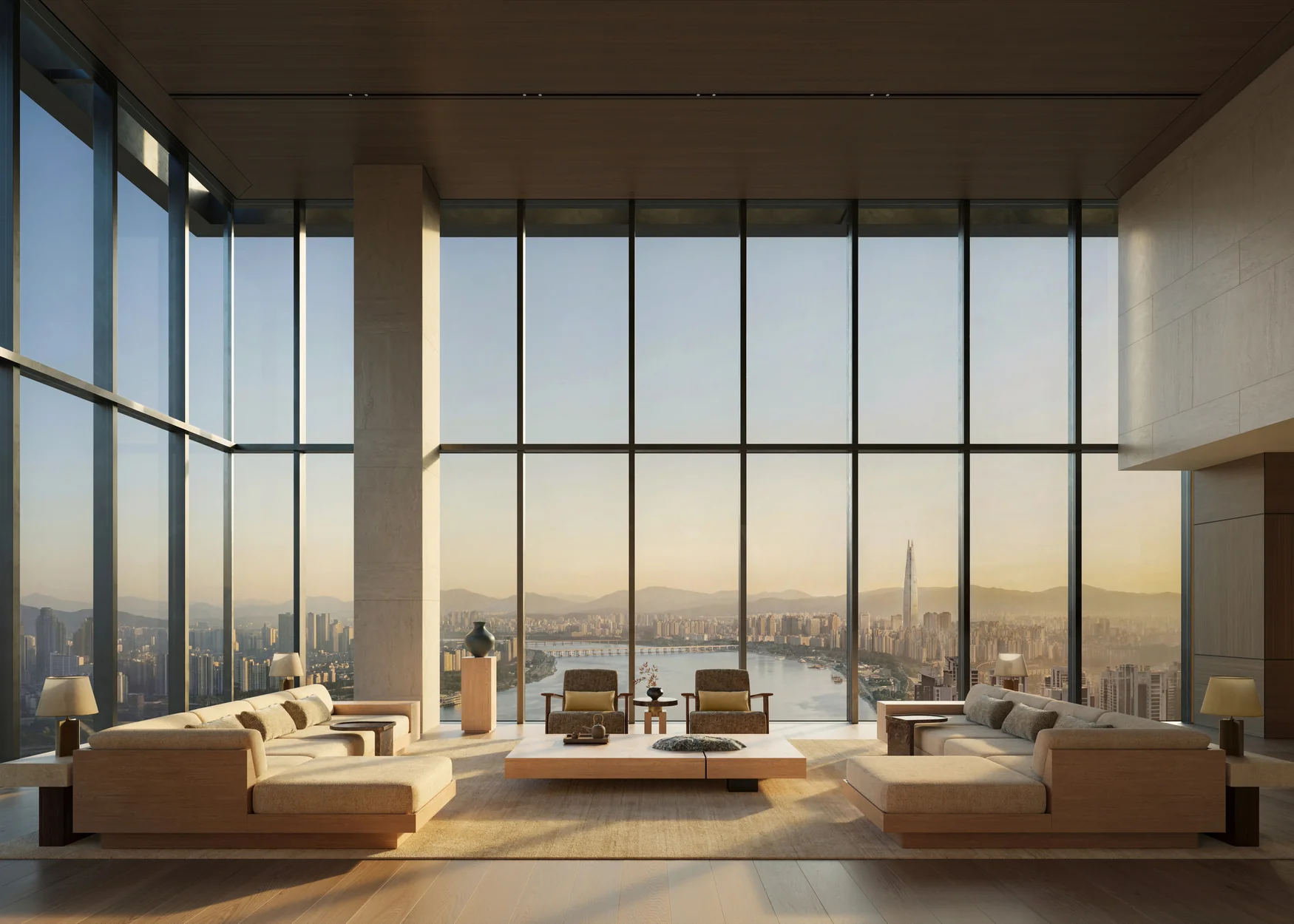
Aman Seoul in Cheongdam-dong, Seoul.
With open terraces, generous green spaces, extensive wellness facilities, and panoramic sky views, the upcoming hotel with a limited collection of private residences and a global Aman Club is “designed to be a sanctuary that reflects Seoul’s identity.”
Developed in close collaboration with Korean design partners, it will bring “traditional Korean sensibilities and contemporary cultural expression through its materials, craftsmanship, and sense of quiet ritual.” With just 49 residences set to open, the Seoul expansion combines the appeal of a Cheongdam address, panoramic Han River views, and refined interiors aligned with Doronin’s vision of bringing “the atmosphere of our resorts into an urban environment”.
Where Aman is heading next
The group has long recognised the growing demand for experiences that support mental, physical, and spiritual wellbeing. “Luxury for all Aman guests is about having the time, space, and privacy to disconnect from distractions and reconnect with themselves and their loved ones,” Doronin says. Guests and residents alike value “tranquillity, discretion, privacy, exceptional architecture, and a sense of emotional wellbeing”.
When asked about how buyers weigh investment against lifestyle aspirations, Doronin first identified their clients as international entrepreneurs, executives, and global travellers, who are drawn to the appeal and long-term value of “truly rare properties”.
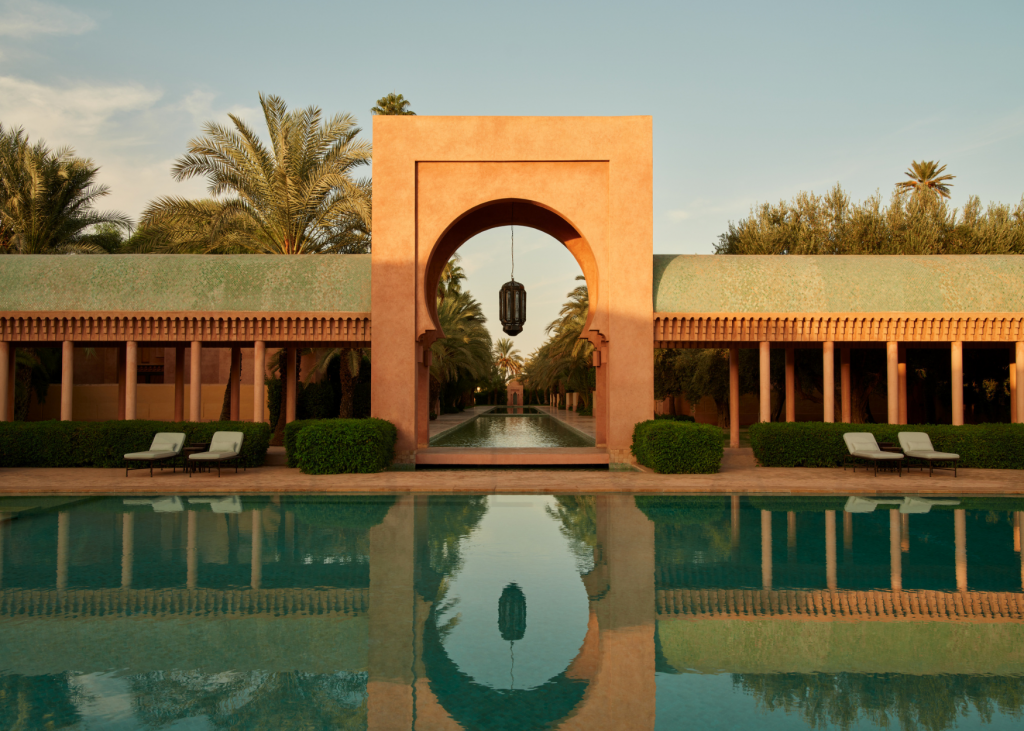
Amanjena opened in 2025 near Marrakech.
Beyond Seoul, the pipeline stretches across four continents. In the United States, the group is planning a hotel and residences in Miami Beach; a hotel, residences, and an Aman Club in Beverly Hills, along with residences in Texas Hill Country. In Japan, the next project is a resort in Niseko with 31 residences.
Elsewhere, Aman lists residences in Exuma in the Bahamas and in Wadi Safar outside Riyadh, a resort and branded residences in Mozambique’s Karingani Game Reserve, and villas on a private island in the Maldives, alongside projects in AlUla, Dubai, Singapore, Puerto Rico, and Indonesia.
Read next
- Beyond five stars: How the world’s wealthiest travellers are changing the way they holiday
- Samara Lombok: Inside the 150-hectare, Hyatt-backed resort-residences on Indonesia’s next great holiday island
More on luxury hotels and resorts
In brief
The brief: Aman Seoul
The property: Aman is opening its first property in Seoul, South Korea. Situated in Cheongdam-dong, Gangnam-gu, it will comprise 49 branded residences, a hotel, and retail and cultural space on the Han River.
The developer: Shinsegae Property handles planning and execution, and Aman handles design and operations.
Who’s buying: Doronin says Seoul’s luxury buyers now weigh privacy, wellbeing, personalised service, and meaningful experiences more heavily.
The club: With dedicated spa and wellness facilities spanning multiple floors, the Aman Club is designed to support both physical and mental restoration. It comprises a dedicated pool, fitness facilities, social spaces, and a private setting for residence owners and members.
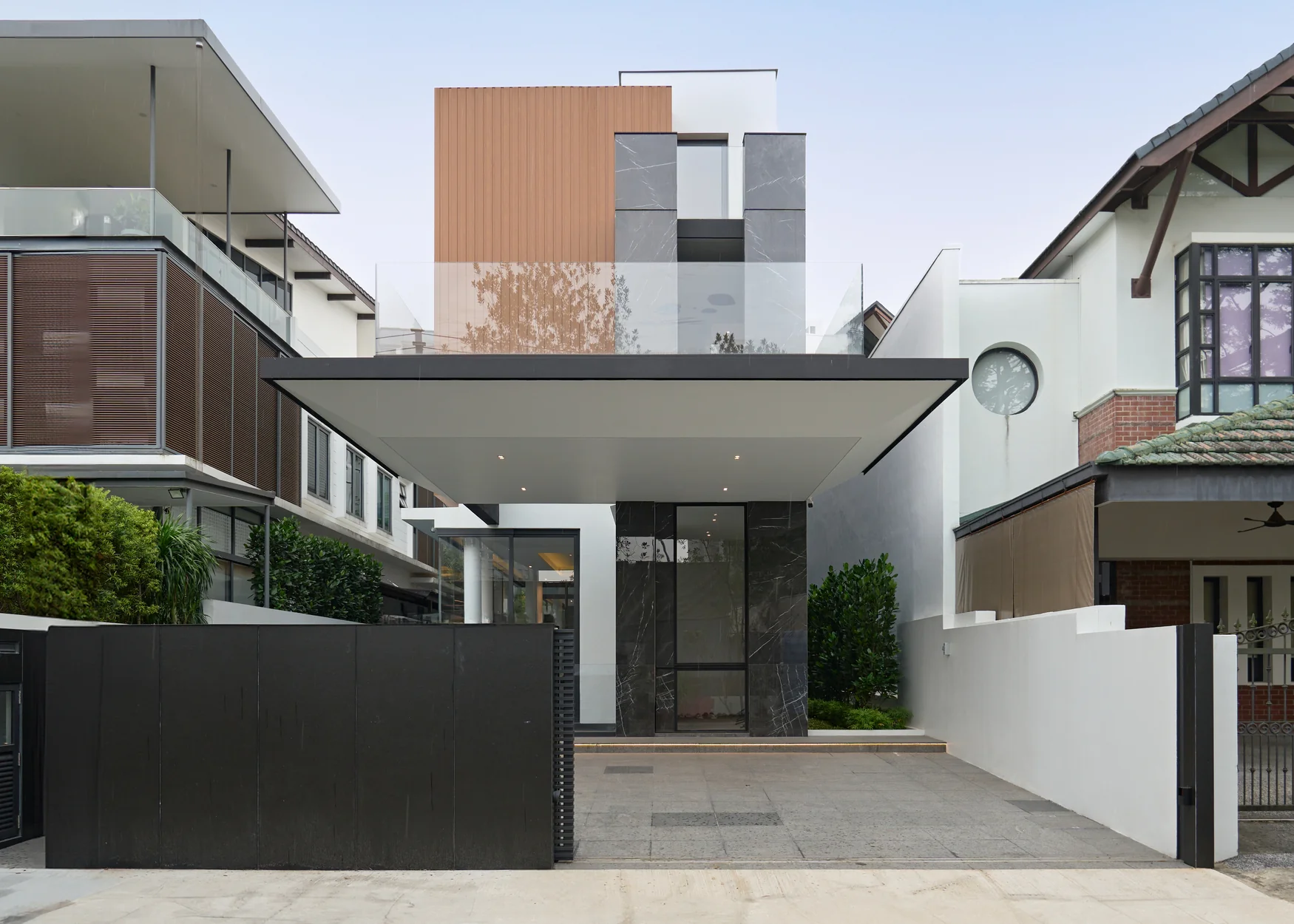
8+1 bed | 10,200 sqft area 19,500,000 SGD
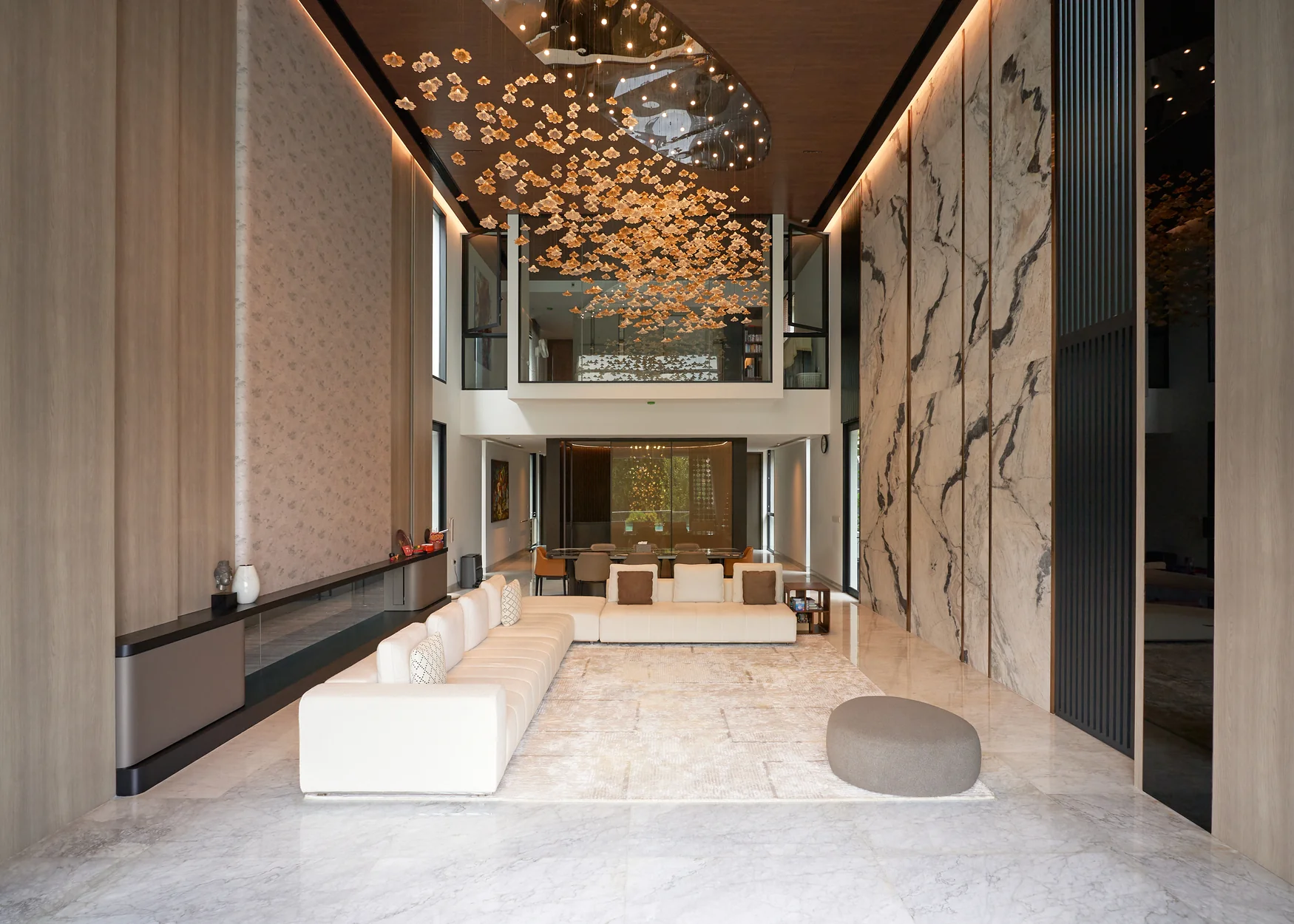
5 bed 19,380,000 SGD
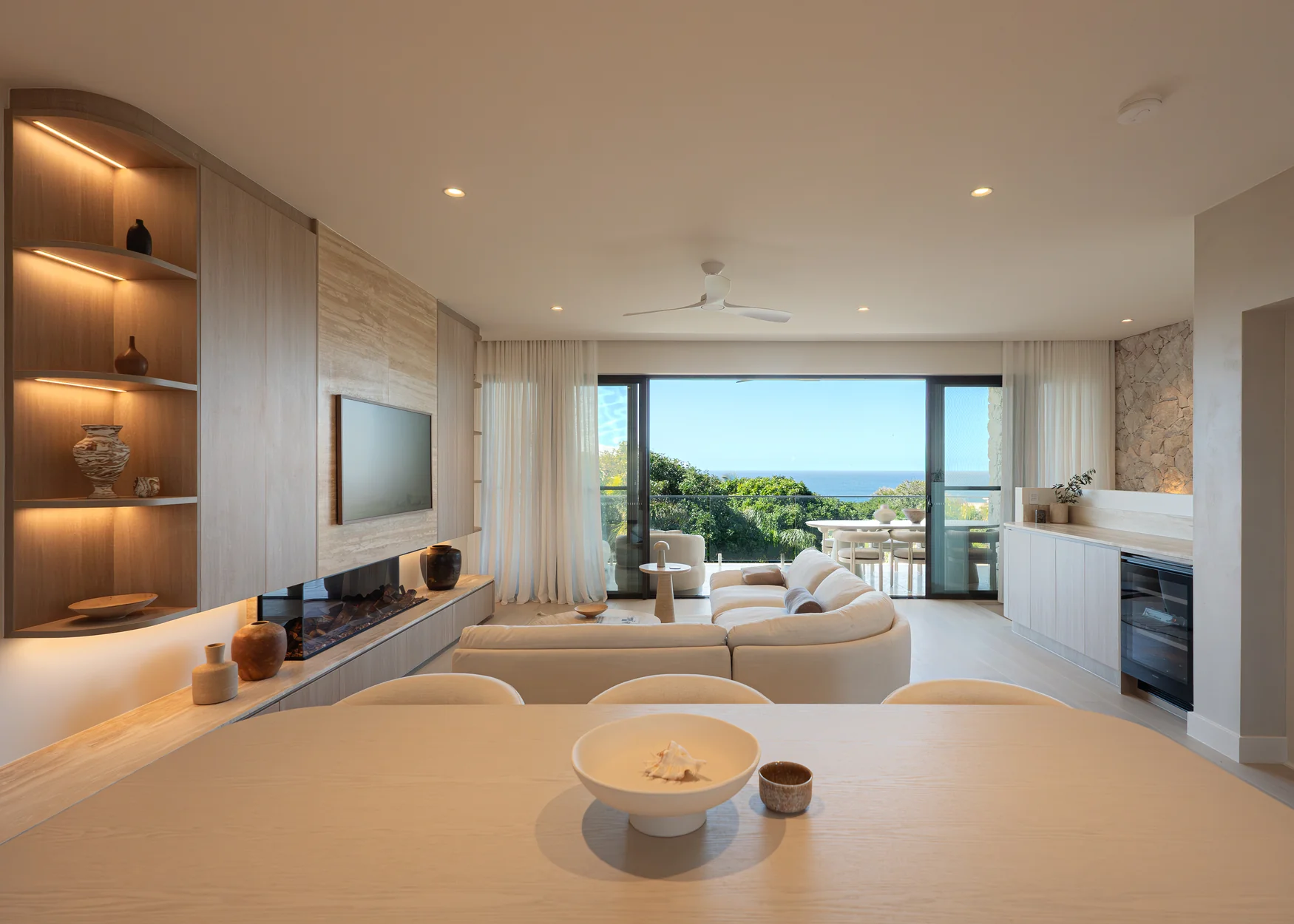
4 bed | 4,208 sqft area POA
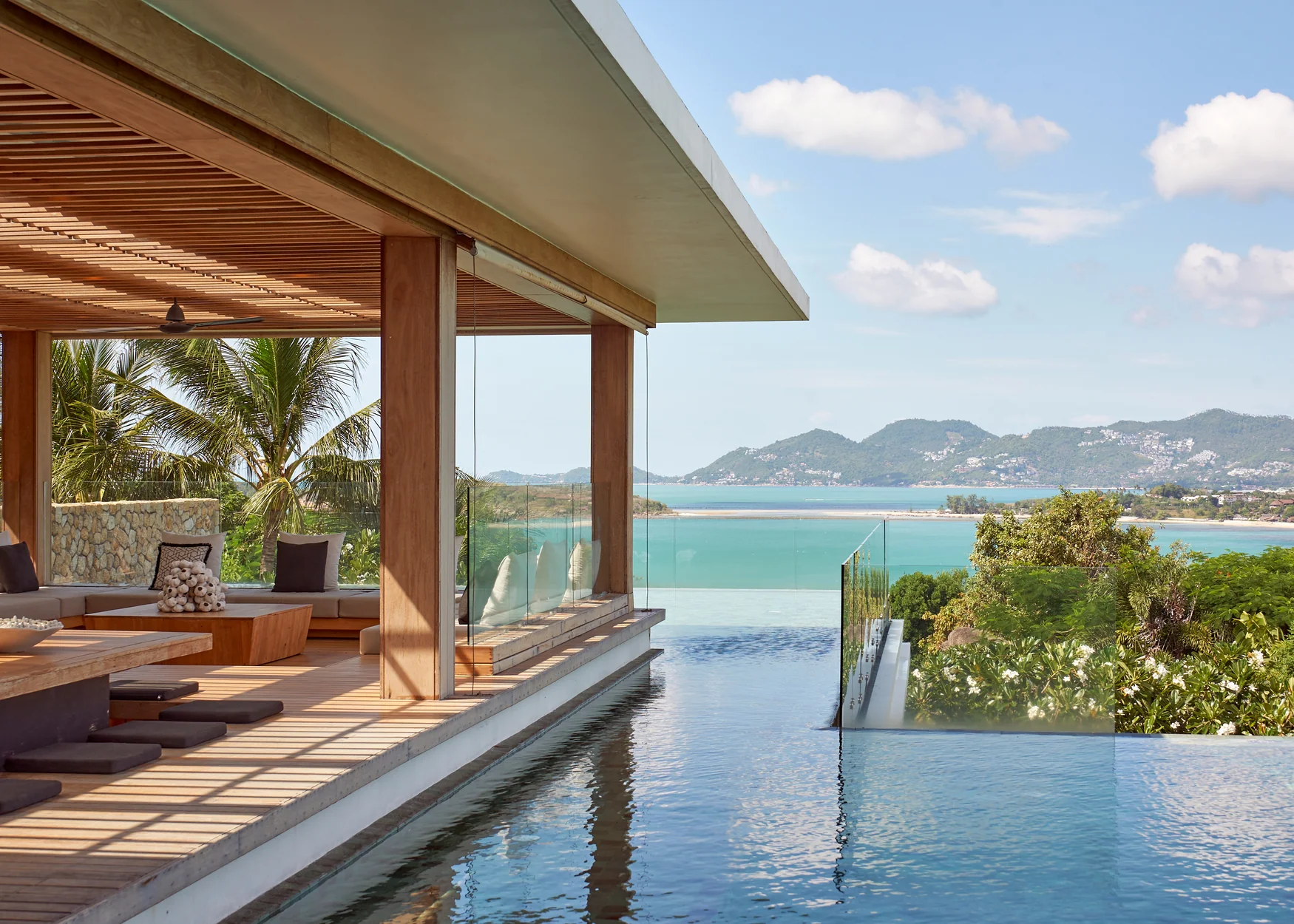
3-8 bed | 699,654 - 784,080 sqft area POA
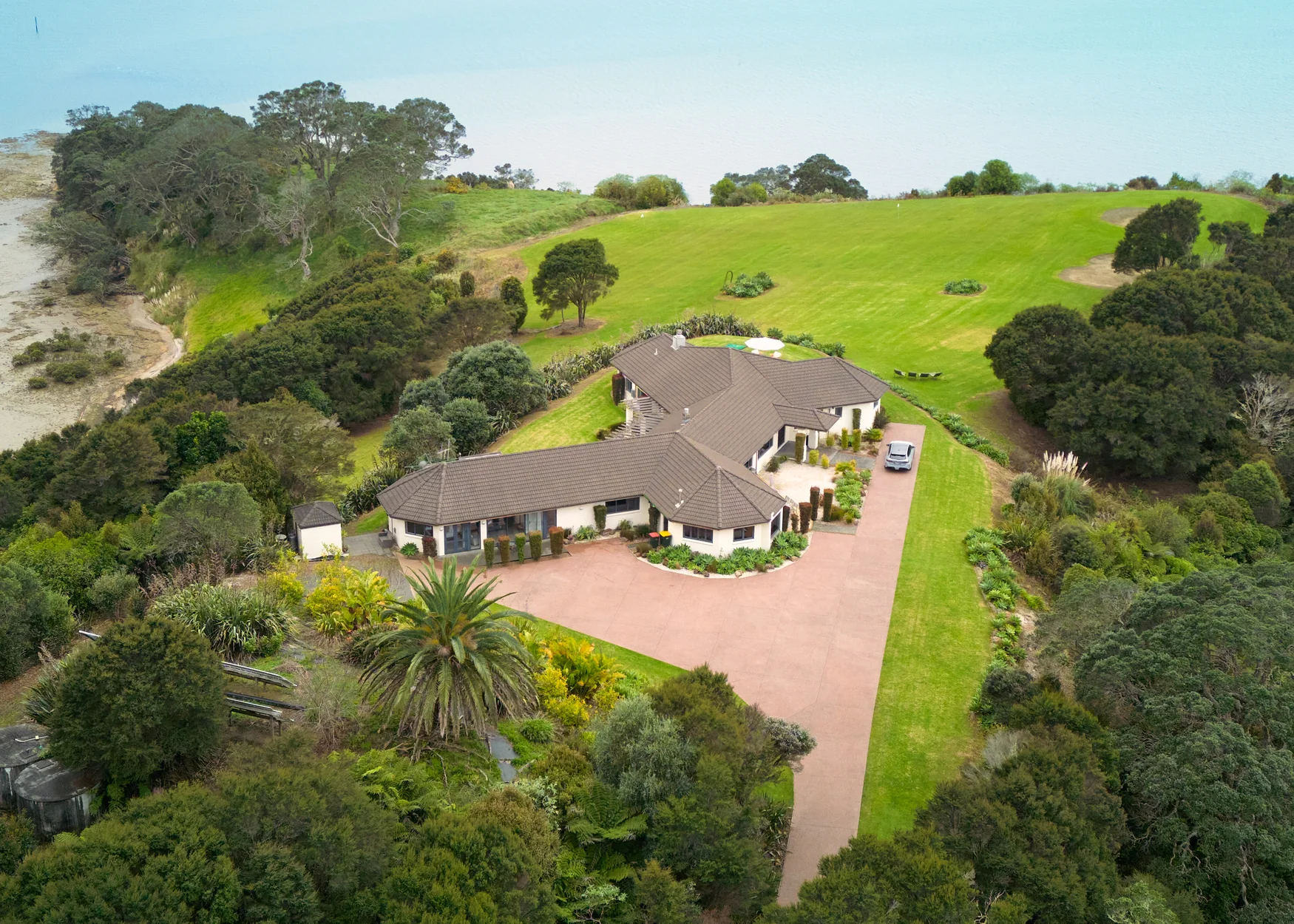
6 bed POA