

The report: Ultra-prime property in Singapore in the aftermath of the world’s highest tax on foreign homebuyers
Private home prices rose even as overseas purchases fell after Singapore doubled its foreign-buyer duty to 60 per cent. But the retreat of foreign buyers was felt unevenly, from prime condominiums on the mainland to waterfront homes on Sentosa Cove. Arcadia Consulting’s Boon Hoe Leong examines where local demand took up the slack, who can still buy at citizen rates, and which parts of the market would feel it first if the duty came down.
Explore luxury properties for sale in Singapore
When Singapore raised its Additional Buyer’s Stamp Duty for foreign buyers from 30 to 60 per cent in April 2023, UBS described it as the highest in the world. Some overseas buyers could still purchase on the same terms as a Singapore citizen. Under the country’s free trade agreements, US nationals and Swiss nationals or permanent residents can qualify to pay no additional duty on a first Singapore home. The same treatment extends to qualifying nationals and permanent residents of Iceland, Liechtenstein, and Norway.
Three years on, Singapore’s private home price index is 14.2 per cent above its level in the quarter before the increase. Local households sustained demand across much of the market. At Sentosa Cove, where overseas buyers had been an important part of the audience for waterfront homes, their absence was harder to make up. There was local demand at The Residences at W when apartments came back at lower prices and 65 sold in two days. A waterfront bungalow draws on a smaller pool, and that is where the return of even a few serious bidders could change a sale.
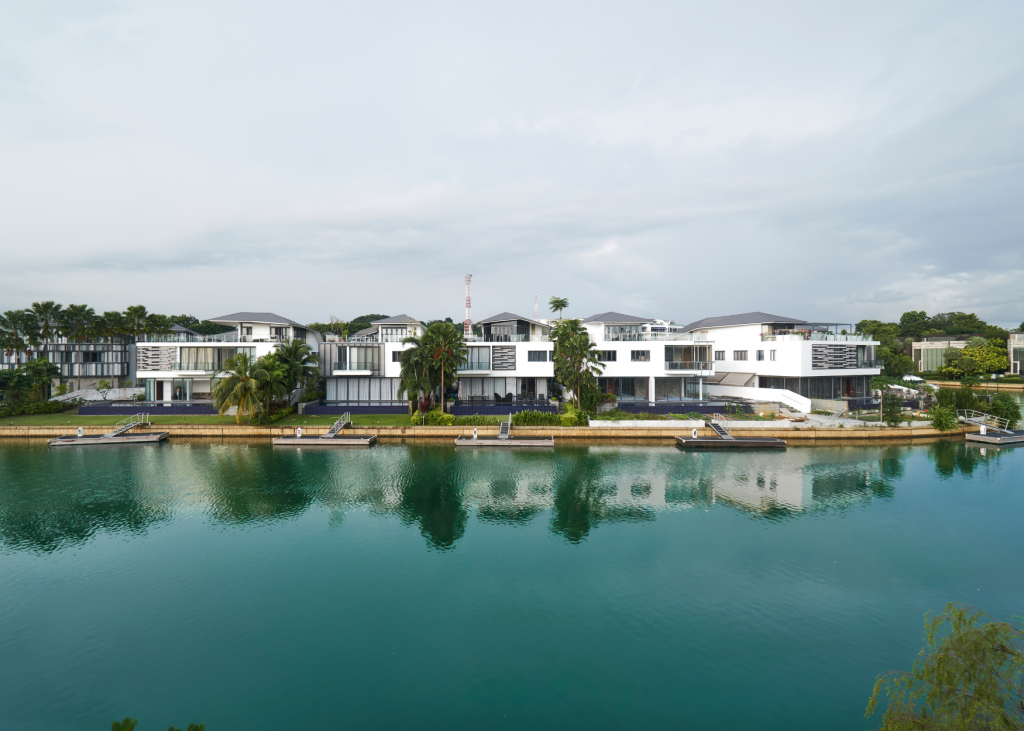
Quayside view featuring waterfront homes in Sentosa Cove. Top: The super-penthouse of Reflections at Keppel Bay, a luxury condo in Sentosa.
How Singapore prices held up
The foreign rate had already risen to 30 per cent in December 2021. Private home prices gained 10.6 per cent that year and 8.6 per cent in 2022, followed by another 3.3 per cent in the first quarter of 2023. By the final quarter of 2025, foreign buyers without permanent residency accounted for 1.2 per cent of private home transactions, down from 6.4 per cent in the quarter before the 60 per cent rate took effect, according to JLL. Singapore citizens and permanent residents made up 98.5 per cent of purchases in Huttons’ fourth-quarter 2025 analysis.
Leong traces some of that resilience to the public housing system. About 77 per cent of resident households live in Housing & Development Board flats, and more than nine in 10 of those households own their homes. New HDB flats are sold below assessed market value, but owners generally have to live in them for five years before reselling. Plus and Prime flats require 10 years. This prevents an immediate resale to cash in on the subsidy. Over time, the discounted entry price, mortgage repayment, and any appreciation can build equity. Together with savings, this gives some households the means to move into private housing, supporting demand further up the ladder.
Prime apartments and the waterfront
Mainland luxury apartments held up better than Sentosa Cove in the first half of 2026. CBRE recorded 56 luxury apartment sales in its market sample, against 57 in the previous six months, while the average price rose 2.9 per cent to S$3,801 per square foot. In the same report, condominium sales volume on Sentosa Cove fell. The mix of homes sold matters to an average price, but the difference in turnover shows where demand was holding up.

Inside the lavishly appointed penthouse at The Ritz-Carlton Residences, Cairnhill.
The W relaunch showed the price at which one development could draw local demand. The 65 apartments sold at an average of about S$1,780 per square foot, with selected starting prices around 40 per cent below the original 2010 launch levels. Singaporeans and permanent residents made up 94 per cent of buyers. The project had been selling for years before the duty doubled, and the response to the new prices tells us how readily buyers would move at that level.
A bungalow at 225 Ocean Drive changed hands for S$13.6 million in January 2026. For a house of this kind, the pool is smaller, and foreign buyers need Singapore Land Authority approval to acquire landed property on Sentosa Cove. The requirement applies even if the buyer qualifies for citizen rates of stamp duty. Foreigners can generally buy a private condominium unit without that approval.
What qualifying overseas buyers pay
The treaty provisions give qualifying individuals the same rate schedule as Singapore citizens, so the number of homes they already own in Singapore matters. A home in Zurich or New York falls outside that count. An existing interest in a Singapore property or a joint purchase can change the amount due.
| Individual buyer | First home | Second home | Third or later |
| Singapore citizen | 0% | 20% | 30% |
| Singapore permanent resident | 5% | 30% | 35% |
| Foreigner at standard rate | 60% | 60% | 60% |
| Eligible treaty buyer after remission | 0% | 20% | 30% |
On a S$5 million condominium, assuming the purchase price equals market value, ordinary Buyer’s Stamp Duty is S$239,600. A buyer subject to 60 per cent ABSD pays a further S$3 million. An eligible treaty buyer making a first Singapore purchase pays the ordinary duty alone.
The remission concerns Singapore stamp duty. Buyers should obtain advice on ongoing Singapore taxes and their home-country obligations for reporting overseas property and rental income.
What the rent supports
Private residential rents rose 1.3 per cent in the third quarter of 2026, while rents for non-landed homes in the Core Central Region fell 0.3 per cent. Global Property Guide’s second-quarter apartment sample put gross yields at around 3.1 per cent. For a prime apartment, the rent achieved on a comparable floor plan in the same development offers a firmer basis for projecting income.
At S$150,000 in annual rent, the S$5 million apartment would yield about 2.86 per cent on price and duties for a qualifying first-property treaty buyer, against 1.82 per cent at the standard foreign rate. Both figures are before property tax, maintenance, vacancy, and financing.

Keppel Bay is a precint waterfront precinct on the southern coast of Singapore, home to iconic architectural developments like the Daniel Libeskind-designed Reflections at Keppel Bay.
International demand has a different footing. Singapore’s legal stability and its standing as a business hub continue to attract overseas households. It received about US$151 billion in foreign direct investment in 2025, second only to the United States in UN Trade and Development’s figures. For individual homes, the question is how much that international reach matters to the next sale.
Where a lower duty would be felt
PropNex proposed a 30 per cent rate in its Budget 2026 recommendations for foreign buyers of non-landed homes priced at S$10 million or more in the Core Central Region. That proposal concerns a specific part of the market. The general rate remains 60 per cent.
Leong expects a broader reduction to be felt more in prime condominiums and Sentosa Cove than in the mass market. At S$10 million, a return to 30 per cent would reduce the incoming buyer’s duty by S$3 million. The first change would be in who can justify making an offer. Where several buyers want the same home, earlier sale prices could again become relevant in negotiations. How far the price moves would depend on the property and the competition for it.
For a buyer who already qualifies for citizen rates, the starting point is what comparable homes sell and let for today. A lower duty would change the calculation for the next buyer. On a waterfront where a sale can turn on whether two people want the same house, that difference could be felt in a negotiation before it shows up in any index.
Read next:
- Living the island life: A deep dive into the Sentosa property market
- Asia-Pacific’s ultra-prime market: The micro hotspots and the macro capital flows
About Boon Hoe Leong:
Boon Hoe Leong is the founder and chief executive of Arcadia Consulting, the Singapore advisory and brokerage firm he established in 2020 to market luxury residences and broker cross-border investment. He previously served as chief executive of CBRE Singapore and chief operating officer of List Sotheby’s International Realty Singapore, and has more than two decades’ experience marketing premium property in Singapore, Malaysia, Indonesia, Thailand, Vietnam, and Cambodia.
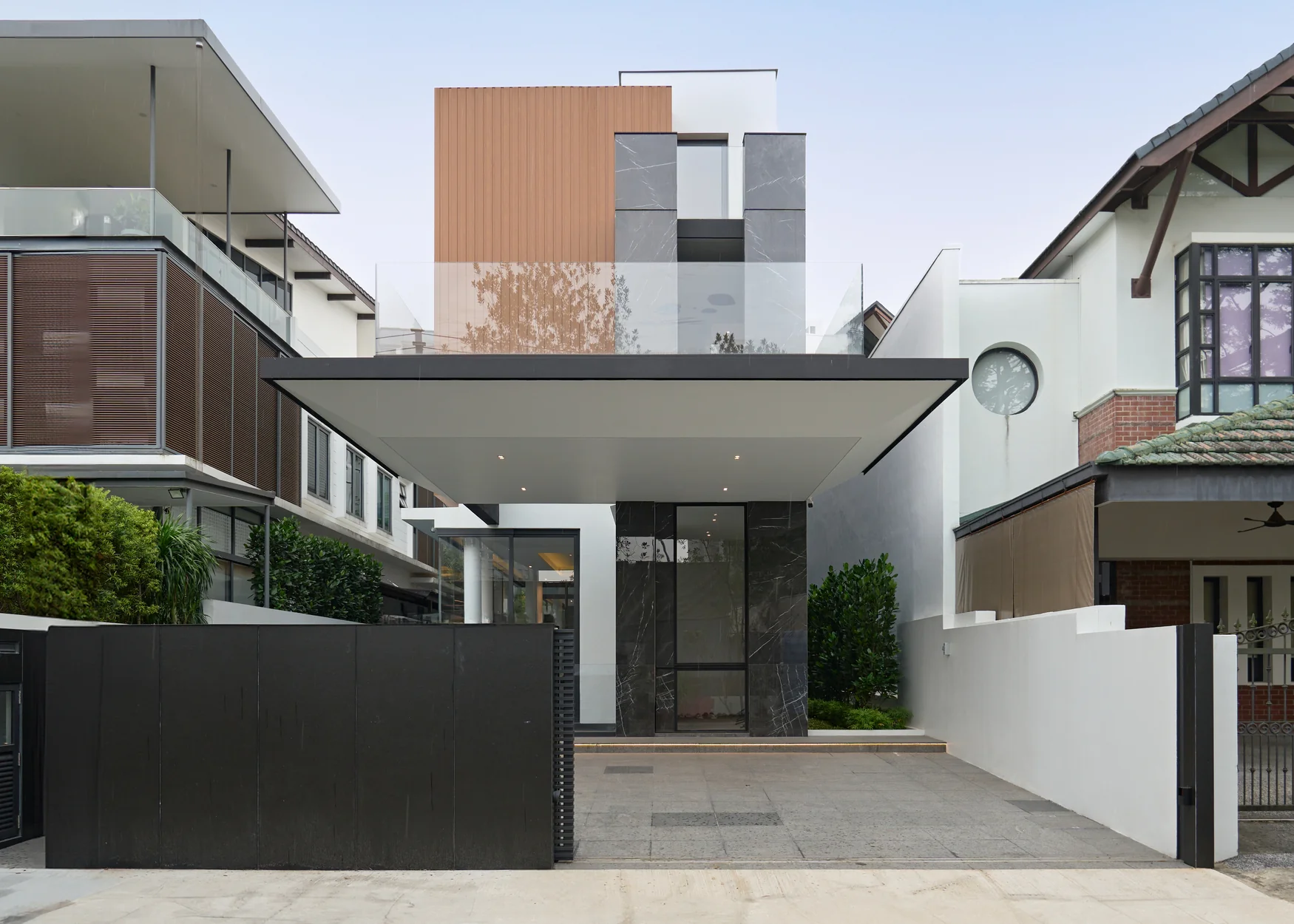
8+1 bed | 10,200 sqft area 19,500,000 SGD
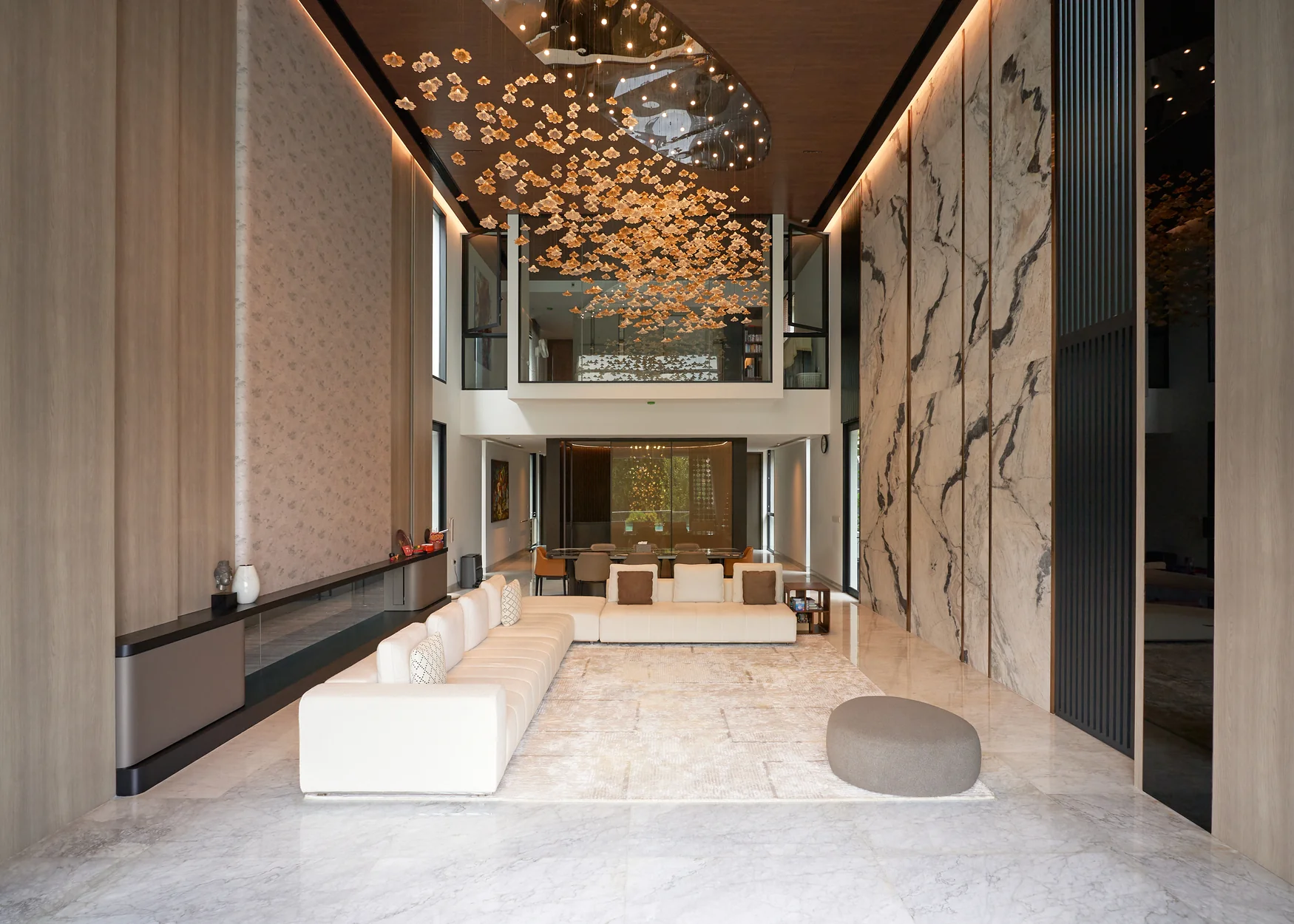
5 bed 19,380,000 SGD
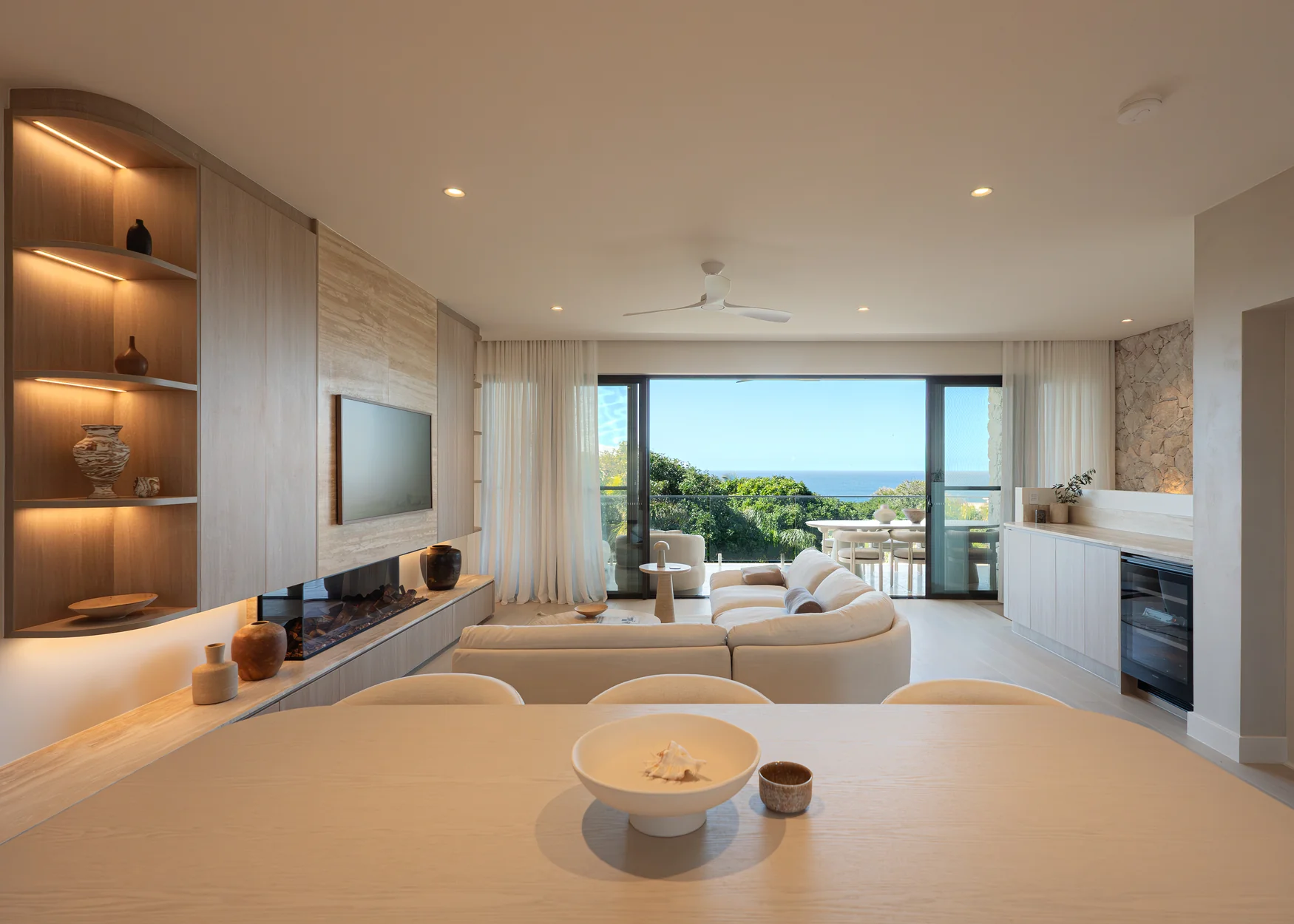
4 bed | 4,208 sqft area POA
3-8 bed | 699,654 - 784,080 sqft area POA
6 bed POA