

The interview: How ultra-wealthy families are navigating current volatility, according to NAB Private Wealth’s Ivano Simonutti
Interview by Hamish McDougall
Photography by Jin Cheng Wong
For decades, the ultra-high-net-worth playbook rested on a few stable assumptions: predictable policy, deep global integration, and a portfolio split roughly 60-40 between equities and bonds. According to Ivano Simonutti, Private Wealth Executive at National Australia Bank (NAB), those assumptions no longer hold. “A lot of those foundations have been eroded over the last few years in particular,” he says, pointing to geopolitical unpredictability, the energy transition and AI as the forces now defining markets. “The world is a far more complex place than what we’ve seen in the past.”
That complexity is reshaping how UHNW families build and think about their portfolios—and, just as importantly, how they talk to each other about money.
Beyond the 60-40 split
The traditional equities-bonds split, Simonutti says, “has shifted dramatically over the last decade,” giving way to infrastructure, private credit and private equity—asset classes that offer diversification without the immediate mark-to-market swings of listed markets. Geographic diversification is evolving too. Where it once simply meant balancing domestic and international holdings, geopolitical uncertainty has turned it into “an opportunity to take advantage of different regimes across the globe.”
But new opportunity brings new risk. Simonutti flags “portfolio drift” as one of the most persistent blind spots he sees, referring to passive strategies left untouched until a family is unknowingly overexposed to a single asset class. Cryptocurrency is a case in point: a source of real wealth creation for some, and significant losses for others who let exposure run unchecked. “If you overexpose yourselves to these types of asset classes, the risk is higher,” he says, “leading to significant volatility.”
Founders present a distinct version of the same problem. Much of their wealth is often locked in the business itself—illiquid, concentrated, and emotionally inseparable from the person who built it. With almost half of Australia’s business owners now over 50, Simonutti sees succession as the real test ahead. “There’s often an emotional disconnect in terms of the direction of the business and the passion that exists in those founders versus that of the next generation,” he says.
Why communication is key
Ask Simonutti what really derails generational wealth, and the answer has little to do with markets. “It is not the market or volatility that creates problems within families when it comes to generational wealth and the decisions around it,” he says. “It is actually the families themselves.”
The failure point, in his experience, is almost always communication. Without a shared “legacy statement”—a family’s agreed intent for its wealth—tension surfaces at the worst possible moments, often after the death of a family member, when complex structures and a lack of visibility force families to untangle decisions no one discussed in advance. “That’s where we actually see a lot of tension within families around how to separate and distribute the wealth,” he notes.
Governance, in Simonutti’s view, is what turns intent into resilience. Trusts, advisory boards and family offices give families a framework to make deliberate adjustments—rebalancing toward opportunity, not panic—well ahead of any shock. It is a discipline he sees tested in real time during volatile stretches, when “the phones do certainly run hot,” and some clients rush to cash at exactly the wrong moment. Long-term investors who stay the course, he says, consistently outperform those chasing safety after the fact.
That same discipline, Simonutti believes, will define how families navigate the next disruption: artificial intelligence. He expects AI to reshape workforces “over many, many generations,” much as previous technological shifts have—but he isn’t betting against human relevance. “We are a human species that values interaction and relationships,” he says. “There will still be a huge and important need for humans in the system.”
If there’s a throughline in Simonutti’s outlook, it’s that the families who endure won’t necessarily be the ones with the sharpest market calls. They’ll be the ones who ask the better questions—of their portfolios, and of each other, long before volatility forces the conversation. “The world we are heading into,” he says, “is not defined by the first person with the answer, but the person who asks the best question.”
This article has been prepared independently and is not issued by, or on behalf of, National Australia Bank Limited.
Read next:
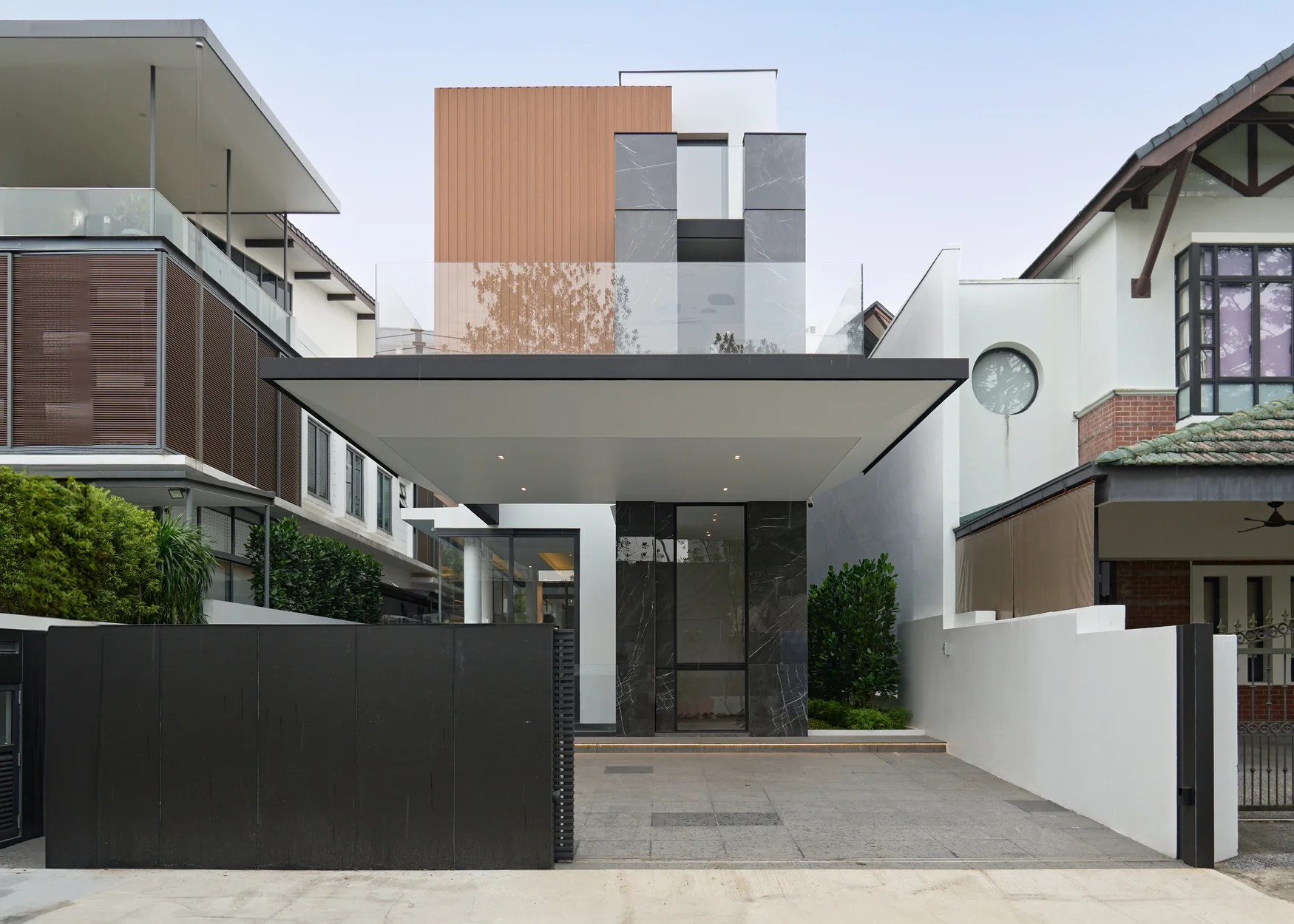
8+1 bed | 10,200 sqft area 19,500,000 SGD
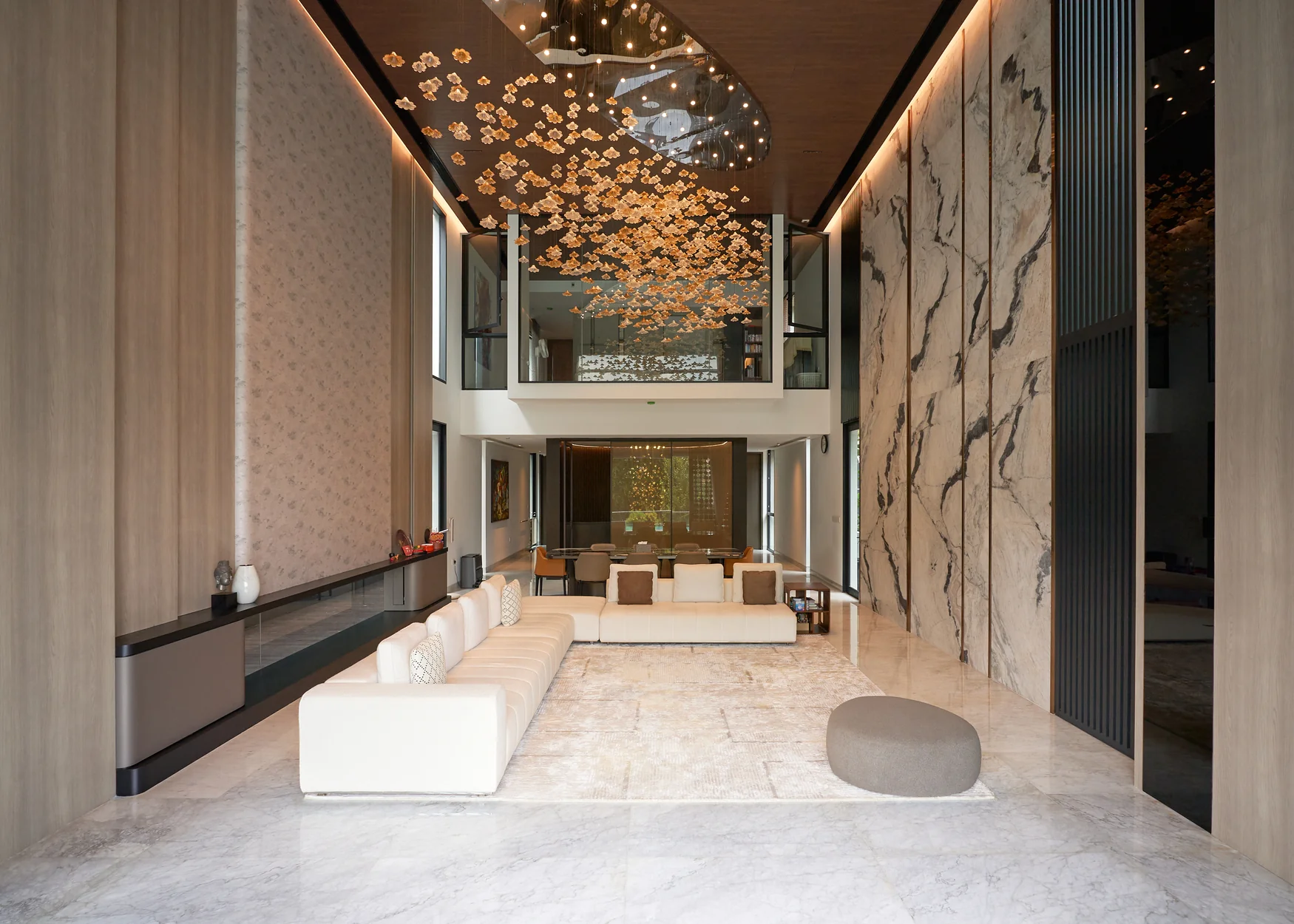
5 bed 19,380,000 SGD
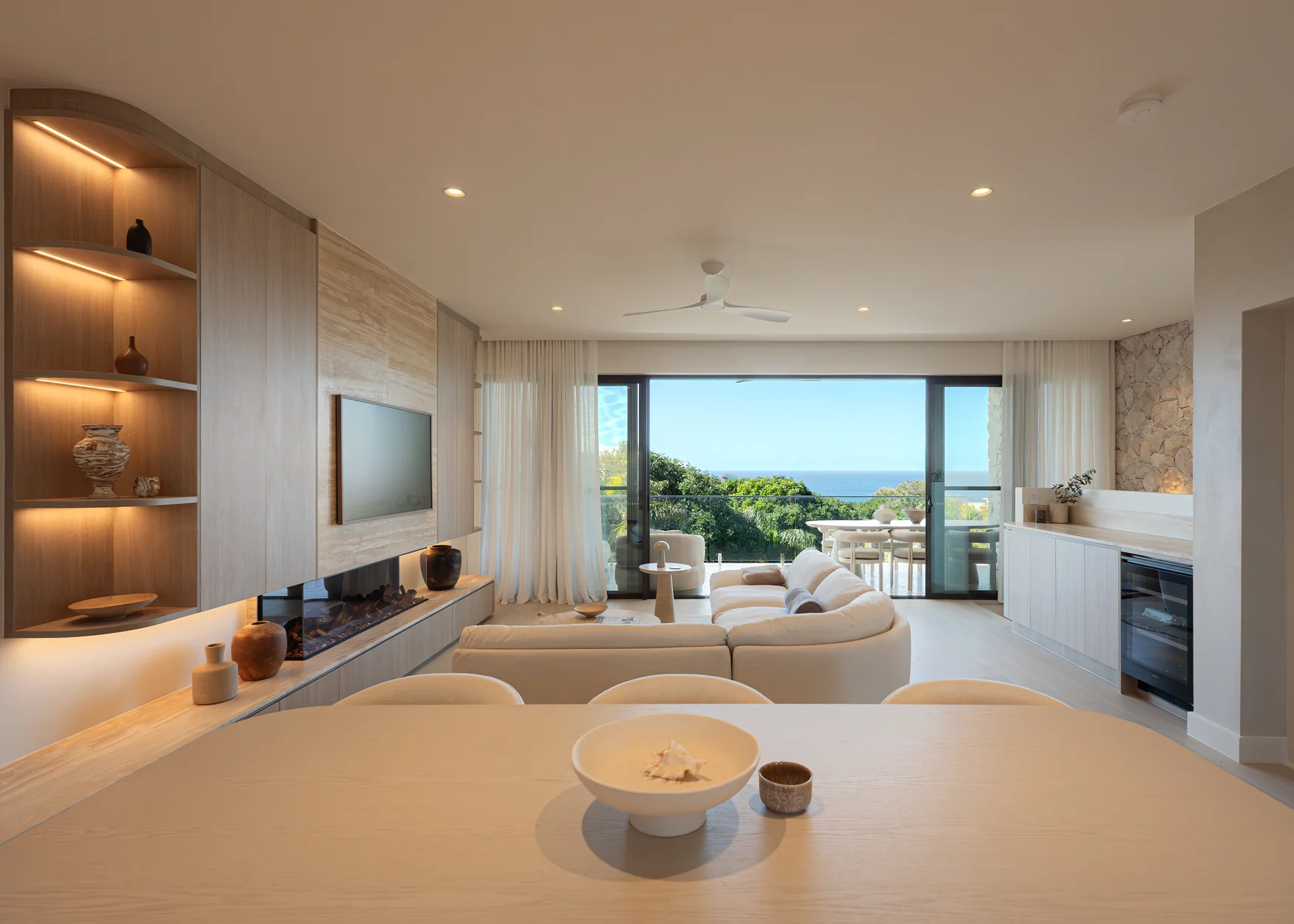
4 bed | 4,208 sqft area POA

3-8 bed | 699,654 - 784,080 sqft area POA
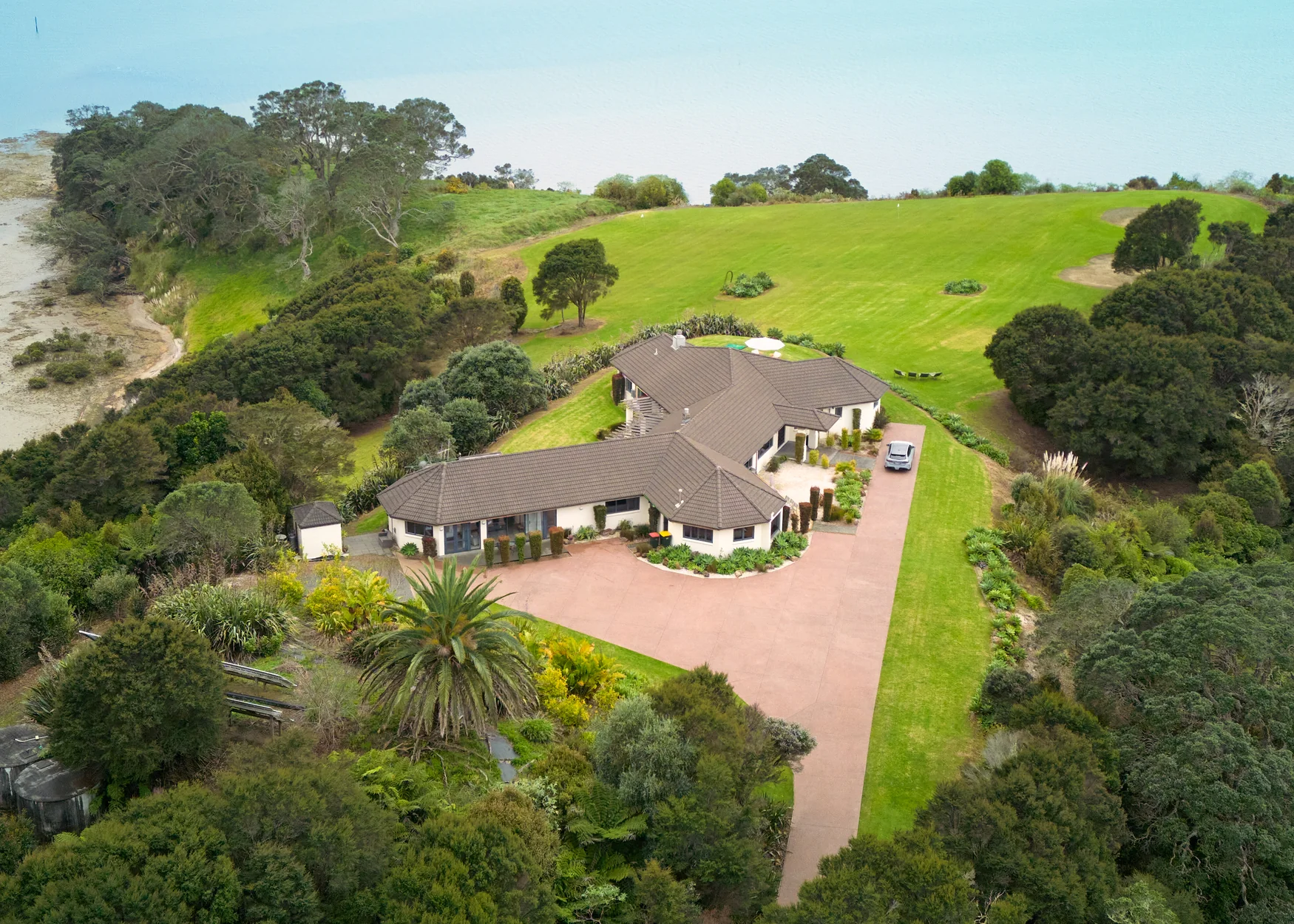
6 bed POA