

Beyond tech and AI, where else is smart capital is going? Investors reveal the sectors you may be overlooking
For a generation of family offices and private investors, the gravitational pull toward artificial intelligence has been almost total. Capital, talent and headlines have flowed in one direction, often at the expense of sectors that, on paper, look less scalable, and less defensible. And yet a growing cohort of allocators—many of them with deeply personal reasons for doing so—are finding outsized opportunity, and considerable enjoyment, in the alternative spaces: from sports assets to the commercially formidable world of beauty and fashion.
What unites these sectors is not just contrarian timing. It’s the sense that money invested here buys something beyond a return—a stake in culture, a seat at the table, a story to tell. Boulevard spoke to four people building serious portfolios in these spaces to understand why.
Allocating for fun and passion, with discipline in between
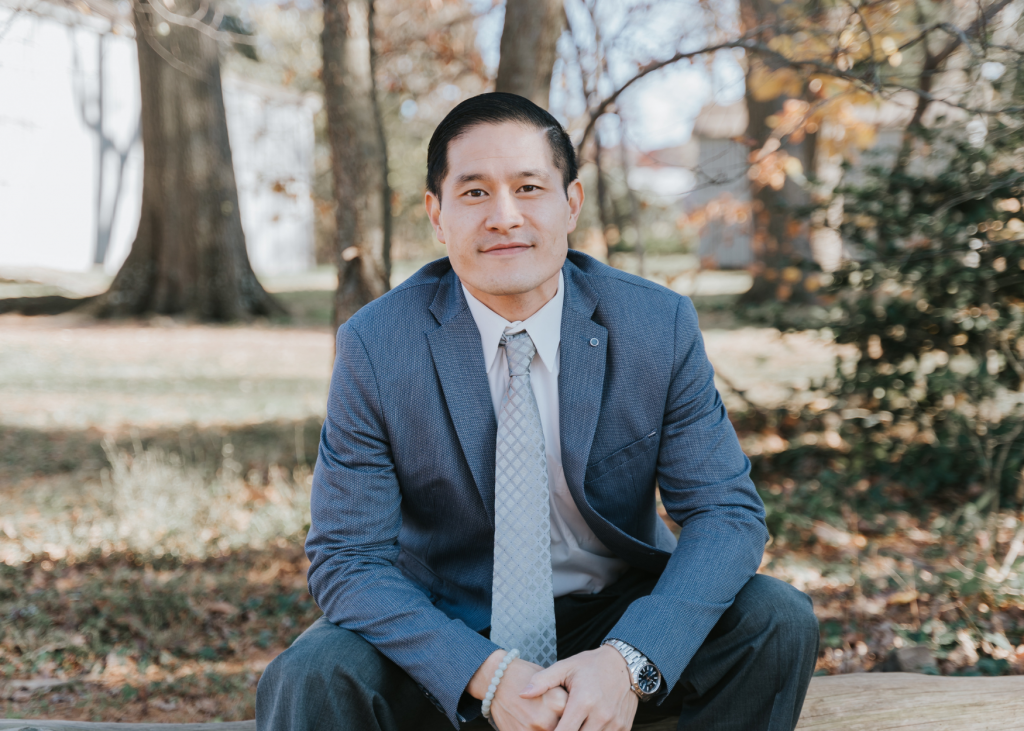
Christopher Aw, a partner at Argonautic Ventures, brings an unusual lens to alternative assets. He worked as a systems engineer who built technology for the military before working at a think tank that funnelled roughly US$20 billion a year into defence-adjacent innovation. That experience taught him a lot about timing.
Now, his core allocation runs through venture capital, private equity, private credit and real estate, but his approach to passion investing is notable too. Aw’s interest in media and film traces back to his family—his father wrote for television shows and his uncle invested in films—and he’s since supported media-tech startups and sits on the board of a nonprofit helping US veterans transition into the industry.
His advice to fellow investors eyeing similarly “fun” categories like film, whisky or watches is pointed: there should be a reason beyond projected returns, and investors need to be honest about why they’re really in it.
Go further with Christopher Aw’s full interview.
Betting on the recession-proof world of sports
De Anna Guerreiro, founder of Athlon Family Office, didn’t set out to become one of the most connected names in sports investing. She got into the space after an NBA player from the Chicago Bulls reached out to her for mentorship, and in working with him she realised how many athletes across her career lacked financial literacy—a gap that became the founding premise of Athlon.
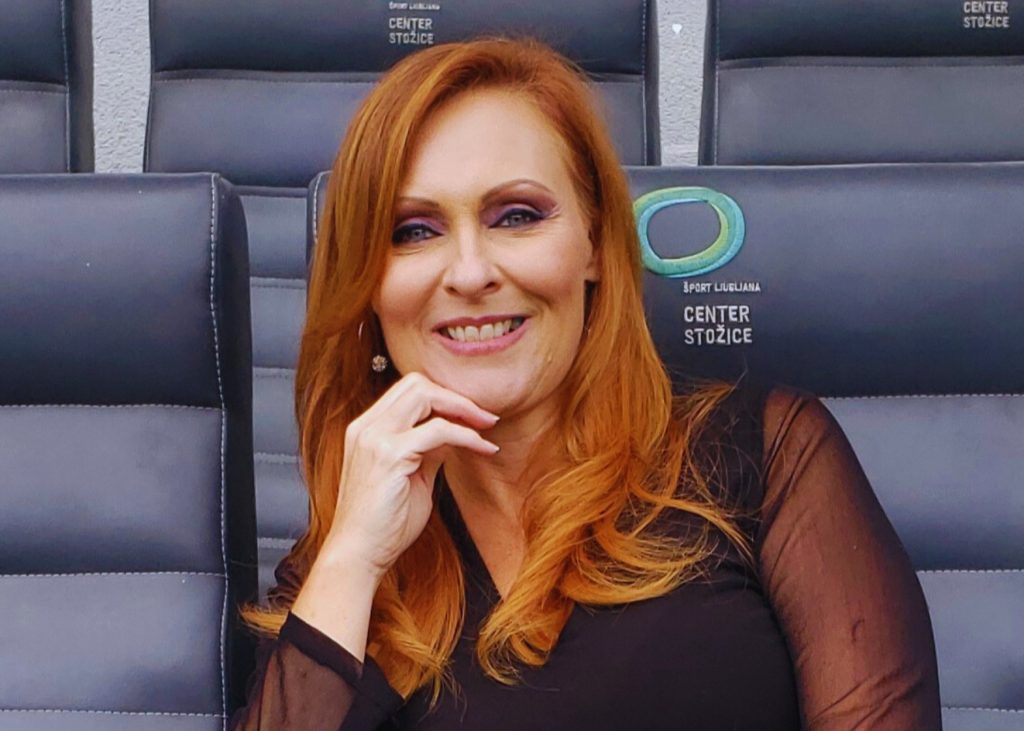
From there, Guerreiro moved into acquisitions of high-profile sports assets, and her thesis now extends well beyond franchises themselves. She points to sports tech, medical devices, performance drinks and life sciences as adjacent opportunities created by the ecosystem, alongside the kind of real estate plays that come bundled with stadium developments. On the asset class itself, she’s unambiguous: unlike commodities or real estate, sports doesn’t move in cycles—it is “recession-proof,” since fans will prioritise games and youth sports participation regardless of the economy. She’s also blunt about the urgency: access that costs a million dollars now could require a hundred million in five years’ time.
Go further with De Anna Guerreiro’s full interview.
Finding value where the AI crowd has stopped looking
If most of the venture world has moved on from consumer tech in its rush toward AI, Ho Kheng Lian has built a fund on the opposite conviction. The general partner of Turn Capital describes the firm’s distinctive strategy: it acquires majority controlling stakes in underperforming consumer technology companies and turns them profitable within five years, distributing dividends to limited partners along the way rather than waiting for a single exit event. The fund’s biggest recent win came from a livestreaming platform her co-founder acquired in Taiwan; they grew that business from US$2 million to US$400 million in revenue before listing it on the Singapore Exchange.
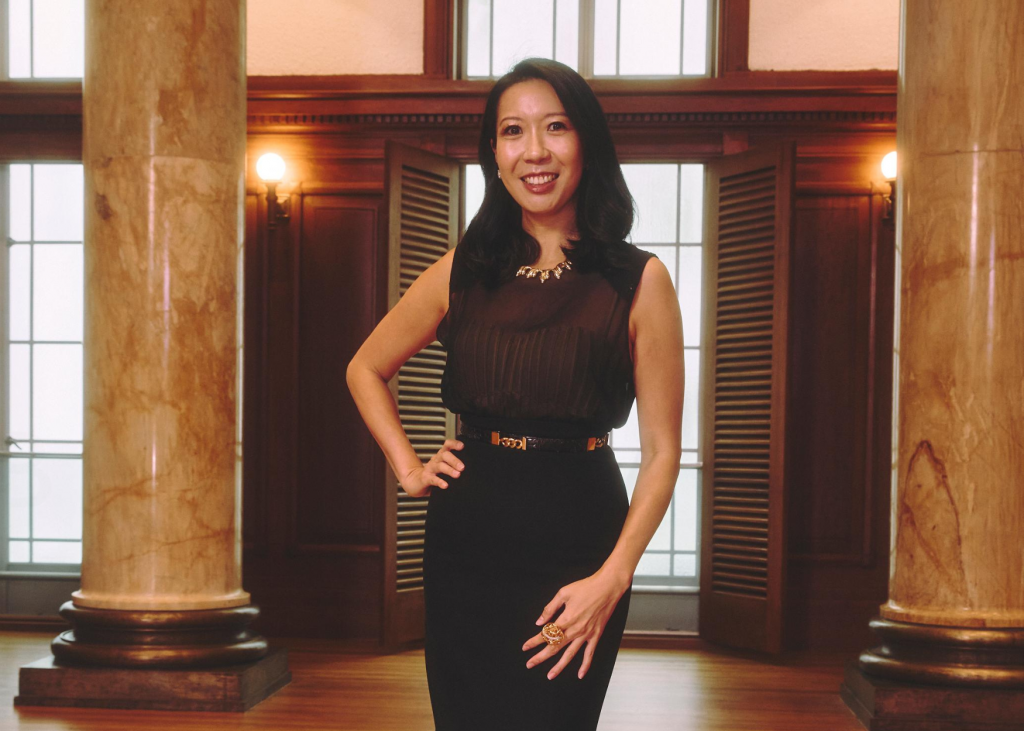
On why she’s drawn to a sector others have abandoned, Lian is direct: “We love social entertainment and social networks. While the world is chasing AI, we see opportunities in consumer tech, even if it’s out of fashion with VCs”. Her read on Asian consumer behaviour underscores the opportunity—audiences in the region embraced tipping and gifting livestream entertainers well before the West caught on. She frames the wider thesis around survivorship: where roughly three in ten tech bets might succeed, Lian argues disciplined consumer plays can survive at far higher rates, even if the upside is steadier rather than explosive.
Go further with Ho Kheng Lian’s full interview.
The cultural capital behind a billion-dollar beauty exit
Anya Evans, founder of Venture Muse Club, has spent a decade making the case that beauty, fashion and lifestyle deserve more institutional attention than they get. Despite more than half of venture capital flowing to tech, healthcare and fintech, her cited sectors collectively receive only around five per cent of funding, even as the global beauty industry grows at roughly five per cent annually. The proof point: Rhode Beauty, founded by Hailey Bieber, sold in 2025 for US$1 billion.
Evans’ framework for evaluating consumer brands centres on two ideas that sound soft but function as hard filters: content and community. As she puts it, “investing in fashion, beauty and lifestyle requires additional nuance because purchasing is emotion-driven”. A brand with a brilliant formula but no storytelling instinct, she’s found, can still fail outright. On community, she looks past follower counts entirely, instead asking how deeply customers engage, whether the brand stays top-of-mind, and whether communication can be personalised.

Her advice to first-time consumer investors is refreshingly simple: start with industries you personally understand and consume, and begin with smaller angel checks before scaling up.
Go further with Anya Evans’ full interview.
Sports, media, social platforms, fashion. On the surface, these sectors share little. But each of the investors above has arrived at a similar conclusion: that genuine domain expertise, often born of personal passion, is what allows capital to find value where the broader market has stopped looking. These “unlikely” sectors may turn out to be where the most interesting, and human, returns are still being made.
Read next:

8+1 bed | 10,200 sqft area 19,500,000 SGD
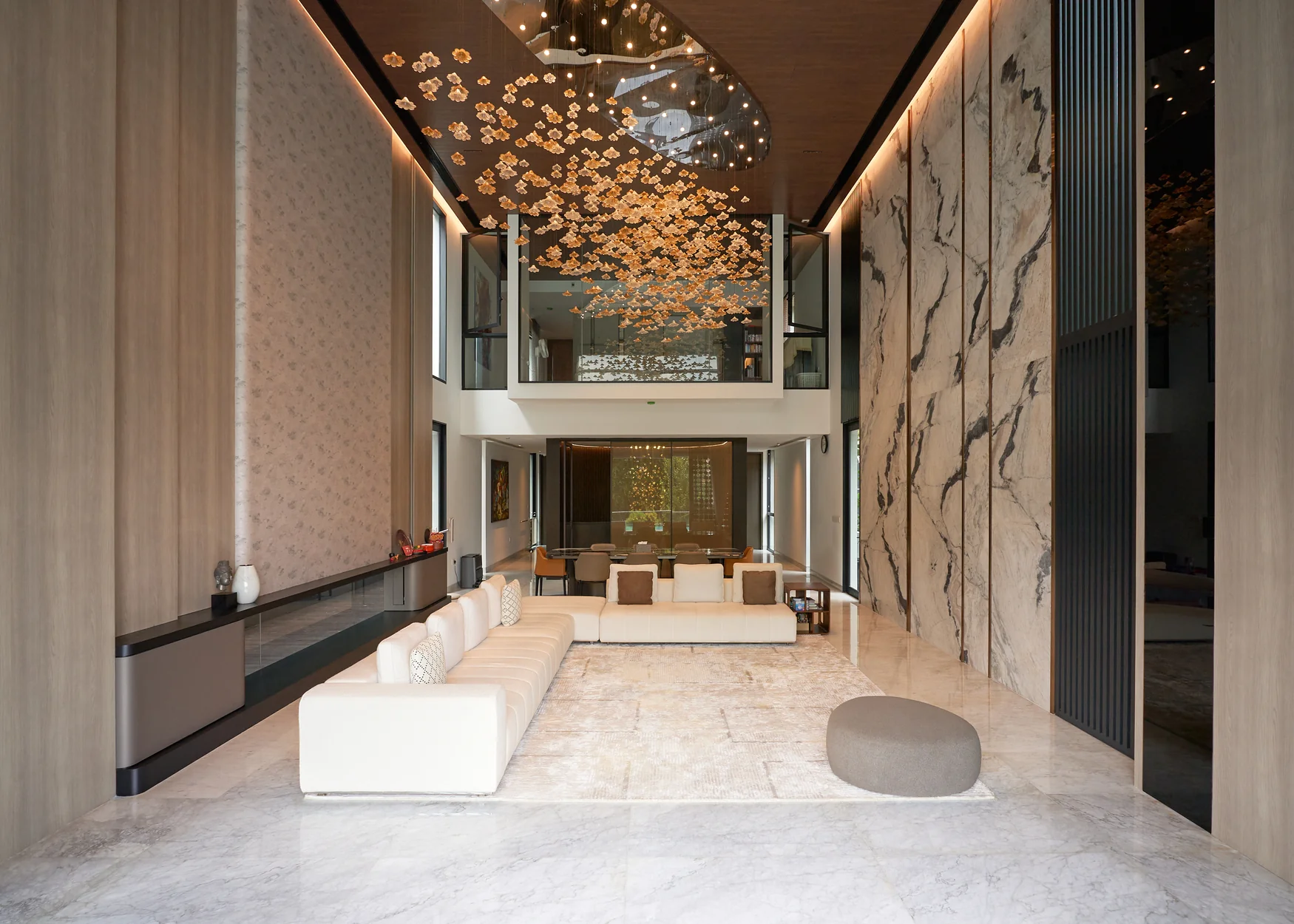
5 bed 19,380,000 SGD
4 bed | 4,208 sqft area POA

3-8 bed | 699,654 - 784,080 sqft area POA

6 bed POA