The precious metal refusing to tarnish: Watch and jewellery insiders on the rising prices of gold and how the luxury market is adapting
by Karishma Tulsidas
Photography by Kevin Khng
Against the backdrop of gold prices reaching unprecedented highs, as well as a more widespread slowdown in the luxury market, is the precious metal losing its millennia-old shine with watch and jewellery collectors?
Growing up, every time my mother or aunts wanted a new piece of jewellery, they would justify it the same way: it’s an investment. Their husbands would scoff—and (eventually) relent. A few decades later, I now understand their wisdom (although perhaps not about pavé diamonds).
The case for gold has only strengthened since. Over the past five years, the price of gold has risen by more than 122 per cent, driven by a confluence of forces: aggressive central bank buying, US Federal Reserve rate decisions, ongoing geopolitical conflicts and US trade policy uncertainty. By early 2026, gold had reached US$5,414 per ounce, a price that would have seemed unthinkable just a few years ago.
So the question begs to be asked: how have these surging prices affected the watch and jewellery market, and are people still buying?
At the very top tier, the short answer is: yes. “I would say the top top tier are not super affected by the prices,” says Kanch Porta, founder of Kanch Porta Jewels. “They buy what they like, and when they like. Some are buying regularly, so in that way they are dollar-cost averaging every time they add more gold.”
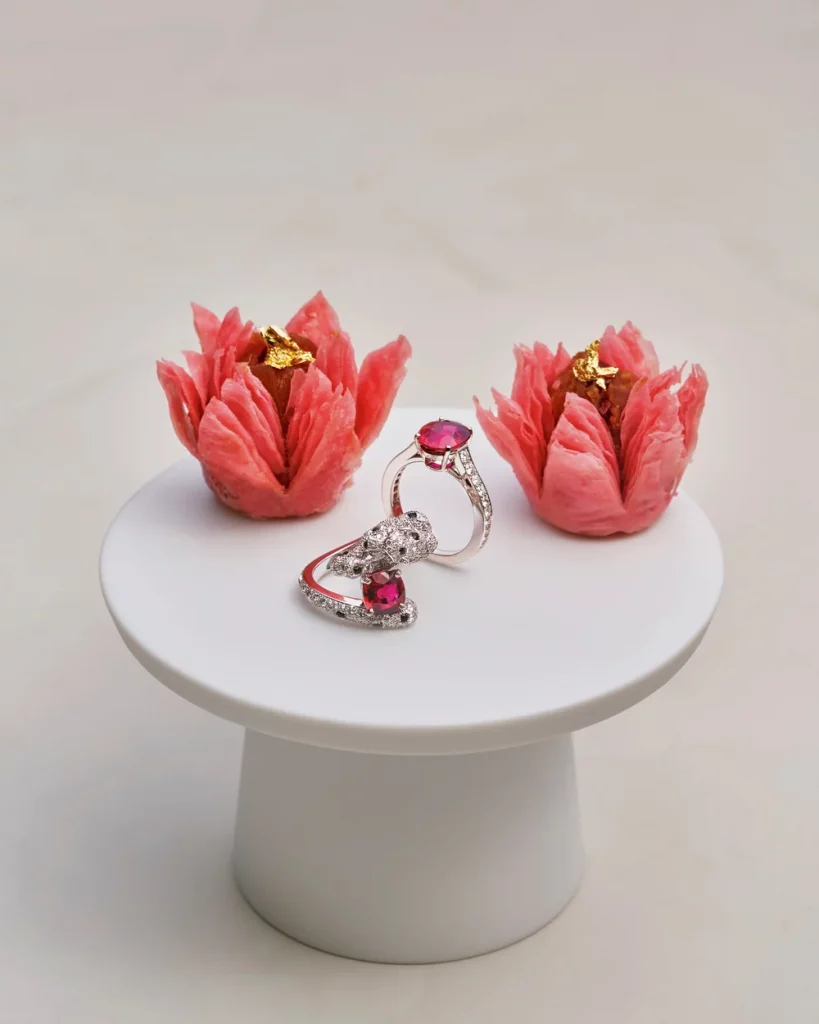
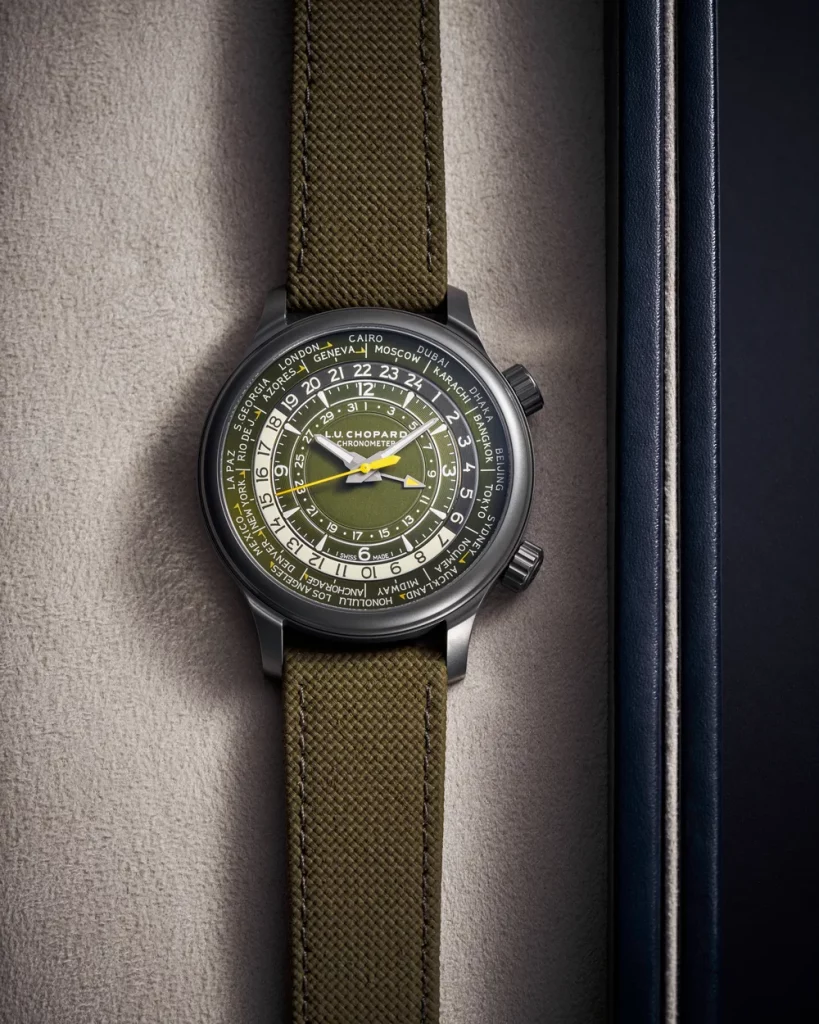
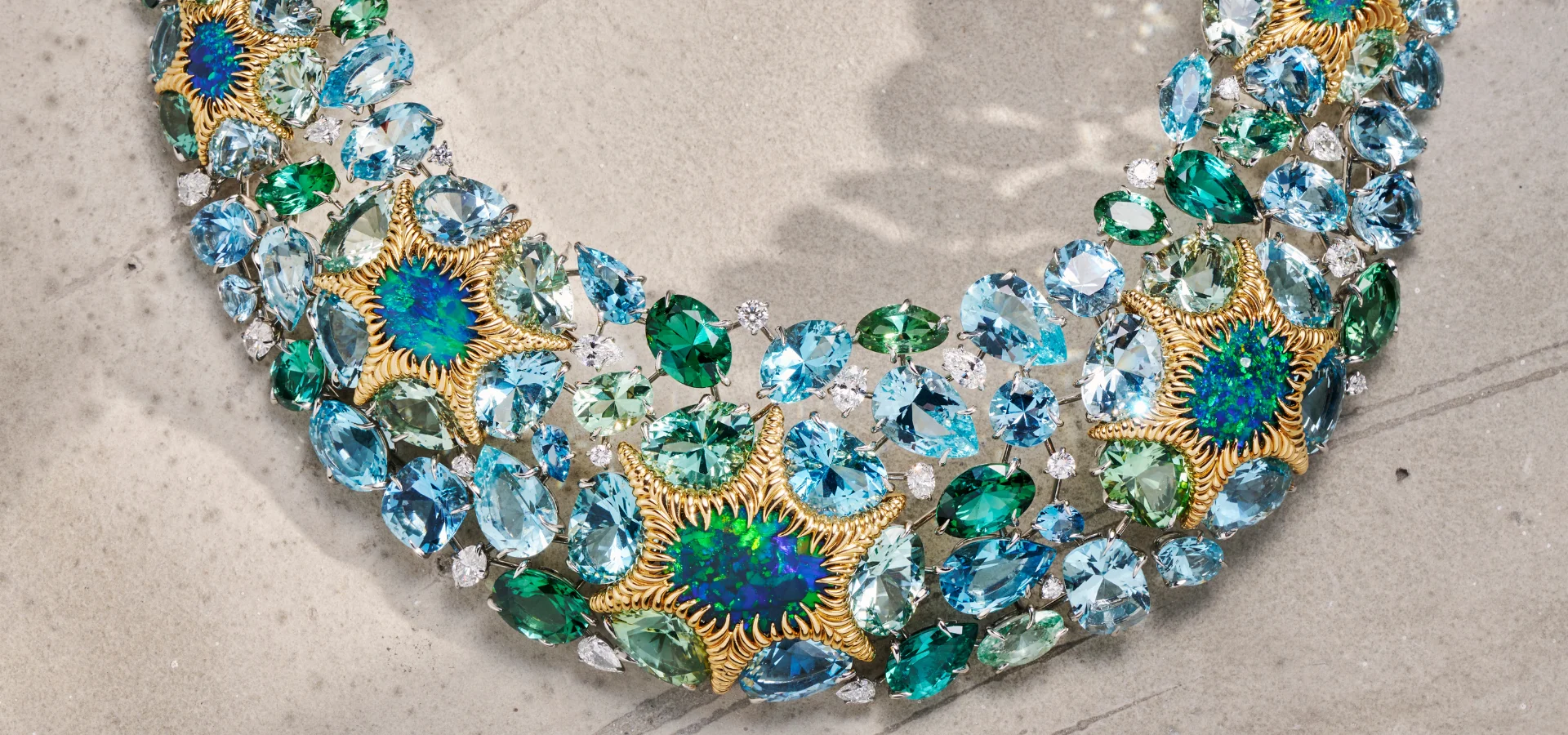
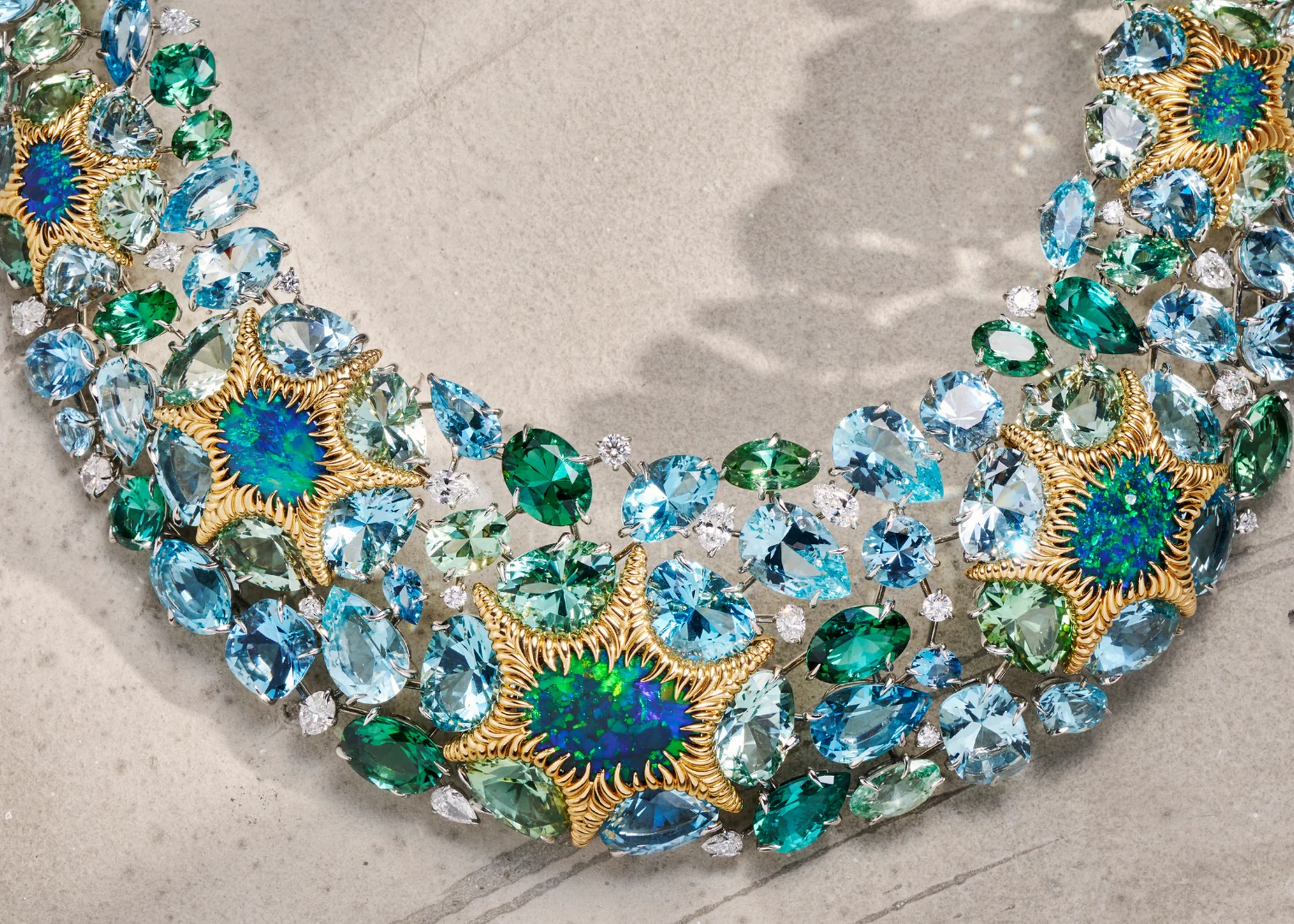
Left: High jewellery ‘1895’ wedding ring in platinum set with a ruby and diamonds; ‘Panthère de Cartier’ ring set with a ruby, emeralds, onyx and diamonds, both by Cartier. Right: “L.U.C Time Traveler One” with a ceramised titanium case, by Chopard. Top: Necklace in platinum and yellow gold set with black opals, aquamarine, beryls, tourmalines and diamonds, by Tiffany & Co.
Simone Ng, founder of Simone Jewels, agrees, though with nuance. Rising gold prices have had an impact, she says, but not in the way one might expect. “Clients at the very top end are still willing to invest in exceptional pieces, but they are becoming more considered in their decisions. There is a stronger emphasis on value, not just in terms of materials, but in design, craftsmanship and the story behind each piece.” At the same time, she notes a growing awareness of gold as a store of value: “What they are investing in is not something that simply depreciates. So purchasing high jewellery today is not only an emotional decision, but also a considered one.”
Kate Lim, regional managing director of Sincere Fine Watches, echoes this from the watch perspective. “Clients at the very top end remain relatively resilient to rising gold prices. Their purchase decisions continue to be driven primarily by craftsmanship, rarity and exclusivity, rather than the intrinsic value of gold itself. For classical dress watches and heritage pieces especially, gold remains timeless.”
The numbers back this up. While the past few years have been challenging for the luxury industry broadly, Richemont (parent company of Cartier, Van Cleef & Arpels, Panerai and others) saw overall sales climb 4 per cent to €21.4 billion, fuelled by jewellery sales that accelerated by double digits in the fourth quarter. Watches, by contrast, dragged (that’s a story for another day).
Part of what’s driving jewellery’s resilience is a shift in how luxury consumers think about value. Handbag prices have climbed to levels that have effectively priced out aspirational buyers. For someone who wants to invest in luxury—and I use the word “invest” loosely here—fine jewellery increasingly makes more sense. After all, gold has consistently gone up, an asset that you can enjoy in the short-term, and that will probably appreciate in the long-term.
Material comfort
That said, the industry hasn’t been entirely unchanged. Watch brands, in particular, have been quietly reconfiguring their offerings. A scan of recent launches at Watches & Wonders in Geneva revealed a notable range of non-gold options—titanium, ceramic, carbon fibre—increasingly positioned as more durable, lightweight, hypoallergenic and also more modern.
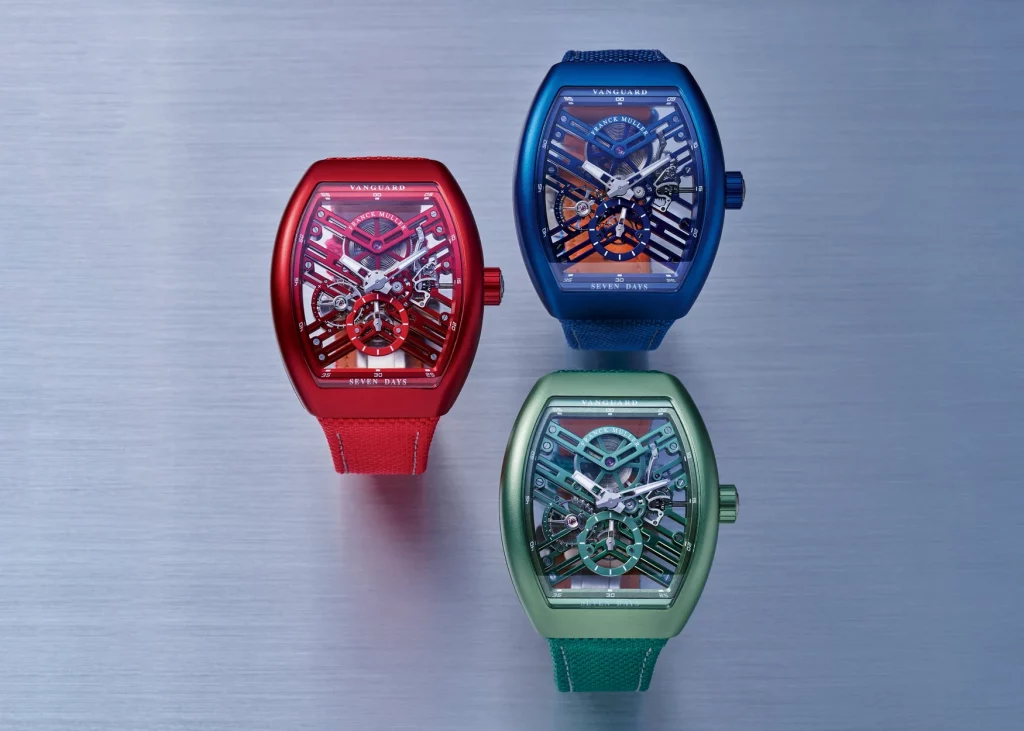
‘Vanguard Royal Bauxite’ in anodised aluminium alloy, by Franck Muller.
Sincere’s Lim explains, “Materials such as titanium, ceramic, carbon fibre and sapphire composites are gaining stronger acceptance, particularly when they align naturally with a brand’s design language and technical identity.
“These materials do influence the desirability quotient of a timepiece, especially for sports watches or contemporary creations where lightness, durability, comfort and modern aesthetics are important.”
As we know, the emergence of these alternative materials is not new, nor is it a knee-jerk reaction to rising gold prices. In watchmaking, Chanel pioneered the use of high-tech ceramic in watchmaking with the J12 in 2000, a material that is four times harder than steel and entirely scratch-proof. Hublot followed in 2005 with carbon fibre, along with Richard Mille in the same year, who introduced—for the first time in watchmaking history—a movement baseplate in carbon nanofibre, producing watches commanding six and seven figures—a pricepoint supposedly justified by the sheer complexity of working the material.
The promise of alternative materials has always been manifold. From a design perspective, they allowed brands to push their aesthetic codes in directions gold simply couldn’t go. Chopard’s use of titanium in high jewellery is a case in point: titanium can be tinted in various colours through anodisation, allowing designers to match or complement stones in ways that aren’t possible with traditional metals, while also making large-scale pieces light enough to actually wear.
Cult favourites such as JAR, Fope, Hemmerle, David Yurman, Wallace Chan and others regularly experiment with metals such as aluminum, bronze, copper and more, along with unexpected materials like wood, raw minerals and even pebbles, to bend the rules of craftsmanship.
Simone Ng puts it simply: “It’s about adapting thoughtfully—finding ways to innovate without losing the craftsmanship, integrity and experience that define high jewellery.”
A matter of perception
But here’s where it gets complicated. Titanium is traditionally not considered a precious metal—its value lies in the complexity of its manufacturing, not its rarity. The same is true of carbon fibre.
Finding craftspeople capable of working either material to the standard required for high watchmaking or jewellery is genuinely difficult, and that difficulty commands its own premium.
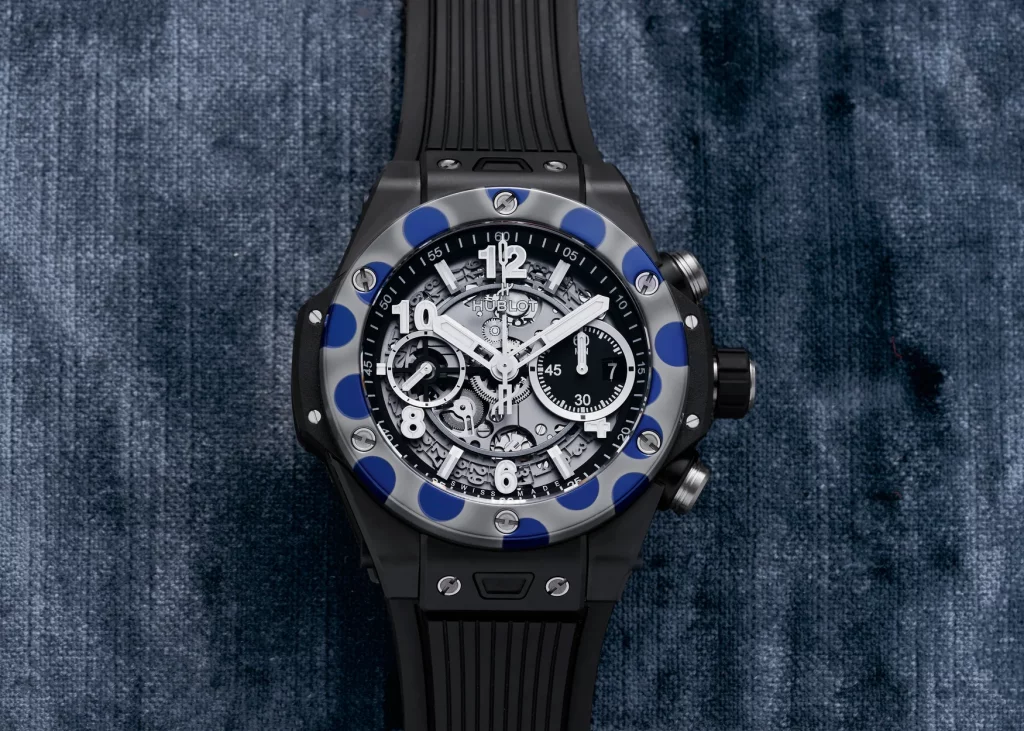
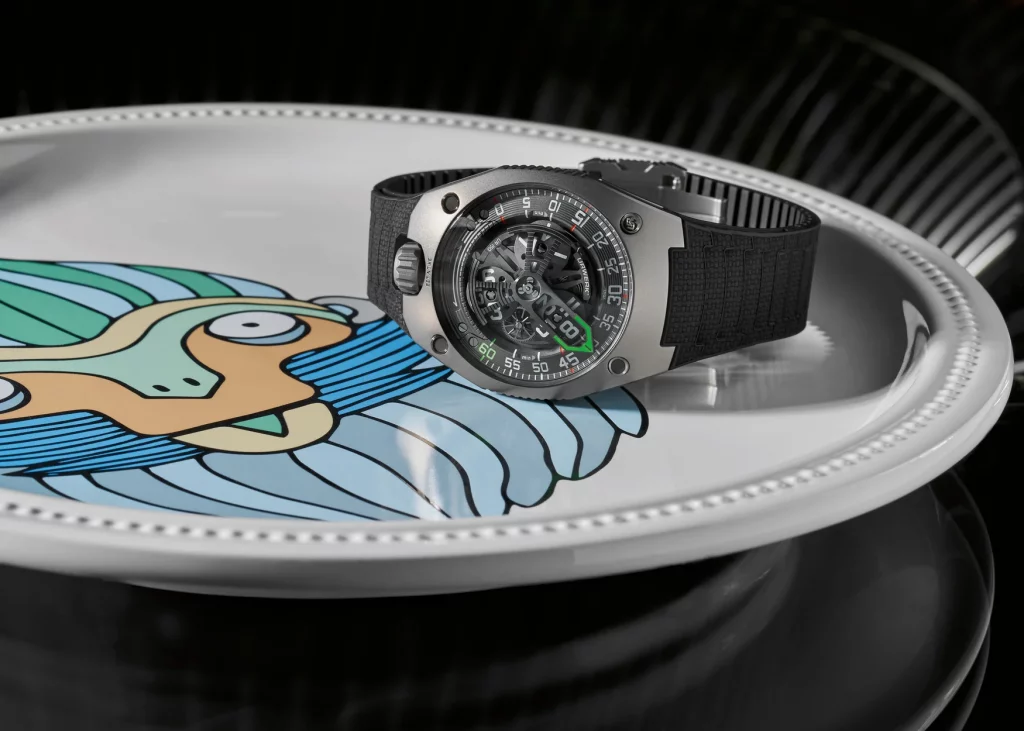
Left: Big Bang Tourbillon Chronograph Cathedral Minute Repeater 20th Anniversary Frosted Carbon, by Hublot. Right: “UR-150 Scorpion” in titanium and steel, by Urwerk.
The increasing prevalence of titanium, carbon fibre and other alternatives signals a new reality in the luxury industry: a shifting appetite for materials that suit the rigours of modern life, and offer an aesthetic rooted in 21st-century sensibilities rather than tradition.
And yet gold remains the benchmark; and perhaps, against the backdrop of rising prices, it is becoming the ultimate status symbol precisely because of its inaccessibility.
A few weeks ago, I casually asked a representative at a heritage watch brand whether their gold watches were now more expensive than platinum, given that platinum prices had recently dipped. The answer was an unequivocal no. Platinum still commands its premium—but the gap is narrowing.
As Sincere’s Lim puts it: “For most brands, steel and gold continue to form the core foundation of luxury watchmaking. Alternative materials are more commonly used for limited series, special editions, or pieces intended to showcase a more contemporary approach.” In short: gold isn’t going anywhere.
The question is no longer whether people are still buying gold. They are, and so are central banks and governments hedging against global uncertainty. What’s funny is that the same asset propping up economies is also something people buy on emotion. The industry is shifting around this new reality—new materials, new aesthetics—but the demand for gold itself hasn’t moved. Maybe it never will, and maybe my mother and aunts will have the last laugh.
Read next:
8+1 bed | 10,200 sqft area 19,500,000 SGD
5 bed 19,380,000 SGD
4 bed | 4,208 sqft area POA
3-8 bed | 699,654 - 784,080 sqft area POA
6 bed POA