
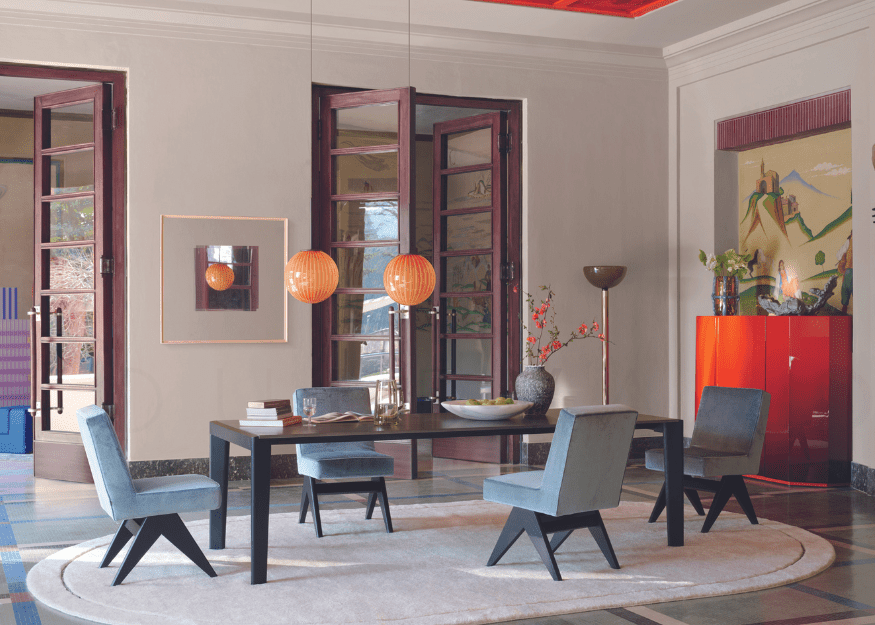
The Boulevard Furniture Edit: The Archive
Revisit the collections, pieces, makers, and houses that have featured in the Boulevard Furniture Edit, alongside past showroom visits, atelier tours, interviews, and highlights from the world’s major design fairs.
Explore the latest: The Boulevard Furniture Edit
Working in luxury design?
Boulevard partners with leading houses, designers, makers, and showrooms to present exceptional design to its international audience through film, editorial, print, digital, and private distribution.
Grohe Spa: The Aquatecture installation
Grohe’s Aquatecture installation treated the bathroom as a small piece of architecture rather than a line-up of fittings. It was developed around salus per aquam (“health through water”) and combined stainless steel, Caesarstone, glass, and mirror with 3D-printed metal.
The printed pieces, the Icon 3D basin mixer and the Rainshower Icon 3D head, were the technical highlight and showed what the process could do with metal. The installation around them gave those pieces somewhere to belong.
B&B Italia: A modular classic, evolved over time
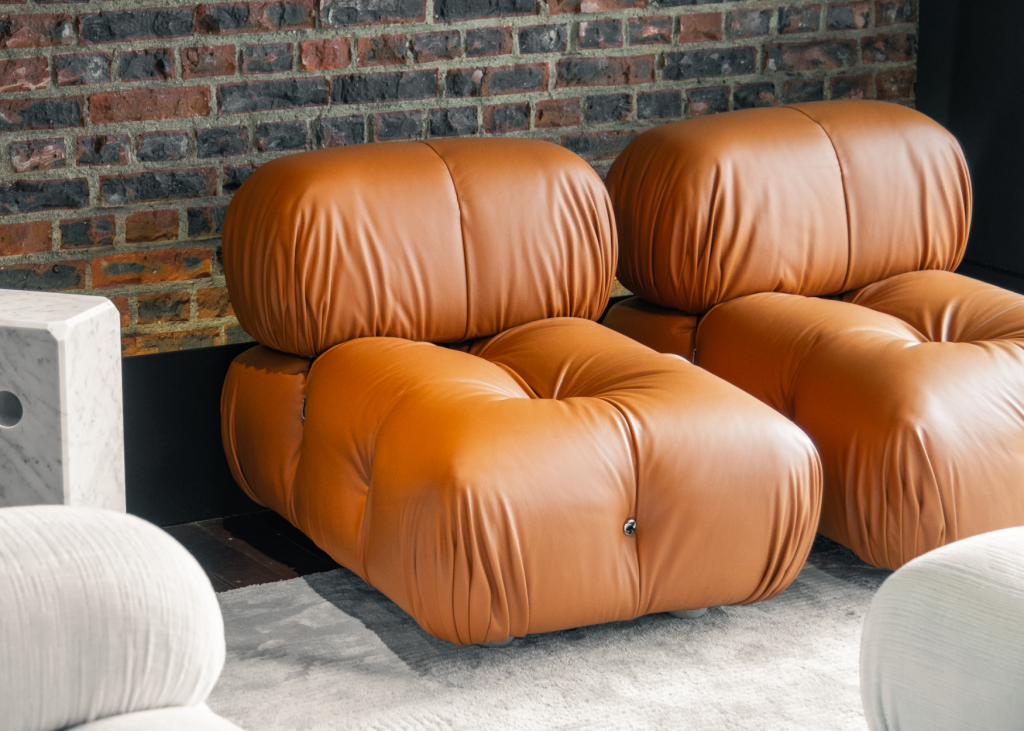
Mario Bellini’s Camaleonda has been a modular sofa since 1970, and it is still held together by cables, hooks and rings. Modern systems rarely manage that, as they tend to rely on ever more elaborate hardware. B&B Italia’s reissue kept Bellini’s original cutting pattern and silhouette, so the sofa looks as it always did.
The changes were made out of sight. The padding is now recyclable and the feet are FSC-certified beechwood. It was a sensible place to put the sustainability work, because nobody wanted the design touched. Bellini’s sofa is still in production, and the piece is an easy one to live with.
Bulthaup: “There Is No Kitchen”
When Bulthaup brought “There Is No Kitchen” to Asia, the name sounded more doctrinaire than the thing itself. What it showed was a kitchen organised around the person using it. Everything hangs from the 94 line, a horizontal datum set to the user’s height rather than to the architecture. Along it sat a solid-oak island on stainless steel, a hinoki pull-out pass, hanging grids, and a workbench carrying the hob, sink, barista drainer and brewing head.
Five new timbers and silk lacquer softened the look, but the thinking underneath stayed exact. It remains one of the clearest statements of how Bulthaup sees the room: less a set of cabinets, more a well-made workbench you happen to cook at.
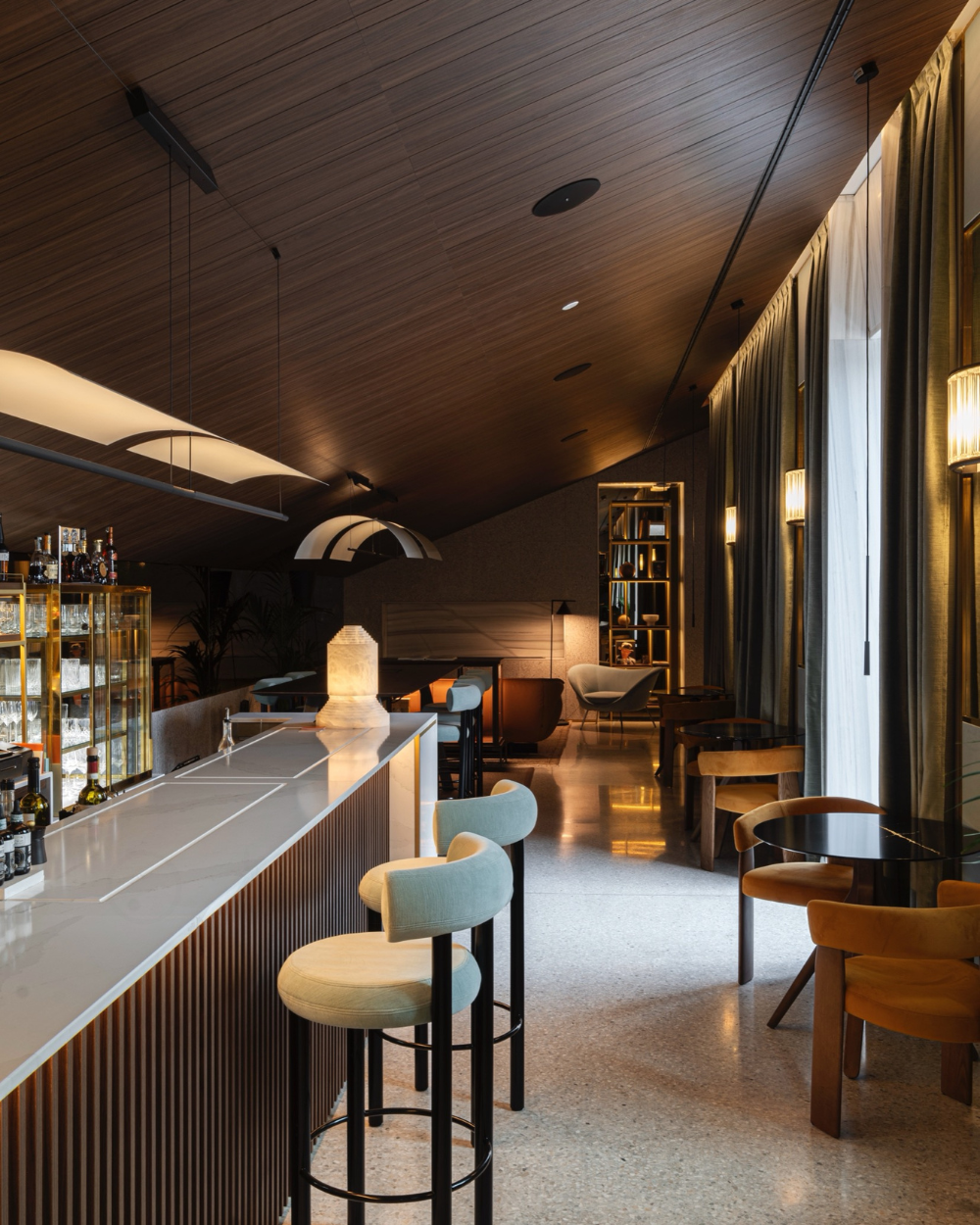
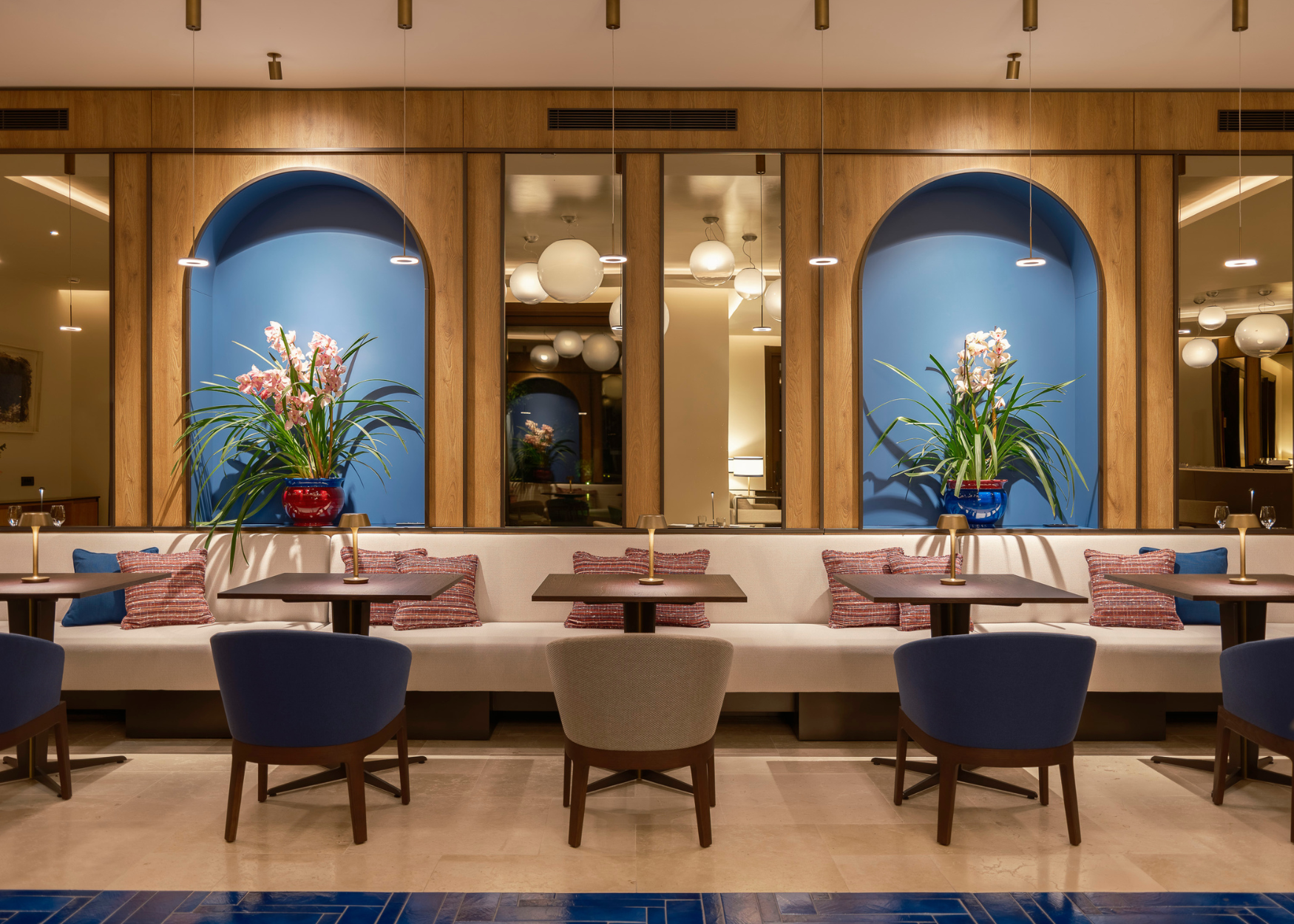
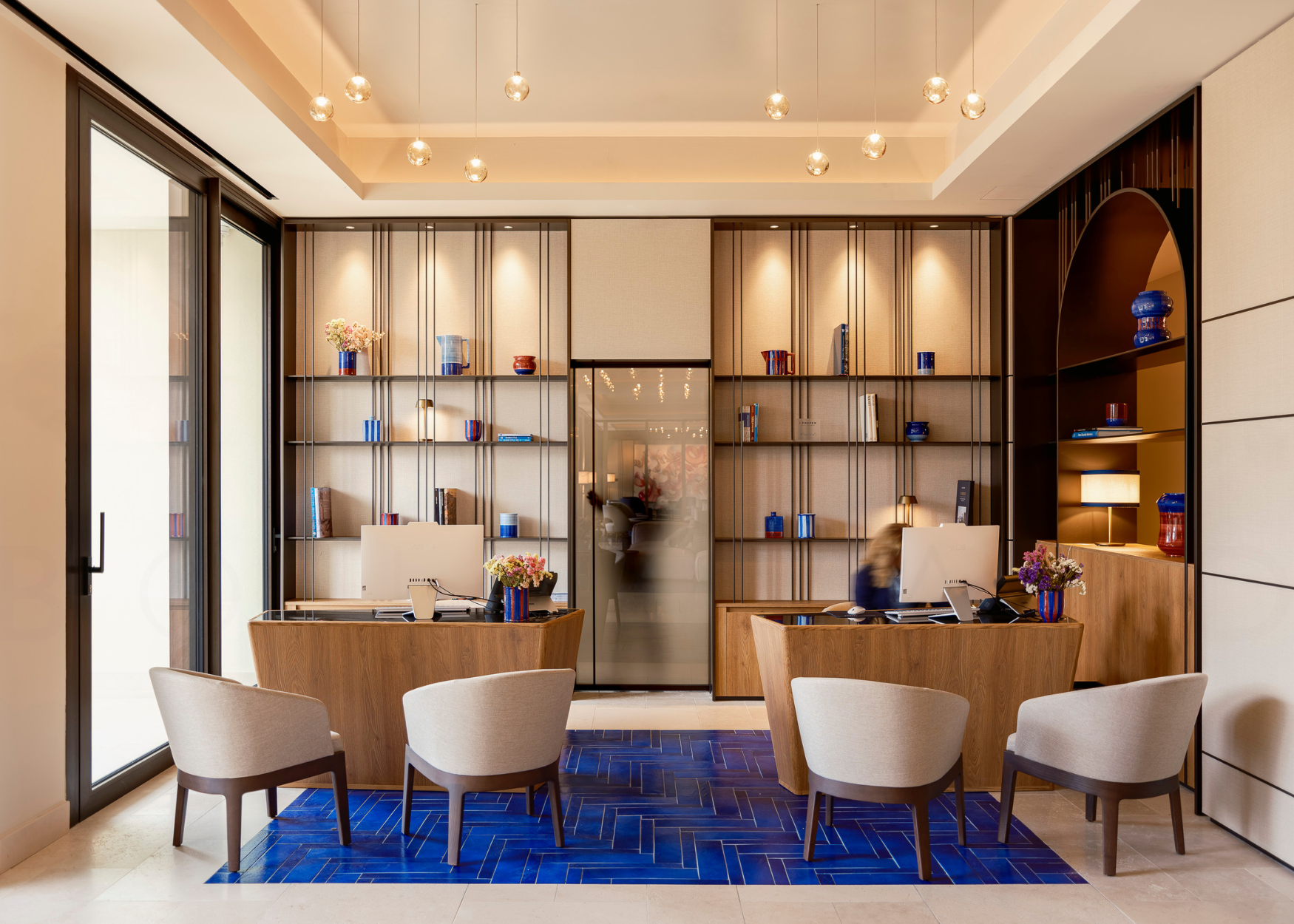
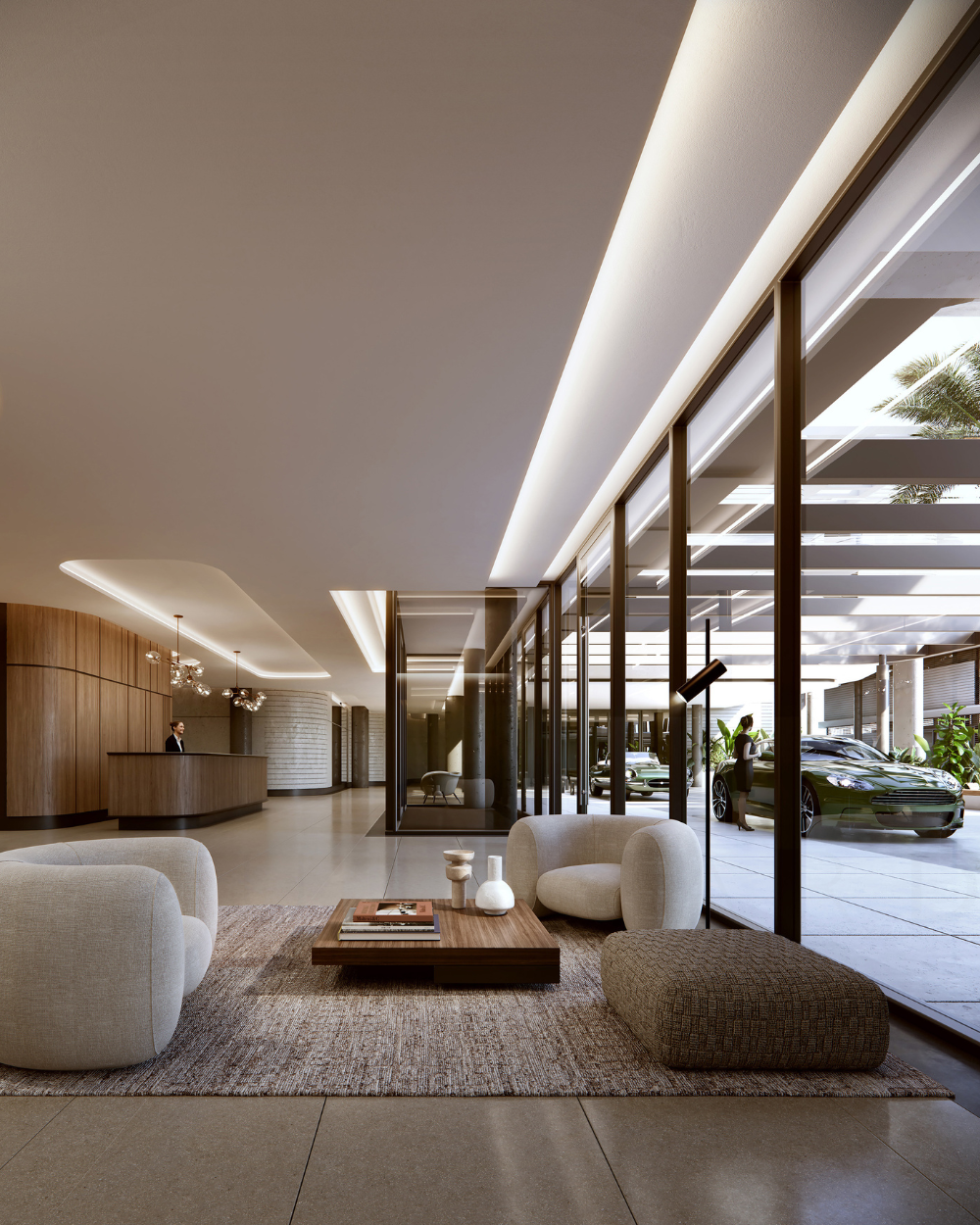
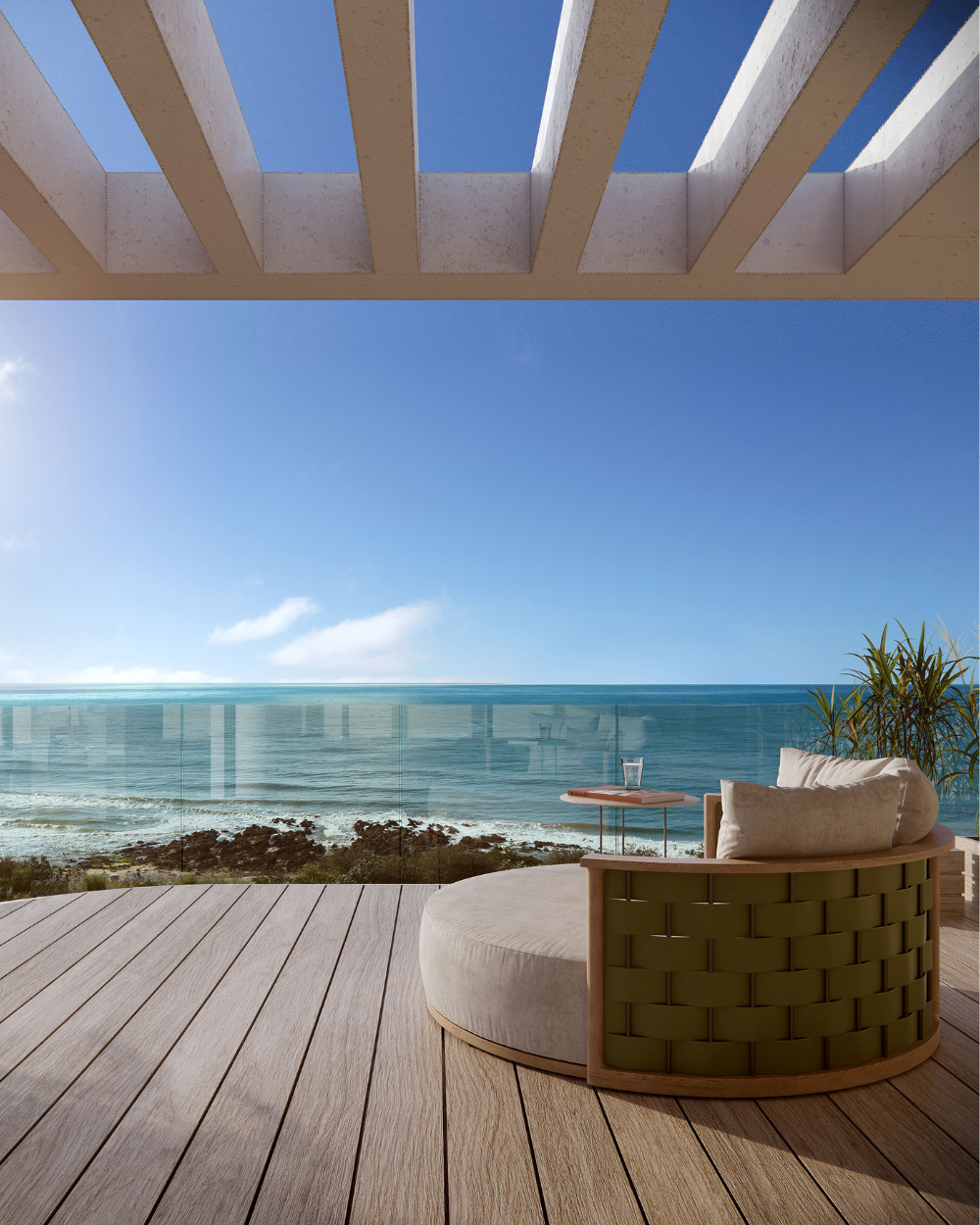
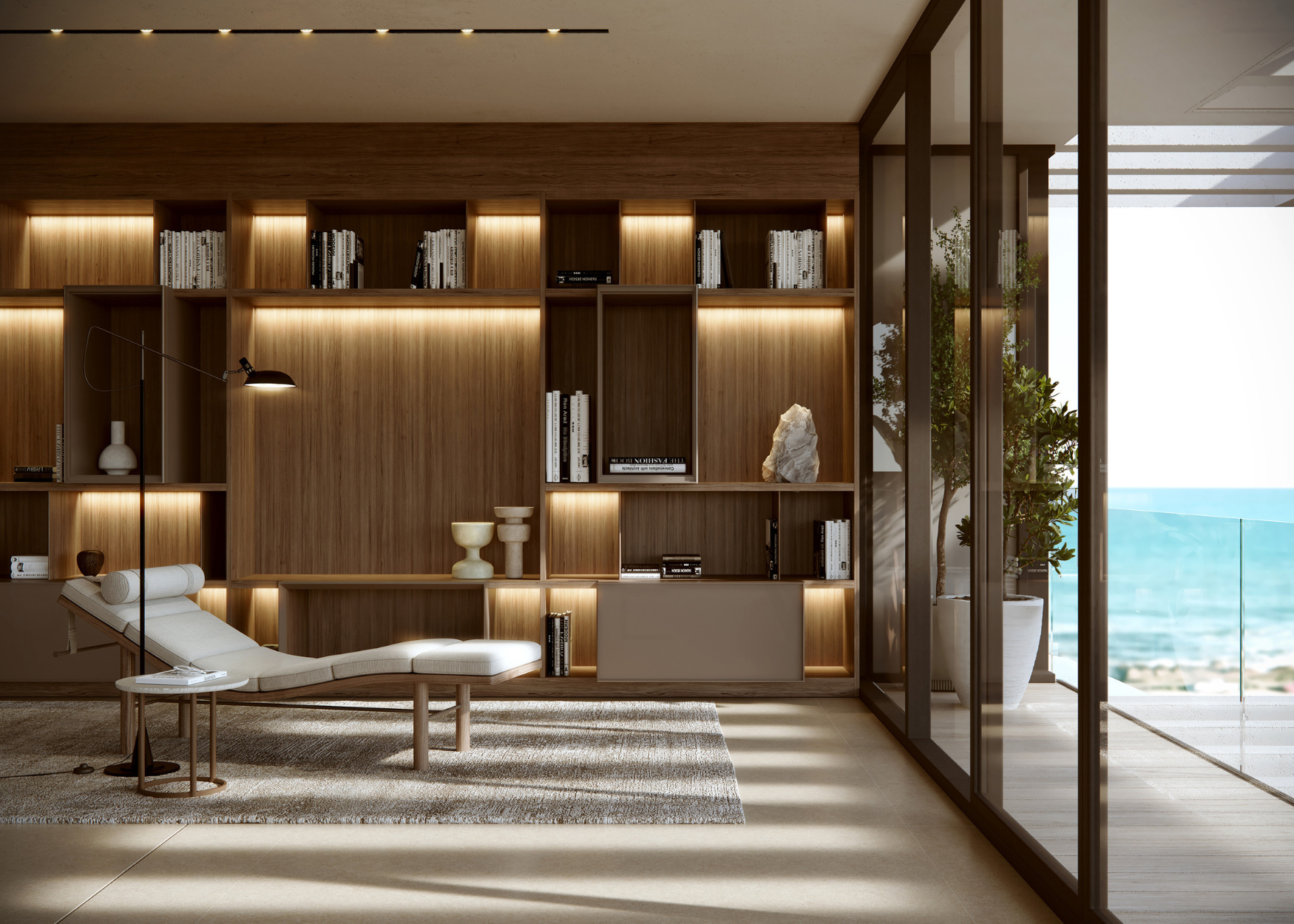
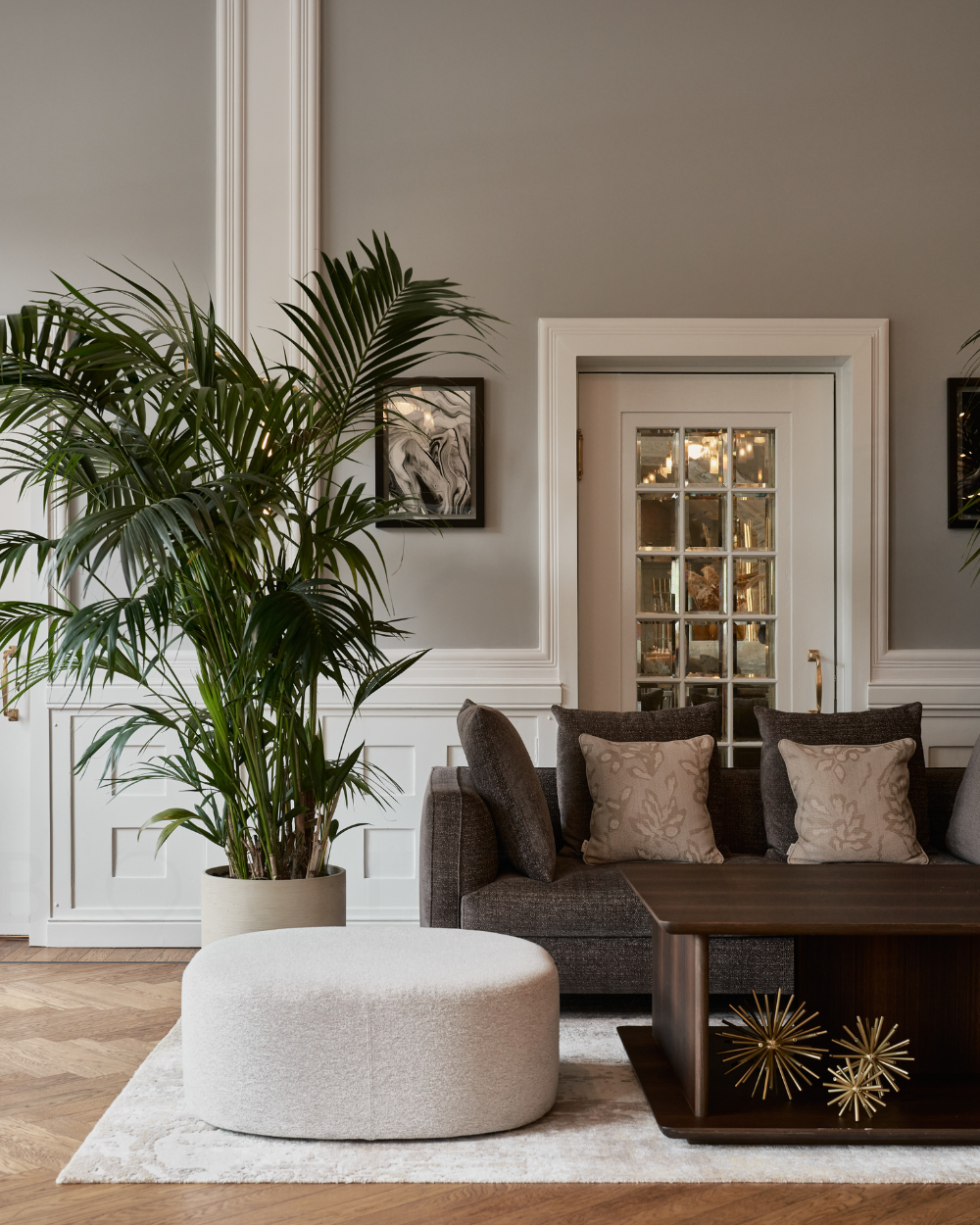
A look at Molteni&C’s hotel design collaborations
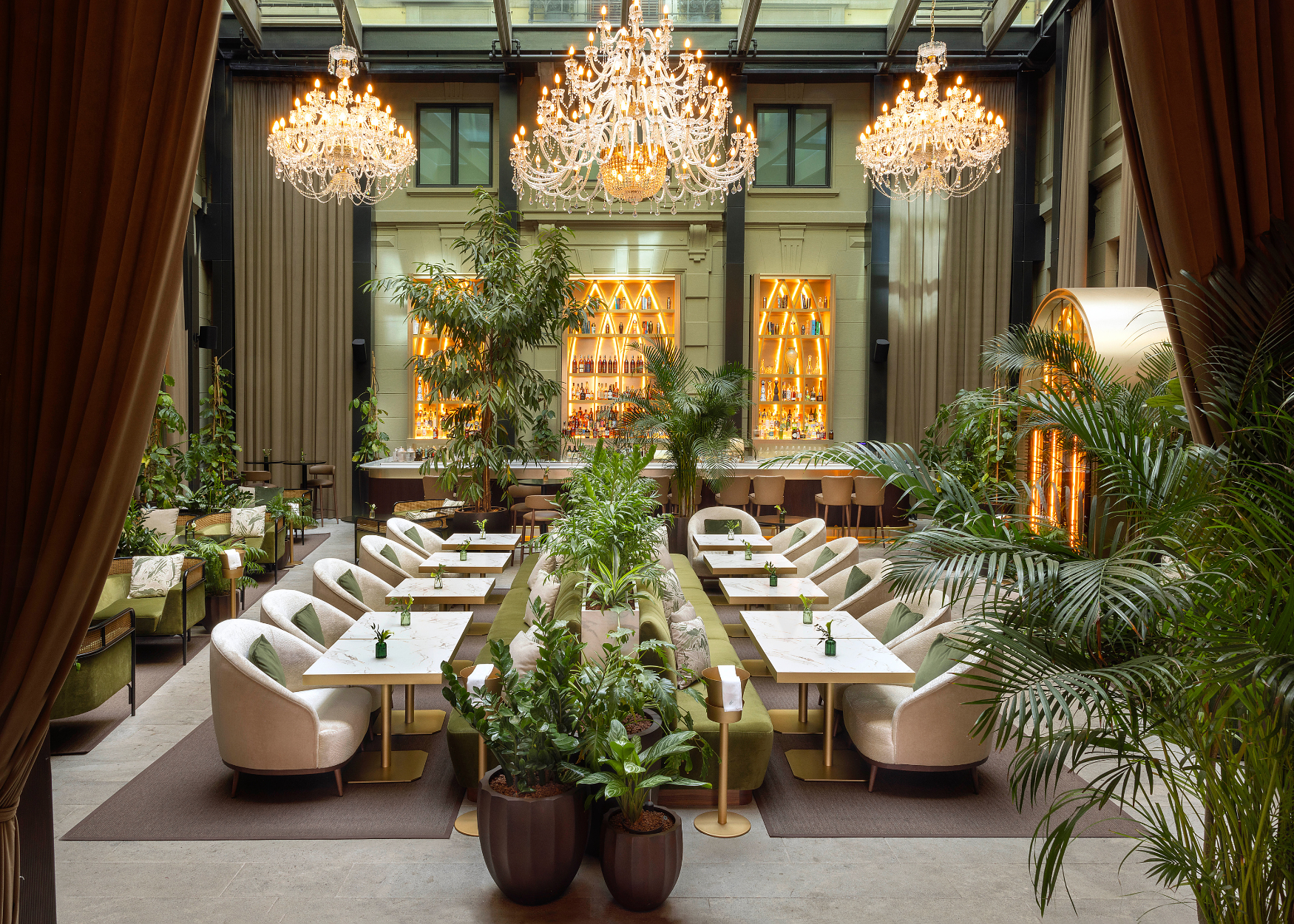
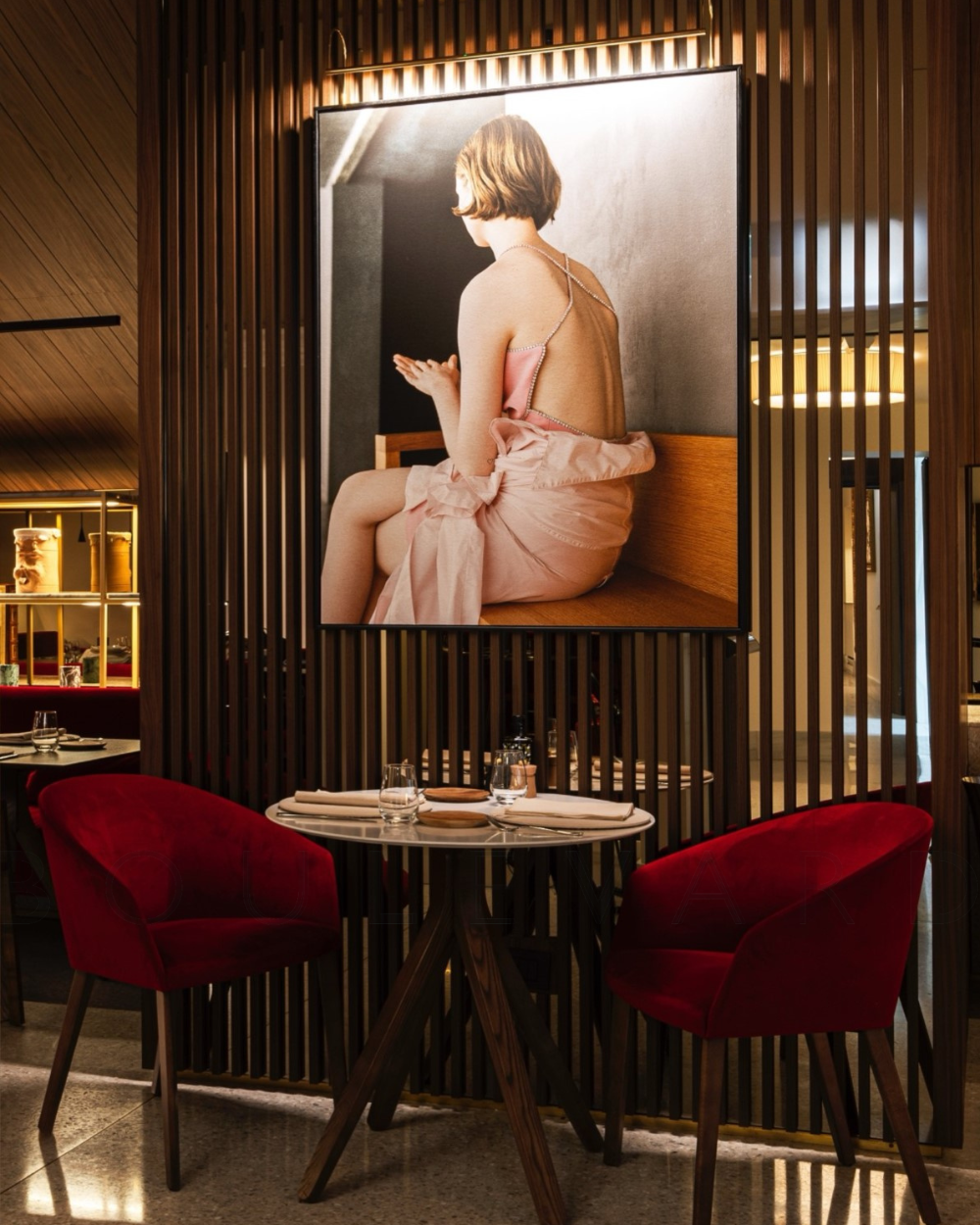
Molteni&C has a long record of furnishing hotels, and we looked at three of its most celebrated projects. At Ara Maris on the Sorrento Peninsula, a five-star hotel of sea-blue majolica and earthy tones, the brand supplied wall units and coverings for the public areas. Its best-known piece there is a sculptural wood-and-metal bookcase of arches and alternating solid and open sections, which separates reception from the transit area. The rooms carry the Cleo sofa, Walter armchairs, Louisa and Regent coffee tables, and Ignazio Gardella’s Blevio table from the Heritage Collection.
At Gran Meliá Palazzo Cordusio, in a 19th-century Milan building with an eclectic interior, Molteni&C’s furniture was chosen to complement the architecture. Custom panelling, sliding doors, decorative paintings and bespoke furniture run through the 84 rooms and suites and the public spaces, alongside Gio Ponti’s D.151.4 and D.154.2 pieces from the Heritage Collection.
The Rock, on the Atlantic coast of Punta del Este in Uruguay, took a residential approach. Its 25 residences and three penthouses were fitted with tailor-made systems, including the Hi-Line 6 kitchen and Vincent Van Duysen’s Gliss Master walk-in wardrobe, with the Palinfransca sofa chosen to suit the resort’s architecture.
Gush: Paint with a purpose
Gush co-founders Ryan Lim and Lester Leong spoke to Boulevard about developing a wall paint built to do more than colour a room. The idea began around 2015, when haze from Indonesia sent them looking for an alternative to bulky, electricity-hungry air purifiers. Two to three years of development followed, with friends and researchers at NUS.
The founders described a highly absorbent core material, which they said is 2,000 to 3,000 times more absorbent than charcoal. A surface layer of catalysts breaks pollutants down into smaller molecules. They also cited deodorising, anti-bacterial and moisture-regulating properties, and they pointed to indoor air, where volatile organic compounds (VOCs) from building materials can linger for years after construction, as the problem it addresses.
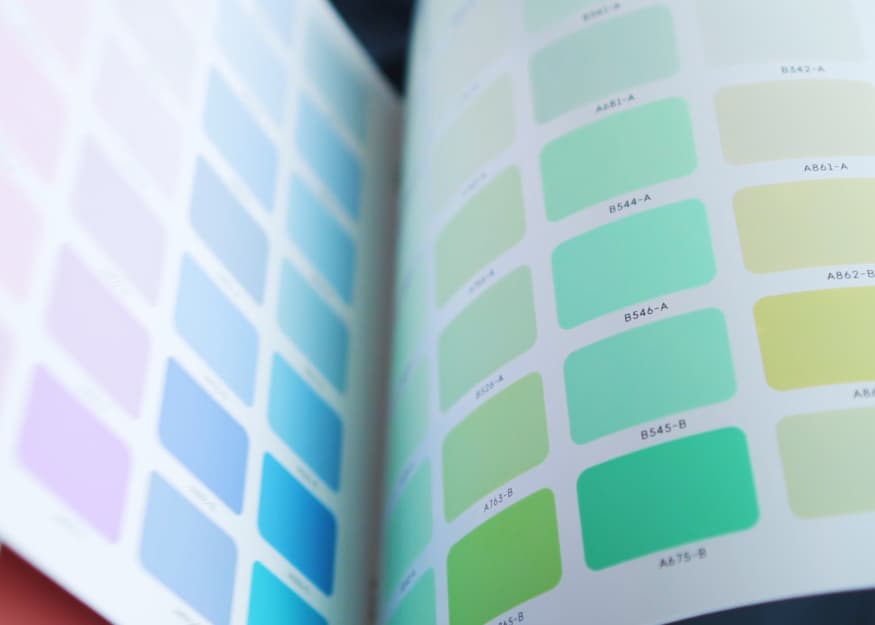
At the time of the interview the range ran to more than 200 colours, with custom mixing on request. Projects included Thomson Medical, the Ritz-Carlton, and a number of coastal homes prone to mould.
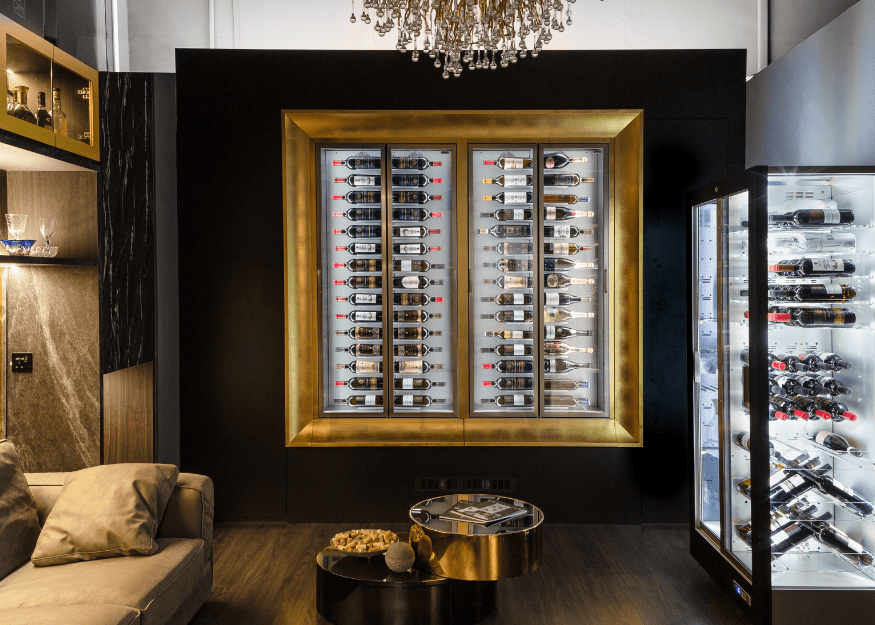

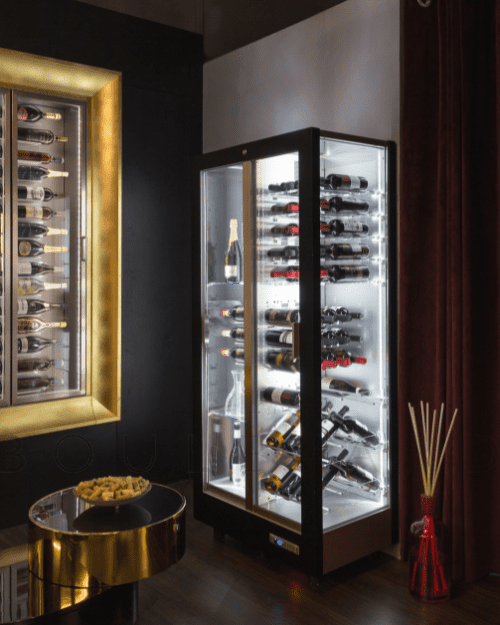

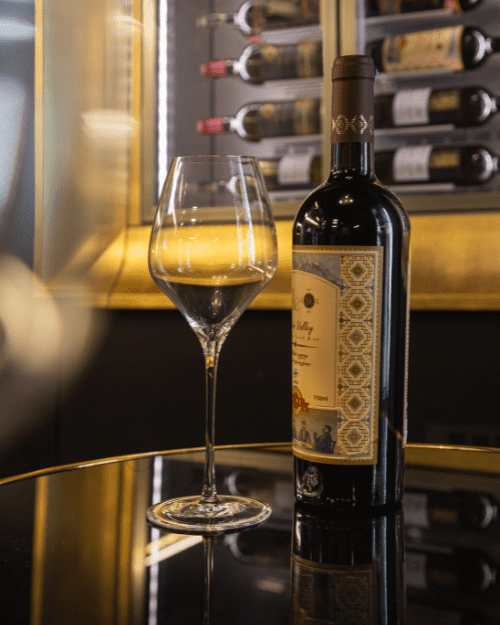
Bodega Living: Wine, architecturally speaking
Bodega builds wine walls, not wine fridges. Each one is made for a particular room, with the frame, fittings, lighting and configuration specified to suit it, and Italian-made cooling technology adapted behind the scenes. Depending on how much of the collection the owner wants on show, it can read as architecture, a display cabinet or a cellar.
The brand’s approach starts with the room and fits the appliance in afterwards. For anyone with a serious collection and a design-led home, that is the sensible way round.

Ralph Lauren Home: Modern Driver Collection
Ralph Lauren’s own garage supplied the reference library for Modern Driver, a collection drawn from cars including a 1938 Bugatti Type 57SC Atlantic, a 1929 Blower Bentley and a 1955 Mercedes-Benz 300 SL Gullwing. The literal translation was the Beckford lamp, with its grille-like face. The more interesting engineering sat in the RL-CF1 lounge chair, built from 71 hand-laid layers of carbon fibre. Burl, mahogany and cashmere kept the rest of the collection on more familiar ground.


Trussardi Casa: From gloves to sofas
Trussardi began in 1911 as a maker of leather gloves. In the 1970s, under Nicola Trussardi, the founder’s nephew, it expanded into leather accessories, and it later moved into eyewear and, somewhat unexpectedly, luxury pet wear. Trussardi Casa is the furniture arm of that same vision. It debuted at the Milan Furniture Fair in 2014, and its pieces have since appeared in luxury homes and on yachts.
The line has been built through collaboration. Long-standing partners include Matteo Agati, Francesca Lanzavecchia, Elisa Ossino and Leonardo Talarico; and Carlo Colombo contributed soft, organic shapes inspired by nature. The most recent collection we covered brought in Antonio Facco and the artists Jimmy Delatour and Prem Sahib. The team’s backgrounds in art, sculpture, photography and graphic design show in the work. The brand was also experimenting with recycled materials and greener fabrics, so it has become more sustainable over time.
Read next:
- How luxury hotels are moving from spectacle to liveable space, according to top designers
- Inside Artyzen Singapore: The design story behind one of Singapore’s six One Michelin Key hotels
Get shot by Boulevard: Private events, design tours and ultra-luxury brand productions
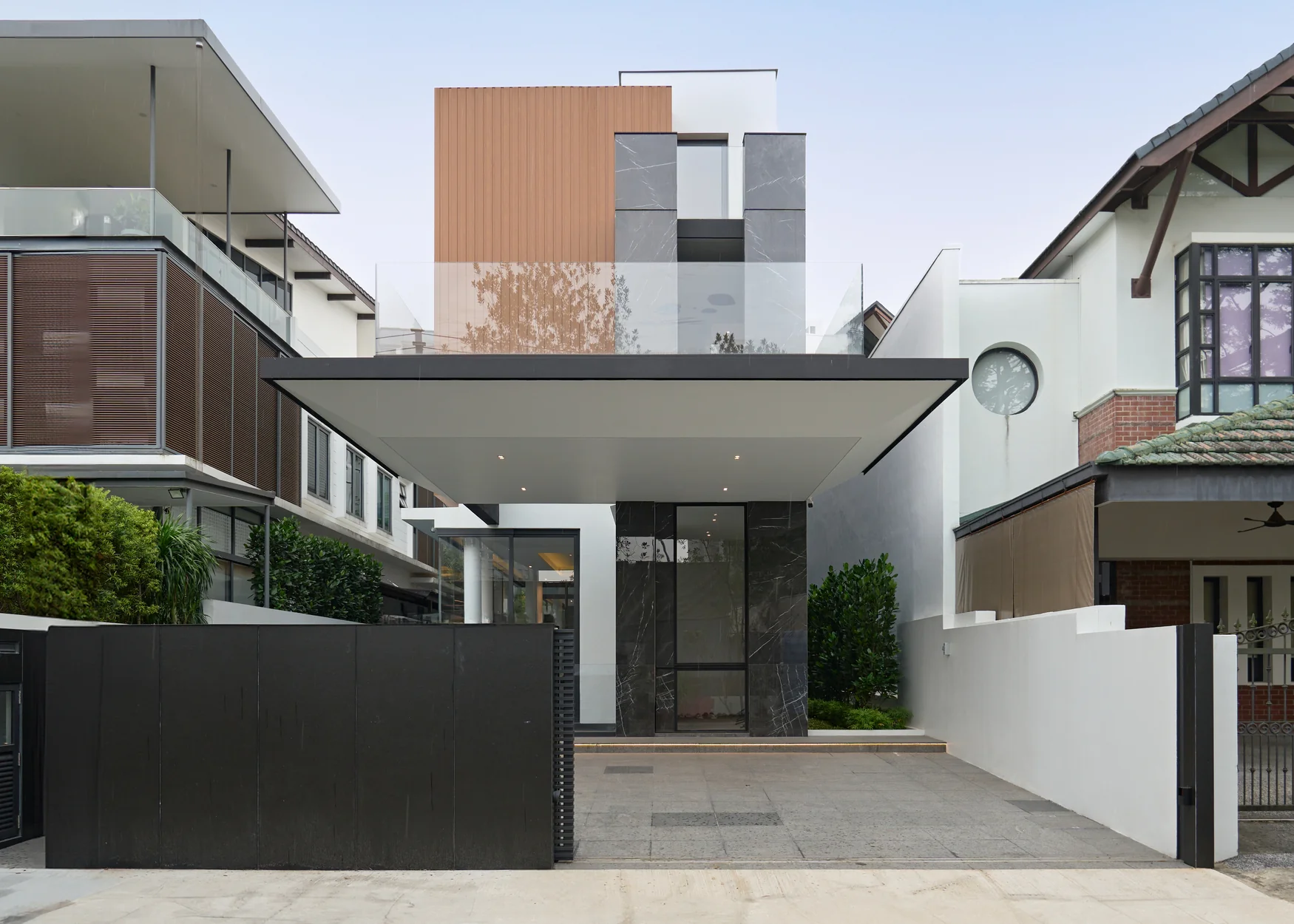
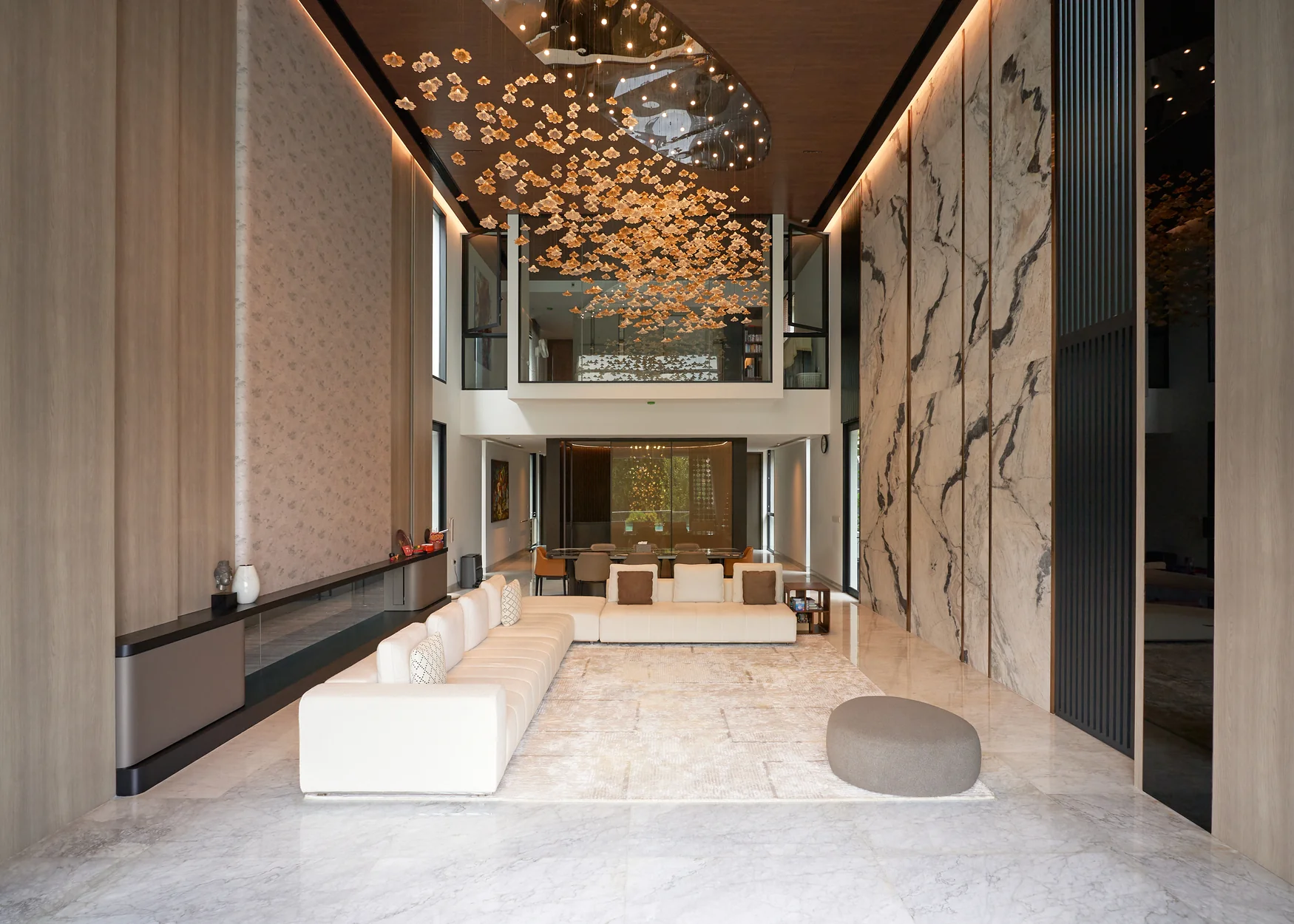
8+1 bed | 10,200 sqft area 19,500,000 SGD
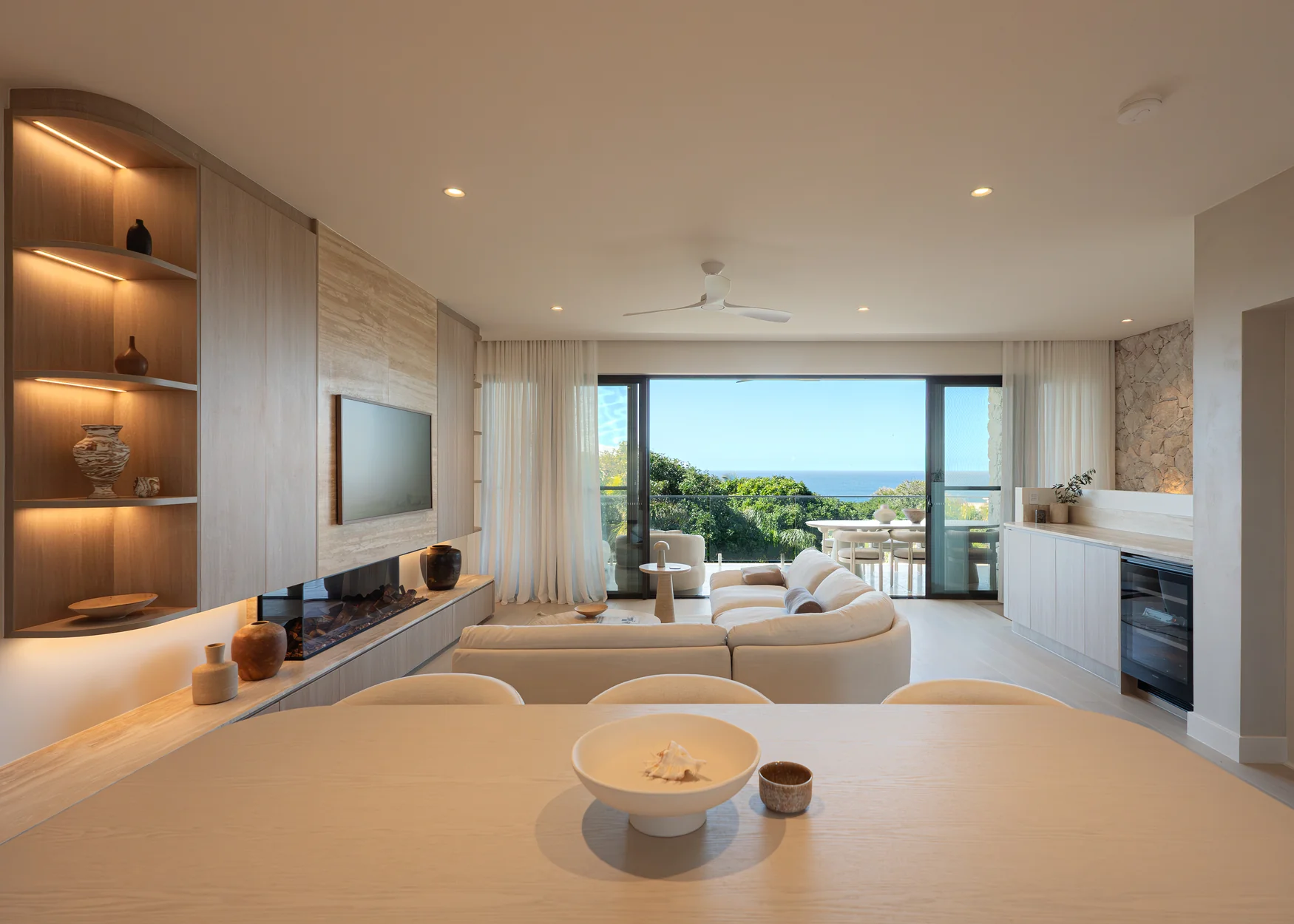
5 bed 19,380,000 SGD
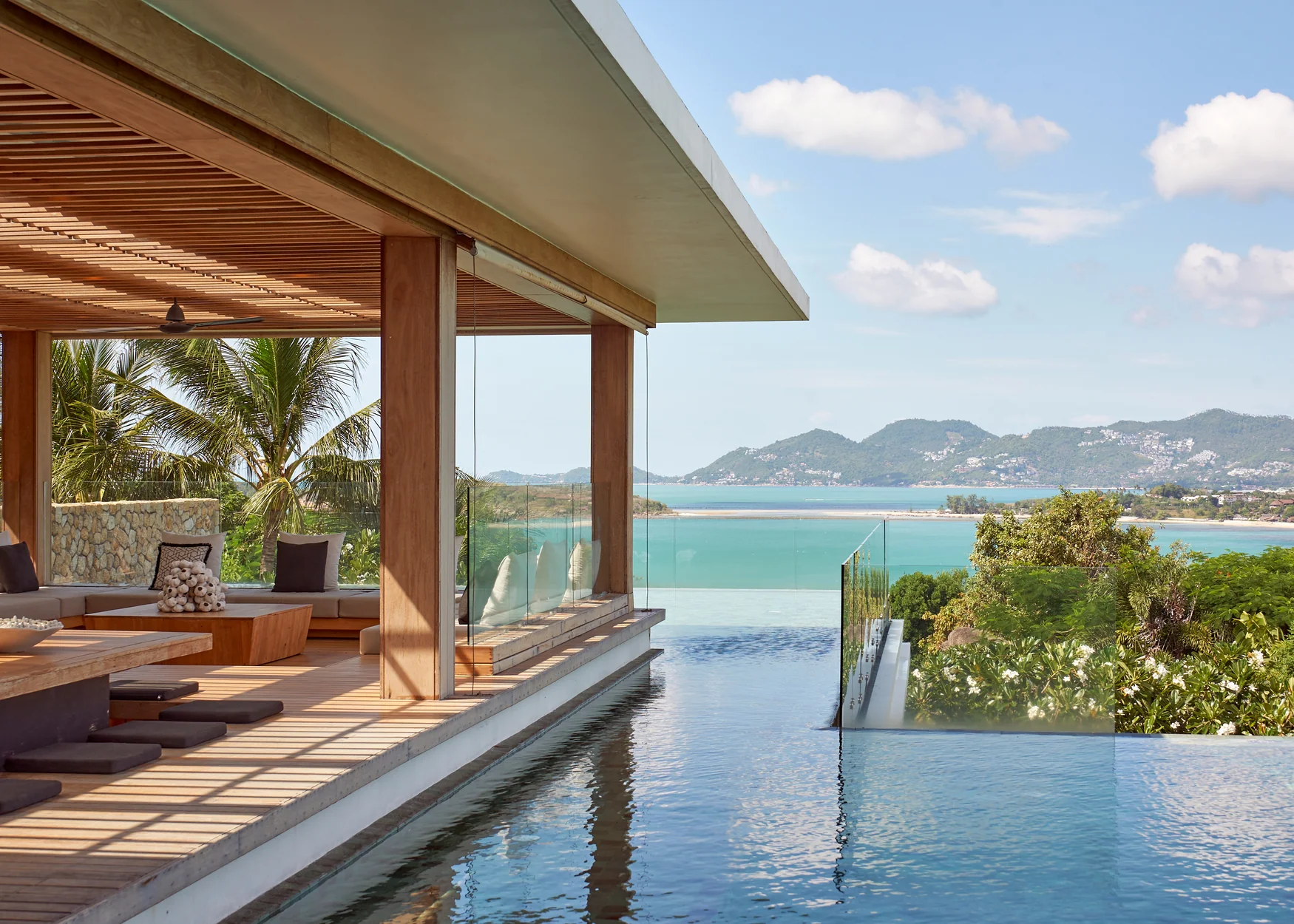
4 bed | 4,208 sqft area POA
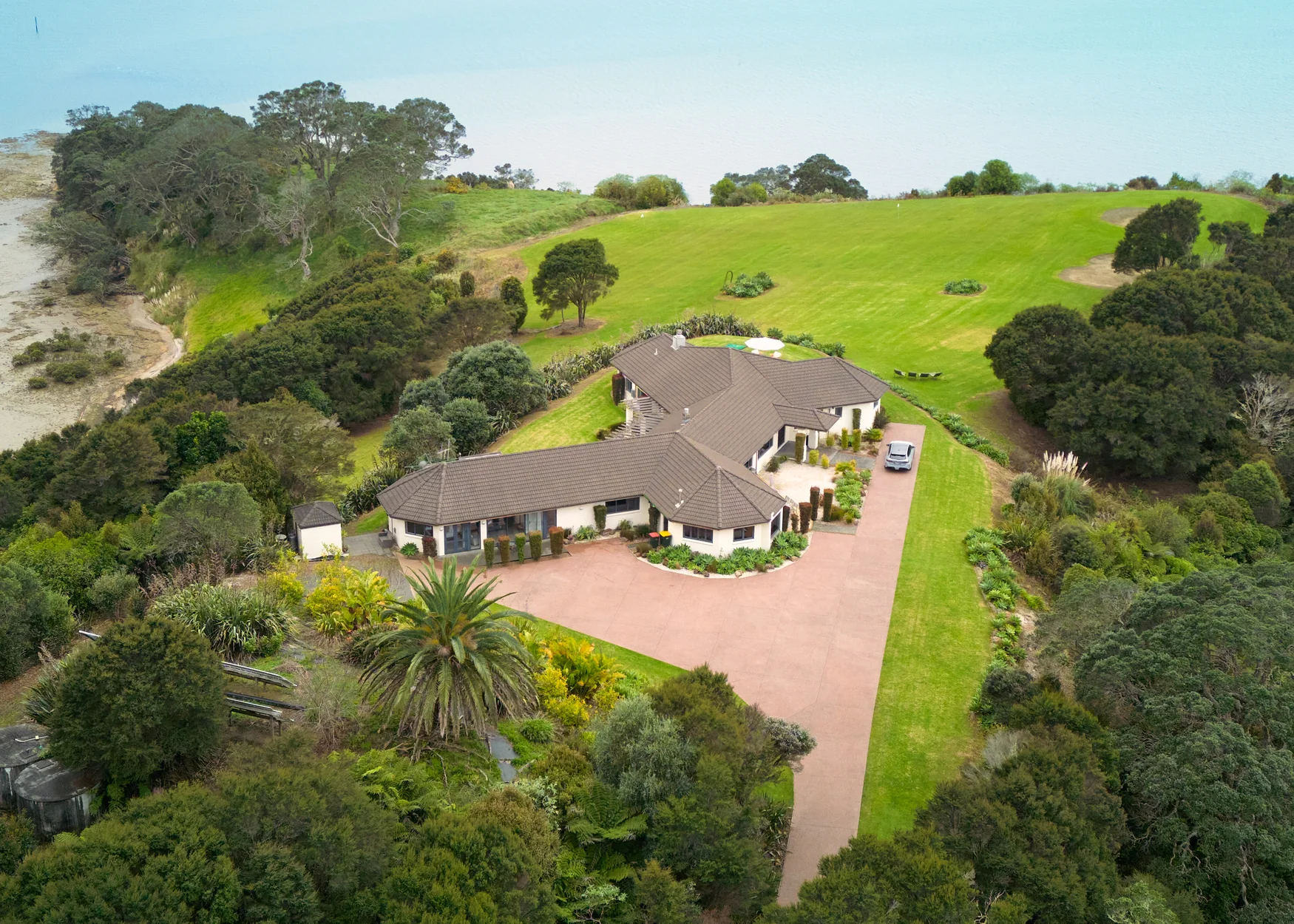
3-8 bed | 699,654 - 784,080 sqft area POA
6 bed POA