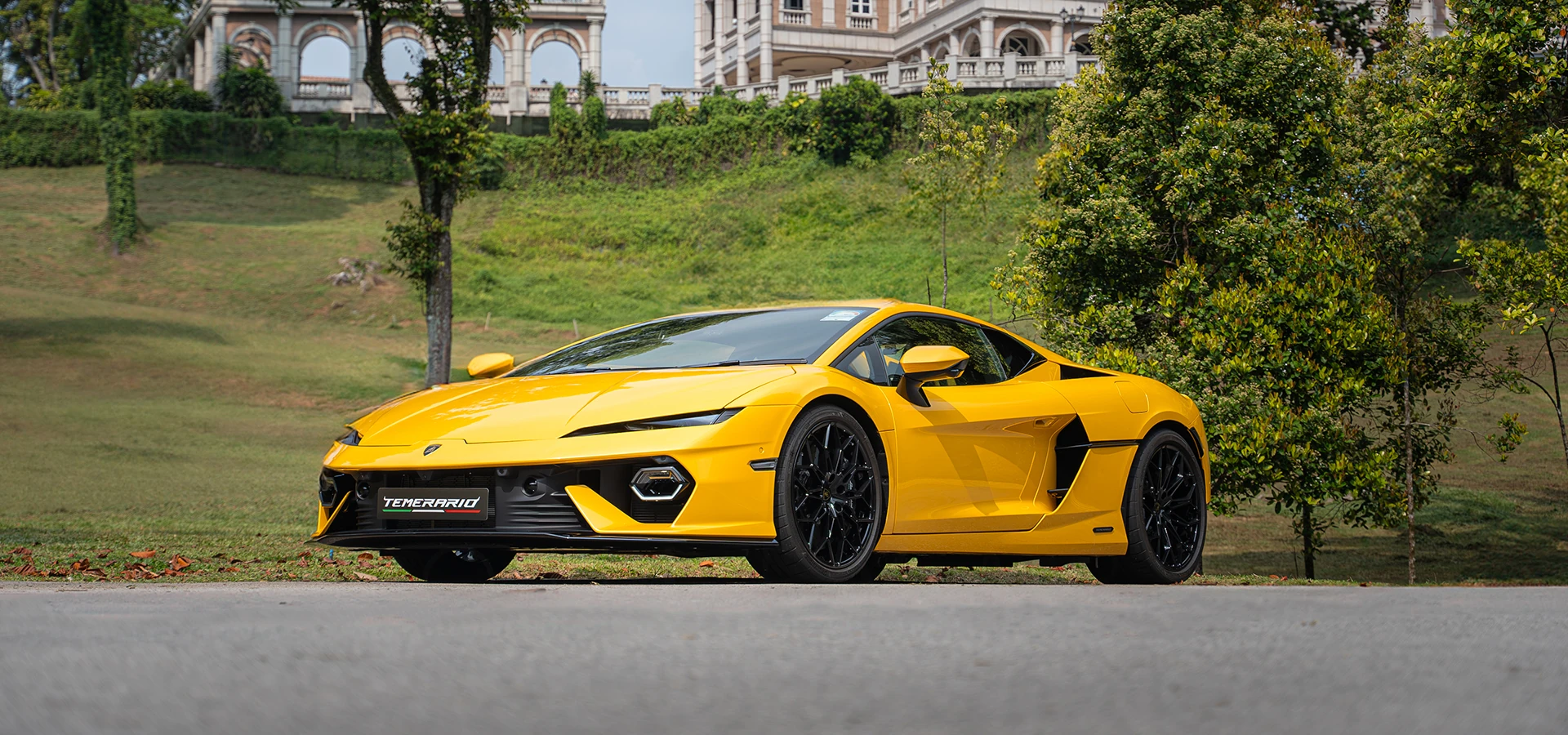
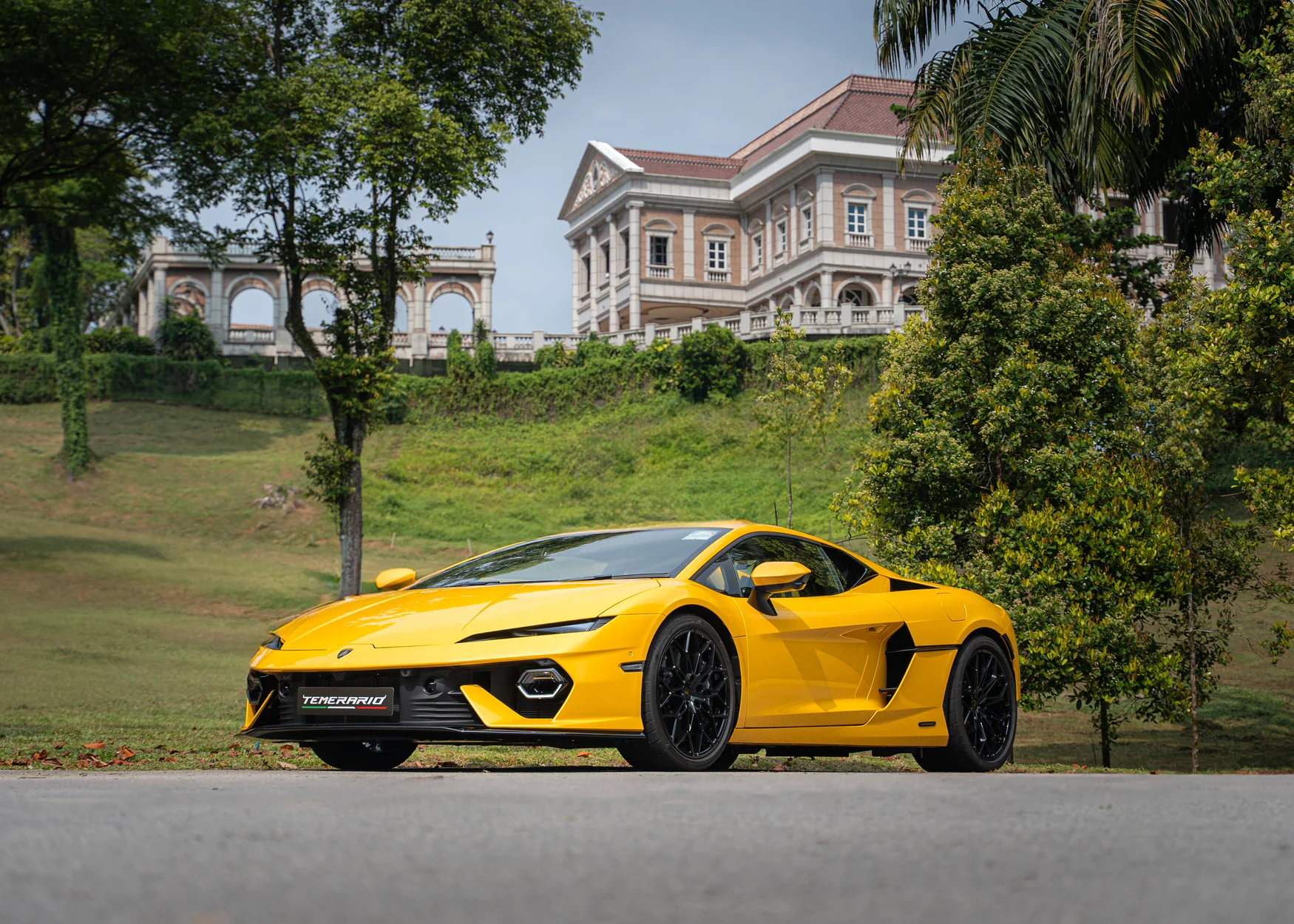
The review: The Lamborghini Temerario is a next-gen hybrid supercar that upholds the Italian marque’s lineage with emotion and soul
by Noelle Faulkner
Photography by Jin Cheng Wong
Following in the footsteps of the iconic Lamborghini V10s is no mean feat—from the Gallardo that started it all to the Huracán, which refined the format and, over its decade-long run, spawned arguably the most iconic set of V10 variants of the modern era. Now, in a new age of electrification, it’s up to a new successor to continue the lineage—this time without the glory of that fabled engine. Enter: the Lamborghini Temerario, a super sports car for a new era, powered by a V8 and a fantastic hybrid system that, magically, does anything but dull the emotion down.
On paper, the Temerario is already a serious proposition: a 4.0-litre twin-turbo V8 working alongside three electric motors, fed by a compact 3.8kWh lithium-ion battery pack. In numbers, they produce 677kW, enough for a 0-100km/h sprint in 2.7 seconds and a top speed of 343km/h. And as if that’s not enough, it also rages to a redline of 10,000rpm. A feat almost unheard of for a production twin-turbocharged engine, and only possible because the electric system does the work of making a pair of enormous, 70mm-plus turbochargers actually drivable. But, look, the numbers were always going to be the easy part—it’s a Lamborghini. What’s harder to pull off is a super sports car with genuine personality, emotion and soul, and that’s where boundaries and restrictions force the hand of innovation.
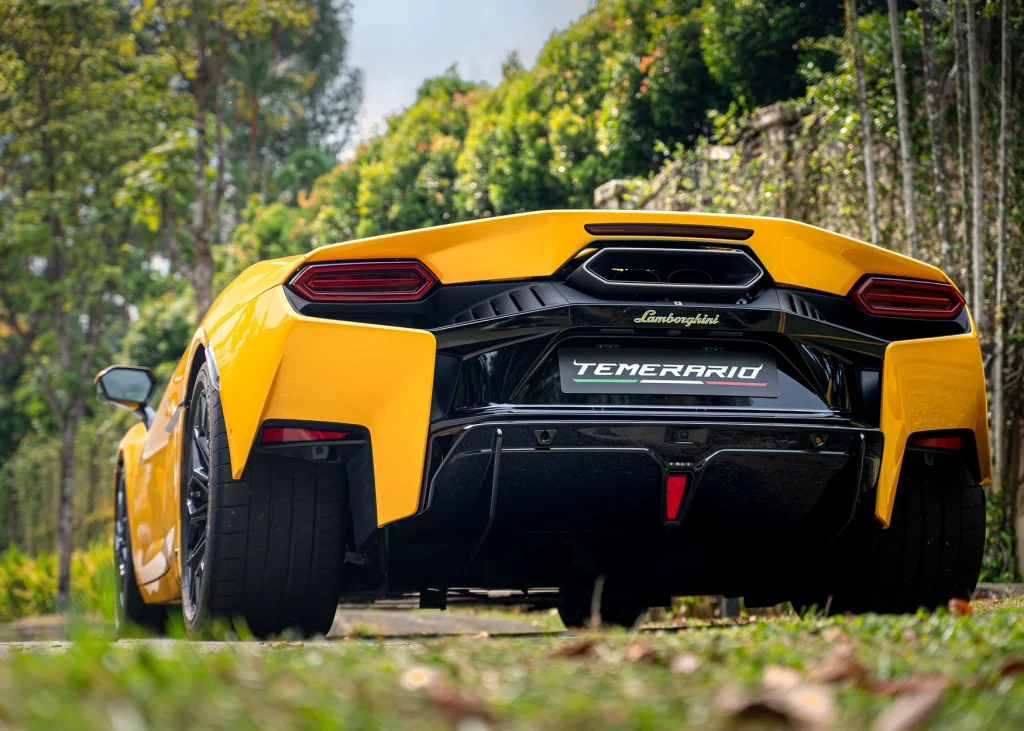
The Lamborghini Temerario sports a distinctive hexagonal rear design with sculpted taillights and advanced aerodynamics. Top: The shark-nosed Temerario in its full glory.
While others are looking to simplify the design of their vehicles for the sake of aerodynamics, Lamborghini leans into its iconography and turns the drama up. The shark-nosed exterior, with its hexagonal daytime running lights threaded through the front intakes, taillights and angular shapes all over, allude to what Lamborghini refers to as adrenaline by design. And under the rear glass sits the V8 itself, presented like the engine of a motorbike, on full display rather than tucked away. It hasn’t sacrificed any of Lamborghini’s theatre for the sake of practicality, even though there’s actually more room on board than before, for both passengers and luggage.
The hybrid system is doing all the character work. It’s Lamborghini’s own in-house software and algorithms that define how the tri-motor system and V8 talk to each other, deciding how playful the car feels, how stable it stays under braking, and how the power arrives with a roar. The new electric sorcery helps with weight balance and rocket-like linear power delivery, fills in the gaps in the turbos, and adds a layer of torque vectoring under braking and at speed. The result is a car that’s insanely planted when pushed hard, with plenty of aero and cooling working in the background, and none of the nervous, spiky feeling you sometimes get from a heavily turbocharged supercar.
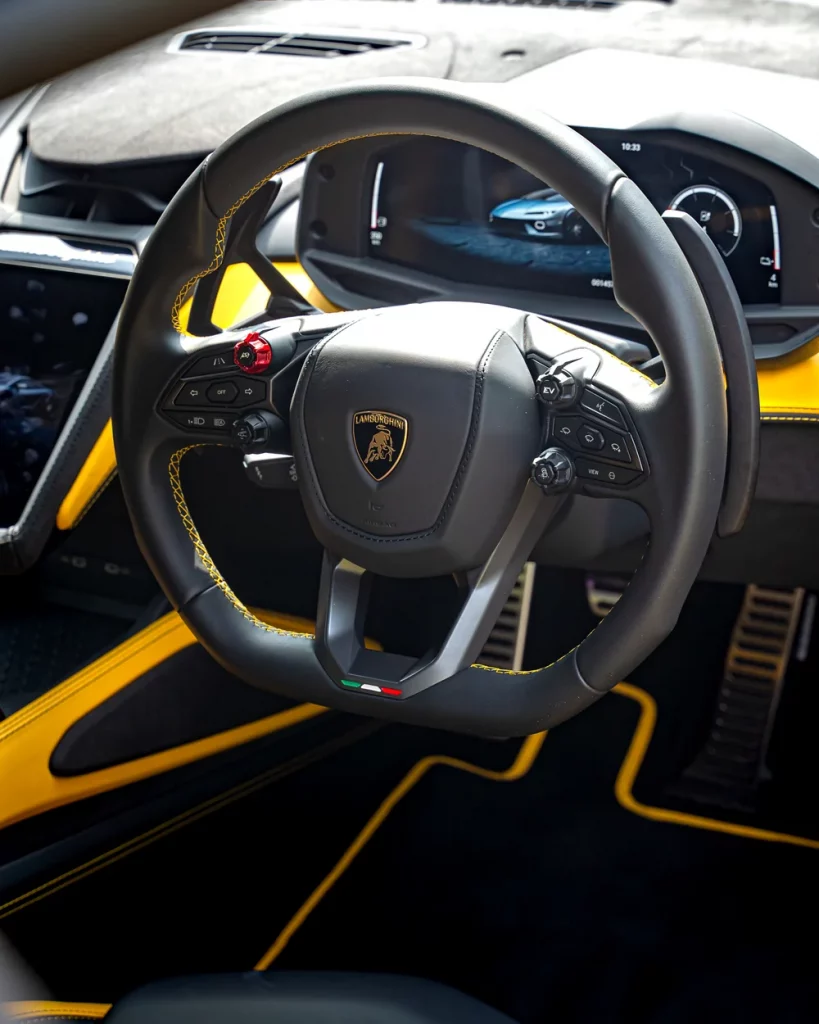
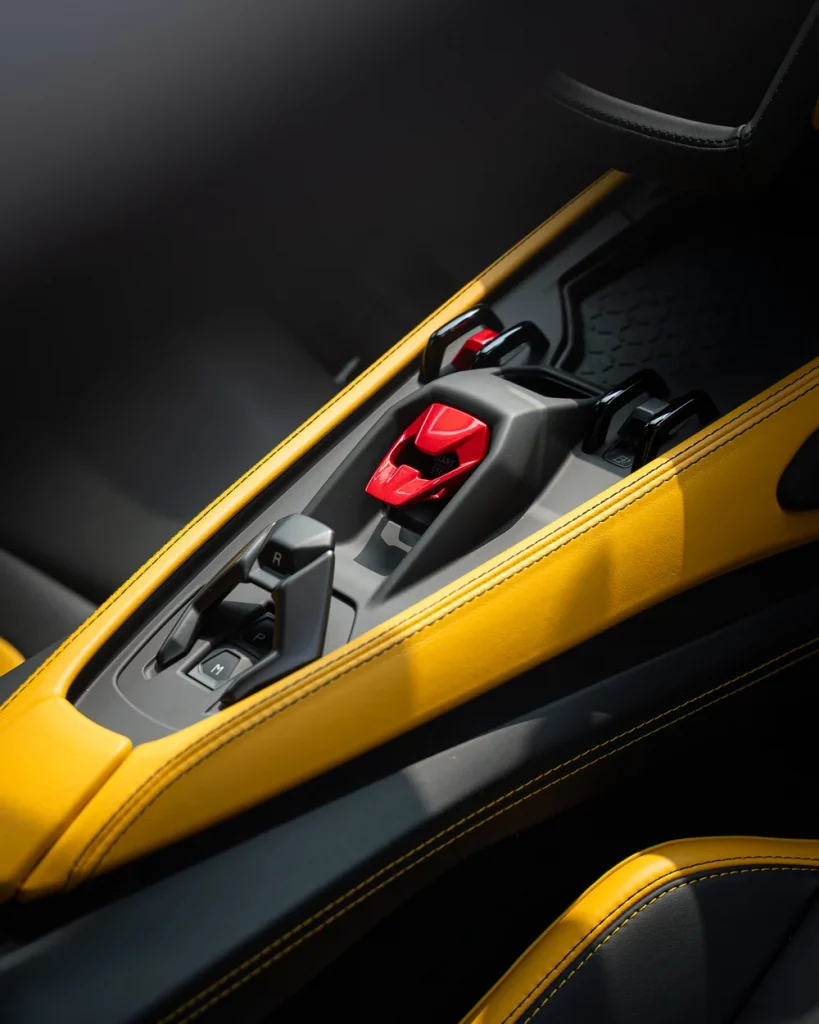
The driver-focused cockpit features analogue controls for tactile engagement.
Underneath, there’s a new aluminium spaceframe chassis built specifically for the Temerario, over 20 per cent stiffer than the outgoing Huracán platform. It’s part of why the car has grown a little in every direction: more headroom, more legroom, wider sightlines, and rear downforce numbers more than double the Huracán EVO’s. There’s also more range to how the Temerario can be driven. Beyond the four core modes, Città, Strada, Sport and Corsa, there’s a further layer of Recharge, Hybrid and Performance settings that change how hard the combustion engine and electric motors lean on each other, plus a more extreme Corsa Plus setting that turns all traction controls off and readies the entire car for full on-track performance, if you dare. Plus, all the delight that comes with a cockpit full of analogue buttons and switches that make you feel like a pilot.
For the required stickiness, Lamborghini partnered with Bridgestone to create bespoke-engineered tyres exclusively for this car. Customers wanting to thrash their Lambo, or simply enjoy spirited drives on regular tarmac, will be pleased to hear these new rubbers can endure significantly more wear and tear than is normal, especially if you’re keen to flex the three-setting drift mode. What everyone wants to know is whether the Temerario can stand up to the glory of the Huracán, and across the broad spectrum of usability, thrills, technology and design, the answer is yes. It’s more comfortable, more agile, more aerodynamic, more striking to look at, and it takes giant leaps in its driver-focused offerings, including an optional bespoke Sonus Faber sound system, its own screen for the passenger, and an expanded onboard camera and telemetry system that builds on the setup first seen on the Huracán STO.
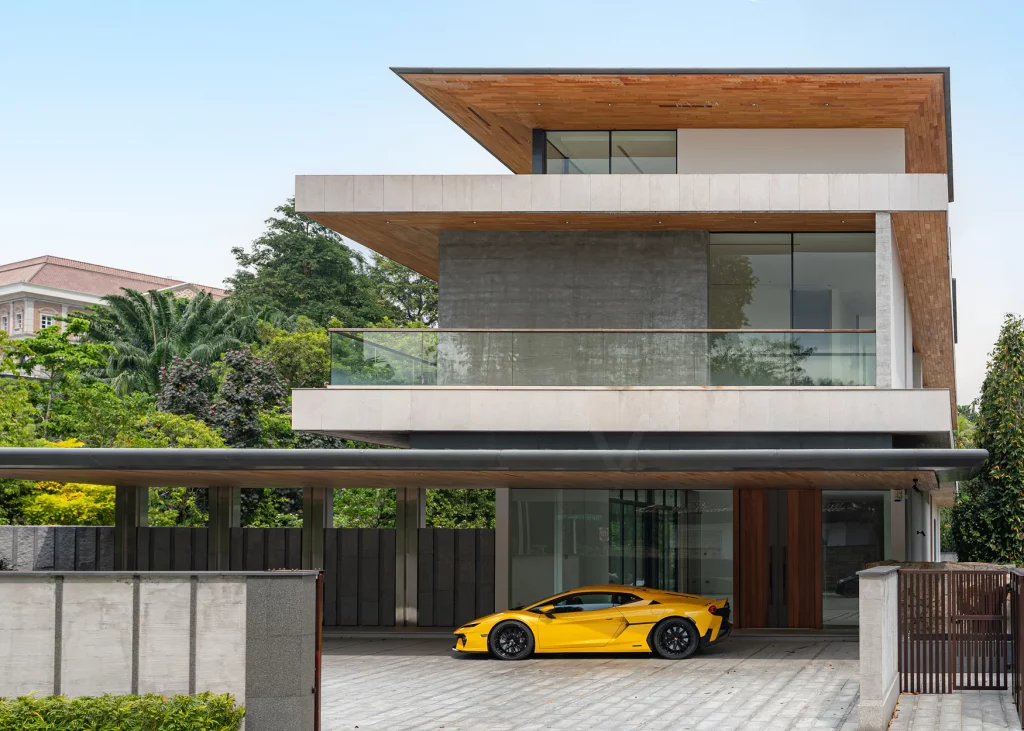
The Temerario looks right at home in this prized address in Tanglin.
Whether the naturally aspirated purists will ever fully make peace with the loss of that V10 is another question. However, the Temerario is forging its own path as a highly technical, all-round and wickedly good driver’s car. It isn’t repeating the past, and because there’s no dramatic V10 iconography or legacy to hide behind, it’s spotlighting the innovation that becomes possible when engineers, designers and technologists are given just enough restriction to create something special.
Read next:
- Inside the Lotus Evija’s Singapore preview: The electric hypercar with only 130 units made
- The review: Aston Martin’s Vanquish may just be the most accomplished car the British marque has ever built
In brief: Lamborghini Temerario
The engine: The Lamborghini Temerario sports an entirely new twin-turbo V8 hybrid powertrain paired with three electric motors. The V8 is the first production super sports car engine capable of reaching 10,000rpm.
The performance: 0 to 100km/h in 2.7 seconds; top speed of 343km/h.
The lineage: The second model in Lamborghini’s High Performance Electrified Vehicle (HPEV) range after the Revuelto, completing the hybridisation of the Sant’Agata Bolognese line-up following the Urus SE.
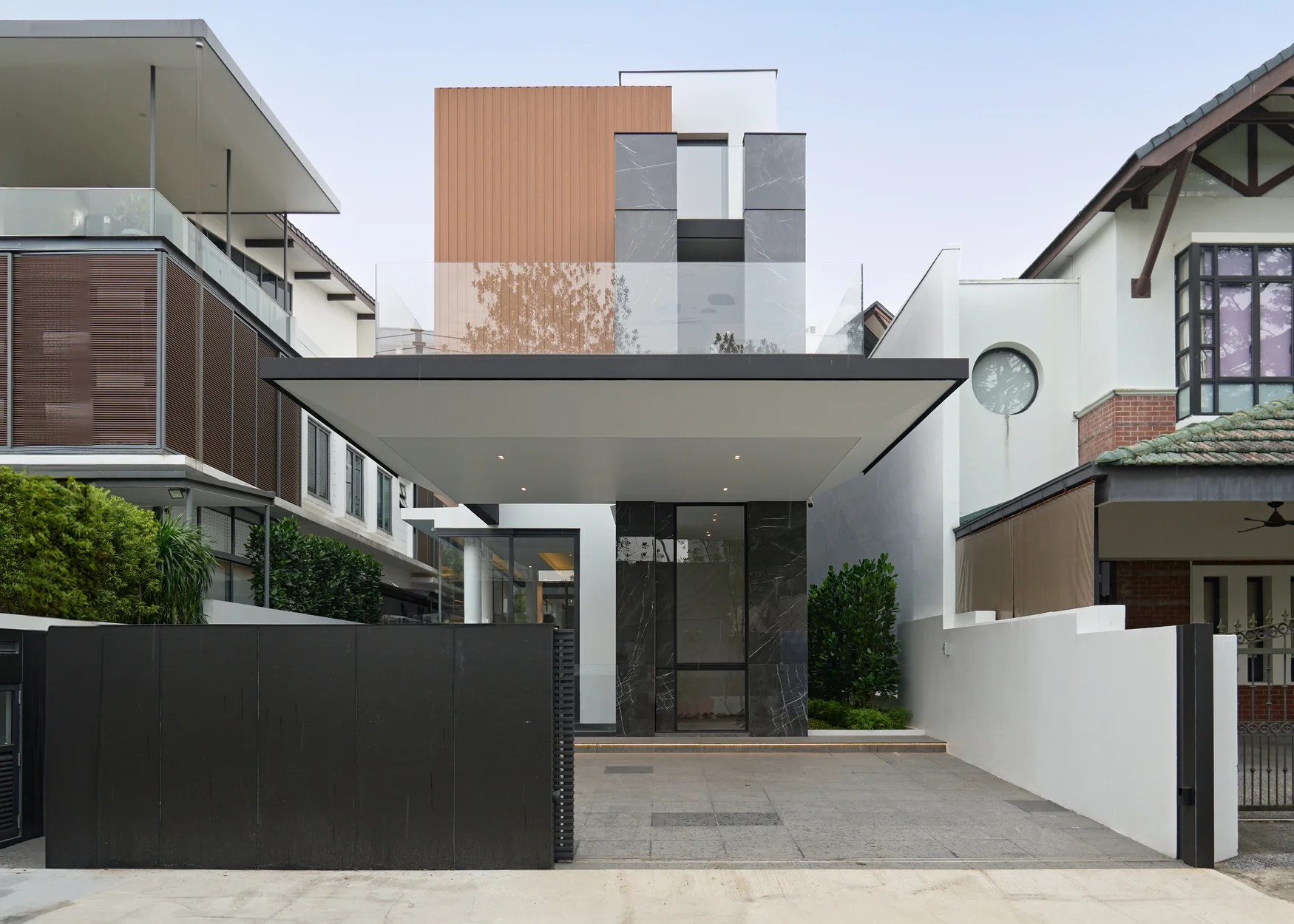
8+1 bed | 10,200 sqft area 19,500,000 SGD
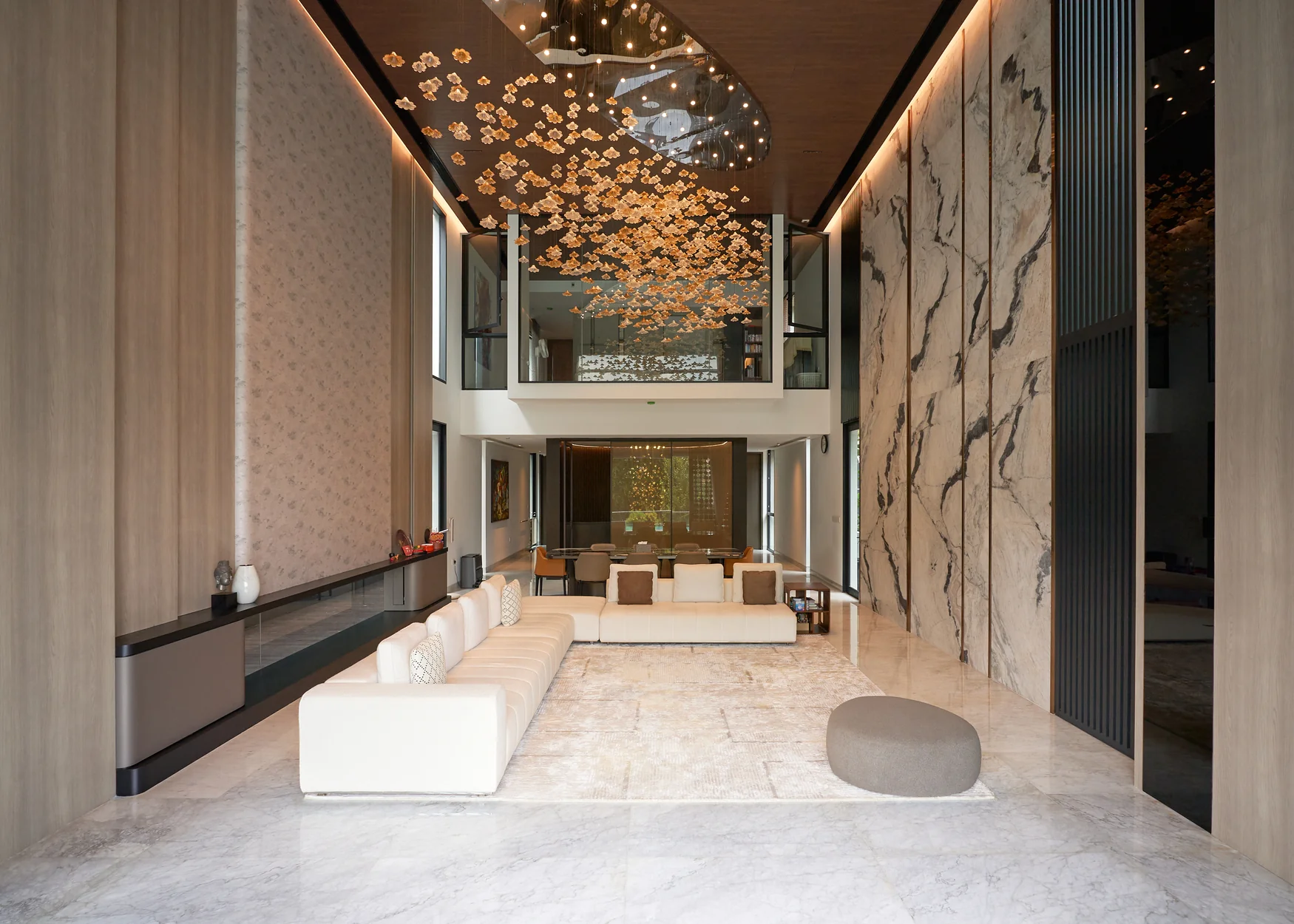
5 bed 19,380,000 SGD
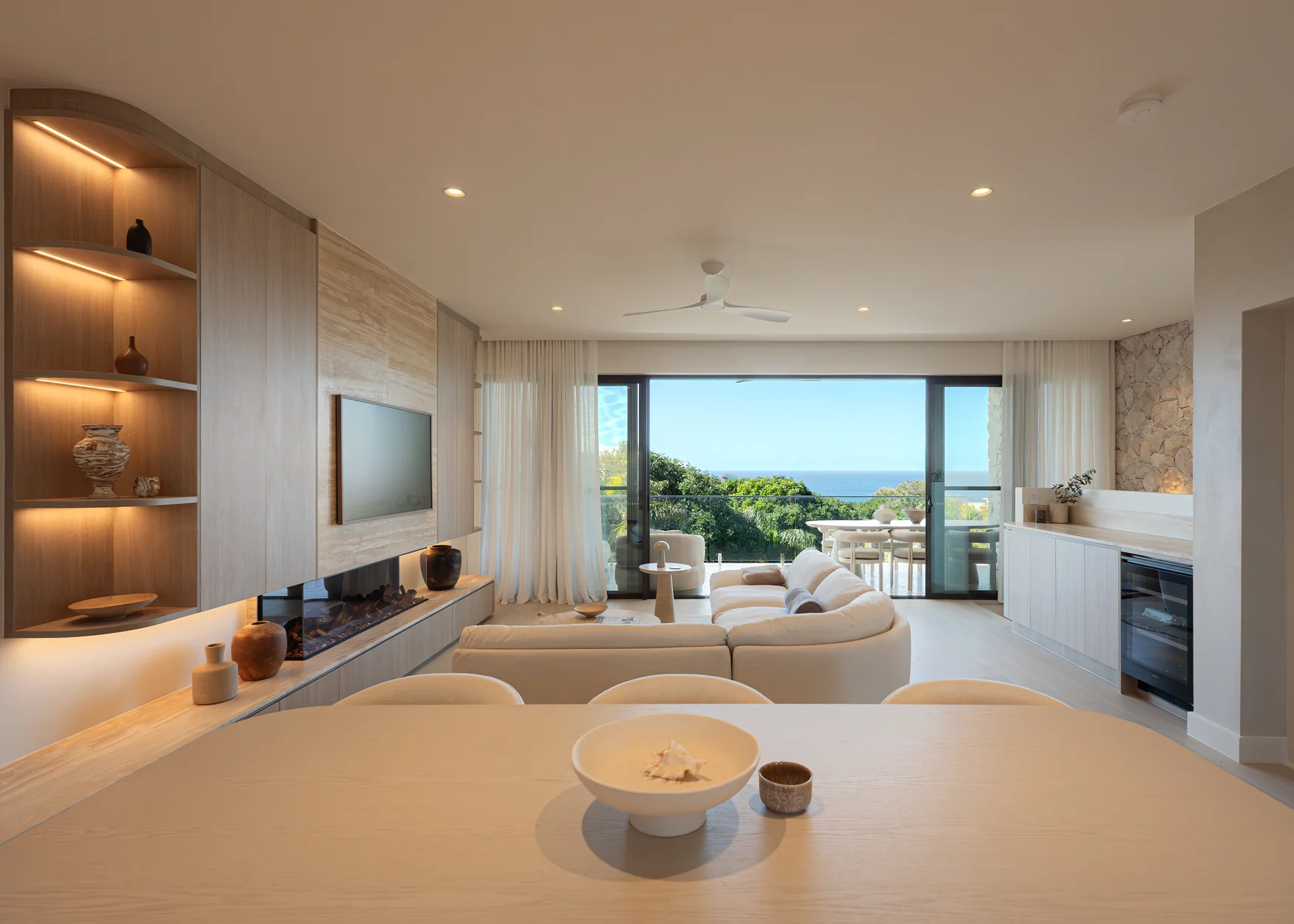
4 bed | 4,208 sqft area POA
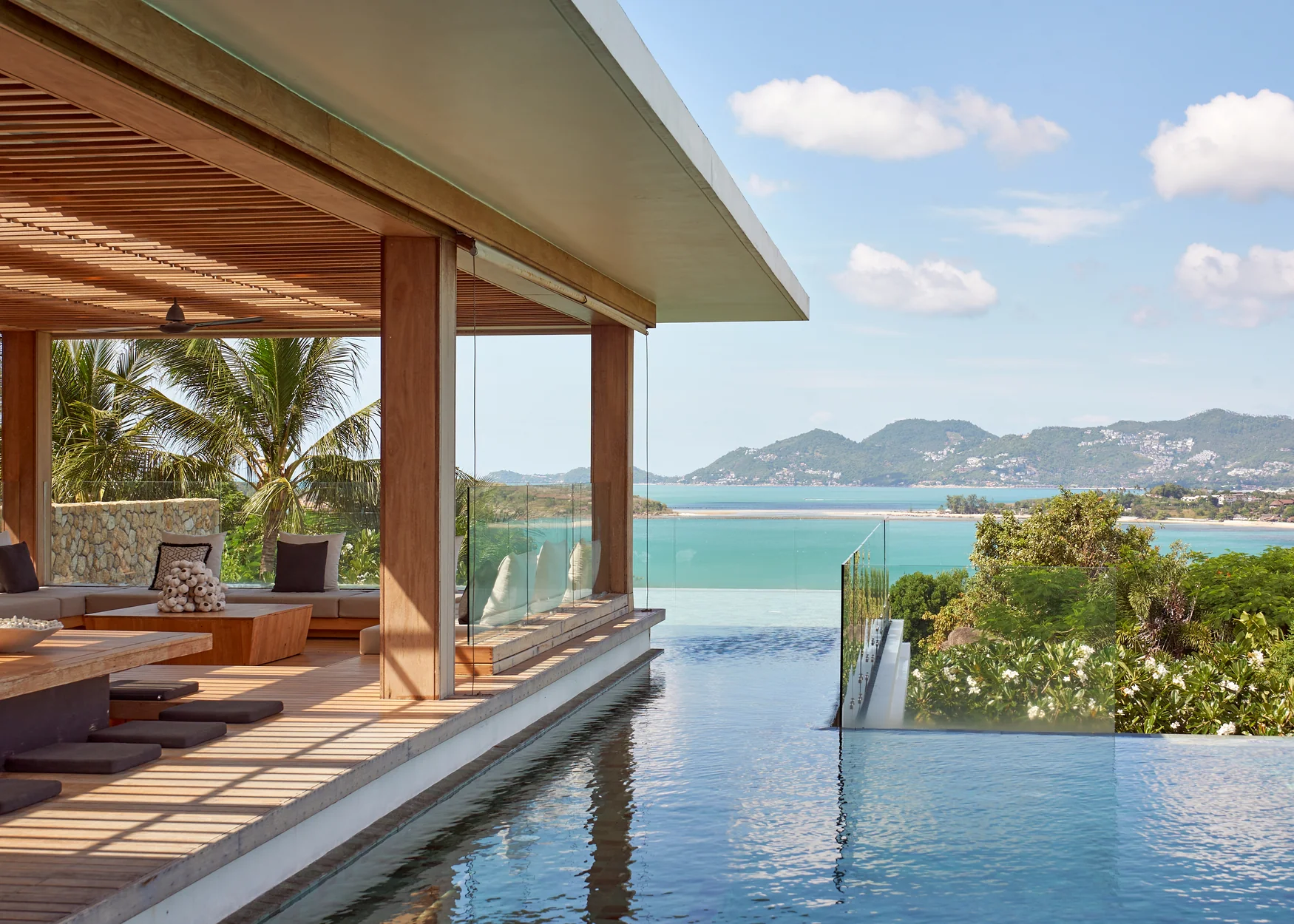
3-8 bed | 699,654 - 784,080 sqft area POA
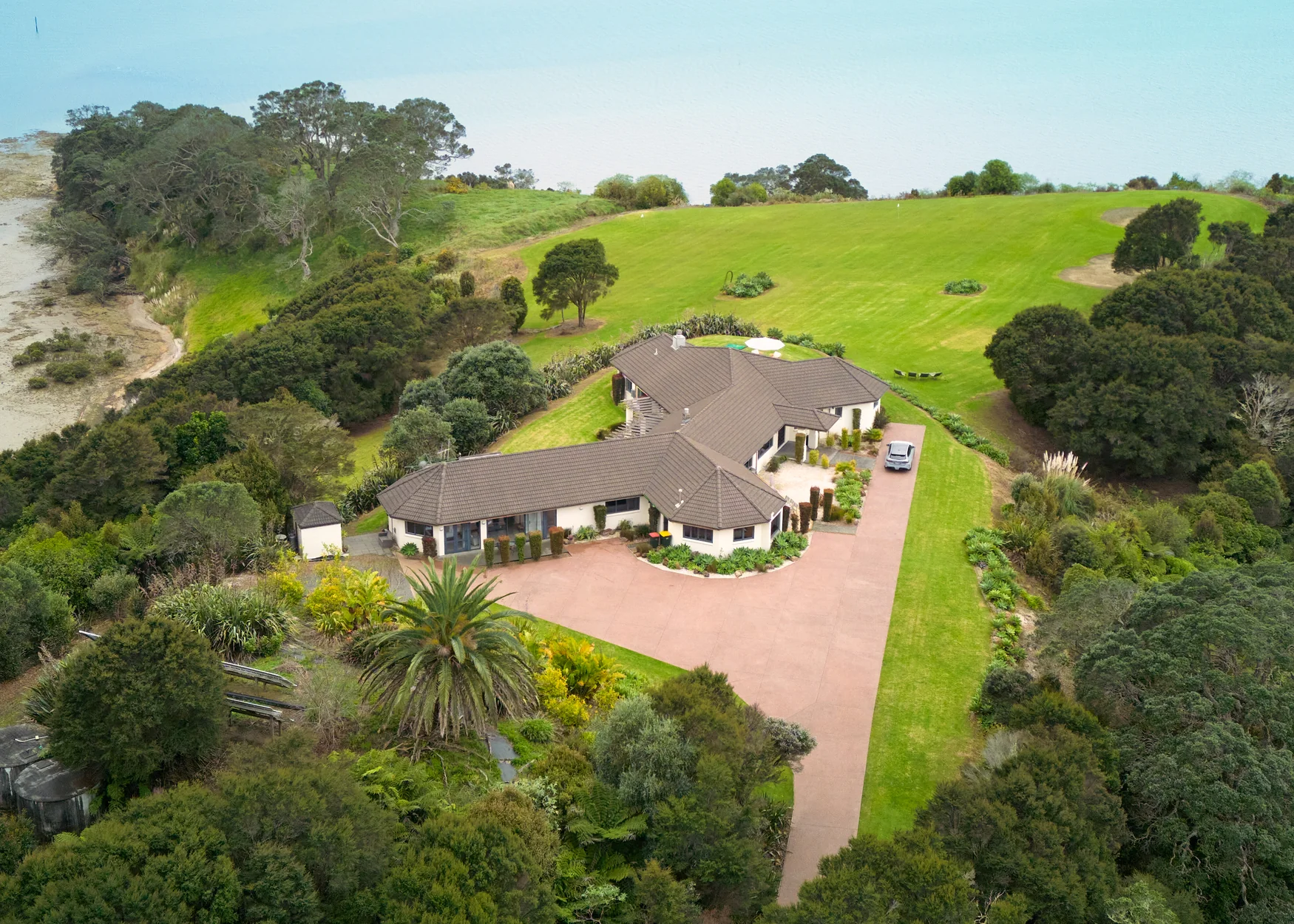
6 bed POA