Inside the Lotus Evija’s Singapore preview: The electric hypercar with only 130 units made
Photography by Jin Cheng Wong
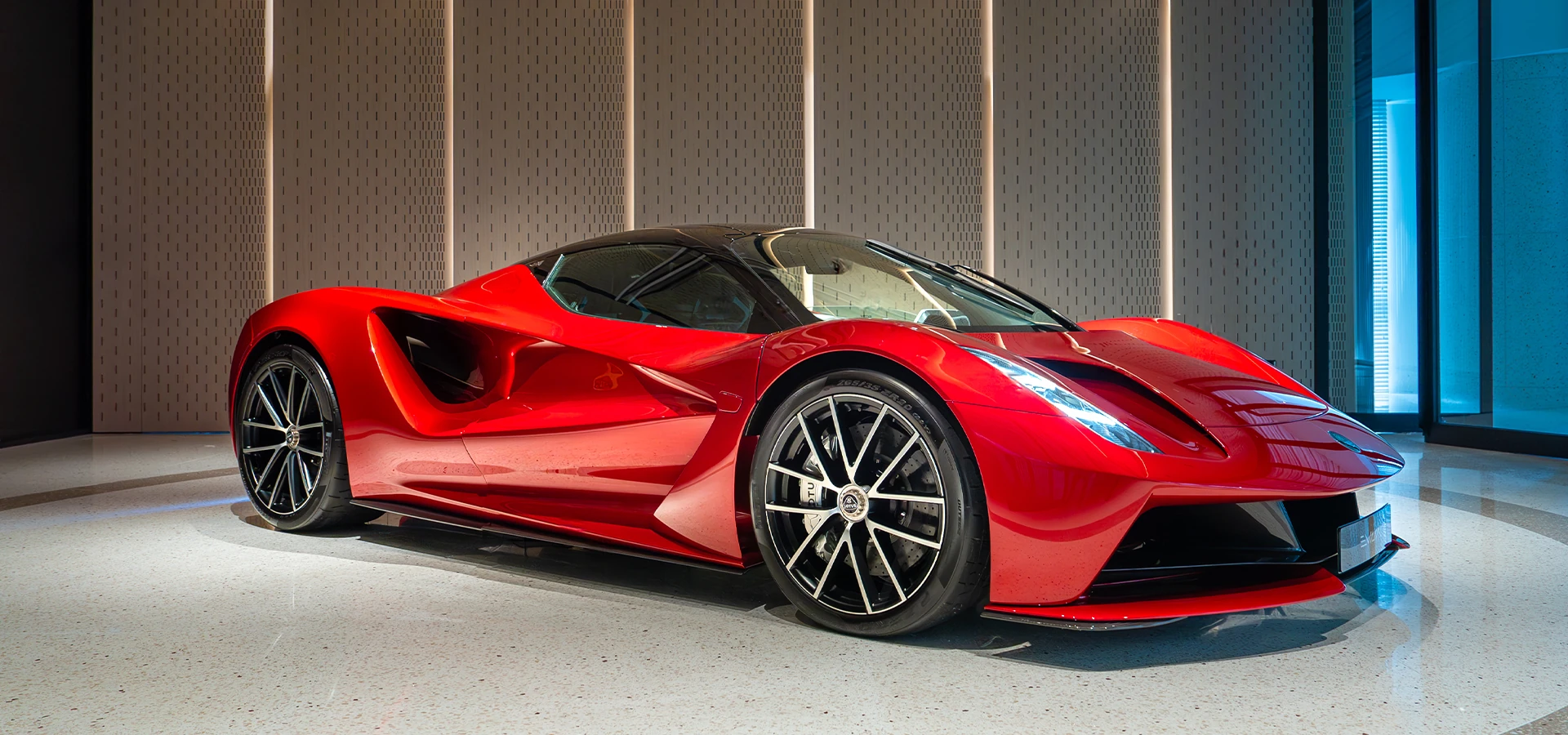
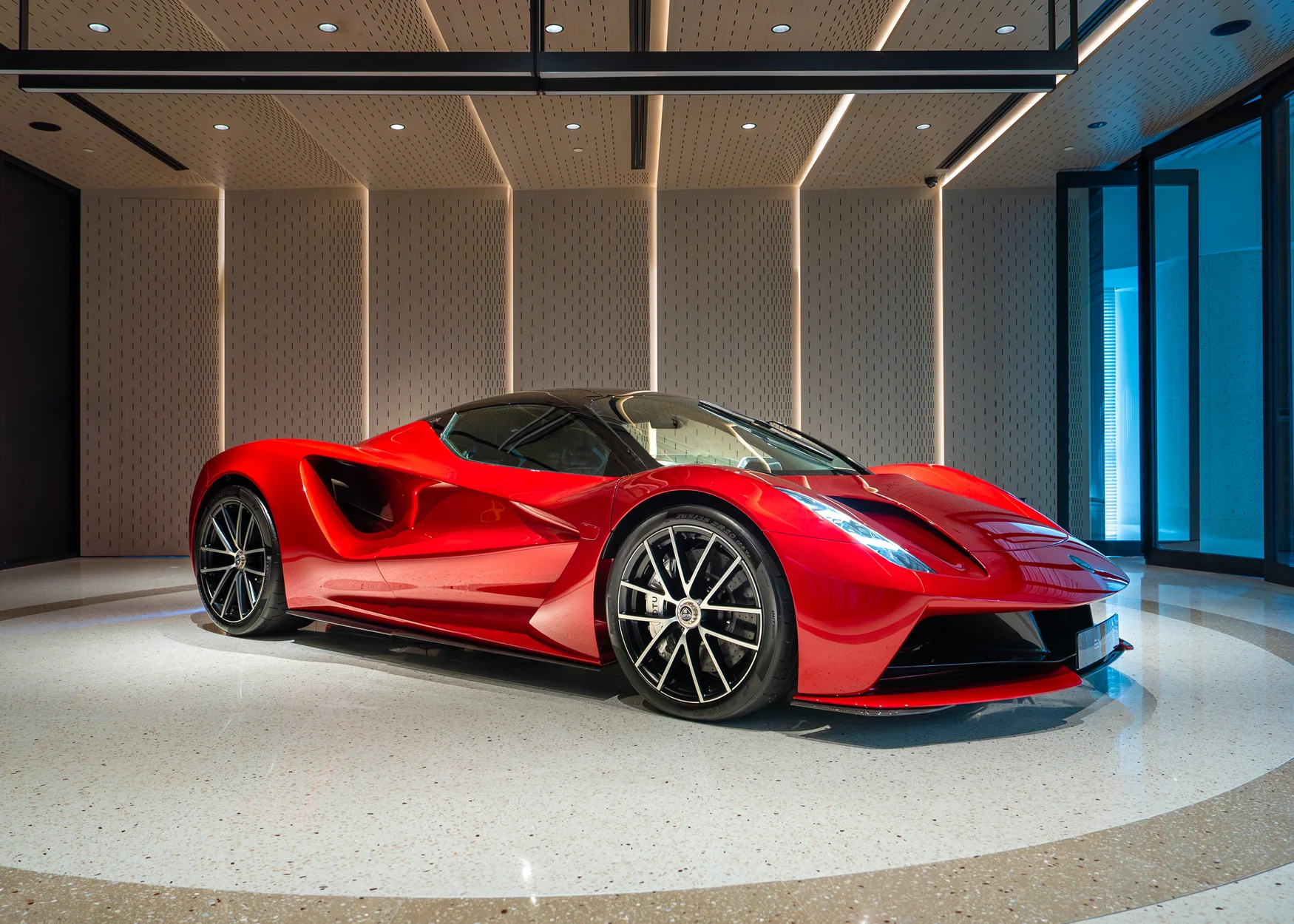
Only 130 Lotus Evijas will ever exist, and for a brief time in July, one of them was in Singapore—shown to a small, invited group of media and guests, most of whom were seeing it in person for the first time. The preview marked the hypercar’s Singapore stop on its Asia tour, an exclusive look at a car most people will only ever see in photographs.
Held at the Wearnes Rear Tower, the event was built around a curated exhibition called “The Road to Evija”: a walk through Lotus’s history from its 1948 founding to the car now standing in the room, tracing decades of motorsport wins and featherweight road cars that led, eventually, to an electric halo car unlike anything the marque had built before.
“Evija is designed as a technology flagship, and with it, Lotus engineers have created the lightest electric hypercar of its kind while staying true to our principles of weight efficiency, aerodynamics, and driver-focused performance,” shares Peter van Rooy, global commercial lead of the Evija Hyper Car Programme at Lotus Cars. “It shows that electrification can still feel unmistakably Lotus.”
A car built to be rare
Lotus is making just 130 Evijas—a number chosen, according to the brand, as a nod to Type 130, the car’s internal project designation, rather than a marketing round figure. Each is built around a carbon fibre monocoque and four electric motors, one per wheel, with an output Lotus has put at close to 2,000 PS—enough to make the Evija the most powerful series production road car the brand has built. Lotus quotes a 0–60 mph time under three seconds and a top speed electronically limited to 218 mph.
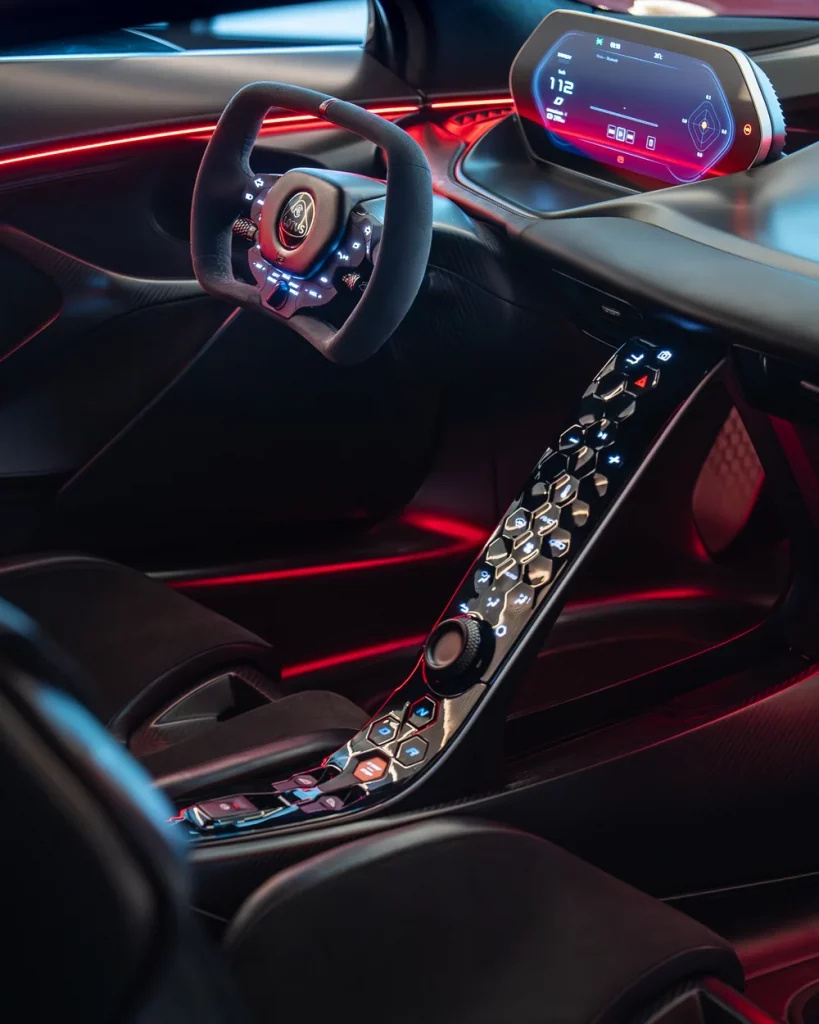
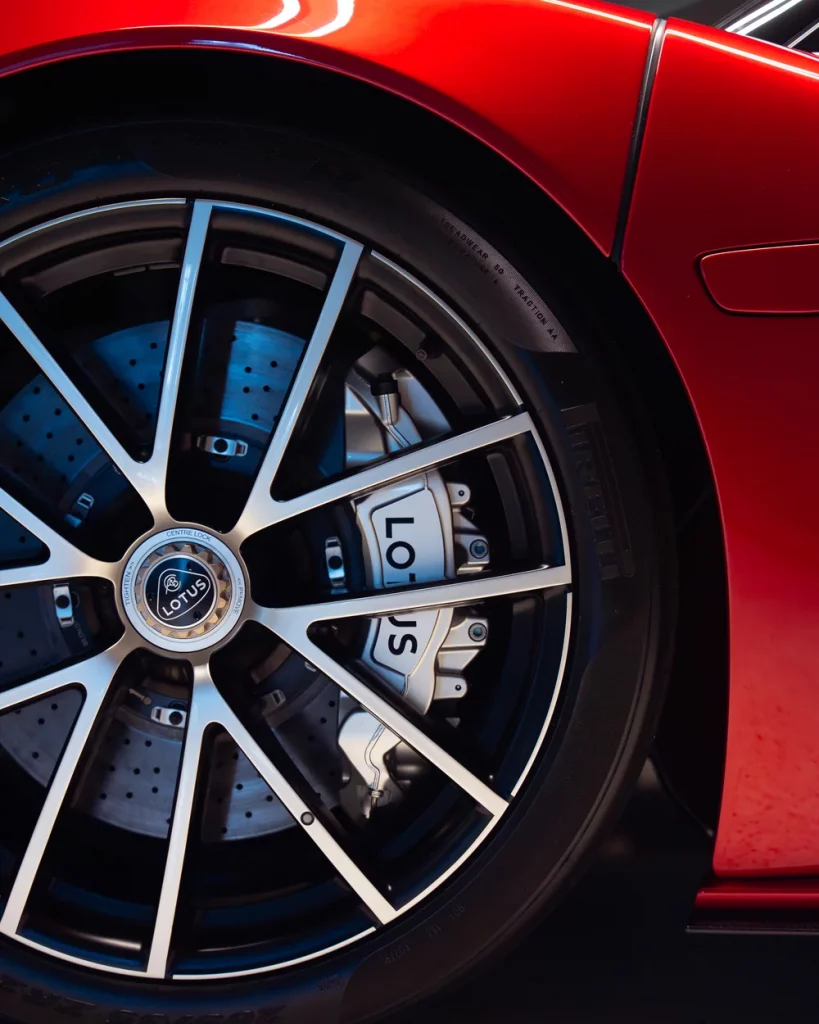
An F1-inflected cockpit (left) and staggered high-performance Pirelli Trofeo R tires (right) on the Evija. Top: The Lotus Evija, one of only 130 examples of the all-electric hypercar, was previewed exclusively in Singapore as part of its Asia tour.
“Evija sits at the top of our product offering, and has brought new customers to the marque and broadened its commercial foundation,” adds van Rooy. “All of our vehicles are centred on the Lotus DNA—performance, handling, and driver engagement—while meeting the expectations of today’s global premium EV and sports car customer.”
Asked about the Evija feature that he personally admires most, he says, “For me, that is the complete package of motorsports and F1 derived tech, such as the inboard suspension, the DRS system, the carbon monocoque, the cockpit, unique venturi tunnels, and the battery pack vertically positioned behind the seats like a mid-engined sports car layout. All unmistakably Lotus.”
The exhibition behind the car
The car itself was only half the event. “The Road to Evija”—the specially curated feature built for the tour—traced Lotus’s path from its 1948 founding through the decades of motorsport innovation and lightweight road cars that the brand says still define it, ending at the Evija as their culmination. For a marque built on the founding creed of adding lightness rather than power, an electric hypercar weighing in at under 1,700 kg was the exhibition’s real argument: that the engineering philosophy hasn’t changed, even if the powertrain has.
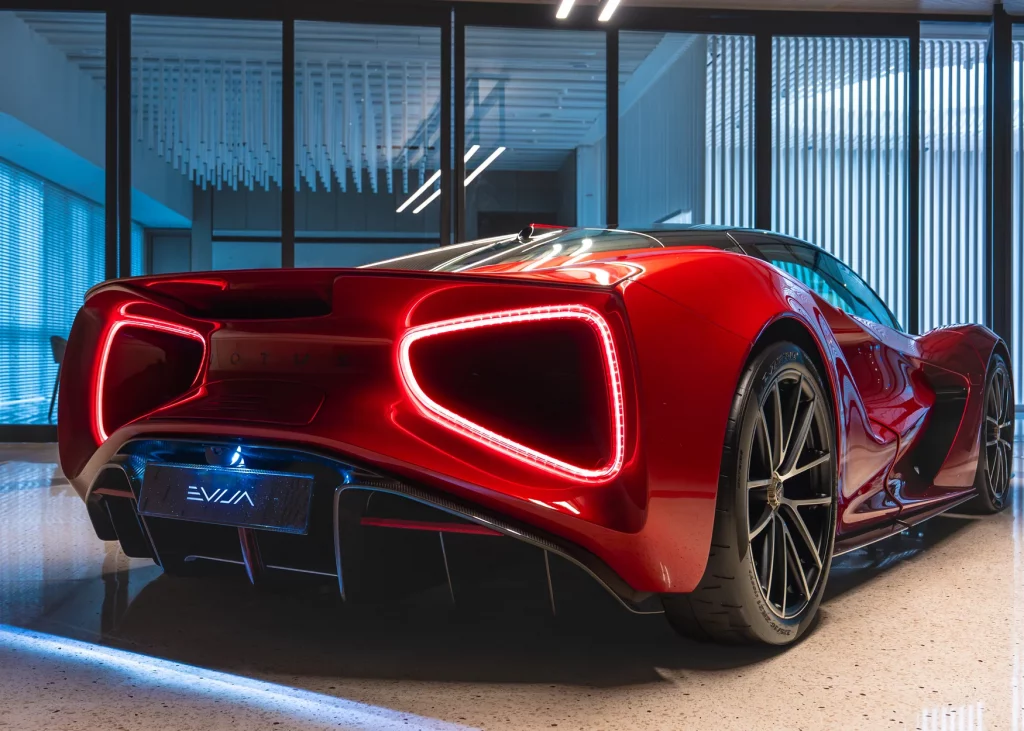
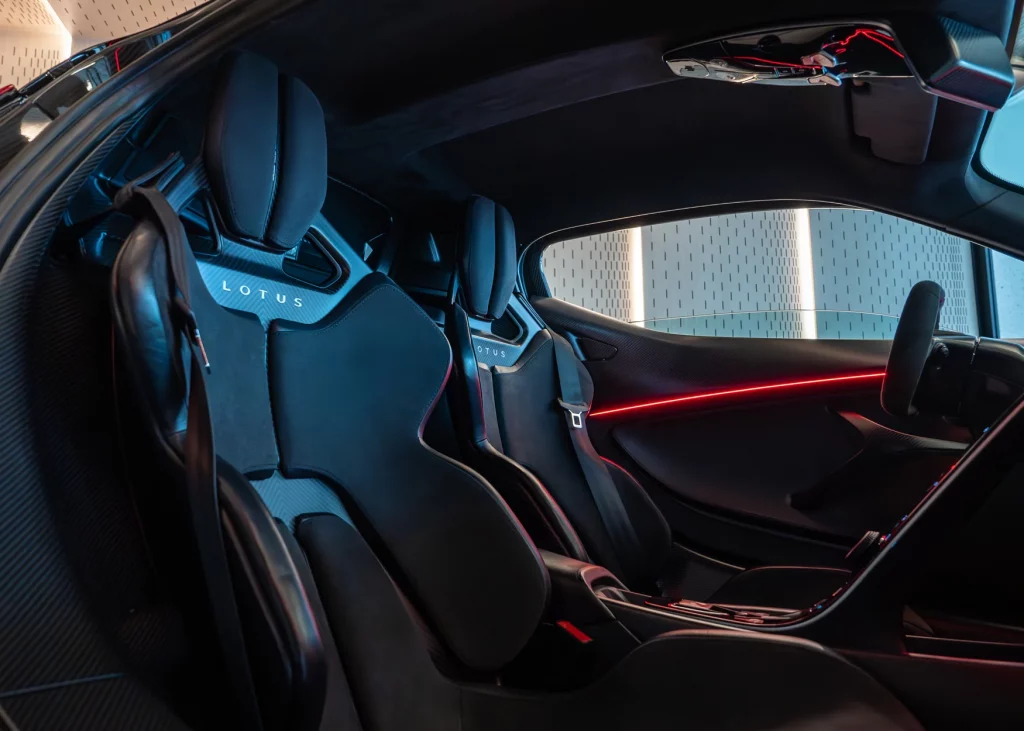
Left: The Evija’s most theatrical angle. Right: The cabin favours restraint over spectacle.
The Singapore date was one stop on a wider Asia tour, and Lotus Singapore—the marque’s official distributor, run through the Wearnes Automotive Group—treated it as a milestone in its own right. Wearnes has represented Lotus in Singapore since 2019, part of a broader stable that includes Aston Martin, Bentley and Bugatti—distribution as much a specialism, for Wearnes, as retail.
Read next:
- The Rimac Nevera at 15: the next leap for one of the first great all-electric hypercars
- 20 years on, why the Bugatti Veyron remains one of the century’s most iconic hypercars
More Singapore luxury property.
In brief:
The car. The Evija is Lotus’s all-electric halo hypercar, limited to 130 examples. The number nods to Type 130, the car’s internal project designation.
The event. The private preview was hosted by Lotus Singapore—part of the Wearnes Automotive Group, which has held the Lotus franchise in the city-state since 2019—at the Wearnes Rear Tower’s Level 8 Lounge on the 22nd of July 2026, as part of the Evija’s Asia tour.
The marque. Lotus was founded in 1948—the starting point for the more than 75 years of motorsport and road-car engineering Lotus traces through to the Evija.
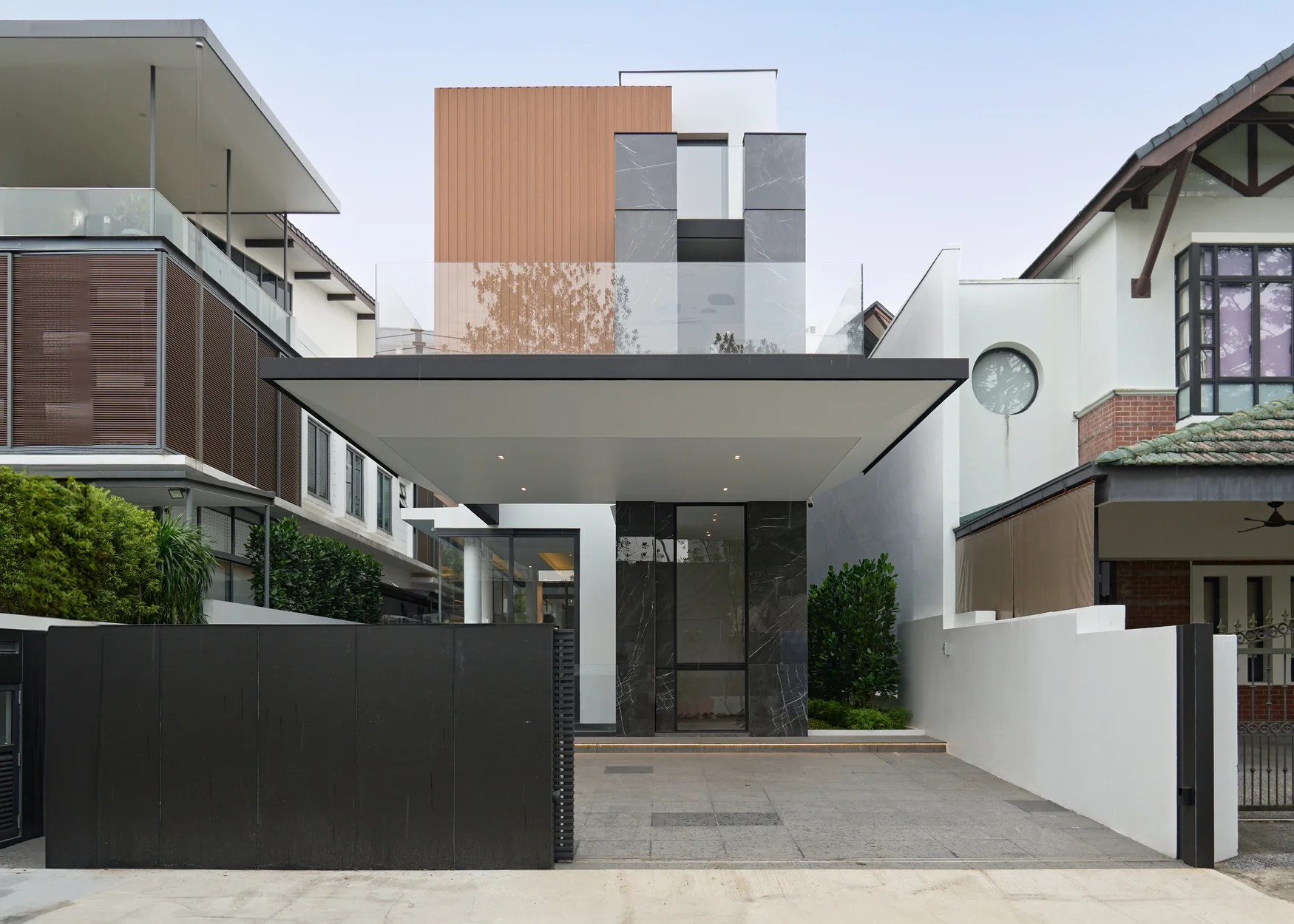
8+1 bed | 10,200 sqft area 19,500,000 SGD
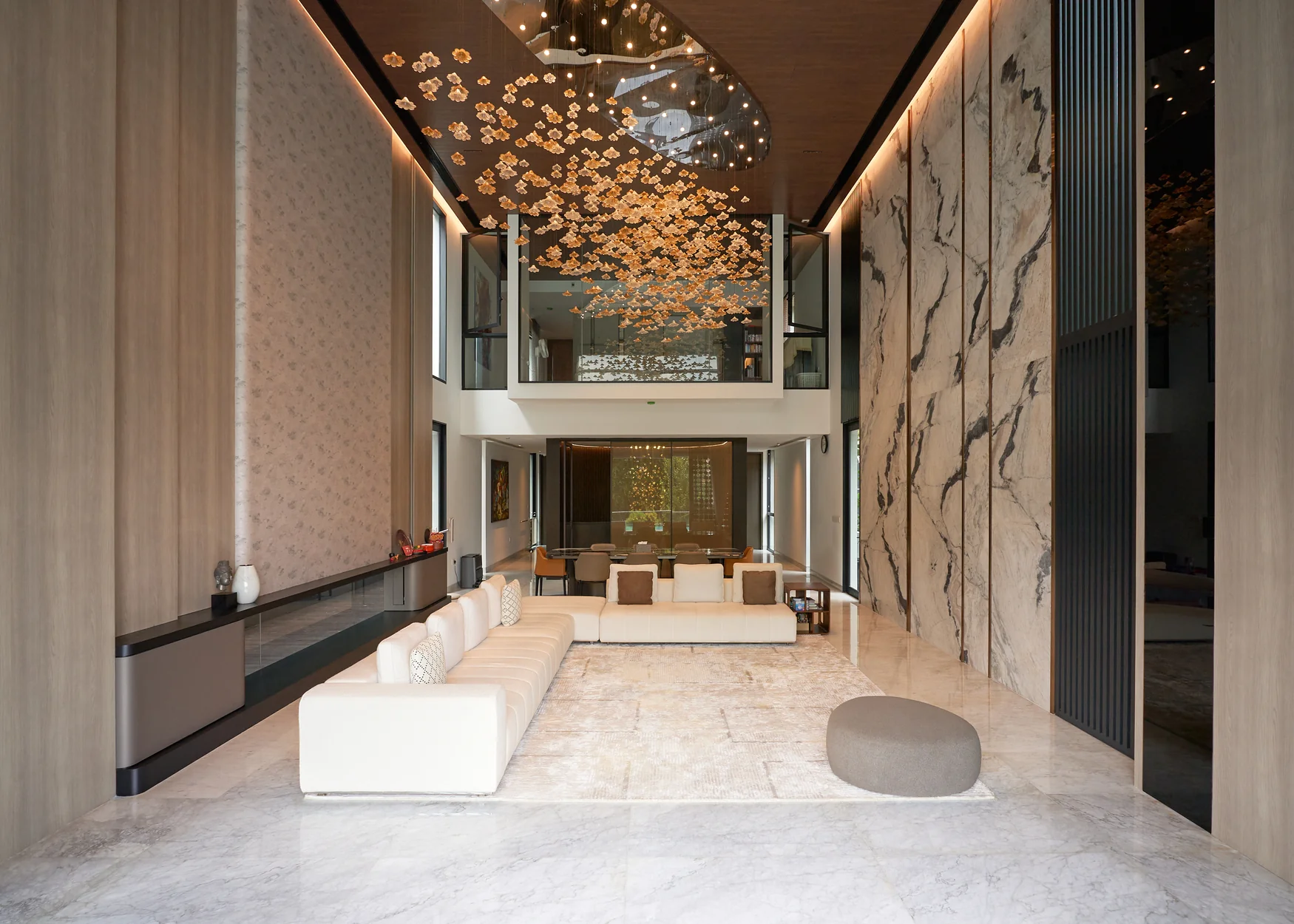
5 bed 19,380,000 SGD
4 bed | 4,208 sqft area POA

3-8 bed | 699,654 - 784,080 sqft area POA
6 bed POA