
The report: Darren Curtis on why Sydney’s most expensive homes are testing buyer confidence
Interview by Hamish McDougall
A buyer can have more room to negotiate in Sydney today and still wait years for the house they want. Forbes Global Properties’ Darren Curtis explains which owners are prepared to deal, what still commands a premium, and where he’d look if the search had stalled.
Explore luxury properties in Sydney
In the wake of tax changes and persistently high interest rates, Sydney’s prestige market has slowed unevenly. Buyers are still turning up to inspections in the Eastern Suburbs, albeit in smaller numbers, while in Palm Beach, where land tax has weighed on second-home owners, there are more properties for sale than there are buyers for them, says Darren Curtis of Forbes Global Properties. Even within the Eastern Suburbs, how far a buyer can negotiate depends on the owner’s reason for selling and how readily the property can be replaced.
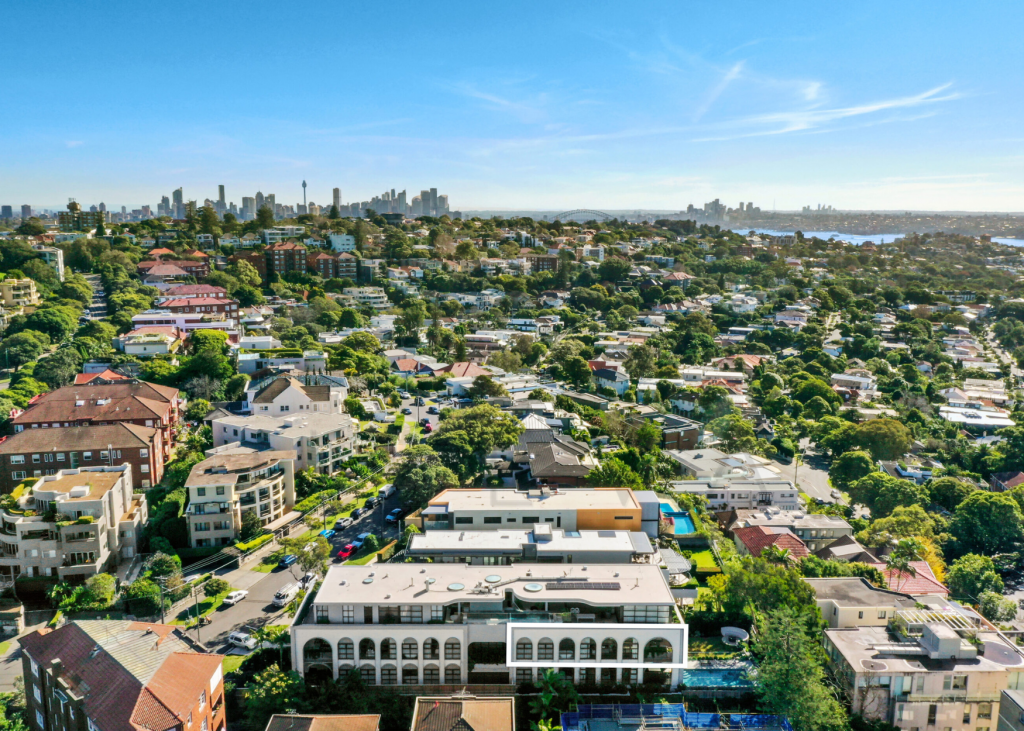
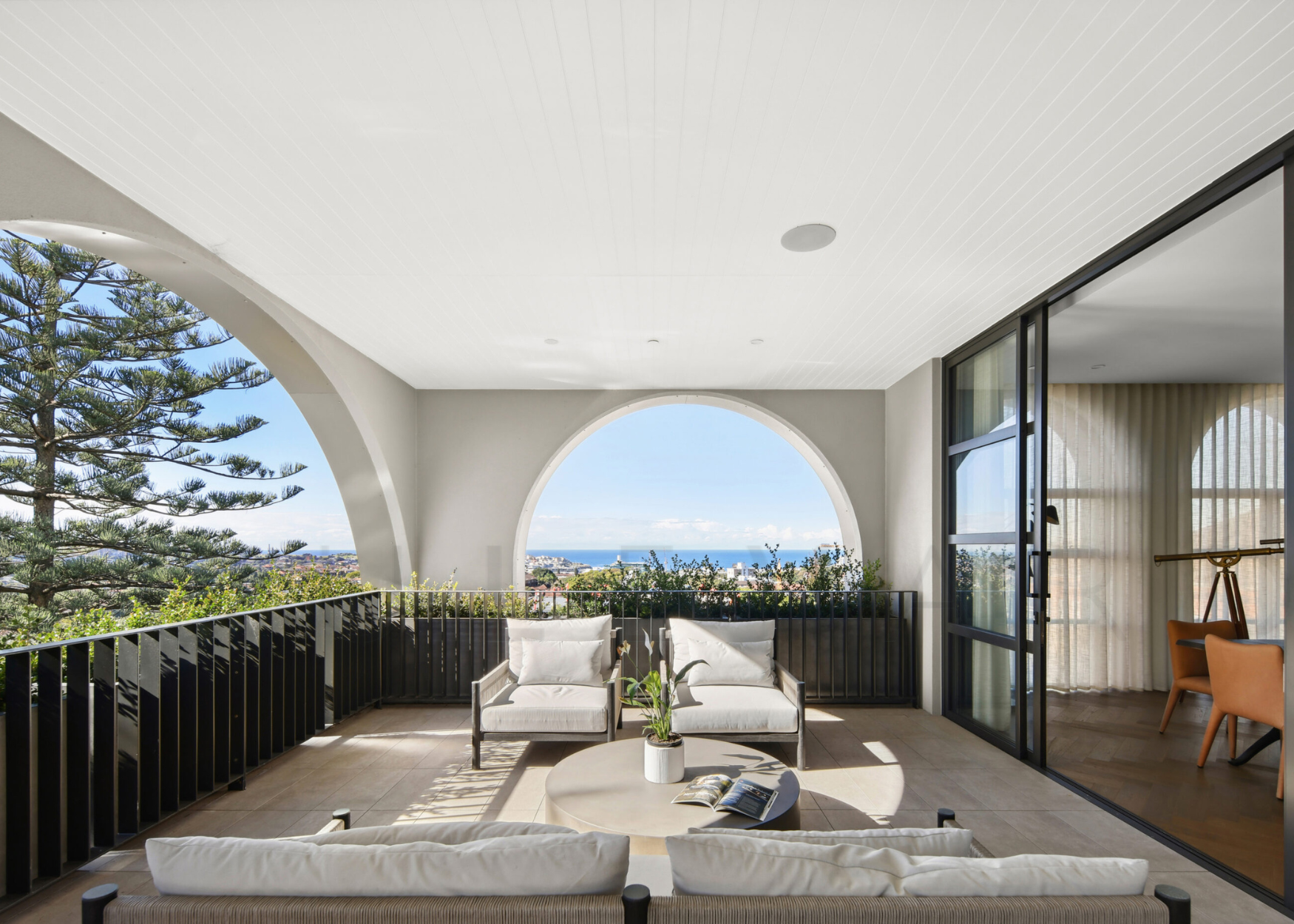
Views of Bellevue Hill, a prestigious eastern suburb of Sydney, from The One, a boutique residential development. Top: The covered entertaining terrace of The One captures views across the surrounding coastal properties towards Bondi Beach.
In Darling Point, an owner who wanted to free up money for other plans accepted A$8.5 million for an apartment that Curtis believes could have fetched more than A$10 million in a stronger market. In Bellevue Hill, a house first marketed at around A$40 million sold in the low thirties after Curtis took over the campaign, though he questions whether the original asking price was ever justified.
A penthouse he sold for its full A$32.5 million asking price shows where buyers are still prepared to pay. Curtis sees similar demand for north-facing waterfront houses, some of whose owners would rather withdraw than accept a lower offer. Buyers have more room on properties with a drawback that will narrow the field again at resale, whether it’s a busy road or several flights of stairs without a lift.
Who buys it next?
Curtis has spoken to buyers who can comfortably fund a A$50 million purchase but hesitate over how readily they could sell in a few years. On the North Shore, he’s seen part of that buying pool recede. During the years of the Significant Investor visa, he recalls doing a handful of deals annually with mainland Chinese buyers from Roseville through Pymble and farther north. Australians returning with earnings in US dollars or sterling are still buying, he says, on a smaller scale than the demand he saw from mainland China.
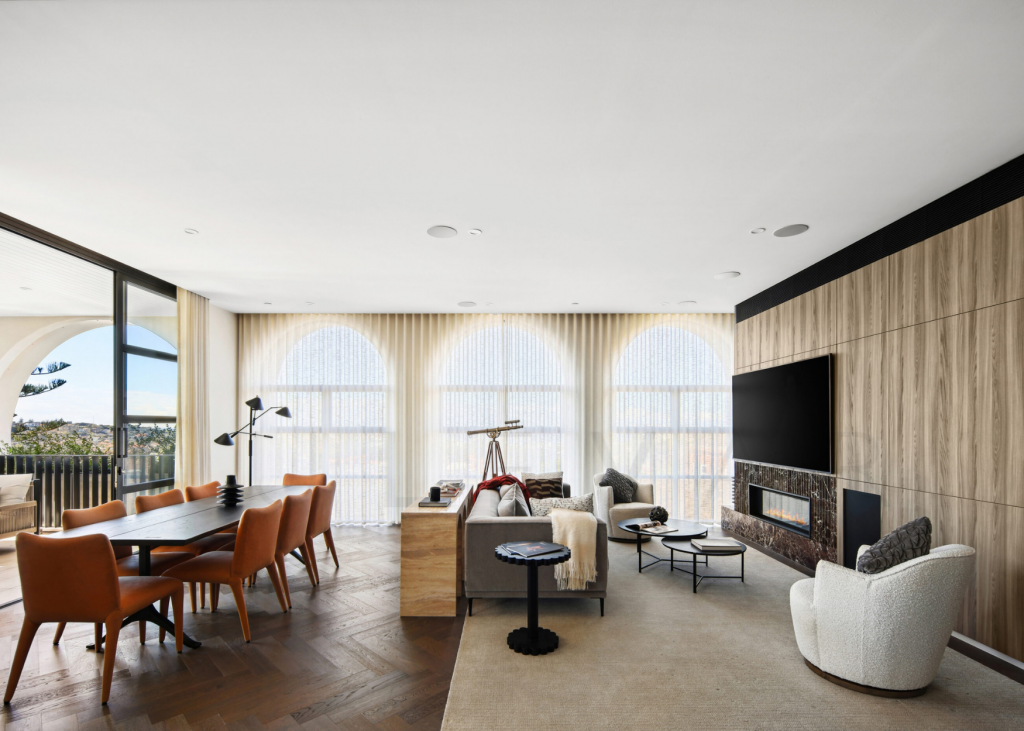
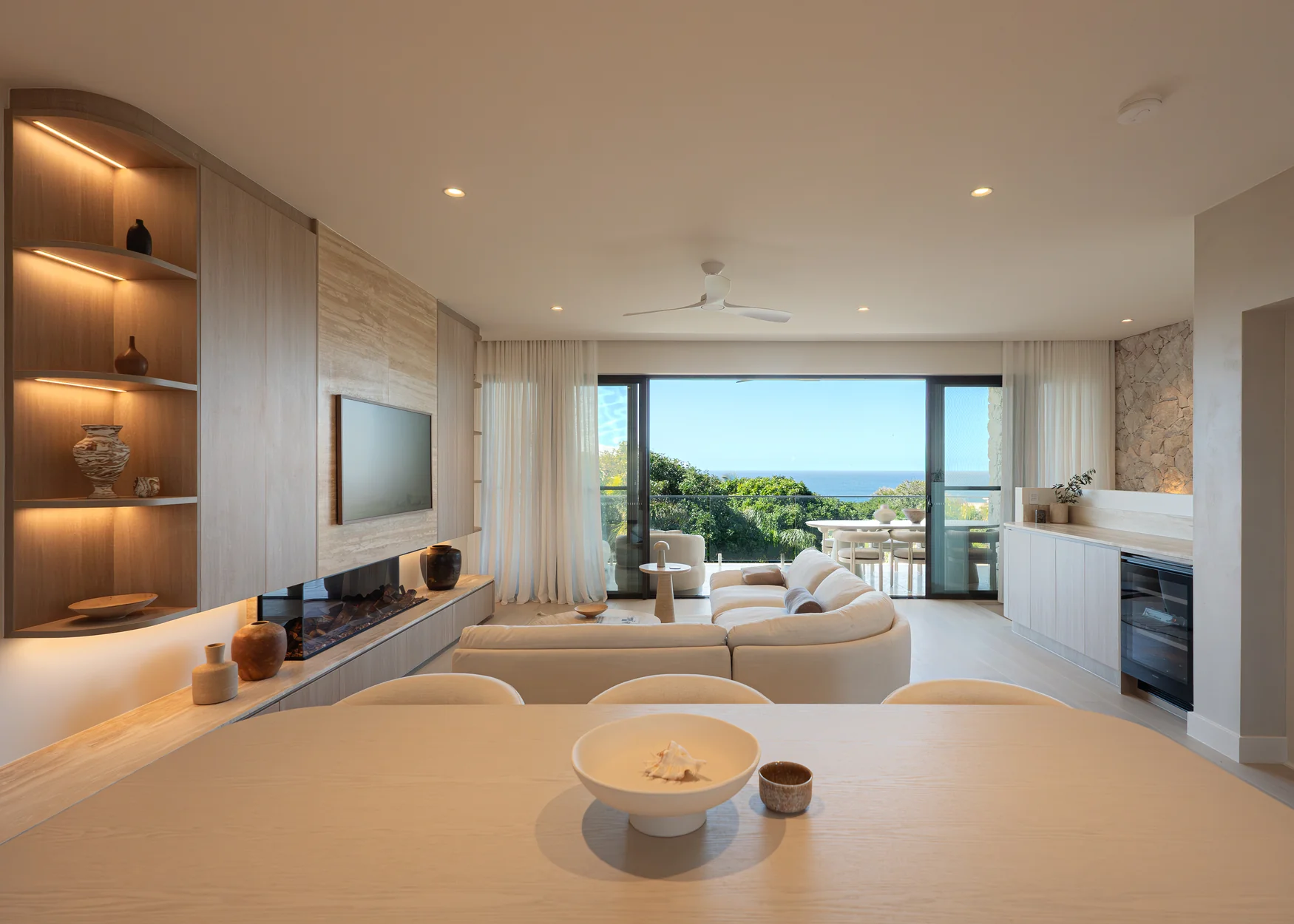
The main living and dining area inside a residence at The One.
The Significant Investor stream required at least A$5 million in qualifying investments and closed to new applications in July 2024. Under a separate policy, Australia generally bars foreign buyers from purchasing established dwellings, subject to limited exceptions. For international buyers considering a resale property, eligibility comes before any discussion of price.
The limits of the square metre
At about A$87,000 per square metre, by Curtis’s calculation, the Darling Point sale sits below the A$110,000 to A$130,000 he cites for some transactions in Barangaroo and Circular Quay. In Double Bay, where he recalls new apartments trading at around A$100,000 per square metre, he estimates comparable stock might now achieve A$80,000 to A$85,000.
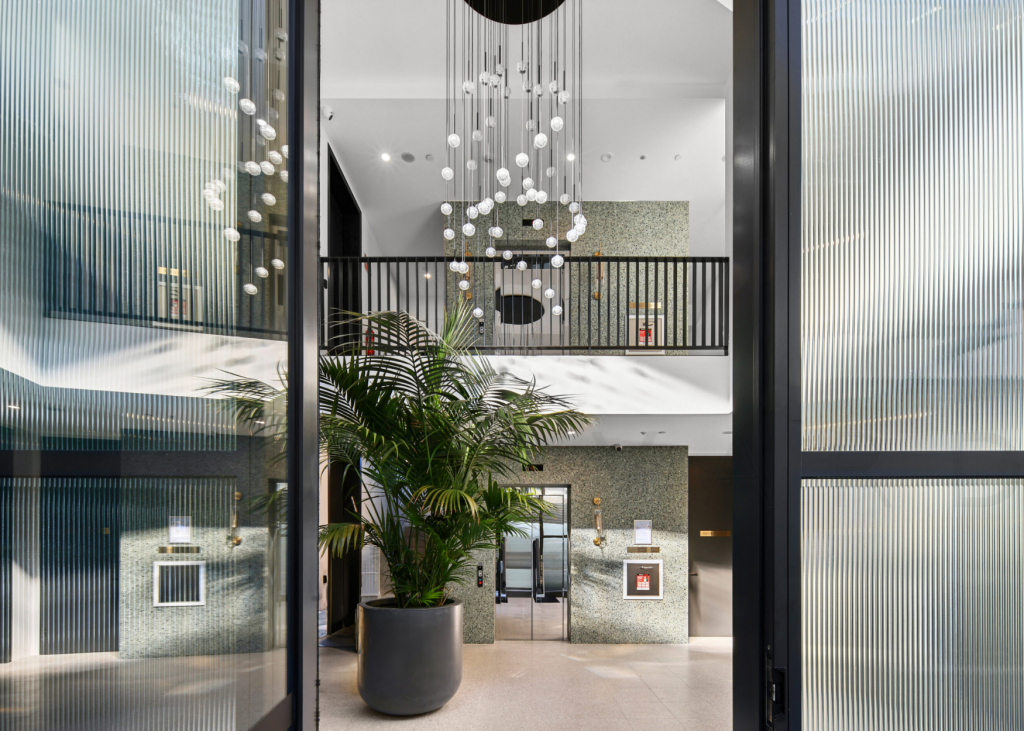
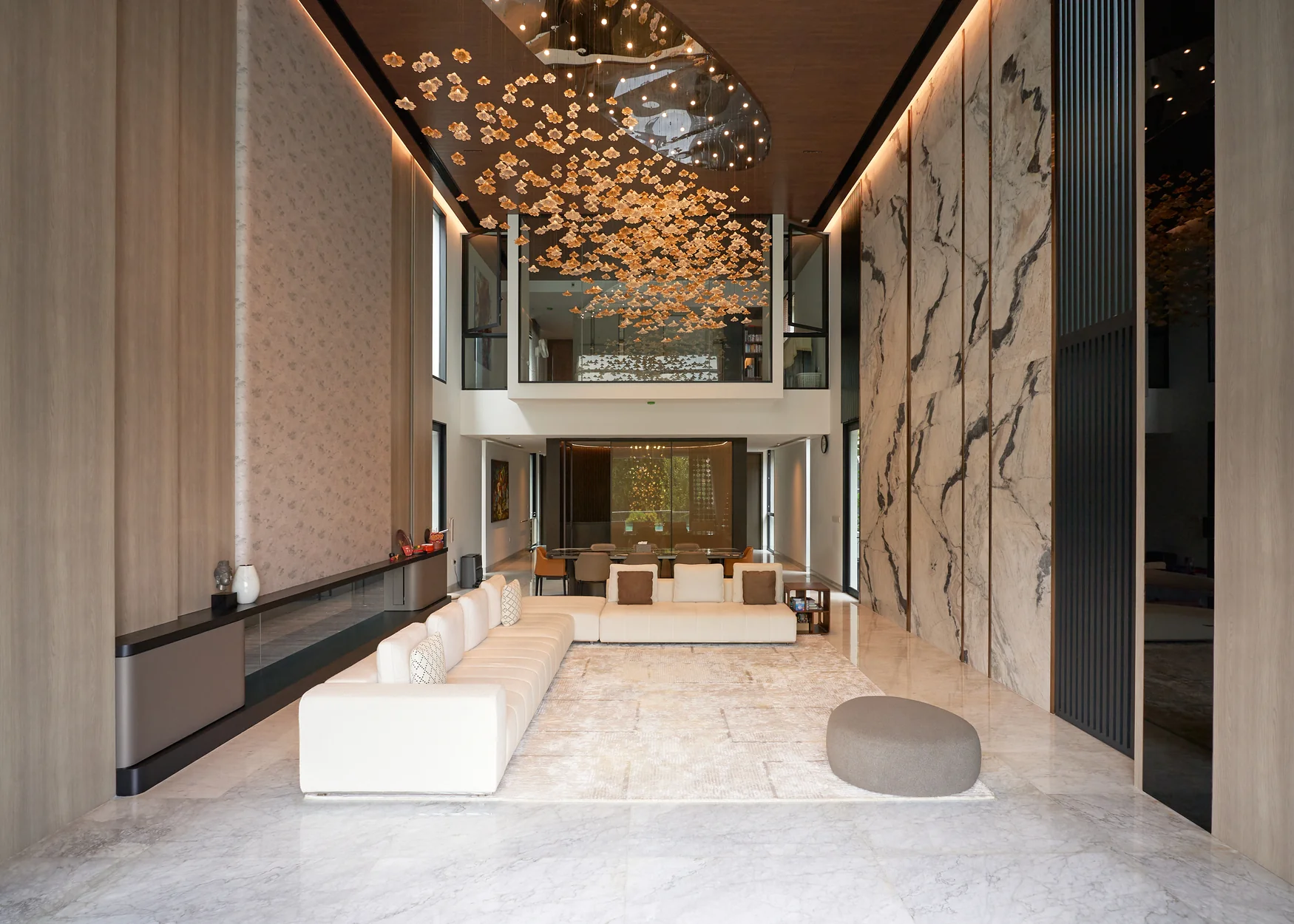
The One’s lobby features a glass-orb chandelier, terrazzo walls, and fluted glass.
Curtis finds that the larger the apartment, the harder it is to sustain the rate. Apply a record set by a smaller residence to a much larger floor plan and the implied price may be one no buyer has paid in the building. He points to new apartments on the lower North Shore whose developers are still waiting for buyers at their asking prices.
Looking beyond the Eastern Suburbs
On a country or coastal estate that might have drawn 10 inquiries two years ago, Curtis now expects two or three. Where the owner is committed to selling, he’s prepared to put forward an opening offer of A$7 million or A$8 million against a A$10 million ask.
For waterfront, Curtis points to Longueville and Hunters Hill, as well as Church Point, where he was marketing a property with a guide of A$6.5 million to A$7 million at the time. For buyers who want privacy and substantial land for a tennis court, he looks to Terrey Hills and Duffys Forest. A budget that buys a much smaller block in the Eastern Suburbs can stretch to acreage there, although this comes with longer travel times and greater maintenance demands.
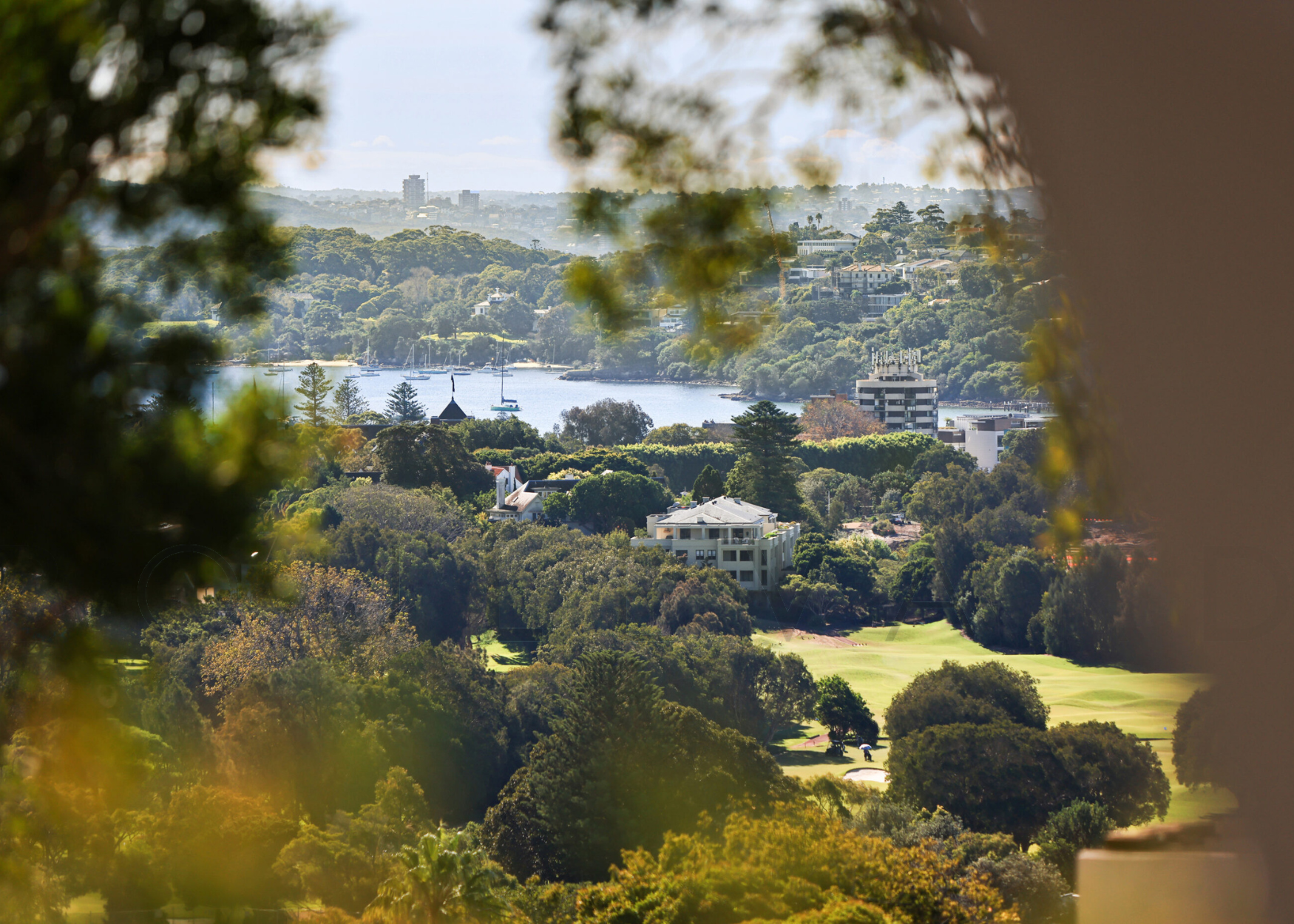
Tree-lined landscapes meet the waterfront in Bellevue Hill.
Curtis says the buyers who set his agency’s suburb records all came from outside the suburb. They knew what they could buy for the same money elsewhere in Sydney, which gave them a basis for paying more than the last sale down the road.
Read next:
- Full retreat: A closer look at the most enviable estates in Bowral
- Inside One Darling Point: Alec Tzannes on breaking Sydney’s apartment formula and what his 40-year practice has taught him about building for permanence
In brief:
Sydney’s Ultra-Prime Market: Curtis describes late-2026 Sydney as a buyer’s market, with lower transaction volumes and greater scope to negotiate on compromised or secondary-home stock.
What holds value: Prime north-facing waterfront houses, well-resolved homes, and exceptional penthouses; Curtis cites a A$32.5 million penthouse sold at asking.
Apartment benchmarks: Selected Barangaroo and Circular Quay sales at approximately A$110,000–$130,000 per sqm, but prices vary sharply by building, size, and position.
Where to look: Terrey Hills and Duffys Forest for acreage; Longueville, Hunters Hill, and Church Point for alternative waterfront value.
International buyer consideration: Check eligibility to purchase established residential property in Australia before pursuing a resale home.
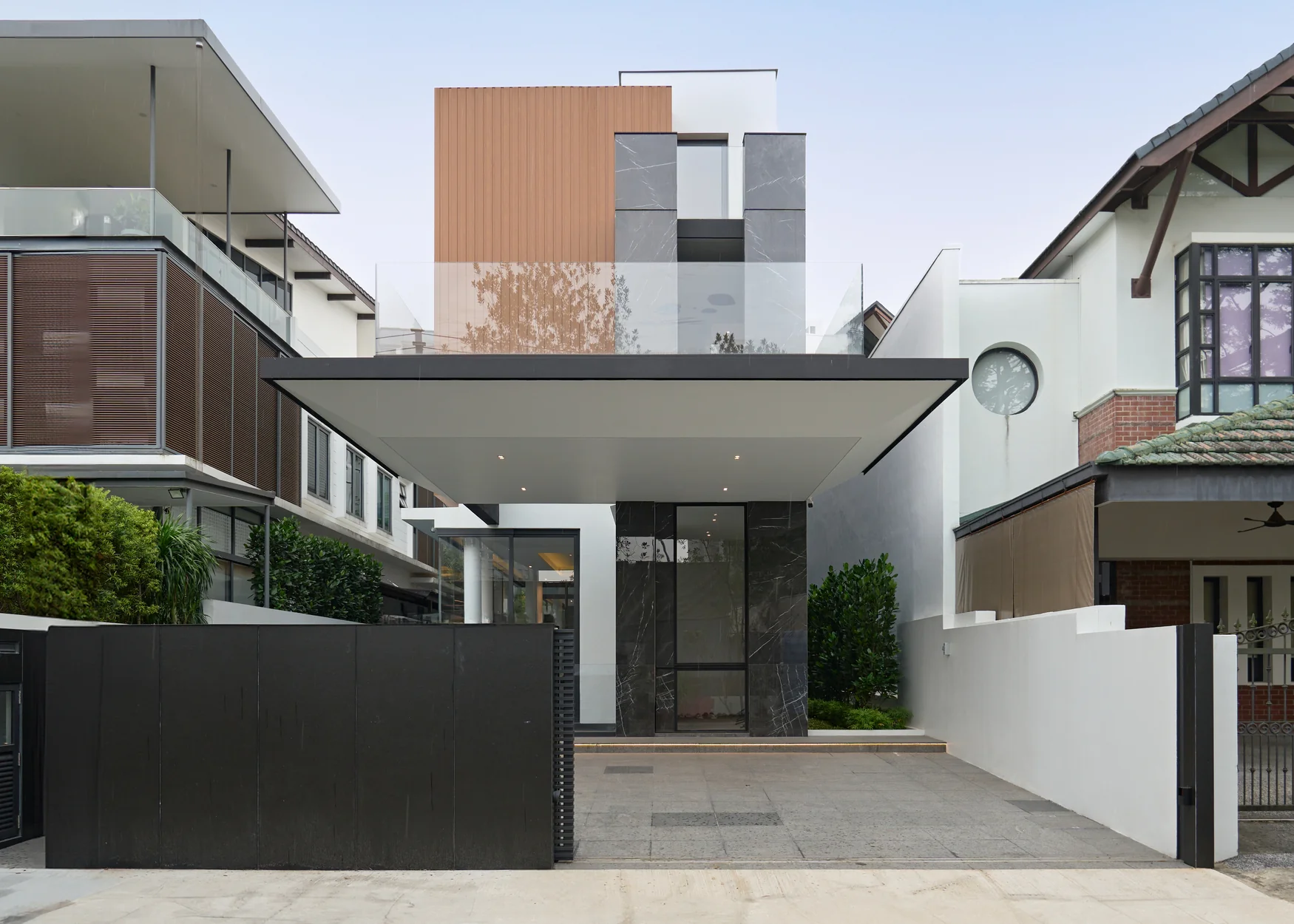
8+1 bed | 10,200 sqft area 19,500,000 SGD
5 bed 19,380,000 SGD
4 bed | 4,208 sqft area POA
3-8 bed | 699,654 - 784,080 sqft area POA
6 bed POA