The new furniture playbook: What Singapore’s luxury buyers actually value now
Photography by Jin Cheng Wong
Across Singapore’s high-end furniture and interiors market, design leaders are seeing more informed buyers, a stronger focus on longevity and quality, and a growing demand for spaces that feel personal rather than prescribed. Luxury design is becoming less about conspicuousness and more about the confidence, craftsmanship, expertise, and considered choices behind a space.
Lim Swee Hoe of Rosso Italia Living, Kelly Williams of Space Furniture, Yung Ong of Proof Living, and Giulia Molteni of Molteni&C tell Boulevard how they are responding to these changes—and what they reveal about the way luxury design is evolving.

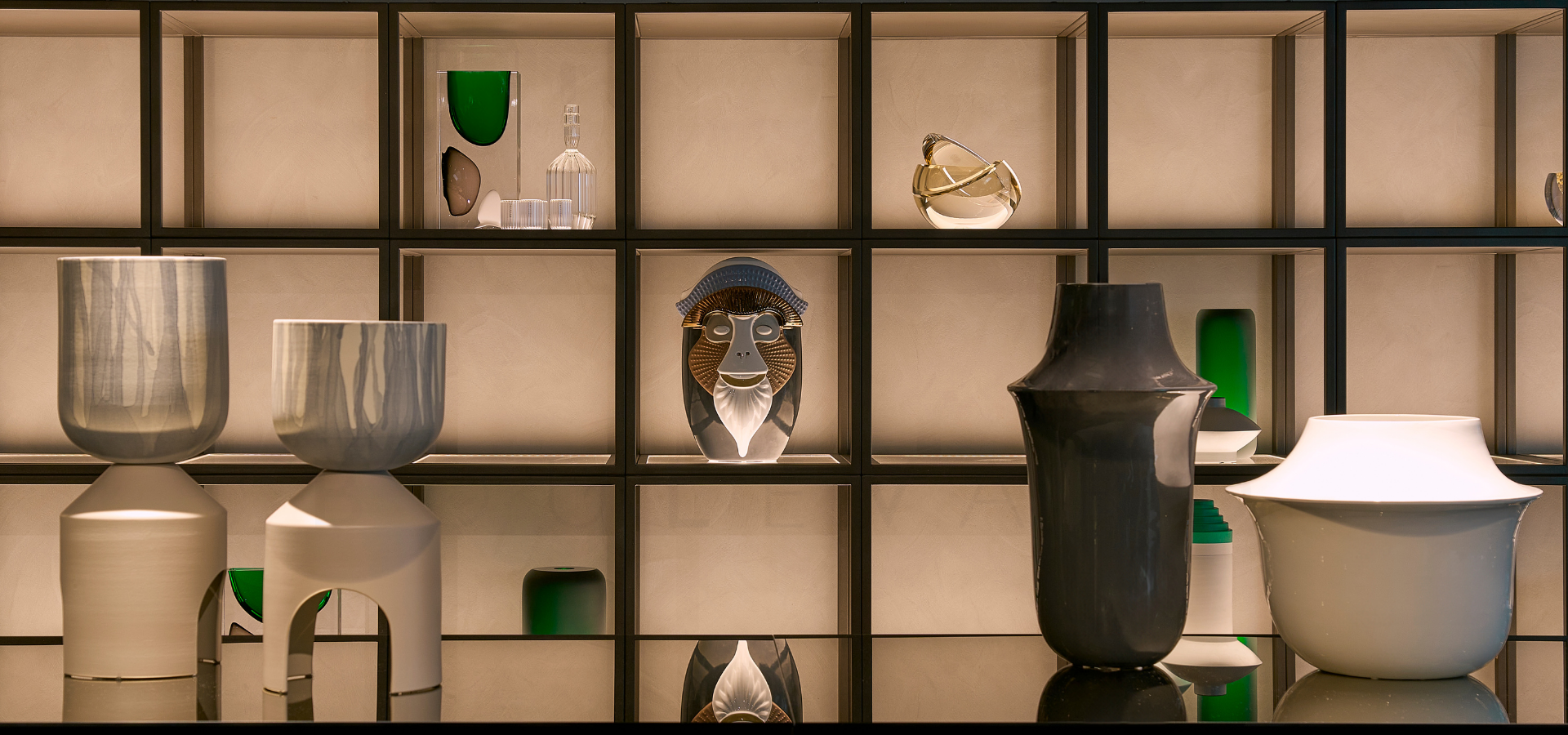
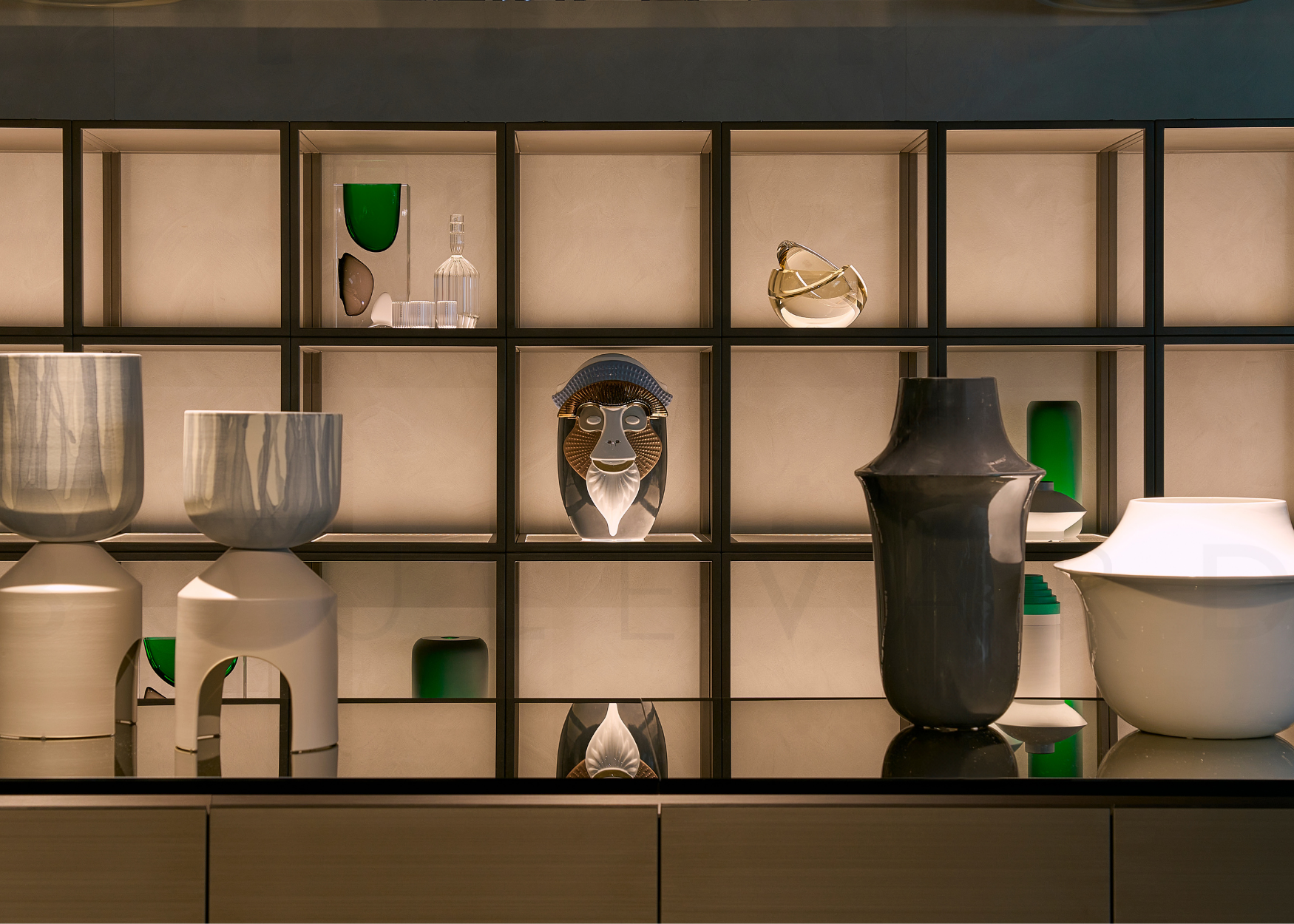
Left: Christophe Delcourt’s collection for Molteni&C features a pair of Odile coffee tables alongside the Emile Sofa. Right: The sculptural Flying Circles Bookcase by Massimo Castagna for Ceccotti Collezioni, showcased by Proof Living. Top: Space Furniture’s accessories gallery displaying various pieces by Bosa, Rometti, Anna Torf, and Fferrone.
What luxury design looks like now
Chief Marketing Officer of Molteni&C, Giulia Molteni:
“There is definitely a search for beauty with a meaning and purpose, expressed in a quieter, more conscious way, far from excess and closer to a sense of balance and restraint.”
Managing Director of Rosso Italia Living, Flexform Singapore, Lim Swee Hoe:
“Flexform prides itself on its quiet, elegant design: something that isn’t too gaudy, that is designed to endure, and that can be passed down to the next generation.”
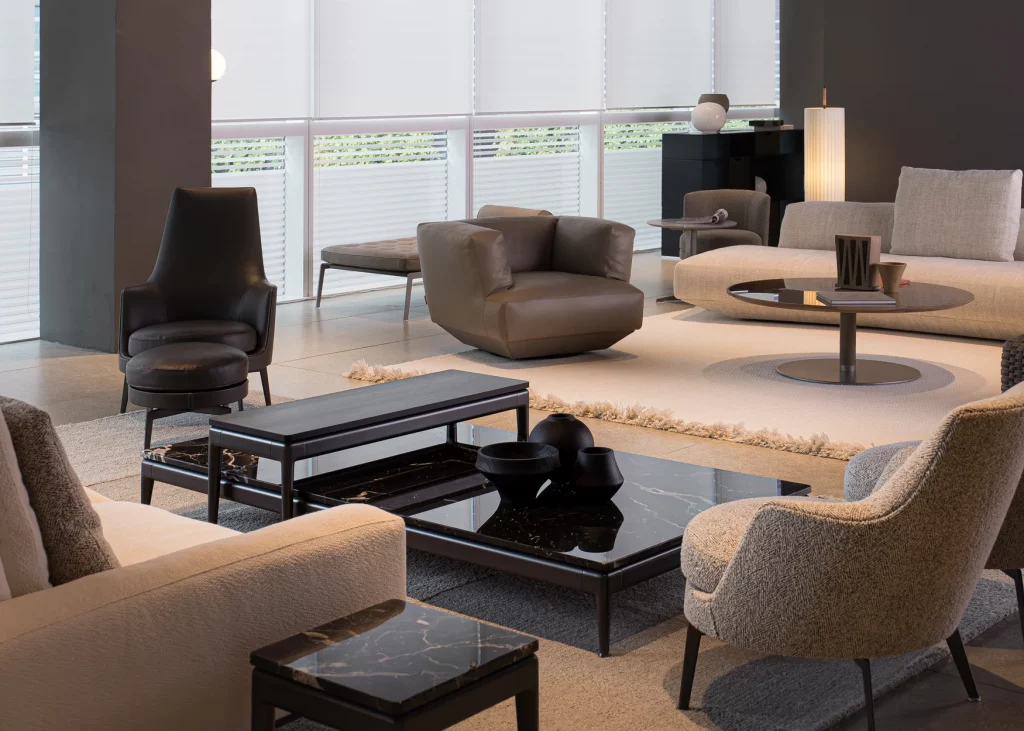
A Flexform favourites showcase featuring the Soft Dream sofa, Guscioalto armchairs, and Feel Good armchair, complemented with the Pico tables, the Magi bench, Loungescape seating, Infinity cabinet, and Eri table in the background.
Managing Director and Founder of Proof Living, Yung Ong:
“Luxury today is confidence, not conspicuousness. While there is a growing trend in general towards quiet luxury, we are finding that our customer base is becoming bolder in their choice of material. They are increasingly open to investing in more luxurious materials like special limited stones and marble slabs and solid woods in special tactile finishes, along with hand-beaten metals with natural patina.”
Head of Sales and Procurement in Asia at Space Furniture, Kelly Williams:
“For a long period, interiors in this market were decided by finish schedules—which marble, which veneer, which lacquer, chosen from a sample the size of a postcard. Clients now ask harder questions. How is it joined? What is underneath? How will it look after 10 years of use rather than on the day it is installed? Solid timber rather than veneer. Stone selected for the vein it carries rather than the vein in the sample.”
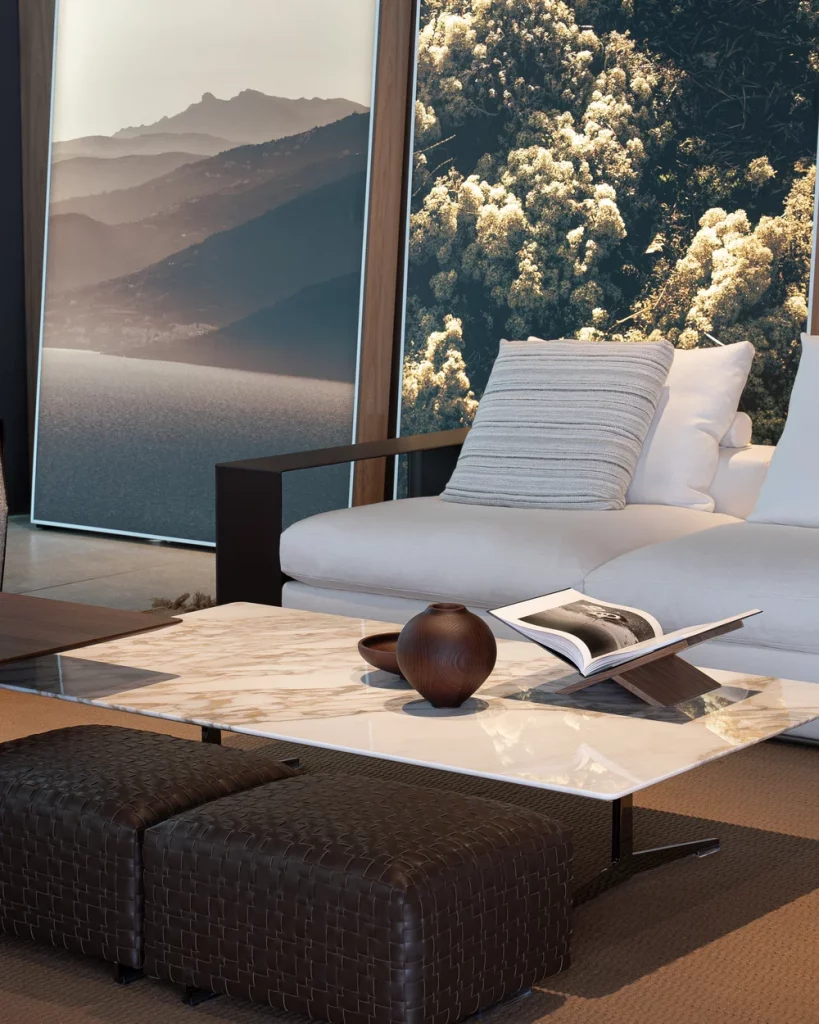
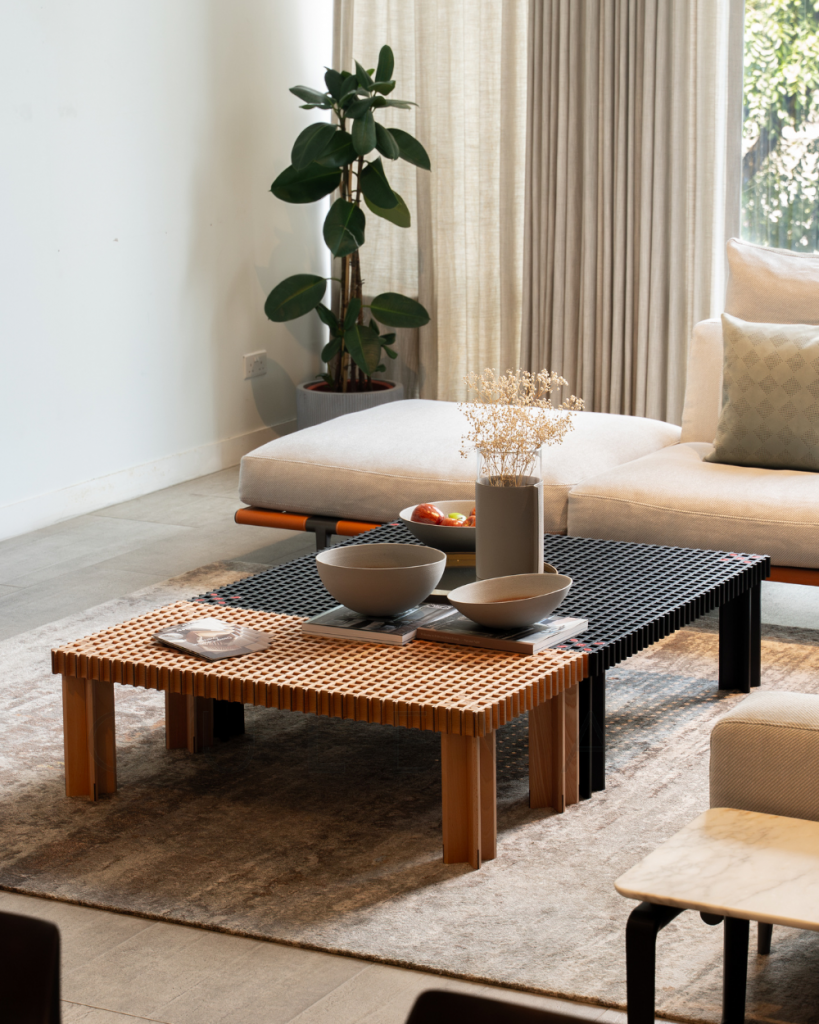
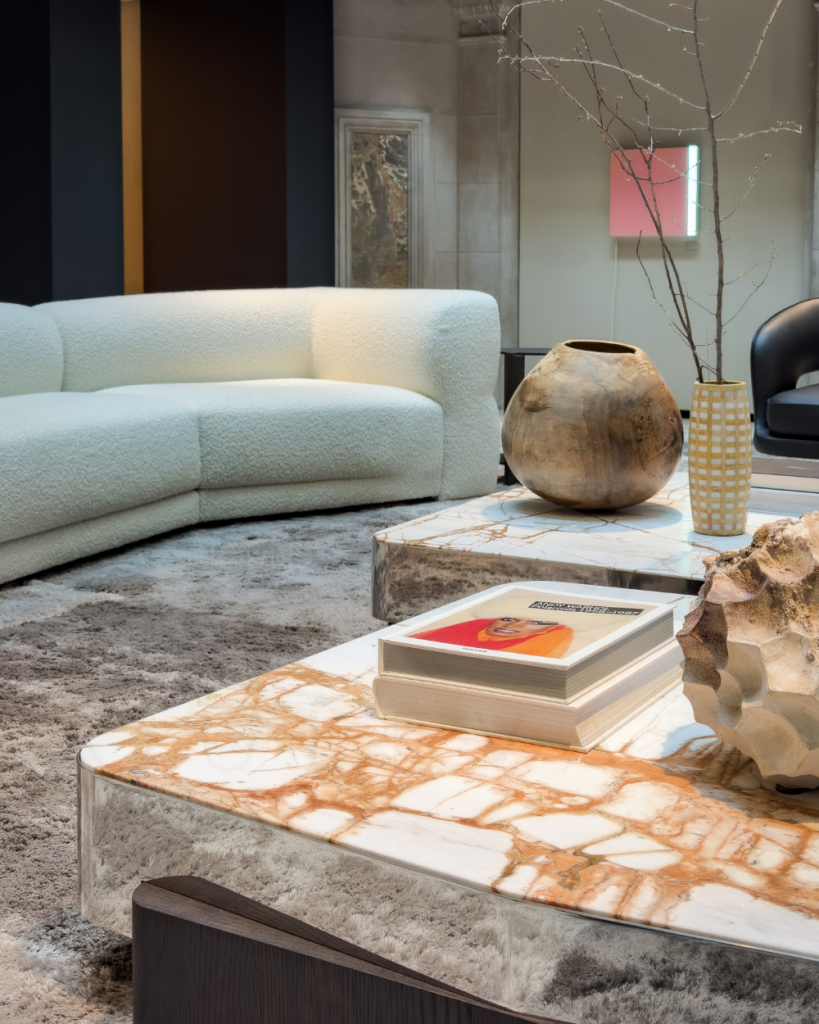
Left: A living room arrangement pairing the Groundpiece sofa with the Fly coffee table and Bangkok ottomans from Flexform. Right: A pair of Kyoto coffee tables designed by Gianfranco Frattini for Poltrona Frau, on display in the Proof Living showroom.
How today’s luxury buyer and homeowner has changed
Ong:
“People are no longer buying trends—they’re investing in longevity. Clients of all ages have a much clearer idea of what they like and their personal style, and are less willing to compromise in their search for items that fit the ideal image of their personal space.”
Williams:
“The real change is that clients are buying earlier in life, and buying fewer things, better.
Also, five years ago, the conversation was largely with a homeowner. Today, a growing share of our volume arrives through architects, designers, and developers specifying on someone else’s behalf. Those are two entirely different clients with different timelines, different risk tolerances, and different definitions of a good outcome.”
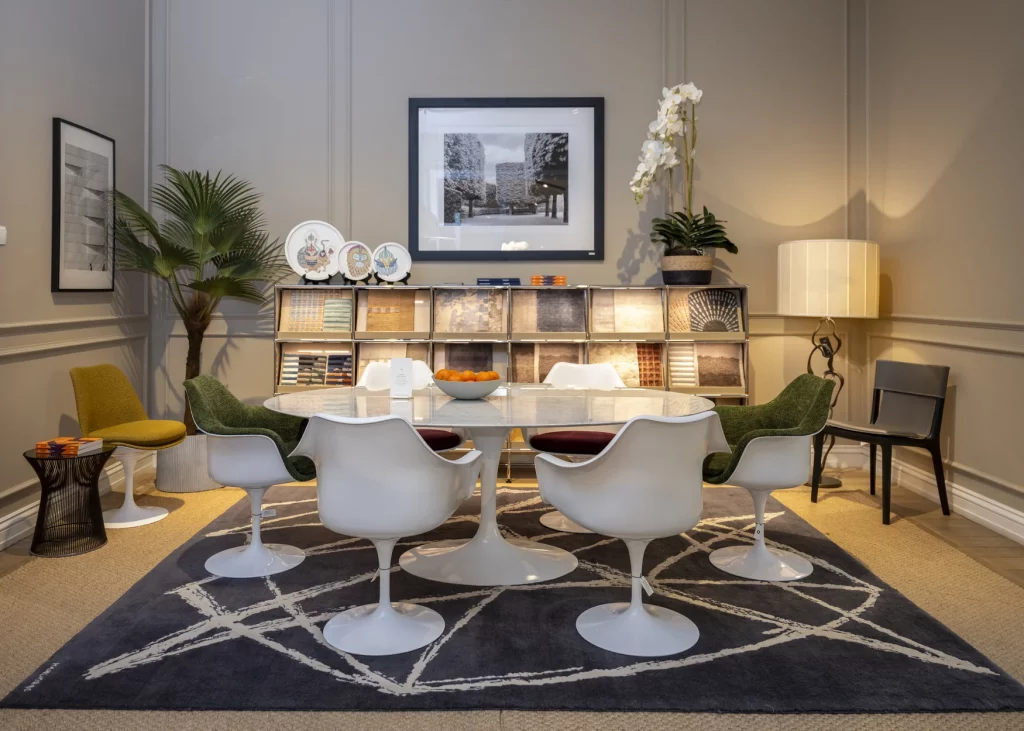
The Saarinen Tulip Round dining table set within Proof Living’s showcase of Knoll and Ceccotti Collezioni. (Photo Courtesy of Proof Living)
Lim:
“People build differently now, with architects, including international names, designing very unique homes for high-net-worth clients whose tastes differ even from their parents’ generation.”
The real value behind every sale
Williams:
“Certainty. What they are paying for is the confidence that the piece arrives, that it is the piece they chose, that it fits the space it was drawn into, and that if something goes wrong, a competent person takes responsibility rather than passes it along. Craftsmanship and authenticity are assumed at this level. They are the entry requirement, not the differentiator.”
Molteni:
“Living is no longer purely functional, but a 360° experience, and our task is to propose solutions that respond to the new needs of contemporary living; it is about creating spaces that reflect and support a culture of quality living values.”
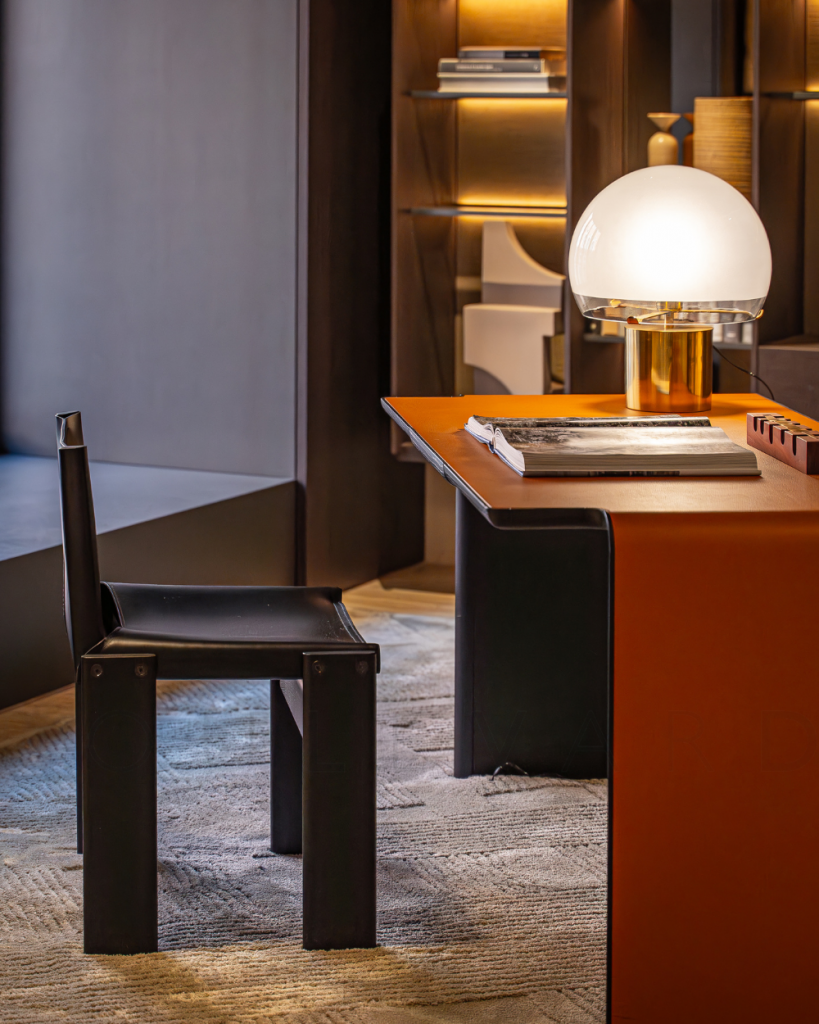
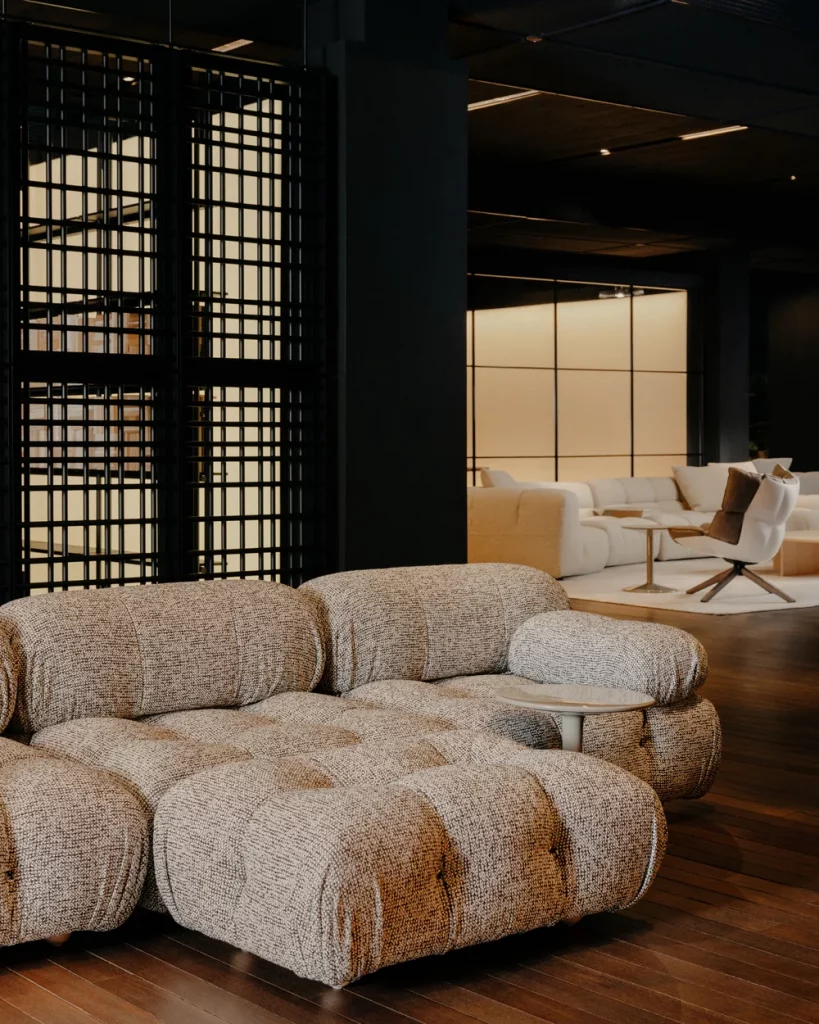
Left: Aria desk by Vincent Van Duysen arranged with the Monk Chair by Afra and Tobia Scarpa all in Molteni&C collection. Right: The Camaleonda modular sofa, designed by Mario Bellini in 1970, showcased at Space Furniture. (Photo Courtesy of Space Furniture)
Lim:
“Everybody wants luxury, but I think it’s more than just luxury. It isn’t just about designing; it’s the manufacturing, the logistics, the sales channel, all of it.”
What differentiates a design brand now
Ong:
“We don’t curate products. We curate homes. For the past decade, Proof Living has evolved to curate brands with a point of view for a whole lifestyle and not just specialised in specific products or product categories.”
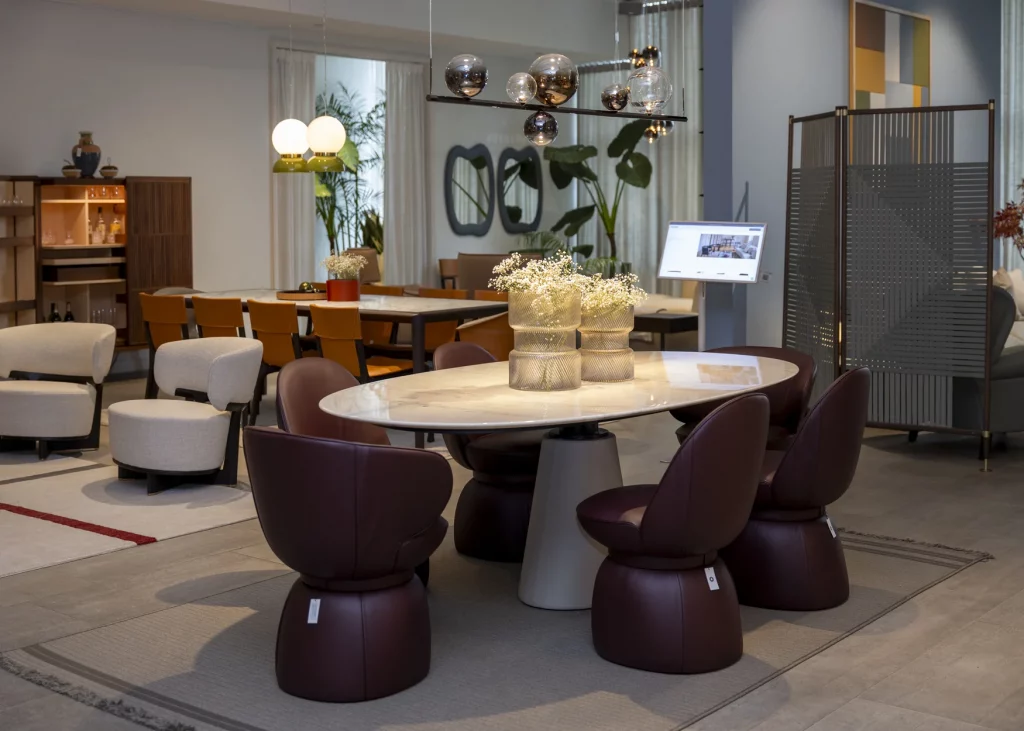
A look inside Proof Living’s showroom, featuring the Mesa Ellipse Table paired with Leplì Chairs by Poltrona Frau. (Photo Courtesy of Proof Living)
Lim:
“This is a brand-new experience centre—the first one Flexform has agreed to anywhere. I surveyed the current market in Singapore, and I thought: I want to do something different. I want my customers, whether corporations or individuals, to have a special place with no hustle and bustle. Prior to opening, we had clients who discovered this new centre and asked to come, and they told us it felt like a genuinely different experience. When you go to other brands, it can feel crowded because too many brands compete for attention. Here, we operate strictly by appointment.”
Williams:
“What distinguishes Space Furniture is not only the brands we represent, but the expertise, insight, and personalised guidance we bring to every project, helping clients create spaces that stand the test of time.”
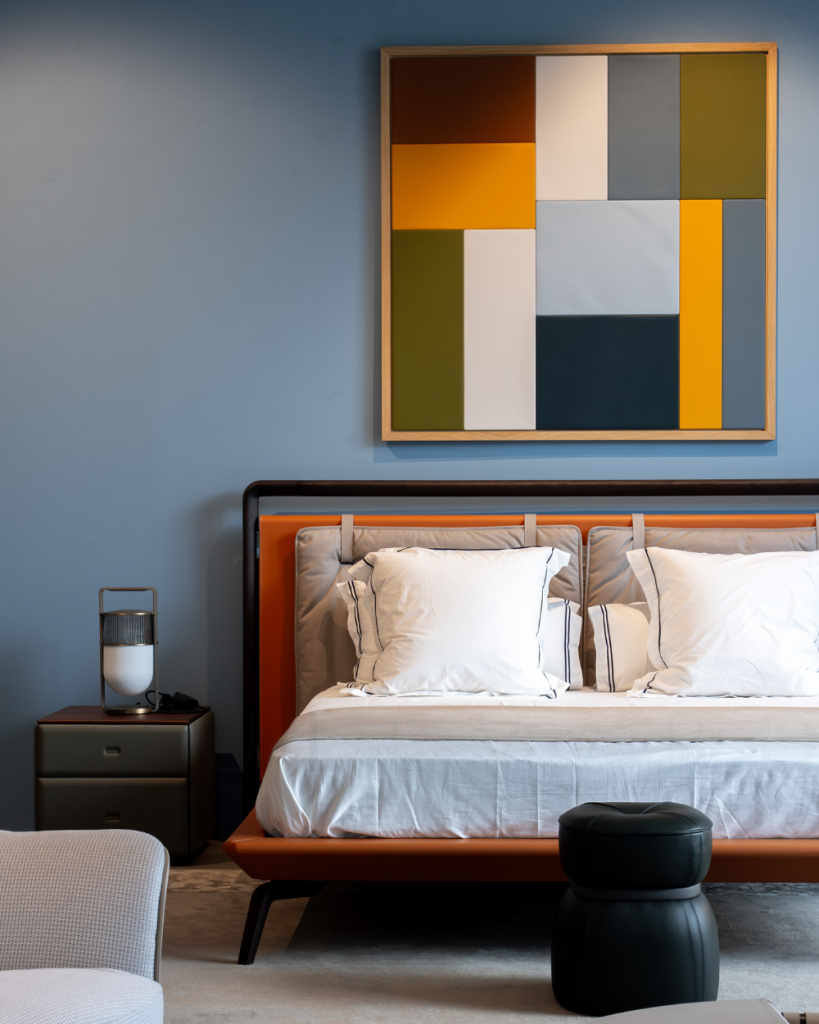
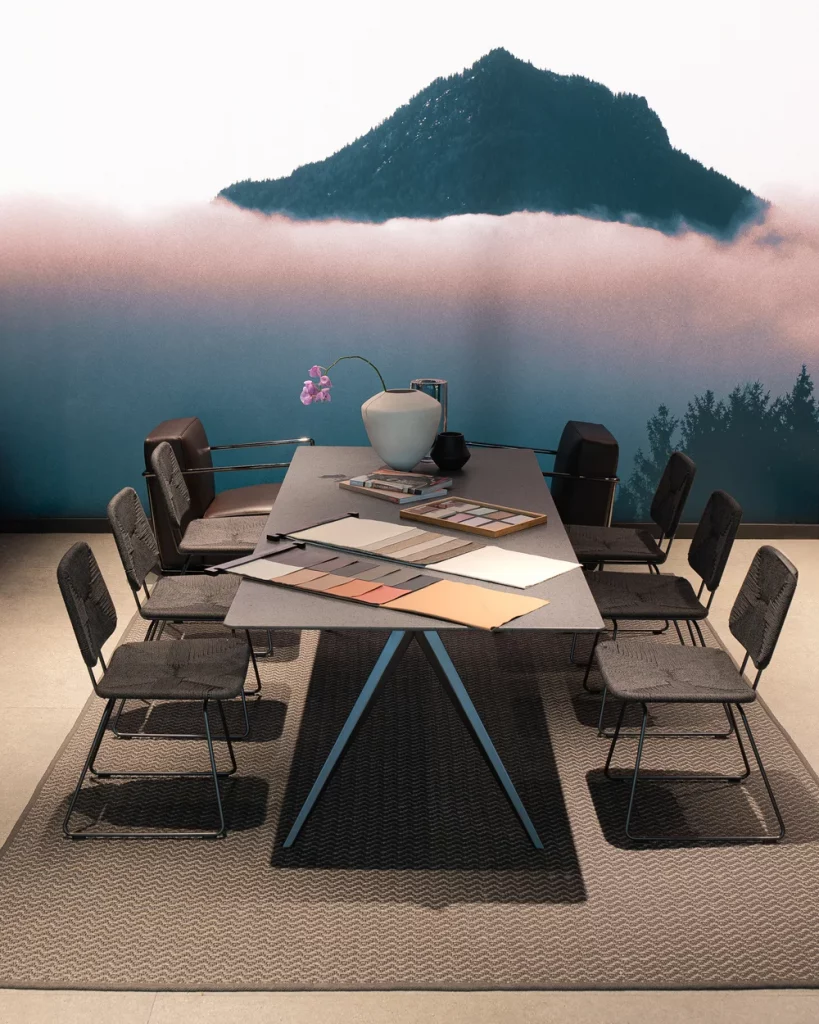
Left: A Poltrauna Frau bedroom ensemble at Proof Living featuring the Volare Due bed and a Tableau graphic wall composition by Simona Cremascoli. Right: Slim frames and sharp angles define Flexform’s Zefiro table and Echoes chairs, bringing a minimalist touch to outdoor spaces.
Molteni:
“Molteni&C is no longer simply a furniture brand. We are continuing to develop our ‘culture of quality of living,’ evolving into an increasingly lifestyle-oriented brand.”
What digital replaced in the showroom—and what it didn’t
Williams:
“The showroom used to be where discovery happened. Discovery now happens online, months earlier, and the showroom has become the place where a decision gets tested. Trust is not a substitute for the showroom. Trust is what gets someone through the door.”
Molteni:
“Digital discovery has changed the journey to the showroom, not reduced its relevance. Clients often arrive better informed, having explored collections and spaces online, making the physical experience more focused and valuable. Digital channels build desire and trust, but they cannot fully replace the sensory experience. The two experiences therefore work together: digital creates familiarity and confidence, while the showroom offers the sensory experience, reassurance, and emotional connection that can turn consideration into a decision.”
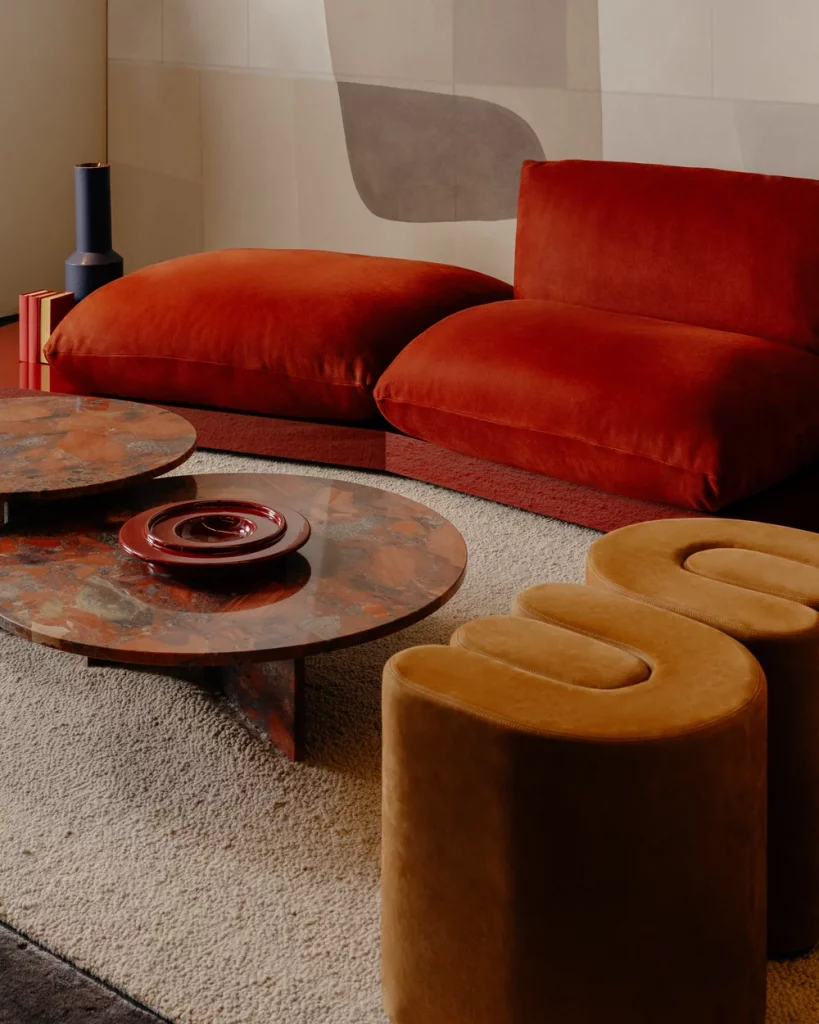
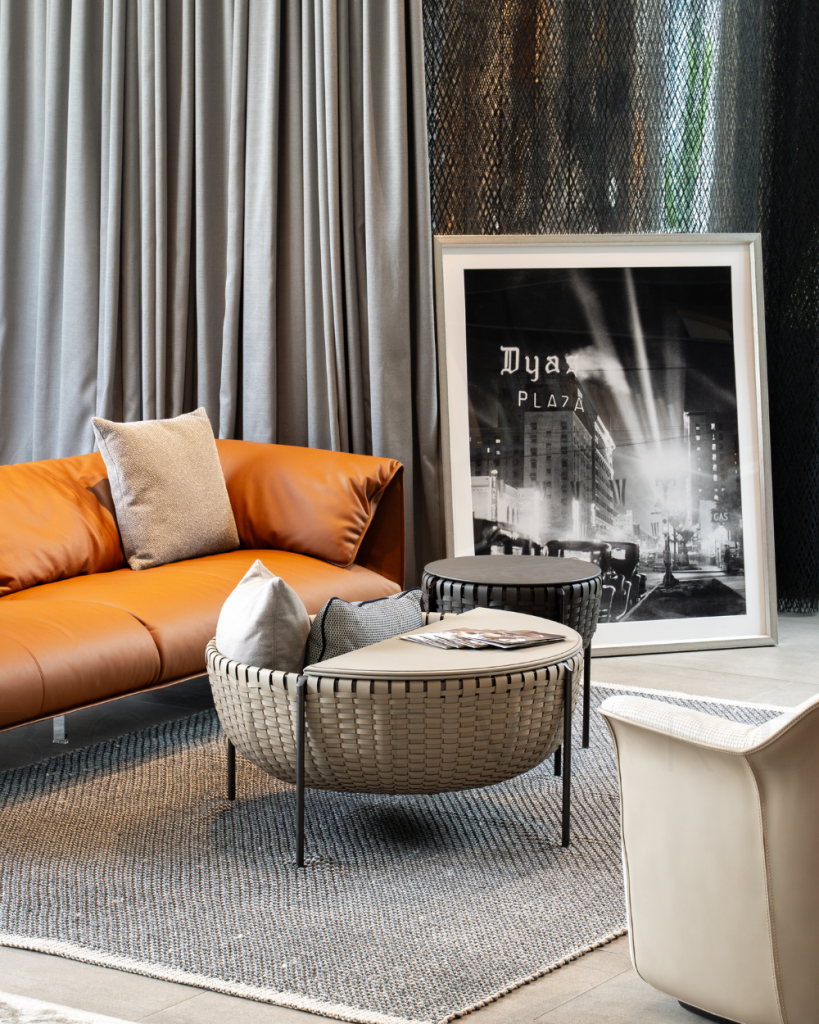
Left: Baxter’s living room collection at Space Furniture, with the Aura sofa, Adel ottoman, and Tebe coffee table. (Photo Courtesy of Proof Living) Right: The Cestlavie coffee table forms the centrepiece of a Poltrona Frau living room arrangement, showcased by Proof Living.
Bespoke, sustainability, and what’s next
Williams:
“True bespoke commission, where a piece does not exist until a client asks for it, is far rarer and reserved for situations where no existing solution can achieve the desired outcome.”
Molteni:
“Clients increasingly demonstrate a growing awareness of sustainability and the environmental impact of their choices. For Molteni&C, sustainability informs every decision, guided by a Group Sustainability Committee established in 2024 with a Sustainability Plan built around the three ESG pillars.”
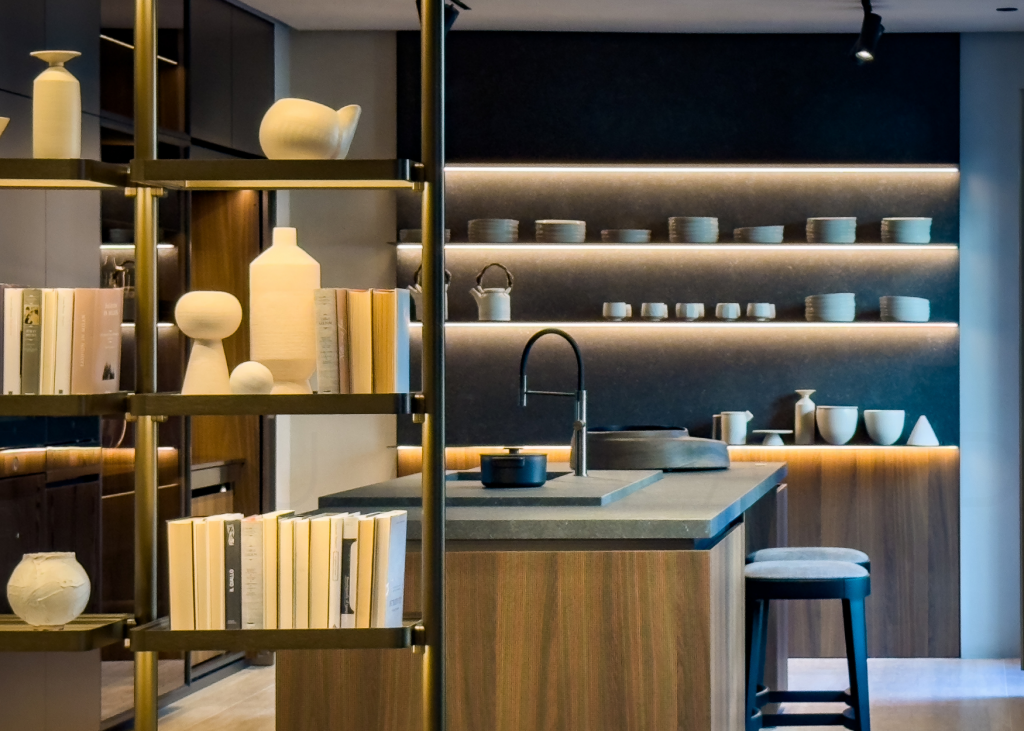
Sculptural forms and refined surfaces define the kitchen collection at Palazzo Molteni in Milan.
Ong:
“The next generation of luxury consumers won’t buy the loudest brand. They’ll buy the most genuine one. The market won’t necessarily become larger—it will become more discerning.”
Read next:
- Inside Flexform’s first experience centre, an appointment-only haven of quiet elegance for discerning clients in Singapore
- The new luxury playbook: CEO insights on what consumers value now
In brief:
What’s changing: Clients are entering the design process earlier and arriving more informed, while architects, designers, and developers are playing a growing role alongside homeowners. Buyers are also becoming more discerning about personal style, quality, and longevity.
The brands:
- Flexform: Italian furniture maison, more than 60 years old, now represented in Singapore by newly formed distributor Rosso Italia Living under managing director Lim Swee Hoe; opened Flexform’s first appointment-only “experience centre” in the world in 2026.
- Molteni&C: Italian design house with a vertically integrated production model, led by third-generation family member and chief marketing officer Giulia Molteni.
- Proof Living: Singapore-based multi-brand design curator founded and led by managing director Yung Ong; after a decade curating full lifestyle interiors, now refocusing on smaller, specialist ateliers.
- Space Furniture: Regional furniture retailer operating for more than 30 years across Singapore, Kuala Lumpur, and Australia; holds agencies for several major European manufacturers.
The takeaway: Across the four businesses, the conversation extends beyond the product itself—certainty of delivery, invisible logistics, and after-sales craftsmanship now play a greater role than the design itself.
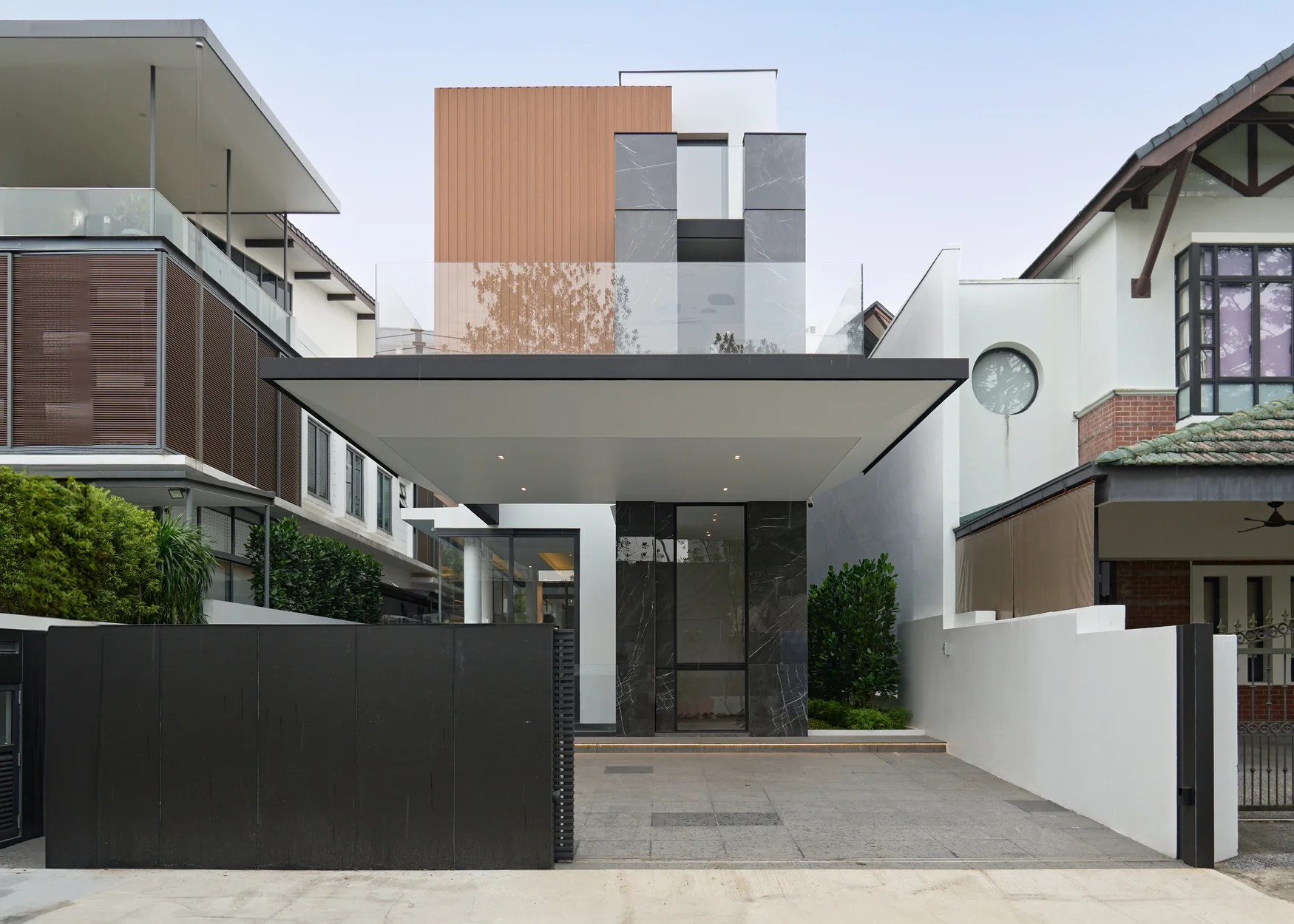
8+1 bed | 10,200 sqft area 19,500,000 SGD
5 bed 19,380,000 SGD
4 bed | 4,208 sqft area POA
3-8 bed | 699,654 - 784,080 sqft area POA

6 bed POA