The interview: Proudputh Liptapanlop on Thailand’s evolving luxury property landscape
by Hamish McDougall
As executive director of Proud Real Estate, Proudputh Liptapanlop oversees a portfolio spanning hospitality, branded residences, and destination-led developments across Thailand. The group’s strategy focuses on creating integrated environments rather than standalone properties, aligned with what Liptapanlop describes as “all is well.”
From InterContinental-branded residences to large-scale lifestyle destinations, their work reflects a shift in Thailand’s luxury real estate towards prioritising service consistency, wellness and long-term asset value.
For Liptapanlop, this evolution is closely tied to a broader rethinking of luxury living, one that draws on hospitality principles to create destinations designed for long-term residency, investment resilience and everyday liveability.
In this interview with Boulevard, Liptapanlop discusses how Phuket, in particular, has transitioned from a seasonal resort market into a more permanent residential address, shaped by a diversified international buyer base and sustained infrastructure investment. Underscoring how lifestyle, not just leisure, is now driving demand, she explains why the destination remains central to their strategy at Proud Real Estate.
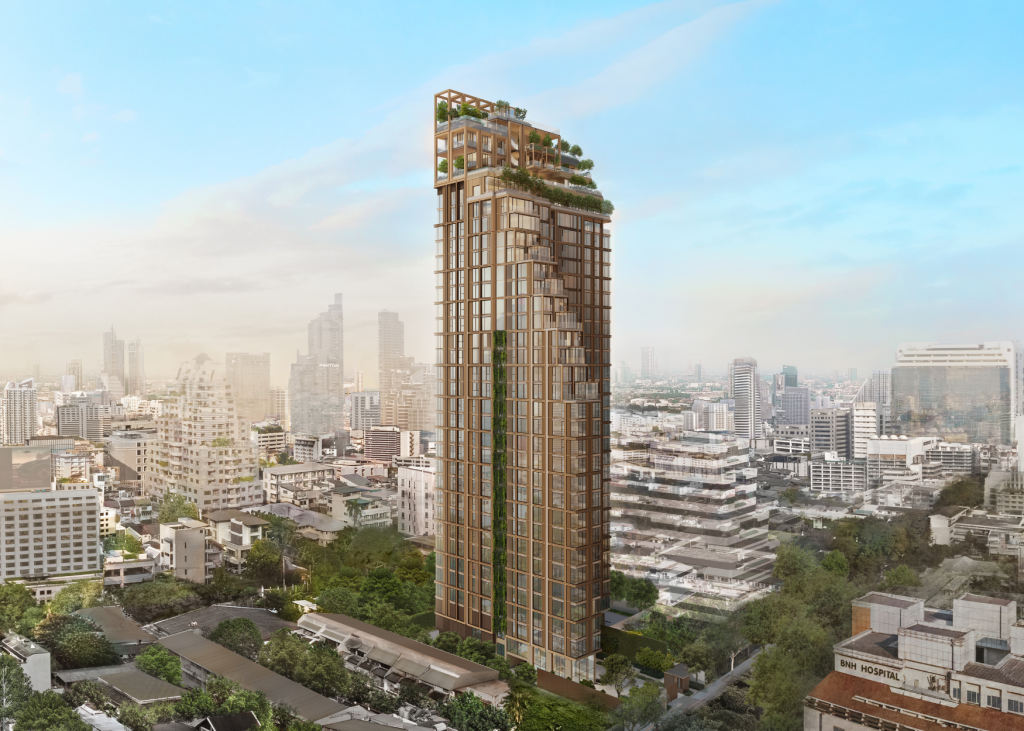
A luxury wellness residences called Romm Convent located in Sathorn, Bangkok.
Boulevard: With your portfolio in mind, I’m particularly interested in the investment perspective—capital allocation, branded residences and how you see the markets evolving. From an investor’s standpoint, if someone is looking to buy-to-rent or buy as part of a growth strategy, I’d really like to understand your investment thesis and how Phuket fits into it.
Proudputh Liptapanlop: As a bit of backstory, we actually started in hospitality with our first hotel, the InterContinental Hua Hin, and we still have a few properties there. Later, we moved into Phuket, where our first investment was the InterContinental Phuket. We also owned the Andamanda Waterpark downtown.
Having operated in Phuket since around 2020, we’ve gained insight into how the market has shifted over the past few years. Pre-covid, it was one market, and post-covid it became something very different and highly dynamic. One clear change is the international buyer pool. The market has diversified away from a heavy reliance on China to include retired Europeans, the broader Asian market, the Middle East and Central Asia.
Alongside this geographic shift, there’s also a change in age and lifestyle. People are no longer just retiring here; they’re coming to set up families and run businesses. This transformation is what makes Phuket so interesting today, evolving from a pure resort or tourist destination to a global destination for living, not just second homes but also primary residences. Infrastructure development and significant investment in Phuket underscore this trend.
While the island’s rapid growth has created pressures around infrastructure and liveability, the government is aware of the issues and is actively working to improve them, ensuring Phuket remains a priority, which adds resilience to the market. The sandbox initiative during covid is a good example of that commitment.
From our perspective, Phuket is a highly strategic and economically important market. It’s also the ideal place to “plant a flag” with international buyers, making it central to our investment strategy.
“The market has diversified away from a heavy reliance on China to include retired Europeans, the broader Asian market, the Middle East and Central Asia.”
Blvd: With 43,000 new units coming online, does that concern you in terms of competition? Does it feel like market saturation, or do you see it as meeting the projected growth and demand in Phuket?
Liptapanlop: Yes, 43,000 units are coming online, but it’s important to look at the data more closely. Many of these units are concentrated in a few areas, and most are in the mid-tier segment. If you focus on luxury and branded residences, they probably make up less than ten per cent of that total.
Combined with the strong spending power we see in Phuket, I believe the market can continue to grow. This is one reason we chose a branded residence approach. Buyers aren’t just looking for a unit—they want quality assurance and service guarantees. For expats moving halfway across the world, having someone there to assist with everyday needs is crucial. The brand association provides a baseline of standards, but we see our role as adding additional layers of sophistication to make the product stand out.
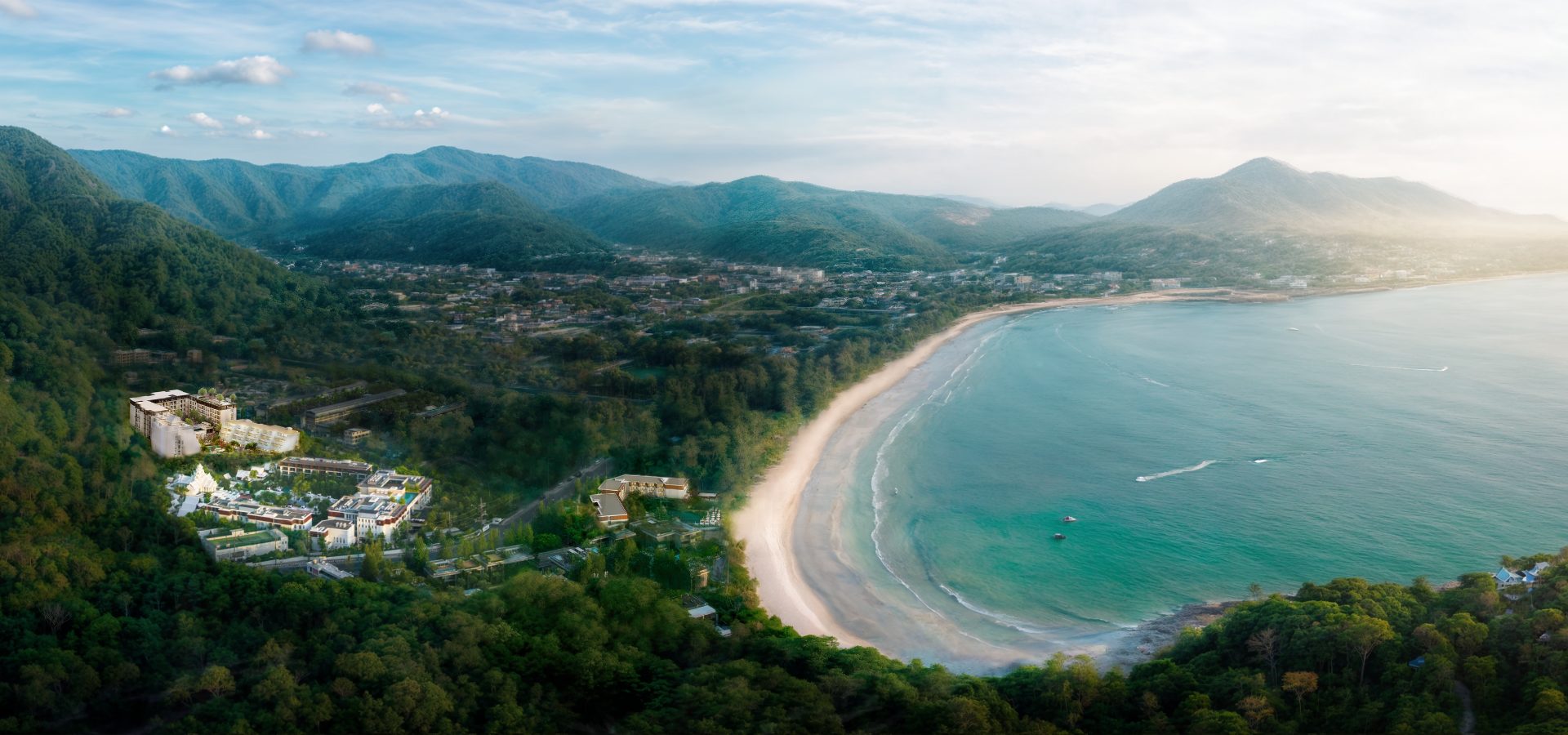
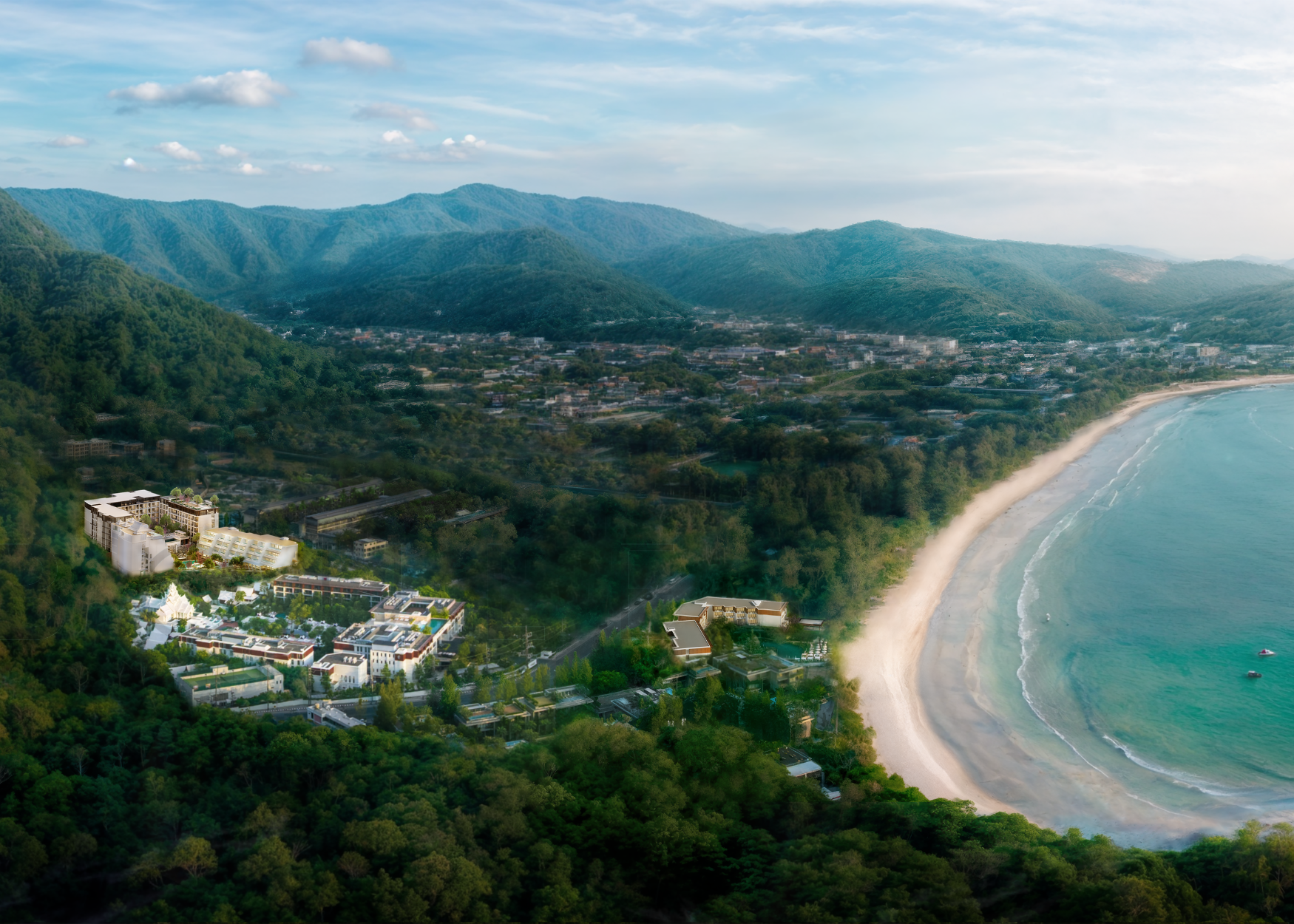
In our case, the project is in Kamala Beach, and of those 43,000 units, probably less than five per cent are in this location. Aside from our development, there are only one or two other projects actively selling there, which helps support asset value.
On the investment side, yields remain strong—around ten to 12 per cent in some cases—well above what you’d typically get elsewhere in Thailand. As long as these returns exist, demand will continue, showing that people still want to live in or rent property in Phuket.
“Buyers aren’t just looking for a unit—they want quality assurance and service guarantees. For expats moving halfway across the world, having someone there to assist with everyday needs is crucial.”
Blvd: Many people—agents, owners and investors—say that Bangkok’s secondary market is challenging, with exits and profitability not always easy, partly due to saturation and a preference for new units. Do you agree with that? And how does Phuket compare—does it face the same issue, or does its market makeup help avoid these challenges?
Liptapanlop: I think that’s a broad statement. Looking at Bangkok first, there’s certainly a lot of new supply, and developers are competing to create the most impressive projects. Prices per square metre keep rising, which actually supports the secondary market. For example, a project launched six years ago might sell for 60 per cent of the price of a newly launched one, giving buyers value options.
What really matters, though, is the unique characteristics of each project—its location, maintenance and overall quality. If those factors are strong, the asset will hold its value. The same applies to Phuket. In some areas, new projects are rare, and certain beaches face land scarcity, with few plots left offering direct beach access.
For beachfront or well-located properties in good neighbourhoods, I believe Phuket will retain its value over the long term. First-time buyers are also likely to make a profit on resale.
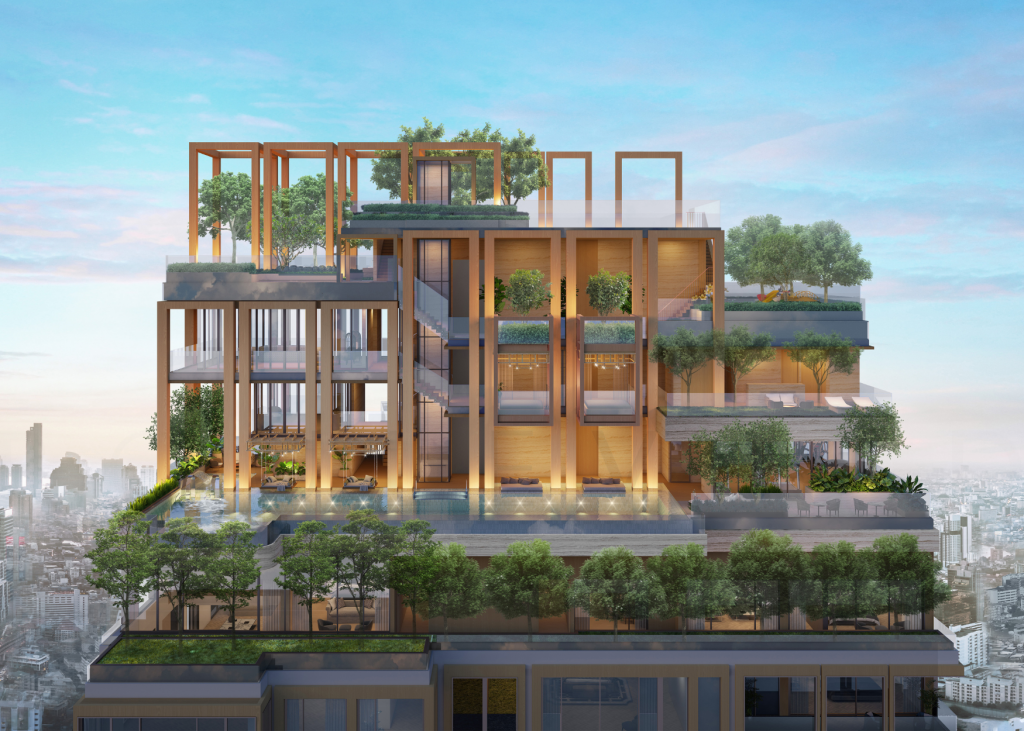
Artist’s render of Romm Convent’s top floors.
Blvd: Thailand’s real estate market is incredibly diverse, and many people only know one or two areas without seeing the full picture. Are there other markets you think are emerging as the next hotspots?
Liptapanlop: There are plenty of emerging markets, of course, and it really depends on the type of buyer you’re looking at. A natural progression from Phuket is the Greater Andaman region. Land prices there are generally more affordable, which makes homes more accessible. We’re seeing a wave of luxury hotels opening in areas like Phang Nga, and with the second Andaman airport coming online, that region is definitely one to watch.
Outside the Andaman, one of Thailand’s best-kept secrets is Hua Hin. For buyers priced out of other areas, Hua Hin offers similar quality at a better value. It’s just a few hours from Bangkok, so residents have access to city facilities while enjoying a tranquil seaside lifestyle. It’s also becoming an established retirement destination for expats, which is driving property prices.
Living costs remain relatively affordable, and major infrastructure projects—including the high-speed railway, airport expansion and new international flights—will further support growth in the coming years.
“We’re seeing a wave of luxury hotels opening in areas like Phang Nga, and with the second Andaman airport coming online, that region is definitely one to watch.”
Blvd: Is there anything else you’d like to share about your wider business? Any other projects coming online?
Liptapanlop: We have another luxury wellness residences called Romm Convent located in Sathorn, Bangkok. It’s opposite an established hospital that many expats in the area use. What’s interesting is that, rather than being purely a luxury residential development, we’ve partnered with the hospital to provide on-site medical services.
These aren’t full hospital services, but conveniences that make life easier—prescription pickup for chronic conditions, a small wellness clinic for office syndrome treatments, nurse visits to units if children fall ill. The project has 180 units, and we expect completion and transfers around mid-2026. It’s an interesting model because of the added lifestyle and wellness services we’re offering.
Blvd: Yes, that medical and wellness component is really interesting. Thailand’s leadership in cost-effective, high-quality medical care is certainly unparalleled in the region, both in terms of trust and reliability.
Liptapanlop: I think that component helps, and it really resonates with the current wave of buyers, especially expats, whether retirees or families. That’s what we aim to do in real estate—offer a little more than just bricks and mortar.
Read next:
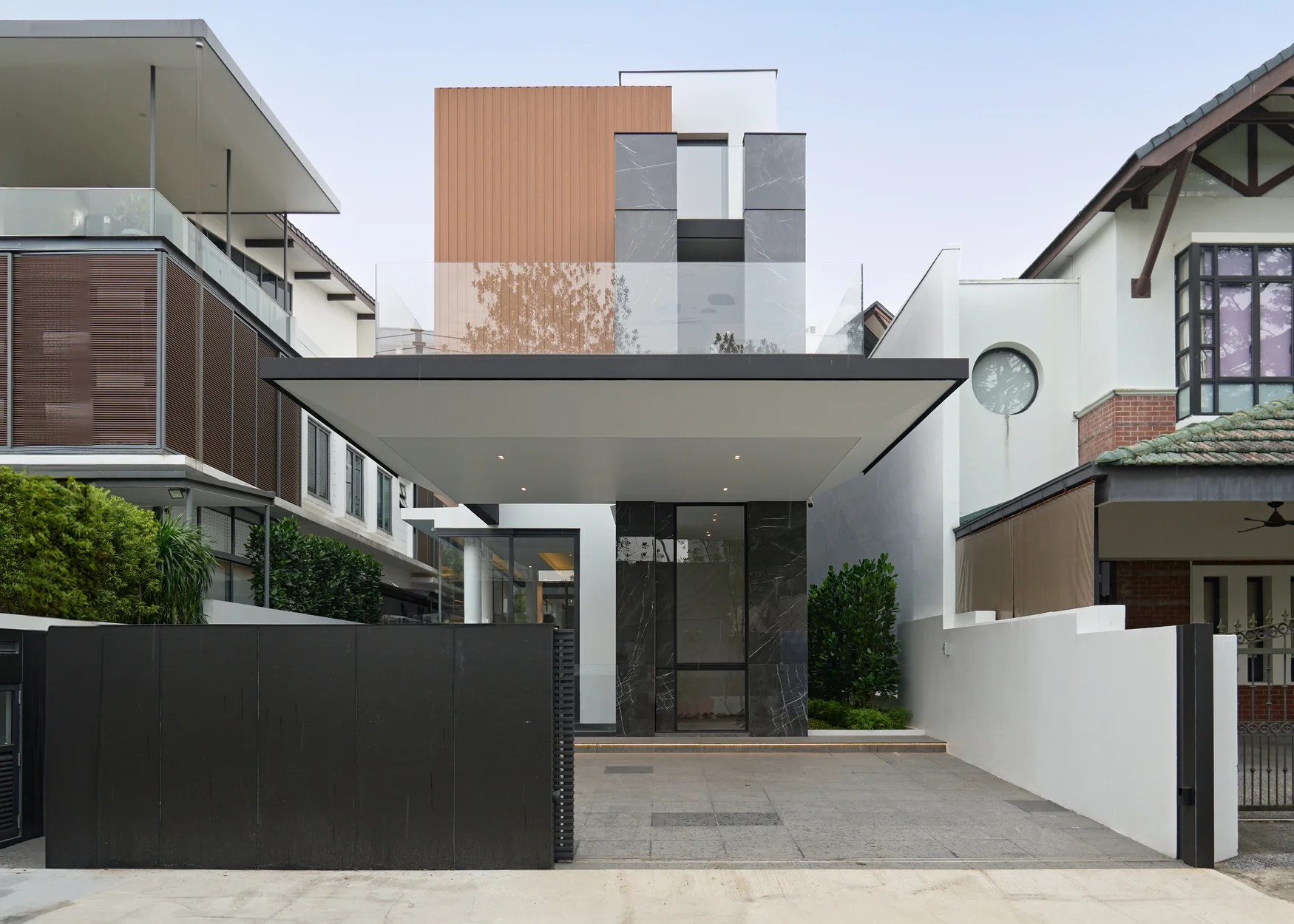
8+1 bed | 10,200 sqft area 19,500,000 SGD
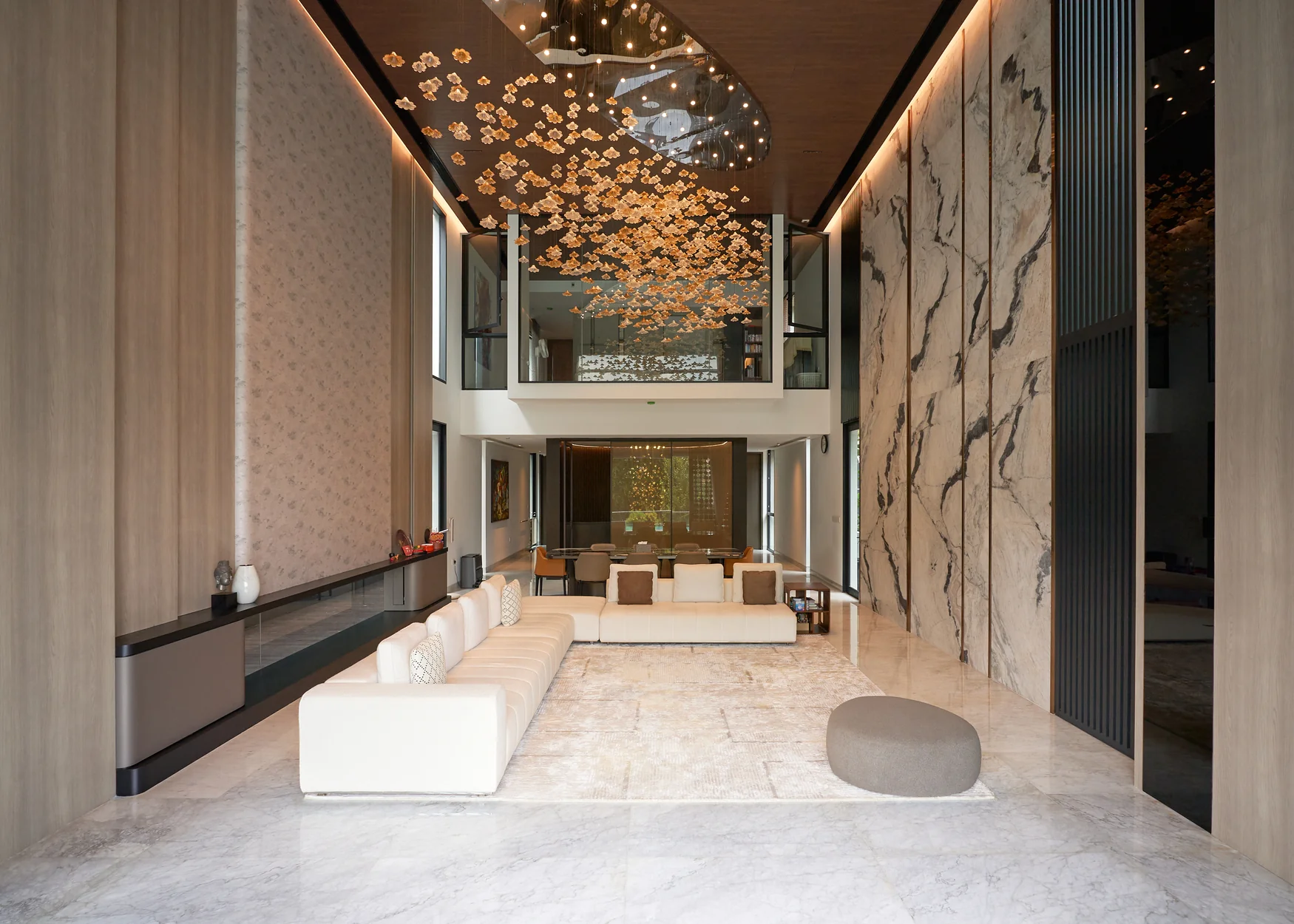
5 bed 19,380,000 SGD
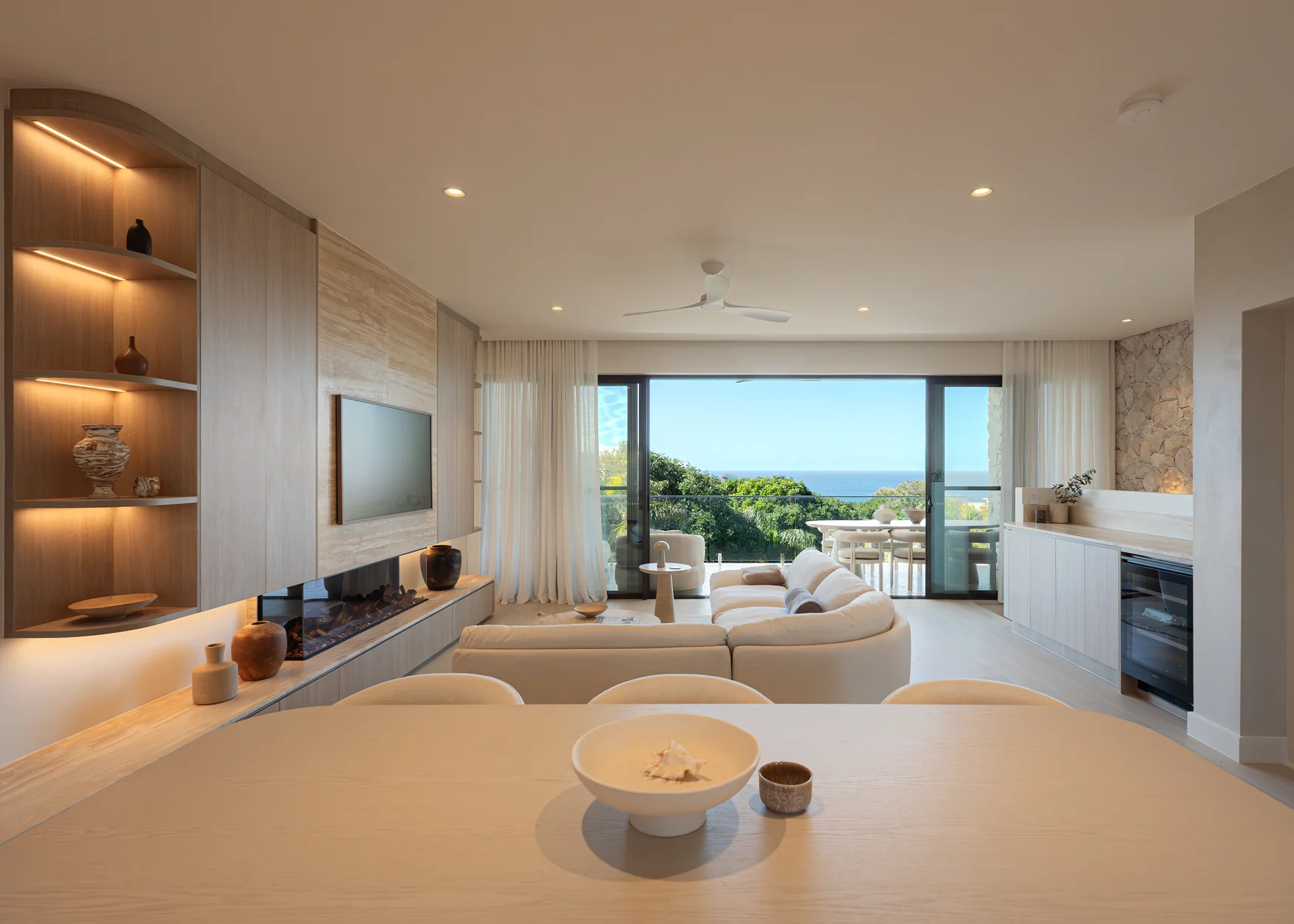
4 bed | 4,208 sqft area POA
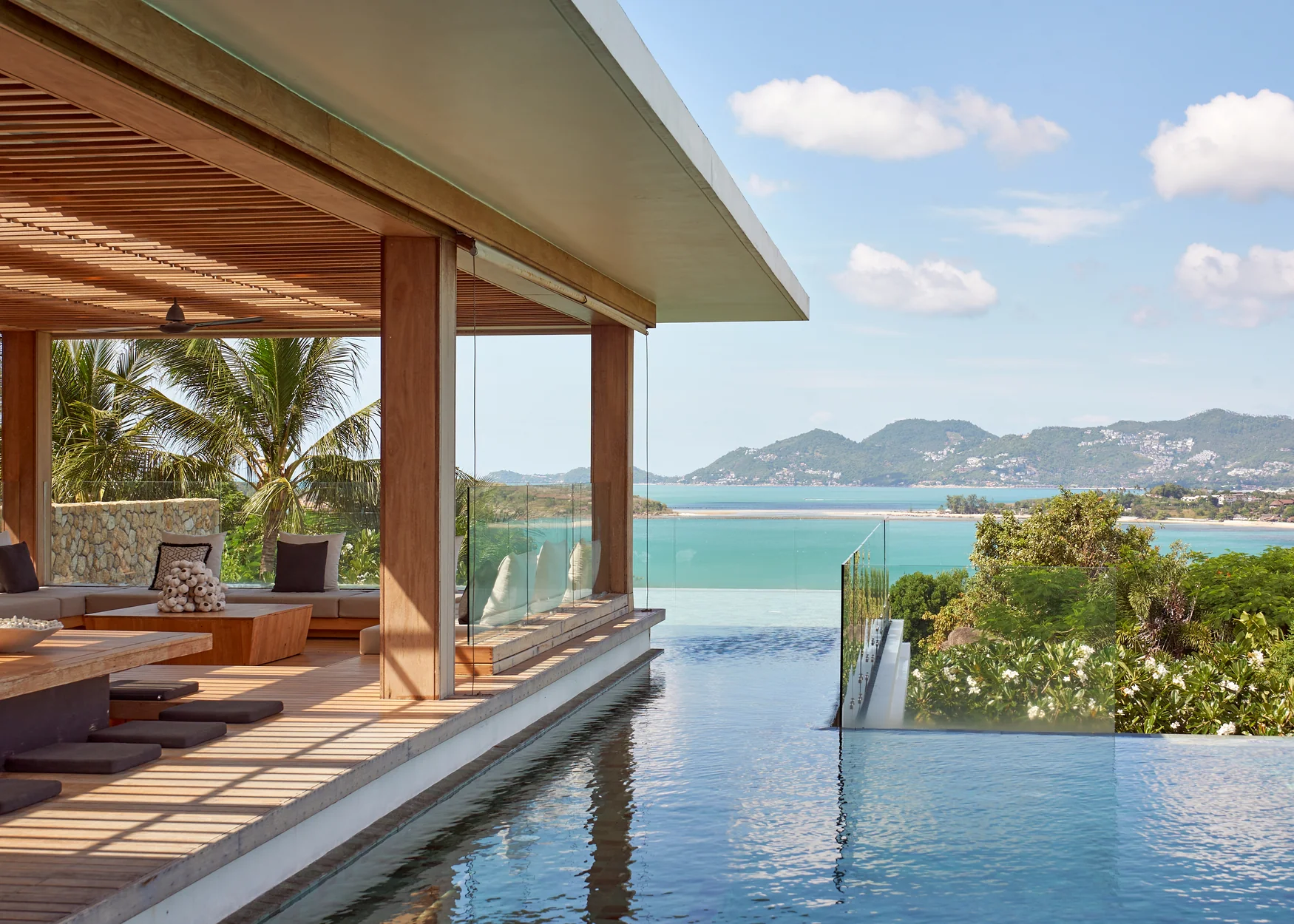
3-8 bed | 699,654 - 784,080 sqft area POA
6 bed POA