The rise and rarity of trophy island homes in Phuket, Thailand
by Hamish McDougall
Photography by Jin Cheng Wong
With its pristine coastlines, rich cultural landscape and ever more refined infrastructure, Phuket retains a rare global allure—that is now matched by a booming ultra-prime property market. Boulevard speaks to top agents and developers to discover the trends, expectations, and just what it takes to secure that trophy island home.
A staggering 43,481 properties worth an estimated US$14.1 billion are available in Phuket’s primary residential market, according to research by C9 Hotelworks. It’s a number made all the more staggering by the backdrop of sluggish sales and increasing saturation elsewhere in Thailand, where as many as 400,000 new condo units are currently unsold—more than half of them in the capital—per the Agency of Real Estate Affairs.
But Phuket has been a breakaway property market for some years now, thanks to its heady mix of enviable lifestyle factors, savvy and attractive visa programmes, and increasingly sophisticated infrastructure—not to mention the runaway demand from key investor markets (Russia, China) seeking to offshore funds, and often families. And even if the mass market tips into oversupply, ultra prime tells a different story.
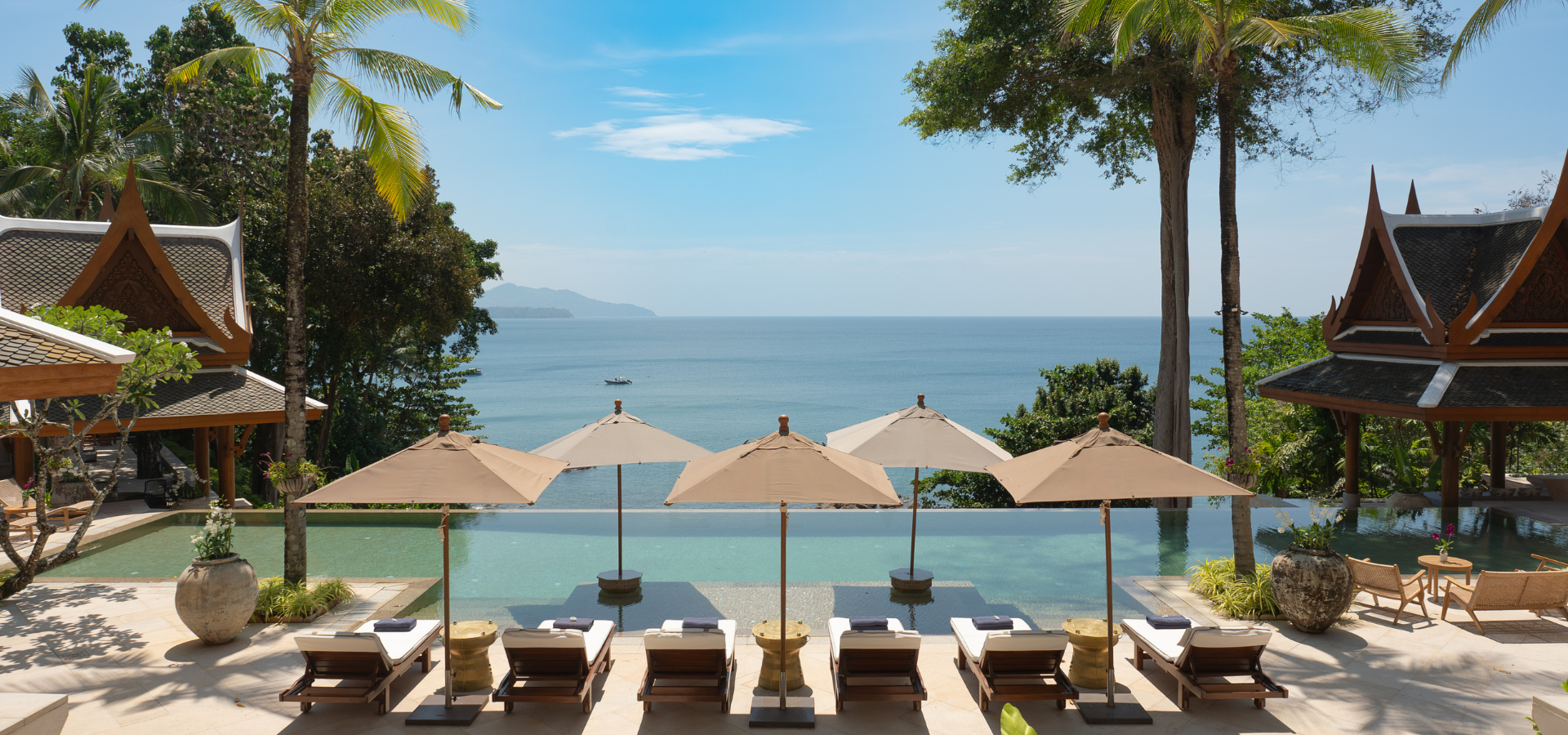
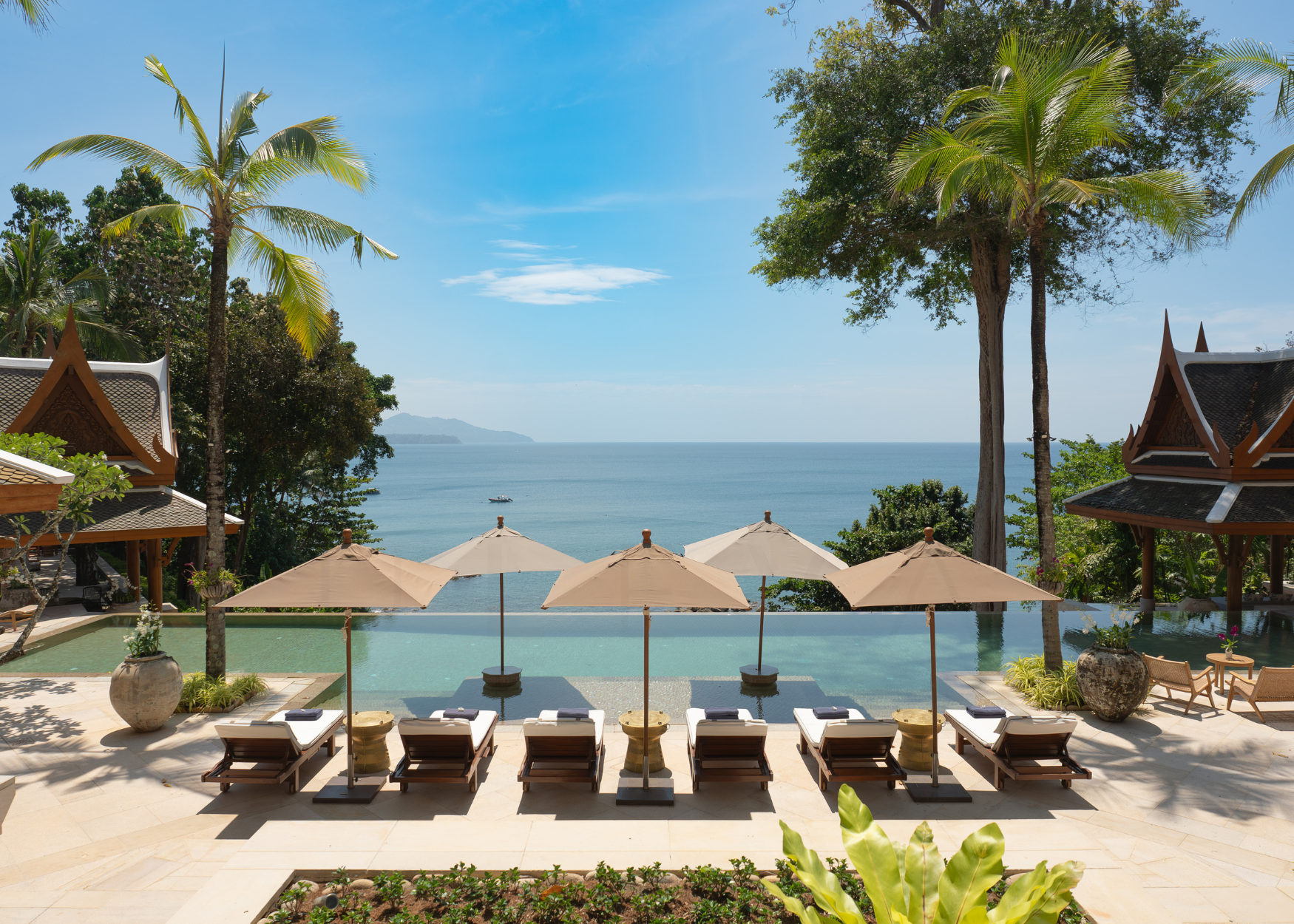
‘Villa Sawan’ is an idyllic estate with five-star facilities, overlooking the Andaman Sea in Kamala Beach.
“Yes, 43,000 units are coming online, but it’s important to look at the data more closely,” says hotelier and developer Proudputh Liptapanlop, whose Proud Group recently launched residences for sale at the InterContinental resort in Kamala. “Many of these units are in the mid-tier segment. If you focus on luxury and branded residences, they probably make up less than ten per cent of that total.”
This sentiment is echoed by Gaël Ovide-Etienne, co-founder of Phuket-based luxury agency Ocean Worldwide Real Estate: “While the broader market has tens of thousands of units in the pipeline, ultra-prime properties are a tiny fraction of that. If you’re looking for a panoramic oceanfront villa, you may have to wait for an existing owner to sell. This scarcity shows up in pricing: sea-view and beachfront properties carry a 20 to 25 per cent premium over comparable inland homes. The bottom line is that limited supply against persistent international demand underpins the long-term value of Phuket’s top-tier real estate.”
International demand has not only grown, but completely reshaped the luxury market, as global post-covid lifestyle changes dovetailed with Phuket’s widescale improvements in infrastructure—not just in tourist amenities, but also across education, health and expat communities. In the space of the last decade, the market leapt from short-stay hospitality, to long-stay and, increasingly, residences, while the design, amenities, size, and, inevitably, price all leapt forward in lockstep.
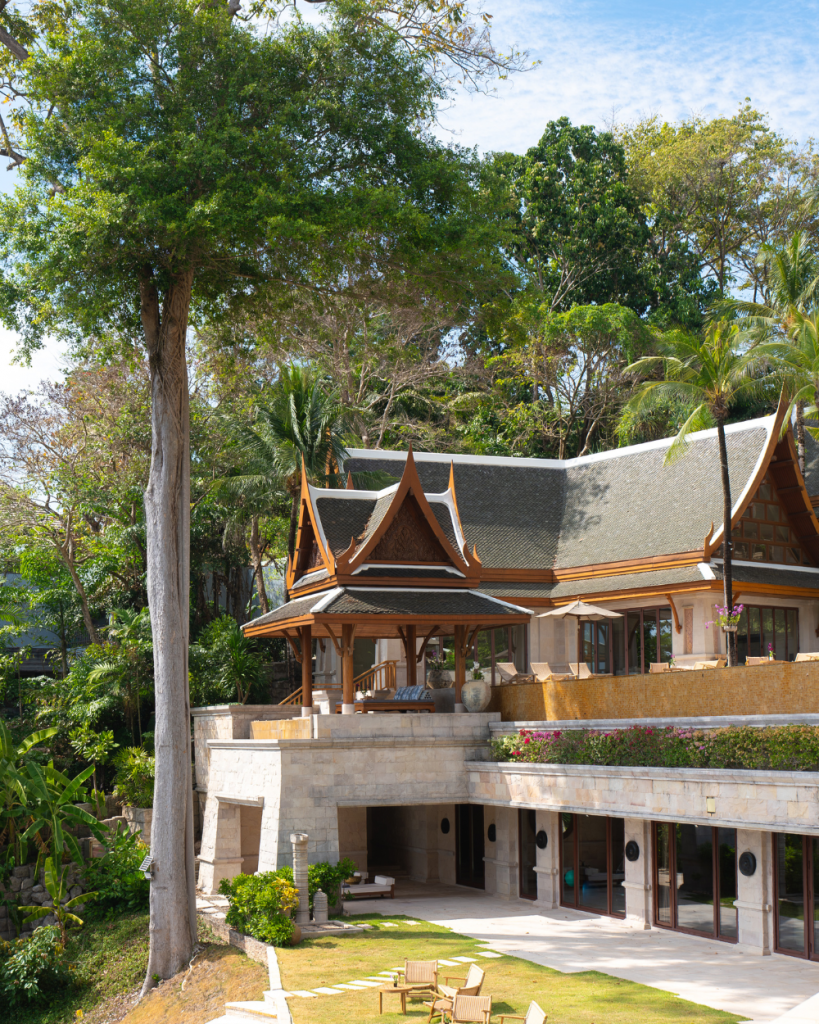
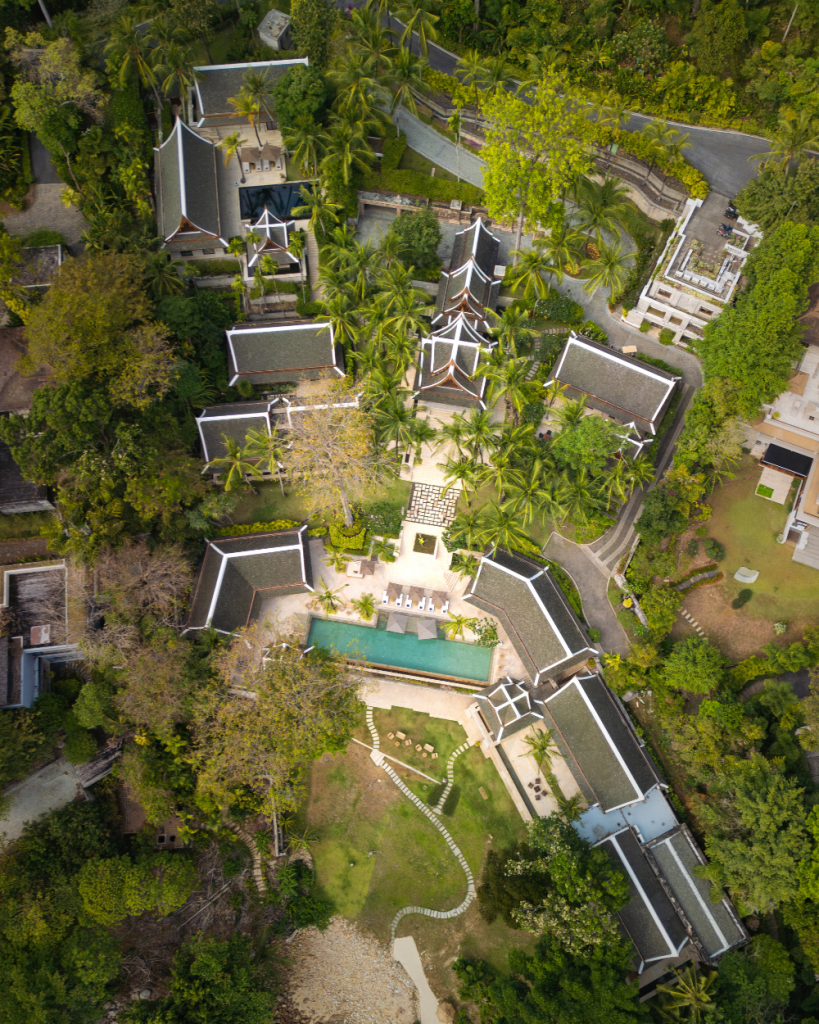
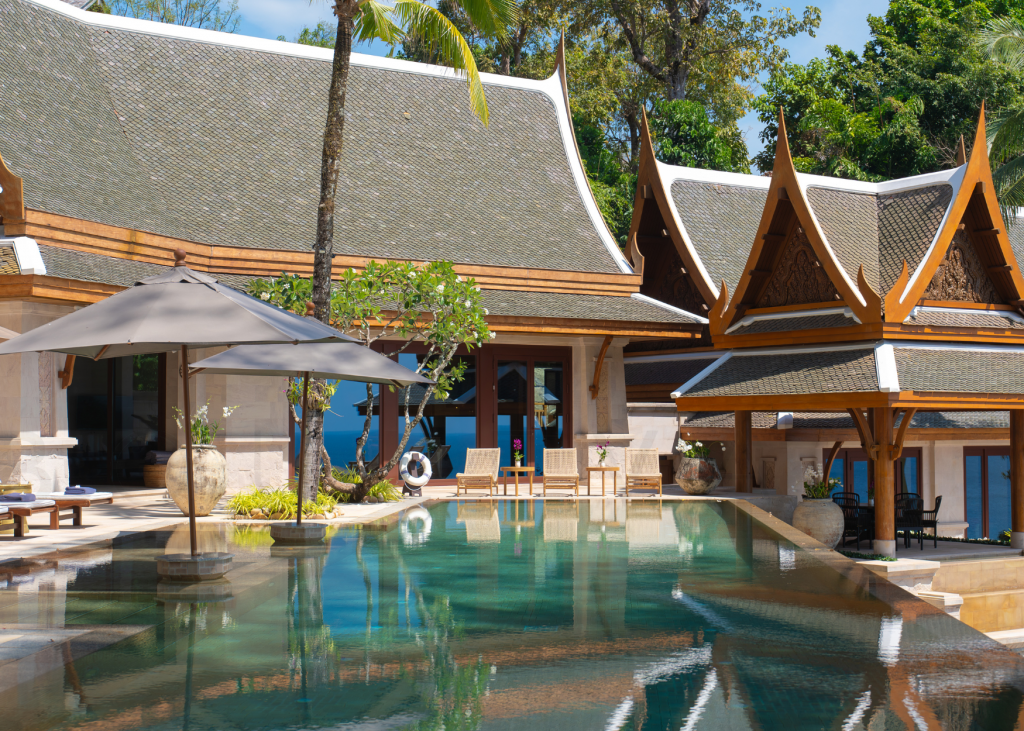
Villa Sawan features lush landscaping, expansive indoor-outdoor spaces and eight bedrooms that accommodate up to 18 people.
“The market has diversified from a heavy reliance on China to include retired Europeans, the broader Asian market, the Middle East, and Central Asia,” says Liptapanlop. “Alongside this geographic shift, there’s also a change in age and lifestyle. People are no longer just retiring here—they’re coming to set up families and run businesses.”
Adam Taugwalder, owner of luxury real estate advisory, CB Prime, notes the seismic shift in the use case for ultra-prime property: “Phuket remains primarily a second-home market. However, we are seeing a growing trend of buyers treating it as a semi-primary residence, typically spending three to four months per year on the island, supported by flexible work patterns and lifestyle migration trends.”
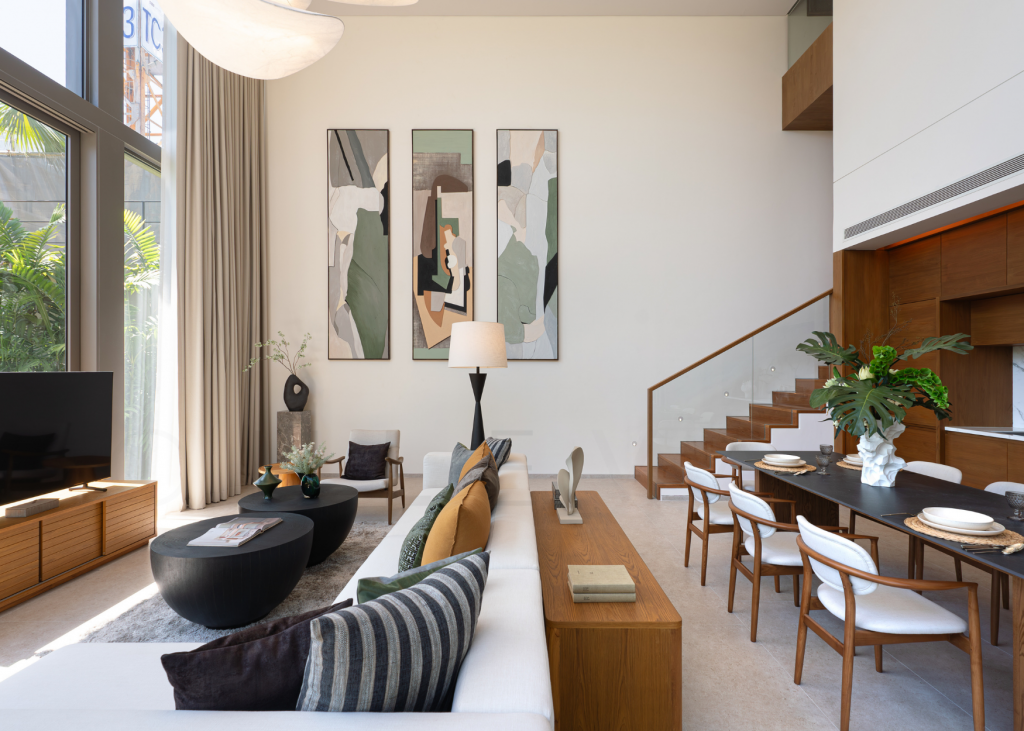
This four-bedroom branded pool villa in Kiara Reserve is set on a lush, ocean-facing hillside in Layan Bay.
While the region offers abundant and ever-increasing competition for the prestige hospitality market—Bali, in particular, has a near-mythical grip on global travellers’ imaginations—there are few, if any, markets that genuinely compete on the level of residential infrastructure, including international schools, healthcare and airport connectivity. And that’s not just the case in South-East Asia, but true of most global luxury hotspots, from Ibiza, Como or the Côte d’Azur to Cabo, Seychelles or St Barts. Phuket offers unique appeal to a global market of ultra-prime investors.
“What sets Phuket apart is the combination of tropical beauty with genuinely world-class infrastructure,” says Ovide-Etienne. “You get pristine beaches and lush hills, but also international hospitals, top private schools, luxury marinas, fine dining and an airport with direct flights to global hubs. There are championship golf courses, Michelin-starred restaurants, high-end beach clubs and a well-established expat community that makes day-to-day life comfortable and cosmopolitan.”
The rise of ultra-prime properties in Phuket
As buyers’ lifestyle requirements sea-changed in favour of longer stays, larger families and hotel-grade amenities, the property market scrambled to keep pace with an arms-race of scale, finish and facilities—led by a handful of prescient developers that had already placed bets on landmark residential properties. “When we launched Layan Residences by Anantara, the villas were 1,000 to 1,500 square metres, five to seven bedrooms,” says Omar Romero, chief development and luxury officer at Minor Hotels. “People thought we were crazy, and that it would never sell. Then covid happened, and suddenly buyers were paying US$10 million per unit. Recently, we even had a resale for US$23 million. It’s far beyond anyone’s expectations, and shows that the formula really works.”
Felix Desjardins, who specialises in ultra-prime properties at List Sotheby’s International Realty, notes that the Phuket market has almost no ceiling: “Properties in the ultra-prime category generally start from about one rai of land (roughly 1,600 square metres), with living areas close to 1,000 square metres. At the top end, there are exceptional beachfront compounds up to ten times larger, complete with indoor basketball, tennis courts, golf simulators, climbing walls—virtually anything imaginable.”
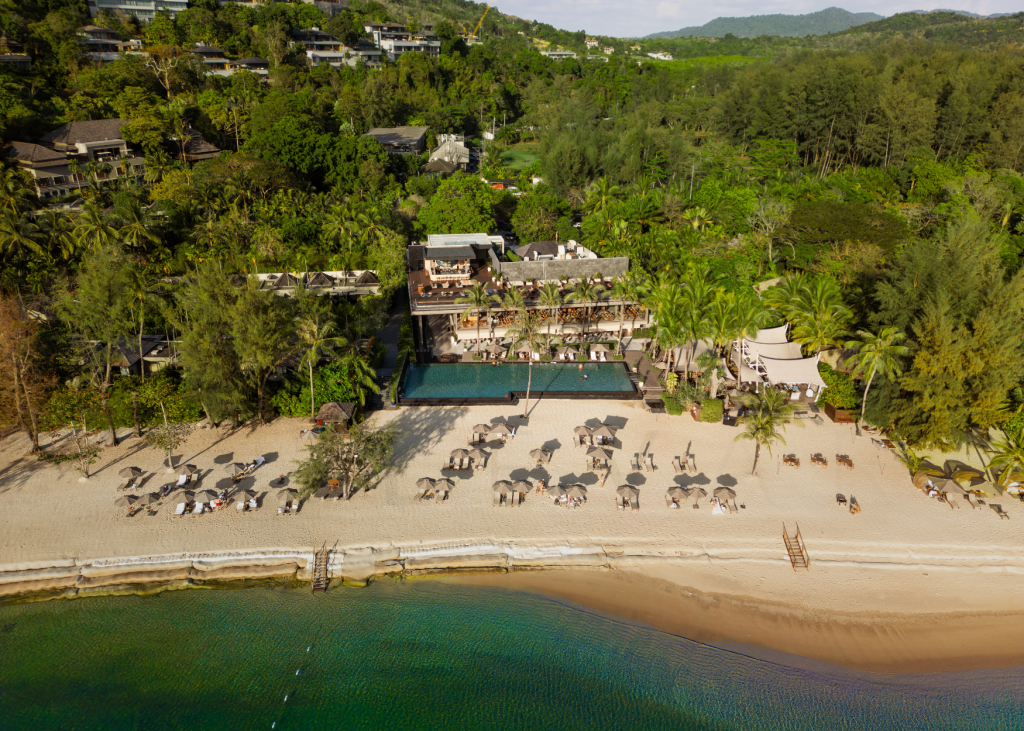
Kiara Reserve features a wealth of luxury amenities and facilities, including a Technogym-equipped gym, curated dining options, and a dedicated concierge service by Minor Hotels.
While a large number of buyers seek primary residences, secondary home owners, even at the top end of the market, are willing to offer up their villas to tenants—provided they’ll part with six figures per week for the privilege. “Even residences purchased for US$20 million or more are often put into the hotel’s rental pool,” says Romero. “If a villa isn’t in use, why not earn a premium? At Anantara, some units are going for US$15,000 to $20,000 a night. It keeps the property active—and the investment interesting.”
Desjardins concurs: “Most top-end villas eventually enter the rental market, even if only on a selective basis. But it really comes down to timing—when a property is newly acquired and the principal has been deeply involved in its design, it may remain off the market for years before being considered for rental.”
Investment horizons
Despite the ebbs and flows of investor markets (UHNW Russians seeking respite from the cold, or the war, may be approaching saturation), and those 43,000 forthcoming units, the outlook seems to be favourable. “Yields remain strong—around 10 to 12 per cent in some cases,” says Liptapanlop. “As long as these returns exist, demand will continue.”
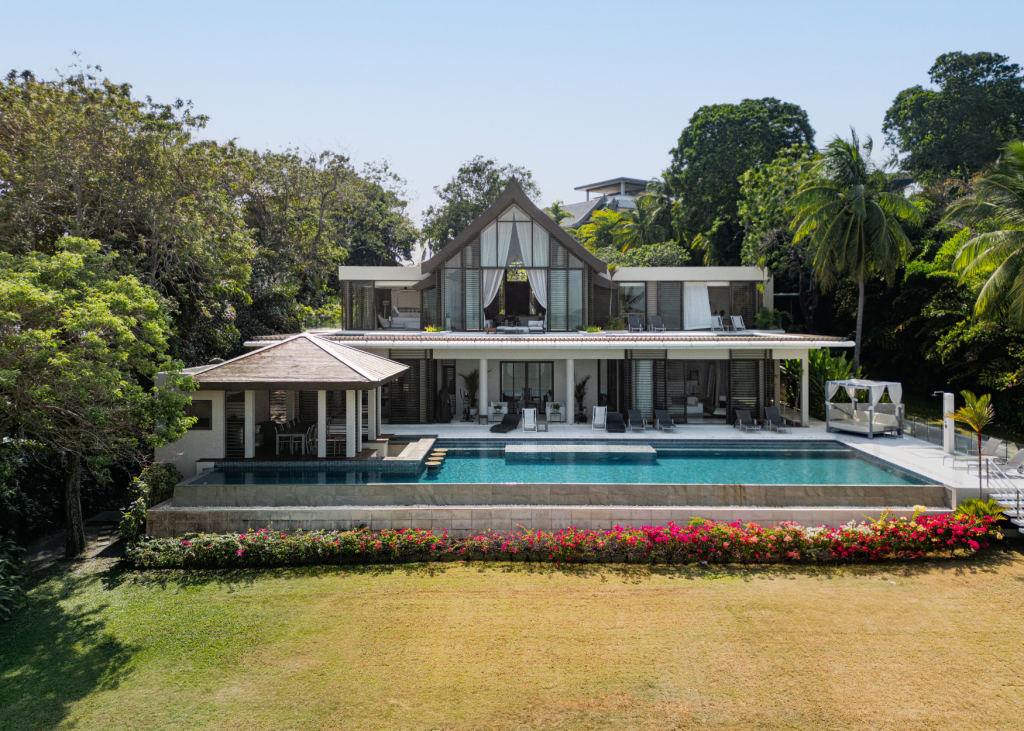
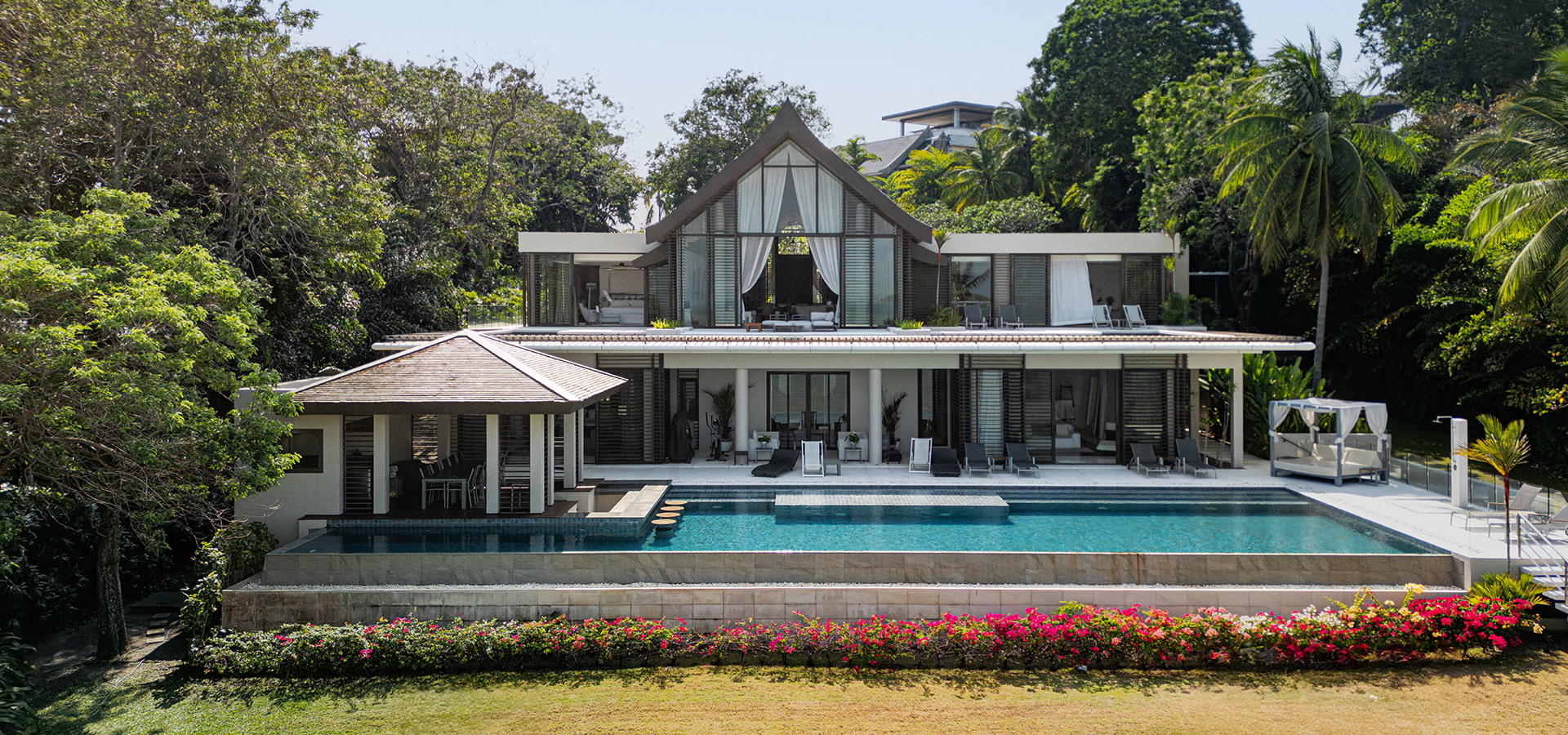
This trophy beachfront villa in Cape Yamu is set on sprawling, resort-like grounds with mature landscaping throughout, complemented by cathedral ceilings and thoughtfully curated interiors.
“The ultra-prime market finished 2025 in good shape,” reports Ovide-Etienne. “Villa transactions were up over 20 per cent year-on-year, and demand from wealthy buyers stayed strong. That said, the post-pandemic rush has clearly settled down.”
For Taugwalder, it’s a simple equation of global demand and limited supply. “We’re seeing a continued influx of entrepreneurs and globally mobile families incorporating Phuket into their portfolio of homes. Over the coming years, we expect sustained demand—particularly for best-in-class assets with intrinsic scarcity.”
Read next:
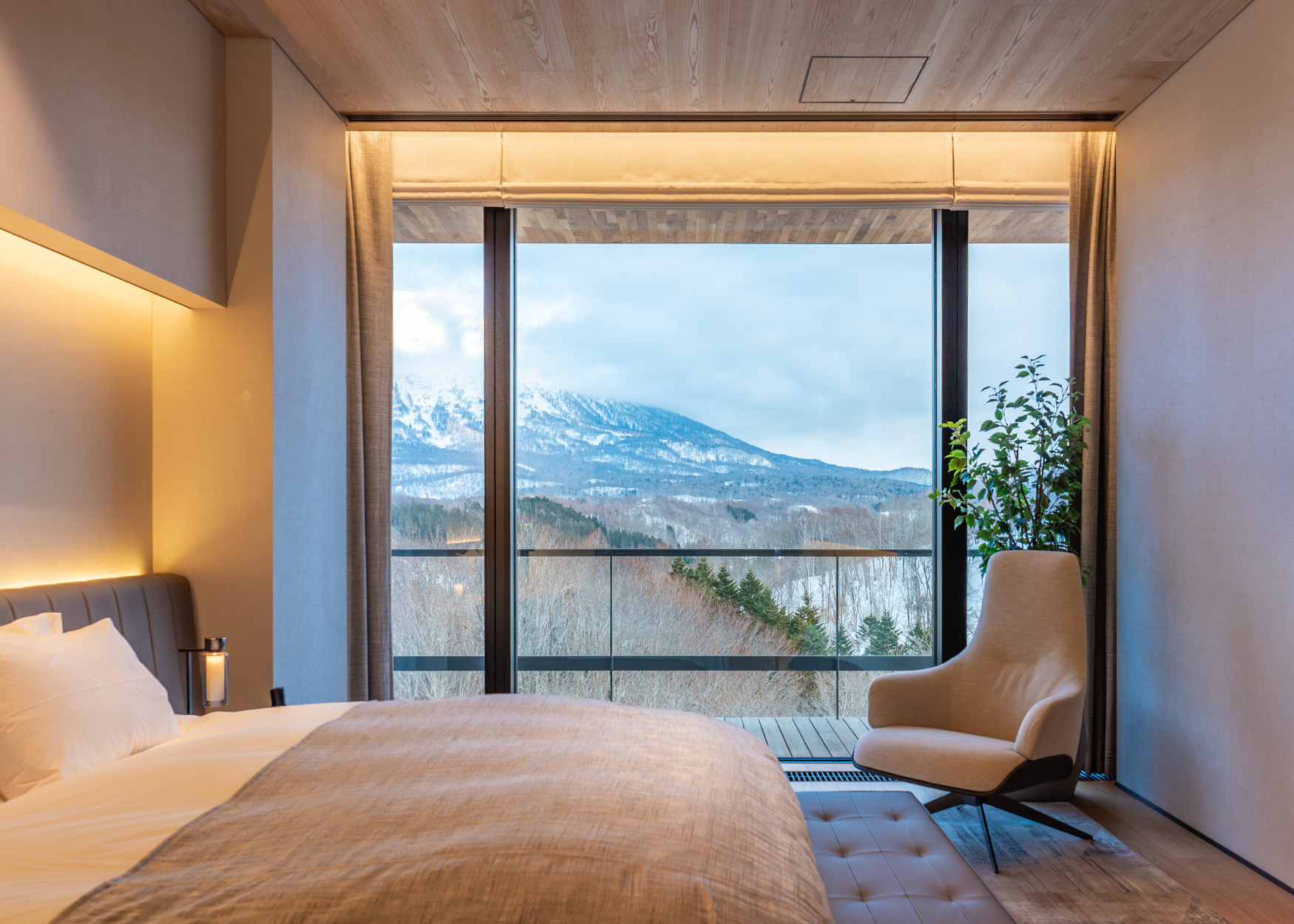
5 bed POA
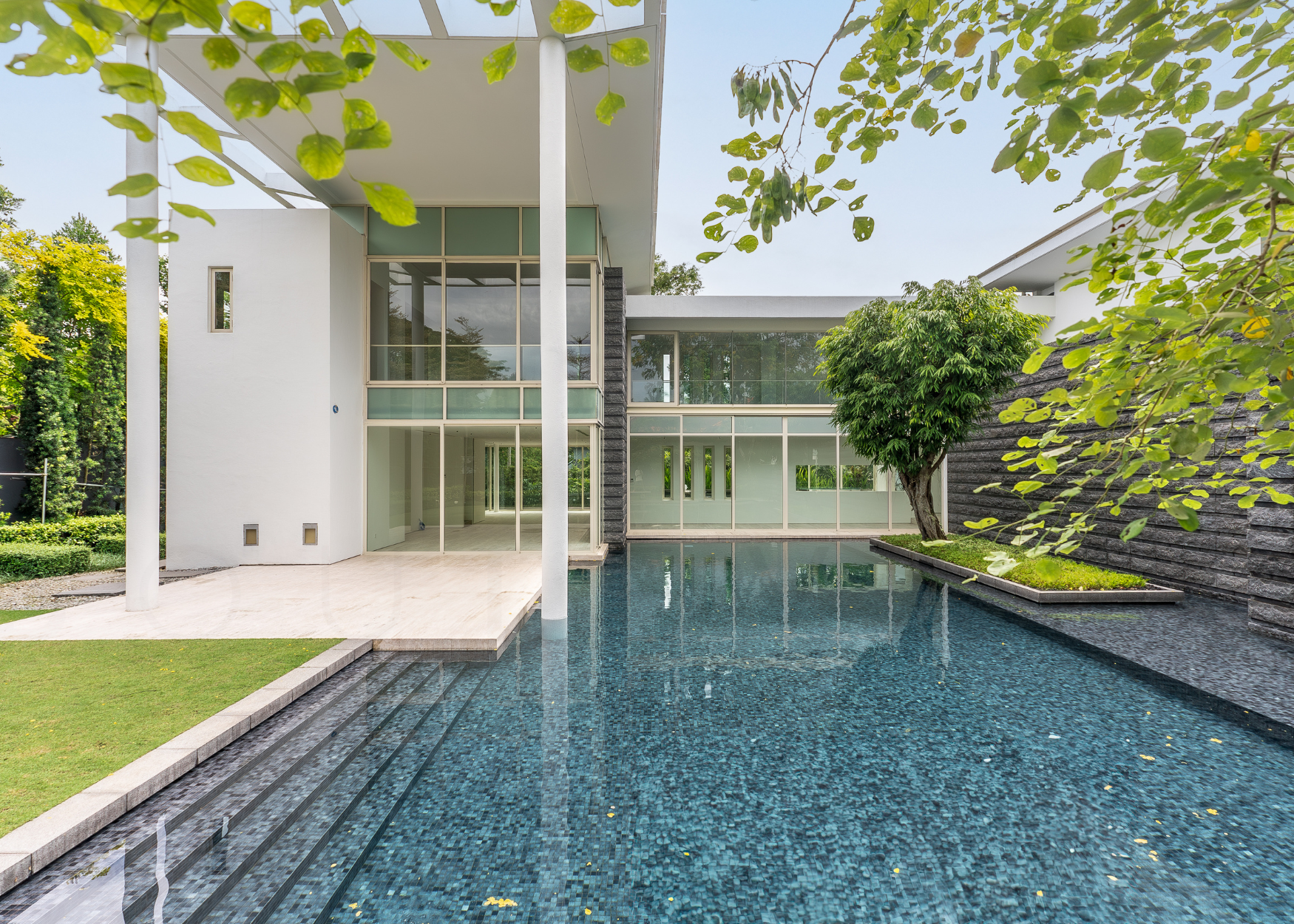
Belmont Road, D10 5 bed 43,800,000 SGD
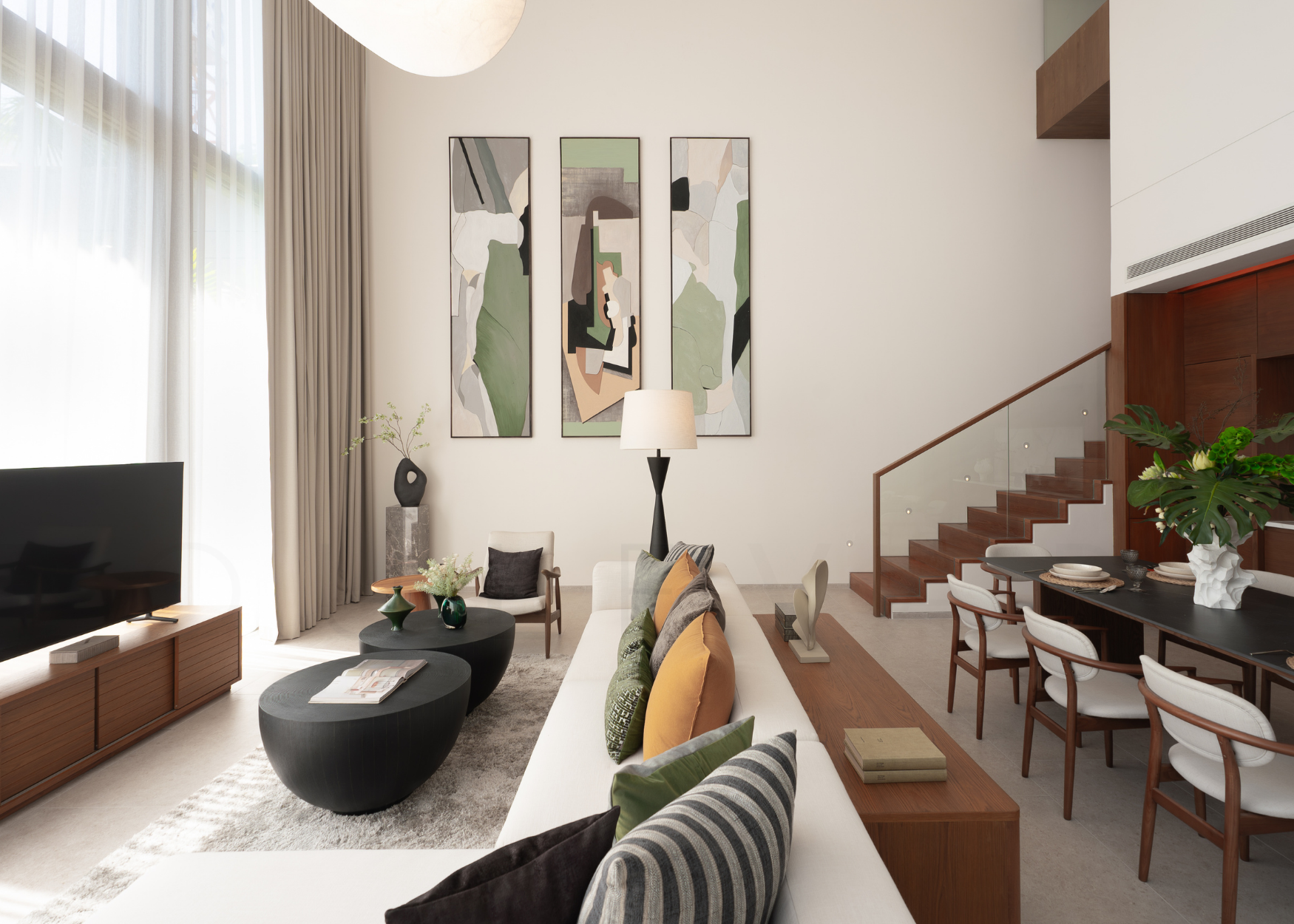
3-4 bed | 2,702 - 8,923 area POA
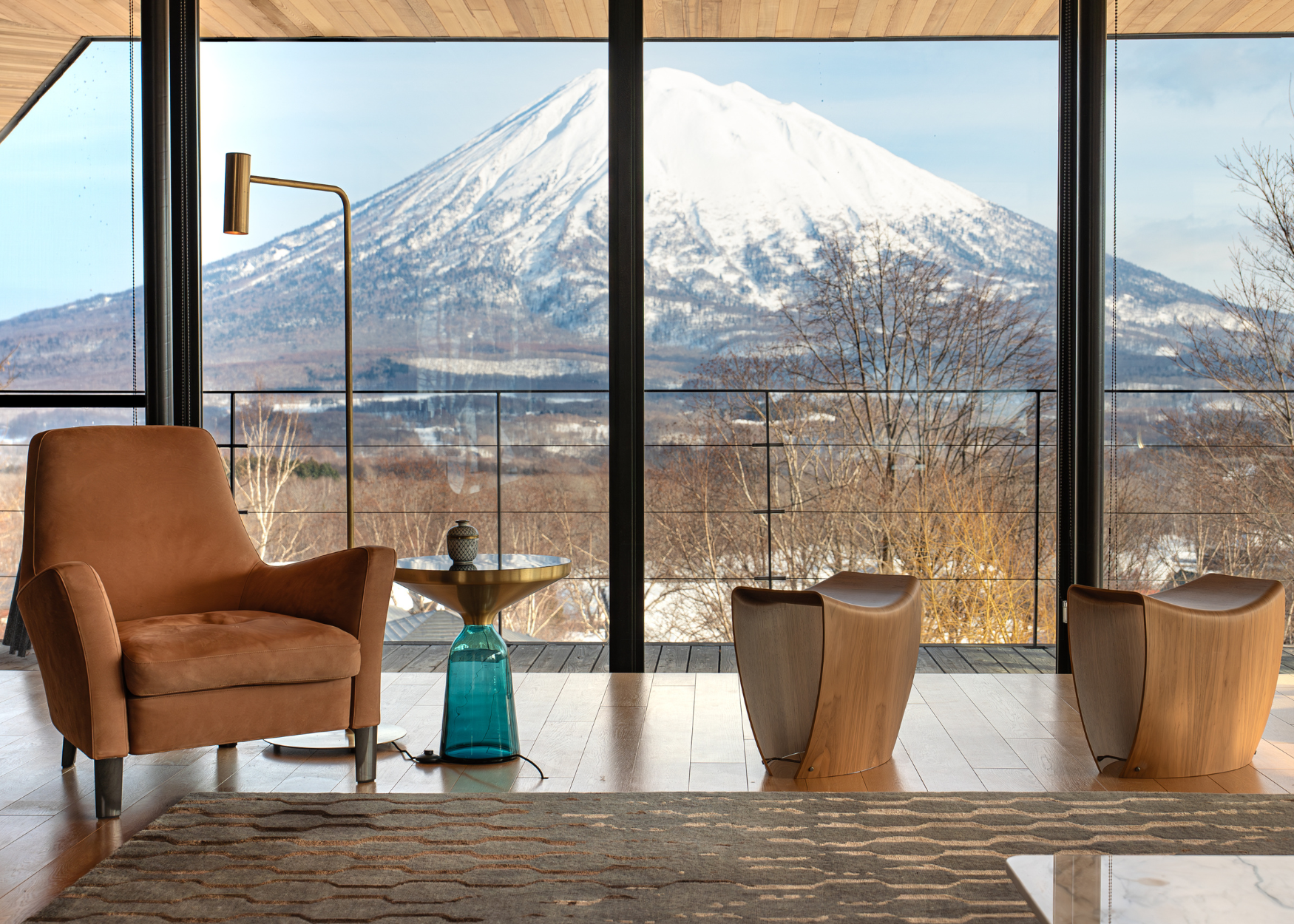
4+1 bed 20,000,000 USD
4 bed POA