The interview: Minor Hotels’ Omar Romero on how branded residences are redefining luxury living, from Phuket and beyond
by Hamish McDougall
Photography by Jin Cheng Wong
Omar Romero, chief development and luxury officer at Minor Hotels, has played a central role in shaping the group’s approach to branded residences, an integrated model that combines hotel operations with residential development.
Unlike many hospitality operators, Minor Hotels develops and owns a significant portion of its assets. This enables it to test concepts at scale across its portfolio of brands, from key resorts like Anantara Layan Phuket Resort and the adjoining Layan Residences to the Anantara Desaru Coast Resort & Villas.
Layan, in particular, exemplifies this approach with its large-format villas, extensive amenities and fully integrated hospitality ecosystem, which challenged conventional expectations of the market at the time of launch. The model has since informed a broader pipeline of branded residential developments under the Anantara umbrella, including Anantara Residences Phuket and upcoming projects in international markets.
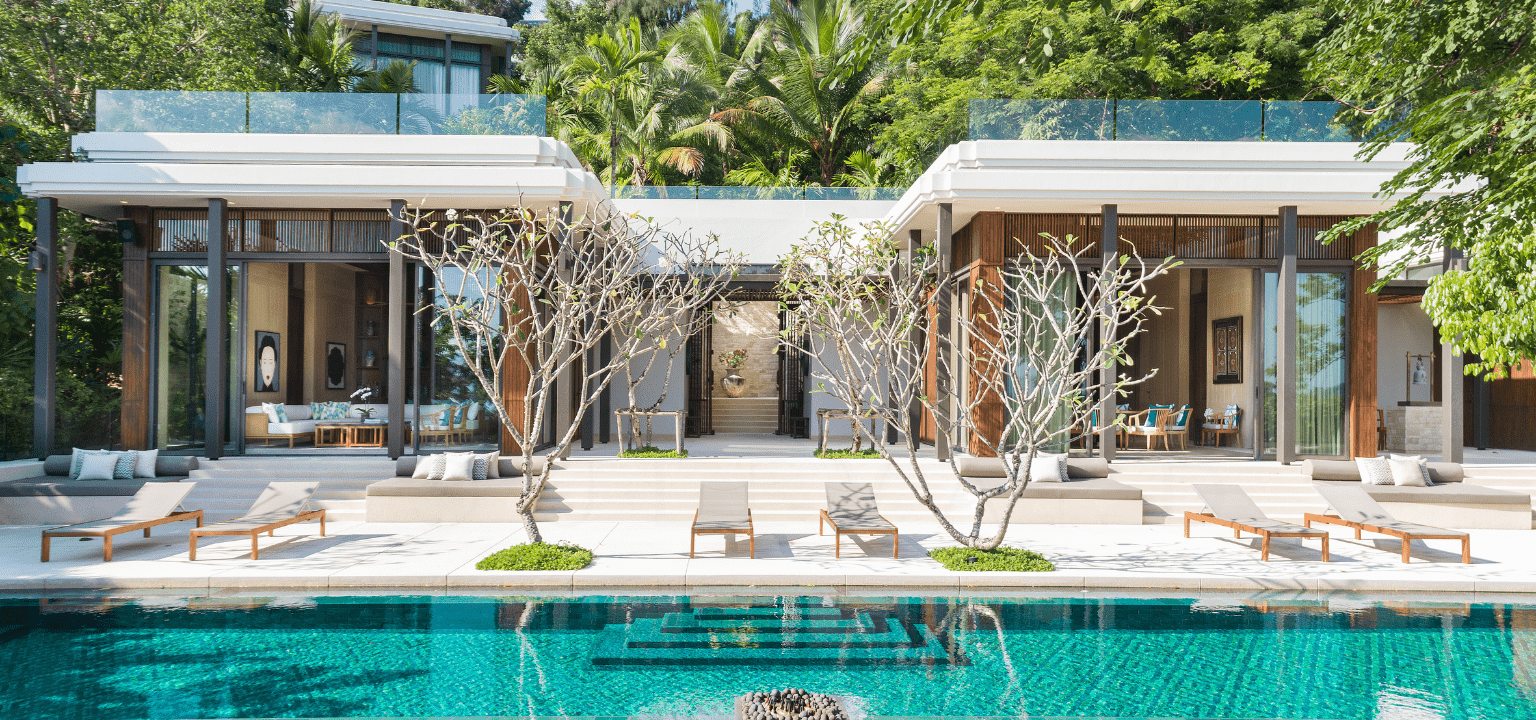
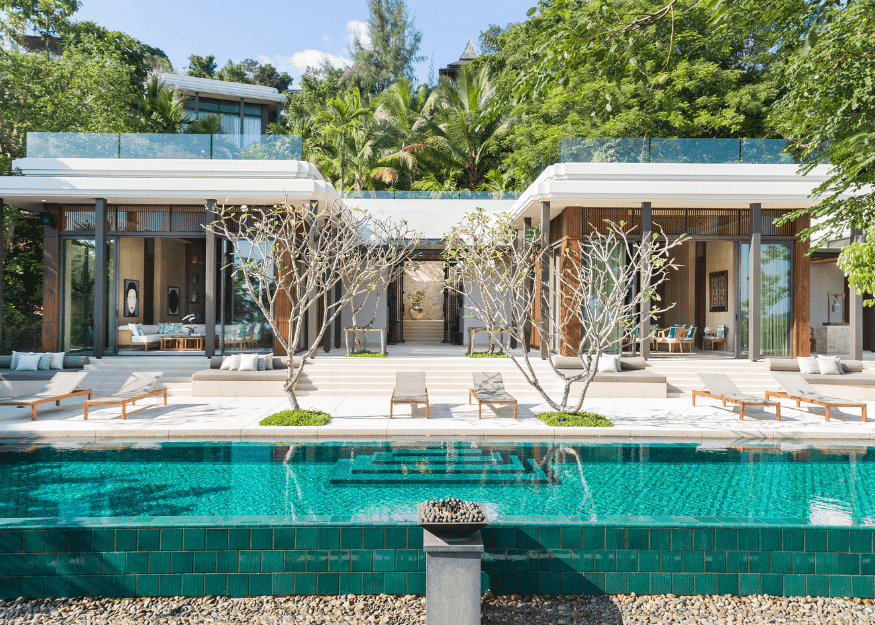
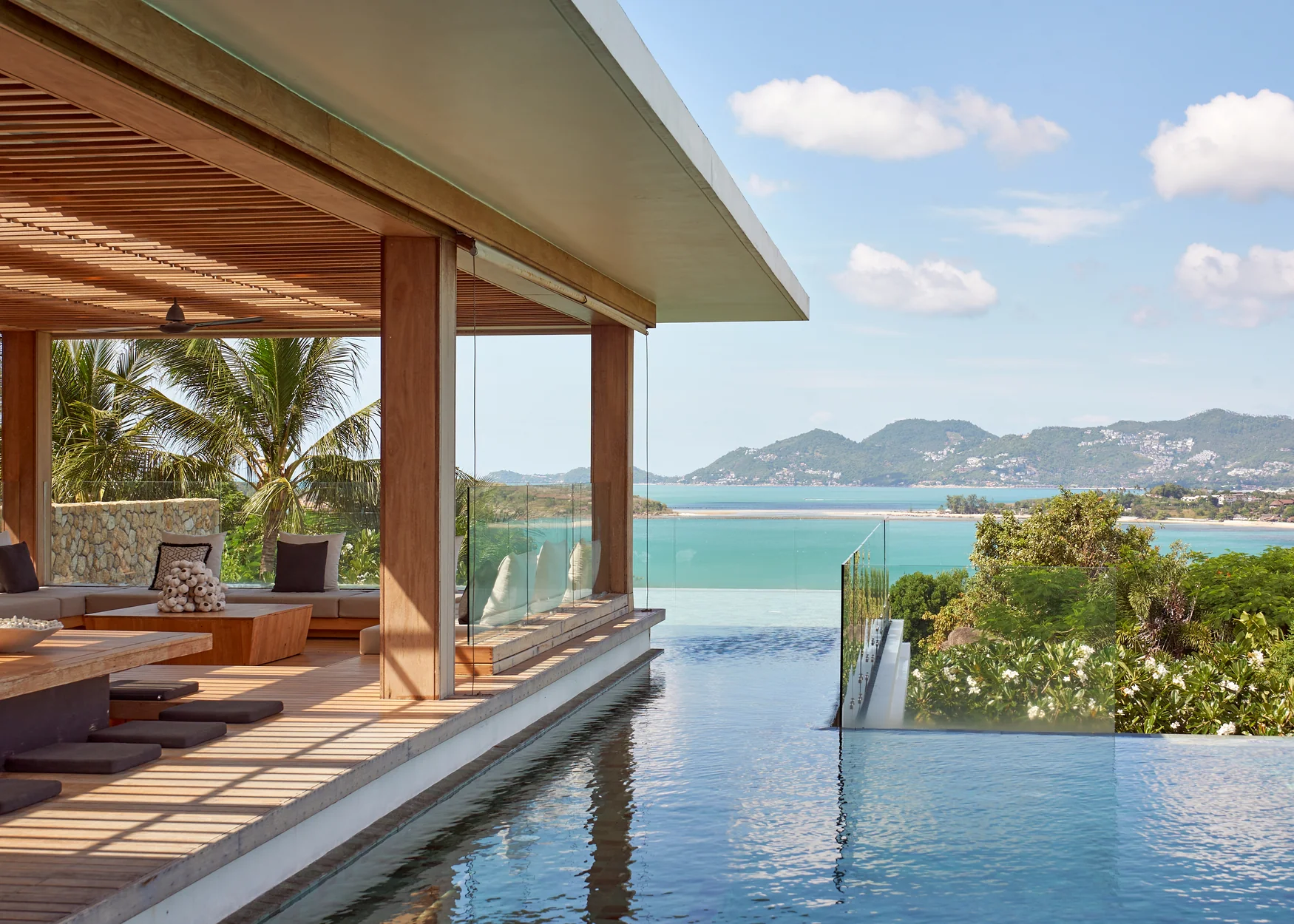
Villa Racha is a seven-bedroom estate for sale, within Layan Residences by Anantara in Phuket. Top: Layan Residences features expansive villas serviced by a fully integrated hospitality ecosystem.
For Romero, the emphasis is not simply on branding, but on delivering a complete residential experience anchored in service, wellness and operational depth. This philosophy underpins Minor’s expansion across both established and emerging destinations, where accessibility, lifestyle offering and brand integrity remain key drivers.
In this interview with Boulevard, Romero reflects on the evolution of Phuket’s high-end residential market, the growing sophistication of branded living, and how Minor Hotels continues to refine a model that blends hospitality, investment and long-term liveability.
Boulevard: I remember when you first launched Layan Residences years ago; the price point was considered quite high for the market. Many people I spoke to thought it wouldn’t work, but the market eventually caught up, and it turned out you were spot on in identifying the appetite at that top end.
Omar Romero: The vision at the time was that Phuket didn’t really have much inventory offering a full ecosystem of experiences—sports facilities, wellness centres, spas, restaurants, bars, beach access and so on. Most units available on the island were also much smaller.
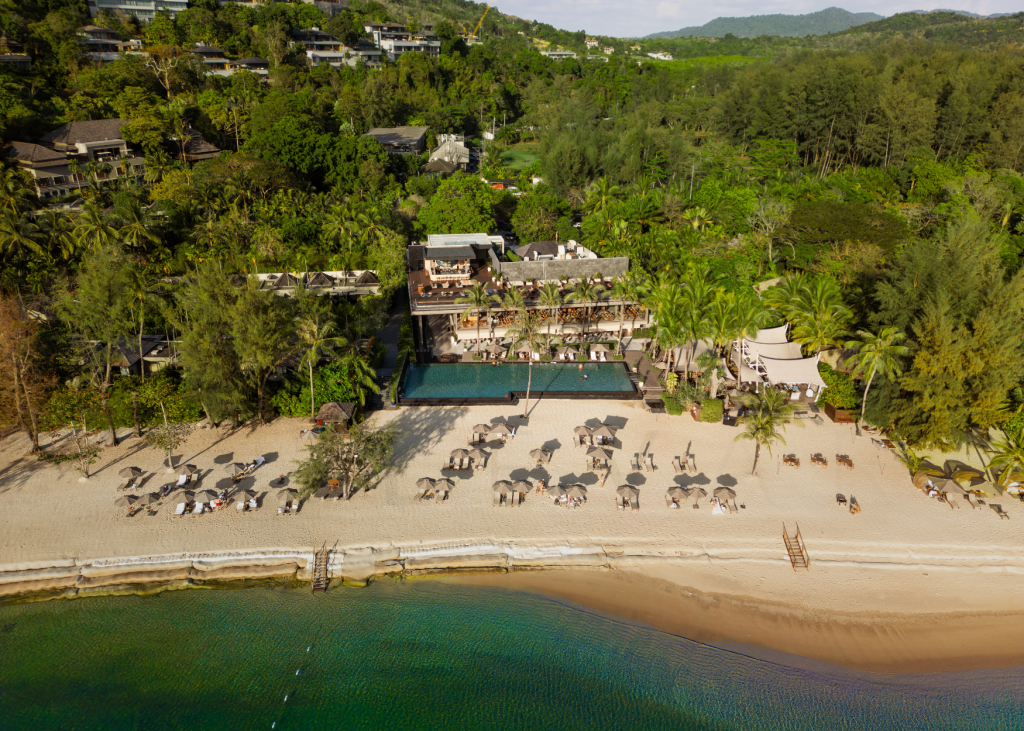
Kiara Reserve Residences is a branded residential enclave neighbouring the renowned Anantara Layan Phuket Resort.
When we launched, the units were 1,000 to 1,500 square metres, five to seven bedrooms. People thought we were crazy and that it would never sell. Then Covid happened, and suddenly buyers were paying USD$10 million per unit. Recently, we even sold a resale for USD$23 million. It’s far beyond anyone’s expectations, which shows that the formula really works.
Blvd: Yes, and looking ahead, is that formula something you plan to continue pursuing? How do you see the market evolving?
Romero: I think one thing Minor does very well is that we’re different from other hotel operators because we are also developers—we own our hotels. That means we experiment first with our own money rather than other people’s. Layan is a perfect example of this approach. We bought the hotel, partnered with Kajima and developed the residential side.
We learned what amenities were essential: sports centres, children’s areas and wellness. Wellness, we realised, isn’t just a trend—it’s a necessity. That’s why we launched Layan Life last year, offering comprehensive wellness, not just a spa. You can relax at the spa, but if you’re committed to proactive health, Layan Life covers that.
We’re now in phase three of Layan, with two more phases to go, and we’re even planning a small marina and additional amenities. The success of this model allows us to show other developers what works and explore doing the same in other countries.
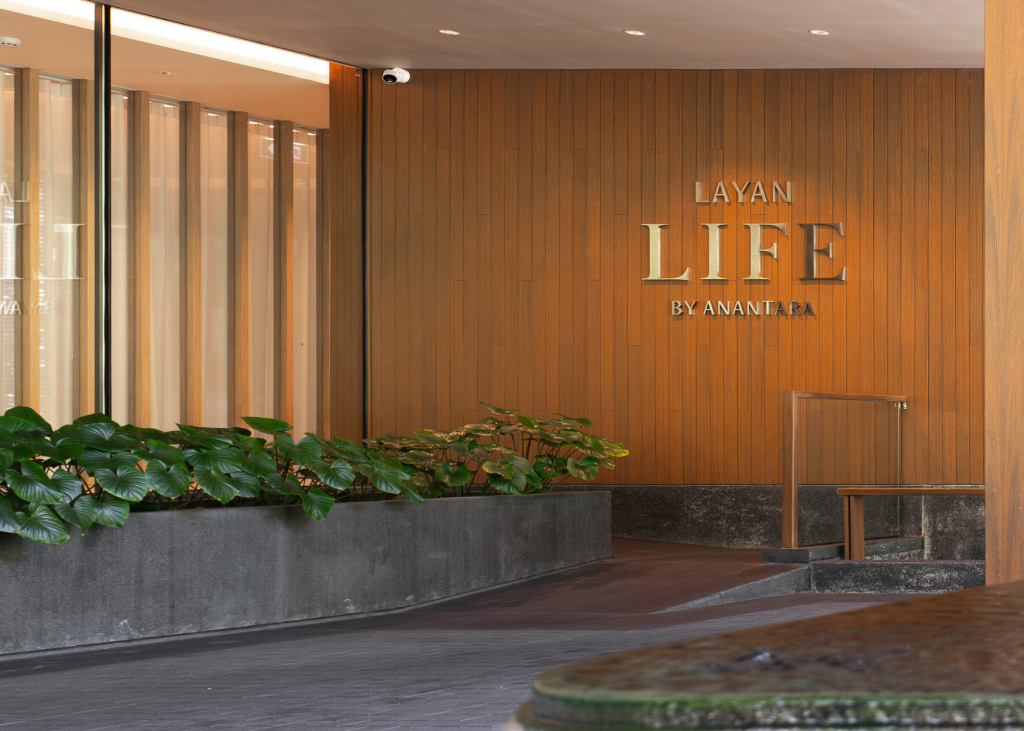
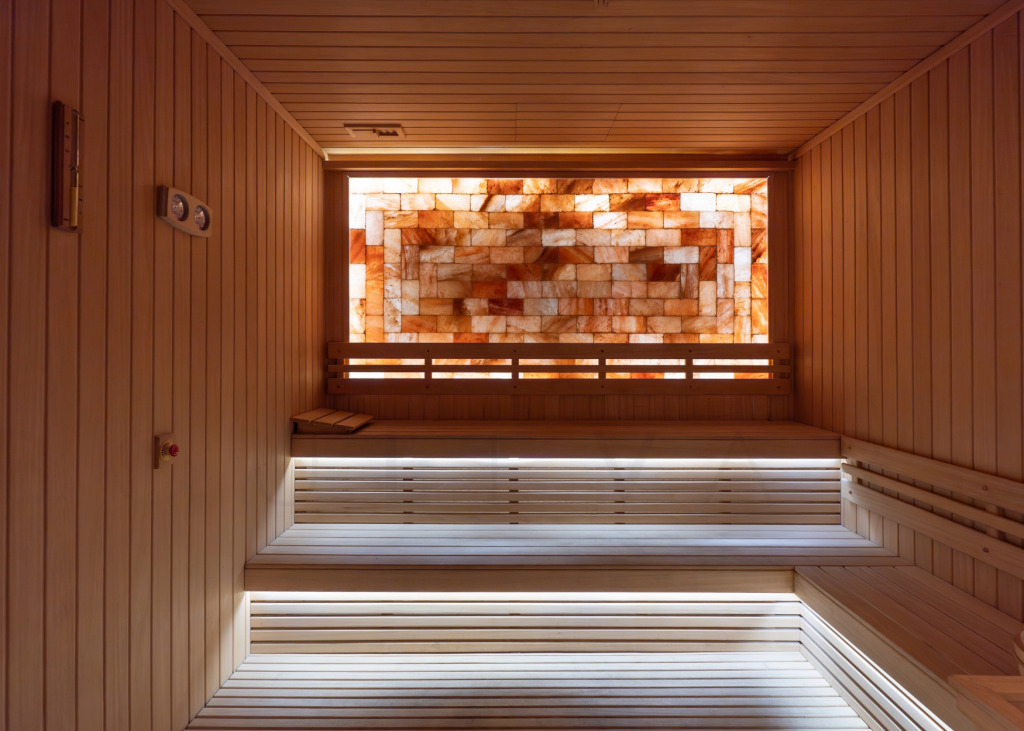
Layan Life by Anantara, a medical wellness and longevity retreat, augments the wellness offering at Anantara Layan Phuket Resort.
Blvd: Could you tell me more about your current international developments?
Romero: We have several projects coming up internationally. For example, there’s Anantara Sanya Resort in China, as well as a few developments in the mountains. We also have projects in the Thousand Islands region.
Blvd: What are the hot markets for residences right now? Where do you see yourselves looking to expand, particularly at the top end of your portfolio?
Romero: For us, it’s very important to offer branded residences at all levels. That can be at the luxury end, like Anantara Layan, or at the upscale level, such as NH Collection. We have success stories across all markets.
For example, in the US, we’ll soon be announcing an Anantara in Miami, which is very exciting. In the Middle East, we have a strong presence. While we don’t yet have Anantara residences in Dubai, we already operate two Anantara hotels there—one on the Palm and one downtown—so a standalone residential building now makes sense because we can provide full services.
Beyond major cities, we focus on tier-one tourism destinations with good access. For residences, accessibility is crucial, especially for buyers looking for second or third homes. They need to be able to visit comfortably and more than once a year.
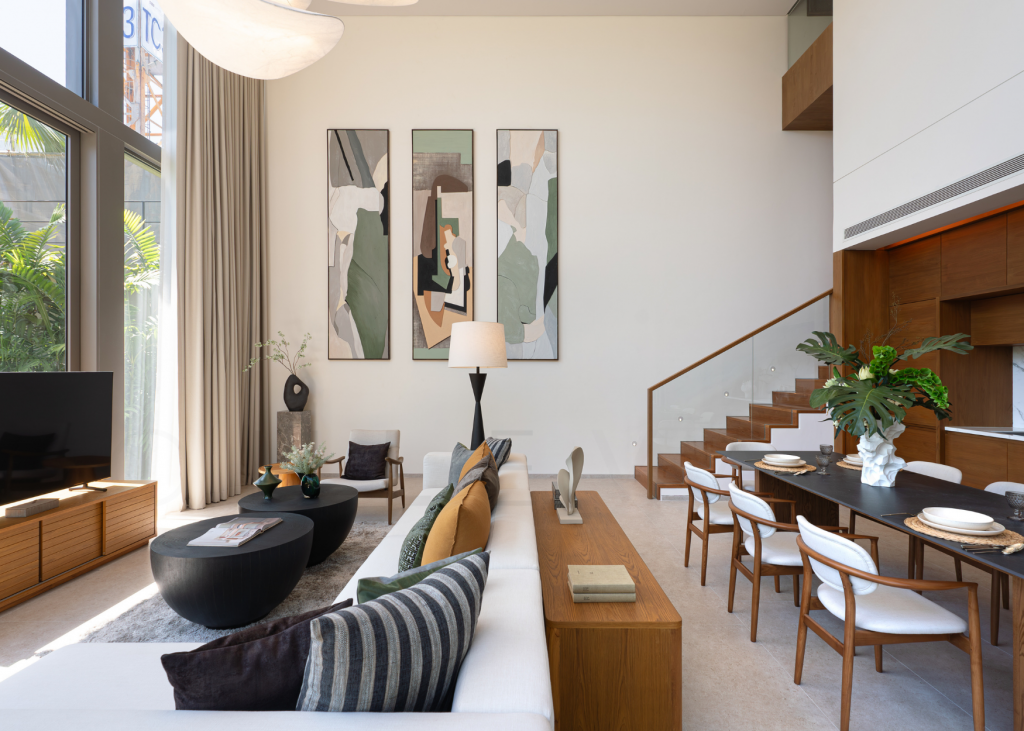
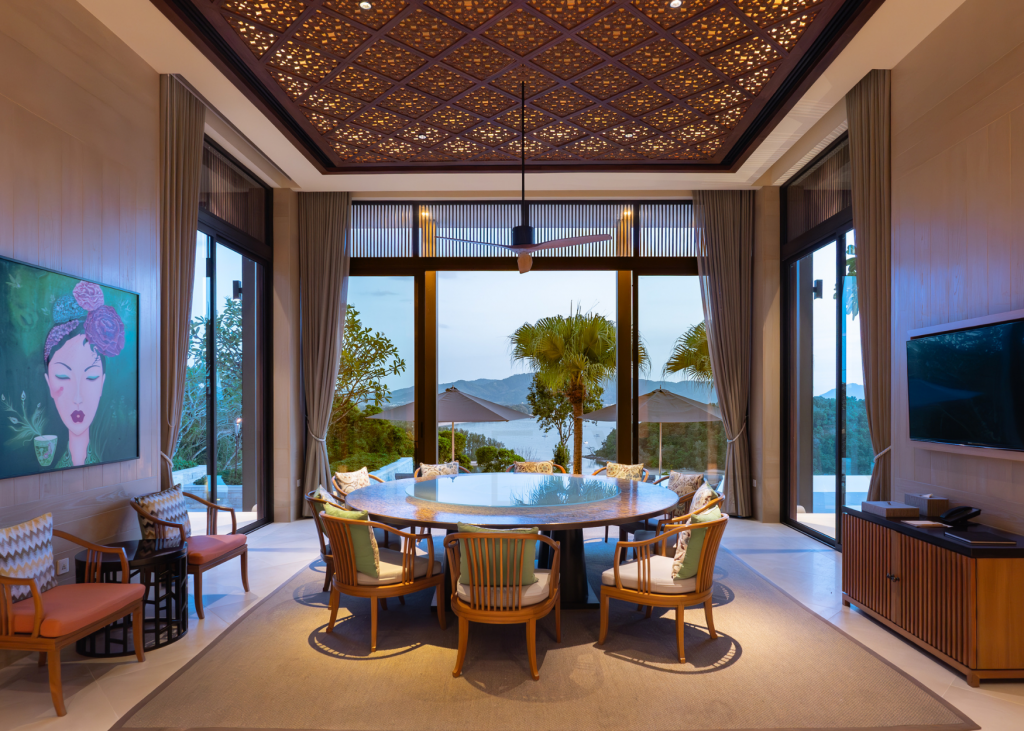
A look inside the three-bedroom pool villa at Kiara Reserve Residences.
At the upscale level, we’ve seen strong success with NH Collection on the Palm in Dubai, and our recent launch on Al Marjan Island, Ras Al Khaimah, is also selling very well. So there’s a branded residential product that works at every level, with models that consistently succeed.
Blvd: What surprises you most about the residential market?
Romero: Everything is becoming “branded” nowadays. I think the market often doesn’t distinguish between what is truly branded and what is merely labelled. At Minor, we are in the business of branding residences. When you buy a residential unit under a brand, it comes with a promise—the promise of the brand’s value.
For example, Anantara is about experiences, excellent service, great food and so on. When you buy an Anantara residence, you know you’re getting that. But many buildings are just labelled with a brand without truly activating it. I often wonder how they are bringing the brand to life beyond putting a logo at the entrance or in the brochure. And yet, these projects still sell—that’s what surprises me.
That’s also why, for us, having two Anantara hotels in Dubai before exploring the residential side was so important. Without that, we cannot properly activate the building. It’s easy to just put the Anantara logo everywhere, but buyers will notice. They bought the residence because of their experience with the brand and what it represents. We have a responsibility to uphold that promise.
Blvd: How have expectations changed over time, in terms of service, amenities and layouts? For example, since you started developing branded residences early on, before the recent explosion of branding and labelling, what differences have you noticed in buyer expectations?
Romero: Well, Minor has been a pioneer in branded residences, especially in Thailand, and we’ve done quite a few projects that prove the model works. One major change over time is that buyers are now looking for truly effortless living. When you buy a branded residence co-located with a hotel, the expectation is 24/7 concierge service and seamless access to amenities—everything taken care of for them.
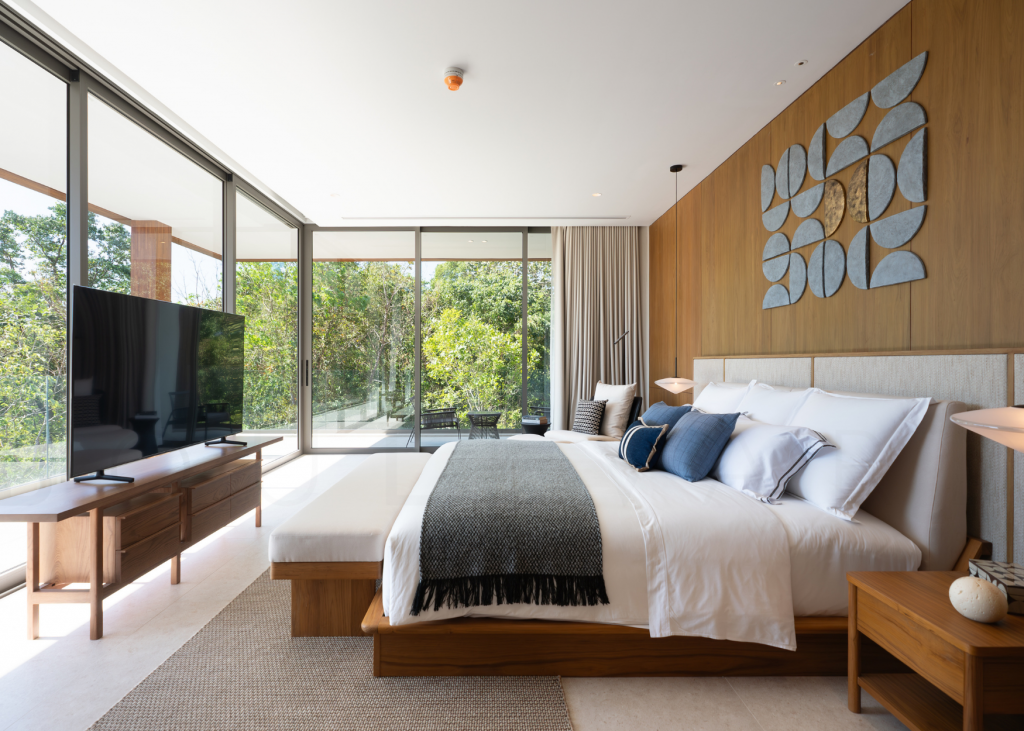
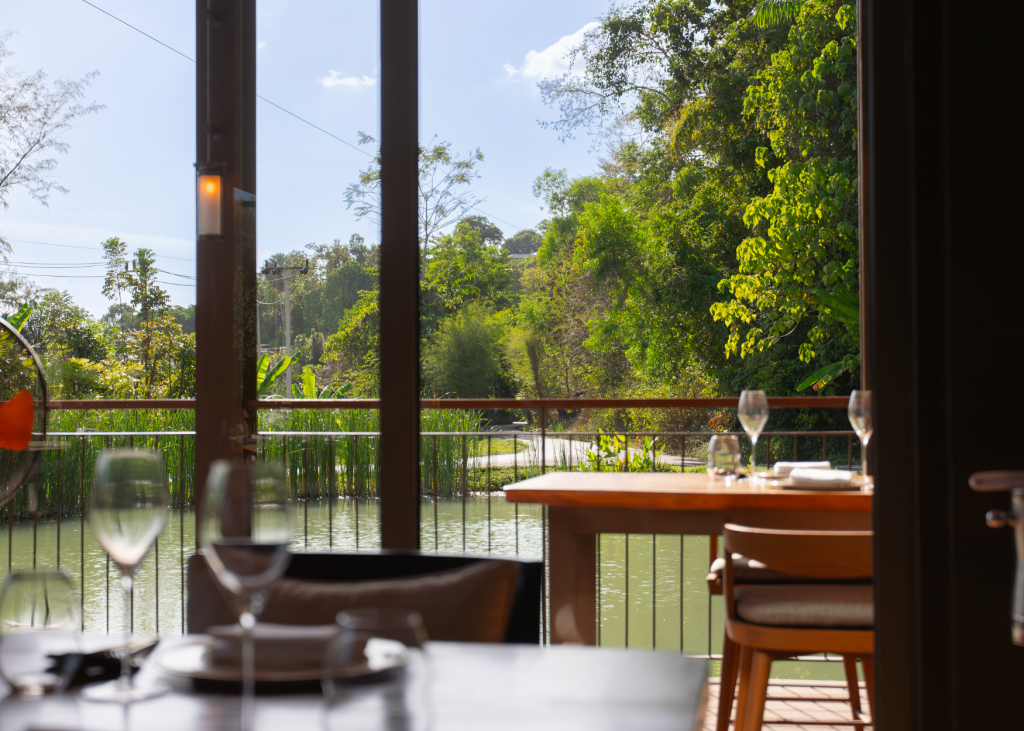
Every offering at Kiara Reserve Residences, from the villas to the amenities, was well-thought-out for truly effortless living.
Another evolution is the rental programme option. Even owners of units selling for USD$23 million often choose to put them into the hotel rental pool. If a unit isn’t in use, why not earn a premium? For example, at Anantara, some units in December are going for USD$15,000 to USD$20,000 a night. It keeps the property active and the investment interesting.
The market itself has also become far more sophisticated. Early on, you could simply build a condo, add a brand and offer a few à la carte services. Now, buyers expect the brand promise to be fully activated. Take wellness, for instance. For us, wellness isn’t just a corner with a yoga mat—it’s integrated technology and design that promotes health effortlessly.
Examples include circadian lighting to support sleep and wake cycles, strategically placed air purifiers, magnesium-filtered water, red-light therapy in showers and hydroponic kitchens for fresh produce on demand. These are the kinds of features that truly elevate wellness living, far beyond simply labelling a unit as “wellness.”
So overall, expectations have shifted: buyers now demand a higher level of sophistication, service and thoughtful integration of lifestyle amenities, not just branding.
Read next:
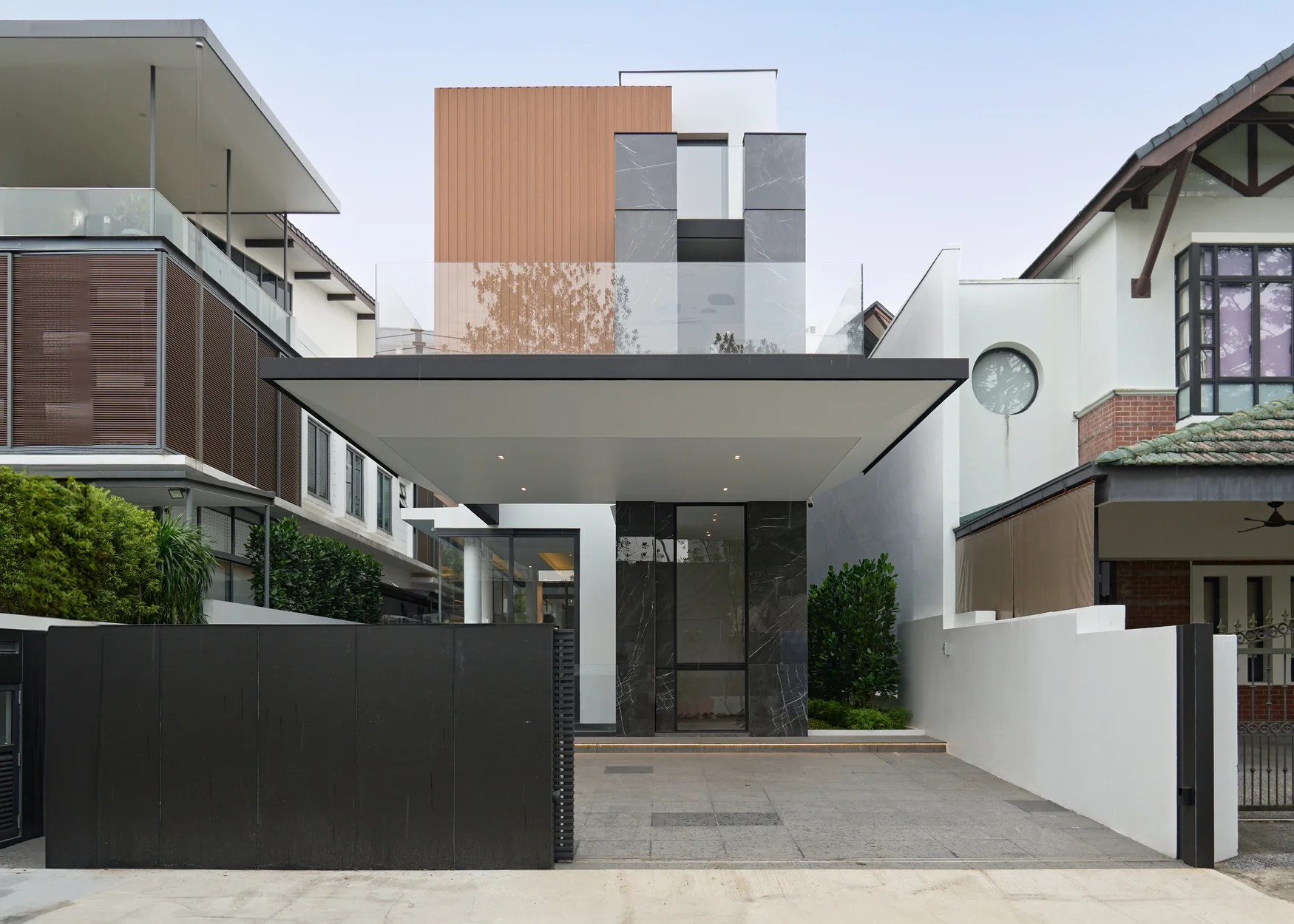
8+1 bed | 10,200 sqft area 19,500,000 SGD
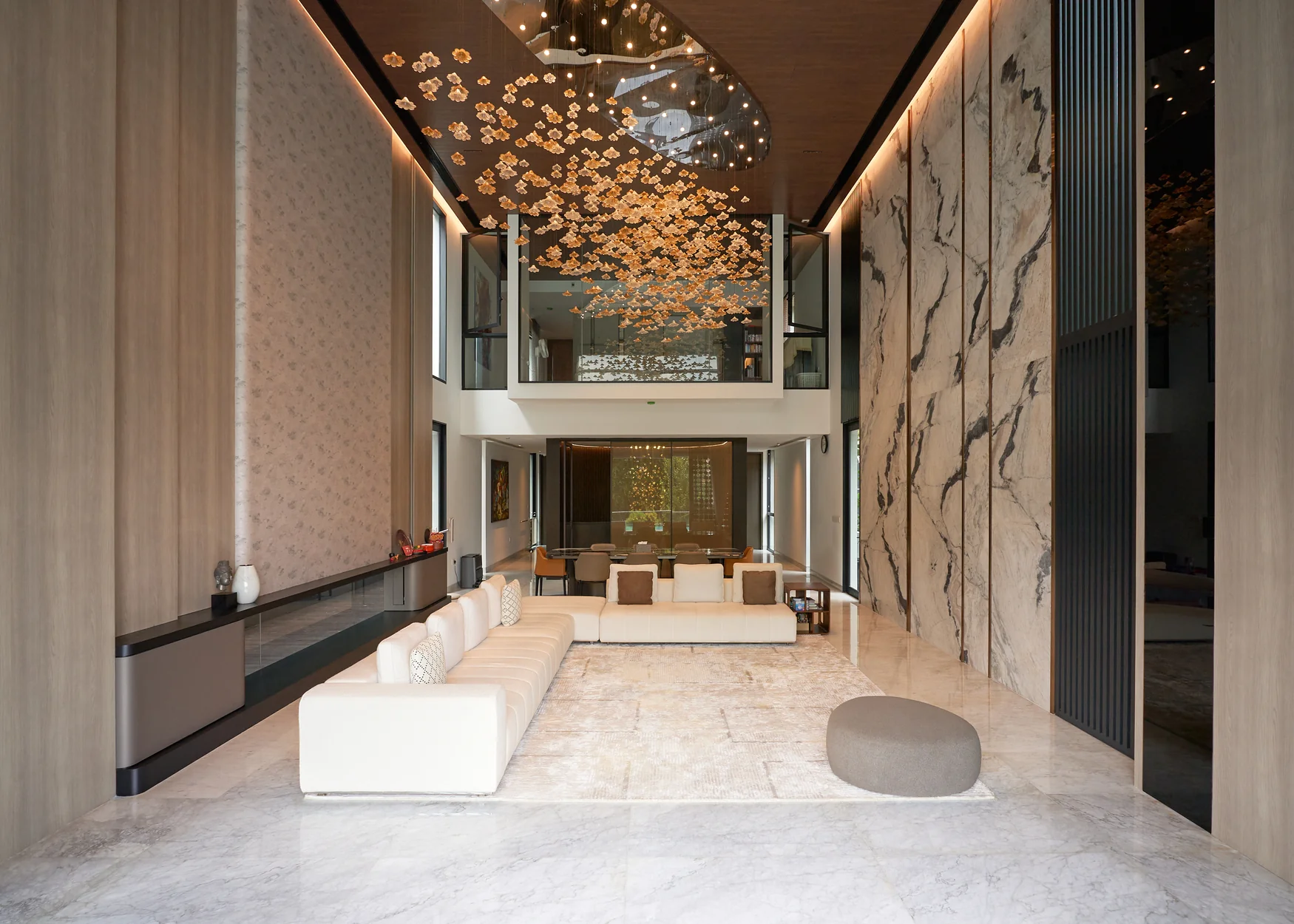
5 bed 19,380,000 SGD
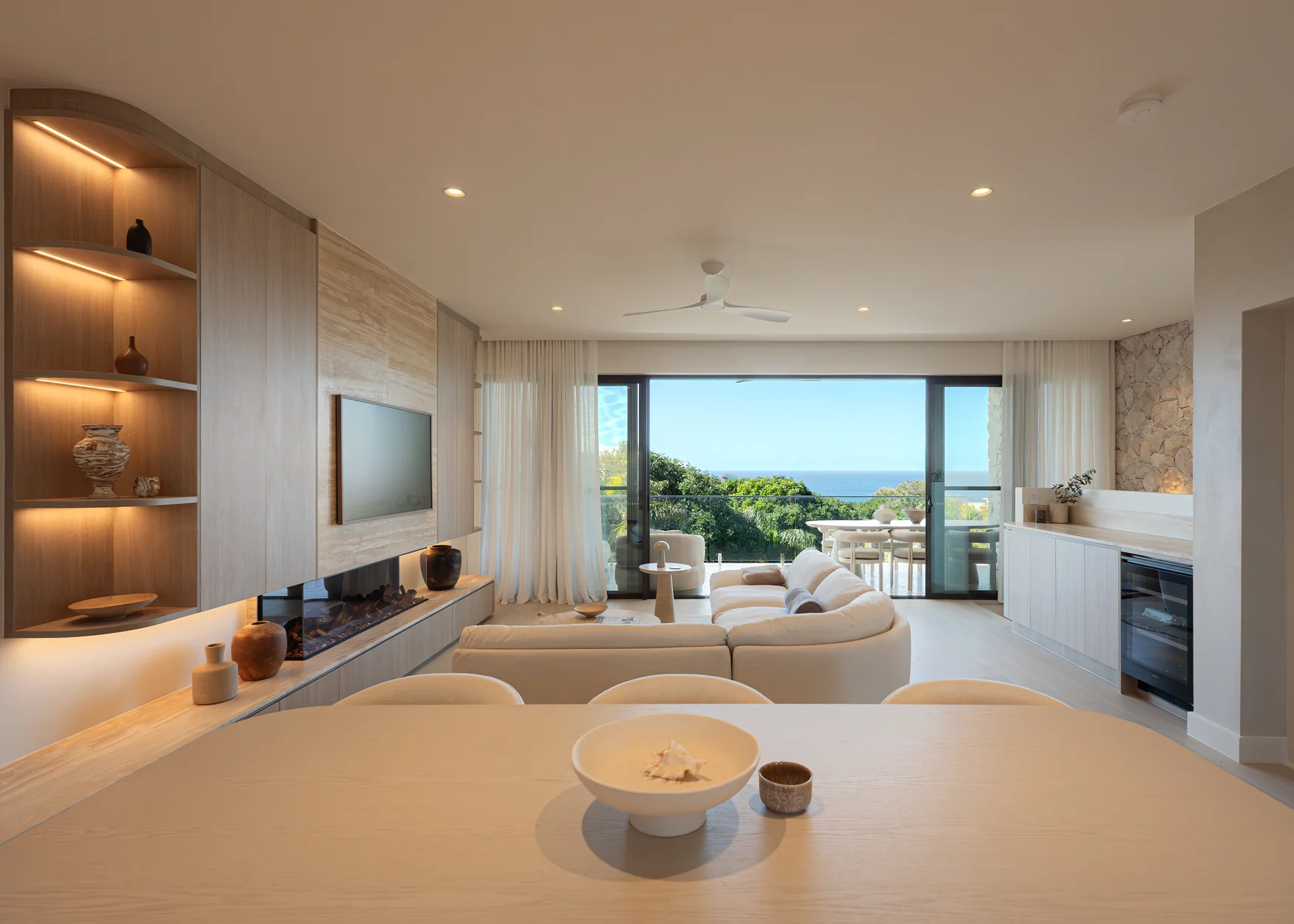
4 bed | 4,208 sqft area POA
3-8 bed | 699,654 - 784,080 sqft area POA
6 bed POA