The report: Felix Desjardins on the rise of Phuket and Koh Samui as a holiday home destination for UHNW buyers
Interview by Annie Asistio
Felix Desjardins, Head of Acquisitions for Phuket and Koh Samui of List Sotheby’s Intl Realty, shares his insights into the rise of multifunctional holiday homes in Thailand, with UHNW clients turning their attention from the Bangkok market to Phuket and Koh Samui as alternative destinations. He shares that most of these buyers are “home collectors” who primarily acquire properties in the region as a lifestyle choice, centred on creating private retreats for their families. Desjardins also explores what today’s UHNW buyers are looking for and what they value in an ultra-prime property, as well as Phuket and Koh Samui’s outlook over the next 12 months.
This is part of a series of interviews for our holiday homes feature—go further with the Holiday Market.
The ultra-prime market in Phuket and Koh Samui is widely misunderstood. It is not speculative, it is not driven by hype, and it does not behave like a typical resort market. At this level, homes are typically acquired in all-cash transactions and held for the long term, often for decades rather than traded through market cycles.
At the top end, deals are shaped by access and timing rather than urgency. Market data captures only a small part of what actually trades, and published indicators often lag behind what is happening on the ground.
The ultra-prime market has sustained its momentum since the first quarter of 2025, with stable absorption and continued buyer confidence. Our performance at List Sotheby’s International Realty has remained strong, and we are now positioned to surpass our target projections for the second-year running.
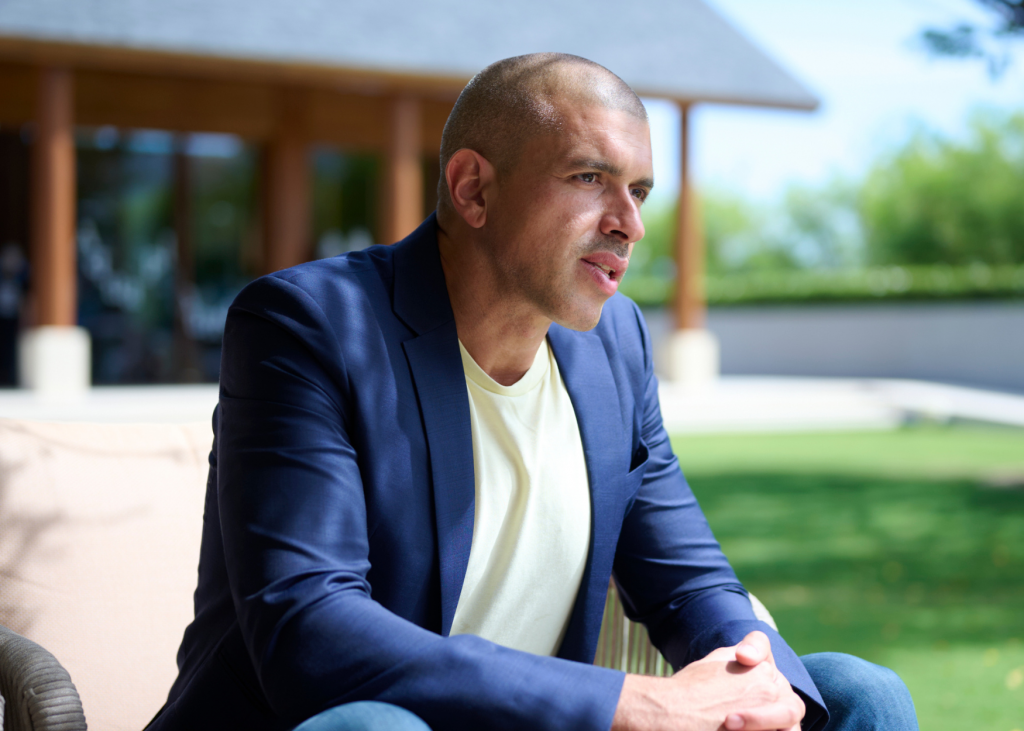
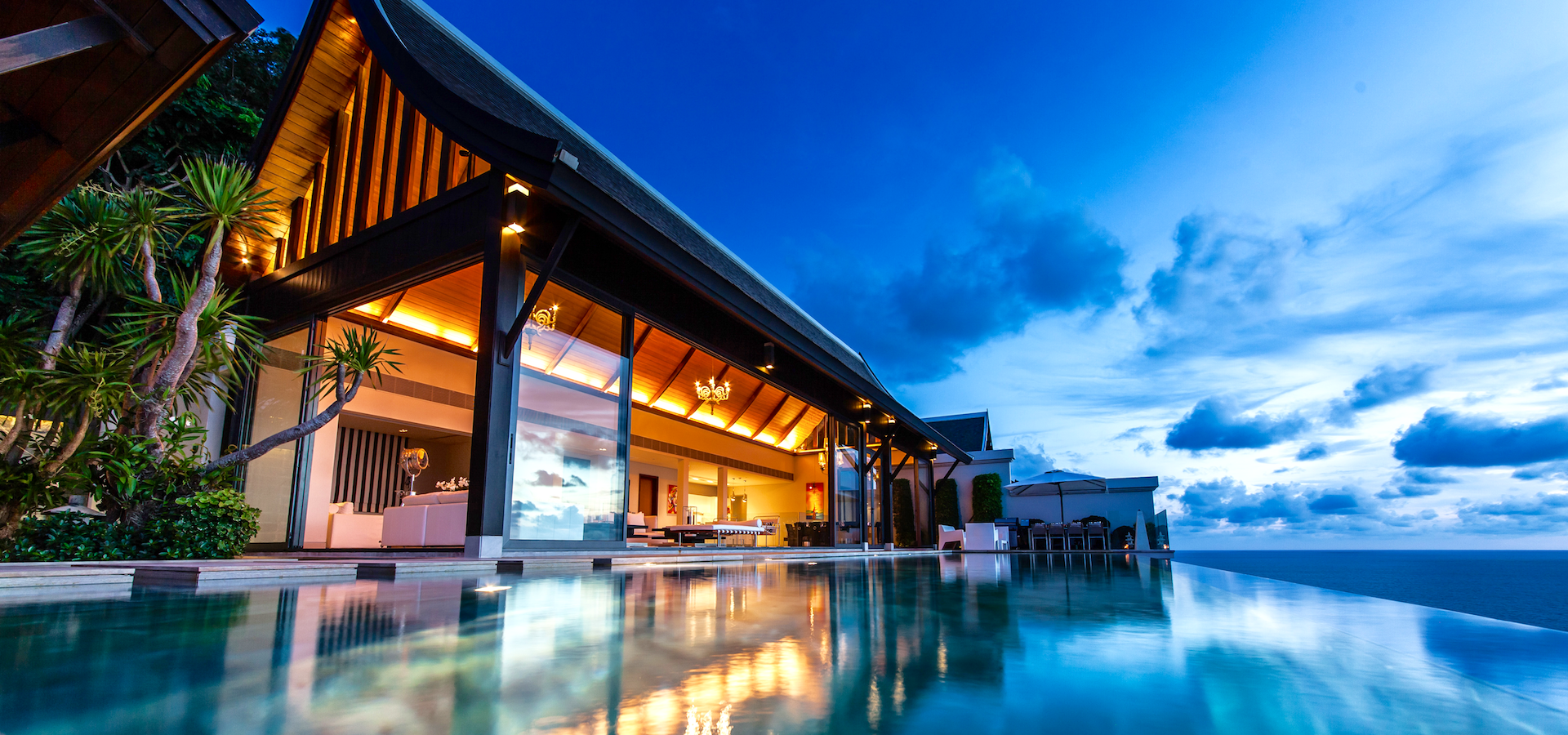
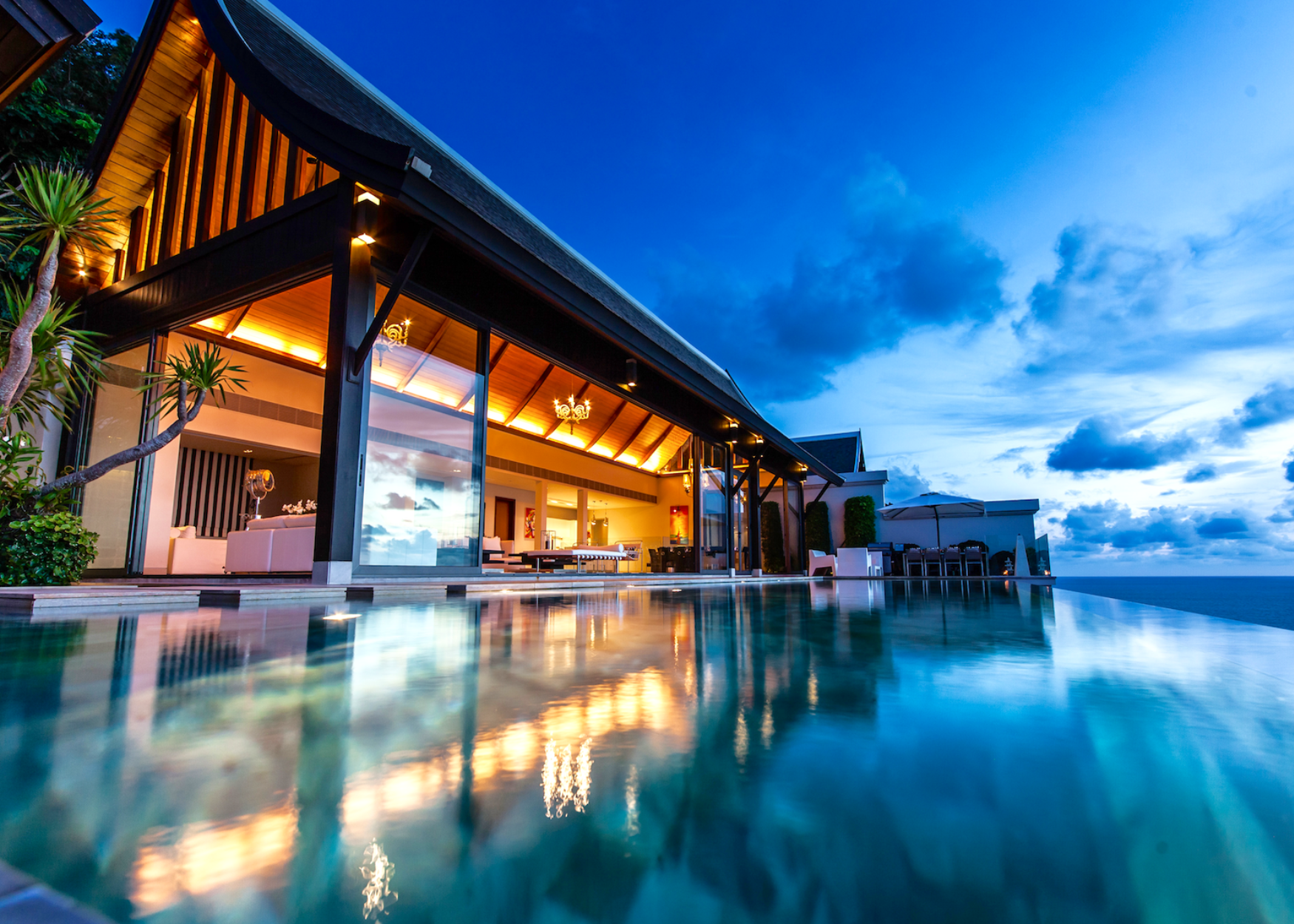
Felix Desjardins, Head of Acquisitions for Phuket and Koh Samui of List Sotheby’s Intl Realty. Top: Malaiwana’s sumputuous ‘Villa M’ estate in Thalang, Phuket.
The rise of multifunctional holiday homes
One of the privileges of working under the List Sotheby’s brand is engaging with some of the most accomplished individuals in the world. While there is no single buyer profile in the ultra-prime space, what consistently surprises observers is the calibre of people Phuket attracts.
Many buyers are exceptionally powerful and globally active yet remain highly price conscious. They are disciplined allocators of capital, accustomed to negotiating hard in every market they operate in, and they bring that same mindset to Thailand.
For many buyers, acquiring a prime villa in Thailand is about creating a place that brings family and friends together. In an era where affluent families are often spread across multiple countries, having a central retreat where different generations can reconnect has become increasingly valuable.
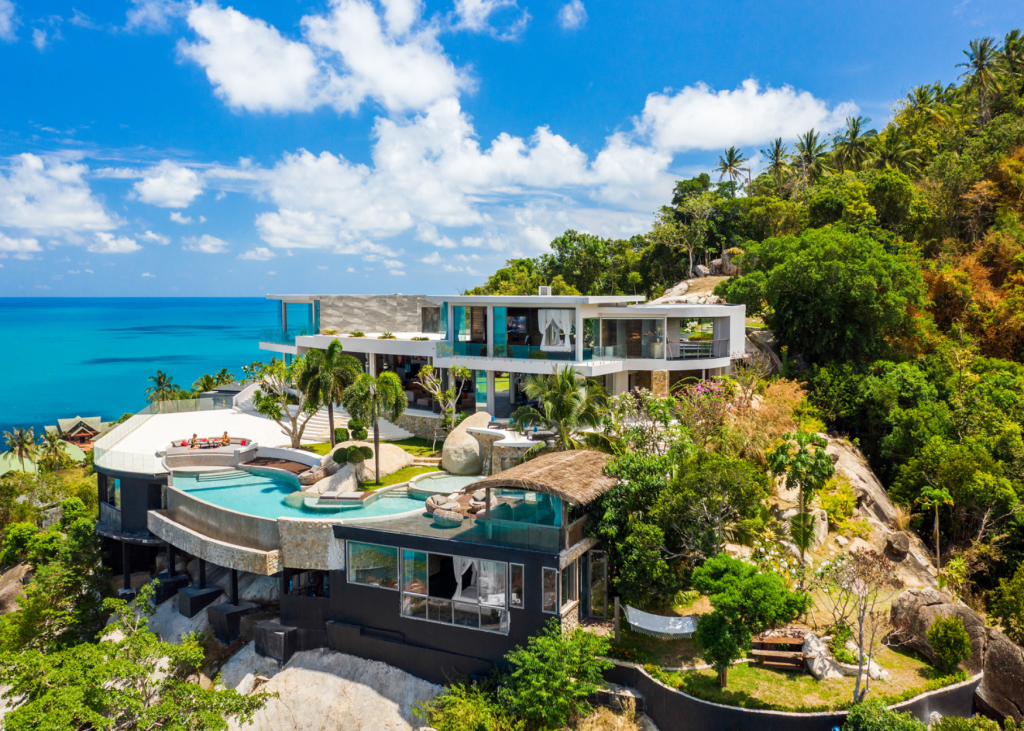
A cliffside villa with panoramic sea views in Koh Samui.
At the ultra-prime end of the market, demand is driven primarily by international buyers. At the same time, there is a growing cohort of Thai investors, particularly those who feel overexposed to Bangkok real estate, reallocating capital toward Phuket and Koh Samui. In most cases, these acquisitions are intended as long-term holiday residences rather than short-term investment plays.
Because the majority of transactions in this segment are all cash, the market remains relatively insulated from broader financial volatility. These homes are typically held through cycles and are less exposed to short-term market pressure.
Many of my clients are what I refer to as home collectors, individuals who maintain several residences around the world. Thailand is chosen first as a place to spend time with family, while capital preservation remains an important but secondary consideration.
How these properties are used varies widely and is driven by the owner’s intent. Some villas enter the short-term rental market on a selective basis, managed by leading luxury operators to maintain standards and privacy. Others remain entirely private and are never rented.
When a residence has been custom built or deeply curated by its owner, it often functions as a private family retreat for many years. Over time, some owners choose to rent during peak seasons to offset operational costs. These decisions tend to evolve gradually rather than being fixed at the time of purchase.
What UHNW buyers value and look for in prestige holiday homes
In the ultra-prime category, properties typically begin at around one rai of land, with living areas approaching one thousand square metres. At the highest end of the market, there are exceptional beachfront and cliffside estates that can be several times larger, in some cases up to ten times the scale of a conventional luxury villa.
These properties often incorporate amenities more commonly associated with private resorts. Indoor basketball courts, private tennis or squash courts, golf simulators, climbing walls, professional gyms, cinemas, and expansive wellness facilities are not unusual. In beachfront settings, these features are combined with direct access to the sea and substantial outdoor living areas.
Yet scale and amenities alone do not determine success. Layout is critical. Some of the most compelling ultra-large villas function remarkably well even when occupied by just one couple. When the design is coherent and circulation is well considered, large homes can feel intimate and highly liveable, allowing owners to enjoy the property without engaging its full scale on a daily basis.
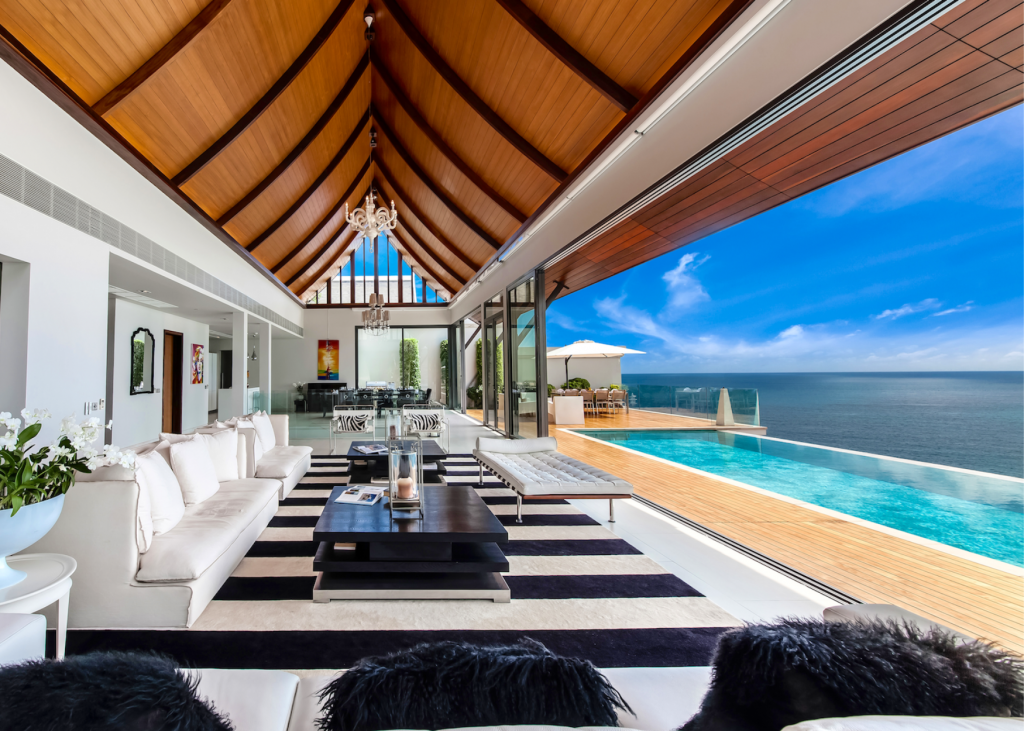
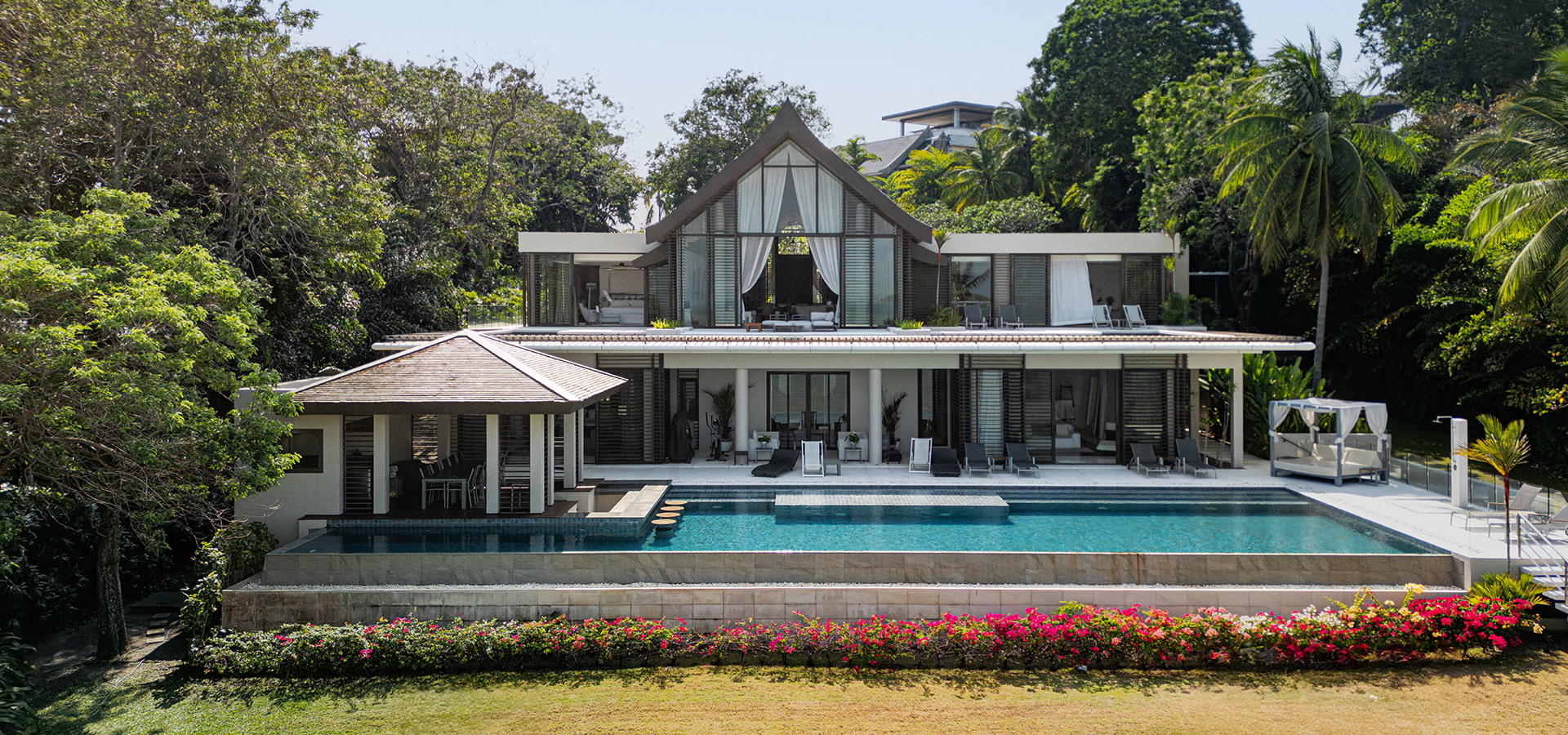
Malaiwana’s ‘Villa M’ is located on Phuket’s stunning Andaman Sea coastline, offering west-facing ocean and beach views.
Beyond size, buyers increasingly prioritise intangible qualities. Architectural integrity, atmosphere and emotional connection now matter as much as headline features. Single-level living, usable green space and privacy from neighbouring properties have become particularly important considerations.
Buyers are also far more discerning when it comes to views. A simple sea horizon is no longer sufficient. Sophisticated clients distinguish between flat vistas and layered panoramas that incorporate islands, bays, and a sense of depth.
Pricing, access and discreet market dynamics
At the ultra-prime level, pricing is rarely transparent. Comparable sales are often limited or misleading, and many of the most significant transactions never enter the public domain.
A meaningful portion of ultra-prime inventory trades discreetly after being held for decades, often within some of the island’s most prestigious private resort estates, where ownership is long term and turnover is exceptionally low. Ownership within these environments often resembles a private club dynamic, where alignment and stewardship matter as much as the physical asset itself.
Large oceanfront land plots are no longer available in most of Phuket and Koh Samui’s key residential areas.
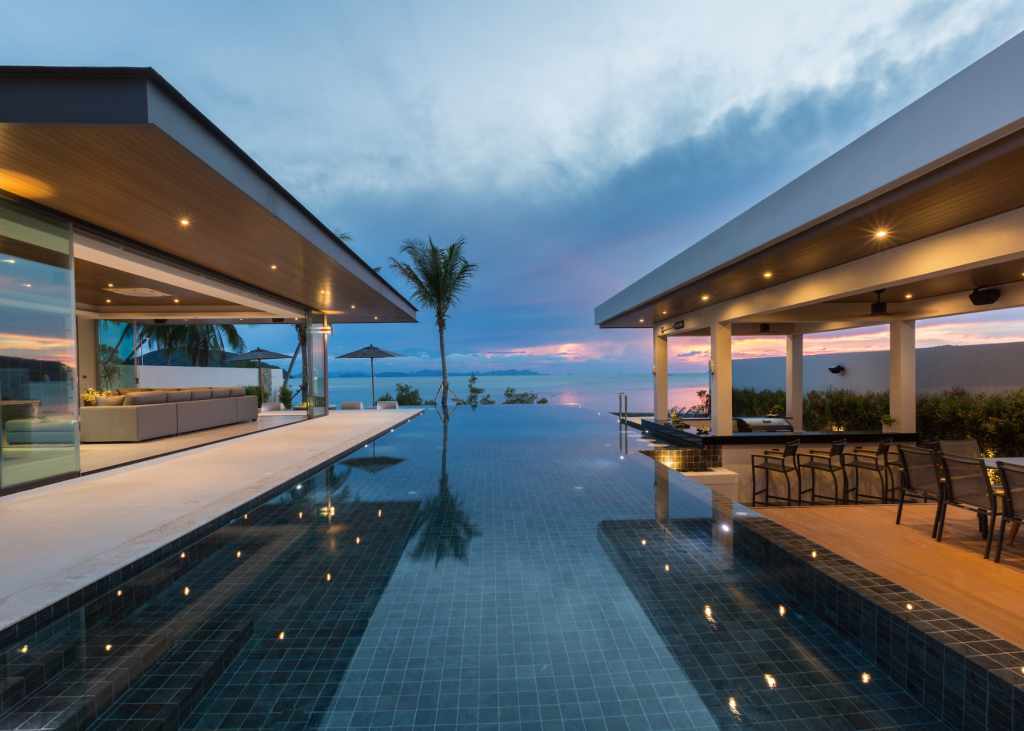
The “Sea Renity” villa in Koh Samui features a 25-metre beachfront onto the famous white sands of Laem Sor.
The outlook of Phuket and Koh Samui’s ultra-prime market
Looking ahead, the outlook for Phuket and Koh Samui’s ultra-prime market remains constructive. While some publicly listed inventory has stagnated due to unrealistic pricing expectations, demand within the off-market segment continues to grow steadily.
Over the coming months, we expect to introduce a number of landmark properties quietly, ranging from branded residences in Phuket to architecturally ambitious hillside villas in Koh Samui. These assets reflect the ongoing evolution of the market and the increasing sophistication of both buyers and developers.
As global families continue to seek destinations that combine privacy, lifestyle depth, and long-term security, Thailand remains exceptionally well positioned. It is acquired first as a place and only second as an asset. Buyers who understand this tend to transact decisively, while those who do not often struggle to align expectations with reality.
Go further with Felix Desjardins‘ luxury property listings:
- Sumptuous villa with breathtaking sea views, Thalang, Phuket
- Luxury beachside villa, Koh Samui
- Cliffside villa with panoramic sea views, Koh Samui
- Idyllic tropical villa, Koh Yao Noi
Read next:
5 bed POA
Belmont Road, D10 5 bed 43,800,000 SGD
3-4 bed | 2,702 - 8,923 area POA
4+1 bed 20,000,000 USD
4 bed POA