The interview: Domagoj Dukec, global director of design at Rolls-Royce, on the emotional thread connecting the ultra luxury car maker’s collections
by Mac Fabella
Where the wider industry might chase speed, volume, and the next new technology, Domagoj Dukec’s unit at Rolls-Royce Motor Cars runs on something slower and harder to measure: sensitivity. “Spending on anything that relates to luxury design is an irrational decision,” says the marque’s global director of design. “But it is a highly emotional, intrinsic decision that happens somewhere in your stomach, and you can’t really define it.”
Born in Frankfurt with Croatian roots, Dukec attributes his fascination with automobiles to growing
up surrounded by “a culture that took the motor car seriously”. Starting his career in the late 1990s, he held design roles at major European manufacturers, including Volkswagen and Citroën. In 2024, he was appointed to the top job at Goodwood’s design studio after more than a decade with BMW, a transition that fundamentally changed his creative mindset from managing volume to “pursuing perfection” for each commission.
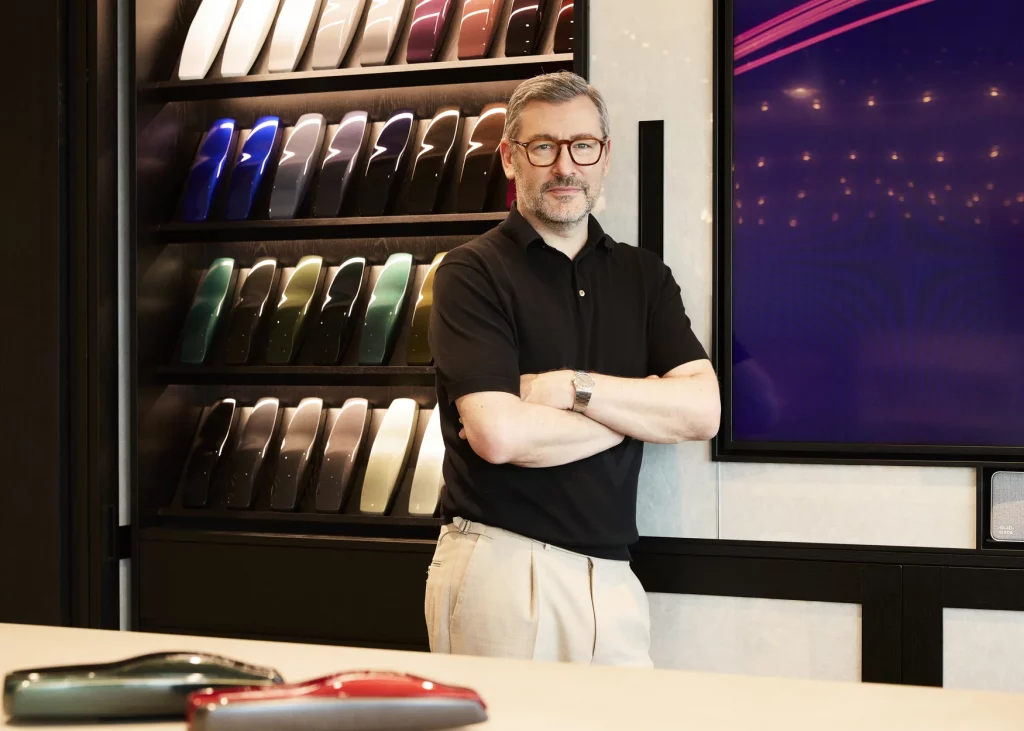
Domagoj Dukec, global director of design at Rolls-Royce. Top: Project Nightingale, a Coachbuild Collection. (Images courtesy of Rolls-Royce Motor Cars)
He describes it as “co-creation”. Many of these highly discerning clients are deeply involved in
the creative process from the beginning, resulting in a collaborative dialogue and an incredibly intimate process that speaks to a client’s own memories, convictions, and the “little child in every one of us”.
“They have a dream, something they can’t express, and we create something out of our conversation,”
he says. They’ve matched a car’s paint to the fur of a beloved dog. They’ve recreated ancient mural art through craftsmanship. “It gives us the freedom to realise ideas that simply cannot exist in volume manufacturing,” he says, of the range of creativity they are afforded. “You feel a profound sense of custodianship as a steward of over a century of heritage, testing every single decision against meaning rather than novelty.”
He returns to the word “meaning” when talking about the thread running through three of the ultra-luxury car maker’s pillars of expression: Bespoke as the foundation, Black Badge as a “more assertive” alter ego, and Coachbuild as the pinnacle.
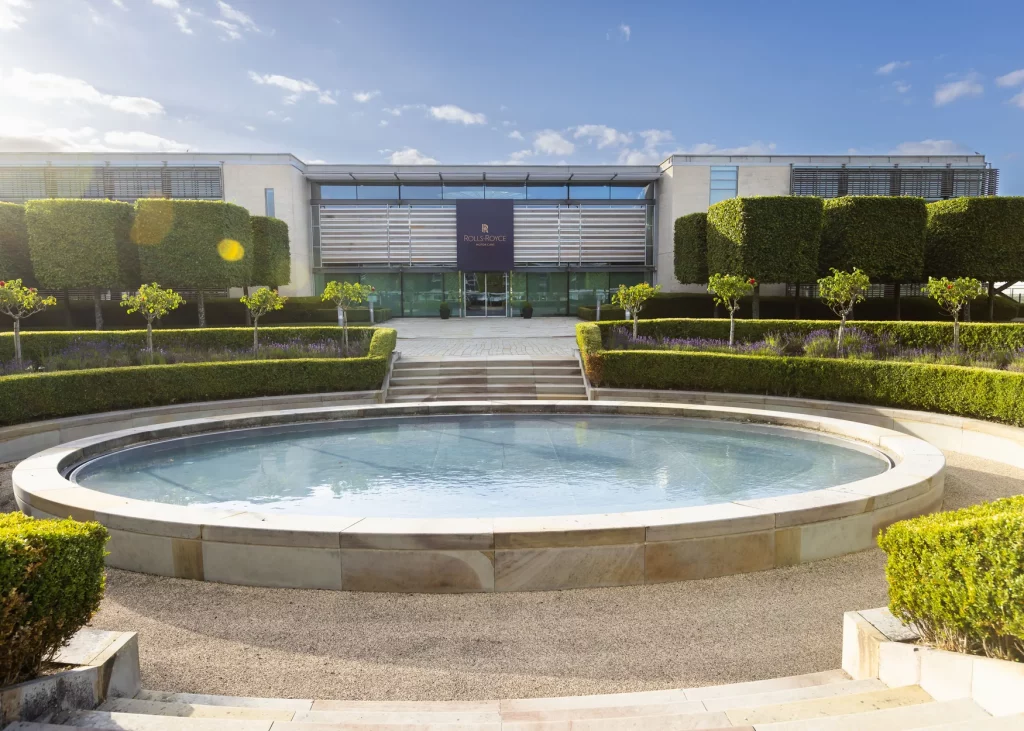
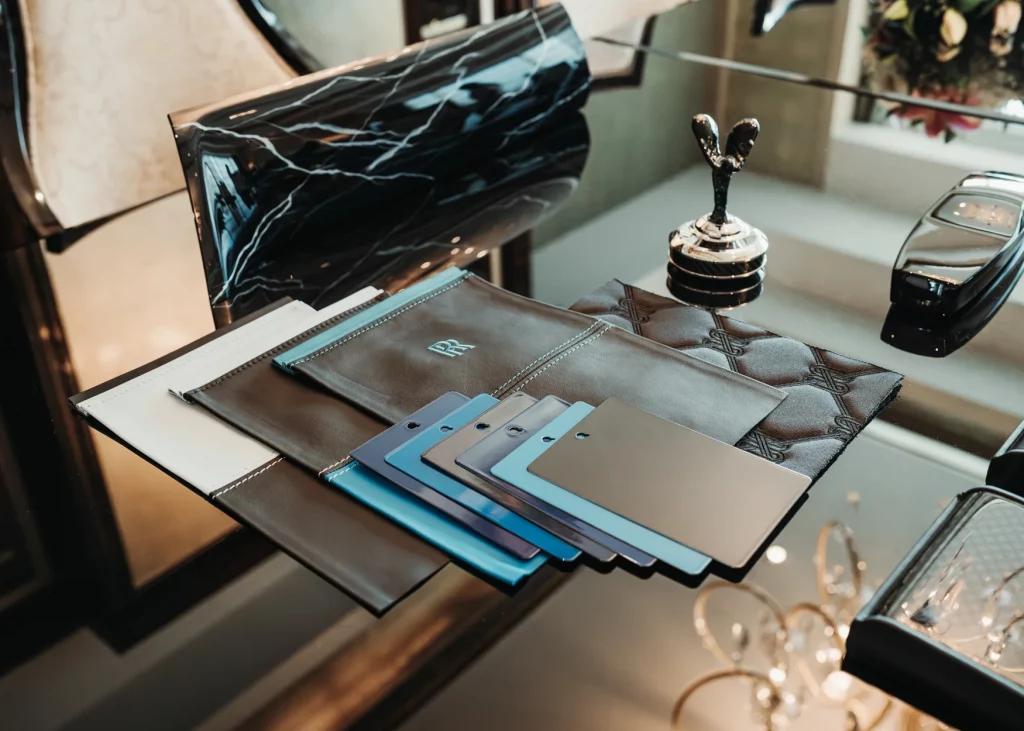
Left: The home of Rolls-Royce at Goodwood. Right: Mobile Bespoke Studio by Rolls-Royce’s Private Office. (Images courtesy of Rolls-Royce Motor Cars)
Maiden flight
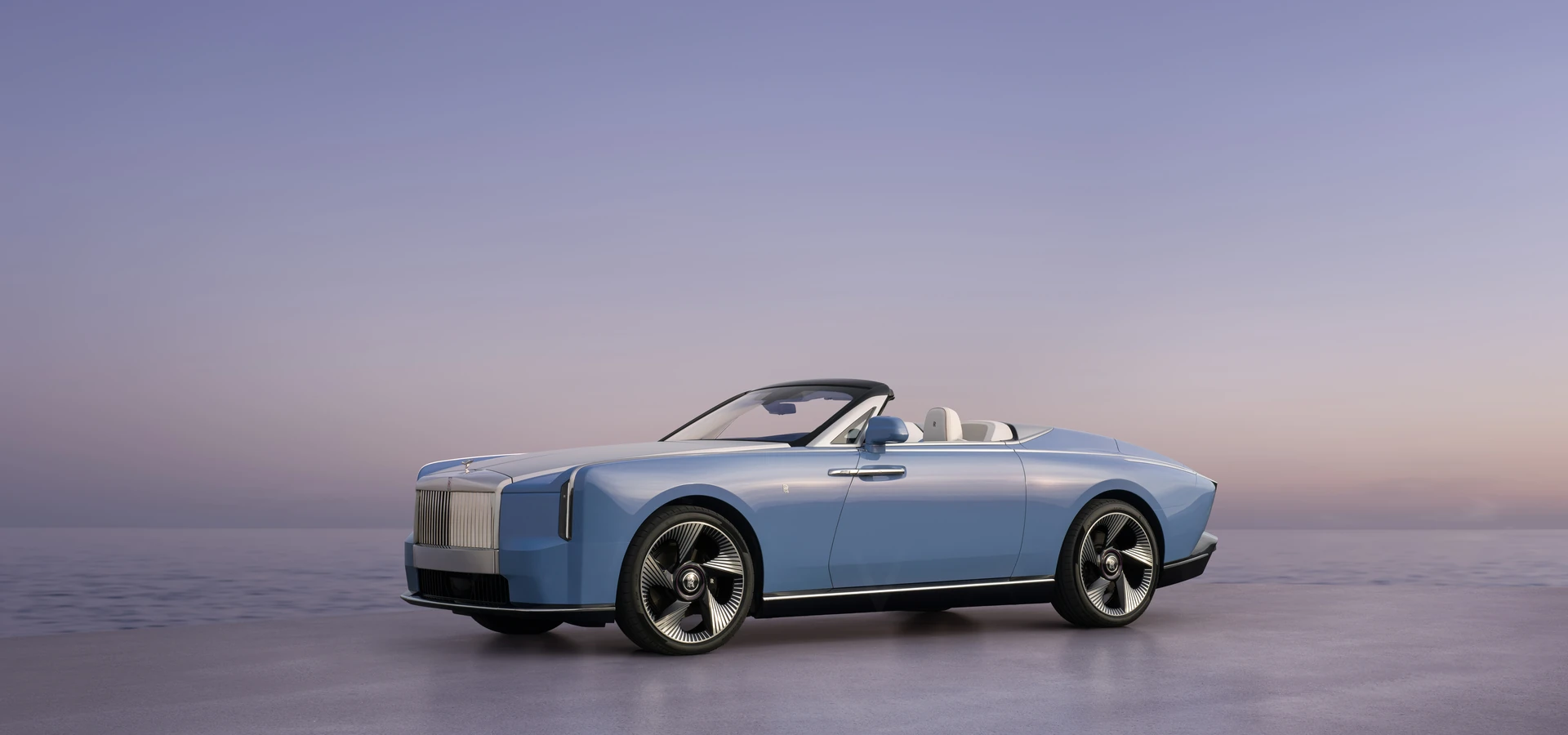
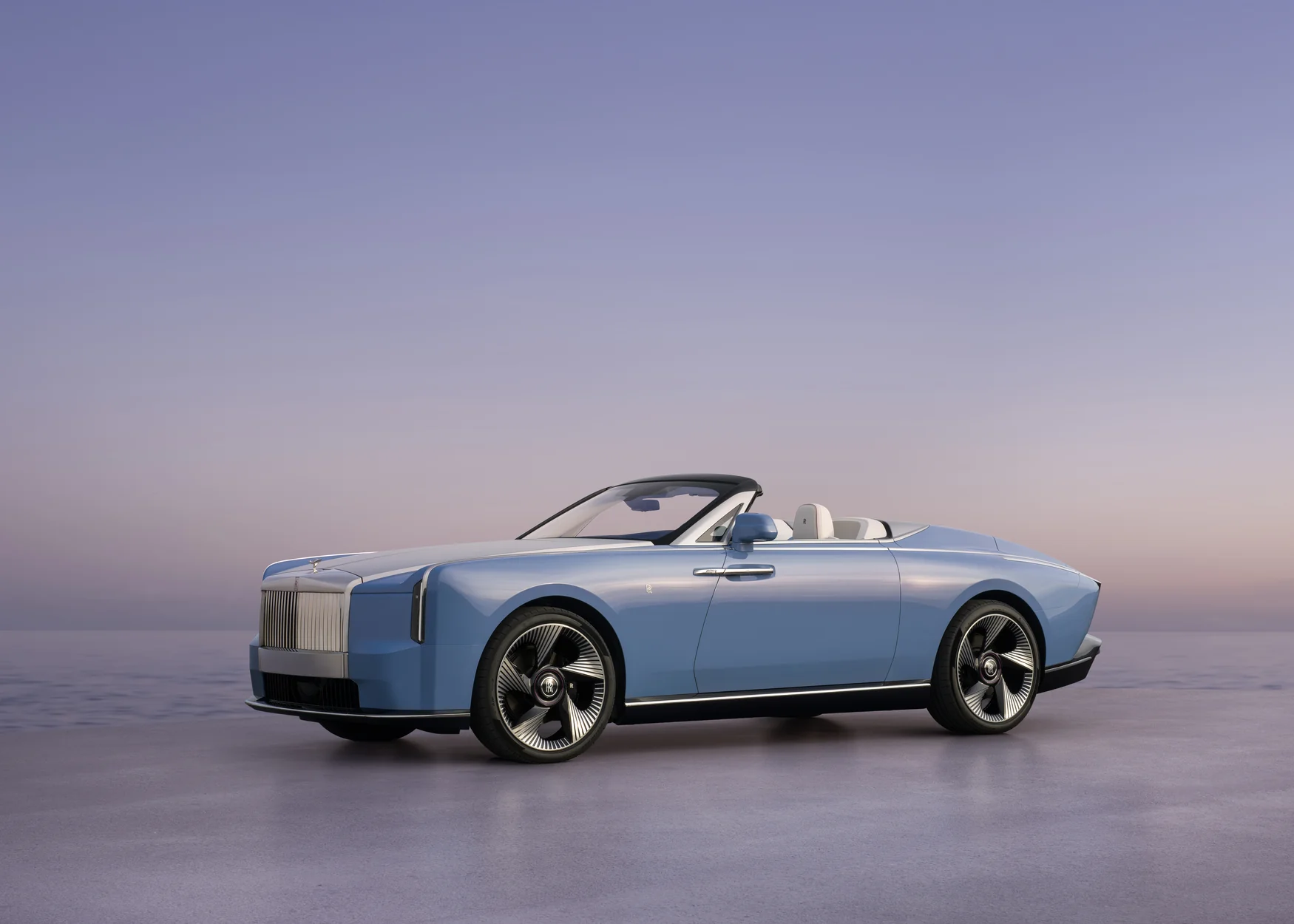
Project Nightingale, the first Coachbuild Collection and Dukec’s first major project at Rolls-Royce, was unveiled earlier this year. Available only by invitation and limited to 100 client motor cars worldwide, the production concept is a fully electric, two-seat convertible delivering a uniquely silent open-top experience. “The brief was to bring together three qualities that had never coexisted in quite this way for the marque: the freedom of coachbuilding, the serenity of open-top motoring, and the qualities of an all-electric Rolls-Royce.”
It was named after Le Rossignol, French for “the nightingale”, and what they called the designers’ and engineers’ house near Henry Royce’s winter home on the Côte d’Azur. For its sheer, monolithic aesthetic, they took inspiration from the marque’s experimental motor cars of the 1920s and the Streamline Moderne principles from the late Art Deco era.
Nearly six metres of surface—almost Phantom-length—devoted to two seats and a torpedo-shaped fuselage, the front elevation freed from cooling intakes into an uninterrupted sweep either side of the Pantheon Grille. Vertical headlamps, a chrome belt tracing the whole silhouette, 24-inch wheels striking a subtle contrast, with a directional design inspired by the propellers of a yacht viewed from beneath the waterline. The effect is less “sports car” than serenity and elegance given form.
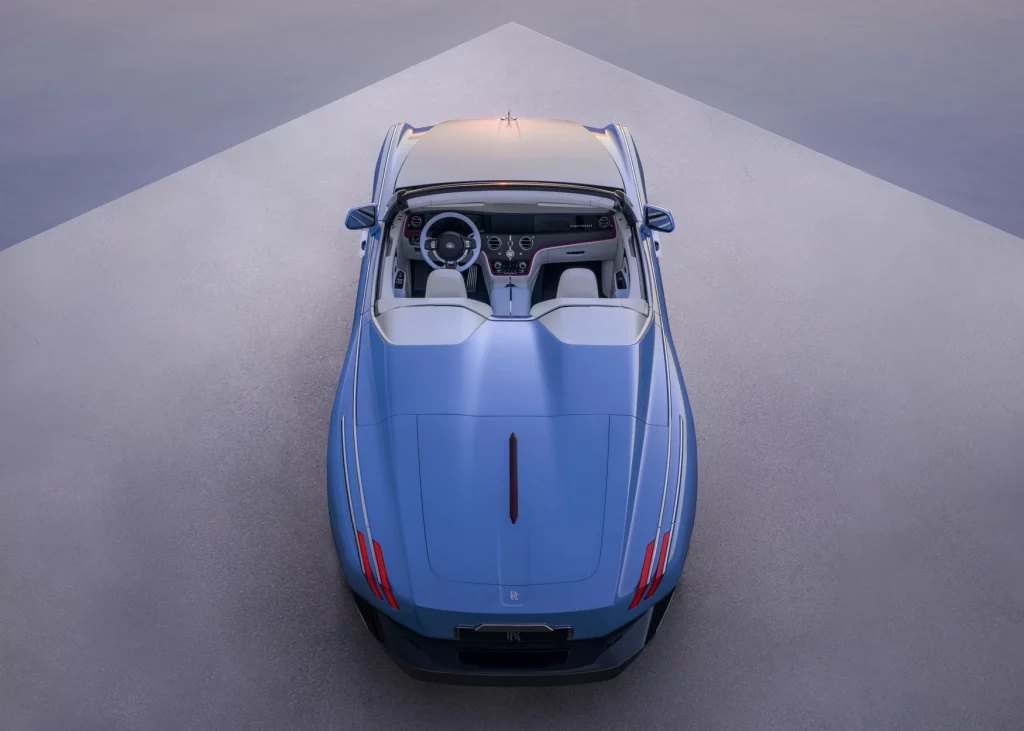
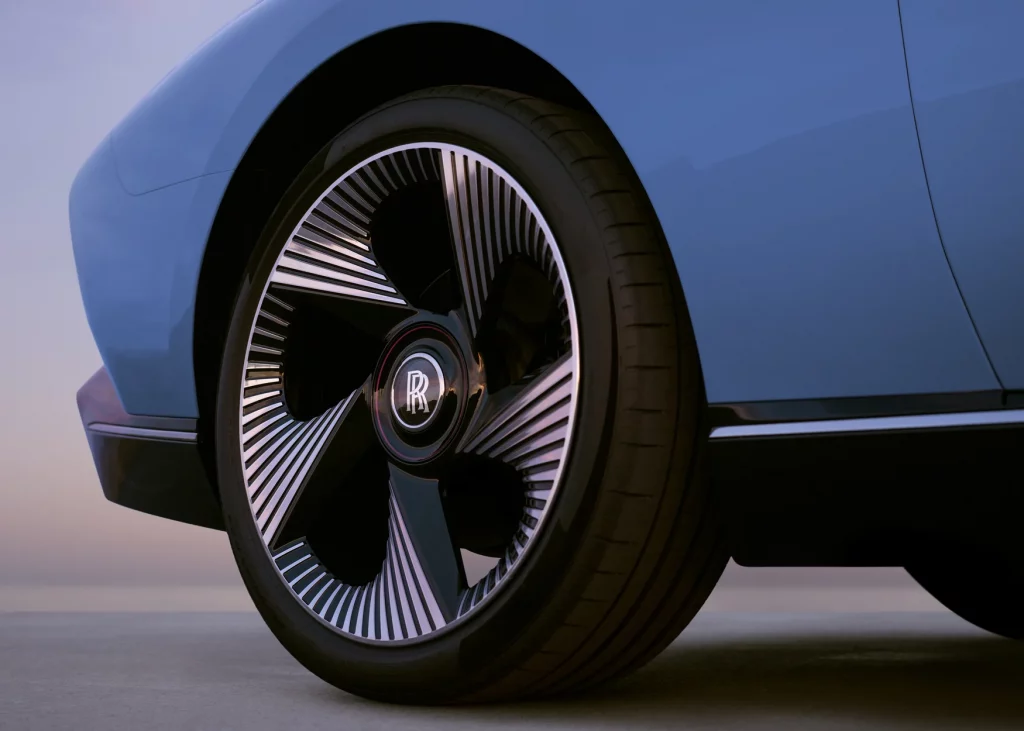
Project Nightingale. (Images courtesy of Rolls-Royce Motor Cars)
“Having collectors involved from the beginning changes everything,” says Dukec. “When you design for an anonymous market, you are, by necessity, designing for an imagined average—a compromise across many unknown preferences.” With Project Nightingale, their hundred clients are all known to them, invited through the brand’s Private Office network, and each one goes through a genuine one-to-one commissioning journey, typically over three to four years, choosing from an exclusive palette of colours and materials created only for the collection. “It’s a far more intimate, and far more demanding way to work, but it produces a truer piece of design.”
Black Badge turns ten
If Nightingale is Dukec’s first big statement at Rolls-Royce, Black Badge is one he inherited—and clearly loves anyway.
“It is one of my favourite chapters in Rolls-Royce’s story,” he says, “because it proves that this marque has always had a rebellious streak beneath the formality.” Black Badge launched in 2016 with the Ghost and Wraith, offering a darker, more assertive expression of the marque’s design language for a generation of clients who wanted a car unmistakably a Rolls-Royce, but with a harder edge. The instinct, as it turns out, predates the name by almost a century: Rolls-Royce’s own archivists later turned up a 1928 20HP with its grille and Spirit of Ecstasy finished in black—proof, in Dukec’s words, that “this instinct for self-expression and quiet defiance has always been part of who we are”.
A decade on, the spirit hasn’t shifted so much as sharpened. What began as a subversive alter ego, Dukec argues, has hardened into a design language of its own, with enough gravity to reshape how the wider luxury sector thinks about contemporary prestige. He points to the marque’s Black Badge Cullinan collaboration with graffiti artist Cyril Kongo as evidence of where it’s headed next. “Today, I would say we’re creating it for clients who see their Rolls-Royce as an extension of their own creative confidence: often collectors who already own a series Rolls-Royce and want an alter ego alongside it,” he states. “It is not defined by age, geography, or industry, but by attitude.”
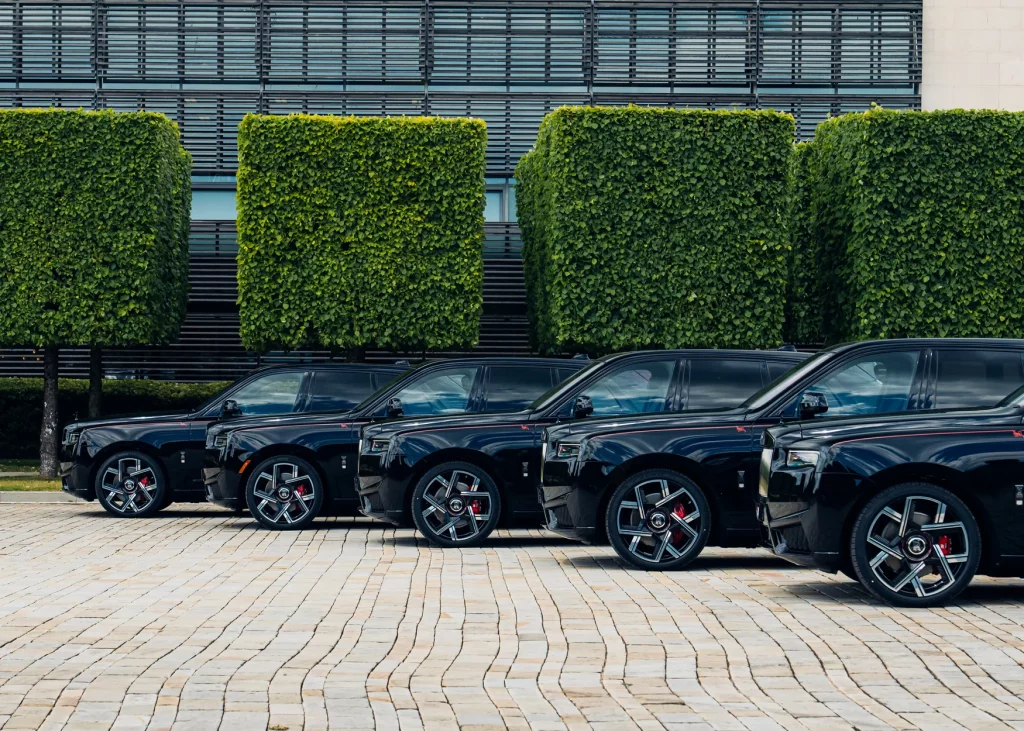
All five commissions of the Black Badge Cullinan by Cyril Kongo, at Goodwood. (Image courtesy of Rolls-Royce Motor Cars)
A singular design thread
In 2025, Rolls-Royce saw record levels of Bespoke content across its motor cars, while commissions developed through its Private Office network more than doubled. “I see them [Bespoke, Black Badge, and Coachbuild] as points on a single continuum of self-expression, underpinned by the same core design codes,” Dukec says. “Each of the three offers a different degree of freedom, but none of them ever step outside the fundamentals that make a Rolls-Royce a Rolls-Royce—presence, proportion, the sheer, monolithic beauty of the surfaces.”
The Bespoke team works from a deep understanding of the codes, and personalisation is merely the added layer on top that few, if any, can rival. Their parameter in the end, he adds, is that the client gets something highly personal, expressed in a manner nobody else could do and that has never been done before.
Ask him what changes next at Rolls-Royce, and the answer is: almost everything—just not the part that matters most. Coachbuild, he says, will move fastest, because it’s the one place unburdened by ordinary product planning, free to chase new materials, forms, and ideas. Bespoke will keep growing more personal, as clients get bolder about putting culture and memory into their cars. Even Black Badge will shift shape as culture and technology do. But underneath all that motion, he believes, is the silence, waftability, presence, craftsmanship, and emotional permanence of a Rolls-Royce.
Read next:
- The interview: Young Timers Garage’s Shaun Baker on how rare and bespoke cars are becoming sought-after alternative assets
- Rolls-Royce Coachbuild Collection peels back the curtain for a privileged few
In brief:
Who is Domagoj Dukec?
Dukec is Rolls-Royce Motor Cars’ director of design, having joined the marque in late 2024 after previously serving as design director at BMW
What is Project Nightingale?
Rolls-Royce’s first Coachbuild Collection, unveiled in 2026, is a two-seat electric convertible offered by invitation to a limited group of clients, paired with a bespoke commissioning process.
What is the Coachbuild Collection? Coachbuild sits between Rolls-Royce’s standard model range and fully bespoke one-off commissions, offering a small number of clients a car developed collaboratively with the marque’s design studio.
What is Black Badge and when did it launch?
Black Badge is a darker, bolder specification of the Rolls-Royce range that first launched at the Geneva Motor Show in 2016 with the Ghost and Wraith. Rolls-Royce traces the aesthetic’s origins back nearly a century, to a 1928 Rolls-Royce 20 HP finished with a black grille and Spirit of Ecstasy.
Which models are currently offered in Black Badge specification?
The Ghost, Cullinan, and Spectre are currently available in Black Badge specification. The lineup has also included the Wraith and Dawn, along with the Spectre, which arrived in early 2025.
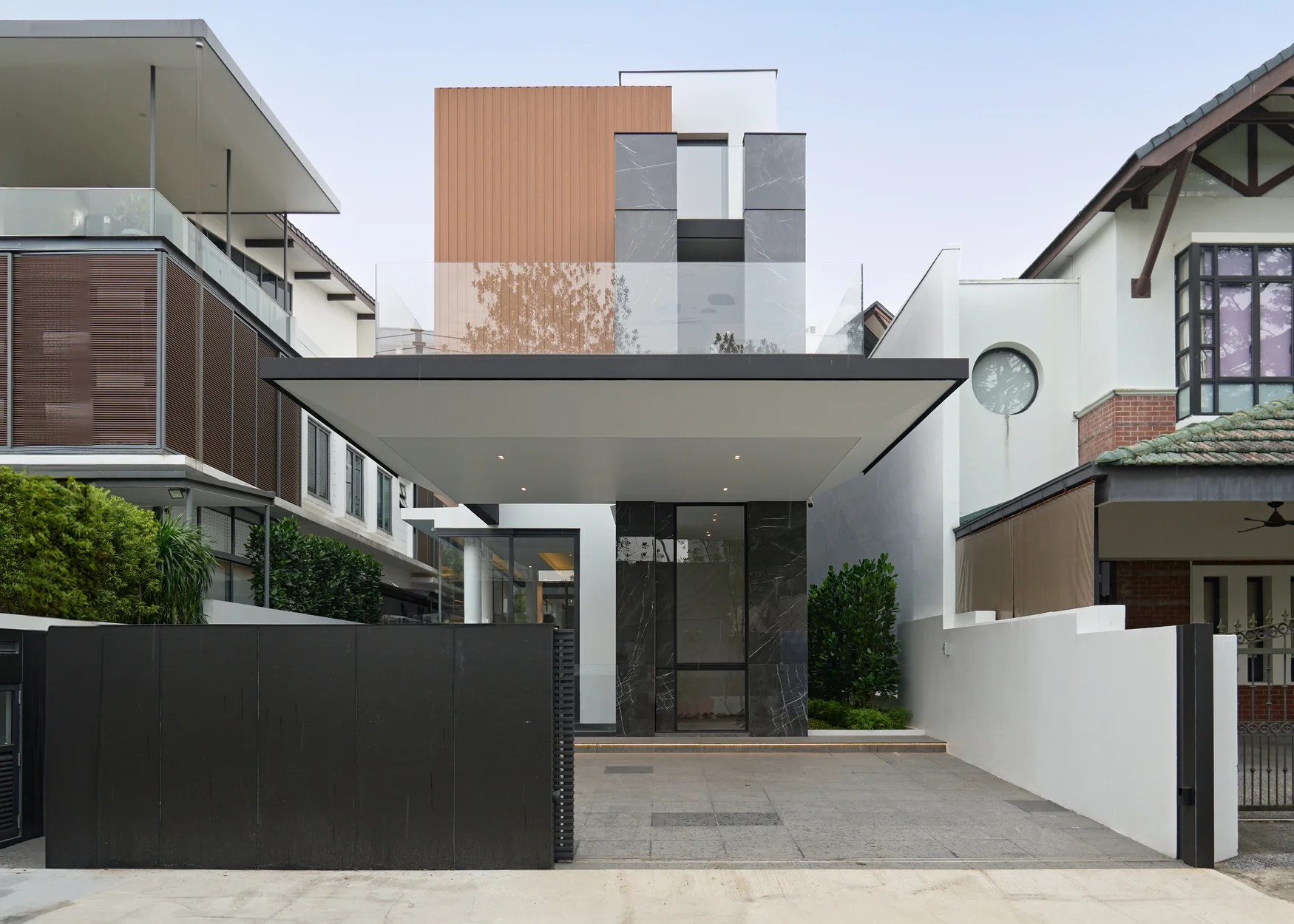
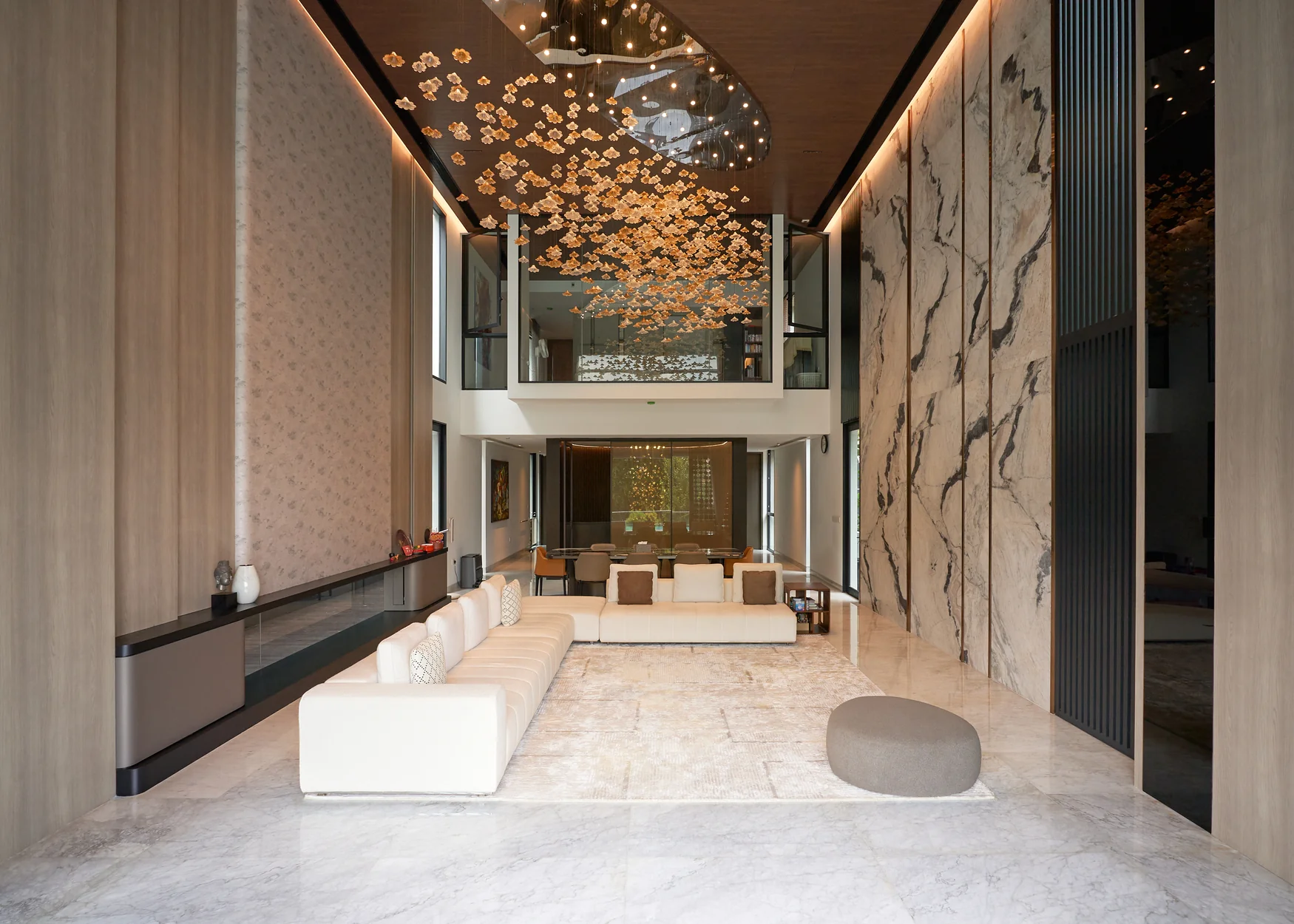
8+1 bed | 10,200 sqft area 19,500,000 SGD
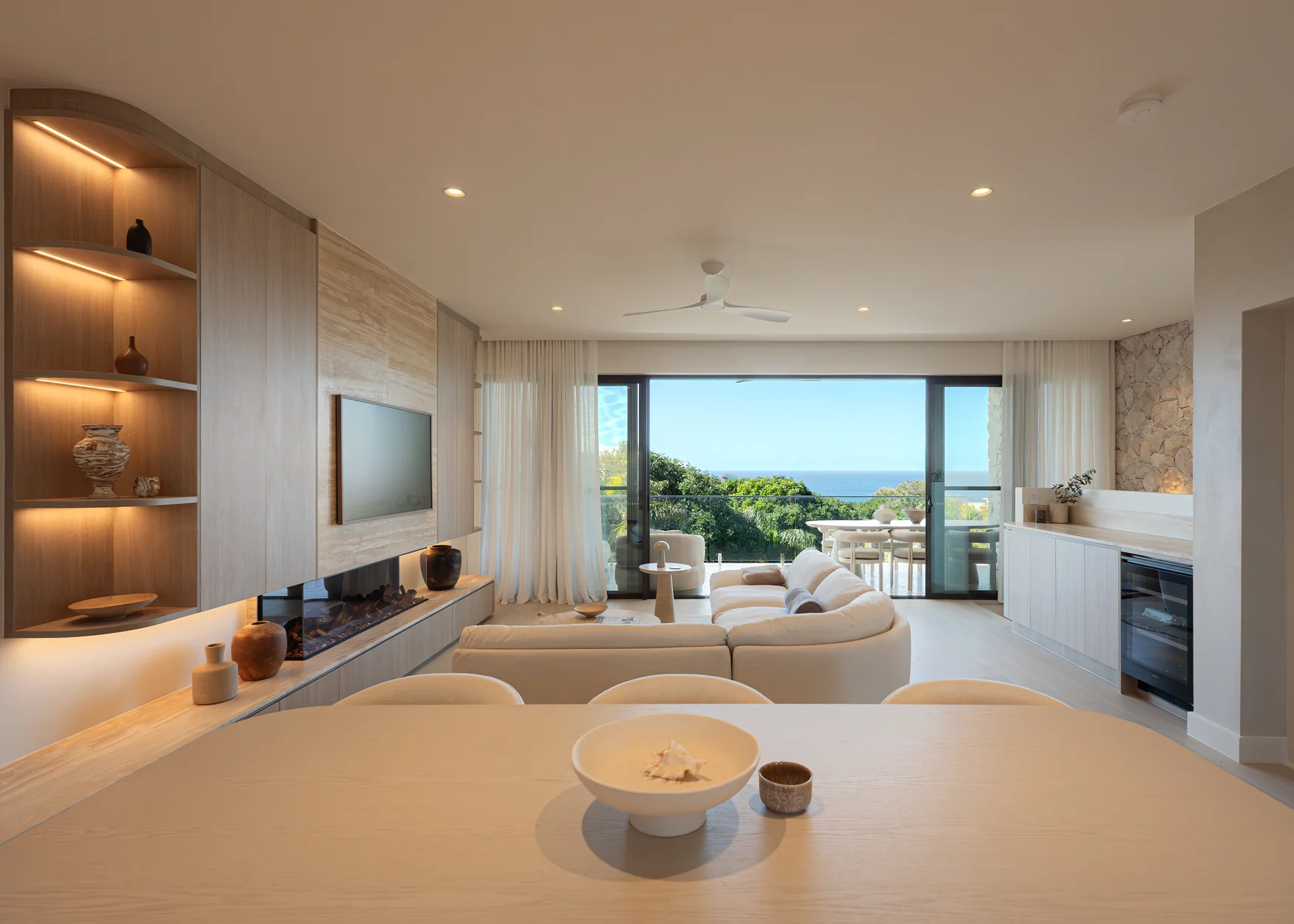
5 bed 19,380,000 SGD
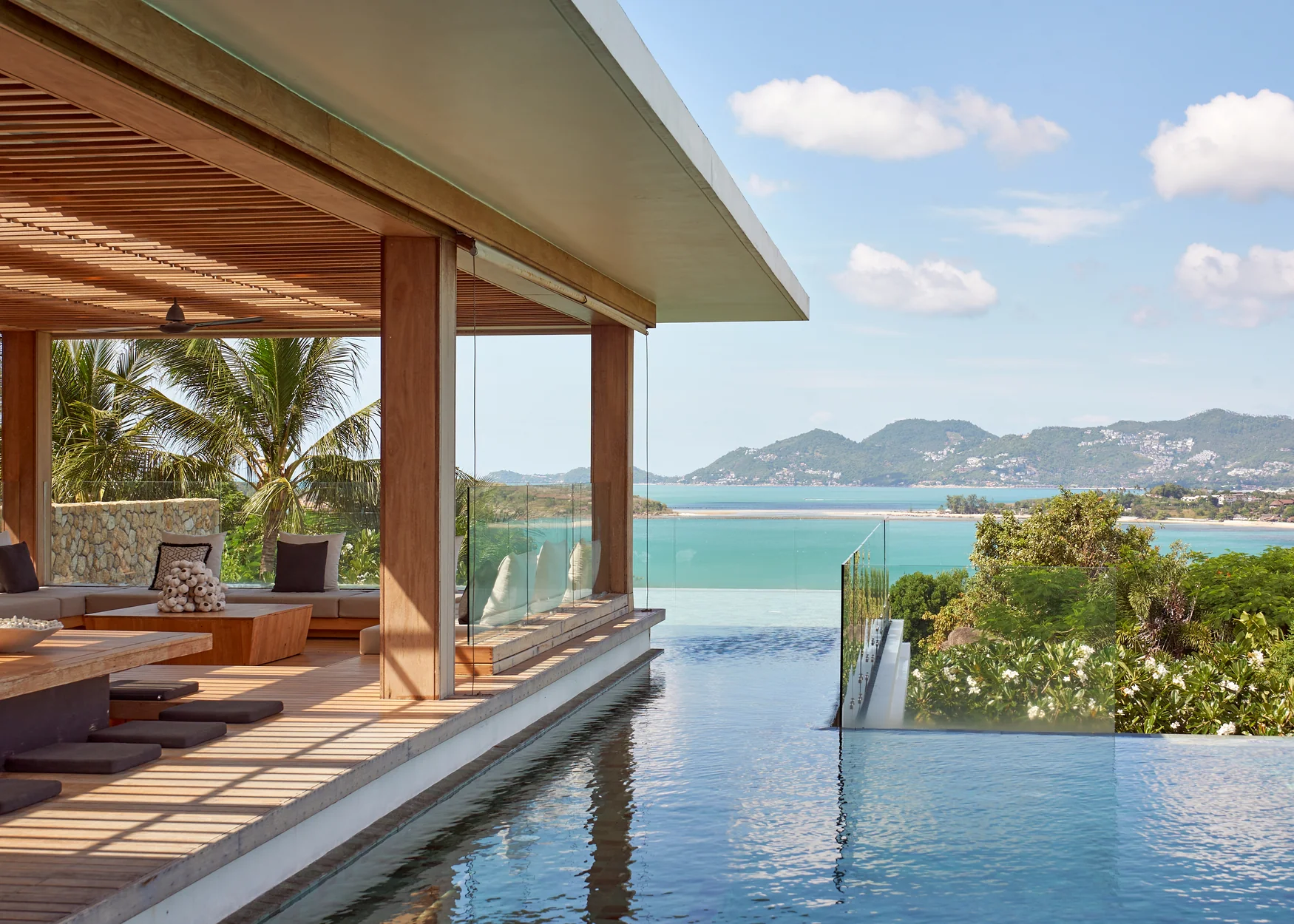
4 bed | 4,208 sqft area POA
3-8 bed | 699,654 - 784,080 sqft area POA
6 bed POA