The long game: Clinique La Prairie’s Simone Gibertoni on the future of longevity
by Hamish McDougall
From measuring biological age to reprogramming cells, longevity medicine is becoming more ambitious—and more personal. Clinique La Prairie CEO Simone Gibertoni discusses the science, the expectations, and why the next chapter may be somewhere to live.
Simone Gibertoni has a problem with the coffee. Or, more precisely, with its absence. At a longevity retreat, removing the coffee machine might seem an uncontroversial decision. To the CEO of Clinique La Prairie, it rather misses the point of personalised medicine: first, establish how the individual responds, then decide what belongs in their cup.
It is a small rebellion, particularly given that this is his own organisation, and a useful introduction to a conversation in which the man selling longevity is frequently questioning how it is sold. We meet at Clinique La Prairie’s new longevity clinic in Phuket, within Tri Vananda—a residential estate built around health and wellbeing. And while the conversation ranges from biological clocks to organs grown outside the body, Gibertoni keeps returning to the person expected to make sense of it all.
“I’m an optimist, but I’m not the one who is telling you we’re going to live forever,” he says.
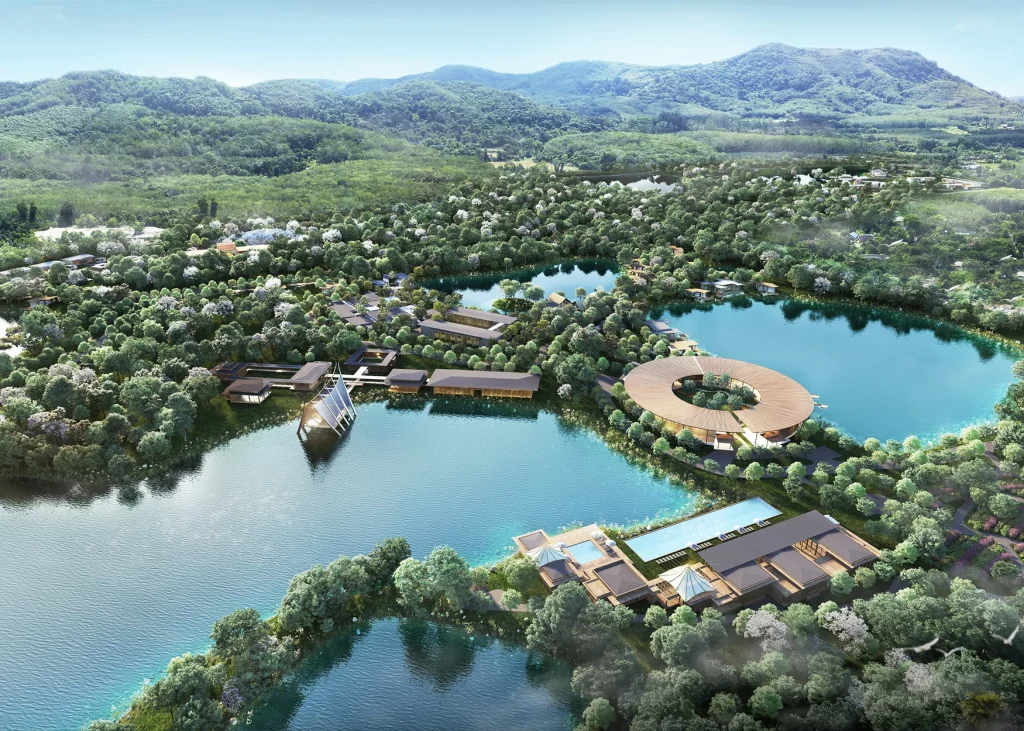
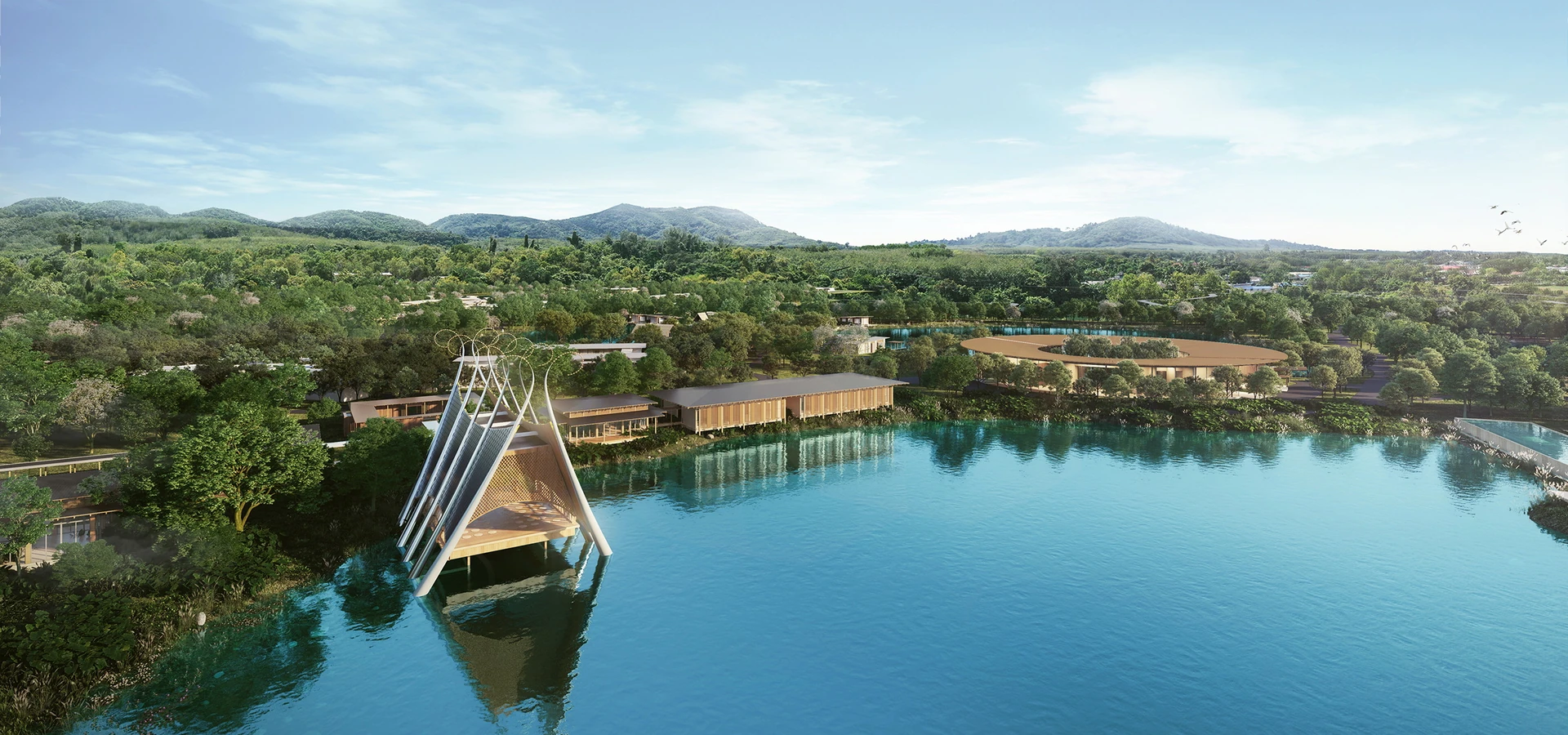
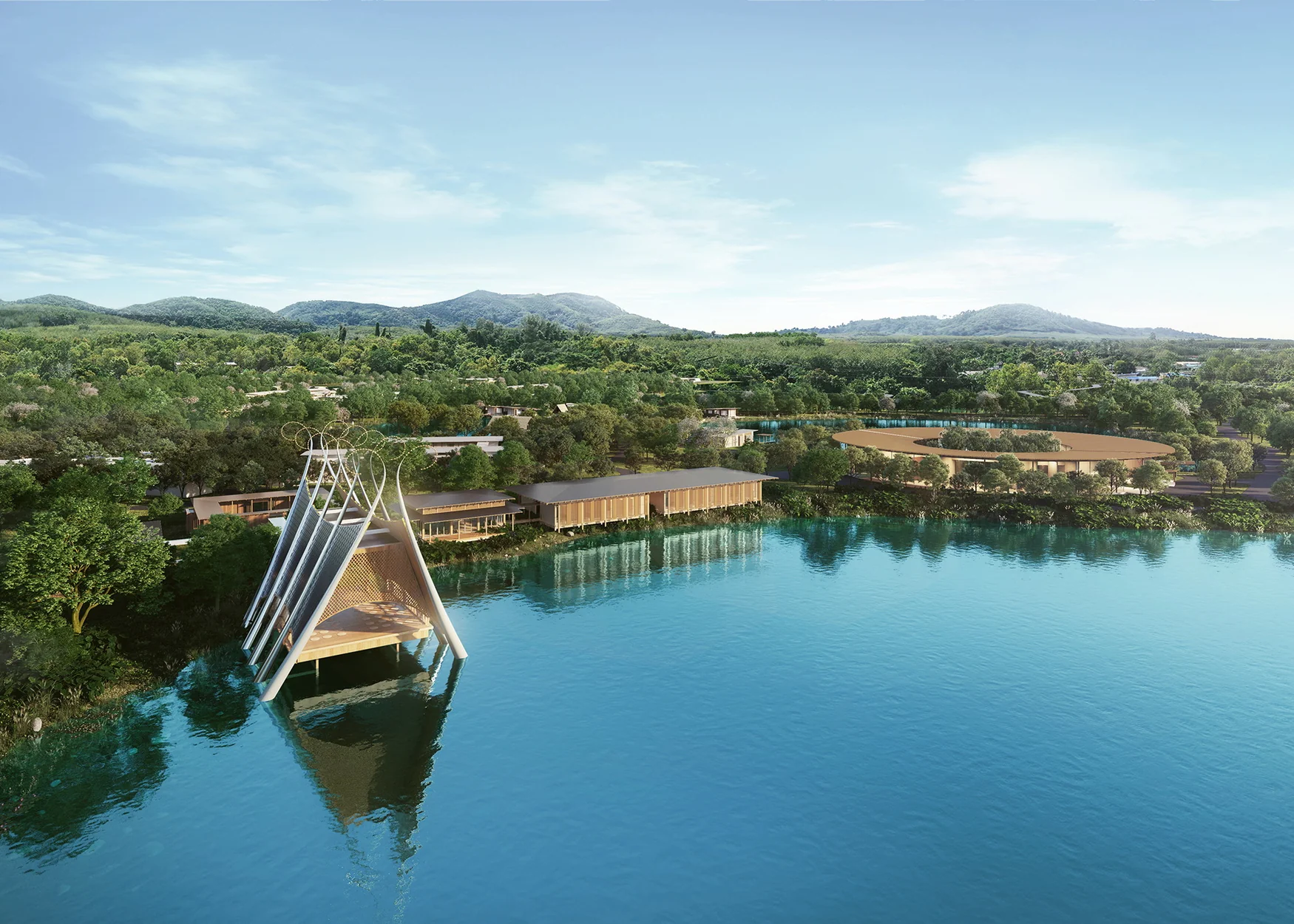
Asia’s first Clinique La Prairie health resort has opened within Tri Vananda, Phuket.
His clients want to retain their energy, their mental sharpness, and their participation well into old age. Gibertoni recalls one who was still working at 94, and credited the clinic with helping him stay that way. Healthspan (the years spent in good health) gets closer to this than lifespan, although Gibertoni prefers the more demanding idea of “peakspan”: preserving as much as possible of the capacity we associate with our best years.
“Maybe I’m going to die at 70 or 80—I don’t care when I’m going to die, but when I do, I want to be at least 80, 90 per cent of the full capacity that I had when I was at the top,” he says. “I think this is what our clients are searching for: this idea of keeping the energy, keeping the sharpness, keeping the focus, as much as they can.”
So how close are we to making that a clinical reality?
Reading the body
Some of the most consequential progress, Gibertoni argues, has been in diagnostics. Before deciding what to change, there is increasingly more to learn about the body you have.
“I like to simplify the longevity process into three steps: diagnostic, intervention, and follow-up,” he says. “A lot of development has been done on the diagnostic side. So today there are all these big biomarkers: genetic, epigenetic, glycans, metabolomics. You cannot intervene effectively without good diagnostics.”
Behind that vocabulary are different ways of reading our biology. Genetic tests examine the inherited DNA sequence. Epigenetic tests look at chemical markings associated with how that DNA is used, and because certain patterns change with age, researchers can use them to construct the much-discussed biological clocks. Glycans are sugar structures attached to molecules including antibodies, where their changing patterns can offer clues about ageing and inflammation. Metabolomics examines small molecules produced or used in metabolism, adding information about what is happening in the body now.
These tests offer overlapping views of an enormously complicated system, and the excitement of being told you are younger than your birth certificate suggests can obscure how much that result depends on the model used to calculate it. In CALERIE, a two-year trial of calorie restriction, researchers found a modest slowing in one measure of the pace of ageing but no significant change in two other biological-age estimates—an illustration of how different clocks can respond differently to the same intervention. Establishing whether those changes translate into fewer illnesses or longer lives will require longer follow-up.
Gibertoni is himself impatient with the fixation on a flattering number.
“I’m going to give you the blood test, and I’m going to tell you you are younger or older than your real age. But that’s not important,” he says. “What is important, is to know if, in one year, you are on the right trajectory.”
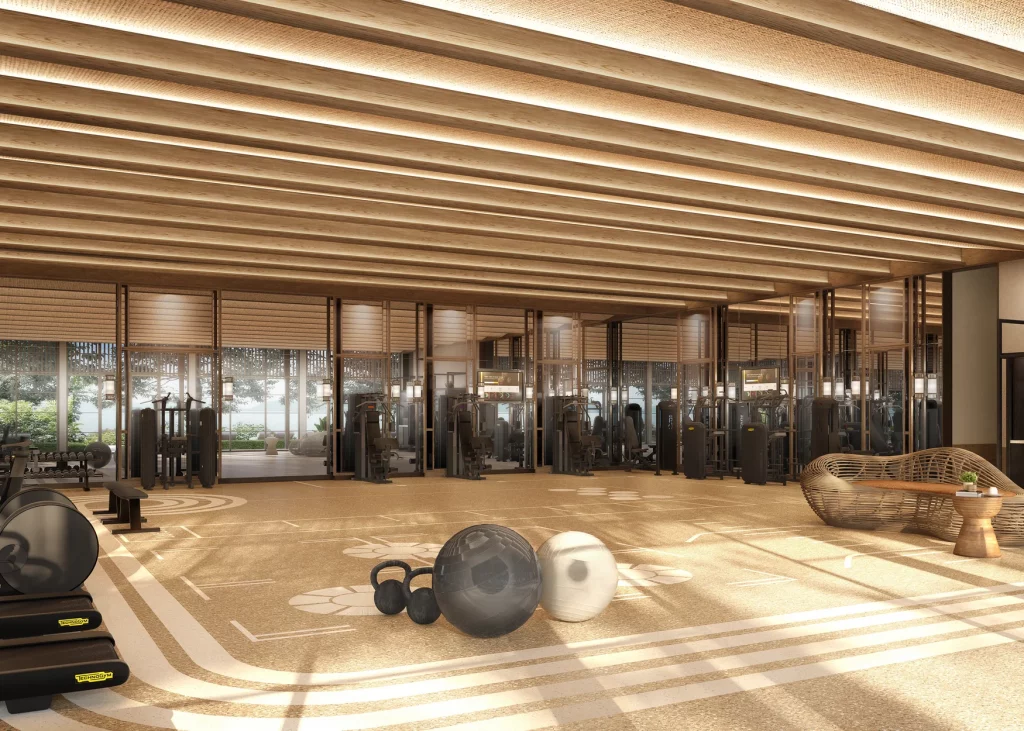
The Technogym fitness centre inside Clinique La Prairie Phuket.
Following that trajectory means moving from testing to the daily habits and medical interventions that might alter it. Clinique La Prairie’s approach spans medicine, nutrition, movement, and wellbeing, with ongoing assessment to establish how each person responds and where their programme needs to change.
The promise of repair
Ask about the next five years, and Gibertoni first makes a distinction between what is scientifically established, what is promising, and what is hyped. His clients’ appetite for the latest development makes the middle category particularly important: enthusiasm needs judgement, especially when access can precede convincing evidence.
Senolytics illustrate both the appeal and the difficulty. These experimental treatments target senescent cells—cells that have stopped dividing but remain metabolically active. Senescence has useful roles, including helping to restrain damaged cells from multiplying. But problems arise when such cells persist and accumulate, releasing substances that can contribute to inflammation and disrupt neighbouring tissue. The therapeutic proposition is to remove troublesome cells selectively, allowing the surrounding tissue to function better.
The animal research has been encouraging; the human results are more qualified. A randomised trial of dasatinib and quercetin in postmenopausal women did not meet its primary endpoint of reducing a marker of bone breakdown across the study group, although exploratory analyses within the same trial suggested that women with a higher burden of senescent cells might benefit, giving researchers a more specific question to pursue. That is progress, but it is some distance from a general rejuvenation prescription.
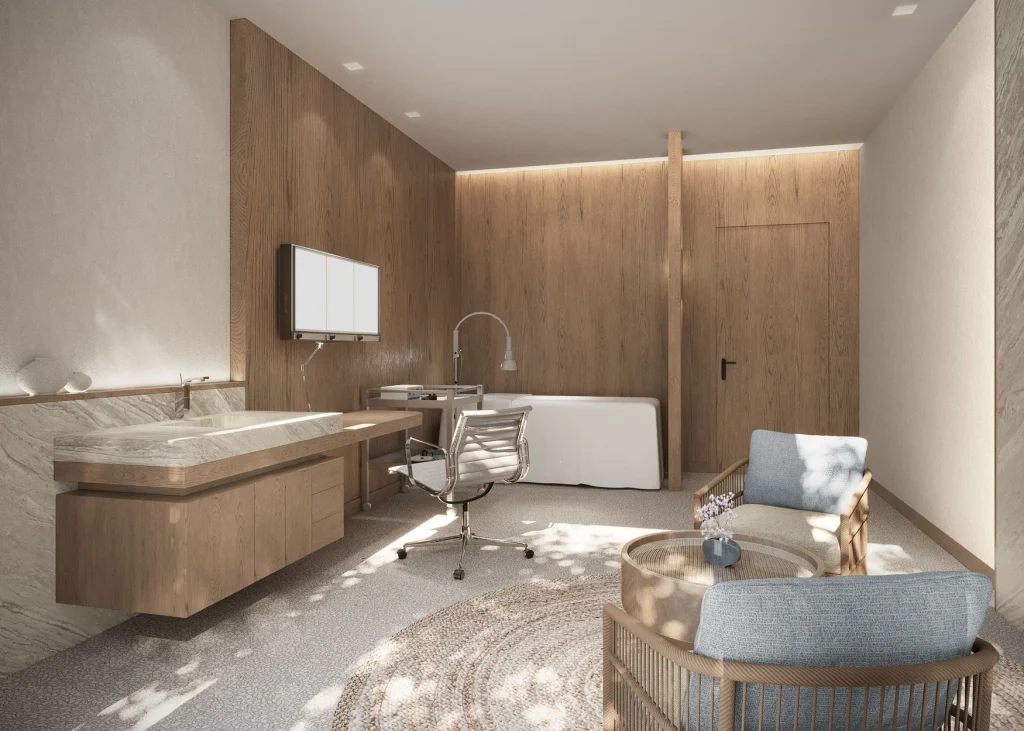
The consultation room where patients meet with their Longevity Coach.
Gibertoni is also watching developments in cellular reprogramming, organoids, and digital twins: ways to alter a cell’s behaviour, study living tissue outside the body, or model how a patient might respond to treatment before administering it.
Partial epigenetic reprogramming is especially intriguing. It aims to restore more youthful patterns of activity in an older cell without taking it all the way back to an immature state and losing the specialised function that makes it useful. This is distinct from simply cutting out faulty DNA. The challenge is to recover function with enough control to avoid dangerous changes in cell identity or growth.
It has already reached an early human test. Life Biosciences’ ER-100 trial targets eye disease; in October 2026, the company reported initial tolerability findings in three participants with glaucoma. A small, early safety study cannot establish that the treatment works, much less that it can rejuvenate the whole body. It does, however, put a defined version of the idea into a clinical trial rather than leaving it entirely in the laboratory.
Organoids are clusters of cells grown in a laboratory to mimic some of an organ’s structure and function. They can be grown from a patient’s own cells, allowing researchers to test potential treatments on tissue that retains characteristics of that person’s biology—and investigate how they might respond before giving them the drug. Gibertoni looks ahead to their potential to replace damaged tissue, although growing a replacement organ would require much more: a functioning blood supply, fully developed tissue, and the ability to work within the recipient’s body.
Digital twins pursue personalisation through computer models. The useful prospect is to simulate a particular organ, disease, or treatment response using a patient’s data. A complete virtual counterpart of a human being remains a much larger ambition: the model can only work with the biology it can represent and the information available to it.
For Gibertoni, AI also has a more immediate task. “Imagine you have 300 biomarkers. Is it possible for a doctor to link them?” he asks. He sees it helping clinicians interpret increasingly complex information and identify where preventive attention might be warranted. The relationship with the patient, however, remains decidedly human.
A life worth extending
The misconception that most bothers him is the expectation that longevity can be purchased in a single treatment.
“I think it’s this idea of the magic pill,” he says. “So I go to a place for one week, and then I’m going to do an injection, and then it’s done.”
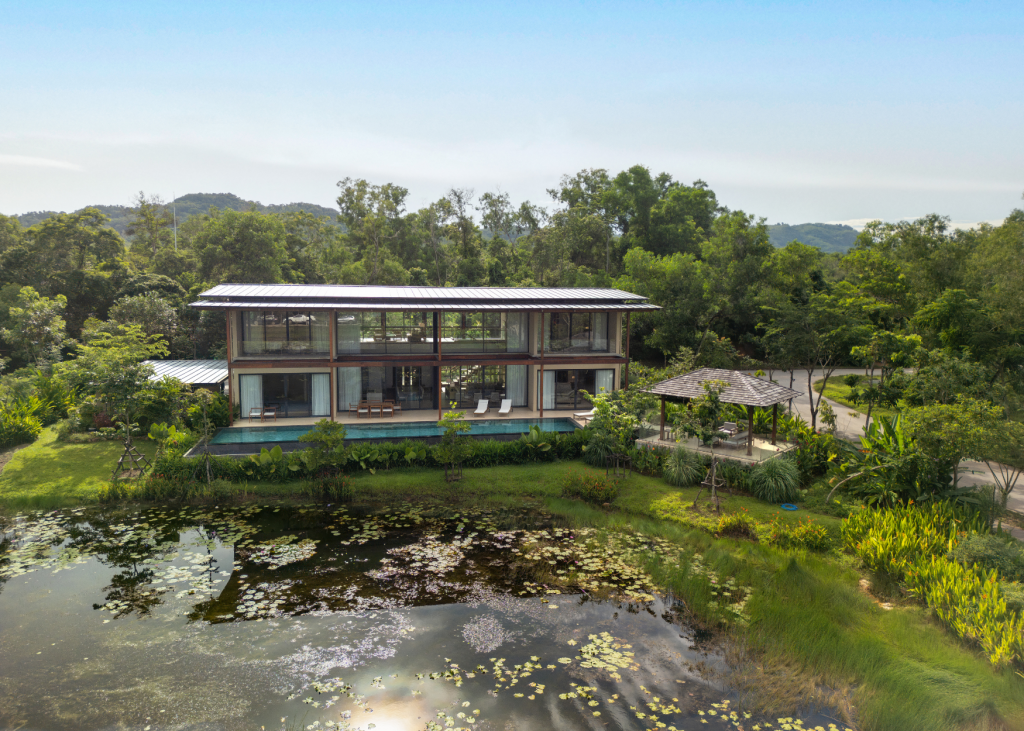
A lakefront villa in lush Tri Vananda.
The week can provide a start. Sustaining the changes is another matter—particularly for people accustomed to resolving problems by finding the best person and paying them to do it. Here, some of the work remains stubbornly their own.
And then there is the question of enjoyment. Over dinner the previous evening, the conversation had turned from the nutritional merits of what was on our plates to the absence of a glass of wine alongside them. I put it to Gibertoni that adding not just years to our lives, but life to our years, might reasonably include a glass of Chablis with our nutritionally optimised tiger prawns.
He is sympathetic to the pleasure, albeit less accommodating about giving it a medical justification. Social connection and enjoyment matter, he says, but that does not make alcohol harmless. We might judge the pleasure worth the compromise without pretending it will help us live longer.
Curiosity, Gibertoni suggests, deserves a place alongside pleasure. “Do you notice that a lot of old people who are fit are energetic and very curious?” he asks. It is a quality familiar from many of the founders, leaders, and visionaries we interview—including Gibertoni himself, whose questions about Boulevard occupy almost all the original time allotted for mine.
That interest in people also shapes his thinking about what will distinguish Clinique La Prairie as longevity medicine becomes more widely available. Tests will become cheaper, and competitors can buy the same equipment; it is harder to replicate the relationship with a clinician or coach who comes to understand how you live, what you are willing to change, and where you need help. For Gibertoni, that trust is what gives the medical expertise a chance to make a lasting difference.
“The warmth of the people, this idea of being part of the family, is what makes all the difference today,” he says. “You need a human to change a human.”
Longevity in residence
A week or two devoted to health still leaves most of the year at the mercy of work, travel, and established habits. For Gibertoni, that is a reason to reconsider where longevity care belongs—and to extend Clinique La Prairie into branded residences, where the people guiding your health would become part of everyday life.
“Consistency is much more important than intensity,” says Gibertoni. Among his biggest challenges is maintaining the relationship after a client leaves: the nutritional approach they embraced in Switzerland can become one of several competing opinions when they return home. Clinique La Prairie’s network of city hubs is one response. A branded residential business is the next proposition.
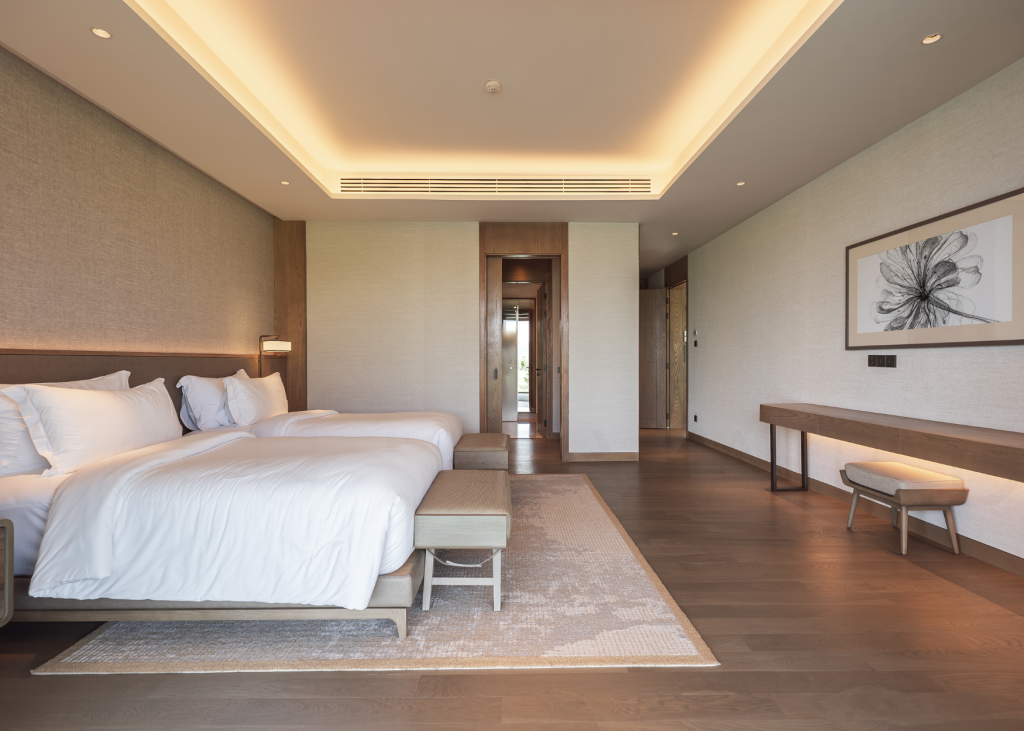
Inside the Vana 4 Villa at Tri Vananda.
“You’re going to have full-fledged longevity with the medical team, with our nutritionist, with the coach,” he says. “So imagine you can live in a place which is set up for longevity. You have a certain type of food, certain types of ingredients. You have the coach, who is living in residence with you.”
His vision extends to doctors, lighting, and spaces for exercise and treatments. He says the residential business unit is intended to launch in 2027, with the first project likely to be in the Middle East. This is a proposed extension of the brand, distinct from the Phuket clinic situated within the larger Tri Vananda resort residences.
As spas, gyms, and treatment suites become standard fare in luxury residences, a fully fledged longevity offering asks considerably more of the operator. It requires the diagnostic equipment and treatment facilities to support ongoing medical care, alongside clinicians who understand a resident’s health, interpret test results, and adapt their care over time. Medical expertise becomes part of the relationship between the brand and the people who live there.
Choosing a home would also mean choosing who will help look after your health, potentially for decades. The brand’s reputation would be tested in an unusually personal way, through the quality of its care and its ability to respond as residents’ needs change. That is a substantial commitment for an operator—and a compelling reason for its name to be on the building.
Gibertoni is conscious of that obligation. “What we need to be careful about is to do the first projects super well,” he says. “So as to set the standard.”
A longevity residence would make an unusually intimate promise: that the place you choose to live could help preserve your capacity to enjoy living there. Delivering on it would take the same patience and personal attention Gibertoni values in medicine. The brand would have to prove its worth as its residents grow older, through the lives they remain able to lead.
Living up to that promise would require the same curiosity Gibertoni brings to our conversation: a willingness to keep asking what more is possible, as the science advances and the residences become homes.
Artist’s renderings courtesy of Clinique La Prairie. Tri Vananda images shot by Jin Cheng Wong.
Read next:
- Clinique La Prairie: A Swiss wellness haven in a class of its own
- The interview: Prof. Andrea Maier antagonises ageing at Chi Longevity clinic
In brief: Clinique La Prairie
The brand: Clinique La Prairie was founded in 1931 in Montreux, on the shores of Lake Geneva, and is known as a Swiss pioneer of longevity and preventive medicine. Its Phuket health resort, opening in November 2026, is its first in Southeast Asia and the next step in the brand’s international expansion.
The address: Clinique La Prairie’s new longevity clinic and resort is located within Tri Vananda, a multigenerational wellness community and villa development by Montara Hospitality Group. The resort has 40 private pool villas and is centred on diagnostics, longevity, nutrition, and movement.
Healthspan vs. Peakspan: Simone Gibertoni defines healthspan as the number of years spent in good health, while “peakspan” is the more demanding aim of preserving as much as possible of the capacity we associate with our best years.
The longevity process: Gibertoni divides it into three steps. Diagnostics come first, reading the body through genetic, epigenetic, glycan, and metabolomic biomarkers before anything is changed. Intervention follows, spanning medicine, nutrition, movement, and wellbeing. Follow-up then shows whether it is working: ongoing assessment tracks how each person responds and where the programme needs to change, so a client can see whether they are on the right trajectory over a year, not just a single biological-age number.
What’s coming: Clinique La Prairie’s residential business unit is intended to launch in 2027, with the first project likely to be in the Middle East. Gibertoni envisions a medical team, a nutritionist, and a coach in residence, along with lighting and spaces for exercise and treatments.
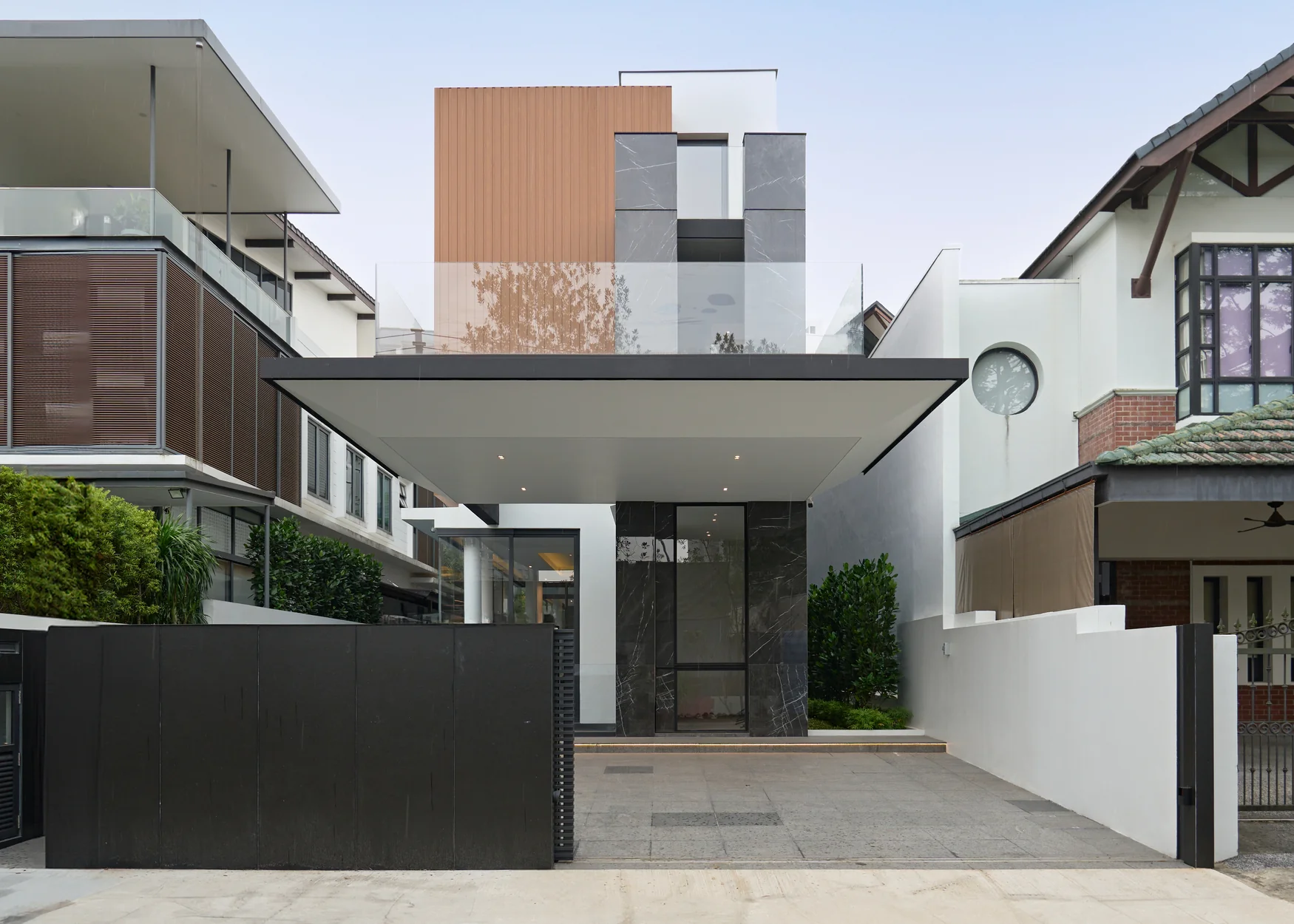
8+1 bed | 10,200 sqft area 19,500,000 SGD
5 bed 19,380,000 SGD
4 bed | 4,208 sqft area POA
3-8 bed | 699,654 - 784,080 sqft area POA
6 bed POA