From Birkins to Versailles after hours: What next-generation travellers are spending on, according to Charlotte Travel
by Mac Fabella
Charlotte Travel has closed the Sistine Chapel for a client, and its CEO relates that to a shift across the ultra-luxury space, covering the multigenerational families booking whole villas to the younger travellers who would rather have a museum to themselves than a Birkin.
Travellers now have unlimited access to the world’s most exclusive rooms, says Charlotte Harris, yet many choose “a remote lodge somewhere with no phone signal”. According to the chief executive of Hong Kong-headquartered luxury travel consultancy Charlotte Travel, that is what ultra-high-net-worth clients increasingly want. Not the suite with the iconic views, the marble, and the thread count—though they can and will pay for it—but the space, silence, privacy and, increasingly, the absence of others. “Scarcity of people has become more valuable than scarcity of the product.”
It’s a shift Harris has seen first-hand, on her own trips and on the ones she has built for clients. On a small-ship expedition in the Arctic a couple of years ago, she was in a kayak with only a few others nearby when she saw and felt a glacier drop. For one client, her team arranged to close the Sistine Chapel in the Vatican so they could see it without the usual crowds. In Japan, clients have asked for private viewings of specific artworks and galleries, and for meetings with the artists. “We say that anything is possible,” Harris says. “It’s just a matter of how much.”
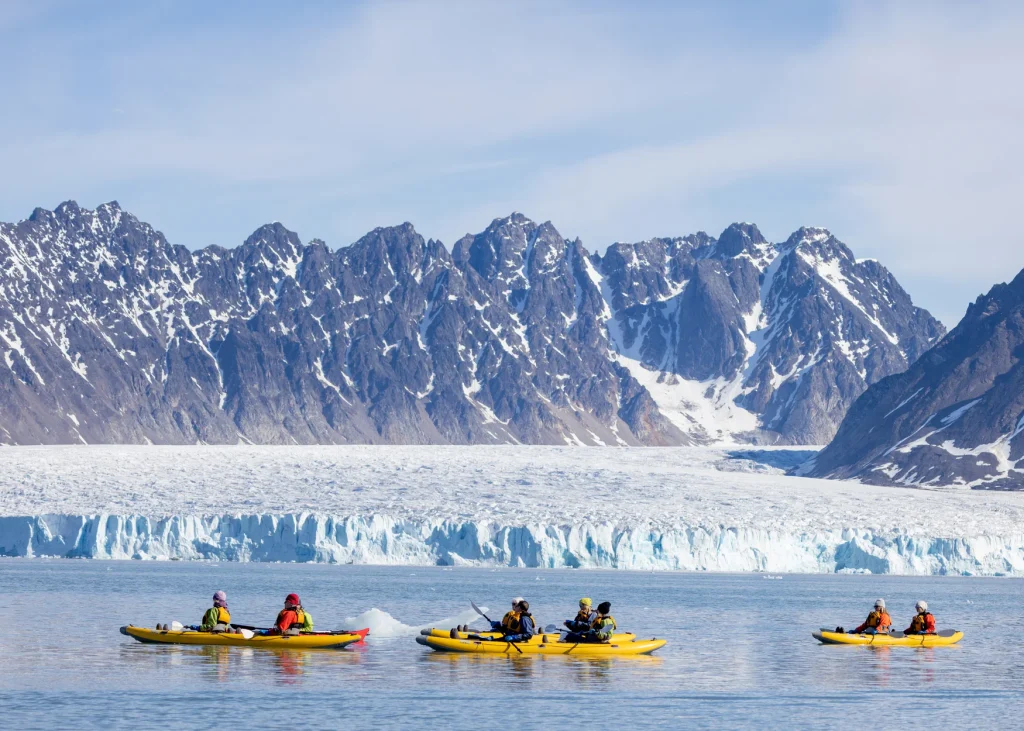
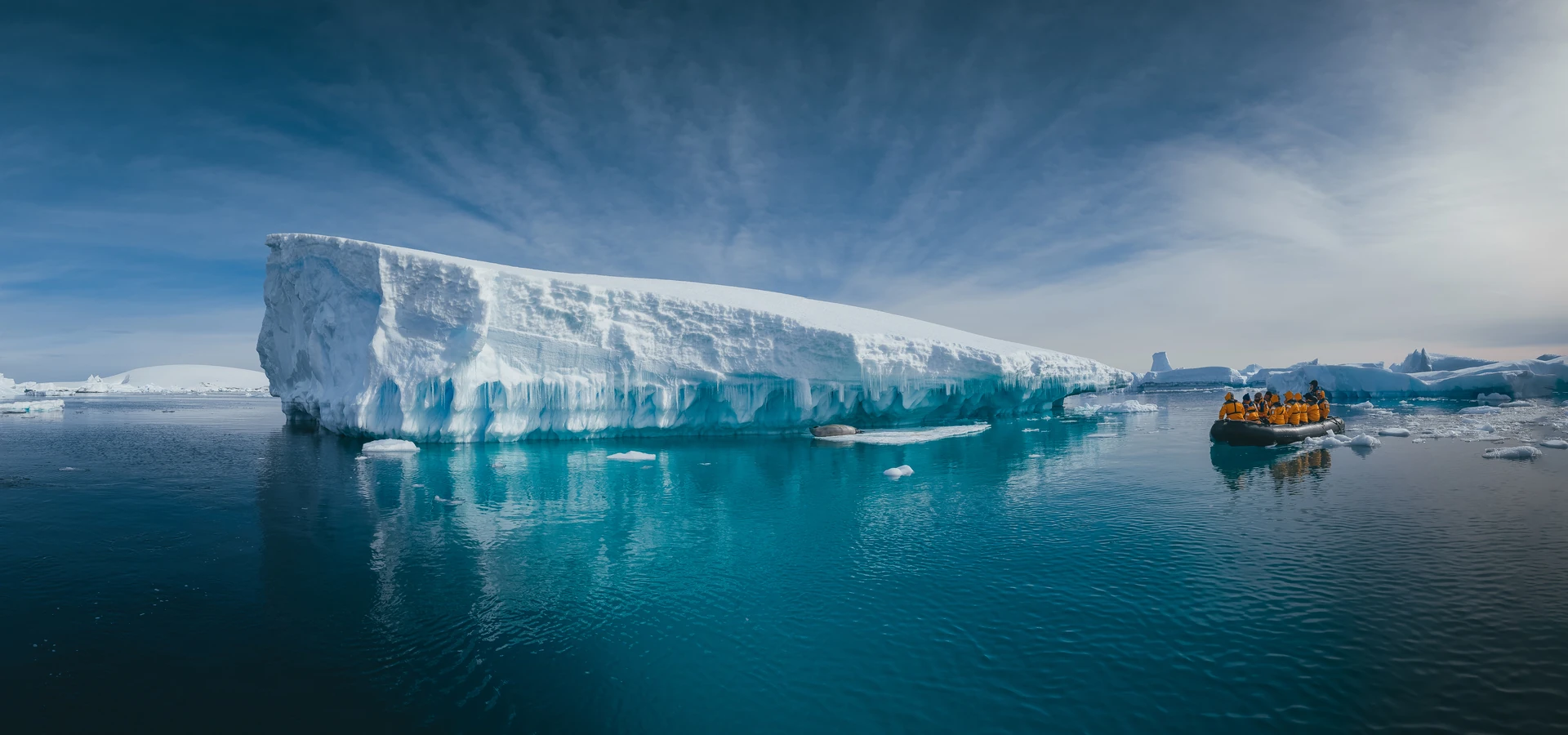
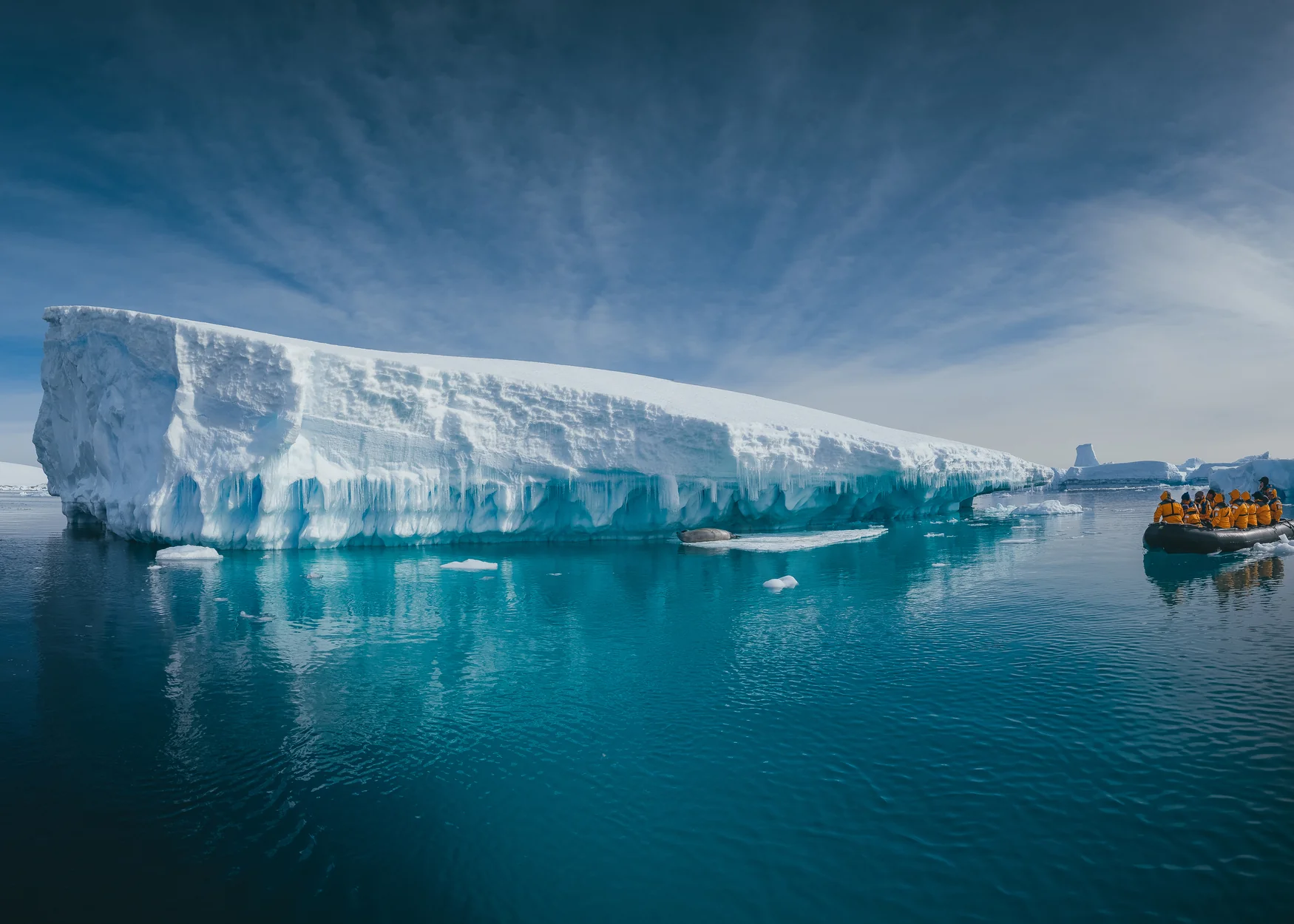
Kayakers paddle past massive glacial ice and snow-covered mountains in Svalbard, Norway. Top: Travellers drift beside a towering iceberg in the Drake Passage, Antarctica. (Photos courtesy of Charlotte Travel)
Her mother Jackie founded Charlotte Travel (and named it after her) in 2001, finding a niche in looking after clients who wanted servicing and “a human to speak to” as online travel agencies took off. “When we first started, it was obviously a very different landscape,” Harris says. “Our clients were coming to us for flight solutions—how to get from A to B. There were holidays, but it was very, very simple: ‘I just want to go here and see the sights.’ Information at that time was less accessible.” The business has since moved into the ultra-luxury space, with offices in Hong Kong and Singapore, clients around the world, and a focus on high-touch, tailor-made stays and itineraries.
“In this day and age, a lot of our clients want more purposeful, meaningful trips,” Harris says. “Instead of asking clients, ‘Where do you want to go?’ it’s more about, ‘How do you want to feel when you’re there? What do you want to get out of this trip?'” The answer is often privacy and less friction. Expectations are “incredibly high now,” she says, and people want instant responses. “They want one point of contact. They don’t want to fill in any forms. They don’t want a queue.”
Who is travelling
Harris sees two main groups driving growth in the ultra-luxury segment. The first is the multigenerational family, which she calls the strongest and fastest growing part of the business. People are living longer, she explains, so grandparents are still fit enough to want more time with their grandchildren. “For us, that translates directly into demand for whole-house or whole-lodge bookings and villa buyouts.”
The challenge is always in planning. The grandparents want a certain type of trip, the young children need to be entertained, and the parents want the kids to have a meaningful time but also some time to themselves. The aim, Harris says, is for everyone to experience the same destination in a way that feels personal and memorable to each traveller.
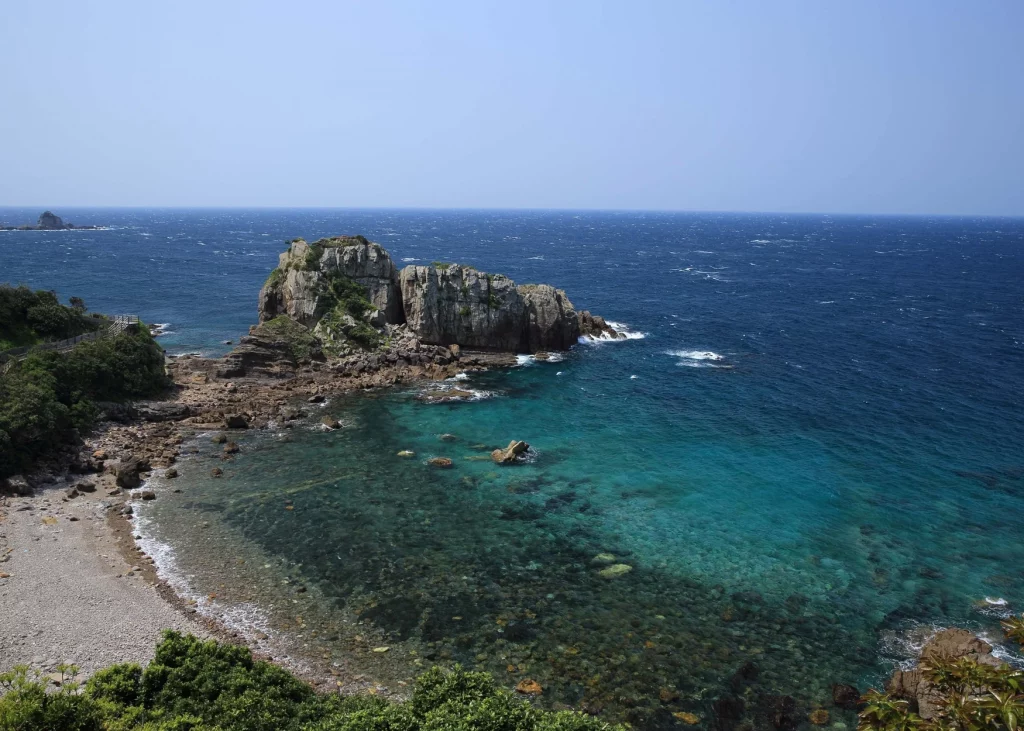
An archipelago of over 120 islands, Amakusa is located in the seas of Kumamoto Prefecture, in southwestern Japan. (Photo courtesy of Charlotte Travel)
The second group is what she calls next-generation wealth: travellers in their late thirties to mid-forties who “spend confidently on lived experiences rather than possessions.” Not long ago, she says, many of them would have gone to Paris to buy Birkins. “Now people want to spend on experience and access: access to a museum outside opening hours where you’re there on your own, access to Versailles with no one there. That in itself is probably more desired nowadays than picking up a rare Birkin.” They care about design and food, she adds, and are far more willing to go somewhere unproven if it comes with full access.
Couples, for honeymoons and milestone anniversaries, remain a staple. Harris is also seeing a rise in women travelling without partners—mothers-and-daughter trips, groups of friends, and solo travellers from their thirties to midlife whose journeys tend to be built around either wellness or “hidden gems” in food and shopping.
What a hotel has to get right
Once the marble is taken as a given, Harris says, what separates an exceptional hotel is service. It can be inconsistent even within one luxury brand, she says, which is partly why clients come to her: “they want to be able to trust someone who knows the ins and outs of each property.” The best teams know a guest’s preferences before arrival and “then immediately become invisible”. Harris says, “Discretion is the ultimate luxury amenity within a hotel.”
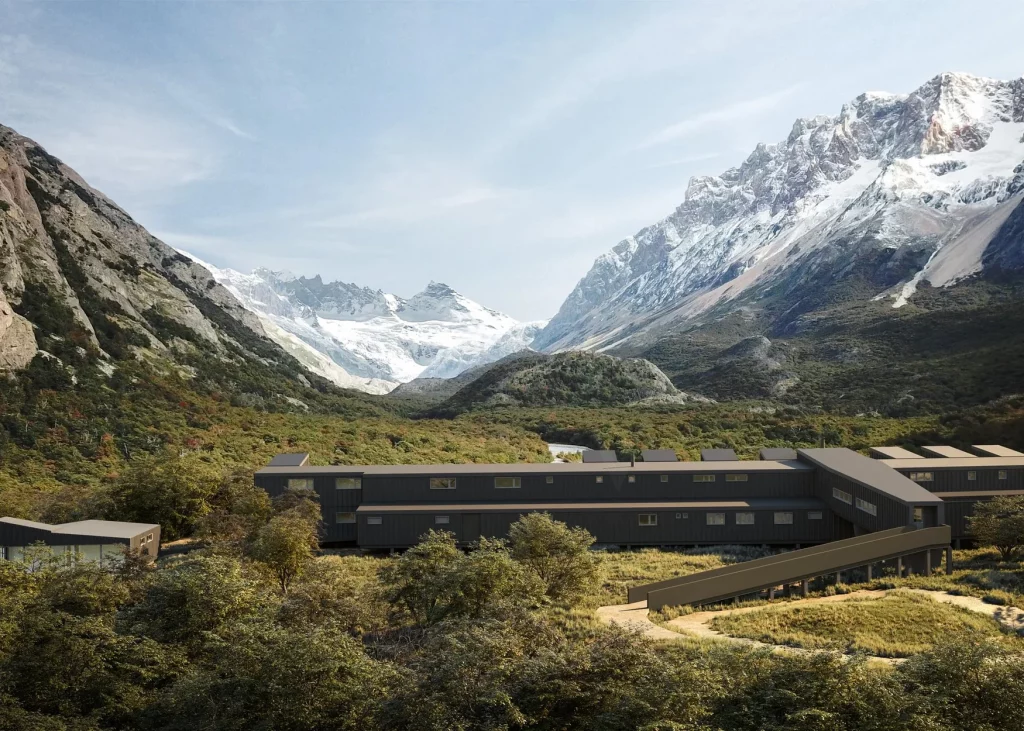
A Patagonia lodge, where mountains and glaciers stand in for the traditional luxury suite. (Photo courtesy of Charlotte Travel)
The second marker is a sense of place. A brand-led hotel in Hong Kong can feel the same as one in Paris, she says, and leisure guests increasingly want the architecture, craft, and details to tell them which country they’re in. “It’s not about how expensive it is. It’s really about the genuine connection that the staff can create with a guest without being intrusive.”
Slower, and further in
The same thinking is changing how people move. Harris says trips are getting longer and slower. “Before it would be, ‘let’s visit five countries and hit all the sites, see the Tower of Pisa, take a picture, and then leave’. Now it would be one region, one location, done properly and in depth.” Her team calls the guide in each destination a “local friend,” because the point is a connection to the place, as if you were going where they would go for a weekend coffee rather than merely picking one up at the hotel in the morning.
Japan sits in a category of its own. Clients who have done Tokyo and Kyoto now ask about Kyushu, or Hokkaido in every season, not only ski and cherry blossom time. One client who wanted to learn about coffee had a coffee bar booked out for him. Much of the rest of the demand comes down to similarly elusive experiences around food, sake, and art.
Elsewhere, the Maldives is “still unmatched” as a reset with children or as a couples’ trip. Safari, whether in Kenya, Tanzania, or South Africa, has become “a rite of passage” for Hong Kong and Singapore families, some of whom extend it to Rwanda for the gorillas. The polar regions stay popular, and Italy, France, and Spain lead the summer.
Harris is careful to say that she doesn’t recommend so much as ask. “First and foremost, we ask a lot of questions: what do you want to feel, and where have you been before?” When clients have already done Tuscany and the Amalfi Coast, she points to Slovenia and Umbria, or to Norway, which she calls “a little bit off the standard European beaten track.” Uzbekistan and Kyrgyzstan appeal for Silk Road architecture and rustic stays. South Korea is drawing travellers who want to step outside Seoul and understand more of the country.
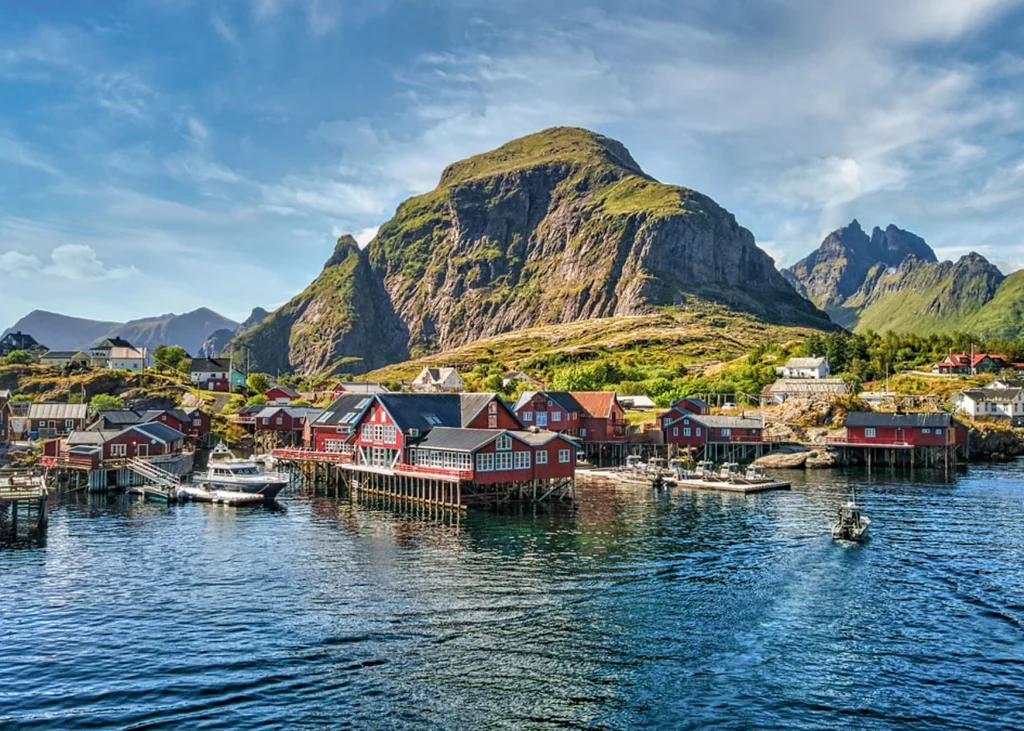
Once fishermen’s lodgings, these red “rorbu” cabins in Norway now host travellers seeking Fjord views, northern lights, and sea fishing. (Photo courtesy of Charlotte Travel)
Dinosaur bones and a basement vault
On her own trips, Harris calls herself “spoiled,” and says she can’t switch off. Wherever she goes, she wants to see as many hotel rooms as she can and find the hidden thing to do. Her most recent “wow” was Mongolia, an up-and-coming destination for the company. In the Gobi Desert, she picked up fossilised dinosaur bones from the ground, and the way to tell bone from rock, she was told, is to touch it to your tongue: “If it sticks, it’s bone.”
Back in Ulaanbaatar, her team arranged a meeting with the head of the university’s archaeology department. They were taken down to a rundown building’s basement vault of dinosaur bones. “Honestly, I had no interest in dinosaurs or archaeology, but having seen that, it generated that interest. It was one of the coolest experiences I’ve ever had, just because it was accessible to us and not to anyone else.” She imagines what it would do for a 13-year-old obsessed with Jurassic Park.
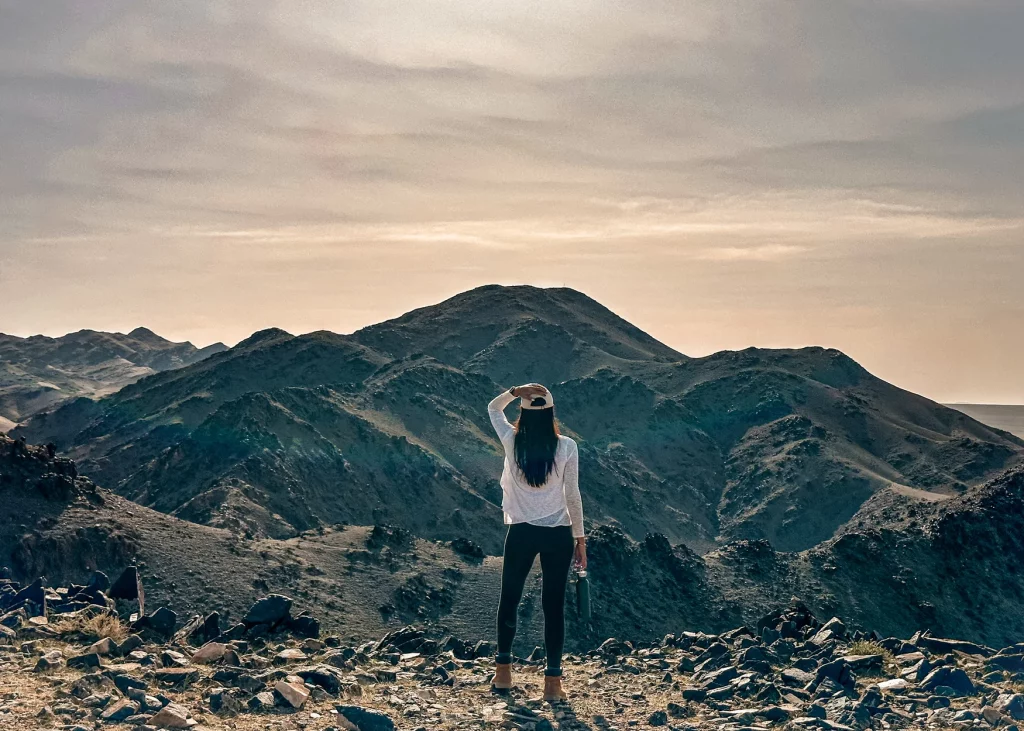
Harris stands on a mountain peak during one of her trips to Mongolia. (Photo courtesy of Charlotte Harris)
Two extremes
What surprises Harris most is how quickly the definition of luxury has shifted. Clients at the very top are price-aware, yet willing to spend. She says most ultra-luxury travellers plan to maintain or increase their spend, which wasn’t the case five years ago. In some markets, rates have risen faster than the experience itself. In Paris and London, average room rates keep climbing and clients keep paying. “It’s great for us in terms of business, but that always surprises me as well.”
The pleasant surprise is at the other end. Her youngest clients are often the most interested in culture and conservation, in craft rather than “the flashy bling-bling”, and in boutique hotels and smaller places.
Two things have her excited. One is Asia Pacific’s hotel pipeline, particularly the Maldives, where Aman has announced a property, and where she notes Mandarin Oriental, Bulgari, and Rosewood are heading too. “Everyone wants to be in the Maldives,” she says. “I’m very excited to see what’s going to happen there because, in layman’s terms, you are going to an island. How is each brand and resort going to differentiate from the others?” It makes recommending where a client should go harder, she adds, and she finds that fascinating.
The other is expedition-style travel on the water. Younger clients are drawn to the Orient Express, Ritz-Carlton, and Four Seasons yachts, wanting yacht-level comfort, wellness programmes such as a moving spa, and places that are hard to reach by road.

The Ritz-Carlton Yacht Collection Luminara. (Photo by Jin Cheng Wong for Boulevard)
The same rush of new names is reaching safari, among her own favourite kind of trip. Brands are moving into the Serengeti, JW Marriott among them, and Harris is wary of handing out one-size-fits-all recommendations. “What works for me depends on who I’m travelling with. Where I stay when I’m travelling with my family, with my kids, is different from when I’m going with just my husband, and very different from my trips with girlfriends.”
For her, location comes first. In South Africa, a private reserve gives far more flexibility than a national park, because you can go off-road. Beyond that, it depends on whether it’s a first or third safari. As with every trip she plans, it comes back to the question she opens with: how do you want to feel when you’re there?
Read next:
- The great indoors: Why luxury travellers are choosing New Zealand’s private homes over hotels
- Beyond five stars: How the world’s wealthiest travellers are changing the way they holiday
Discover luxury stays, curated by Boulevard
In brief: Charlotte Travel
- The agency: Charlotte Travel is a luxury travel consultancy headquartered in Hong Kong, with teams in Hong Kong and Singapore servicing clients worldwide. It was founded in 2001 by Jackie Harris, and her daughter Charlotte became CEO two years ago after 13 years in the business.
- The clients: The fastest-growing segment in luxury travel is the multigenerational family, which has driven demand for whole-house, lodge, and villa buyouts. The next generation, travellers in their late thirties to mid-forties, spends on access and experience over possessions, and couples and women travelling without partners are a growing share of bookings.
- What’s changing: Trips are getting longer and slower, centred on one region instead of several countries. Harris also says that ultra-luxury travellers are price-aware, with many planning to maintain or increase their spend.
- Where clients are going: Japan is the strongest category, with demand moving beyond Tokyo and Kyoto to other prefectures and islands in every season. Other leaders are the Maldives; safaris in Kenya, Tanzania, South Africa, and Rwanda; the polar regions; and Italy, France, and Spain in summer. Quieter picks include Slovenia, Umbria, Norway, Uzbekistan, Kyrgyzstan, South Korea beyond Seoul, Taiwan, and Mongolia. Younger clients are also asking for expedition-style trips on the water.
- The takeaway: Among the wealthiest travellers, “scarcity of people has become more valuable than scarcity of the product,” says Harris.
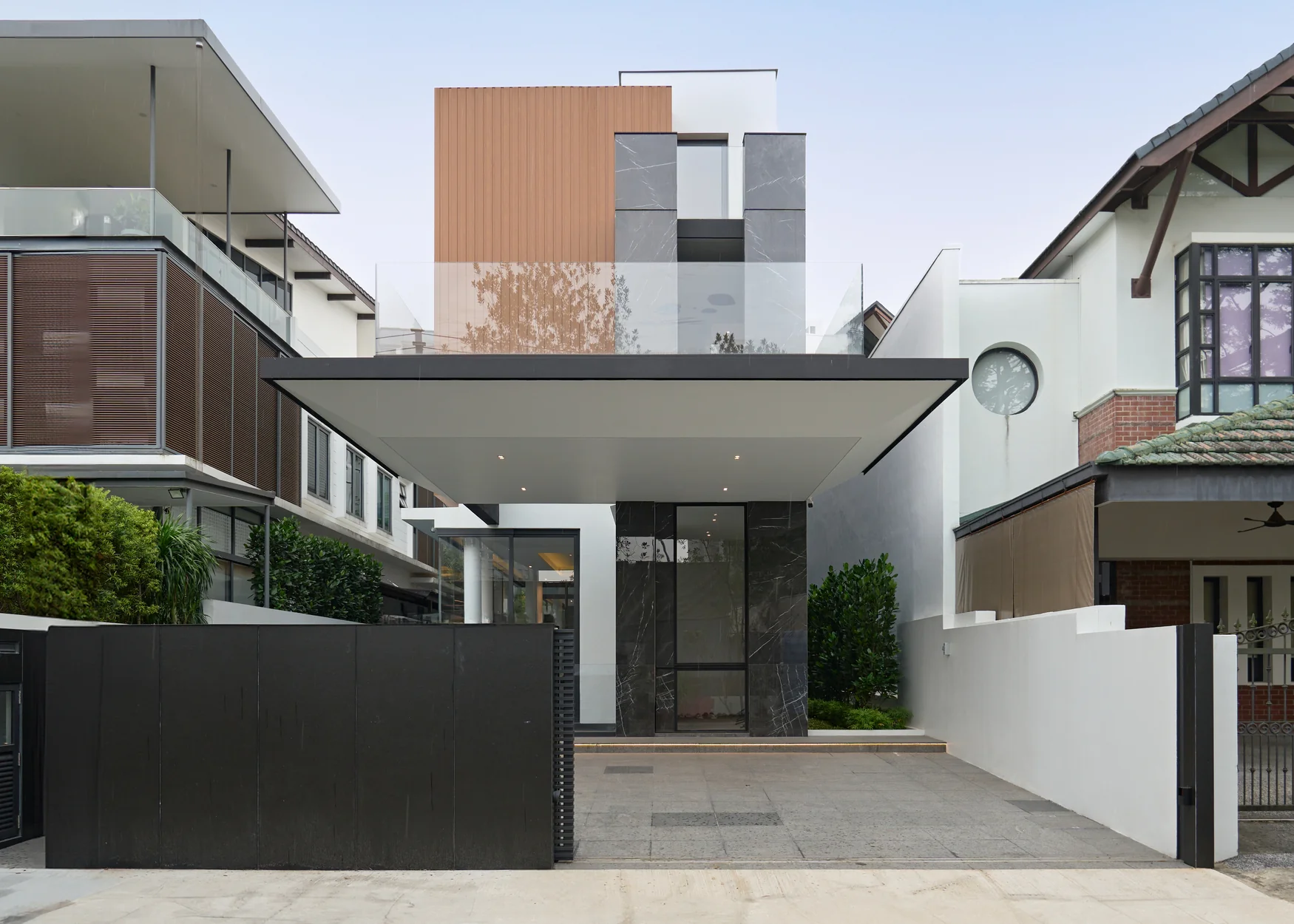
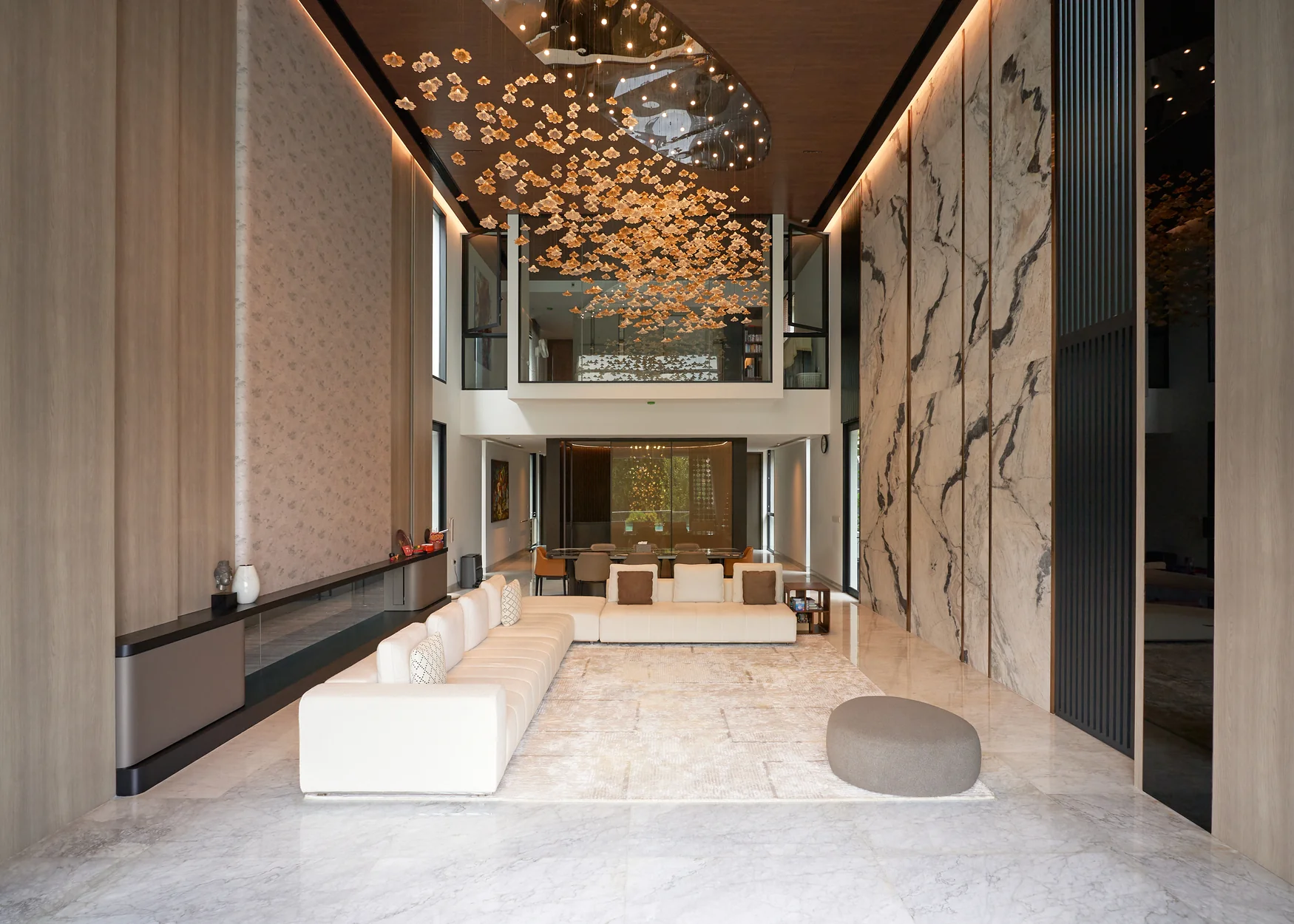
8+1 bed | 10,200 sqft area 19,500,000 SGD
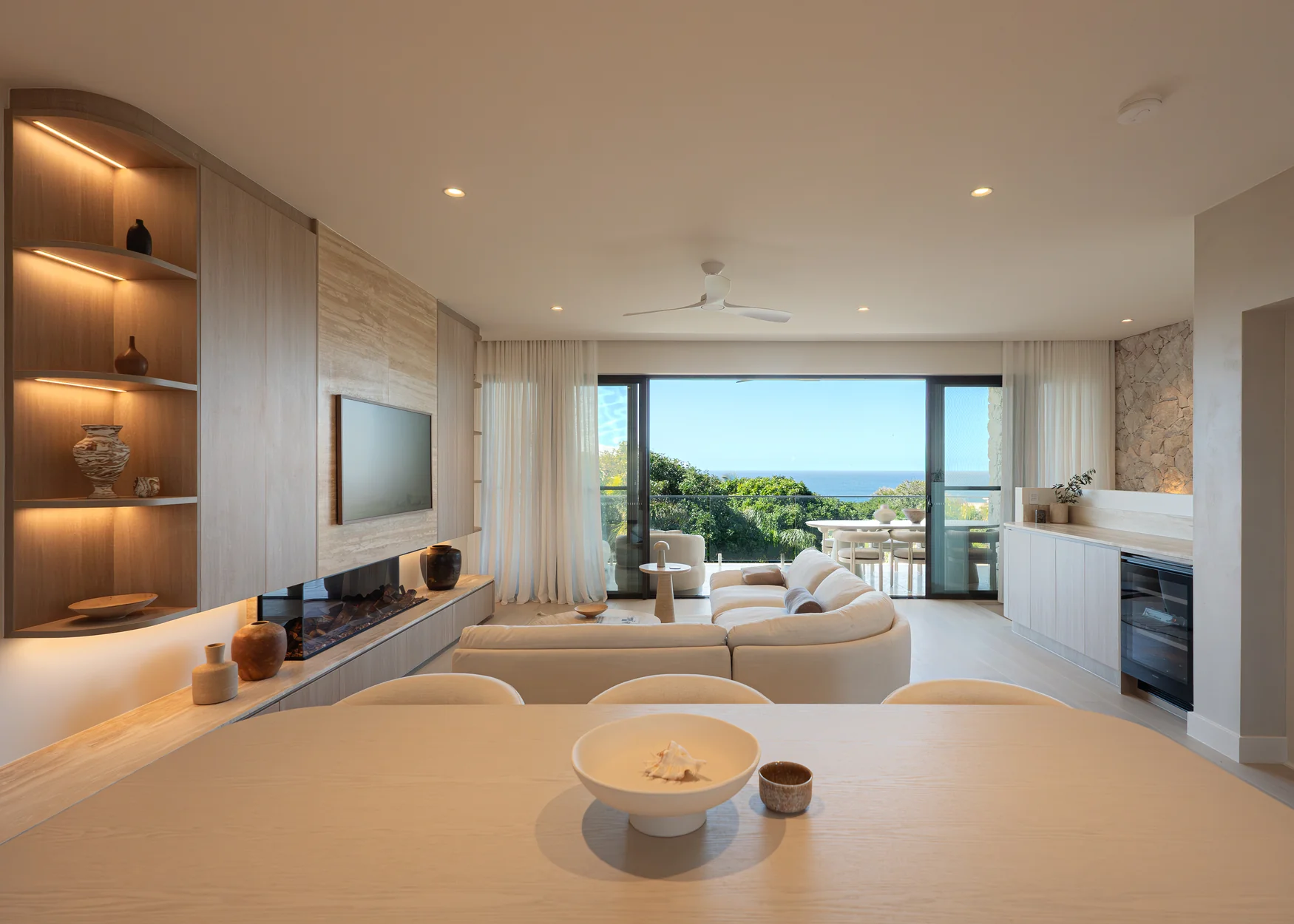
5 bed 19,380,000 SGD
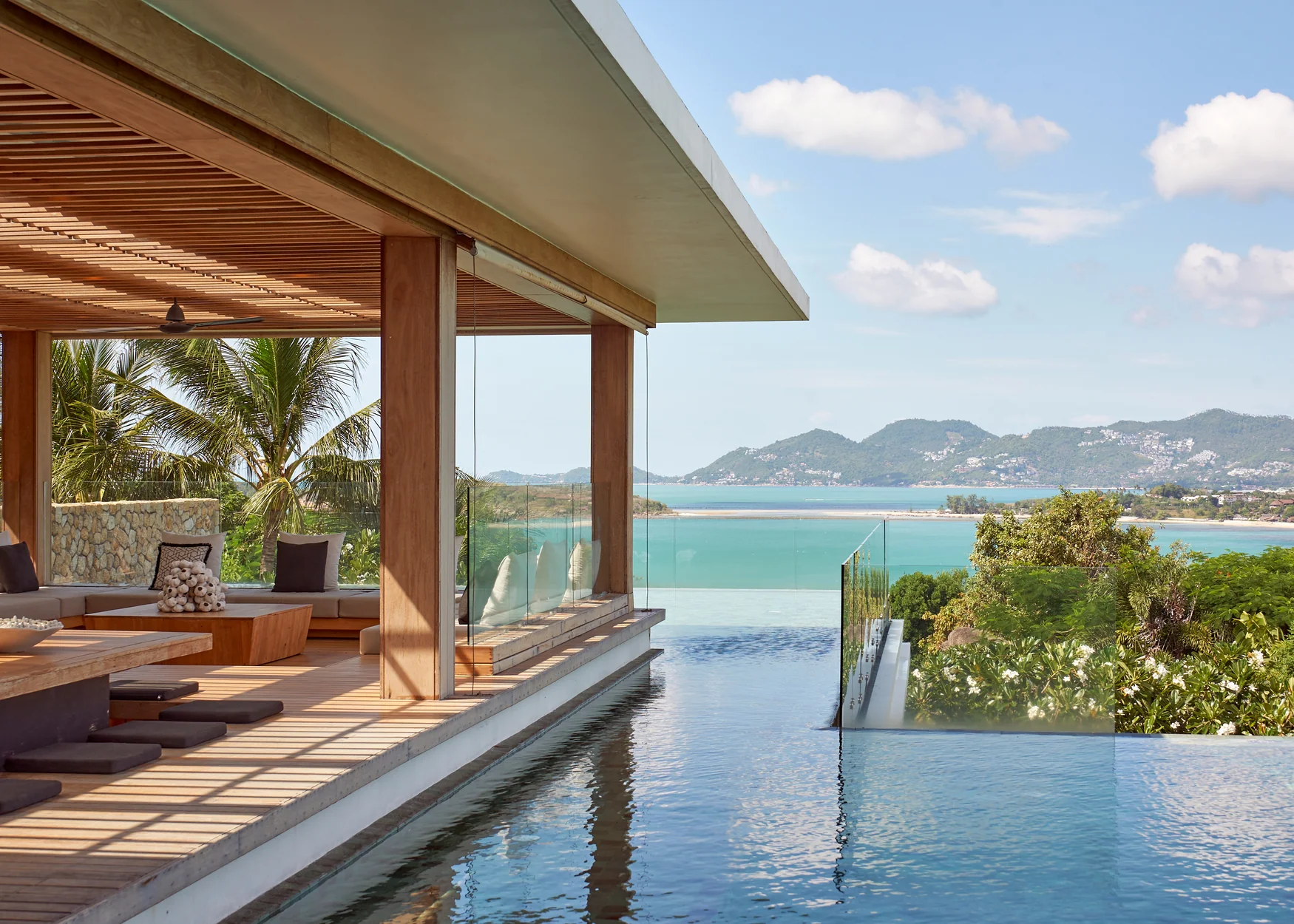
4 bed | 4,208 sqft area POA
3-8 bed | 699,654 - 784,080 sqft area POA
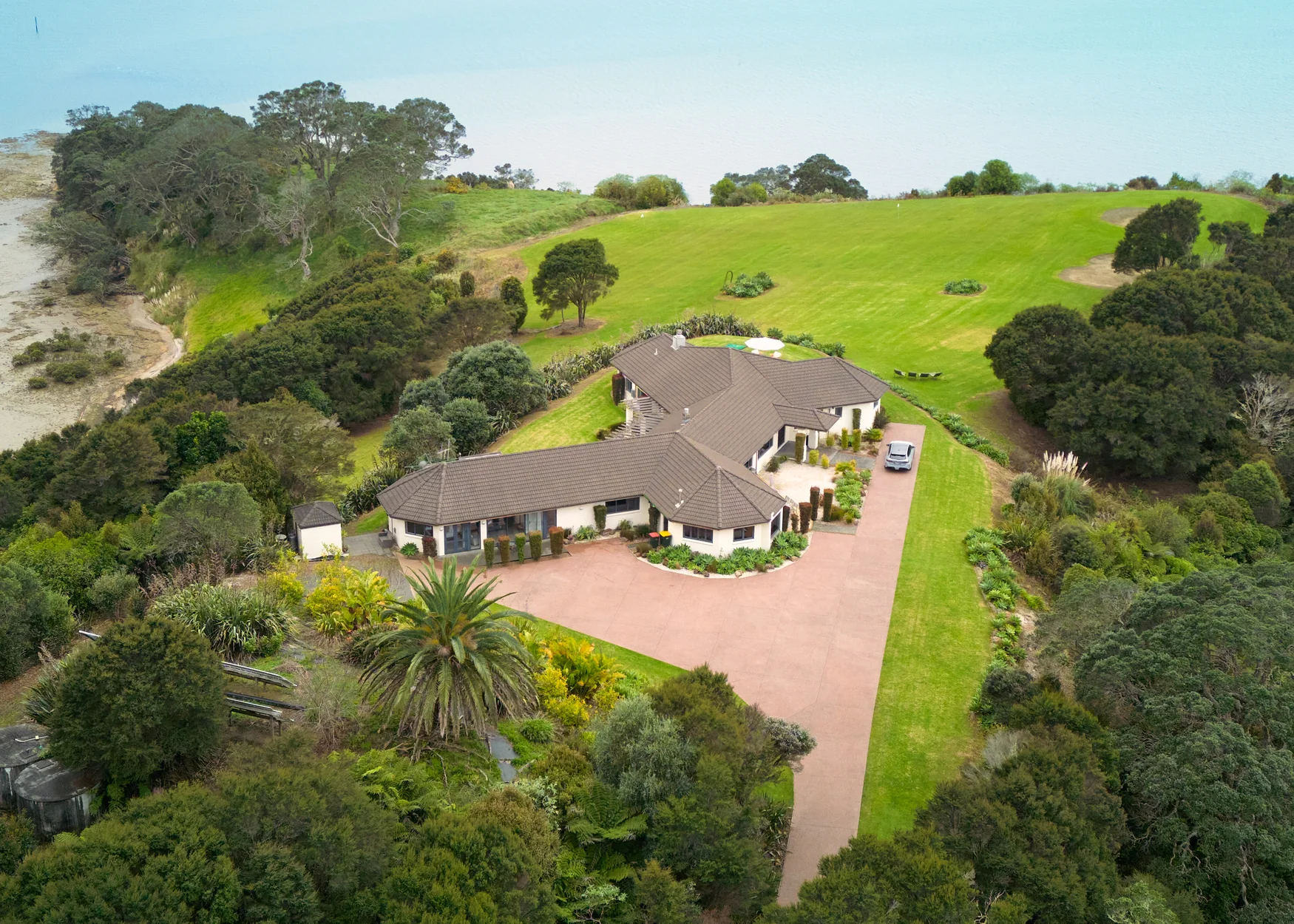
6 bed POA