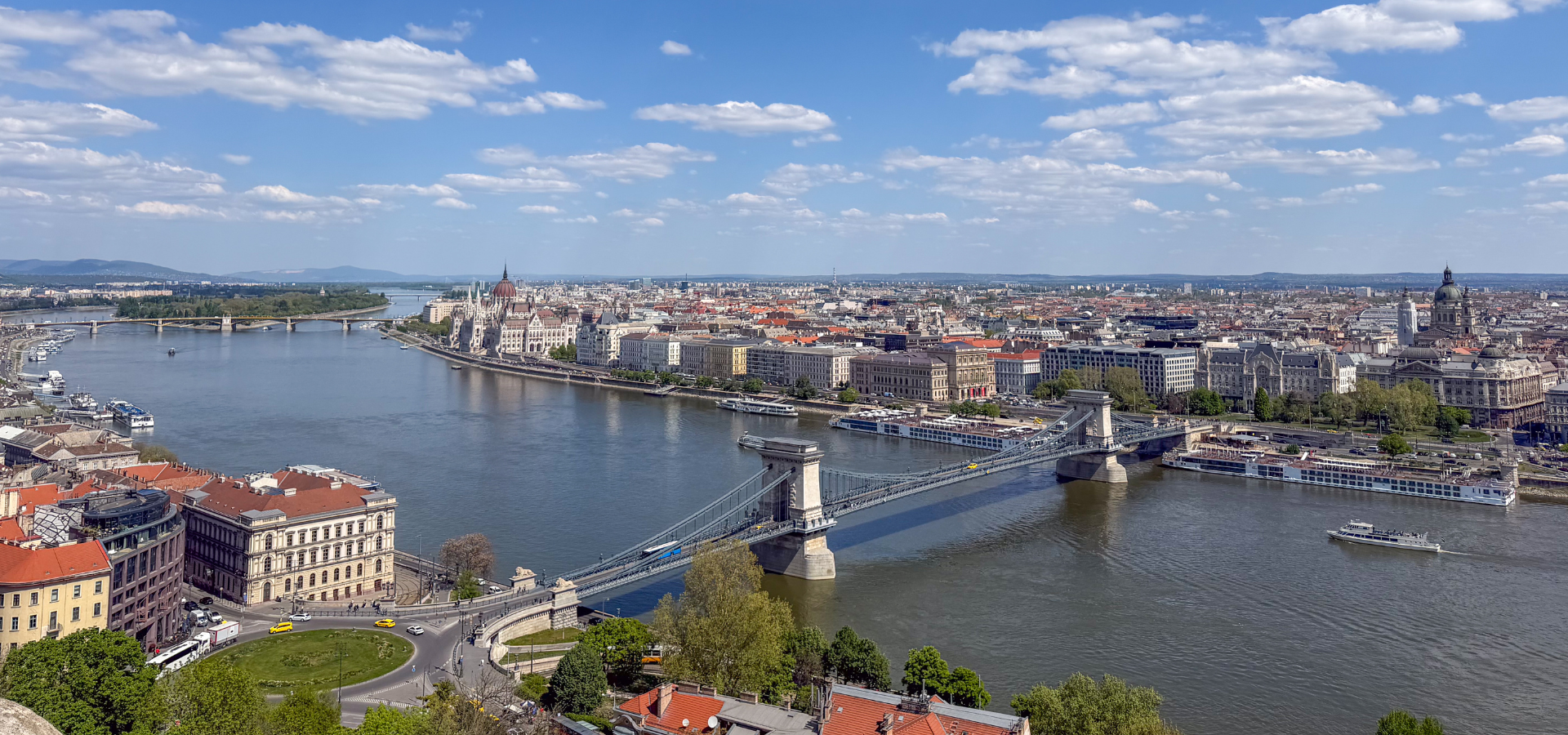
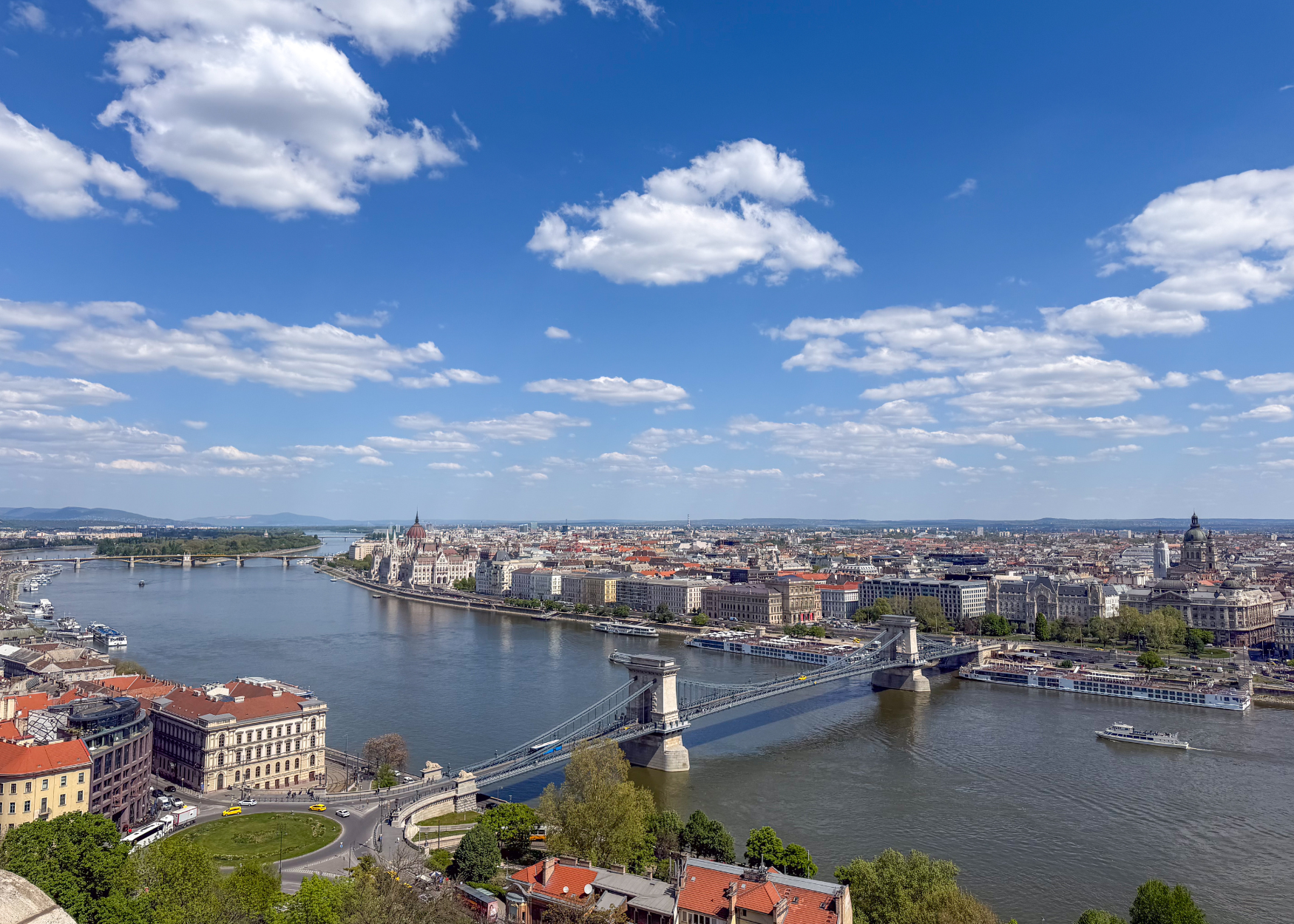
The report: Budapest’s luxury property market, where lifestyle and investment converge
Interview by Hamish McDougall
Real estate specialist Krisztina Szintai explores Budapest’s fast-evolving luxury residential market, where strong capital growth, relative affordability, and shifting buyer demographics are redefining demand. She highlights how safety, accessibility, and long-term opportunity are increasingly positioning Hungary as a compelling destination for affluent buyers.
Explore luxury holiday homes for sale
The evolution of Budapest’s luxury property market
Over the last decade, Budapest’s luxury residential market has developed dynamically, particularly within the high-end and ultra-prime segments. What was once a relatively limited offering has matured considerably, with the market evolving rapidly over the past five to 10 years.
Since the mid-to-late 2010s, the region has increasingly introduced properties that genuinely reflect international luxury standards, meeting the expectations and requirements associated with premium real estate. Today, the city offers a level of quality and sophistication that was far less prevalent even a decade ago.
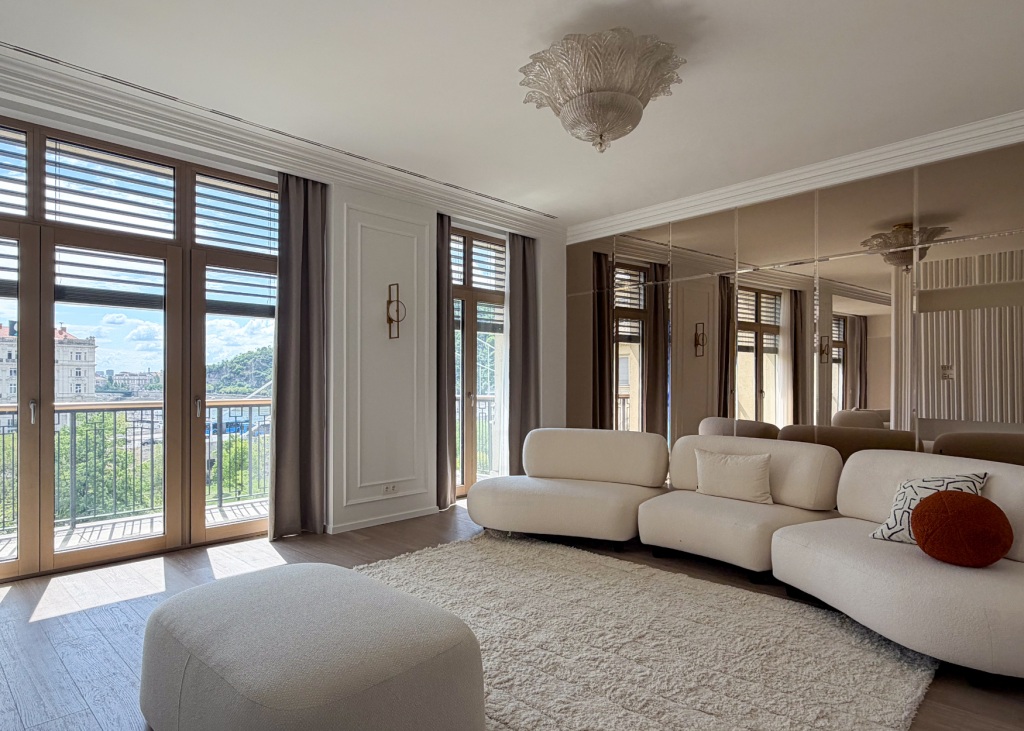
Inside Március 15 tér: A reconstructed 1900s building on the Danube, in Belváros.
This evolution has also brought greater diversity to the market. Budapest’s luxury property landscape now spans a broad range of asset types, from high-end apartments and premium residential developments in the city centre to standalone villas in the greener, more residential Buda districts. Gated developments, predominantly located on the Buda side of the capital, have also become an increasingly attractive option for affluent buyers seeking privacy, security and lifestyle-driven living.
Importantly, the region’s luxury market is no longer concentrated within a single enclave. Exceptional high-end properties can now be found across several districts and in multiple residential formats, reflecting the increasing maturity of the market.
Who is buying into Budapest, and why?
For much of the past two decades, foreign demand in Hungary’s residential market was overwhelmingly investment-driven. As Hungary’s economy and property sector expanded, particularly over the last 15 to 25 years, international buyers primarily entered the market seeking strong returns, relatively low entry prices and long-term capital appreciation.
That investment appetite remains highly important today. However, the profile of the international buyer is beginning to shift.
Increasingly, Hungary is attracting purchasers motivated not only by returns, but by lifestyle, relocation and long-term residency. Alongside investors acquiring centrally located apartments in Budapest, more buyers are choosing to establish a permanent base in the country, often relocating with their families.
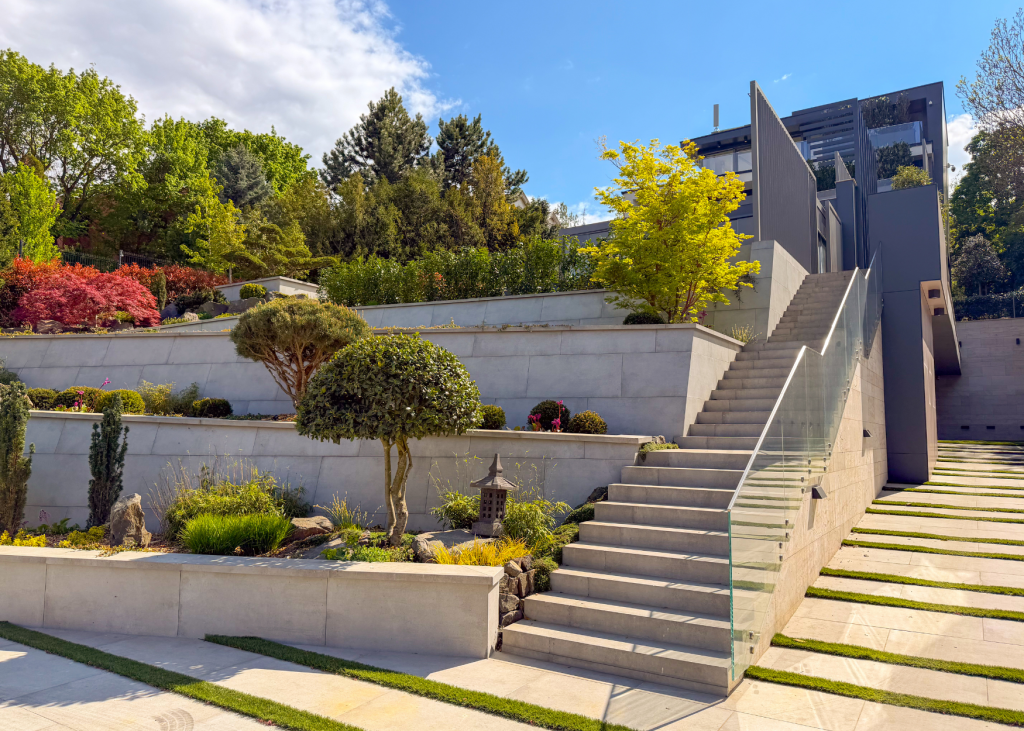
A family villa set on a hillside enclave in Kútvölgy, Budapest, with landscaped gardens.
This trend is particularly evident among European and American buyers, but also within long-established Chinese and Vietnamese communities in Budapest. Many originally arrived for education or business opportunities before transitioning into long-term residency and property ownership. More recently, international purchasers have increasingly viewed Hungary as an accessible gateway into Europe, particularly for greater mobility across the European Union.
Outside Budapest, foreign demand has also diversified geographically. Austrian and Dutch buyers, for example, continue to acquire holiday homes across western Hungary, reinforcing the country’s appeal as both an investment and lifestyle destination.
Safety, lifestyle and strong returns
Beyond safety and lifestyle, Hungary’s cost efficiency remains one of its strongest appeals to international buyers.
Compared to many Western European markets, Hungary continues to offer relatively strong investment fundamentals, particularly through higher yields and lower entry costs. While returns vary depending on asset class, whether residential, commercial or industrial, yields generally range from around four to five per cent, rising to as much as 10 or even 11 per cent in some sectors.
Combined with steadily appreciating property values, these returns continue to strengthen Hungary’s position as an increasingly compelling destination for both lifestyle-led buyers and long-term investors.
A market that continues to defy expectations
Budapest’s luxury property market has not only matured rapidly, but has also significantly outperformed expectations in recent years.
Prime property values in Budapest reportedly recorded some of the strongest annual growth in Europe, rising by as much as 23 per cent year-on-year. Yet from a longer-term perspective, the trajectory has been even more remarkable. Since 2013 or 2014, residential values in many parts of the city have more than tripled, with certain districts and property types increasing four or even fivefold over little more than a decade.
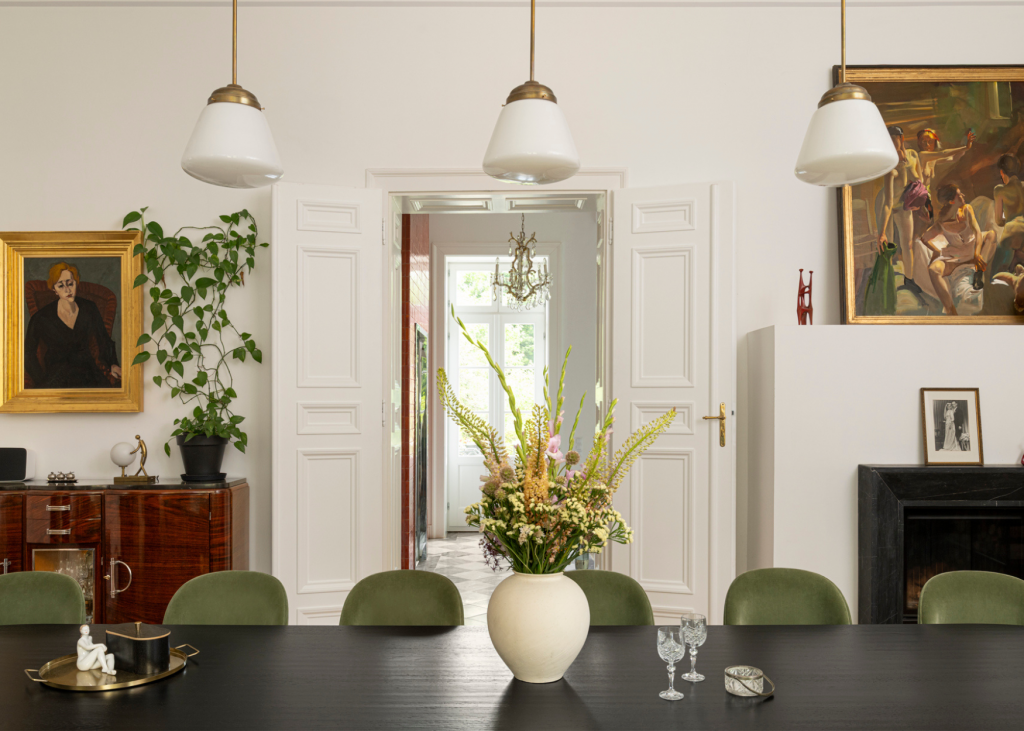
Villa Csendilla: a restored neoclassical residence combining heritage character with modern liveability in Buda Hills.
For many seasoned property professionals, this sustained momentum has challenged conventional expectations. After seven to nine years of substantial appreciation, many anticipated that the market would begin to stabilise around 2020, following the historical pattern of cyclical slowdowns and corrections typically seen across global real estate markets.
Instead, Budapest continued its upward trajectory. Values have kept rising steadily and, in many cases, at significant margins year after year. Increasingly, market sentiment suggests that growth may continue, supported by a combination of emerging economic drivers, evolving buyer demographics and sustained international interest.
Hungary’s residency appeal and an investable future
Hungary has, over time, introduced several residency and immigration pathways designed to attract international buyers and long-term residents. Many of these programmes have historically been linked to property purchases, although investment thresholds and eligibility requirements have evolved across different phases.
Compared to many global residency-by-investment schemes, Hungary has often remained relatively accessible, appealing to individuals and families seeking long-term relocation, a European base or greater mobility across the continent. Previous programmes reportedly began at approximately €250,000, while more recent iterations have moved closer to €500,000.
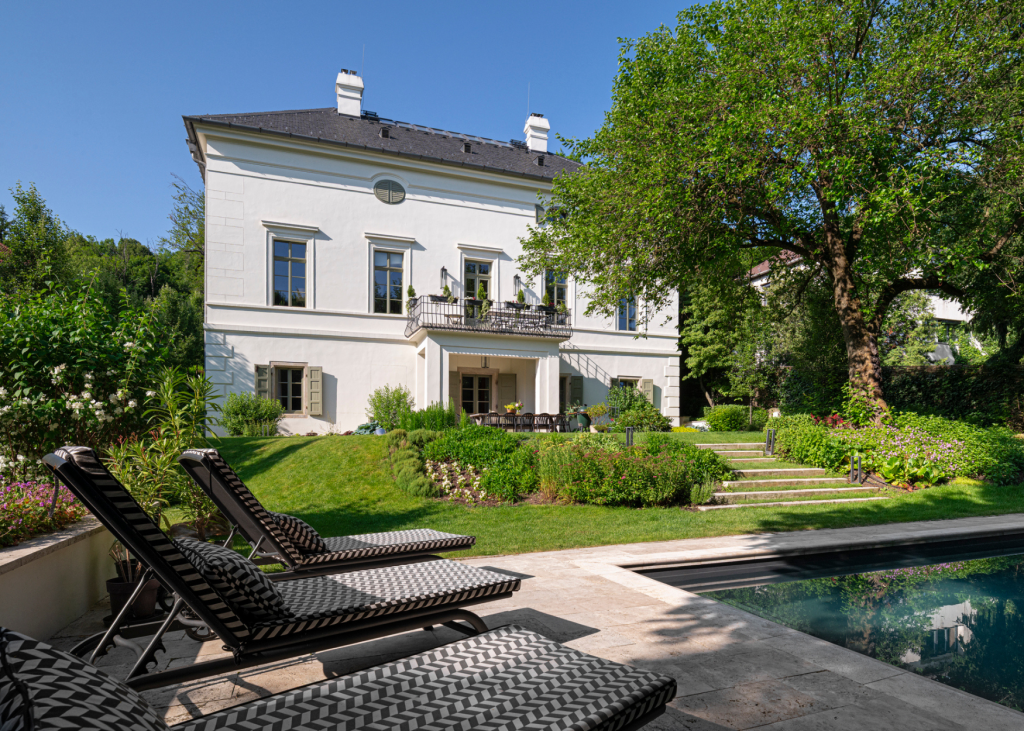
The Buda Hills villa featuring a pool and landscaped gardens with a forest backdrop.
At the same time, Hungary appears to be entering a new phase of economic and administrative evolution. Growing alignment with broader European Union frameworks, while maintaining a degree of domestic independence, is increasingly viewed as part of the country’s appeal.
For some international buyers, particularly those relocating from higher-tax Western European markets, Hungary offers a combination of lifestyle, opportunity and relative cost efficiency. Greater transparency, administrative clarity and closer alignment with European standards are also expected to reinforce confidence among both investors and long-term residents.
Taken together, these shifts suggest an increasingly investable trajectory, particularly as Hungary continues to evolve as both a capital destination and a place to build long-term roots.
A straightforward market for foreign buyers
Beyond ease of acquisition, Hungary’s tax structure remains another point of attraction for international buyers considering either relocation or long-term investment.
Capital gains tax applies during the first five years of ownership, though the burden decreases progressively over time. By the fifth year, or after five years of holding a property, capital gains tax effectively falls to zero, creating an attractive environment for longer-term ownership.
For income-generating assets, taxation depends on ownership structure. Rental income held privately is generally taxed at around 15 per cent, while properties held through corporate entities benefit from Hungary’s relatively low corporate tax rate of nine per cent, subject to operating costs and expenses. Dividend tax may also apply when profits are distributed, though only on realised gains.
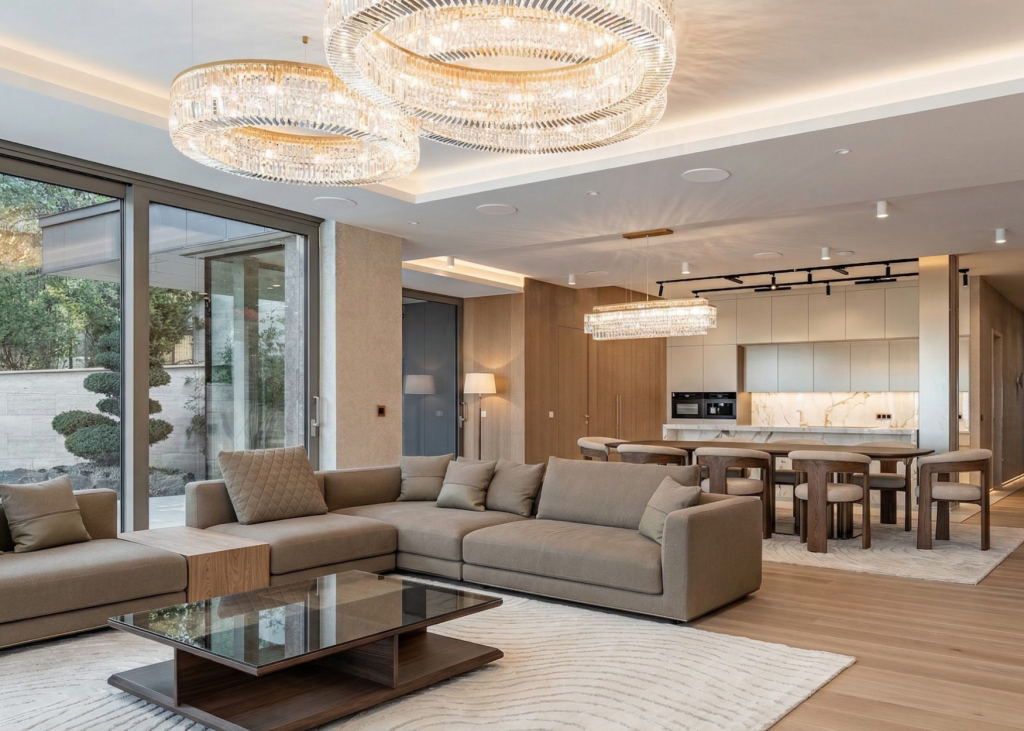
The open-plan living and dining area with full-height windows and Maxima wall panelling inside a villa in Költő Street, Buda Hills.
One important consideration is Hungary’s VAT environment, which at 27 per cent remains among the highest in Europe. Yet despite this, the broader tax framework continues to compare favourably against many Western European markets. There is also growing expectation that future policy adjustments may gradually bring VAT levels closer to broader European norms.
Taken together, the relative simplicity of acquisition, limited holding costs and comparatively attractive tax structures continue to reinforce Hungary’s position as an accessible market for international buyers.
The economic drivers supporting Budapest’s growth
Beyond real estate fundamentals, several broader economic sectors continue to strengthen Budapest’s long-term growth story.
Among the most significant is Hungary’s expanding film industry, which has increasingly positioned the country as one of Europe’s major production hubs. A growing number of international and Hollywood productions are now filmed in Budapest, generating substantial economic activity across hospitality, services and residential leasing.
The impact on the property market has been particularly notable, with thousands of apartments rented on a medium-term basis to accommodate production teams, alongside significant hotel demand generated by crews and supporting staff. Long-term visibility for the sector has also strengthened, with supportive European Union concessions extending stability for the industry through to 2030.
Hospitality growth has emerged as another marker of Budapest’s increasing global appeal. Over the last three years, approximately 40 to 50 new hotels have opened across the city, with a significant proportion positioned in the luxury segment.
Budapest’s premium hospitality landscape continues to deepen, with the anticipated opening of St. Regis expected to further elevate the city’s luxury positioning. International brands such as W Hotels have also recently entered the market, joining established names including Sofitel and Rosewood.
While Budapest’s luxury hospitality landscape continues to mature, opportunities clearly remain. Several globally recognised luxury and design-forward brands, including One&Only and Edition, have yet to establish a presence in the city, underscoring the sense that Budapest may still be in an earlier chapter of its luxury evolution. For investors and lifestyle buyers alike, the city increasingly appears to be a market still in ascent rather than one approaching maturity.
Go further with Krisztina Szintai’s property listings:
- Március 15 tér: A fully reconstructed 1900s building on the Danube, in Belváros, Budapest
- Buda Hills villa: A restored neoclassical estate with swimming pool and forest backdrop in Budapest
- Kútvölgy villa: Turnkey smart home in Budapest’s refined hillside enclave
- Költő St villa: An architectural gem with panoramic vistas in Svábhegy, Budapest
Read next:
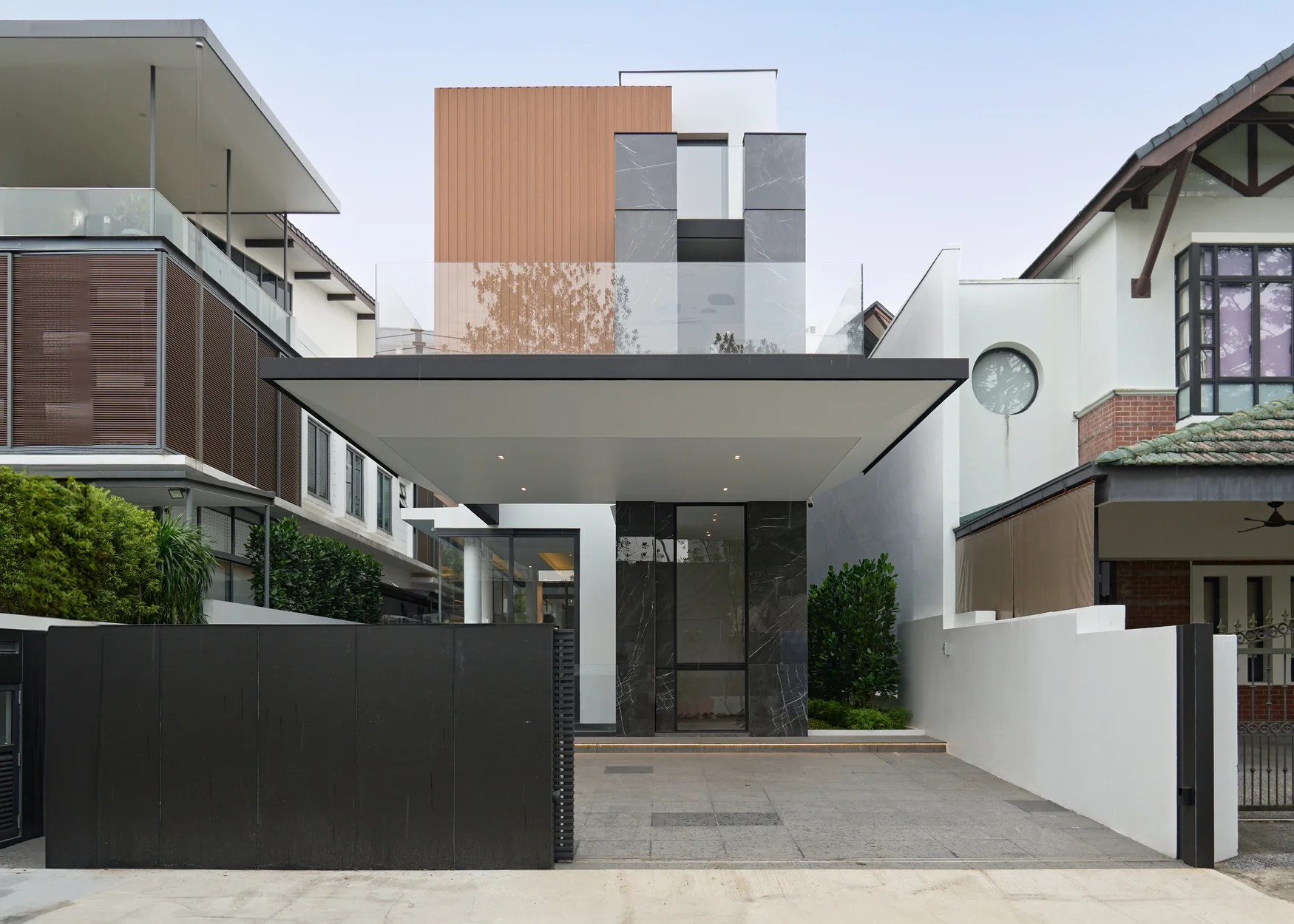
8+1 bed | 10,200 sqft area 19,500,000 SGD
5 bed 19,380,000 SGD
4 bed | 4,208 sqft area POA
3-8 bed | 699,654 - 784,080 sqft area POA
6 bed POA