The report: Jan Kolář on why Prague’s ultra-prime market should be on every UHNW buyer’s radar
by Hamish McDougall
Jan Kolář, general manager at Czech Republic Sotheby’s Intl Realty, makes a compelling case for Prague as Europe’s most overlooked ultra-prime destination. With no foreign ownership restrictions, the Czech capital offers a regulatory environment that stands in sharp contrast to the burden UHNW buyers face elsewhere in the continent. The chance to walk from a century-old villa through a riverside park and into the Old Town in twenty minutes is the kind of thing, once experienced, that proves very hard to give up.
Note: The information in this article was obtained and is accurate as of writing in June 2026.
Explore luxury holiday homes for sale
Majority of ultra-prime buyers in Prague are people who come here for business or family reasons; perhaps they marry someone here and relocate, or they already have ties to the Czech Republic and decide to move. We actually see many cases of people relocating from London or Paris because of those connections. They see Prague as a safer, calmer place and ultimately a better place to live.
When someone buys purely as an investment, they tend to go for smaller, more affordable apartments. In the ultra-prime market, however, it’s always lifestyle-driven. Buyers are looking for specific locations, surroundings and communities.
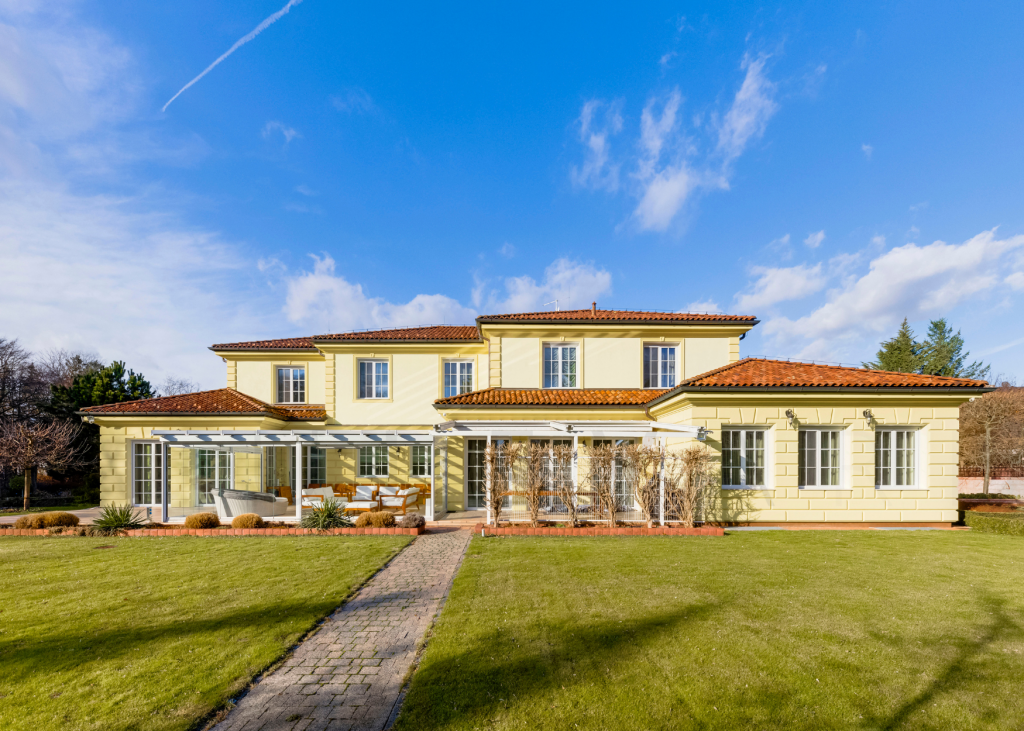
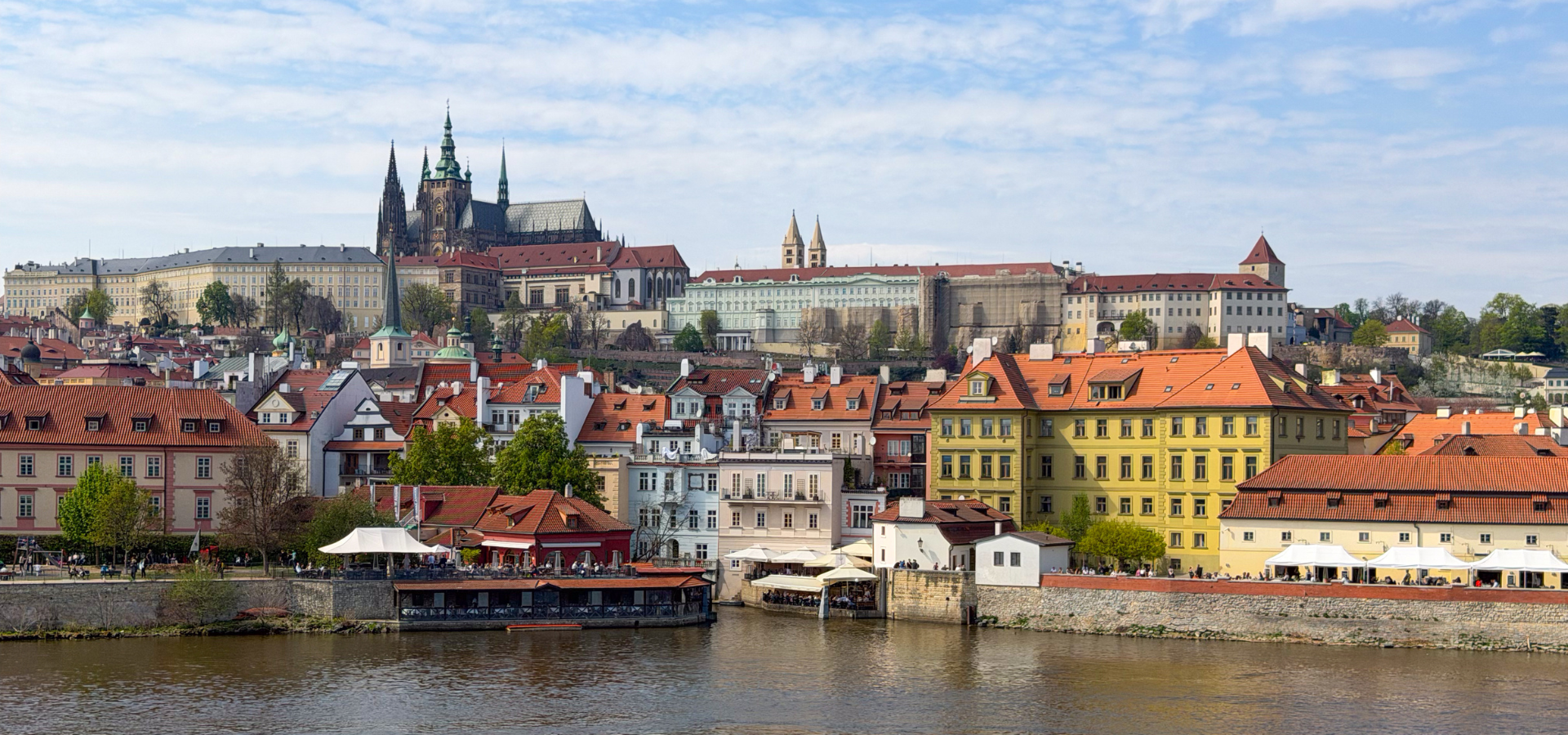
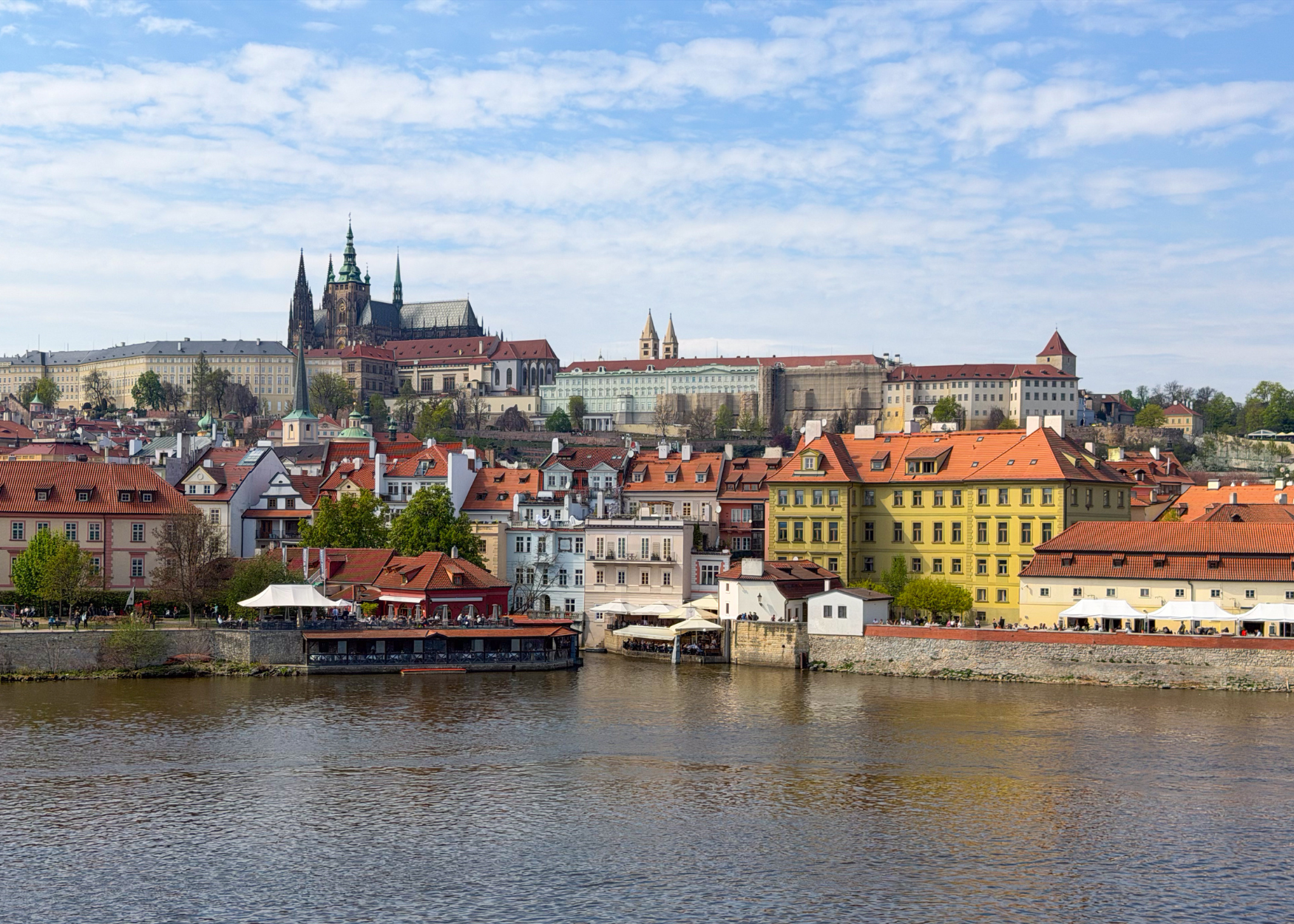
This sprawling, amenity-rich Neo-Mediterranean family estate in Prague’s sought-after Osnice enclave is for sale. Top: A panoramic view of Prague Castle and the Malá Strana waterfront, captured across the Vltava River.
We have homes right in the city for people who enjoy a metropolitan lifestyle. But we also have neighbourhoods close to the centre, only about a fifteen-minute drive away, that are much more villa-oriented. These areas have very specific communities, and that’s really what drives buyers.
It really comes down to personal preference. If you want to go into the city, it’s always easy—it just depends on whether you want to walk into town or drive there. You don’t really have to choose that much, because with most properties, you can have a bit of everything.
Inventory in the ultra-prime space
There’s high demand, but not enough supply. We regularly spend years searching for the right property with our clients before something that truly fits their specifications comes onto the market. At the same time, prices have risen significantly, and buyers have started to understand that if they want a certain type of property in a specific location, they do have to pay a certain price for it.
Five years ago, nobody would pay €10 million. Back then, the ceiling was around €7 million to €8 million at most. Nobody was spending above €10 million. But now, buyers realise there simply won’t be more of these properties. There’s no additional space in these prestigious neighbourhoods, particularly in Prague 5, 6 and 7. If you want a property in one of those locations, it comes with a price tag. These are villas and freestanding homes. The most prestigious ones were typically built between the wars, during the 1920s and 1930s, when there was a major industrial boom and wealthy families were building large estates.
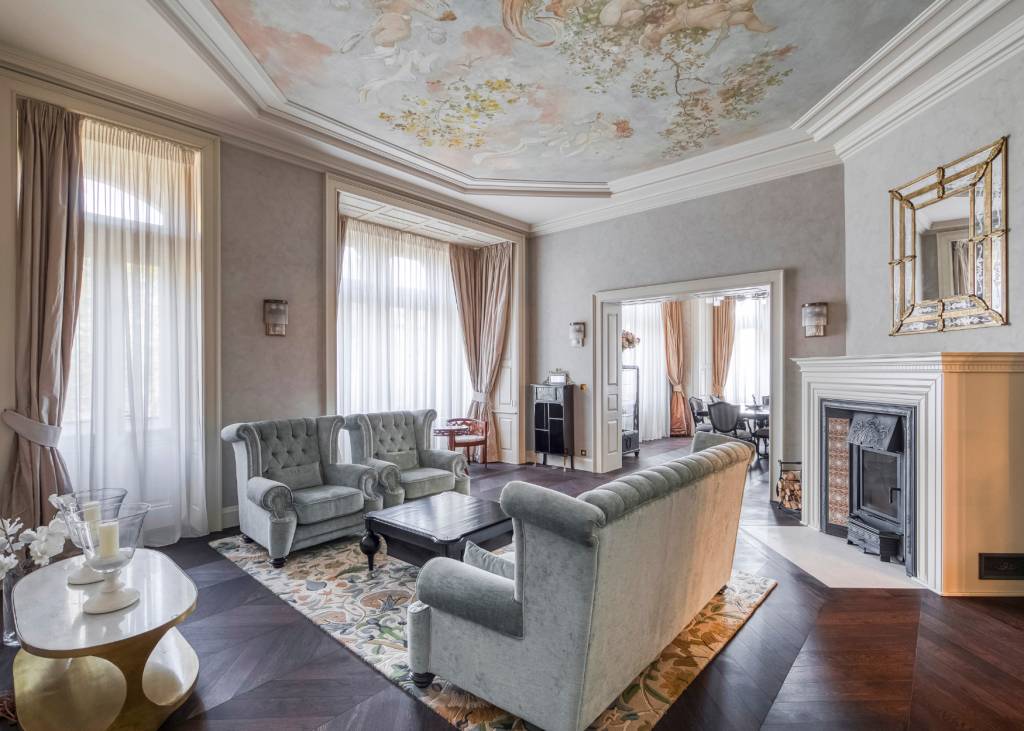
This Janáčkovo nábřeží residence for sale features high painted ceilings, three balconies and elegantly outfitted interiors.
Occasionally, there are also opportunities to purchase homes that are not historically or culturally protected, which means buyers can demolish them and build something entirely new and modern. And if you want something more affordable, you have to move further out, outside Prague and away from the centre.
There were definitely more [luxury turnkey properties] about eight to 10 years ago, but since then, many developers have shifted towards more affordable properties. As prices continue to rise, everything is becoming smaller, and developers are building smaller homes to meet the market.
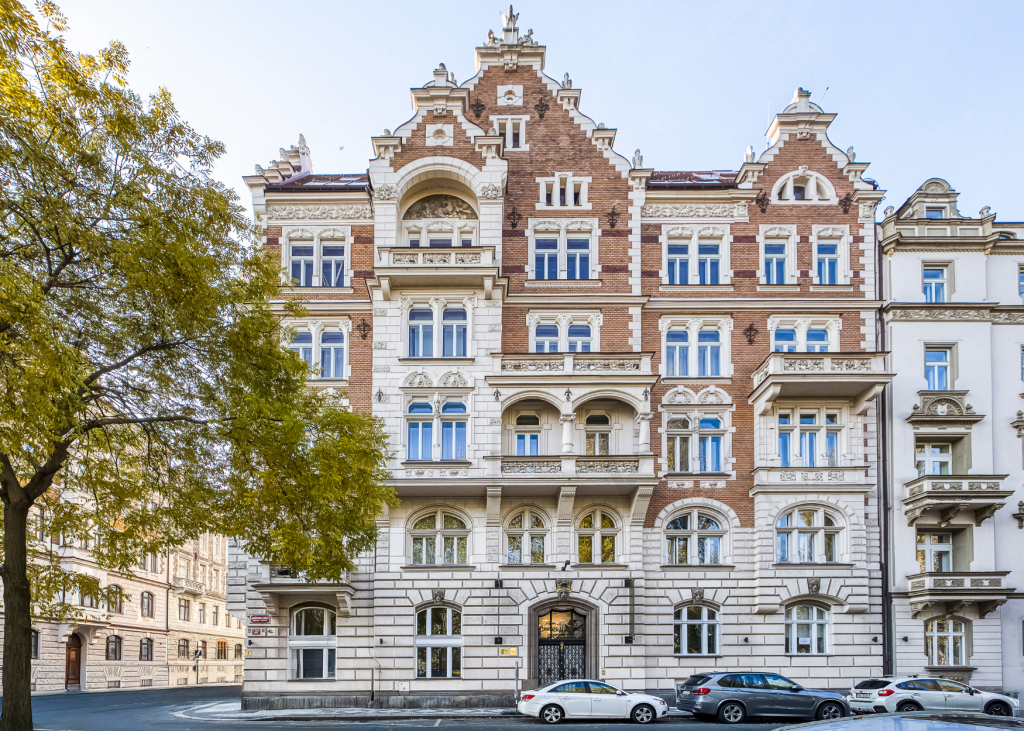
The facade of a renovated Art Nouveau residence along the banks of the Vltava River.
That said, there are still a few developers focused on the ultra-prime segment, and most of those properties sell very quickly. As I mentioned, demand is extremely high, and buyers increasingly value saving time.
If you’re buying land and building a house here, assuming you can even find the right site, the process usually takes three to five years. So if buyers can purchase something turnkey and move in immediately, they are definitely willing to pay a premium.
Building regulations and costs
In neighbourhoods like Prague 5, 6 and 7, there is generally some level of heritage protection around the exterior appearance of properties. You typically have to preserve the exterior look, but inside, you can do almost anything you want. You can renovate, extend underground, and in some cases, even add modern extensions.
That said, it depends on the level of protection. Some properties have a much higher degree of heritage protection, which makes things more difficult. In those cases, you may not be able to change much at all, and there can be strict requirements, even down to the colour of the façade. But internally, you can still do quite a lot.
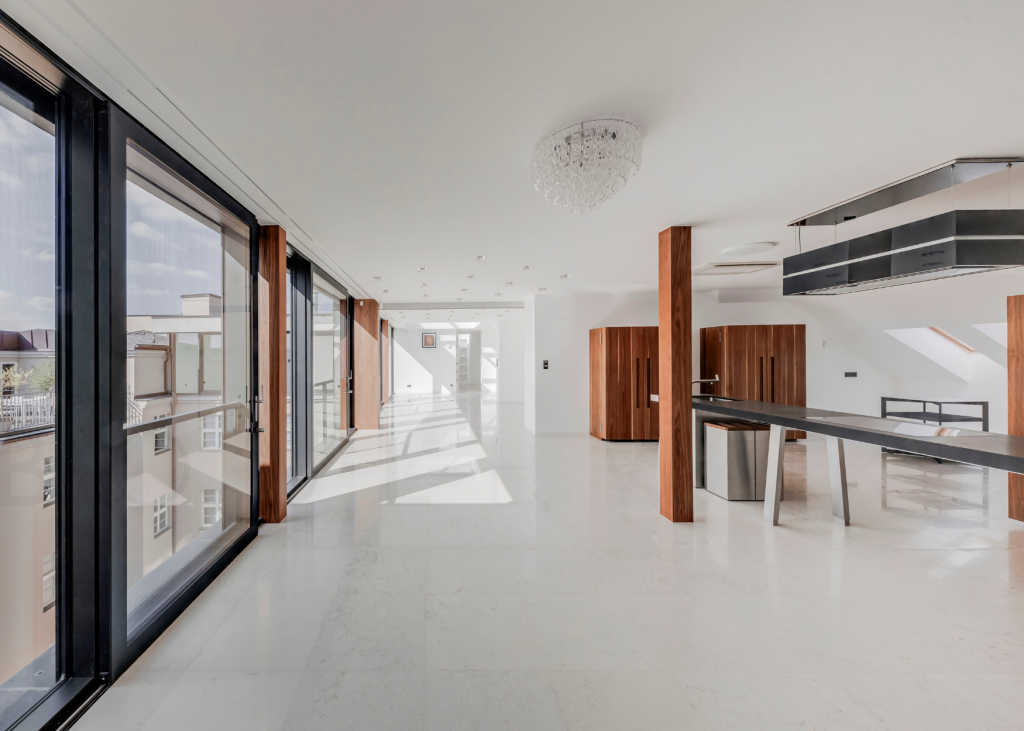
This modern penthouse for sale is located in Dlouhá Palace, a recently renovated 1920s Art Deco building in the heart of Prague.
Then there are properties with a lower grade of protection, where you simply need to submit your plans. As long as you stay within certain guidelines, there is still considerable flexibility in what you can do.
However, construction costs have definitely increased. At the same time, there is still a lot of building activity, which of course gives construction companies more leverage when it comes to pricing. One of the major developers told me recently that for nearly 25 years there had been almost no significant increase in building material costs. Then, since Covid, prices have risen by about 80 to 100 per cent.
Foreign ownership
Foreign buyers in Prague don’t need any special visas or permits to buy a property and own a holiday home. There are no special taxes for foreigners. They only pay an annual property tax, which is incredibly low. For a €10 million property, you’d pay between €500 and €1,000 a year.
There’s also no stamp duty tax. When you buy a property here, you pay about a €60 fee for the transfer of ownership at the land office, and that’s it. Beyond that, it’s just the cost of legal representation, which could be around €1,000 to €2,000. So overall, it’s really inexpensive to own property here.
If you leave it empty, Prague is, in my opinion, one of the safest cities in Europe, so you don’t really have to worry about your property. It’s a very safe city. If you rent it out, of course you have to pay tax on the income. But again, the Czech Republic has very low taxes, a flat tax of 15 per cent. That’s one of the key attractions for international buyers: low taxes. Capital gains tax is also 15 per cent.
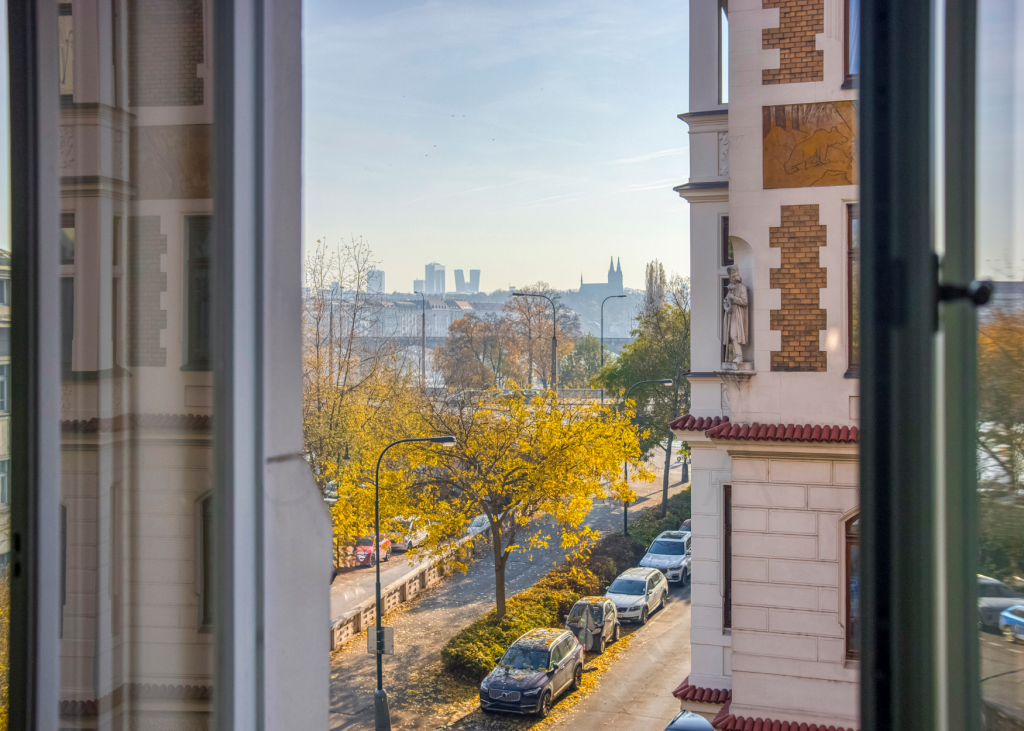
The view from the Dlouhá penthouse, a recently renovated 1920s Art Deco building in the heart of Prague.
However, there is a time test. If you own the property for more than ten years, you don’t pay anything. Or, if you have permanent residency in the property for at least two years, you also don’t pay any capital gains tax.
The lifestyle appeal
Prague is not yet the obvious choice [in Europe among ultra-prime buyers], but I think that will change because of the laws here, which are very welcoming, the low taxes, the security and simply the fact that Prague remains relatively under the radar. What I think people value most today is privacy and security. Here, you can live very privately.
It’s incredibly calm. Everything you see around you encourages a slower pace, walking by the river, enjoying the surroundings. There’s very little traffic, and there’s always plenty of greenery within reach.
Go further with Jan Kolář’s property listings:
- Janáčkovo nábřeží residence: A beautifully appointed Art Nouveau home with statement ceilings along Vltava River, Prague
- Jesenice villa: A sprawling, amenity-rich Neo-Mediterranean family estate in Prague’s sought-after Osnice enclave
- Dlouhá penthouse: Designer residence in the historic heart of Prague
Read next:
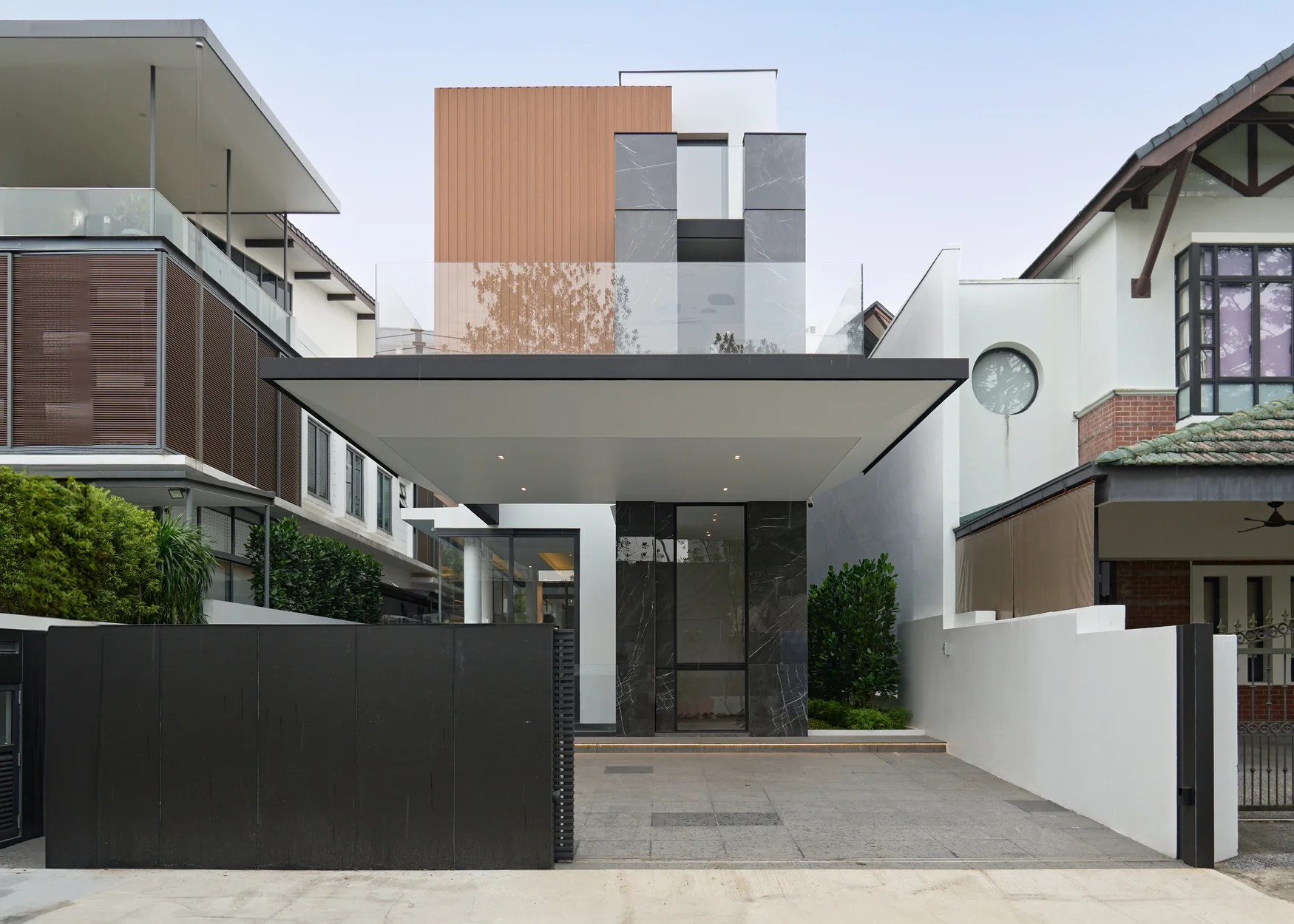
8+1 bed | 10,200 sqft area 19,500,000 SGD
5 bed 19,380,000 SGD
4 bed | 4,208 sqft area POA
3-8 bed | 699,654 - 784,080 sqft area POA
6 bed POA