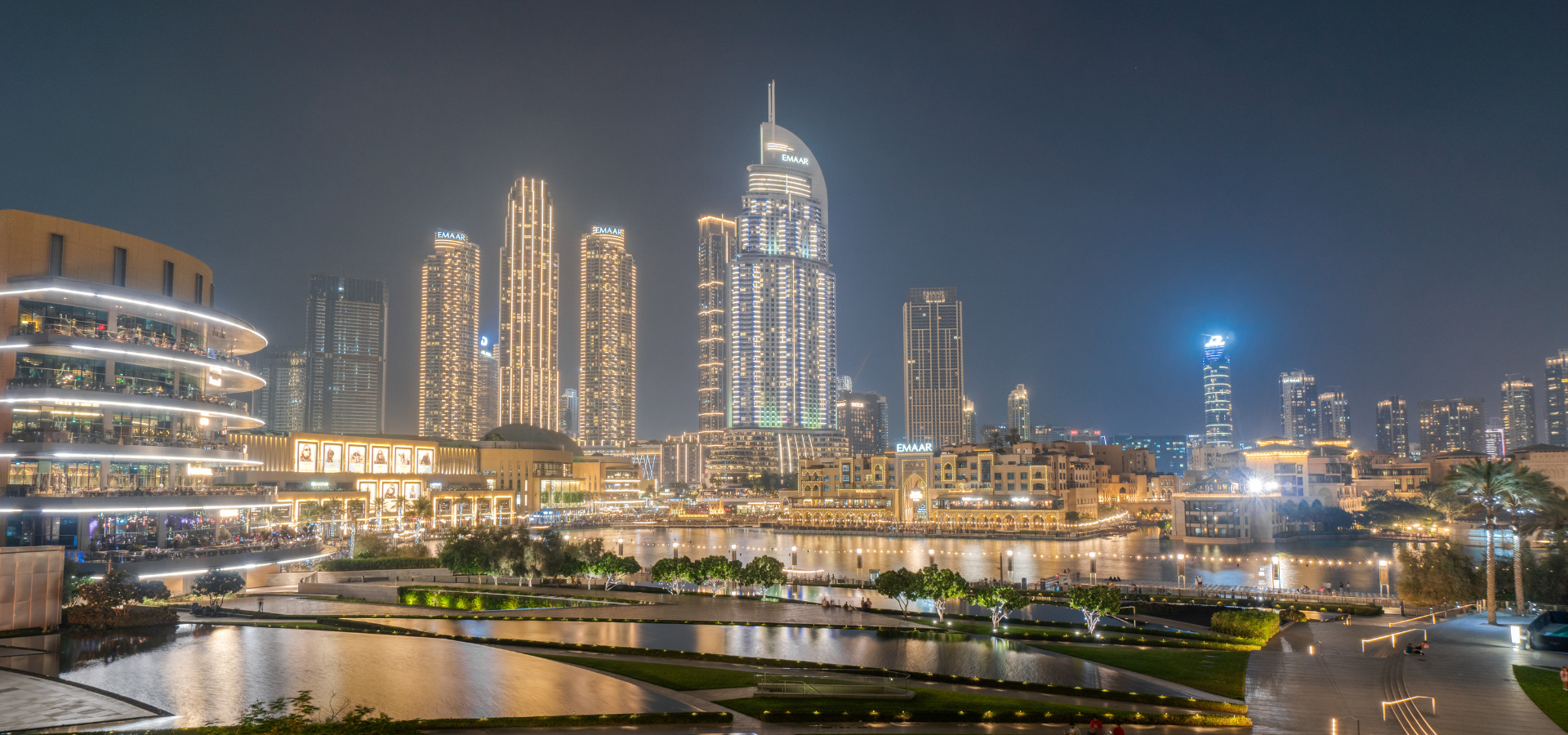
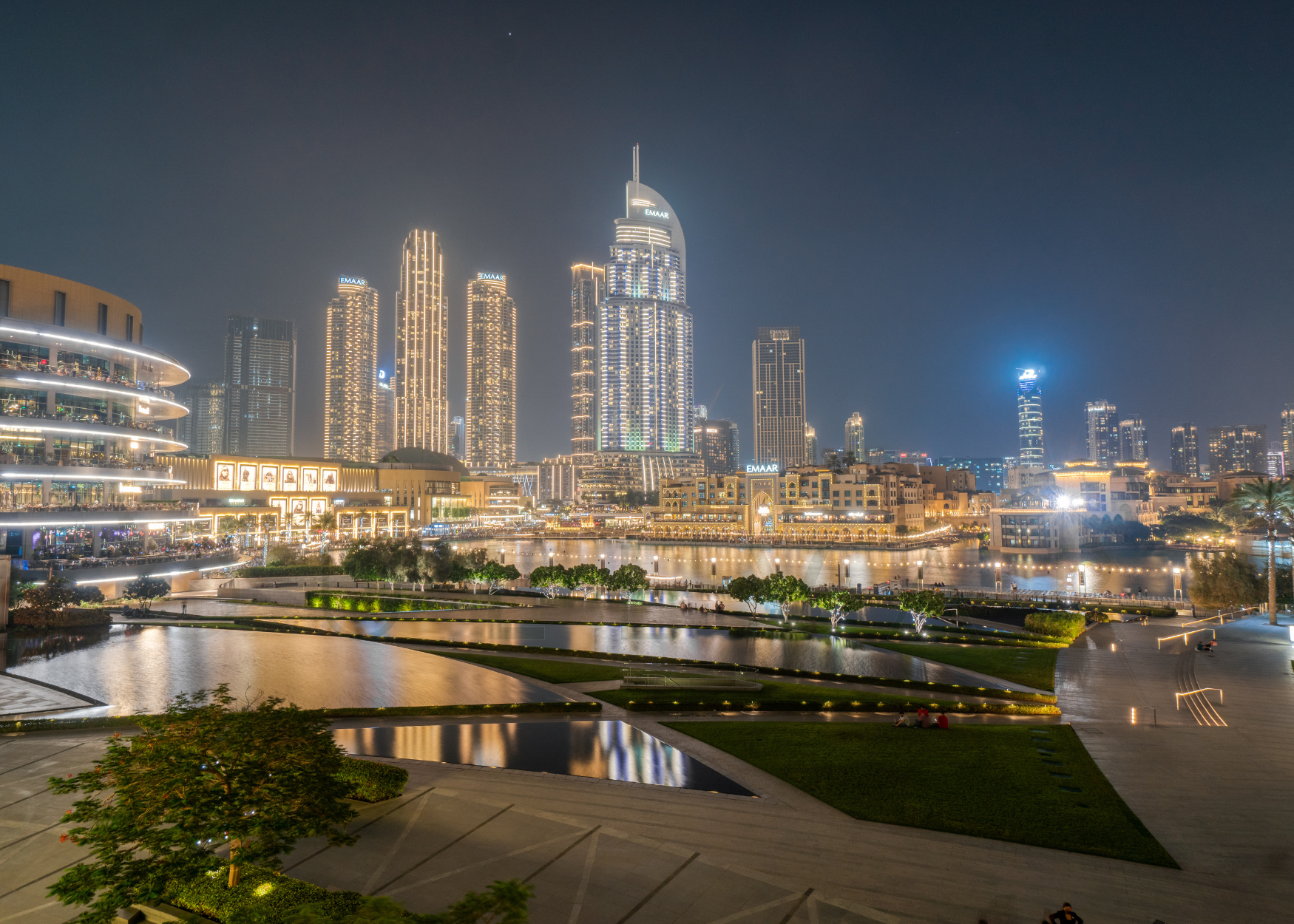
The report: Aston Edwards on Dubai’s emerging ultra-prime market and why it appeals to second-home buyers
Interview by Annie Asistio
Aston Edwards, the Principal Consultant at Savills UAE, explores the factors that shape Dubai’s rapidly maturing ultra-prime real estate market, where demand has accelerated sharply in the post-covid era. He also explores how the market is driven not only by investability, but also by lifestyle and design—from the growing appeal of custom-built villas and turnkey homes, to the strategic role of off-plan developments in addressing limited supply. Once seen primarily as a city of efficiency and innovation, Dubai is now positioning itself as a long-term base for international buyers seeking stability, connectivity and a highly liveable urban environment.
This is part of a series of interviews for our holiday homes feature—go further with the Holiday Market.
The outlook for Dubai’s ultra-prime market
Dubai’s population surpassed four million in August 2025, marking a sharp rise from its pre-covid level of about 3.3 million. As one of the first cities to reopen post-pandemic, the country continues to grow and attract an influx of foreigners and expats, thanks to its accessible location and the connectivity of its national airline, Emirates.
It’s no surprise then that apartment sales have grown by around 50 per cent since 2021—from about 31,000 units sold in 2021 to roughly 130,000 sold in 2025. Villa sales have also risen by approximately 25 per cent, from 13,000 in 2021 to around 30,000 today. Villas remain in very high demand because of Dubai’s family-oriented city and culture.
Even the sale of plots—whether for building one’s own villa or for independent developers creating new communities—has increased by 10–15 per cent year on year. While there is some talk of a market slowdown, any cooling is likely to be modest. For example, I believe that the minimum apartment growth might dip is from 50 per cent to around 40 per cent, and villa growth from 25 per cent to 15–20 per cent.
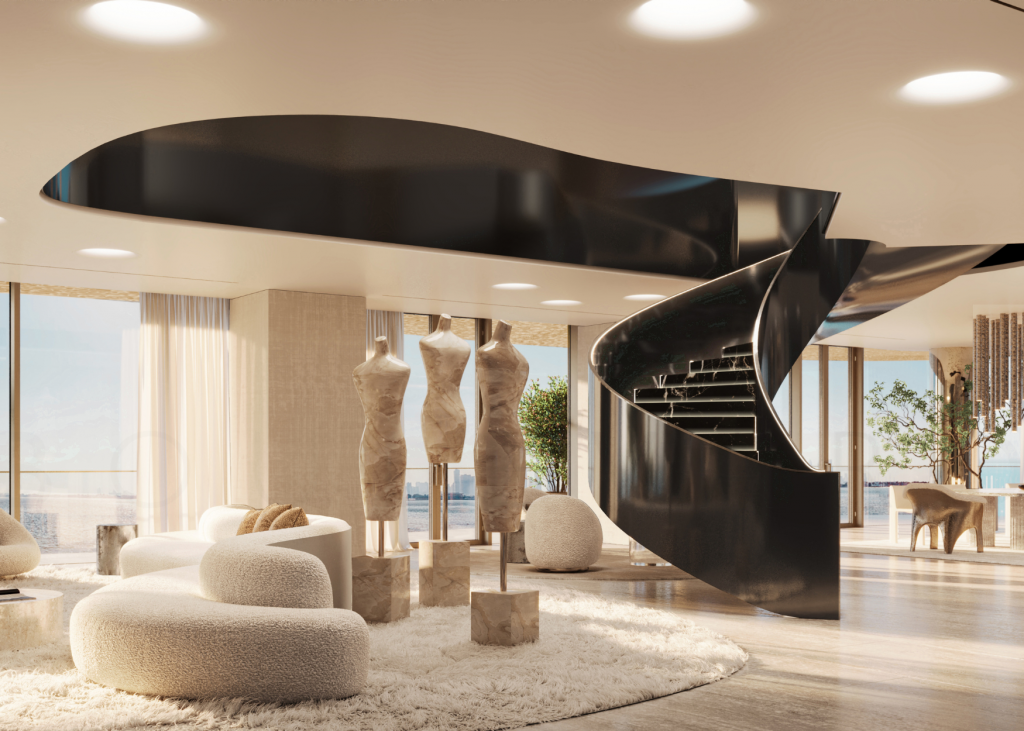
Ocean-view condo and penthouse by Maison Margiela in Palm Jumeirah. Top: Armani Hotels in Dubai.
I’ve been in Dubai for 14 years and have seen the city evolve. It’s a great place to visit and an excellent city to raise children, with many top-tier schools. It’s also very safe. For example, if you leave your wallet in a taxi or a handbag in a restaurant, it’s often returned.
Dubai is a city that’s constantly changing and evolving. It’s becoming one of the most exciting places in the world. Many communities are green and sustainable, and the city is investing in forward-thinking infrastructure, like the underground tunnel project initiated by the government and Elon Musk, to help ease commuting as the population grows.
There are also many major projects set to launch in the first quarter of 2026 from world-famous developers, which will be a significant turning point for Dubai.
Overall, growth remains strong. As long as instability persists in Western Europe and global uncertainty continues, Dubai will continue to attract buyers seeking stability and opportunity. As an expat, I can see Dubai’s economy and real estate market continuing to expand.
The rise of multifunctional holiday homes
In Dubai, there are many attractive areas for buyers seeking a holiday home or a permanent residence, depending on their lifestyle preferences. In the luxury segment, buyers often focus on the property itself rather than the community, willing to compromise on location if a home meets expectations in design, space and amenities.
Three prime locations stand out at the moment. First, Dubai Hills, developed by one of Dubai’s top developers, Emaar Properties, is a vast community featuring apartments, townhouses, villas, and luxury mansions. The community is golf-course themed and very green, reflecting Emaar’s reputation for master-planned, high-quality developments. The company is also behind some of Dubai’s most iconic projects, including Downtown Dubai and the Burj Khalifa.
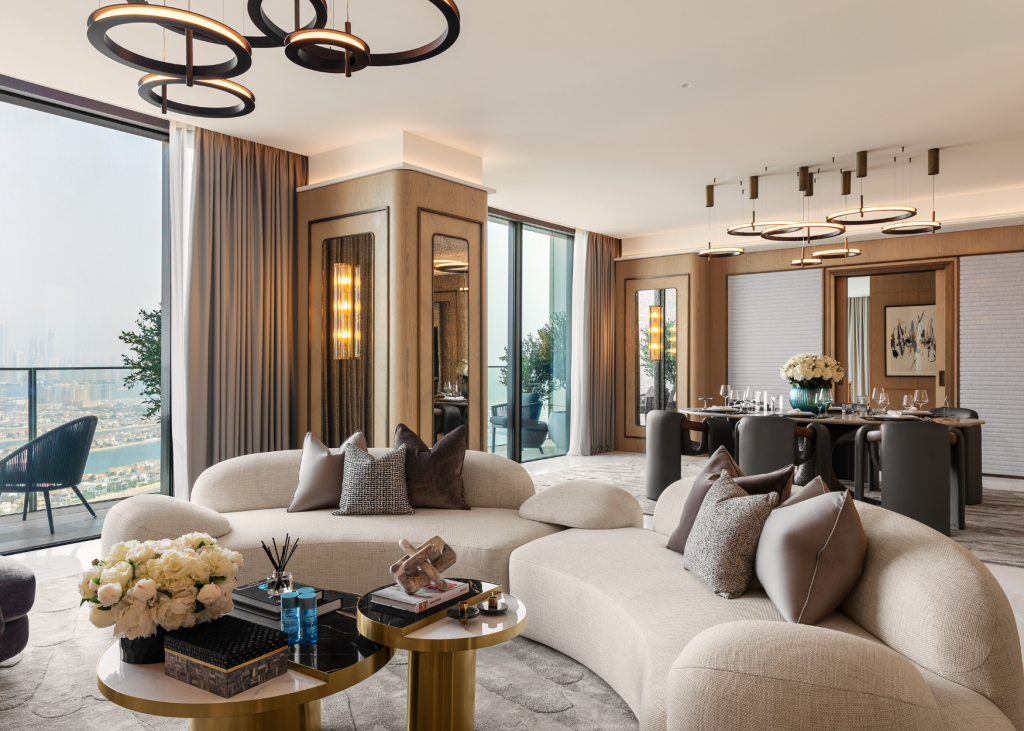
Trophy penthouse at Atlantis The Royal, Palm Jumeirah.
Second, Palm Jumeirah, which remains consistently popular, offers waterfront villas and apartments with a strong lifestyle focus. In the past two to three years, new developments include the mall and West Beach, a strip of beach clubs for fitness and leisure. Residents have everything they need on the Palm—malls, bars, restaurants, beaches—so there’s little reason to leave.
Third, La Mer, a newer community of mainly luxury villas closer to Burj Khalifa, has done very well. The villas are modern and custom-built, with stunning sea views, making it a top choice for high-end buyers.
Other areas remain desirable depending on buyers’ preferences, whether proximity to the golf course, water, or central Dubai is key. The influx of reputable local contractors and interior designers, particularly post-covid, has introduced a contemporary aesthetic to luxury homes across the city.
While many seek a holiday home, Dubai also offers lifestyle and investment opportunities, with premium developments appealing for potential returns. Ultimately, buyers prioritise a beautiful home—spacious, luxurious, and carefully designed.
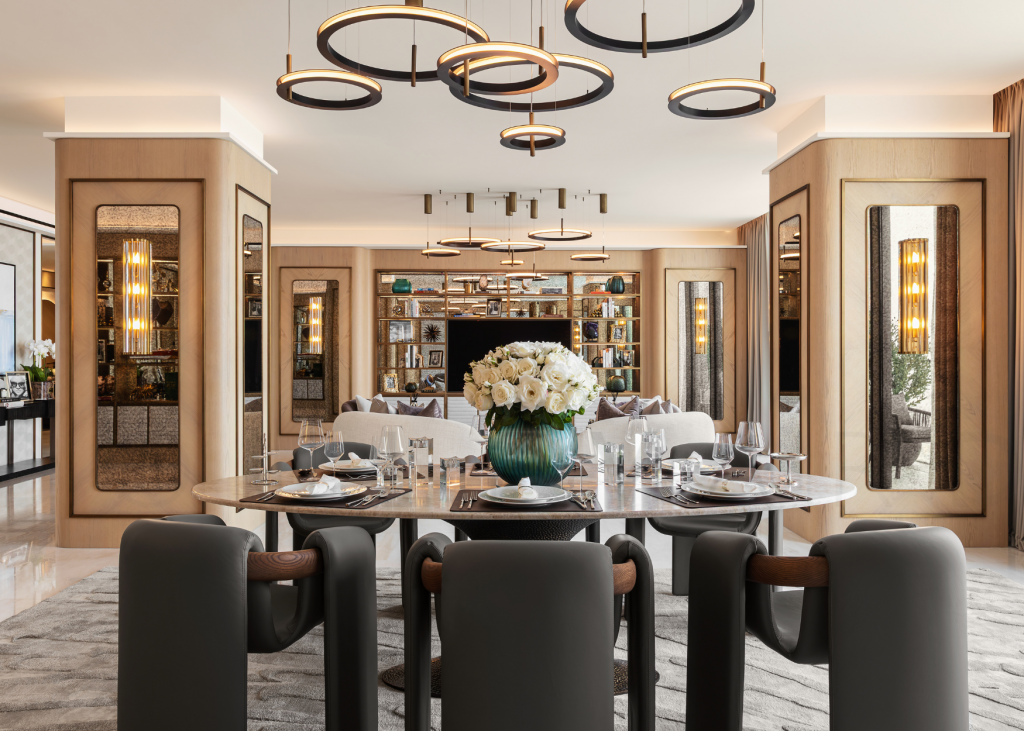
The penthouse in the Atlantis, The Royal spans over 5000 sqft, featuring panoramic 360-degree views of the Palm Jumeirah, Arabian Gulf, and Dubai skyline.
Interior designers and contractors are creating stunning properties, though tastes vary. Dubai’s multicultural population means different buyers prefer different styles, tiles and designs.
The second consideration is the community and lifestyle. Retirees or seniors may prefer golf estates, where they can enjoy the sport and connect with like-minded residents. Others prefer locations near the water, such as Palm Jumeirah or La Mer, for boating, fishing, swimming, or activities for their children.
The evolving profile and expectations of buyers
In the ultra-luxury space, the largest buyers in Dubai are generally Indians, across all segments—from studios to mansions. India has a long-standing connection with the UAE. The second-largest group is British buyers, followed closely by Russians, Chinese, and Saudis. Russia has made a significant impact on the market over the past three years, with buyers investing in luxury apartments and villas. China and Saudi Arabia are also strong markets, alongside other nationalities such as French and Western Europeans.
Foreign buyers have a massive impact on Dubai’s market. The statistics show that locals make up about 10 per cent, while expats account for 90 per cent.
Dubai is a very multicultural, metropolitan and international city. Its tourism and real estate sectors are driven largely by expats seeking a better life and opportunities. Some invest as soon as they arrive, while others take a few years, but many who wait often miss the prime opportunities as the market continues to rise.
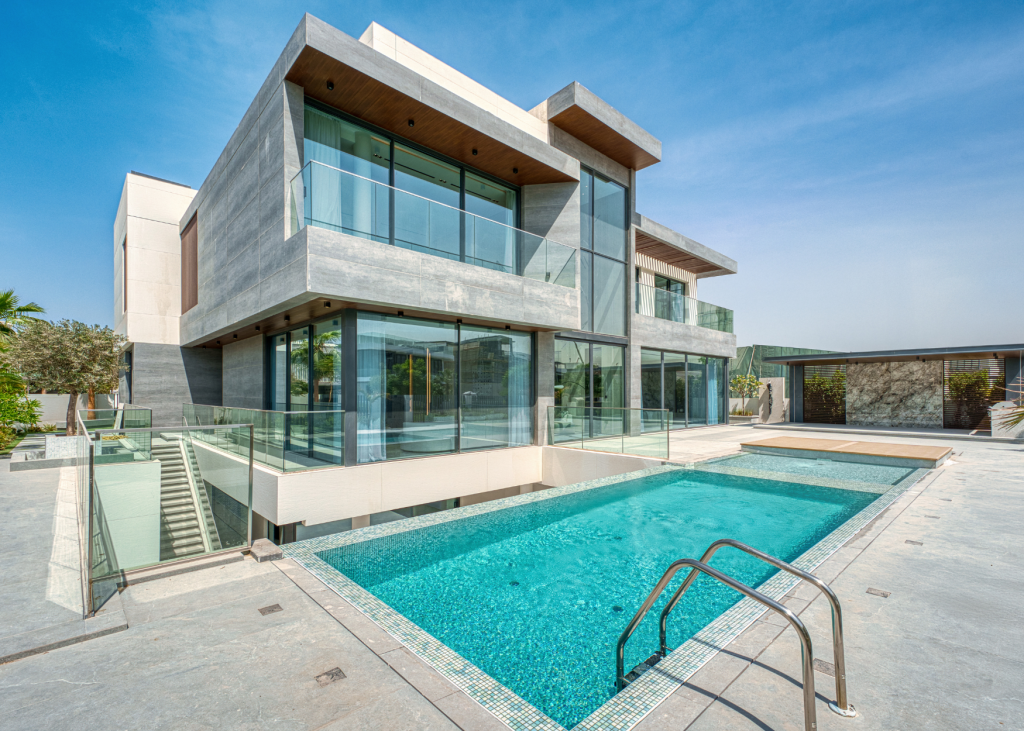
A thoughtfully designed turnkey villa in Dubai Hills Estate.
The expat and international community pushes the market because different cultures and wealth levels have varying expectations, particularly among HNW individuals. Connectivity also plays a role—Emirates alone operates around 3,600 flights per week to 150 destinations, making Dubai a key hub.
There is strong demand for turnkey, bespoke luxury villas in established communities. Buyer preferences vary case by case. Some clients want a ready-to-move-in home for their family, prioritising convenience over investment. Others approach it from an investment perspective, purchasing older villas to renovate or buying land to build custom homes. Overall, it’s roughly a 50-50 split between buyers focused on lifestyle and those motivated by investment opportunities.
Off-plan properties help meet demands in the ultra-prime market
When we talk about the luxury segment, I’m always referring to custom-built villas and penthouses. There might be twenty on the market, but for one buyer from a specific part of the world, they might only have three to five suitable options. Each design is different, so there is some variety, but it’s limited.
I would say demand is roughly equal to supply. You won’t see a table full of options—usually just two, three or four good choices, which buyers then filter down based on their preferences.
This is why many people choose to renovate their own villas or buy off-plan. If it’s a project by a reputable developer, they might wait 18 months to two or three years for completion. In the meantime, they might rent, or if they want something turnkey immediately, they’ll select one of the few available options.
Off-plan properties are helping to meet the demand for turnkey luxury homes in Dubai. These properties are usually a bit cheaper as well. If someone builds their own villa or penthouse, we’re still in a seller’s market where they can command a higher price, and every property is different.
What buyers need to know in buying a Dubai property
There aren’t really any hidden costs. The process in Dubai is very smooth and straightforward. The UAE is probably one of the best at efficiency and getting things done. For a buyer, you pay a four per cent transfer fee, a two per cent agency fee, and roughly AED$3,000 in administrative processing fees.
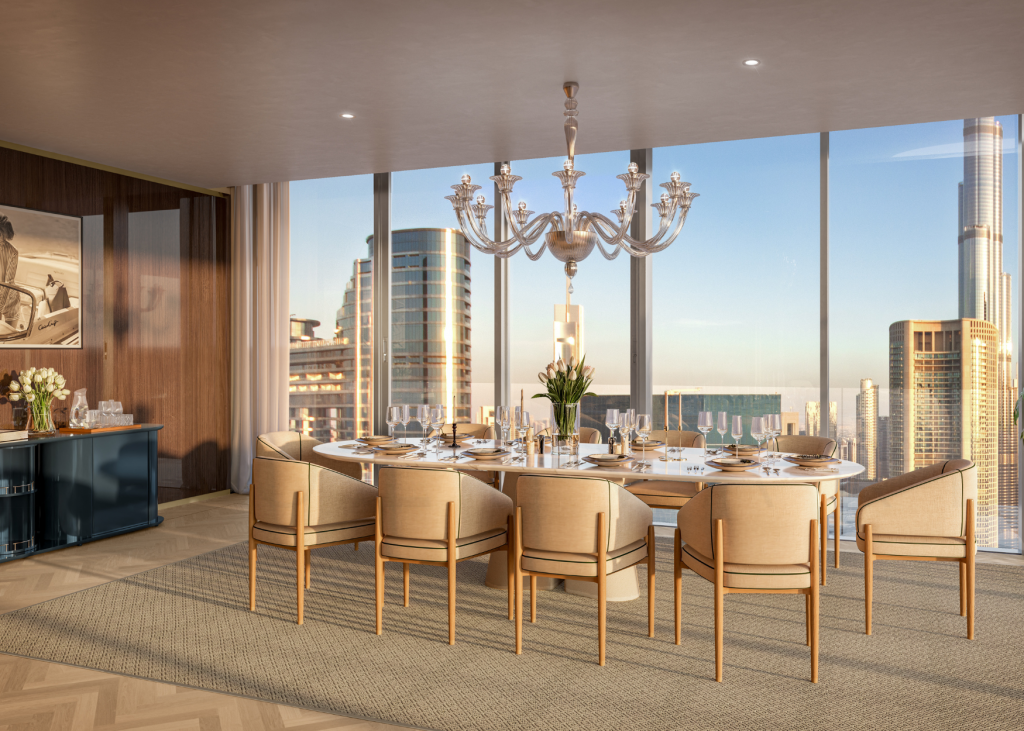
Italian-inspired modern condos with views of Burj Khalifa, Mr. C Residences Downtown.
Contracts are handled through brokers, without lawyers, as involving them can sometimes complicate and delay things. All contracts are processed via the Dubai government’s website, making the process very smooth. So this means you can become a homeowner in Dubai within three to five working days if both parties are ready.
Setting up a company to hold a property can also be done in around five working days. As of the first quarter of 2026, you can spend over AED$2 million to obtain a golden visa for you and your family—and that process is very fast as well.
Service charges for villas are usually quite low. For apartments, it depends on the building—branded luxury or standard residential—but they are generally fair, given the facilities provided: gyms, security, squash courts, bars, steam rooms, saunas and sometimes supermarkets on the ground floor.
The UAE’s other prime destinations
The UAE is also emerging as one of the most prominent luxury real estate markets. When we talk about ultra-prime space, it’s also important to mention Abu Dhabi and Ras Al-Khaimah, as they are just about an hour’s drive from Dubai. Starting with Dubai, it remains the strongest market for real estate. The ultra-prime segment has really taken off since covid. We’re still at the early stage, with strong demand for luxury villas, penthouses, and commercial spaces. Many older villas, built 15 to 20 years ago, are being renovated into modern, contemporary homes. Developments are also selling plots for custom-built villas, so demand remains very strong.
Abu Dhabi has also performed very well in 2025, with prime districts such as Saadiyat Island emerging as key growth drivers. The island is home to the cultural district, including the Louvre and will soon host the Guggenheim and Zayed Museum. Nearby, City Island will feature a Disney World, which is expected to significantly boost tourism. Abu Dhabi has also launched notable projects in 2025, including luxury hotels such as Nobu, Four Seasons, and The Mandarin Oriental.
Ras Al-Khaimah, one of the seven emirates of the UAE, has developed Al Marjan Island, which will host the first casino in the Gulf, operated by Wynn Las Vegas. Construction is progressing well, with completion expected around the second quarter of 2027. The island already has major hotels like Rixos, Hilton, Marriott, and Address, and announcements for ultra-luxury hotels on neighbouring islands are expected in 2026.
These figures are accurate as of the first quarter of 2026 and reflect current market conditions at the time of writing.
Go further with Aston Edward’s property listings:
- Ocean-view designer condo and penthouse, Maison Margiela Residences
- Thoughtfully designed turnkey villa, Fairways, Dubai Hills Estate
- Trophy penthouse, Atlantis The Royal, Palm Jumeirah
- Turnkey property with breathtaking water views, Bluewaters Residences, Dubai
- Italian-inspired modern condos with views of Burj Khalifa, Mr. C Residences Downtown
Read next:
5 bed POA
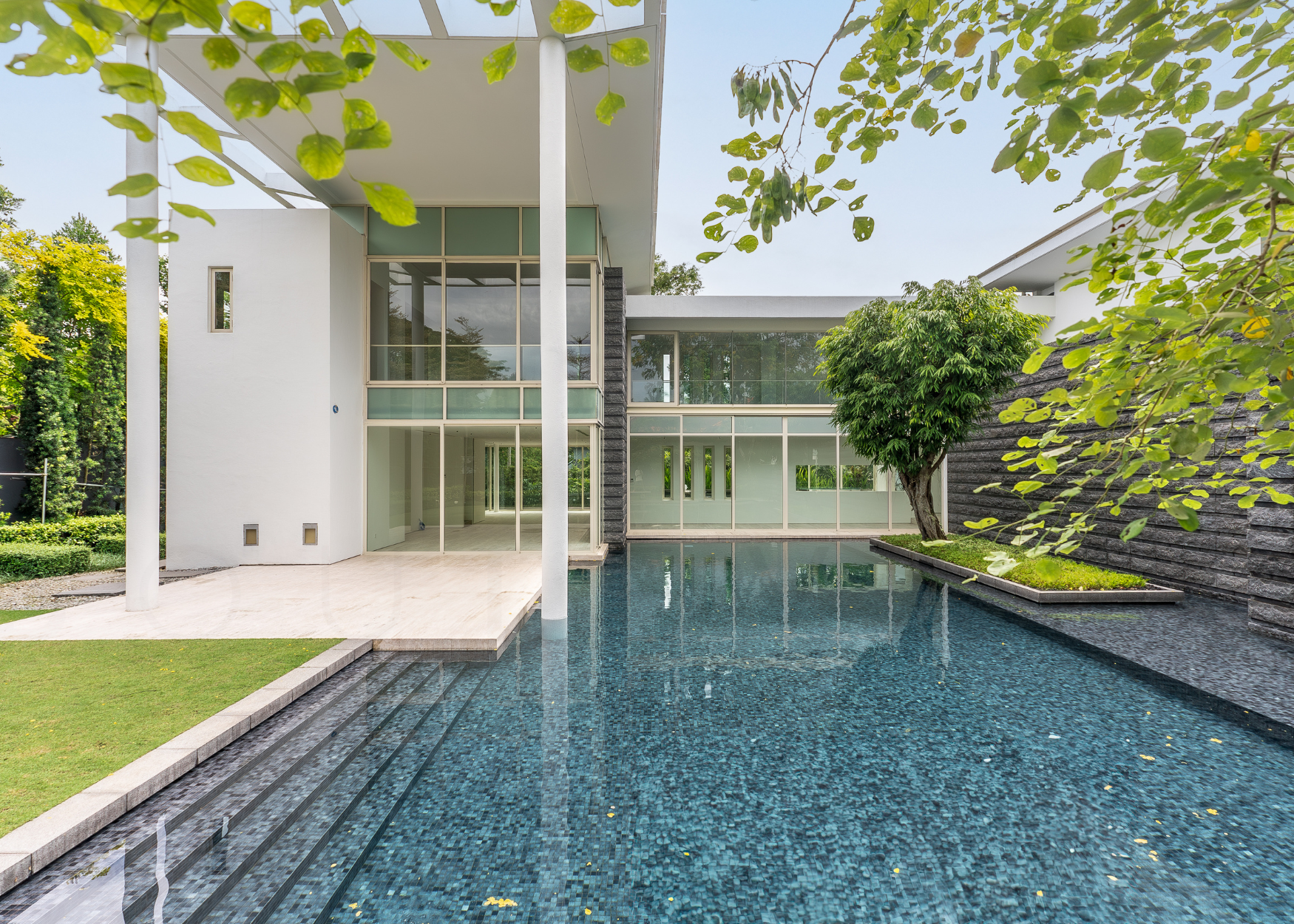
Belmont Road, D10 5 bed 43,800,000 SGD
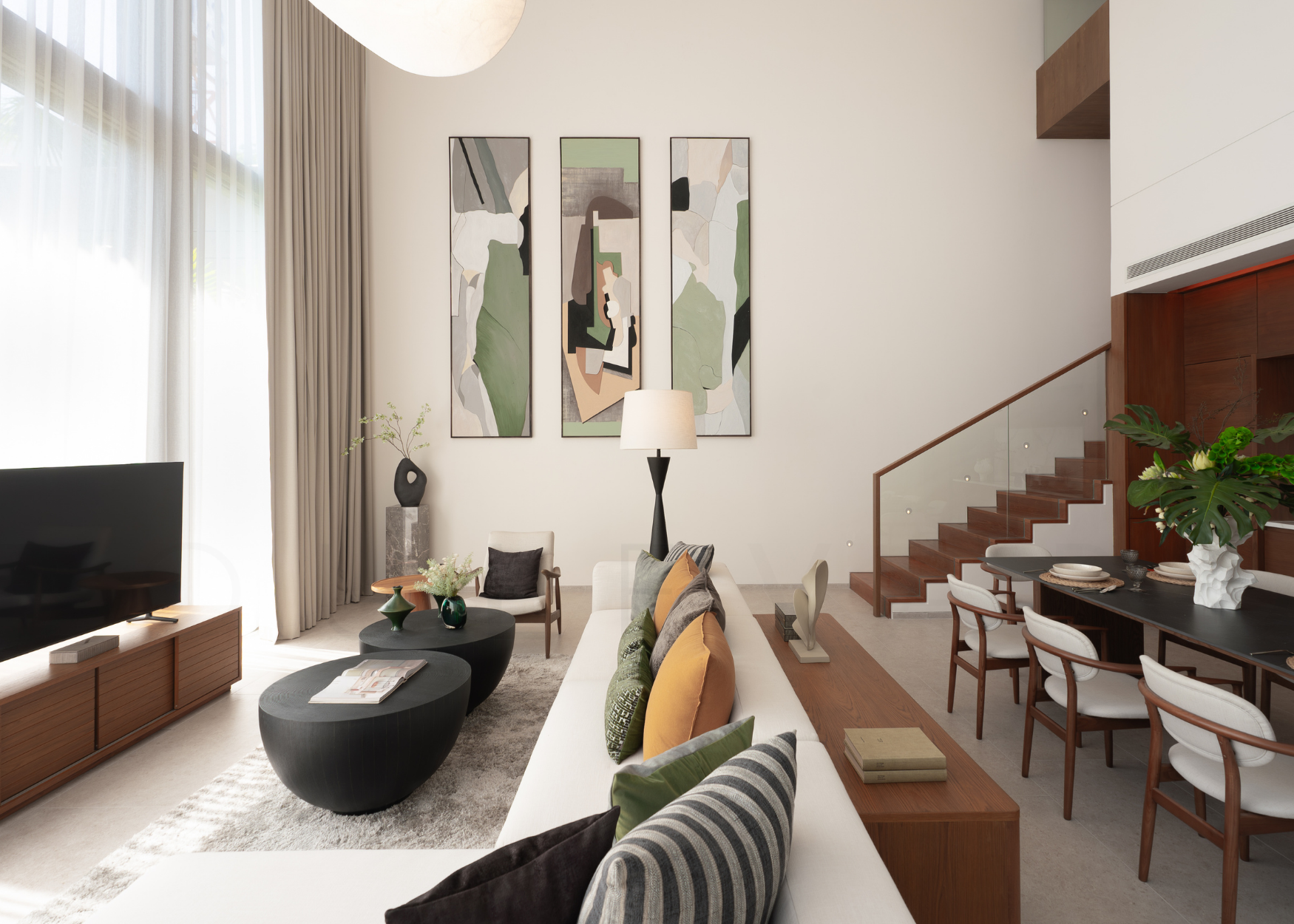
3-4 bed | 2,702 - 8,923 area POA
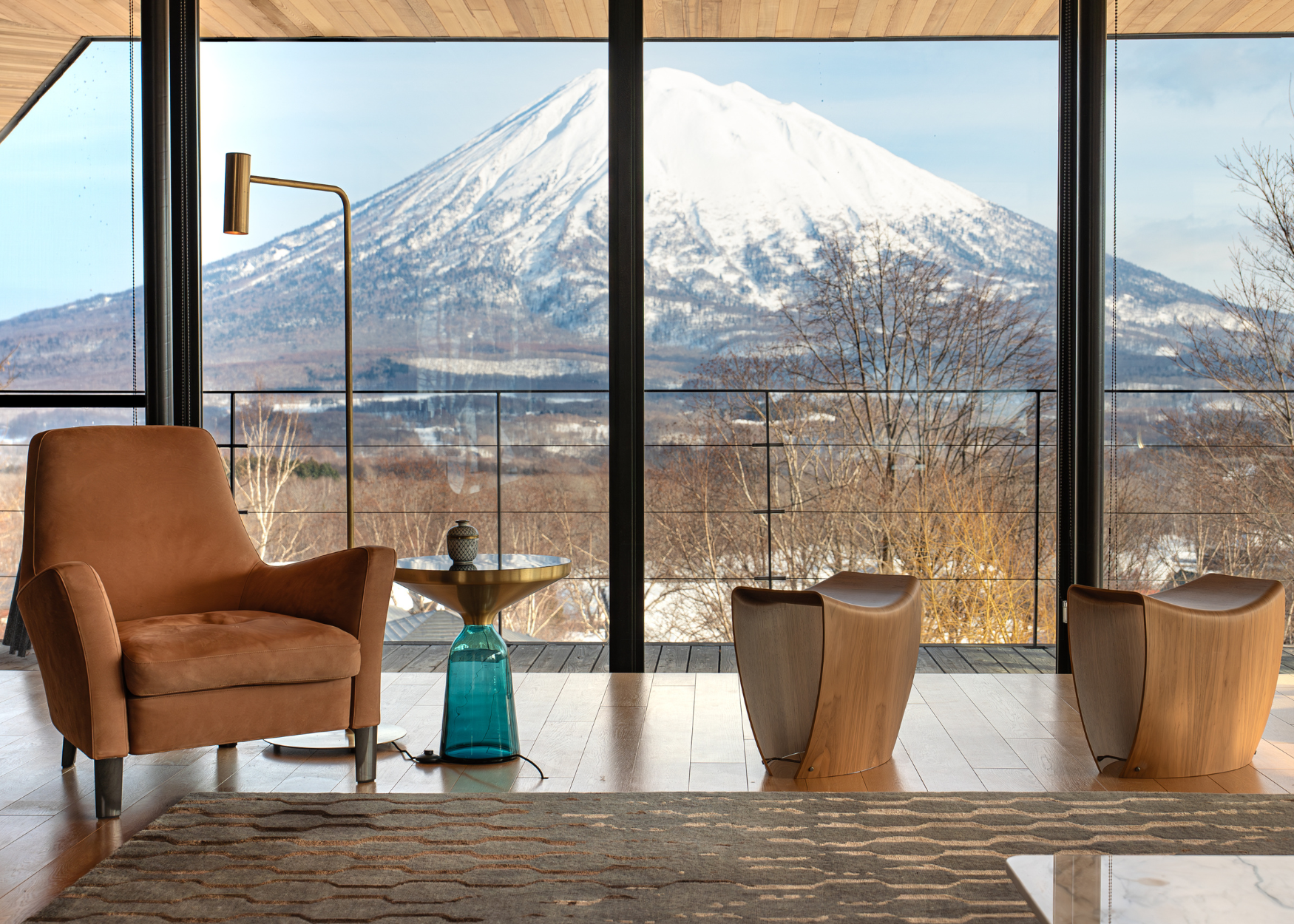
4+1 bed 20,000,000 USD
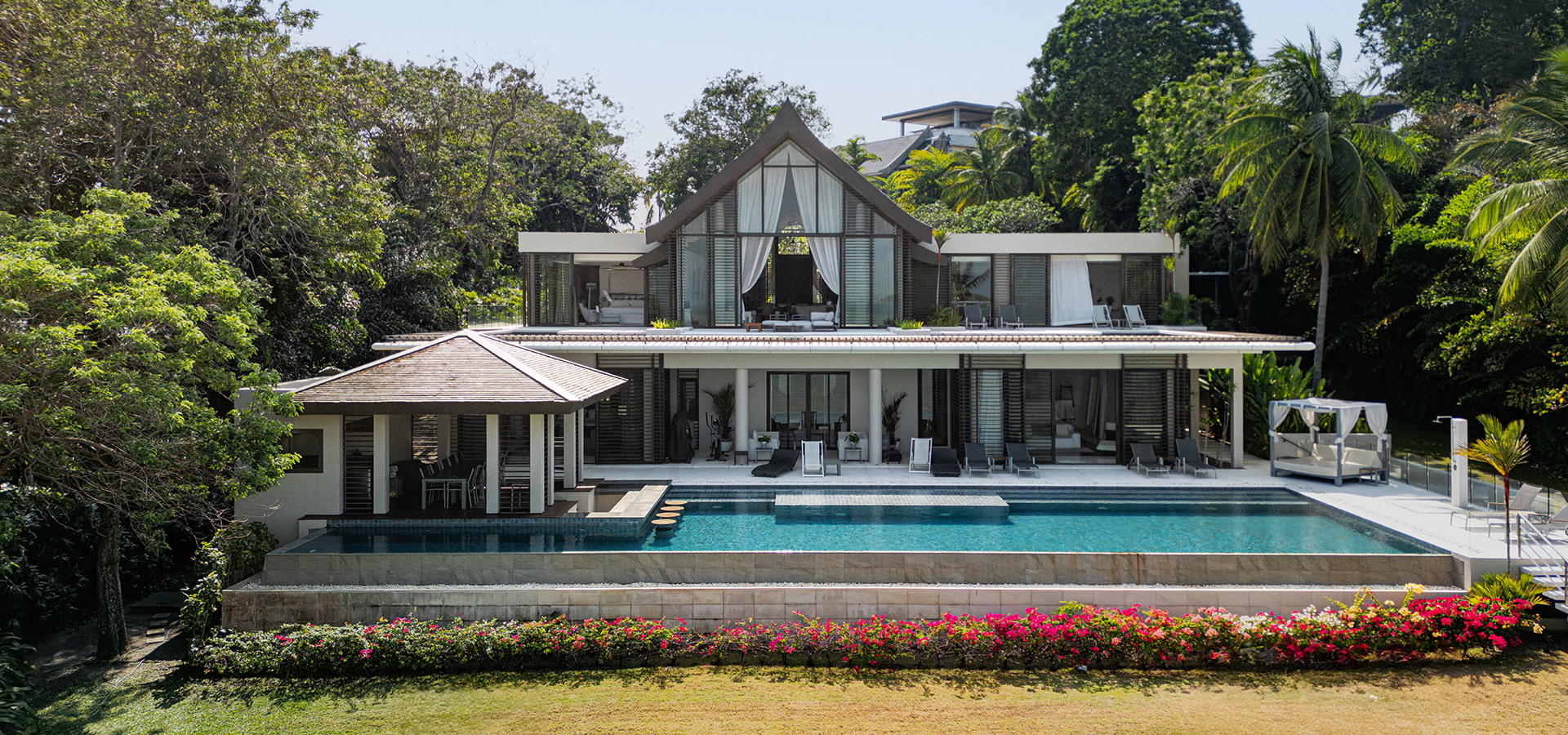
4 bed POA