Inside the Abito Exhibition: Ludovica Serafini on how Italian fashion and design dressed a century of change
by Lyene Darang
Photography by Jin Cheng Wong
A body in a corset sits upright, because the garment leaves it no other option. Free that body, and the chair beneath it can recline, loosen, and soften, evinced by objects like the Sacco beanbag chair. Abito, an exhibition of Italian fashion and design first shown at Salone Del Mobile Milano 2026, is built on this imagery.
In Italian, “abito” means clothing. It also evokes the verb “abitare”, or “to inhabit”. Dressing and inhabiting become two ways of telling the story of society. Curated by Ludovica Serafini and Roberto Palomba of Palomba Serafini Associati and promoted by Italy’s Ministry of Foreign Affairs and International Cooperation, Abito marked its first stop outside Italy at the National Gallery Singapore.
Taking the show abroad meant testing whether a story rooted in Italian culture travels. The themes were the move from craftsmanship to industry, women’s emancipation, changes in work, the cultural revolution of the 1960s, the shifting idea of power and, finally, fluidity.
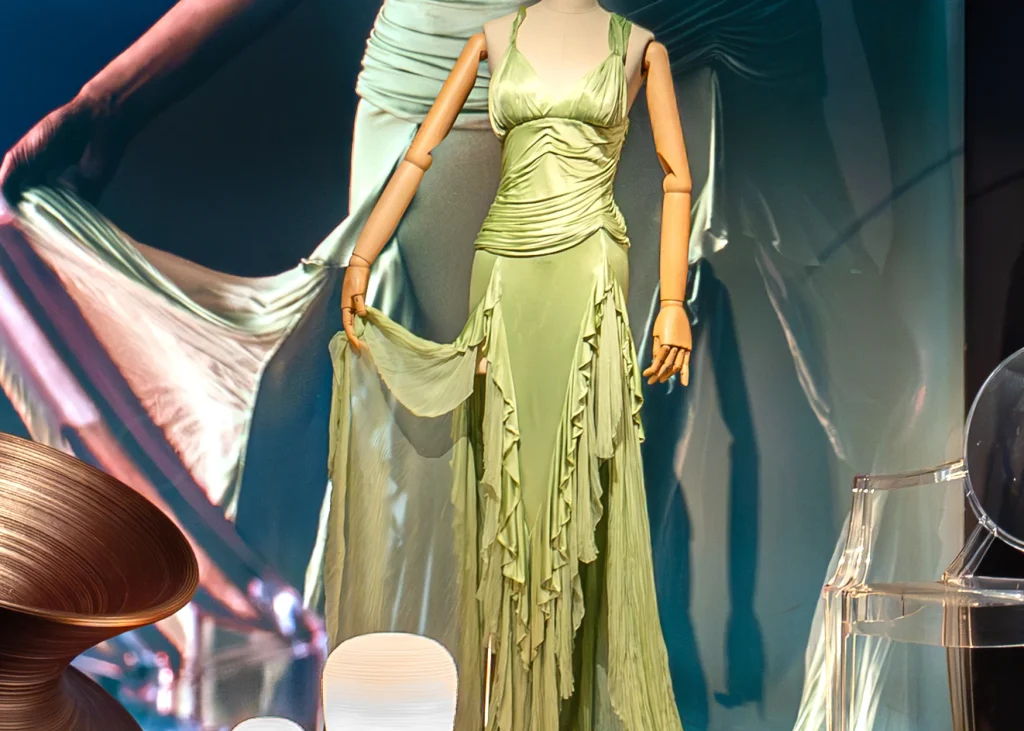
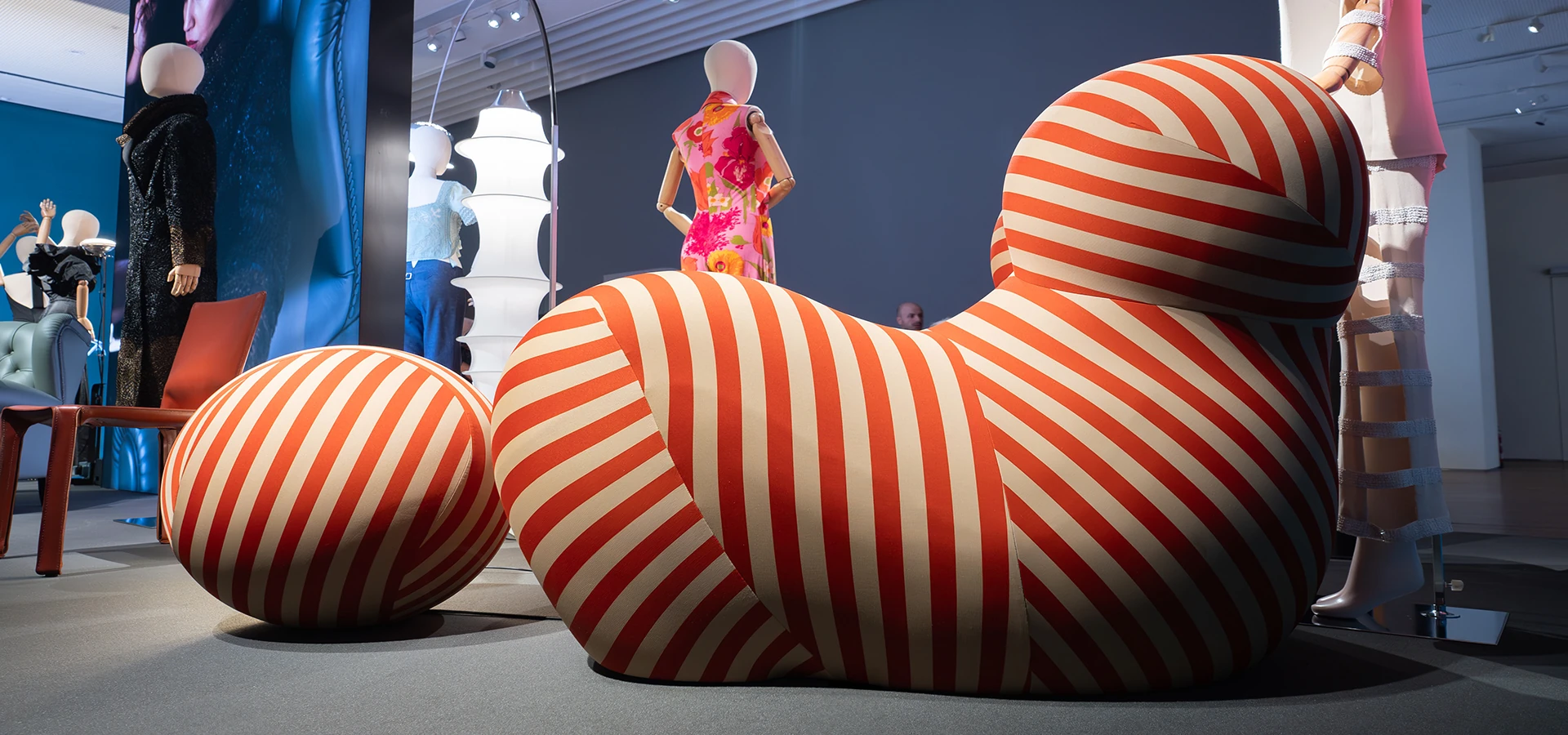
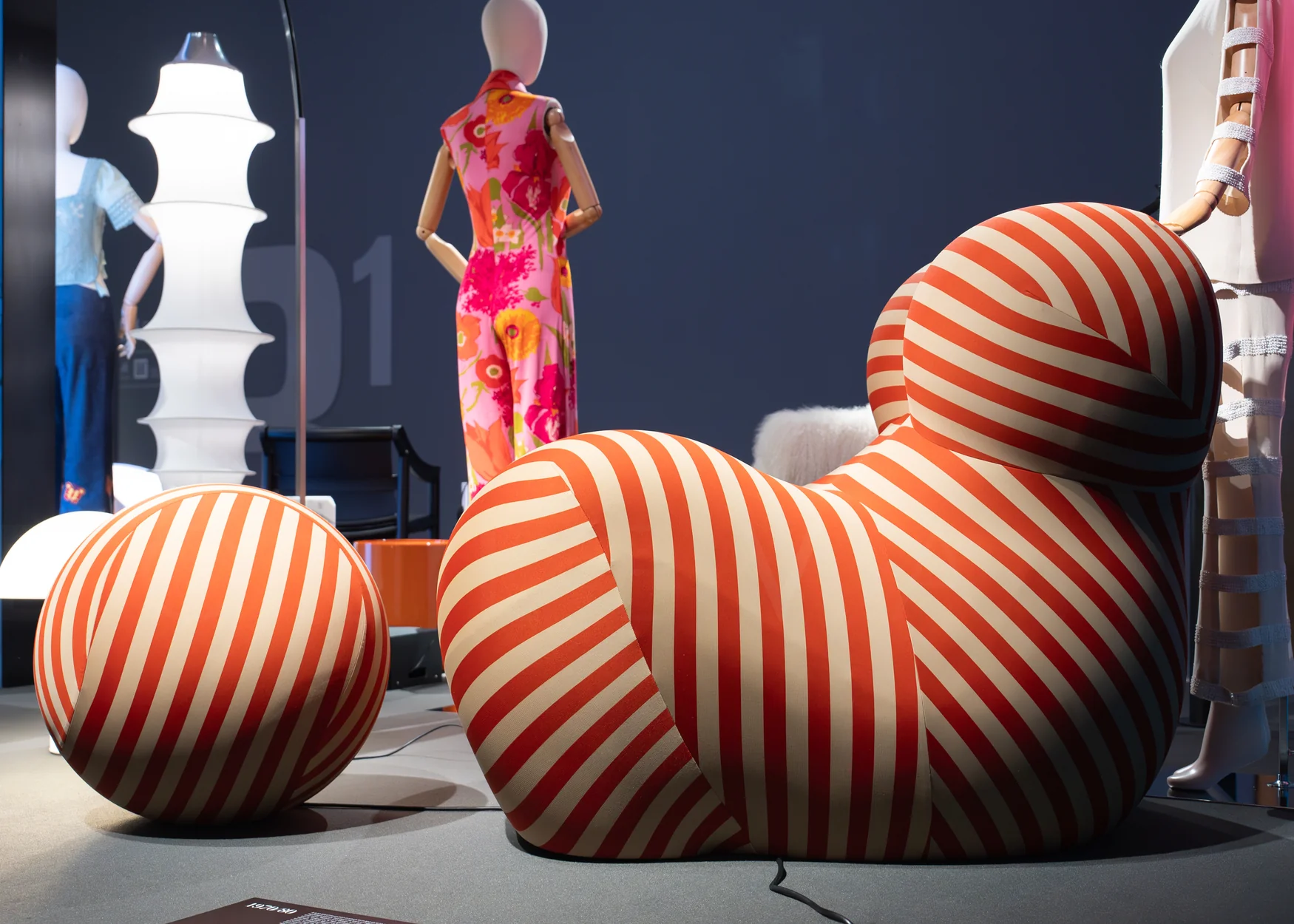
An archival Versace silk dress. Top: B&B Italia’s Serie UP 2000 armchair and ottoman, also known as “La Mamma”.
Hence, wherever staged, the concept always starts with people rather than objects. In conversation with Boulevard, Serafini described the exhibition as “a narrative of Italian creativity seen through the major transformations of society,” beginning with the changing role of women: how social, cultural, and economic change altered the way women dress and behave, and so the way they inhabit space—case in point, the Sacco beanbag chair.
The garments come from significant names in Italian fashion, among them Simonetta, Fiorucci, Giorgio Armani, Krizia, Gucci, Versace, and Max Mara. They sit in dialogue with the objects that trace the parallel evolution of Italian design.
Serafini also finds the two ends of the route the most instructive. The corset opens it, as “a very particular relationship between the female body, clothing, and social conventions.” From there, she painted the picture: “Women enter the workforce, begin wearing trousers, and gain new roles and new spaces. Design follows through the Industrial Revolution, new materials, and new technologies.”
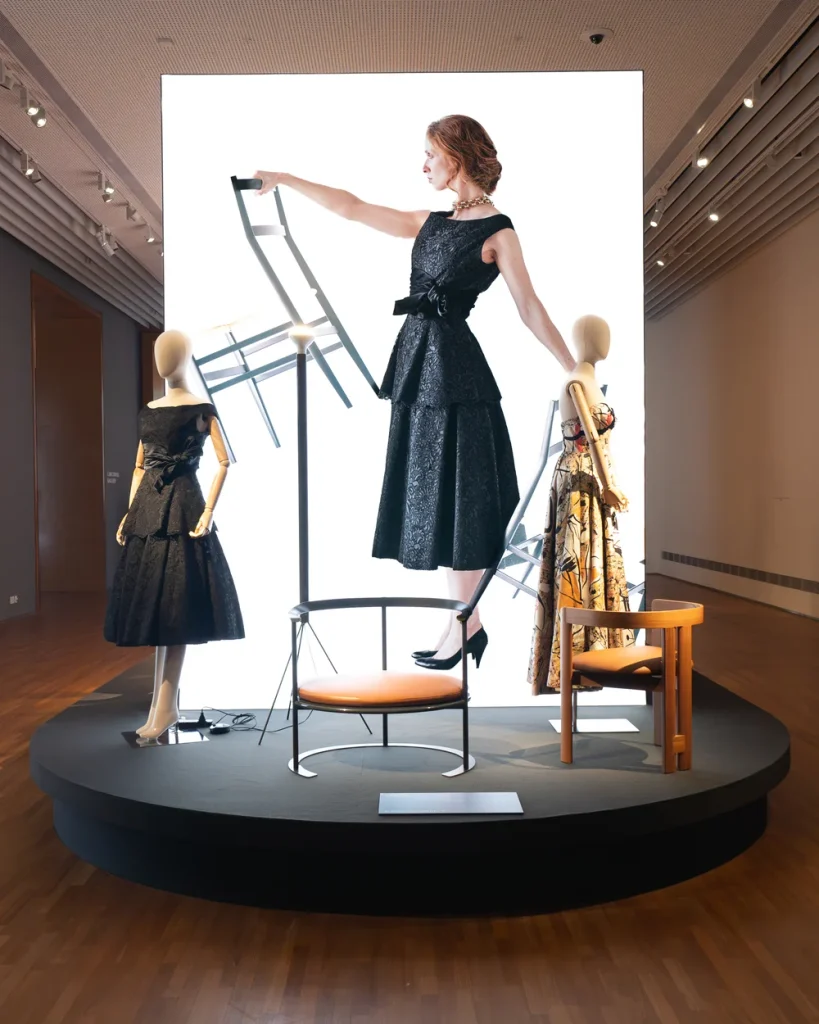
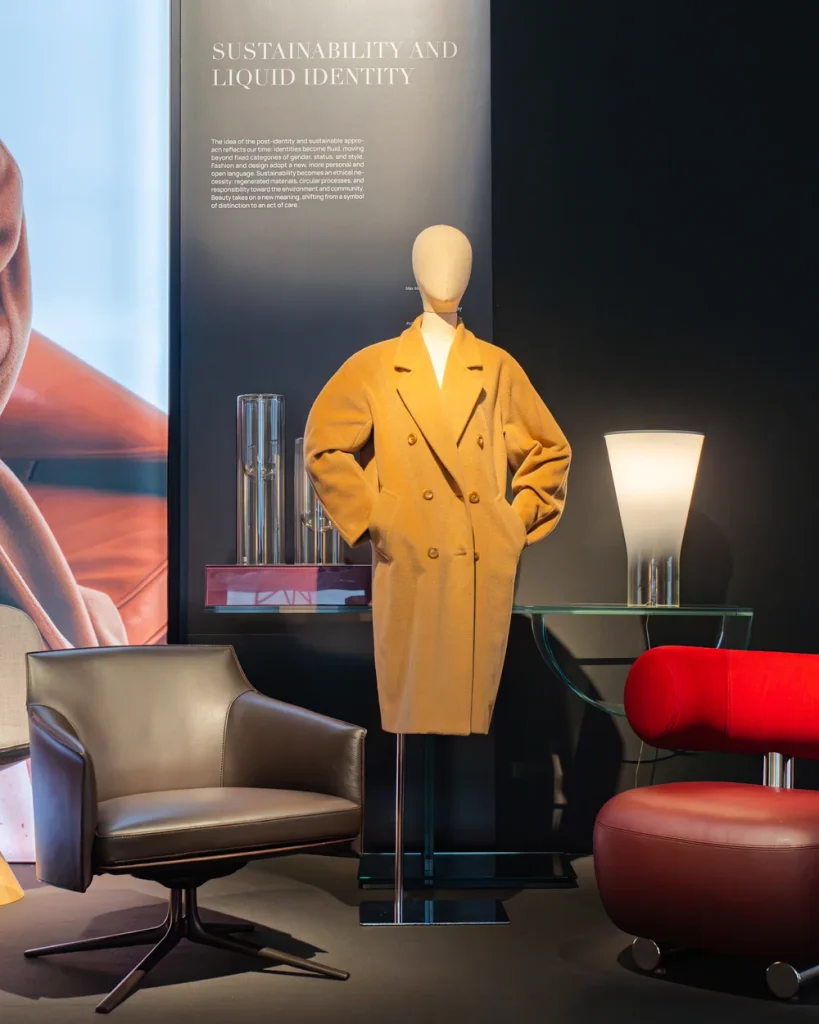
Left: An installation titled, “Fashion as a record of time” from the landmark exhibition. Right: Max Mara’s 101801 coat designed by Anne-Marie Beretta in 1981.
While the exhibition moves through a century, decade by decade, Serafini is certain that nothing in it outranks anything else. “There are no objects that are more important than others,” Serafini says. “Every piece has its own story and its own reason for being part of the exhibition, because each contributes to a single narrative.”
For her, the route ends in the present, where the boundaries have blurred. “The concept of power changes, our relationship with space changes, and even the distinction between masculine and feminine becomes less defined,” Serafini says. “Fluidity becomes part of the way we live.”
The coat that outlasted its season
An inherent example of that fluidity is the garment that got there first. Max Mara’s 101801 coat was created in 1981 and is still in production today. The shoulders lose their definition, and the volume wraps freely around the body. The coat does not need to declare a role, a status, or a gender, and Serafini says it anticipated a society without rigid boundaries.
It also breaks the show’s usual division of labour. A garment, Serafini says, “is almost like a breath of society, capturing a particular instant before another one immediately follows,” while many of the design pieces are still in production, including models created many decades ago. “It challenges the idea that fashion necessarily belongs to a particular season,” she says. “In this case, a garment achieves a sense of permanence very similar to that of an iconic piece of design.”
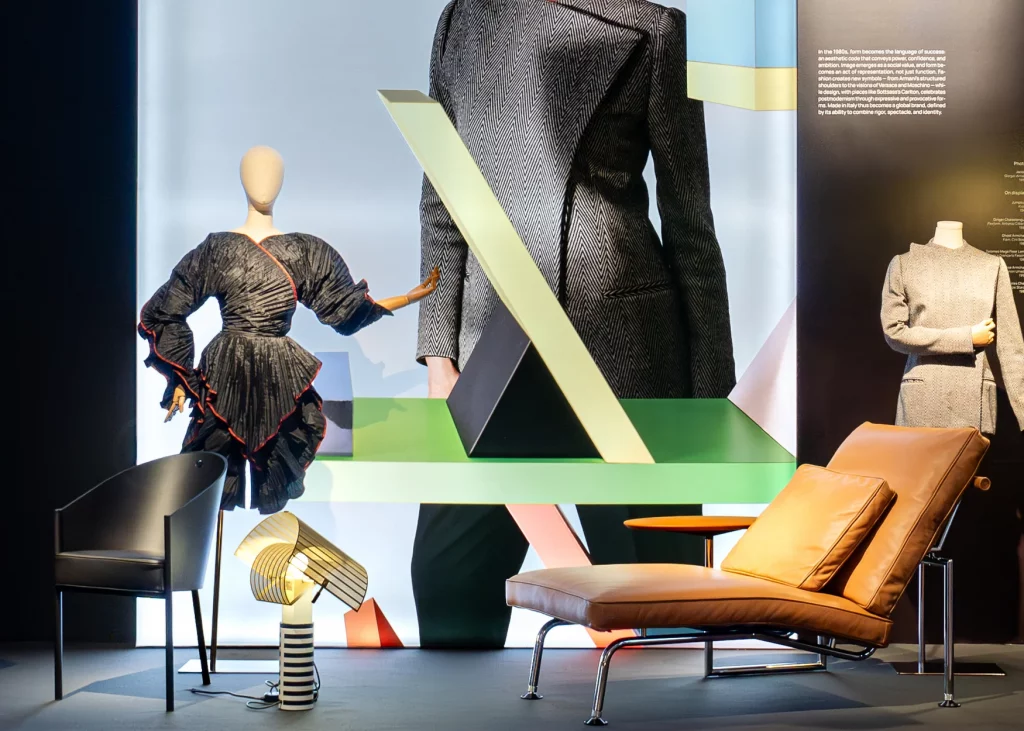
Designed by Antonio Citterio in 1984, the Ginger Chaise Longue is known for its leather-clad support bars, padded headrest, and pivoting wooden side table.
Hence, the audience is ever changing. Inevitably, for Serafini, so does the way these objects are perceived and interpreted. Her view of luxury follows the same thread. Over the past century, she says, the meaning has shifted from a symbol of status and social belonging to something closer to individual freedom, quality of life, and the ability to express one’s identity. Over the next 10 years, she expects it to attach more firmly to the quality of experiences, authenticity, and the freedom to choose objects that respond to what a person needs.
“True luxury, today and even more so tomorrow, will be the freedom to live according to one’s own identity, surrounded by objects that reflect and express it.”
Looking past the signature
For collectors in either field, Serafini removes both categories from the question. “The real point of view is neither fashion nor design. The human being is always at the centre.” A collector can look beyond a piece’s aesthetic value, its signature, or its rarity, and ask what it says about the people who made and wore or used it, and the moment it came from.
“Personally, I like to take care of objects,” she says. “I care deeply about the things I choose and try to preserve them as well as possible, so much so that even after many years they often still look new.” The value of time lies “in the relationship we build with an object and in our ability to continue recognising its value over the years.”
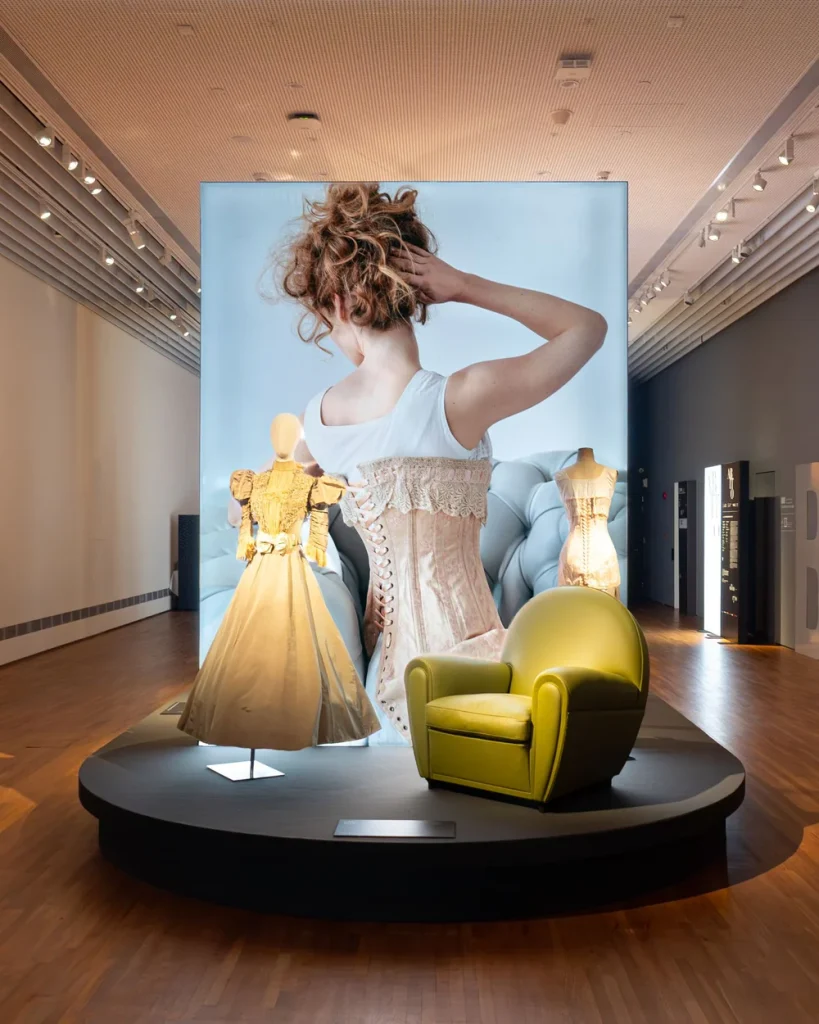
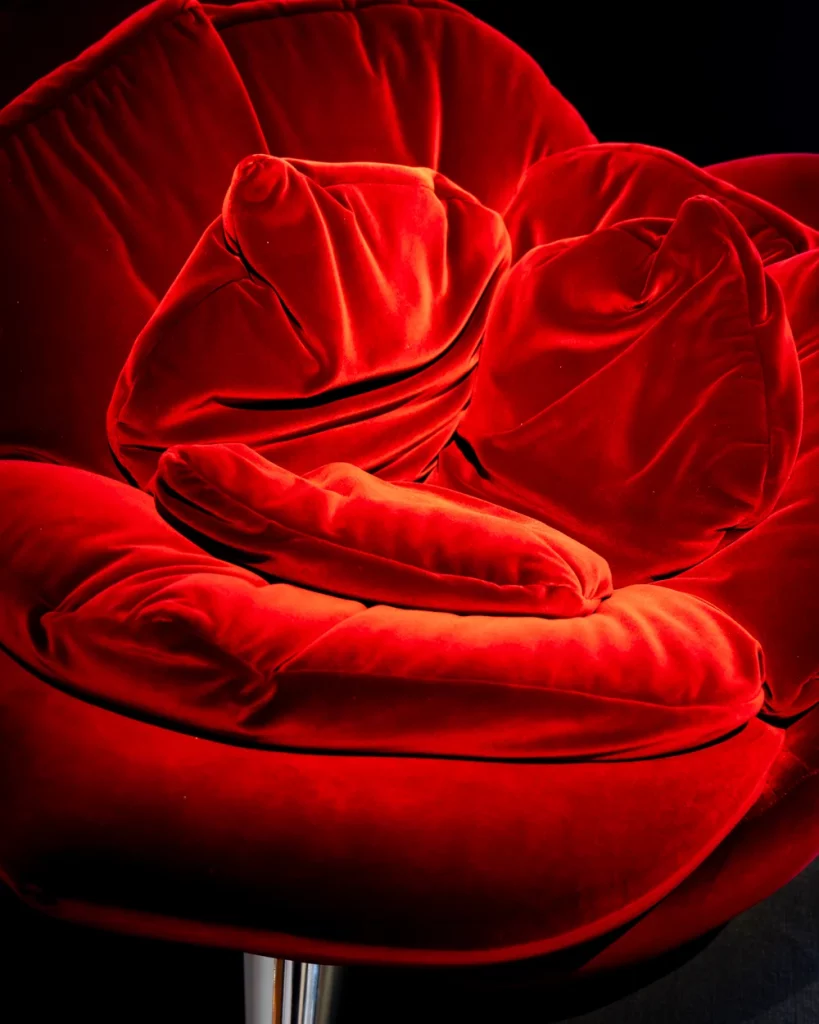
Left: The section at Abito highlighting S-bend corsetry garments from 1890s to 1910s. Right: The Rose Chair by Masanori Umeda for Edra in 1989.
She also declines to name a single object worth buying for permanence. “Objects are our companions through life, and we change alongside them. We change between our thirties and forties, we change again between our forties and fifties, and we will continue to change in our seventies and eighties.”
The better question for a collector is a personal one. “What is the one object I would never want to part with?” Serafini asks. “That is probably the object that is truly meant to last.”
Read next:
- The interview: Maria Porro on a century of Porro and why Salone is, at its heart, about people
- The Boulevard Furniture Edit: New collections, enduring design, and the houses setting the standard
Go further with art and design
In brief: Abito Exhibition
Abito is an exhibition of Italian fashion and design curated by Roberto Palomba and Ludovica Serafini of Palomba Serafini Associati. Promoted by Italy’s Ministry of Foreign Affairs and International Cooperation, it debuted at Salone del Mobile in Milan in 2026, then ran at the National Gallery Singapore from 3 to 17 October 2026, its first stop outside Italy.
The pieces: The exhibition pairs historical garments and creations by names including Simonetta, Fiorucci, Giorgio Armani, Krizia, Gucci, Versace, and Max Mara with Italian design, including pieces from B&B Italia, Poltrona Frau, Porro, Memphis, and Talenti, arranged by decade. Each pairing traces how social change altered the way women dress, behave, and inhabit space.
On the evolving meaning of luxury: The curators’ reading is that luxury has moved from status and social belonging towards individual freedom, quality of life, and self-expression, and will increasingly be tied to experience, authenticity, and the freedom to choose.
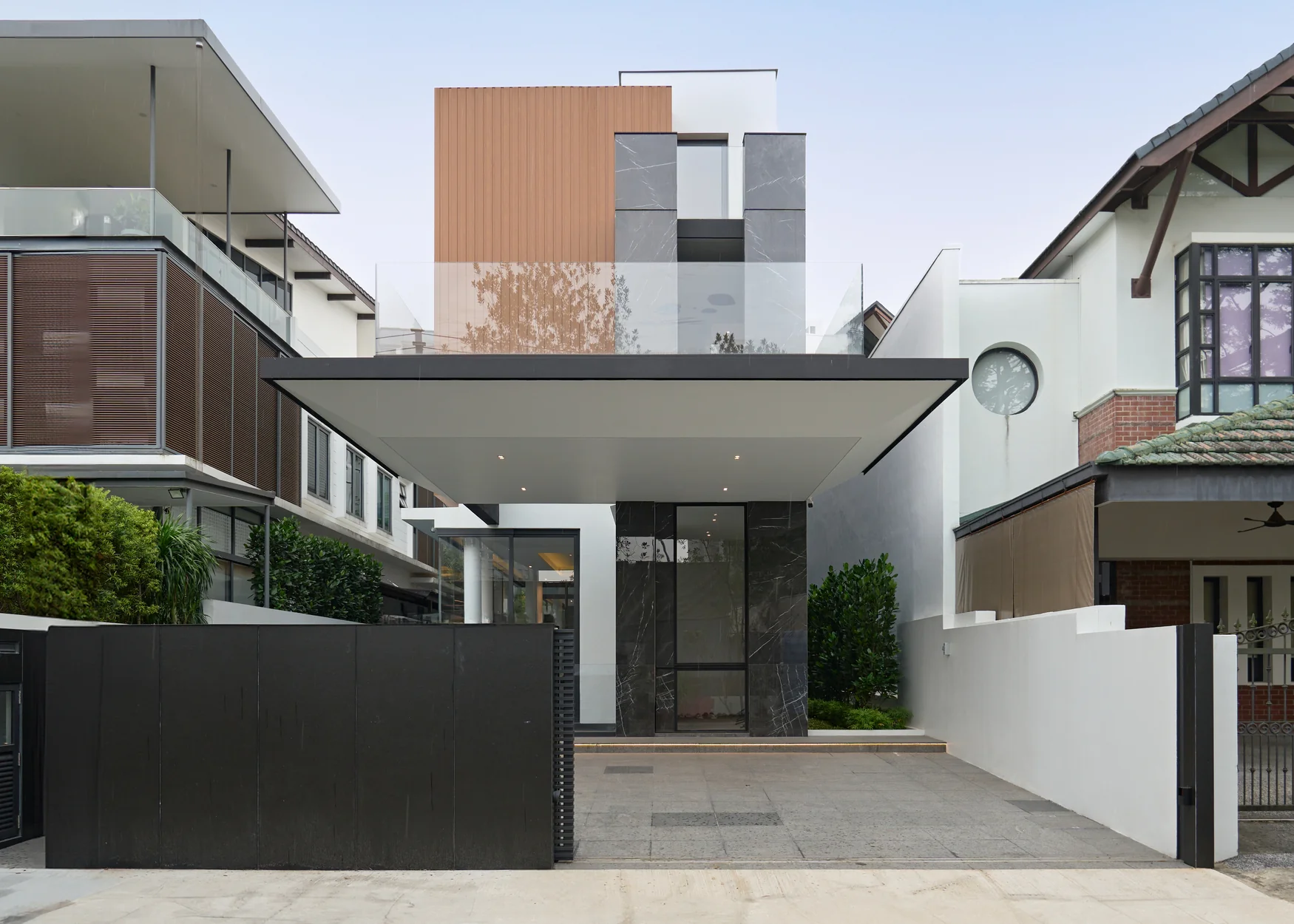
8+1 bed | 10,200 sqft area 19,500,000 SGD
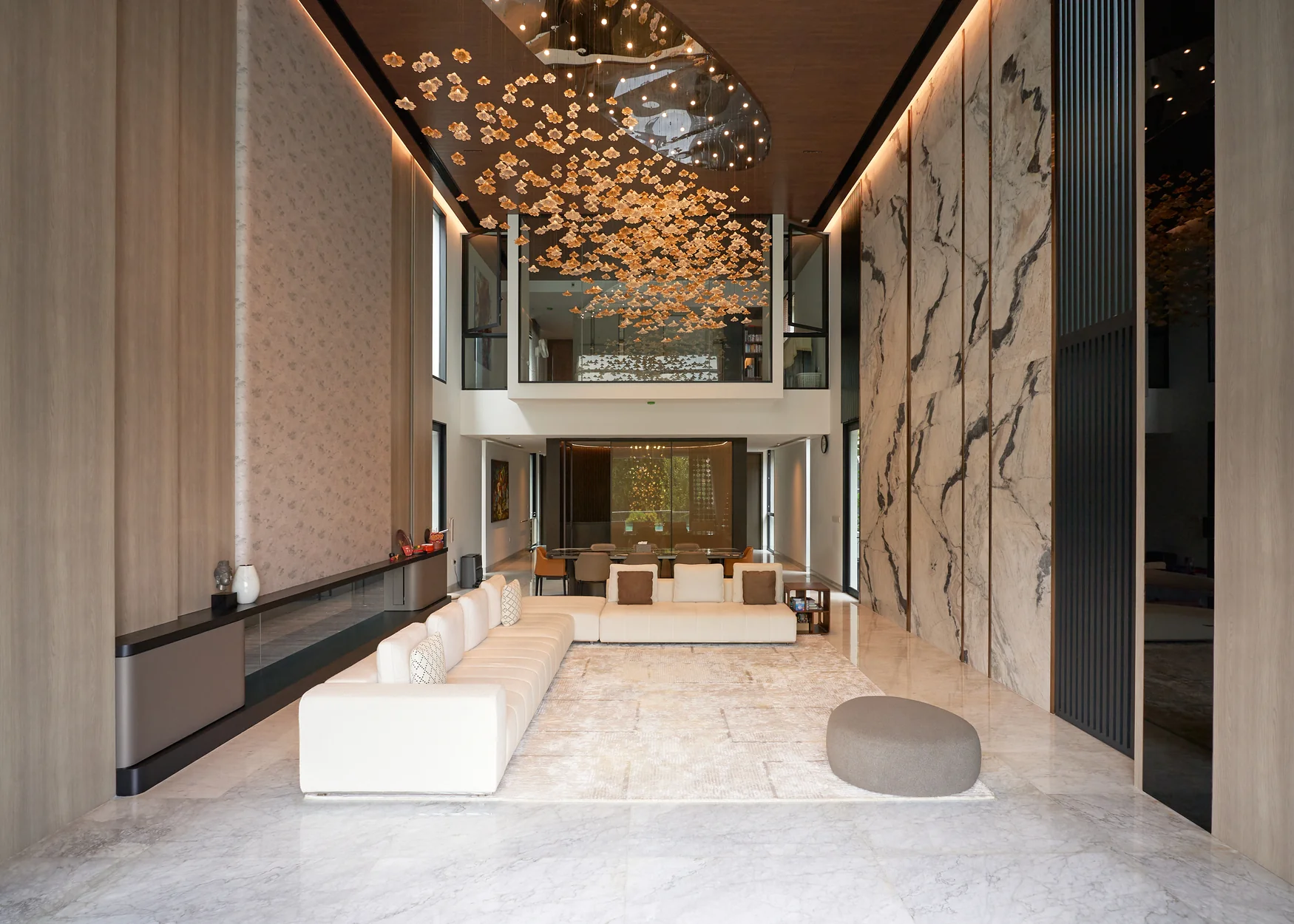
5 bed 19,380,000 SGD
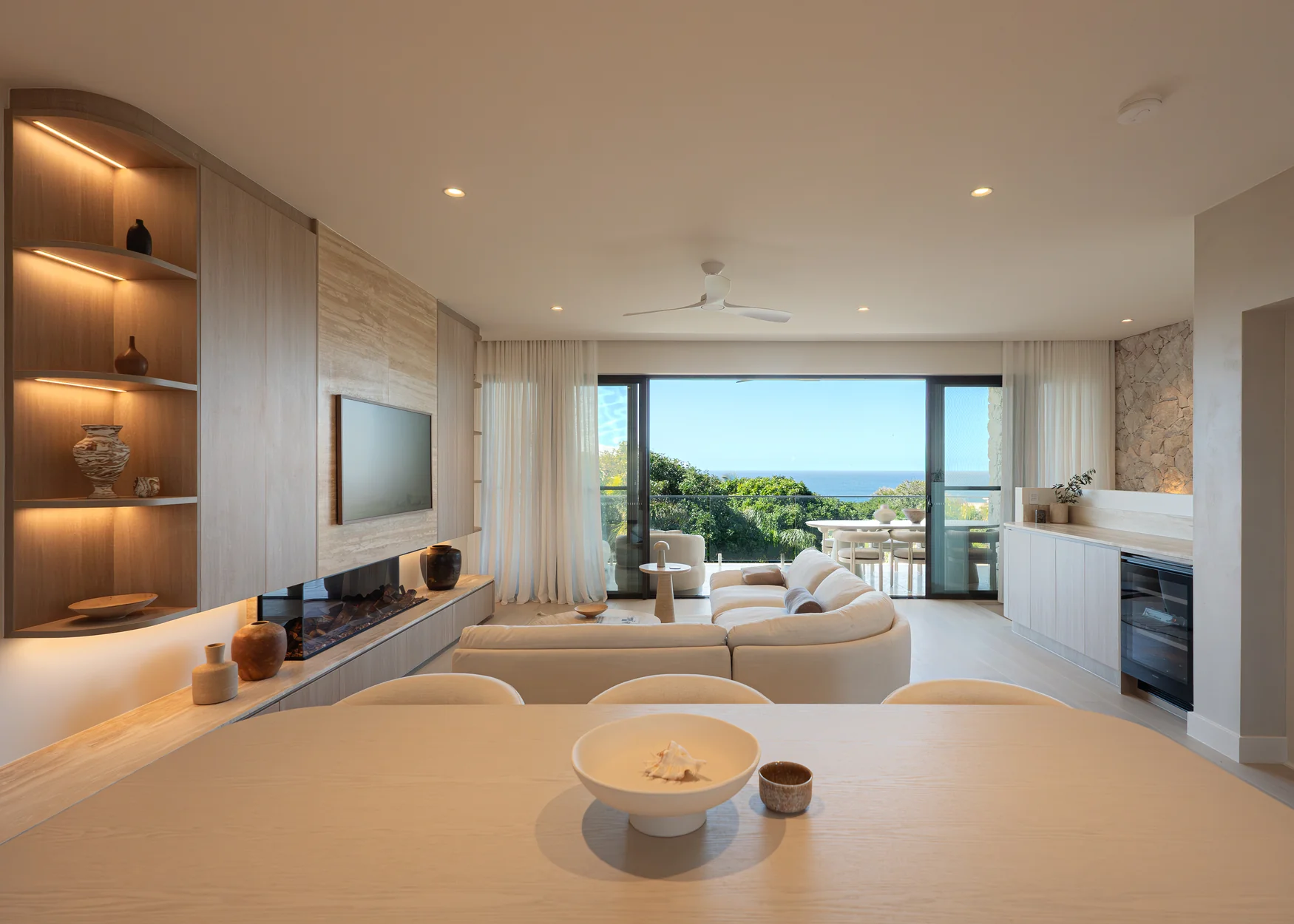
4 bed | 4,208 sqft area POA

3-8 bed | 699,654 - 784,080 sqft area POA
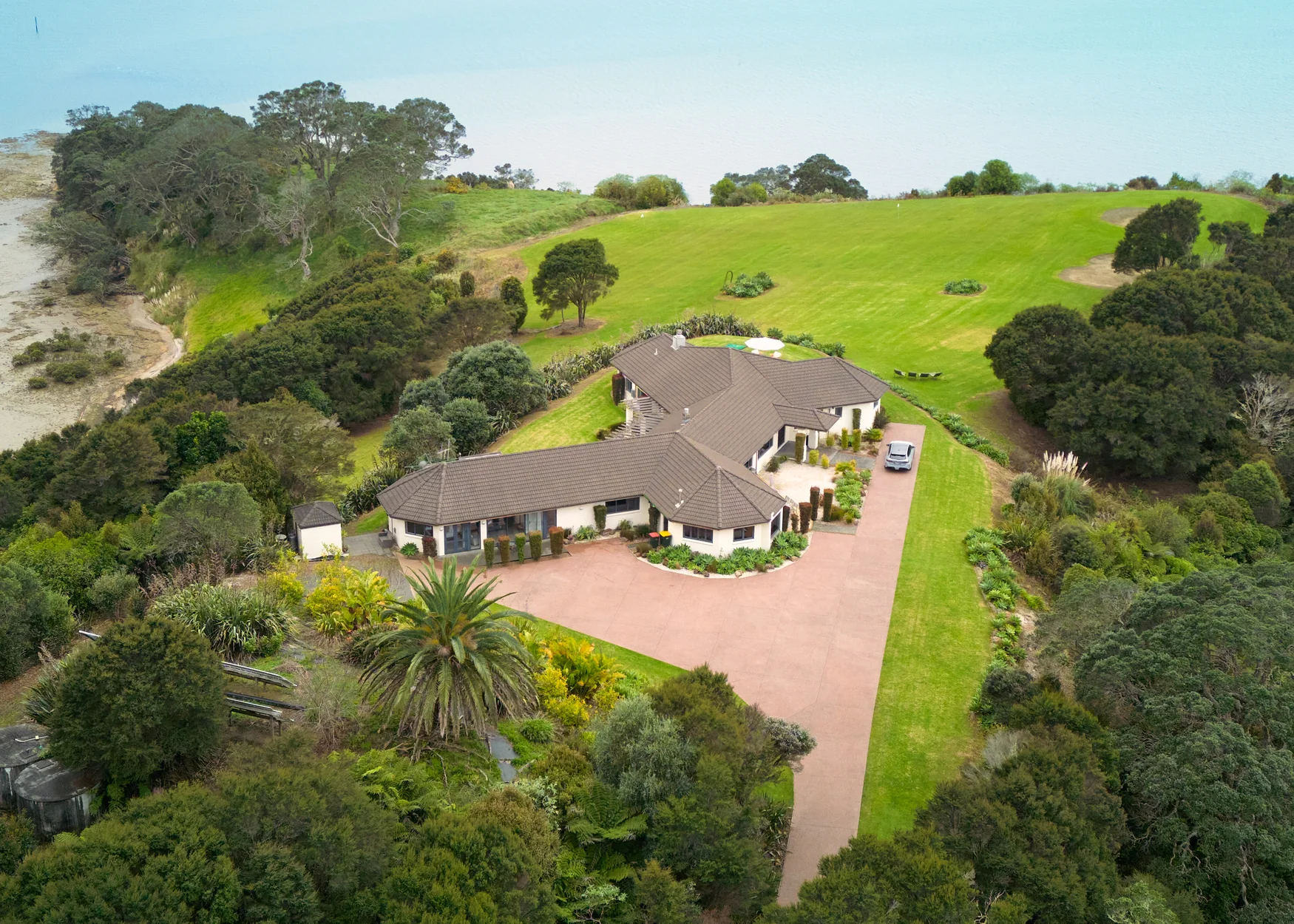
6 bed POA