The interview: ThirdHome’s Wade Shealy on turning second homes into a passport for travel
by Hamish McDougall
“Younger people today aren’t as interested in buying a holiday home and going there over and over again. The idea of spending three or four million dollars on a vacation home just to return to the same place isn’t exciting to them,” says Wade Shealy, founder and CEO of ThirdHome. This insight led to the creation of ThirdHome in 2010, a luxury property and travel club based in Brentwood, Tennessee, US that helps homeowners make better use of their additional properties by turning them into a “passport” for travel—letting members use their home as a form of currency, in exchange to stay at over 30,000 high-end properties in more than 100 countries, valued from US$1 million to US$70 million.
Long before this shift became widely discussed, Shealy was already seeing it play out in real life. As one of the top real estate agents on Hilton Head in 1986 and a co-founder of one of South Carolina’s largest real estate firms, he noticed a recurring pattern. No matter how excited clients were when buying a second home, many returned around five years later wanting to sell. Over time, Shealy realised it was not the home itself that lost its appeal, but there was a desire to travel more widely rather than return to the same place time and again.
Today, the data supports what he observed decades ago. According to Redfin, a technology-driven real estate brokerage, demand for second homes fell to its lowest level in the first quarter of 2025, based on records dating back to 2018. In the US alone, homebuyers took out approximately 86,604 mortgages for second homes, down from 90,776 the previous year, underscoring a broader shift towards flexibility, mobility and access over long-term attachment to a single place. Shealy explains more about how this trend is shaping the luxury property market and what it means for buyers in this exclusive interview with Boulevard.
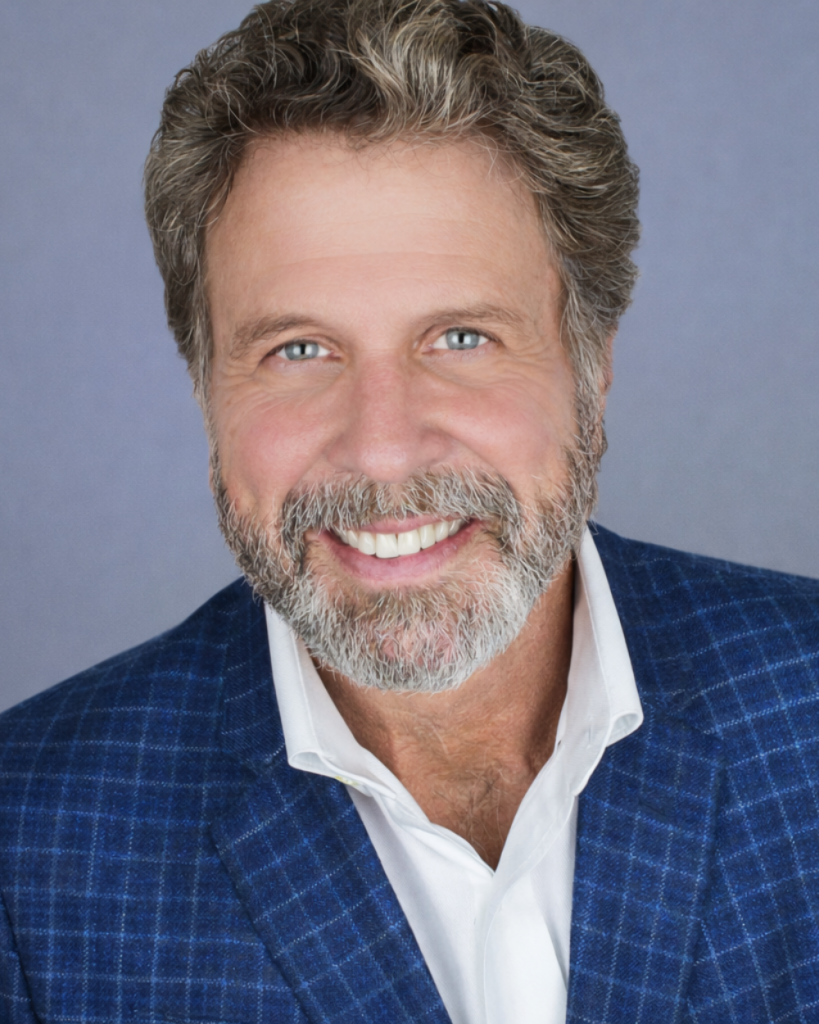

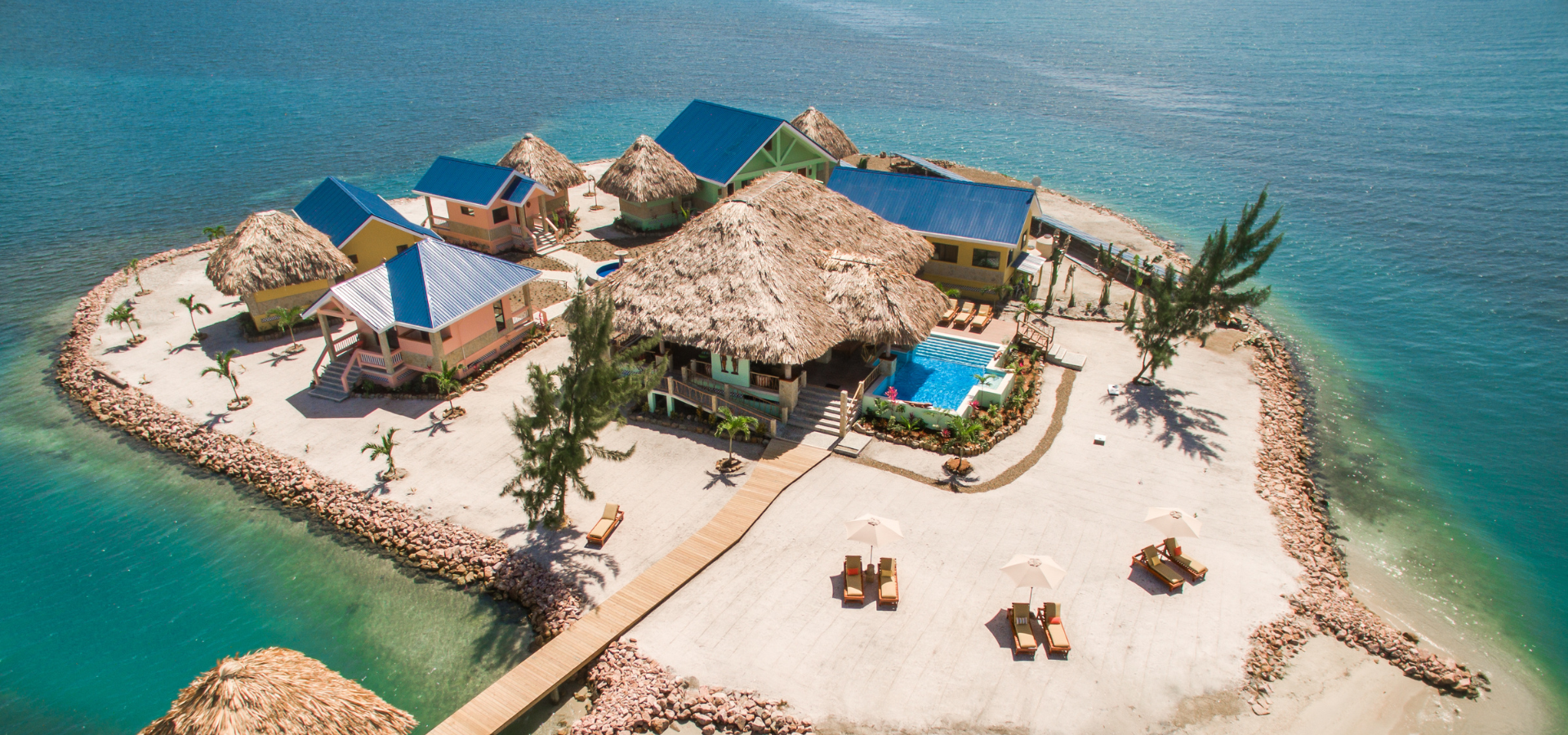
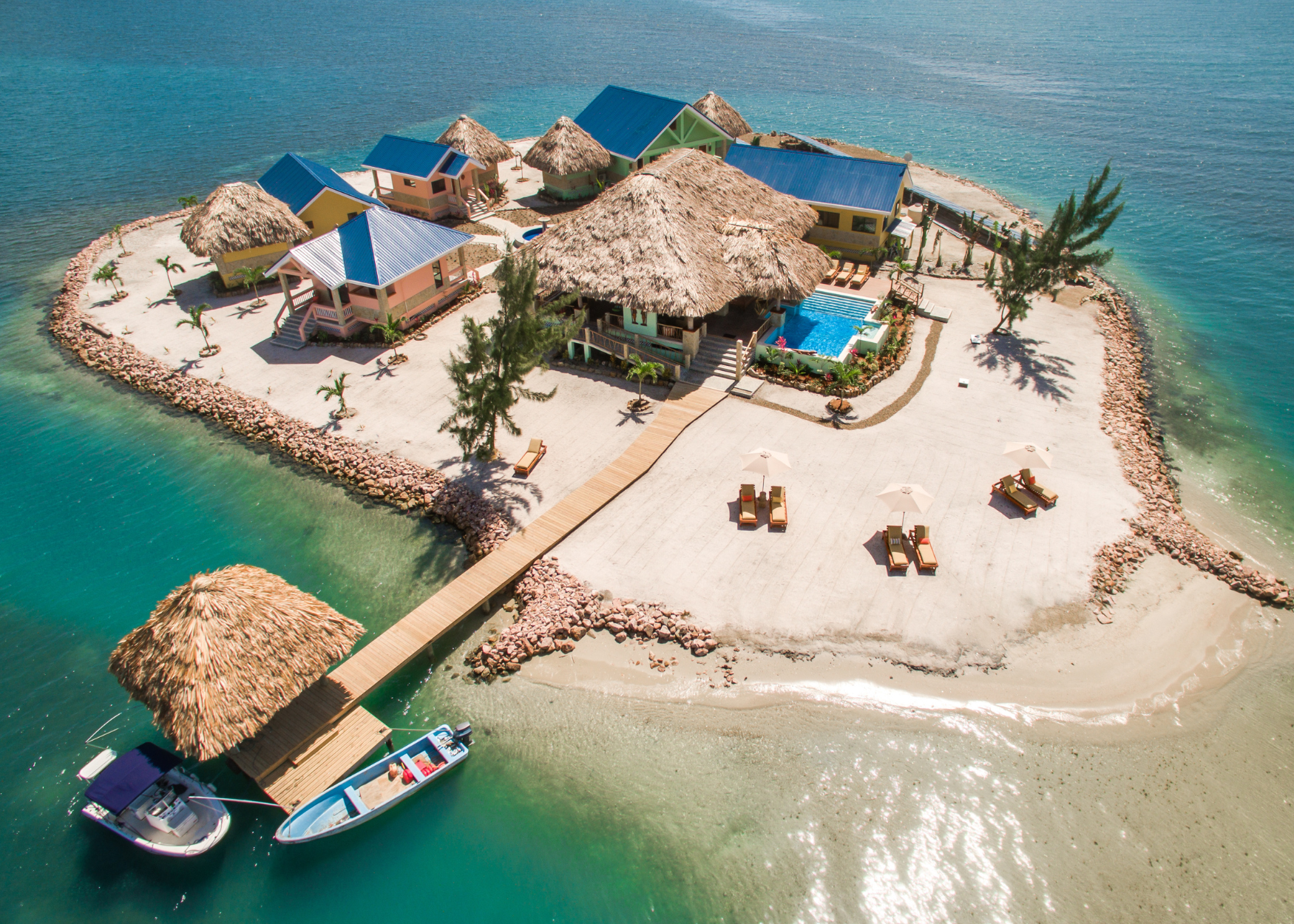
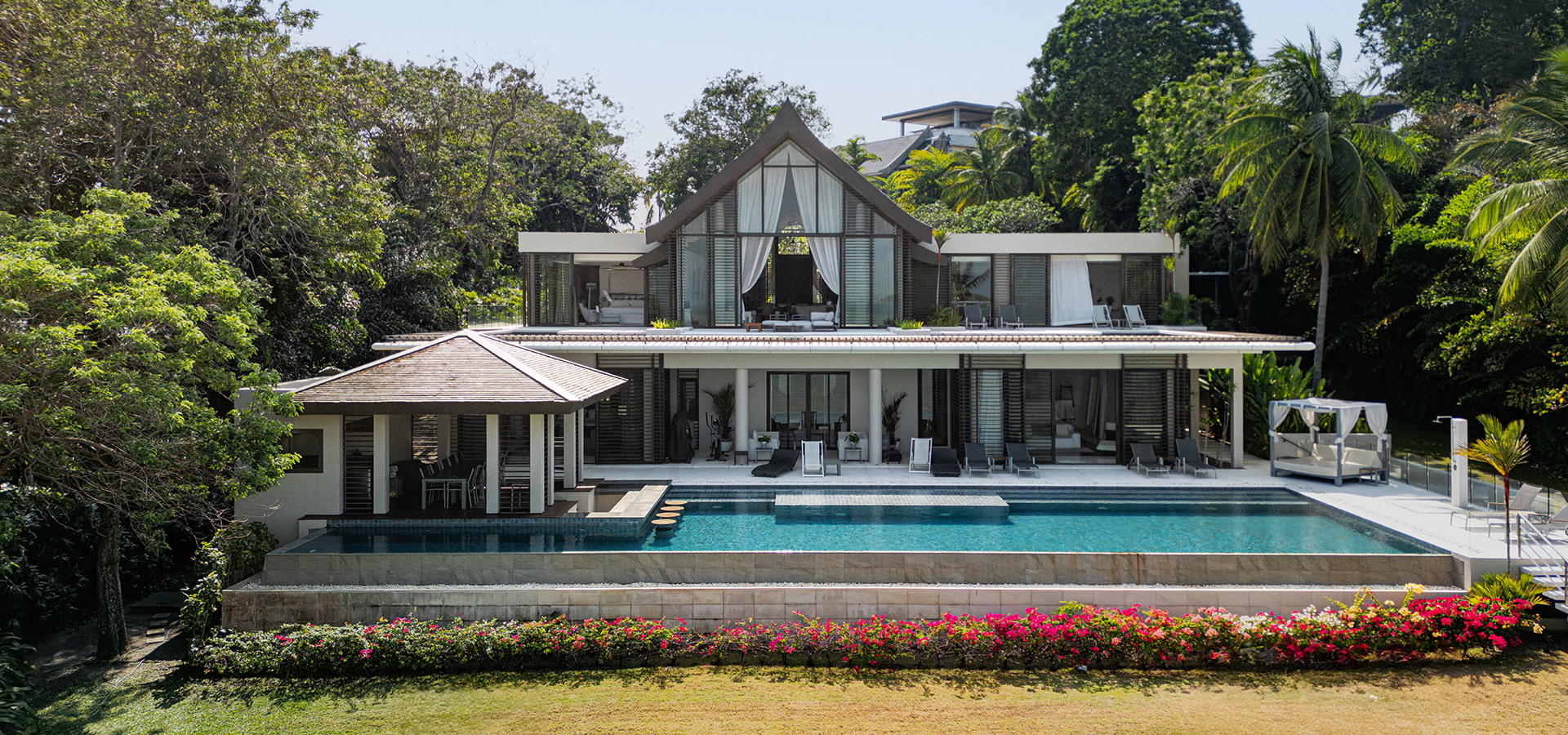
Left: Wade Shealy, founder and CEO of ThirdHome. Right: Meros Signature 95 Yacht. Top: “Little Harvest Cave” property in Placencia, Belize.
Boulevard: You work with many developers on projects with tens of thousands of units. What is the typical price range of homes in the ThirdHome club, and which types of properties are most appealing to your members?
Wade Shealy: Our average home in the club is US$2.5 million. We go from about half a million up to US$70 million. We have yachts, catamarans, castles and big estates. I stayed at a 100,000-acre vineyard in Mendoza, Argentina, for example. We really have a bit of everything—if you want a one-bedroom in New York City, we have that; if you want a 25-bedroom castle in France, we have that too. We also have a group called The Reserve, which is an exclusive, members-only tier within the ThirdHome luxury home exchange network and mostly features our upper-level properties. Homes in The Reserve start around US$70 million, but the average for this category is about US$11.5 million.
Blvd: How have your travellers’ expectations and desired experiences changed over time, and how does the residential side of your business cater to that?
Shealy: Younger people today aren’t as interested in buying a home and going there over and over. The idea of spending three or four million dollars on a vacation home just to return to the same place isn’t exciting to them. It used to be a thing—buy a vacation home, always go there—but the next generation of buyers isn’t buying into that.
That’s where ThirdHome comes in. We partner with developers who might say, “Buy here in Phuket,” but with us, you can go anywhere in the world without paying rent—you can go to London, New York City, or skiing in Aspen.
This approach appeals to members and helps luxury developers with sales. It also ensures we bring the right properties into the club—places our members want to visit. We target markets like the Gold Coast in Australia, New Zealand and now Southeast Asia. We have beautiful homes in Samui, Thailand and other locations.
So, we’re not just spreading the word to standalone homeowners who hear about us organically, but also partnering with companies. For example, we’re signing a contract with Anantara, which will be our first partnership in Phuket.
Now all their owners will be able to travel anywhere in the world through ThirdHome and use their credits to do so.
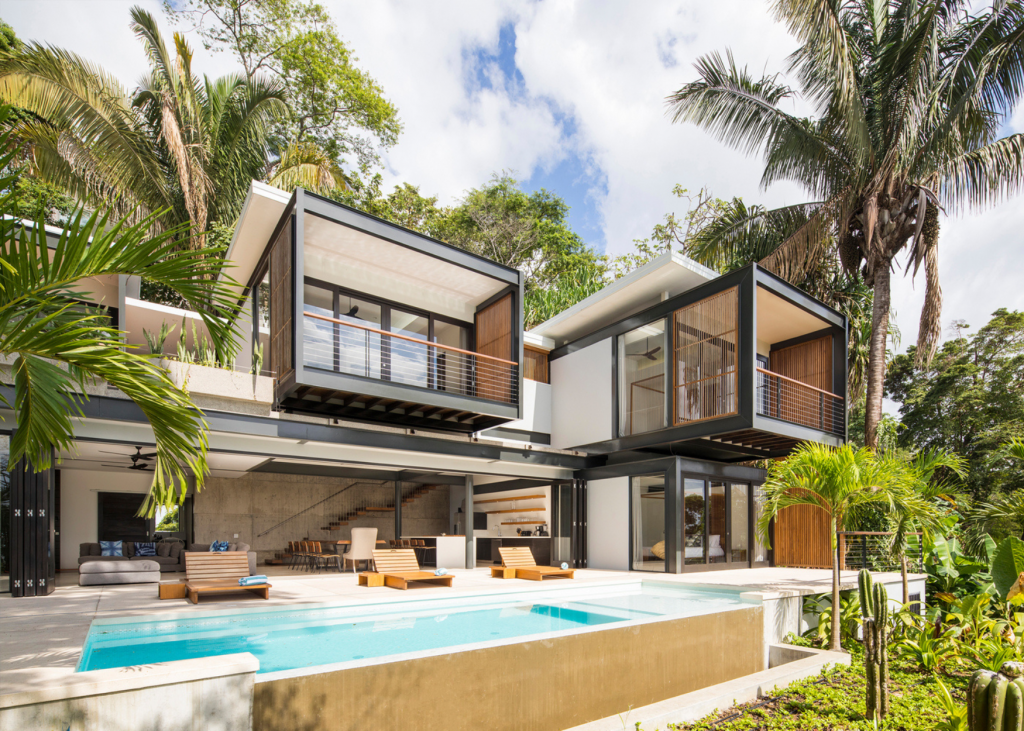
“Casa Maleku” property in Santa Teresa, Costa Rica.
Blvd: Have any specific properties or markets surprised you in terms of their popularity or the interest they’ve received?
Shealy: I’d say a lot of the high-end ski resorts are very popular, not only in winter but also in summer. We have about 600 properties in Aspen, Colorado, which is one of our highest-demand areas—everybody wants to go there.
Major cities like Paris and London, and Europe in general, are also in high demand. Europeans often won’t stay in Europe, but everyone else wants to visit, especially between June and September.
That creates a lot of pressure on our supply for American members. We also have a growing number of Australian members who want to escape the cold—they’re not snowbirds, but they come to Europe for most of the summer as well.
Blvd: How are travel habits changing? Are people taking longer stays or multi-generational trips, and what trends are you seeing in that space?
Shealy: A lot of our members travel with large groups. For example, one of our members, American musician Kenny Loggins, went on a honeymoon last year and brought about 15 people to Mexico. The house had a staff of 14, and they never left the compound—they had all their meals there.
Many of our members travel with family or friends, so we offer large homes, especially in The Reserve, where we manage properties that can accommodate 20 to 30 people.
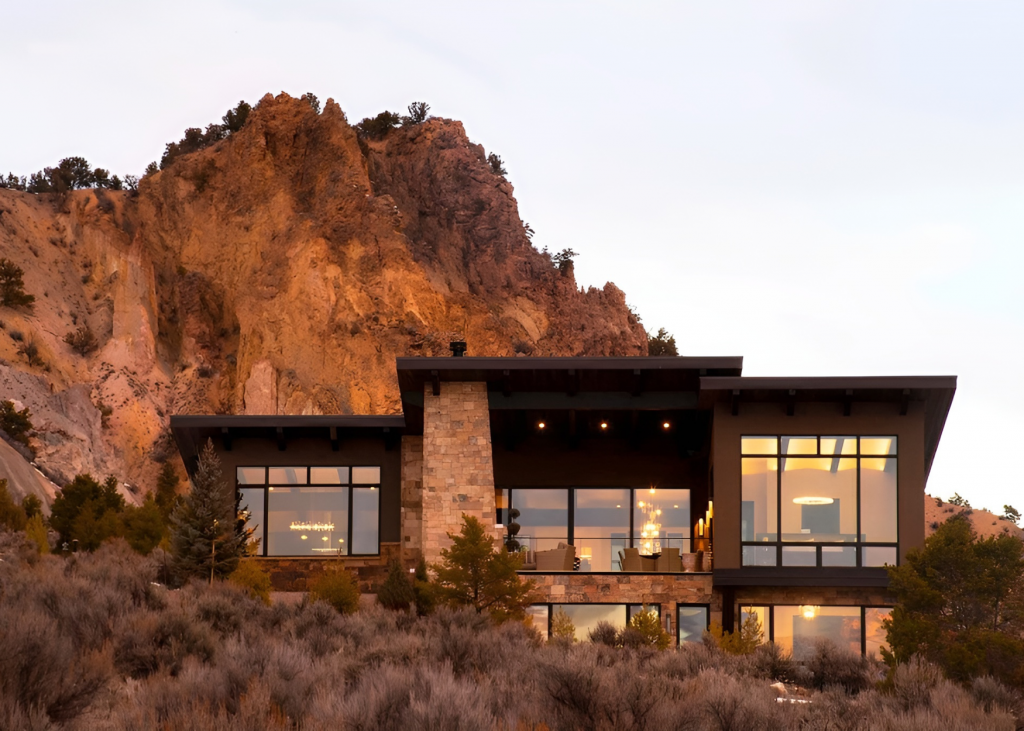
“Modern Mountain Masterpiece” residences in Glenwood, Colorado, US.
Blvd: Are there any markets you’re keeping an eye on or looking to enter? Where is your growth coming from?
Shealy: We’re starting to expand in Southeast Asia. Japan is also seeing a lot of demand right now—it’s very hot—so we’re focusing on that. After that, probably the Dubai area.
Blvd: What’s the split between city properties and resort or mountain properties?
Shealy: A lot of people see certain cities almost as resorts. Not every big city is in high demand, but places like Paris, London and New York City are very popular. On the other hand, cities like Houston, Texas, don’t generate much demand. For the major cities people vacation to, we need to have plenty of inventory.
Blvd: So it’s still primarily a vacation model, rather than a hybrid where people might use properties even if they’re in cities like Houston?
Shealy: We’re finding that many of our members are using our properties not just for vacations. With hybrid work models post-covid, they don’t have to be in the office as much, so they might as well run their businesses from one of our properties.
Blvd: One trend we see is people using private or residential spaces for work, entertaining, or multi-day meetings. On yachts, for example, bedrooms are sometimes converted into entertaining areas. Is that something you expect to see as you expand into Southeast Asia and North Asia?
Shealy: We saw a lot of that during covid. People would take trips of three to five weeks at a time. They might go somewhere locally for a couple of weeks, then drive an hour away for another couple of weeks and work from there, since they could work remotely.
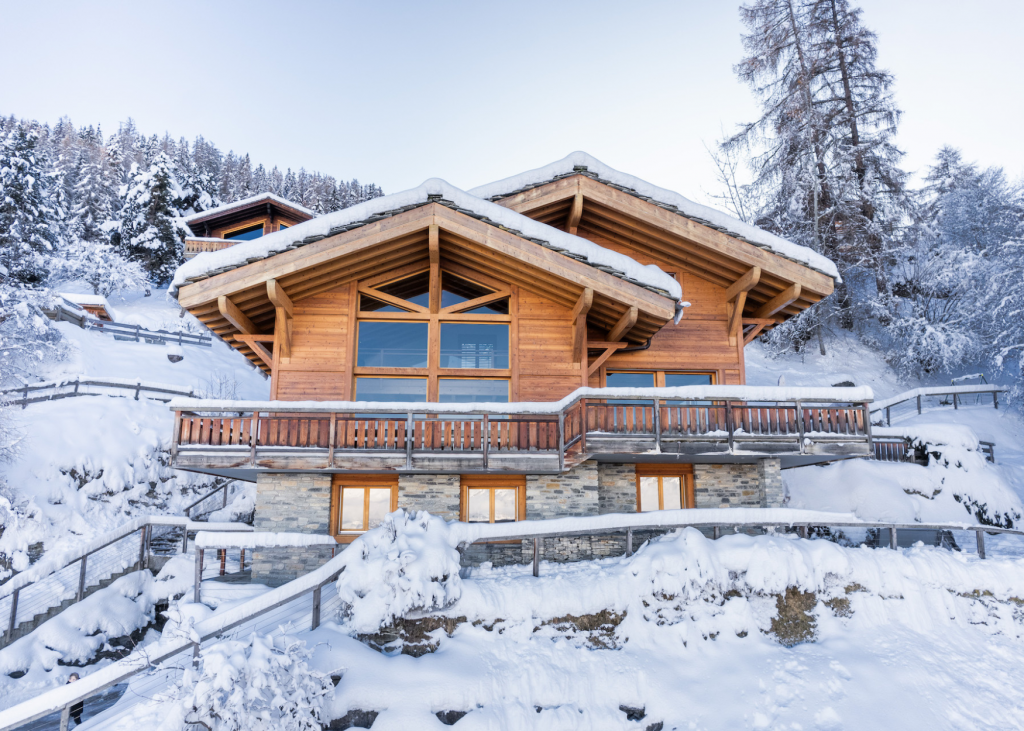
“Chalet Les Roches” residences in Nendaz, Switzerland.
Blvd: In terms of your inventory, is it everything you can imagine, or more focused—like new builds, resort-style or modern properties?
Shealy: We have a little bit of everything. Some people like staying in a resort where everything’s right there and checking in at the front desk. Others want privacy and to be off by themselves. We try to accommodate both. For example, we have a house in Patagonia that you have to trek to, and we also have homes in New York City, like at the St. Regis, with your own butler. People want different experiences, so we make sure there’s something for everyone.
Blvd: You’ve been in this role for over 20 years and a developer for 30 before that. What are you still learning about the residential market?
Shealy: As I said earlier, the market is always changing, but right now this is probably the biggest shift I’ve ever seen. I try to be very vocal with developers that they can’t just do things the way they always have or copy what was done ten years ago. Historically, most developers look at what’s been done and try to replicate it, but they’re not looking ahead to new trends, new buyers and what will interest them.
With ThirdHome, I’m always trying to anticipate the next trend—where people want to go and how they want to travel. Mobility and access to the world are key. Ten years from now, I don’t think many people will buy a luxury vacation home without a club membership like ThirdHome. It won’t make sense to buy a home and only go there. Especially when their friends are travelling with a club that makes homes feel like their own—they’ll want that too.
There’s going to be a tipping point. Unless someone offers a club like ThirdHome, selling a luxury vacation home will be harder because it feels limiting. People want a passport to travel, not an anchor to a single place. So I think integrating the ThirdHome concept with developers and property sellers is the way forward.
Read next:
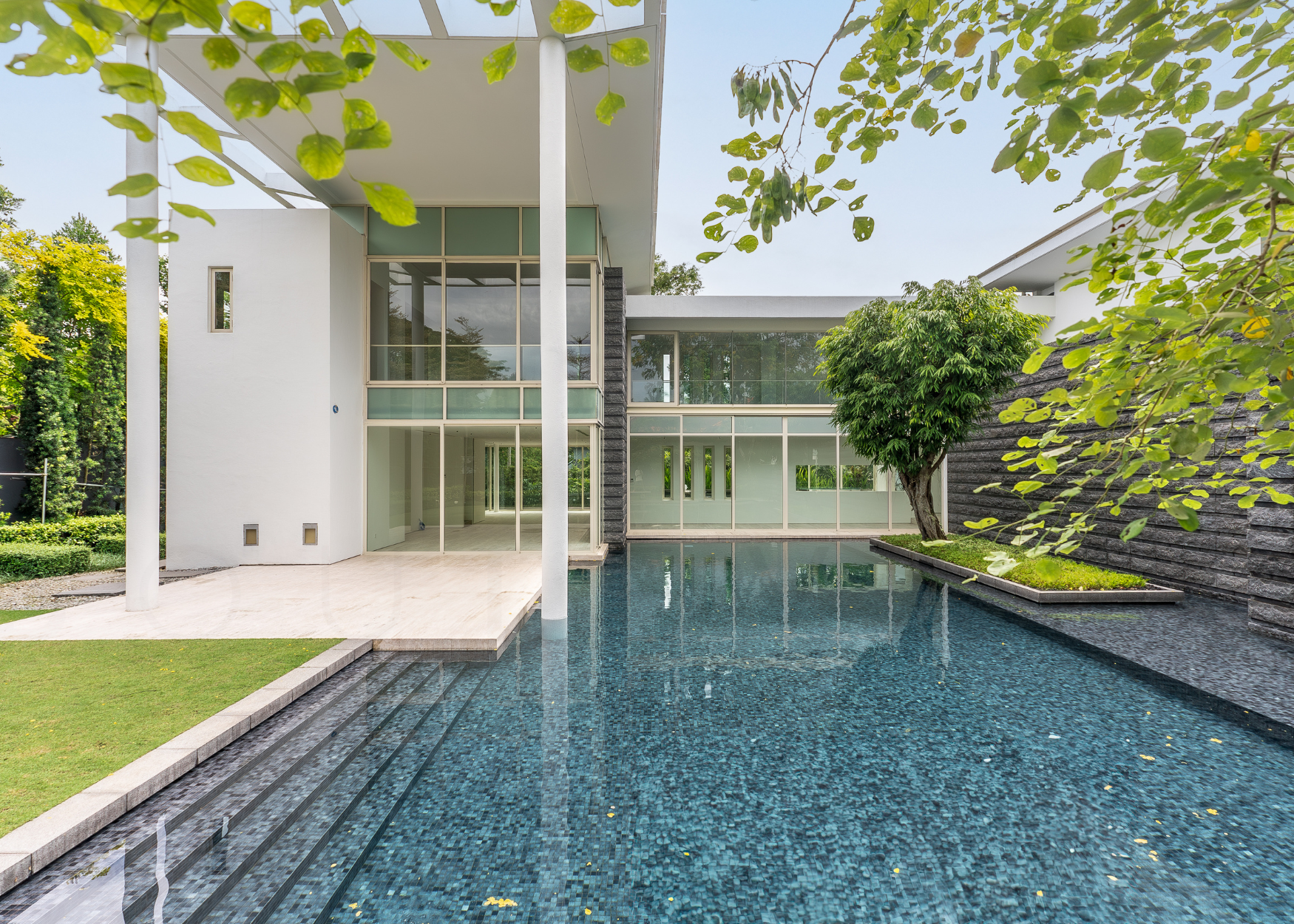
Belmont Road, D10 5 bed 43,800,000 SGD
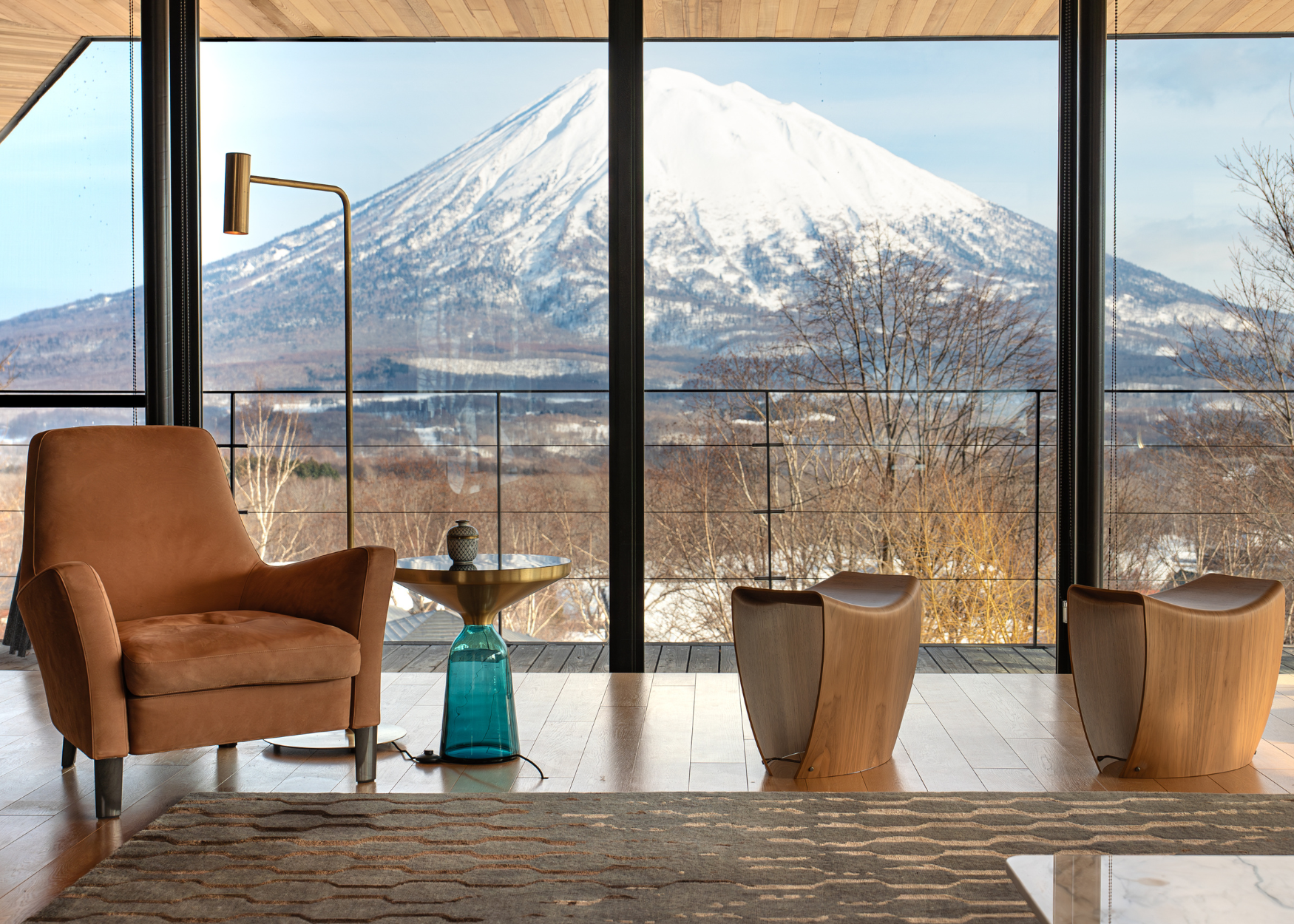
4+1 bed 20,000,000 USD
4 bed POA
5 bed 10,000,000 USD
4 bed POA