The interview: Capstone Asset’s Titiwat Kuvijitsuwan on developing residences that cater to UHNW clients’ rhythms of daily life
After two decades in the property sector, real estate executive Titiwat Kuvijitsuwan has had a front-row view of how expectations among UHNW buyers have shifted. What once centred primarily on prestige and prime locations has gradually expanded into something more nuanced, where residents are increasingly attentive to how a development supports their everyday routines.
For Kuvijitsuwan, this has meant recognising that today’s buyers are far from a single, uniform group. Some prioritise wellness and active lifestyles, others require quiet spaces to work or host meetings, while families often look for environments that accommodate children and shared leisure. At Capstone Asset, a Thai real estate developer focused on high-end residential projects, these differing needs have informed how the company approaches planning and amenities within its residential projects.
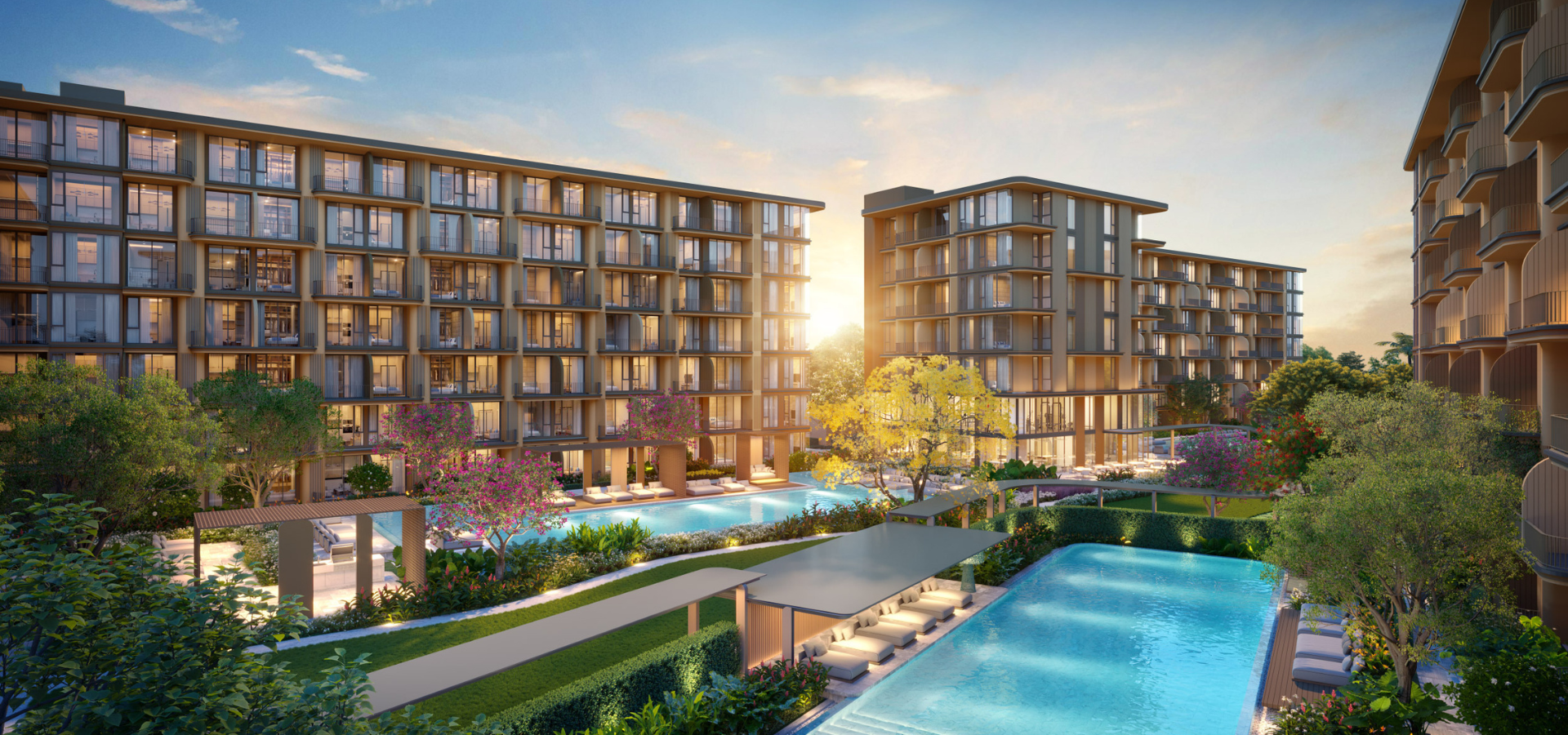
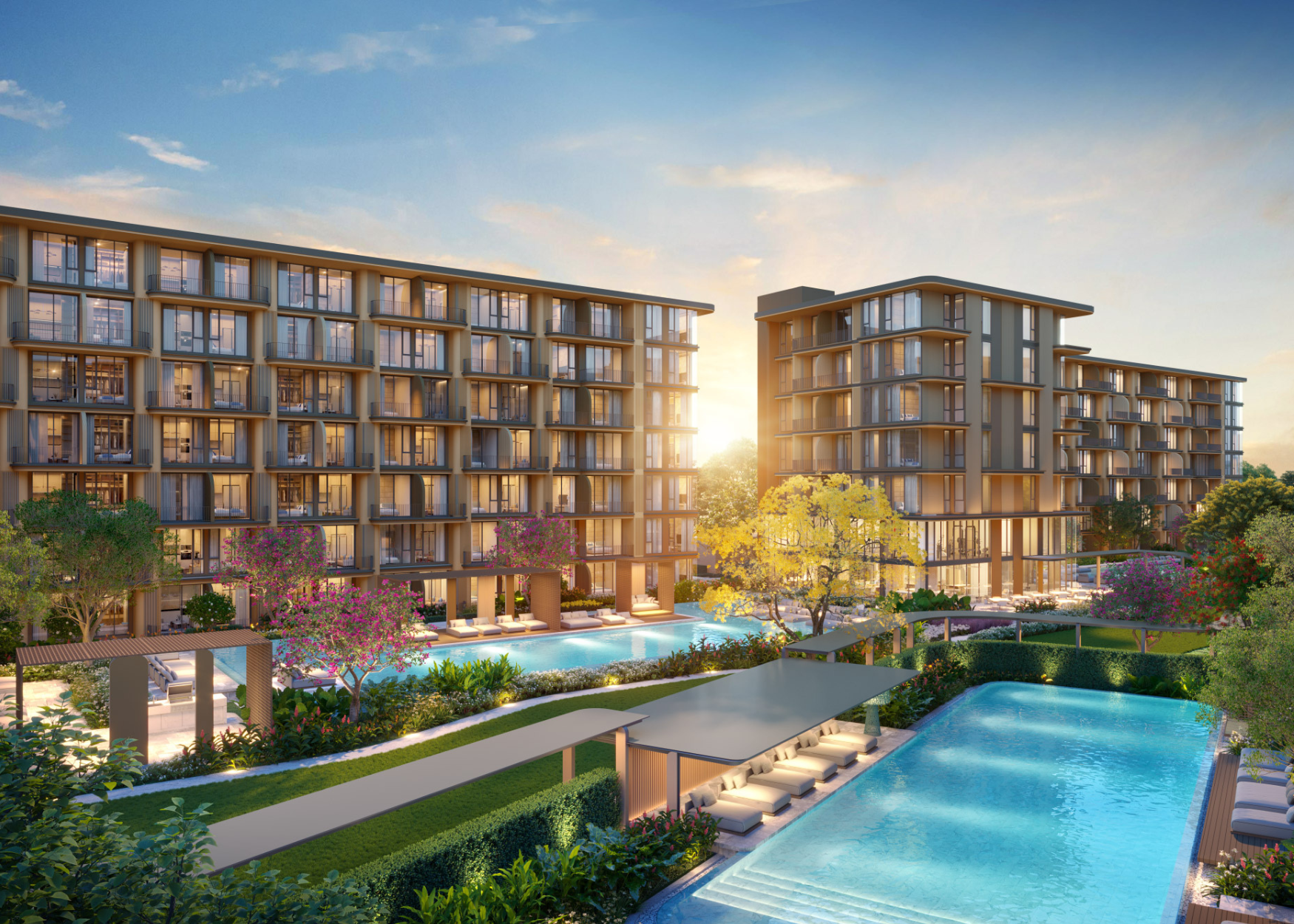
These ideas are reflected in the company’s latest venture, Peylaa Phuket Autograph Collection Residences, a branded residential development in Bang Tao, Phuket. Scheduled for completion in 2027 and managed by Marriott International, the project will comprise 408 condominium residences alongside facilities designed to accommodate the lifestyles Kuvijitsuwan has observed among modern buyers.
In an exclusive interview with Boulevard, Kuvijitsuwan reflects on his two decades in the industry, from his early years with Minor International to founding Capstone Asset, and discusses how those experiences have shaped his approach to development today. From selecting land and hospitality partners to designing amenities around the rhythms of daily life, he shares how the company is positioning its first Phuket project within a market that continues to draw global interest.
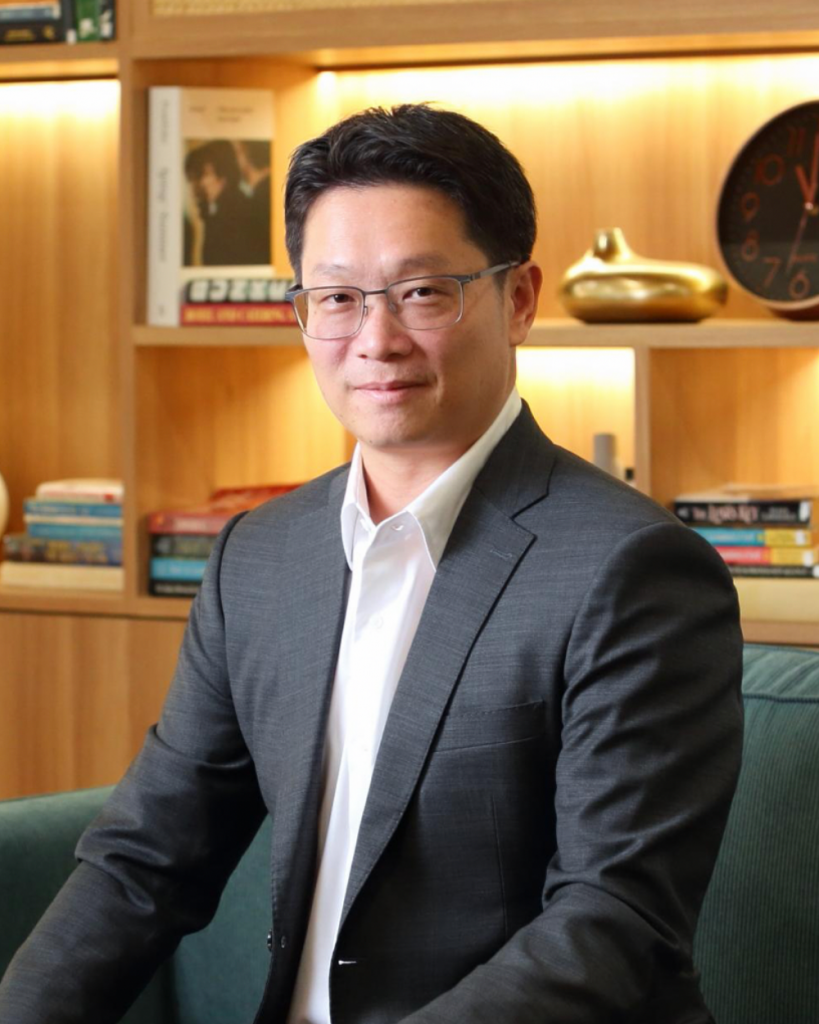
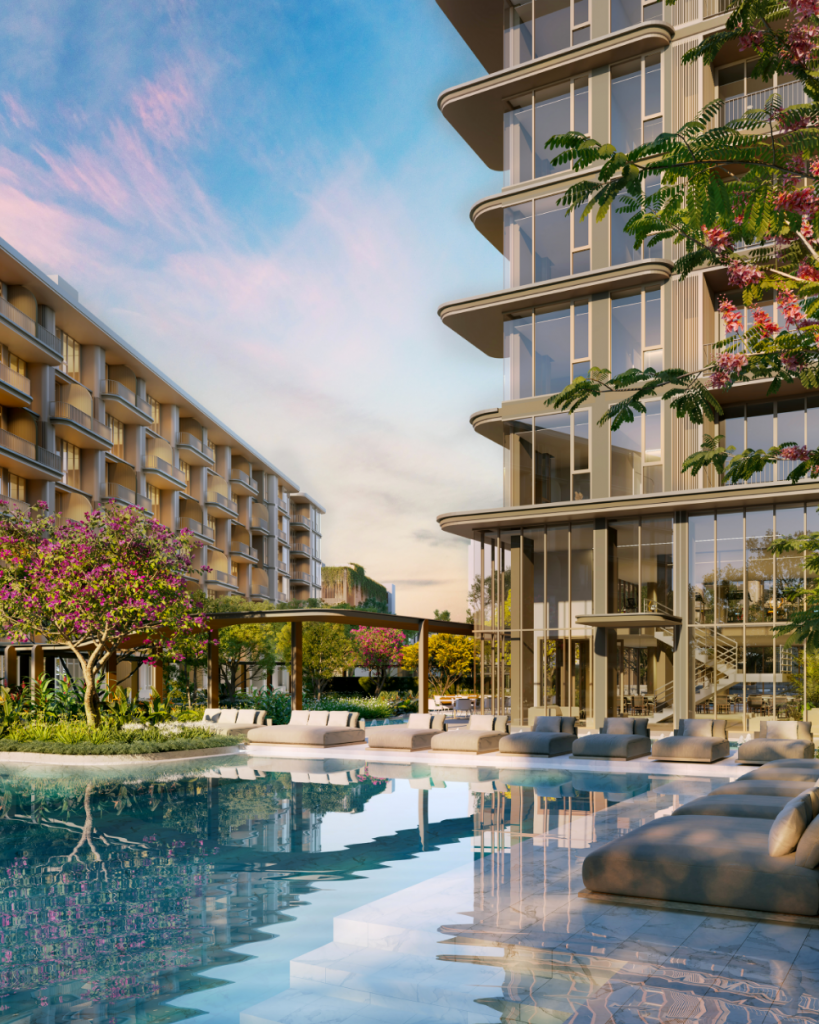
Left: Titiwat Kuvijitsuwan, real estate executive and founder of Capstone Asset. Right: Peylaa Phuket, The Autograph Collection Residences.
Boulevard: The Autograph Collection Residences, Peylaa Phuket, is your first project in Phuket under your own development in Capstone Asset, but you’ve previously completed other projects. Could you run me through your portfolio?
Titiwat Kuvijitsuwan: I have been in the real estate industry for over 20 years. Prior to founding Capstone Asset, I spent more than a decade at Minor International. I left approximately 12 years ago to establish Capstone, and since then, our focus has been Thailand, specifically Bangkok, Phuket and Samui.
Capstone Asset has built a strong track record, with six completed and fully sold-out projects and three currently in the pipeline, representing a combined project value of approximately THB 20 billion. Guided by our “One Project, One Brand” philosophy, we deliver projects from concept through completion, focusing on creating differentiated, high-quality developments tailored to each location.
In Bangkok, we have delivered several high-end residential and mixed-use projects in prime locations. These include Tonson One Residence, a super-luxury condominium in Ploenchit ranked among the top in terms of pricing, and Cooper Siam, a high-end condominium in one of Bangkok’s most vibrant districts—both fully sold out and transferred. We have also developed Canvas Ploenchit, a lifestyle-driven commercial building in one of Bangkok’s most sought-after CBD locations, as well as The Quarter Collection in prime Sukhumvit, a luxury residential villa series that demonstrates our versatility across residential and mixed-use developments.
In hospitality, where we are uniquely positioned given our deep industry experience, Capstone developed Kimpton Kitalay Samui, the first Kimpton resort in Asia. The project has been very well received, earning numerous accolades, including a Michelin Key and recognition in Condé Nast Traveler’s Readers’ Choice Awards 2024. We are also currently developing a five-star beachfront resort in Natai Beach, Phang Nga and are actively involved in Matalay, a large-scale resort masterplan in Khao Lak with a total development value exceeding USD$1 billion.
Branded residences are a key focus for us, combining our strengths in both residential and hospitality. This is highlighted by Peylaa Phuket, Autograph Collection Residences, which will be managed by Marriott International and is the first Autograph Collection Residences project in Asia Pacific. This reflects our ability to partner with global operators and deliver institutional-grade, internationally recognized developments.
Blvd: What do you look for in a piece of land for a new venture, in terms of relevance to your portfolio or the buyers you aim to serve?
Kuvijitsuwan: When selecting our next project, we consider what we do best and whether it fits the growing demand in certain areas. We knew we wanted to focus on hospitality and high-end products. Capstone Asset defines itself as a lifestyle hospitality developer, so we were looking at either Phuket or Bangkok for our next venture, and ultimately we chose Phuket first. We also have projects in the pipeline for Bangkok.
In Phuket, we wanted a location where we could create a highly individualised product—something with its own character that emphasises lifestyle. At the same time, it was important to work with a credible, world-leading hospitality company to ensure quality.
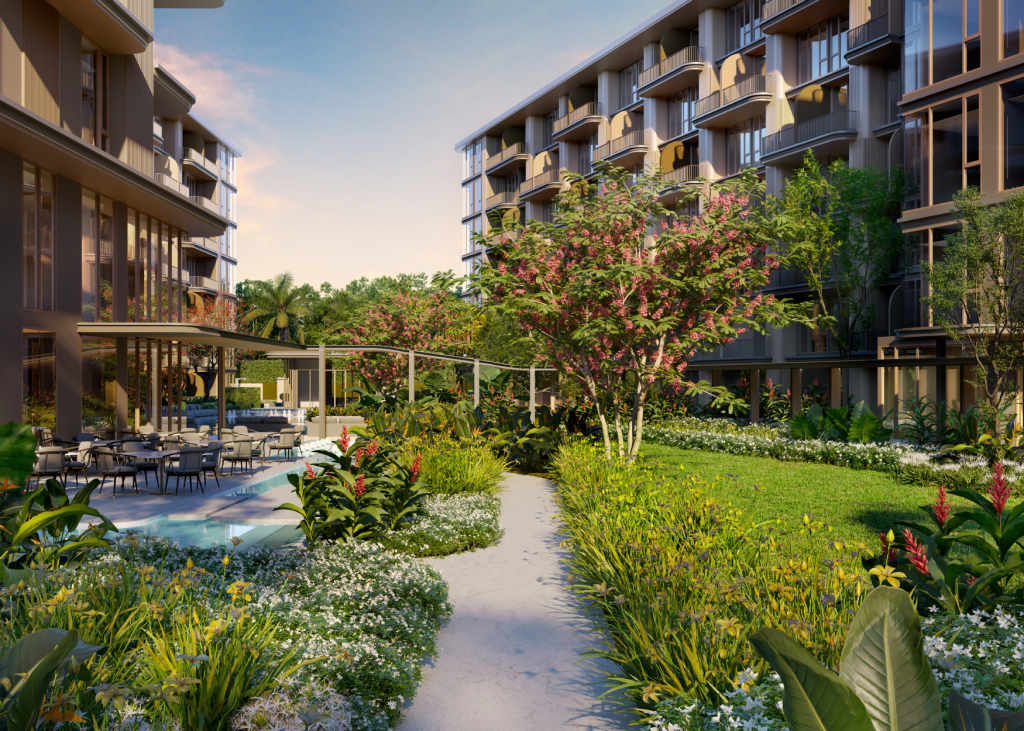
Peylaa Phuket is located near Bang Tao Beach and consists of three 7-storey buildings with 408 residences.
For this mixed-use project, we decided to partner with Marriott on the hotel side, as they are among the best in the industry. From there, it made sense to select a brand that emphasises individuality and lifestyle for the residences, which led us to the Autograph Collection Hotels. This brand allows for creativity, letting us express the brand DNA through design, while also providing quality assurance—both in terms of design standards and contracting with the builder. They also manage the property on behalf of the owners, ensuring it remains fully functional and maintains long-term value.
Blvd: The term “lifestyle” gets used a lot. How have you seen it change over the past 12 years since you started, and how are you designing to meet these new lifestyle expectations?
Kuvijitsuwan: Ten years ago, we didn’t talk much about lifestyle. Today, we interpret it as creating the right hardware so that when someone lives in the property—or when the management company takes over—they can activate the software that allows residents to live the way they want.
For example, in terms of facilities, it’s no longer just a standard swimming pool and gym. We cater to people with active lifestyles. When designing the gym, we worked with a specialist service provider to include an ice bath facility, along with steam and sauna. This allows residents to properly cool down after exercise. Similarly, the landscape isn’t just aesthetic; we designed jogging tracks within the project so residents can enjoy a few laps in the morning or evening. Importantly, these features were integrated into the design from the start, not added as an afterthought.
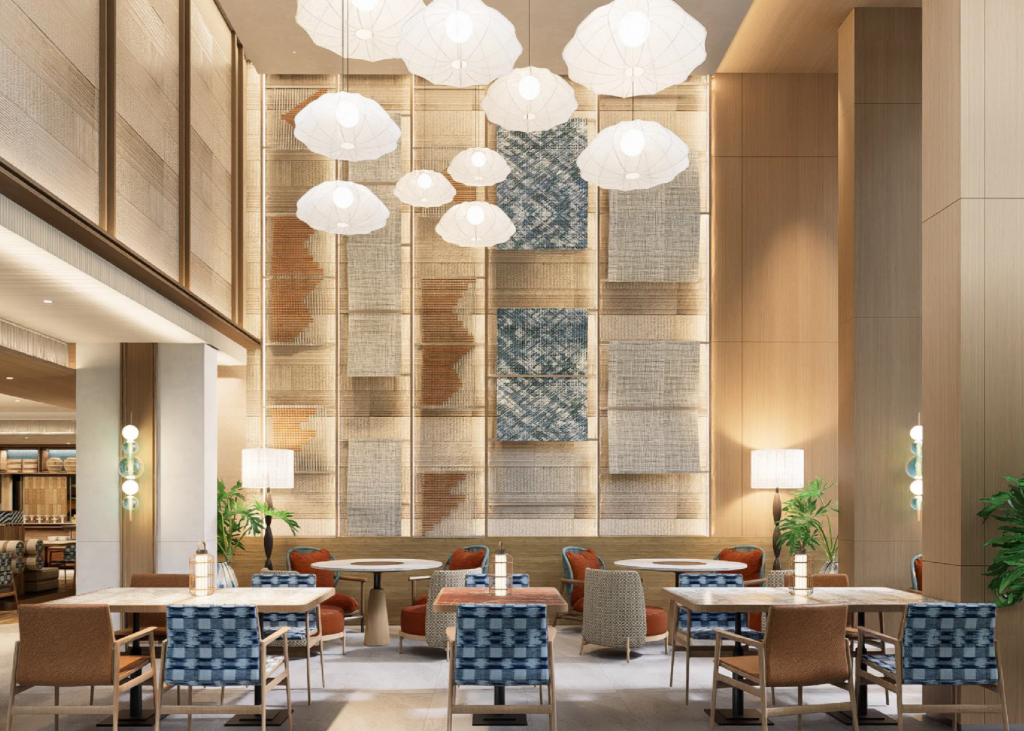
Peylaa Phuket is located near Bang Tao Beach and features luxury amenities managed by Marriott International.
We also consider professional and working lifestyles. From our previous projects, we learned what works for co-working spaces. For example, in Bangkok, phone booths in our coworking areas are always in high demand, so we ensured similar functionalities in this project. Our coworking space, which we call the Flexible Workspace, is part of the residential lounge. It combines relaxed corners for casual use with workstations for focused work, plus areas for phone calls. By incorporating these details, we ensure residents can fully enjoy and make use of the spaces as intended.
Blvd: How do the lifestyles you design for in Bangkok differ from those in a resort town, such as Phuket?
Kuvijitsuwan: When designing the facilities for Phuket, we focused on three main demographics: active lifestyle residents, working professionals or digital nomads, and families. We then interpreted these lifestyles and designed the facilities around them.
For active lifestyle residents, this includes the gym, sauna, ice bath, and tennis courts. For working professionals, we created the Flexible Workspace and lounge areas. For families, there’s a kids’ club and all-day dining facilities within the project, so residents don’t always need to go to the hotel. These dining facilities also support long-term rentals, which is important for investment returns.
For Bangkok, it’s more of a learning cycle. The adaptations and improvements we make for each project inform the design of lifestyle features in future projects there as well.
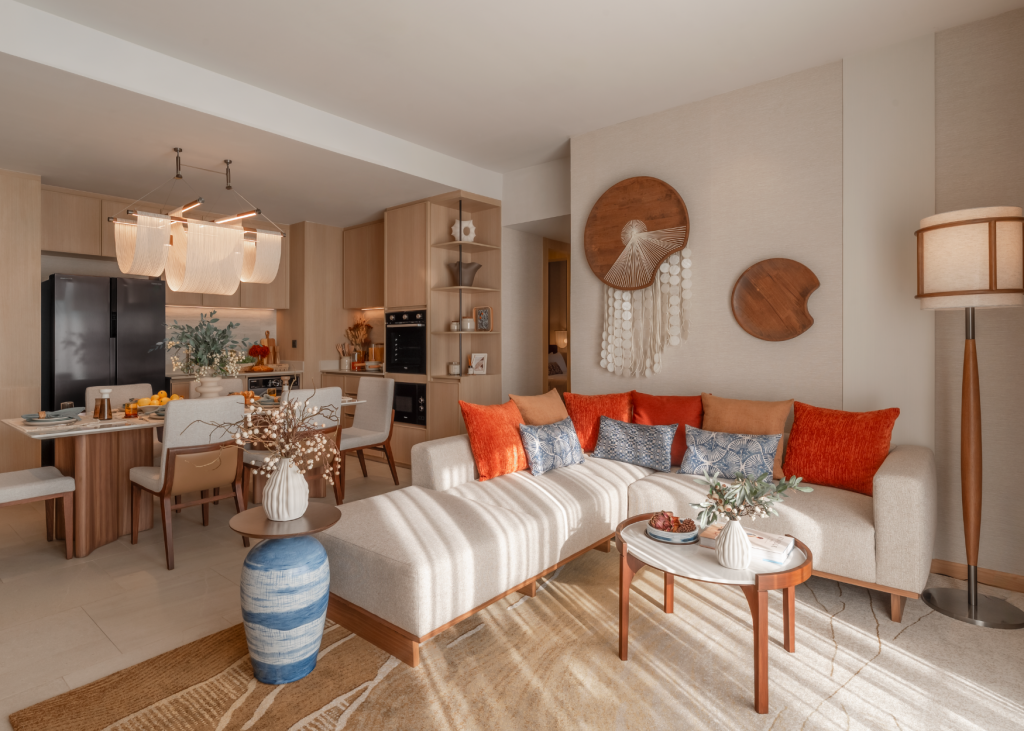
The residences consist of three 7-storey buildings with 408 residences, all fully furnished with a modern tropical design.
Blvd: Broadly speaking, where does your Autograph Collection sit in terms of price point?
Kuvijitsuwan: The pricing is approximately THB 175,000 per square metre, which is around USD 5,000 per square metre. It sits at the upper range, but not at the very top, offering good value for a condo.
Units start at 45 square metres for a one-bedroom, which translates to about USD$120,000 per unit. This size is comfortable for living, but it also works well from an investment perspective, as it functions effectively as a serviced apartment. Overall, the price point falls within the upper upscale range for the product being offered.
Blvd: As investors allocating capital to projects across these regions, what are you looking for, given the diversity—even within Thailand?
Kuvijitsuwan: As investors, we look for markets with strong fundamentals and growing demand. When we chose Phuket, it was clear that, among all cities in Thailand, it benefits not only from domestic demand but also from global interest, with people seeing it as an investment, retirement, or second-home destination.
Phuket had an exceptional couple of years, partly driven by strong inflows from the Russian market, though that has since cooled off. Over the past two years, however, demand has continued to grow, with increasing interest from other Asian countries—Singapore, Japan, Korea—as well as from Europe and the US. Phuket is firmly on the global map.
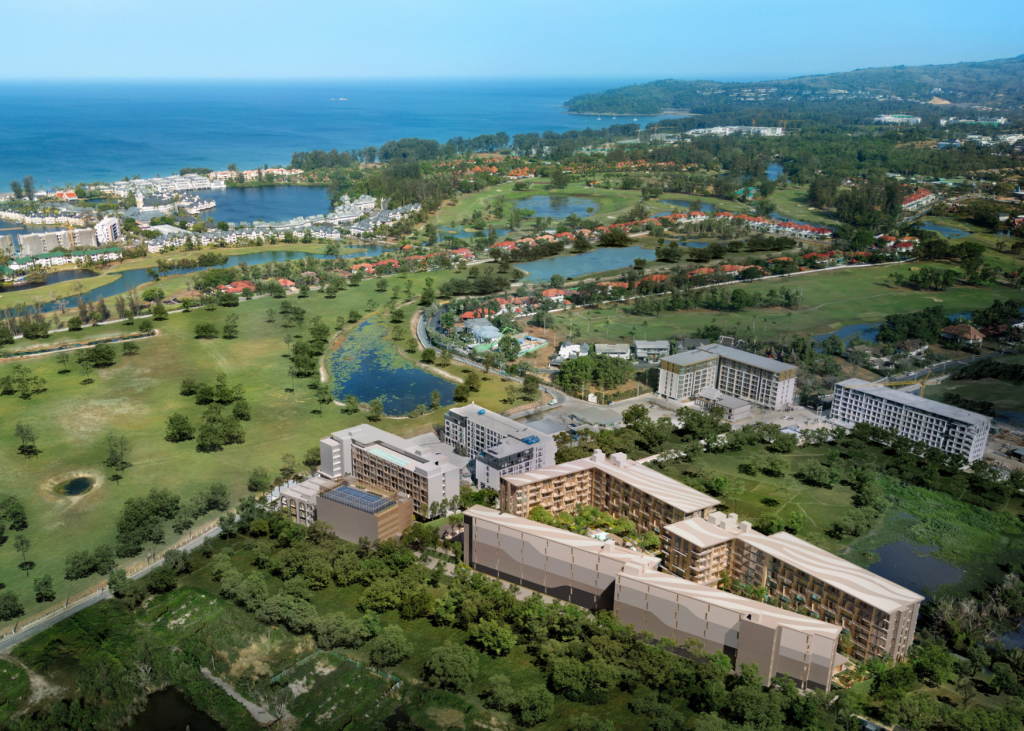
The development is set to be completed in 2027.
In terms of strong fundamentals and growth, Phuket ranks very highly. Bangkok is already established on the map, so we are also keeping a close eye on it for our next projects.
Blvd: Do you think the Bangkok property market is becoming a bit saturated?
Kuvijitsuwan: The Bangkok property market has been approaching saturation for a while, even before covid. However, new supply has slowed down significantly, so absorption is now picking up again. People remain cautious about making new investments in Bangkok, which I think is a positive sign. The market cycle will return, and in the next four to five years, the balance between demand and supply is likely to shift again.
Unlike other major capitals around the world, Bangkok doesn’t have a strong secondary home market yet. People tend to prefer new products, even if they’re priced at twice the value of properties offered five or ten years ago. There’s a mentality of wanting to secure the latest development quickly. So the secondary market is still limited, especially for a major city like Bangkok.
There are companies trying to explore and facilitate transactions in the secondary home market. But frankly, it will be a challenge, because the mentality—whether Thai, Asian, or otherwise—has traditionally driven growth in the condominium and single-detached home markets over the past two decades. That growth has largely been focused on new launches and new products.
Read next:
5 bed POA
Belmont Road, D10 5 bed 43,800,000 SGD
3-4 bed | 2,702 - 8,923 area POA
4+1 bed 20,000,000 USD
4 bed POA