The interview: Young Timers Garage’s Shaun Baker on how rare and bespoke cars are becoming sought-after alternative assets
by Hamish McDougall
Photography by Rogan Steele
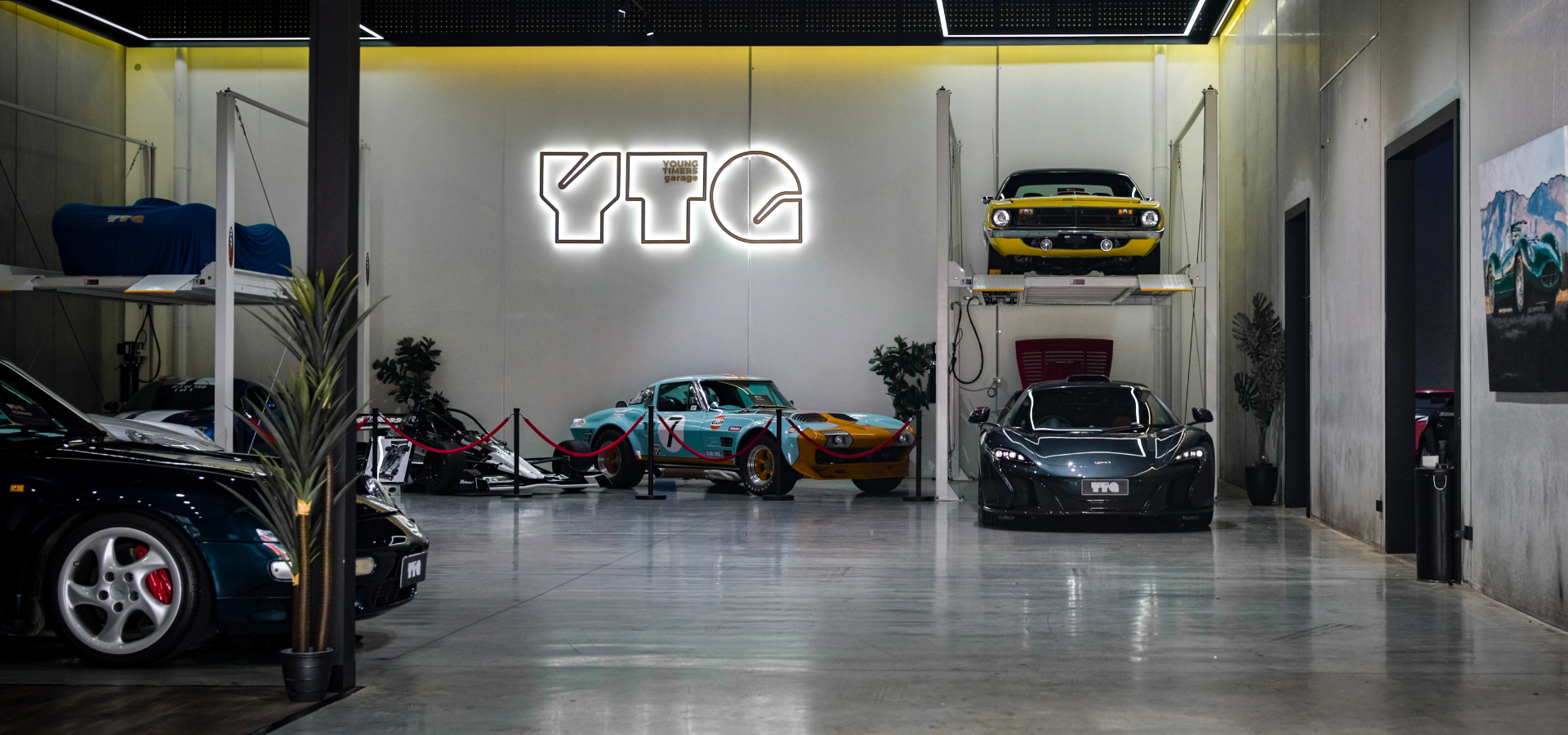
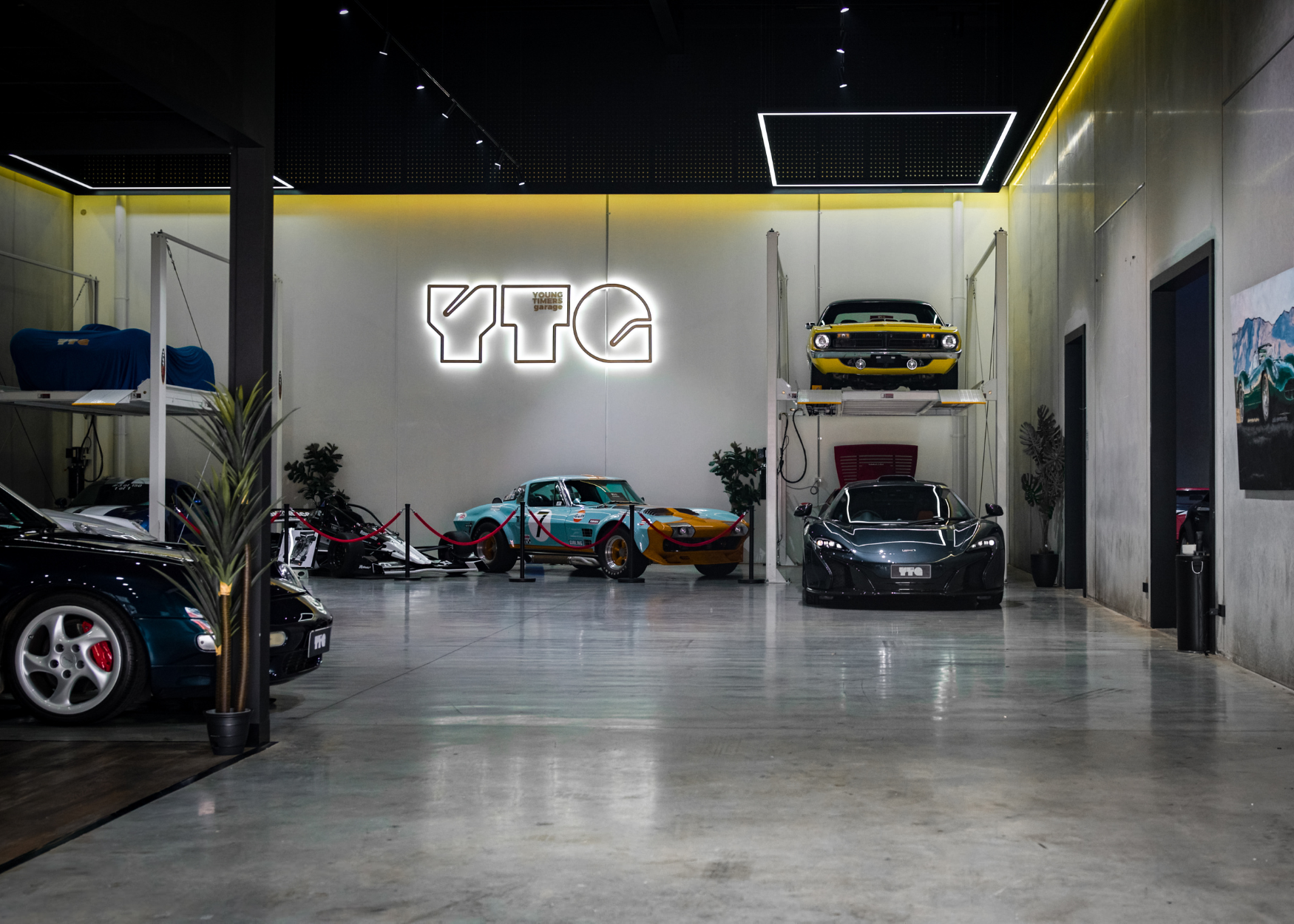
According to Knight Frank, the global collector car market has appreciated by at least 185 per cent over the past decade, reinforcing its growing status among alternative investments. As values rise and transactions become more complex, specialist dealers and advisers are assuming an increasingly influential role in high-value sales. Among them is Shaun Baker, founder of Young Timers Garage (YTG), who operates within this evolving landscape through his Keysborough, Victoria-based dealership and import business, focused on highly collectable performance cars from the 1970s to the early 2000s.
YTG buys, sells and sources rare, low-production, bespoke and historically significant models, often importing examples into Australia for private collectors. The firm’s expertise centres on analogue-era sports cars, limited-edition models and early modern supercars, where provenance and originality directly affect long-term value. Its client base includes seasoned collectors, UHNW individuals and increasingly, buyers who view these cars through both a passion and portfolio lens.
In an exclusive interview with Boulevard, Baker discusses the key forces driving demand for modern classics, the growing sophistication of buyers entering the segment, and why competition for the best examples has intensified.
“Many of our clients are willing to write an open cheque to acquire the best car of their choice,” he says.
As capital continues to flow into tangible assets, the conversation explores what distinguishes a desirable car from one that can command sustained pricing strength in today’s collector market.
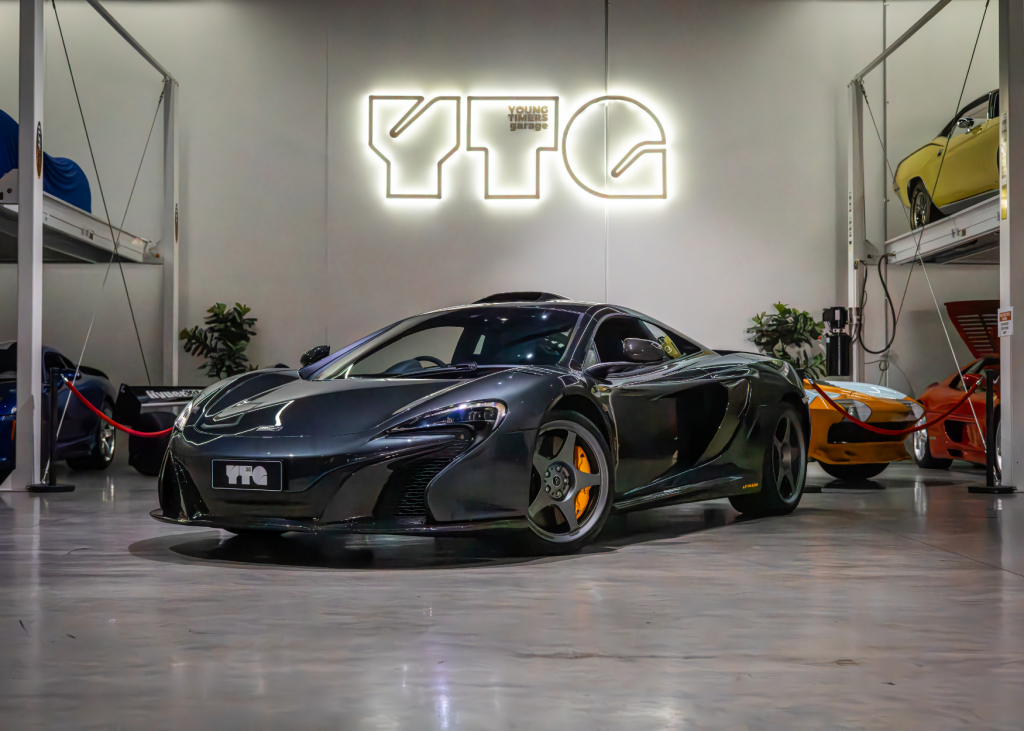
The 2015 McLaren 650S LM, which is one of only 50 limited-edition models worldwide. Top: The Young Timers Garage showroom in Melbourne, Australia.
Boulevard: What’s the profile of the collectable car buyer—are we seeing a shift from passion-driven collectors to more investment-oriented clients?
Shaun Baker: Yes, we’re most definitely seeing a significant shift in the market regarding buyers, and even the ethos behind many of the purchases and acquisitions across the board in collector classic cars.
There are two distinct collecting approaches for UHNW individuals and family offices: diversity or uniformity.
Collectors focused on diversity build a broad portfolio of exclusive, highly sought-after cars that span eras, brands and types. I refer to these as generational or global cars—vehicles that appeal across age groups and remain in demand over time.
By contrast, collectors who prioritise uniformity concentrate on depth within a specific marque, model line, or era—for example, completing all Ferrari ‘F’ models like the F40, F50, Enzo and 288 GTO, collecting every Porsche GT3 RS variant, or assembling hypercars such as Pagani, Koenigsegg, and the McLaren P1. These represent two very different sectors of the HNWI market globally.
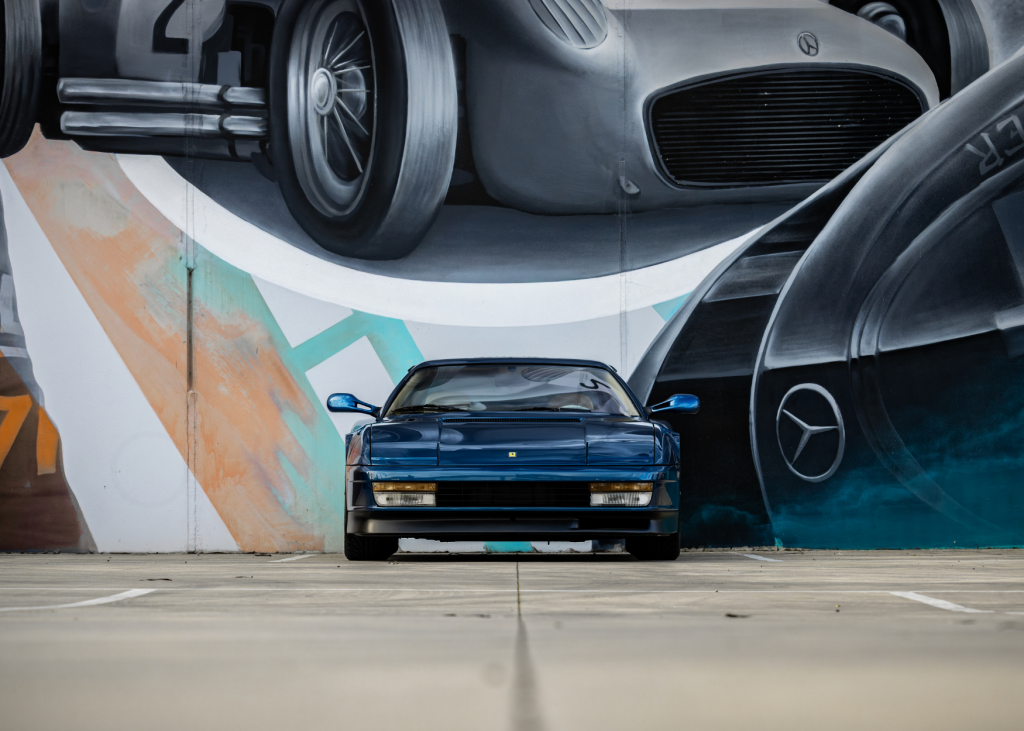
The 1990 Ferrari Testarossa in the rare colour combination of Blue Chiro with Crema Napa leather interiors.
Blvd: Where is the strongest demand currently coming from—are you seeing growth in international interest, or is the domestic market still dominant in terms of volume and value?
Baker: Growth internationally comes with exchange rates, and depending on how they move, this will dictate the market flow in many ways.
Currently, it’s quite challenging for Australian buyers purchasing overseas, but for other countries with the current rates, Australia is seen as good value for certain collectable cars. We’re witnessing this first-hand, as YTG carries a number of highly collectable global cars, attracting strong interest from Asia and Europe.
Blvd: How do you see the role of provenance, restoration quality and brand legacy evolving in the eyes of sophisticated buyers—especially those entering the space for the first time?
Baker: Brand legacy will always dictate demand, and restoration for certain classic cars will continue to be sought after. However, we’re seeing earlier brass cars and vehicles from the 1920s through to the 1950s decline significantly in value due to low demand—and these cars have become very difficult to maintain, with fewer workshops able to service them.
Blvd: What macroeconomic or cultural trends do you believe are influencing the rise in demand for rare and collectable vehicles, and how is YTG positioning itself to meet that demand?
Baker: We are seeing many different market trends across Australia, New Zealand and globally. YTG has positioned itself to capitalise on this by offering various ways of trading with both local and overseas clientele, accepting multiple forms of funding—including gold, silver, crypto and watches.
Even when there is strong demand in certain regions globally, we can cater to this through our global network, allowing us to assist our clients with any car, anywhere in the world, easily and transparently.
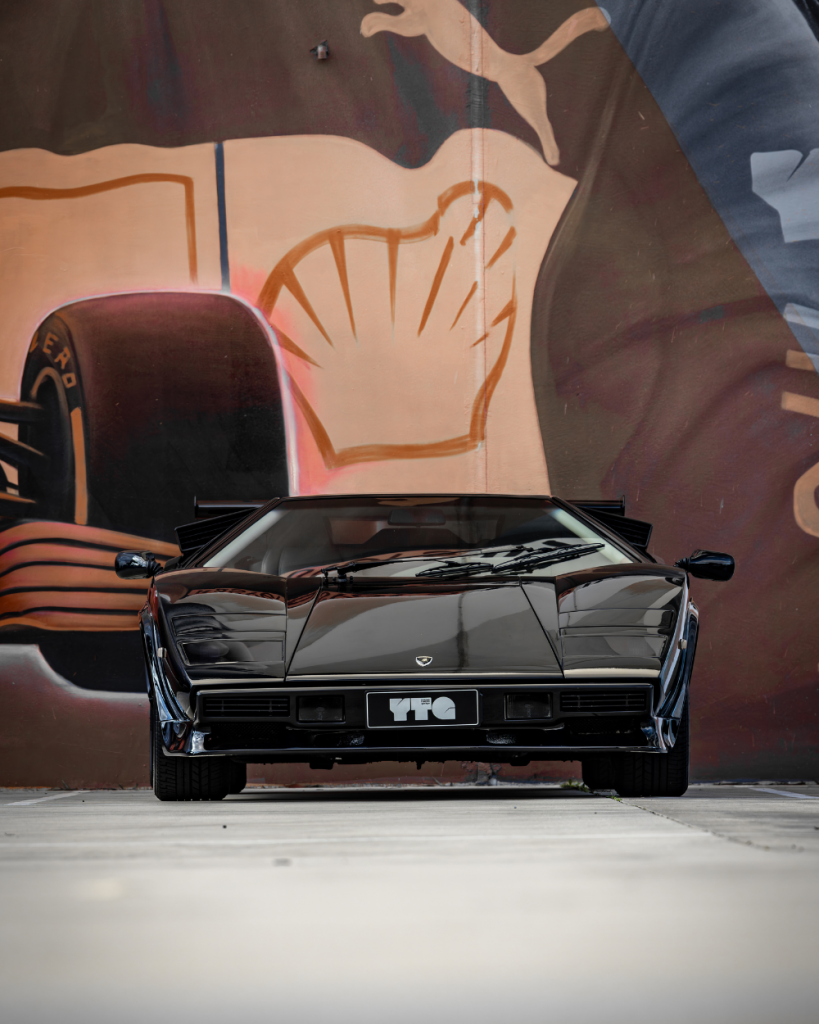

The 1986 Lamborghini Countach 5000 QV is one of only 33 right-hand-drive models delivered worldwide, finished in Nero Black.
Blvd: Are you seeing increased engagement from private wealth advisors, asset managers or multi-family offices who are now viewing collectable cars as viable alternative investments?
Baker: Yes, cars—especially those that YTG deals in—are very much assets and have proven to provide better annual returns on average than many other investments. The right car has shown an average return of 11 to 14 per cent. Perhaps most importantly, cars are a highly liquid commodity and can be transacted very quickly, which is a significant advantage for investors.
Blvd: How do you anticipate the sector will evolve over the next decade—particularly in relation to sustainability, electrification and the digitalisation of ownership experiences? And what are some of the top performing assets—what’s the most desirable and what do collectors go crazy for? Are there cars for which money is no object?
Baker: Electric vehicles or EVs are not in the same league and will never be considered collectable or desirable in the classic collector car world.
As mentioned earlier, there will always be strong demand for collector, classic and bespoke cars, with the main focus on vehicles that are generational—as not all classic or collector cars hold this status. Those that don’t tend to decline in value over time due to low demand, which is why we do not operate in this segment for our clients.
Why does someone pay US$100 million for a painting or US$25 million for a ride on a space rocket? It’s because they see the value, even when 99 per cent of people don’t. In the same way, certain cars will always be in strong demand, continue to rise, and remain highly sought after. Many of our clients have openly said they are willing to write an open cheque to acquire the best car of their choice, as the finest examples are always in demand. There is no bargain or “deal”—you acquire the best example, and in the future, you can sell it for a profit. The right car will always deliver a return.
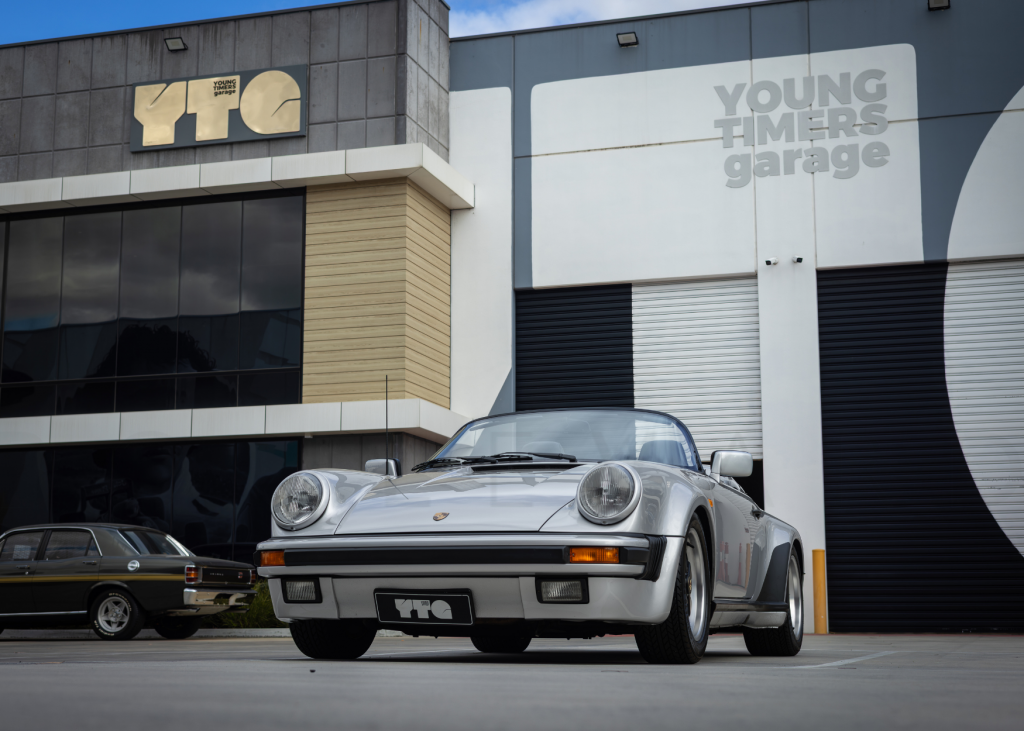
The 1989 Porsche 911 Speedster Sport G Series is one of only 139 right-hand-drive models built and delivered worldwide, finished in the classic Arctic Silver metallic.
Blvd: How does YTG use data, market insights and global networks to stay ahead of emerging trends and maintain its competitive edge in the collectable car space? How do curated experiences and brand partnerships strengthen client relationships and asset value?
Baker: YTG leverages its global industry knowledge to ensure our clients are always well-informed and advised. In the classic collector car world, we are often described as the “Charles Schwab” of the sector, providing guidance based on accurate, timely insights. Our extensive global network of partners and experts keeps us—and our clients—updated on market movements, emerging trends, and opportunities, allowing us to maintain a competitive edge in the collectable car space.
Beyond market intelligence, curated experiences, private events, and brand partnerships are equally central to our approach. These initiatives help build long-term client relationships by bringing together their networks for exclusive VVIP gatherings. These very special cars serve as a fantastic medium for like-minded HNWIs to connect and conduct business on all levels. When combined with the right HNWI-targeted partners, these events become a melting pot of opportunities. Such strategic functions are highly advantageous not just for the clients, but also for the companies offering their services and products, enhancing the perceived value of the assets involved.
Blvd: Looking forward, where do you see the greatest opportunity for growth—whether it’s in geographic expansion, new buyer demographics, or evolving formats of ownership and trade?
Baker: Growth sectors are constantly emerging for certain styles of cars and will continue to do so, particularly with a significant influx of new young money entering the marketplace. Catering to this emerging market, certain parts of Asia are expected to be strong over the next five to 10 years. Even the UAE is likely to shift more toward classic and collectable cars, rather than focusing solely on hypercars and supercars as it does currently.
Go further with Young Timers Garage’s rare and vintage cars.
Read next:

5 bed POA
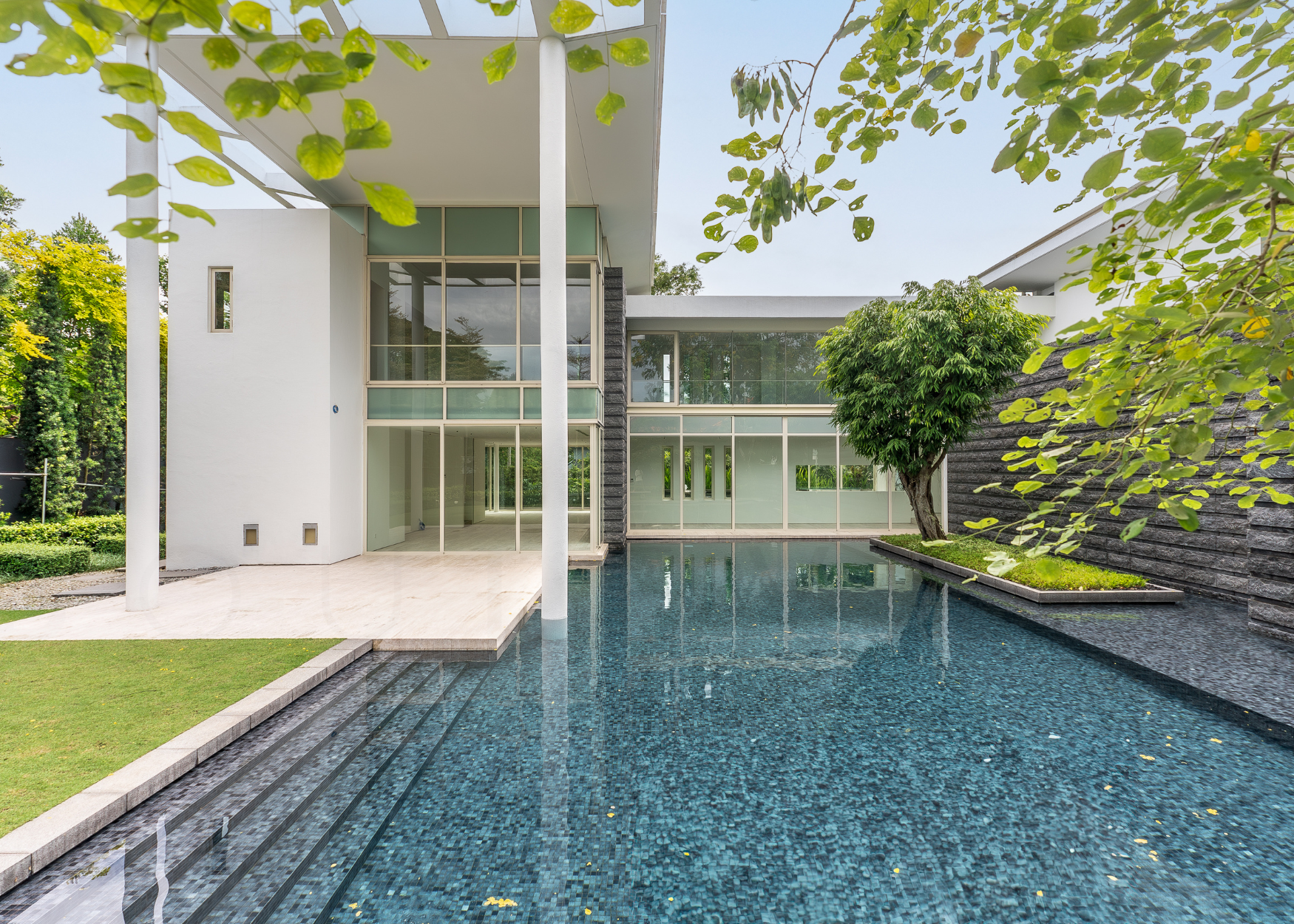
Belmont Road, D10 5 bed 43,800,000 SGD

3-4 bed | 2,702 - 8,923 area POA
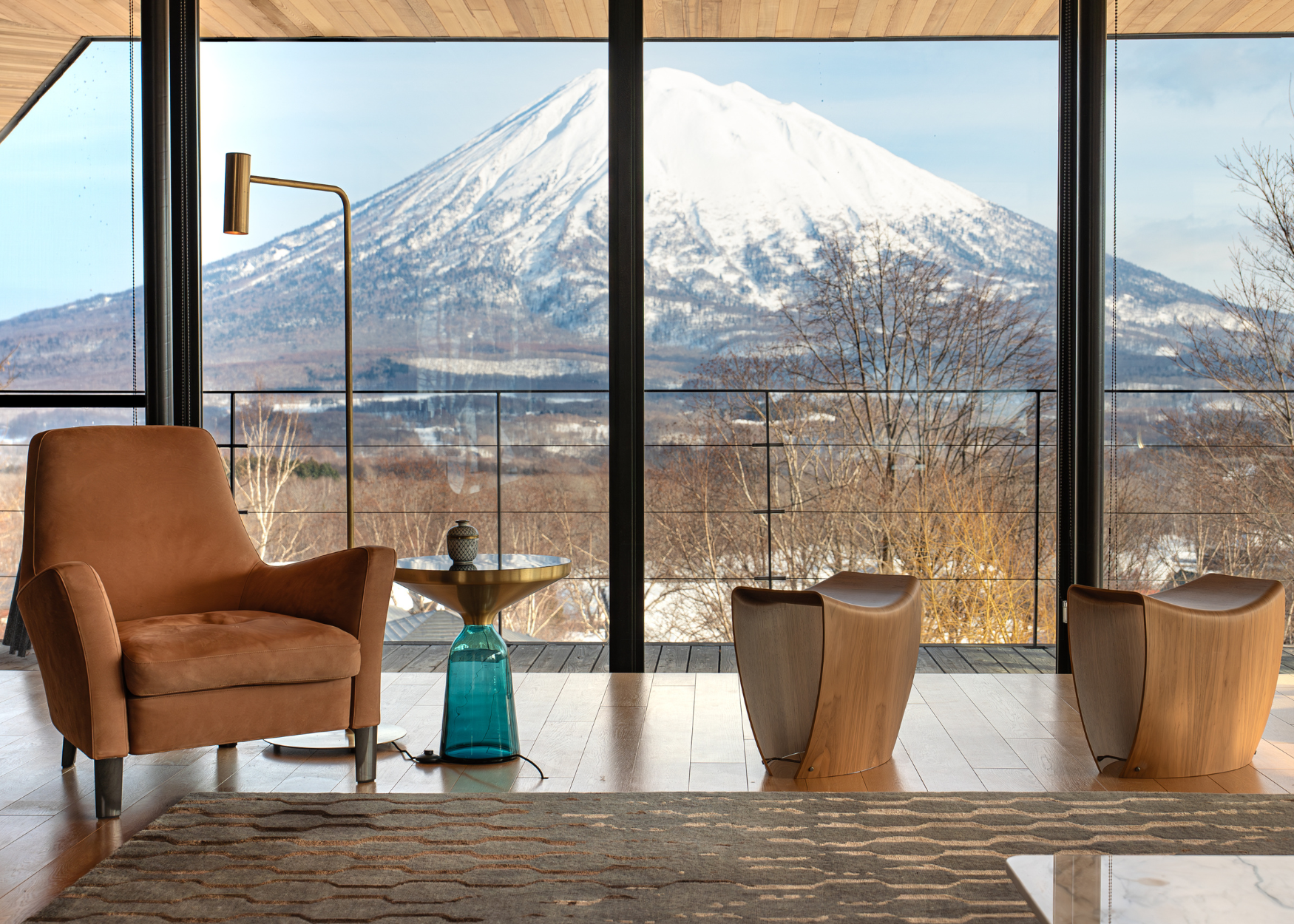
4+1 bed 20,000,000 USD
4 bed POA