The report: Inside New Zealand’s ultra-prime market as stability returns and demand refines
Johnny Sinclair of Bayleys New Zealand offers a measured view of the country’s ultra-prime property market as it moves through 2026. From waterfront and school-adjacent homes in Auckland to deeply private, landscape-driven retreats in the Queenstown-Lakes District, he unpacks what’s quietly driving demand—privacy, wellness and a strong sense of place—alongside why trophy properties still cut through, even in a more balanced market. He also touches on the subtle return of international interest, and what it really means for a segment long defined by discretion rather than volume.
Go further with luxury properties in New Zealand
The market for ultra-prime properties in New Zealand in the first quarter of 2026 has been steady and largely consistent with 2025. A quarterly sentiment survey conducted by Bayleys New Zealand in March 2026 found that 73 per cent of agents saw the market as stable, while the remainder felt that buyer activity was starting to pick up. This suggests that, while prices and demand are not changing dramatically, the market is gradually moving towards greater stability as the year goes on.
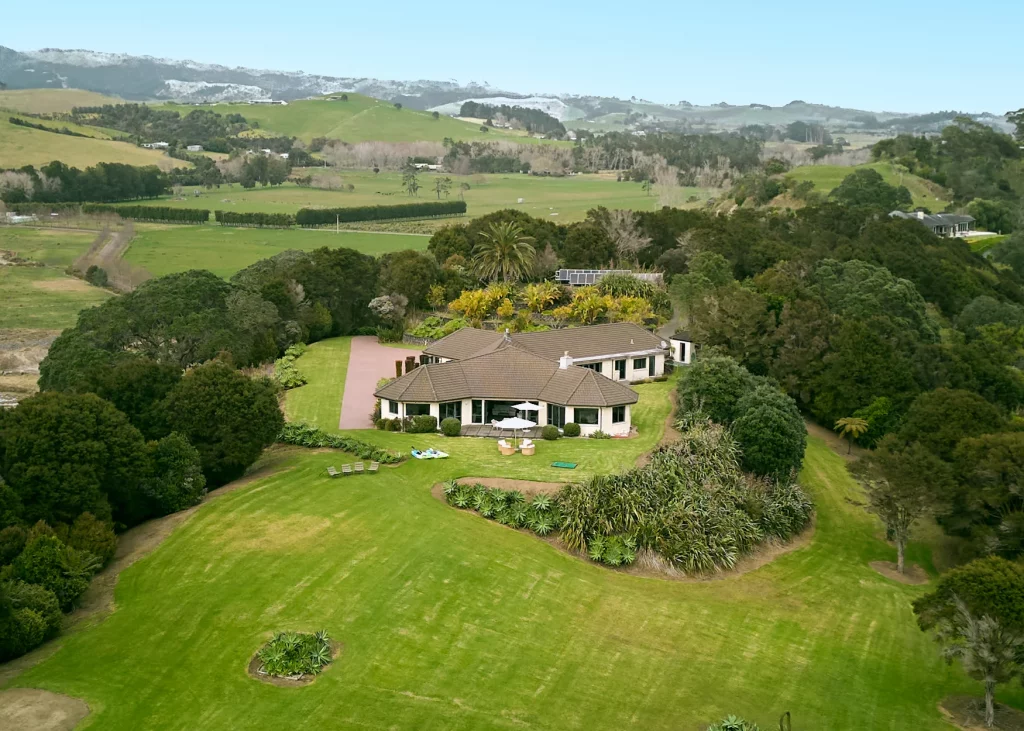
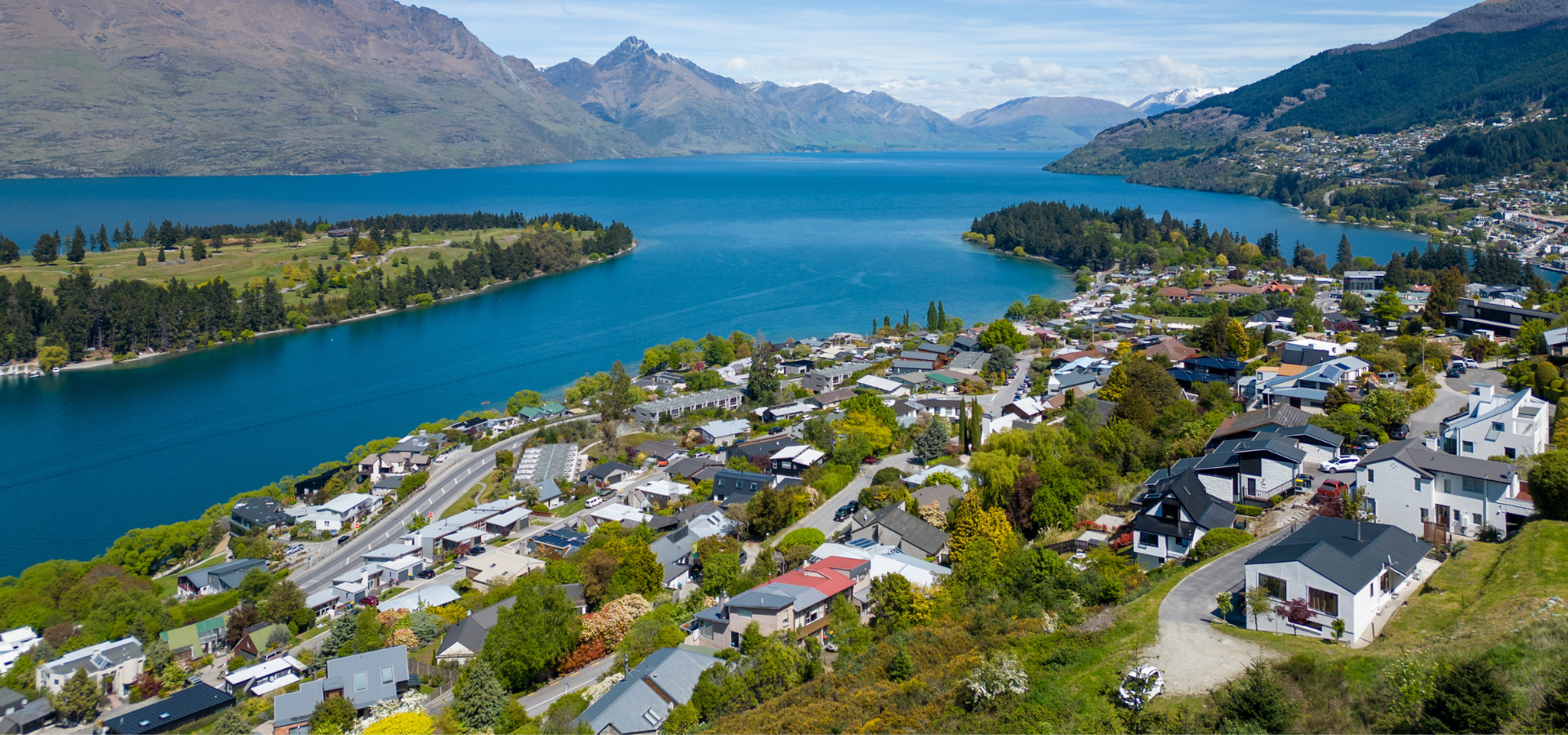
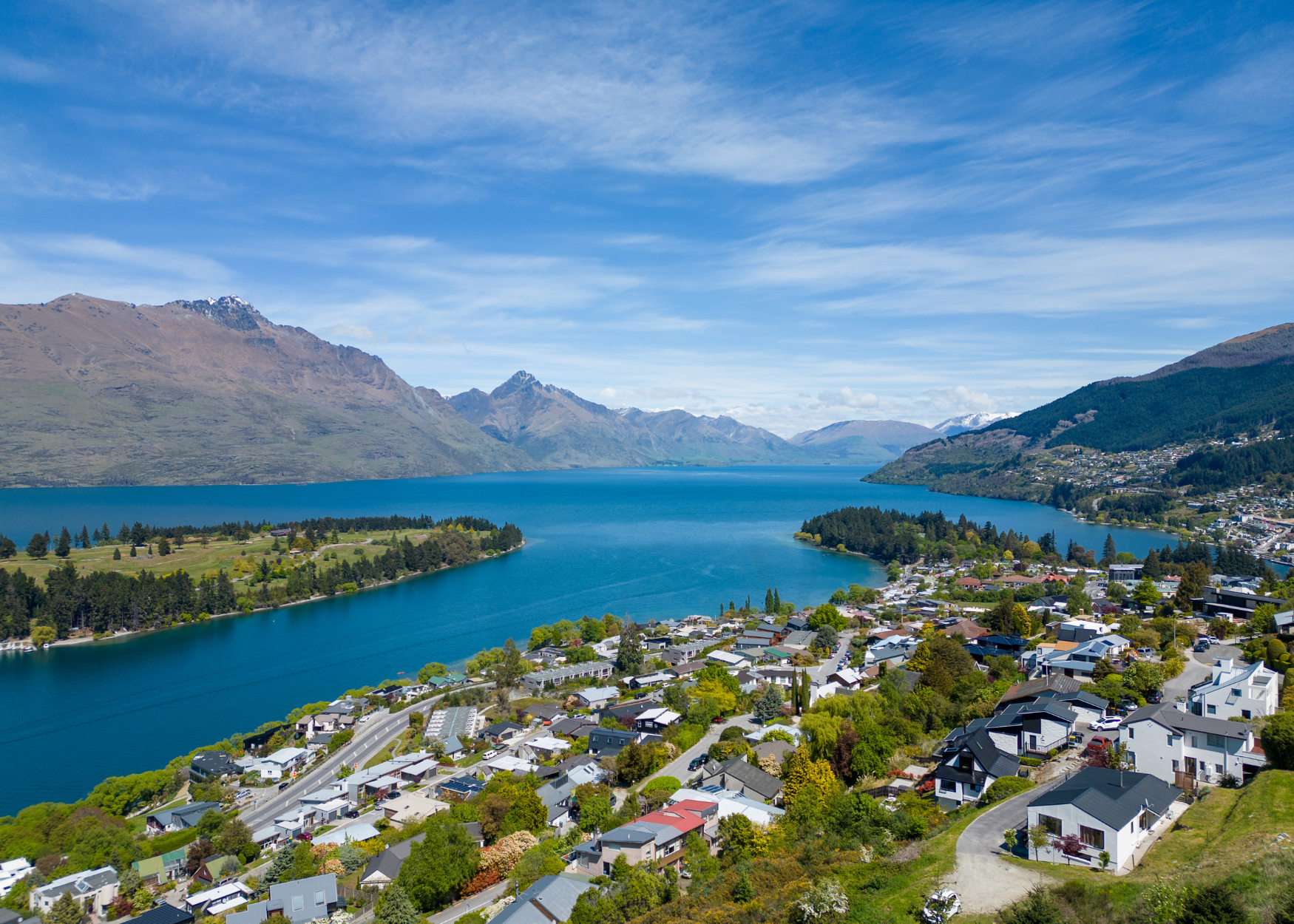
From above: A secluded estate in Clevedon Kawakawa Road, Auckland. Top: A view of Queenstown-Lakes, New Zealand.
There is currently a good selection of properties available across most locations, which is keeping pressure off prices. However, when trophy homes come to market, they tend to attract a high level of interest, standing apart from the broader pool of listings, as trophy homes strike the combination of location, architecture, scale, features and privacy.
Ultra-prime properties are usually located in the Auckland region, particularly in the central suburbs surrounding the city, or in the blue-chip lifestyle areas on the fringe of the urban area. This includes the Herne Bay, Remuera, St Heliers, Coatesville, Whitford, Omaha.
Meanwhile, within the Queenstown-Lake District, they tend to be located in the areas around the lakes, or in lifestyle areas, like Millbrook, Dalefield and Speargrass Flat.
The evolving buyer profile in Auckland and Queenstown-Lakes
Buyer preferences across New Zealand’s ultra-prime property market remain closely tied to location. Auckland and the Queenstown-Lakes District continue to anchor demand, though motivations differ.
In Auckland, ultra-prime homes are typically acquired as primary residences. Buyers prioritise central locations, lifestyle estates on the fringe, waterfront positions or water views, alongside proximity to leading schools. Privacy is a defining feature, often achieved through thoughtful design, landscaping and discreet positioning.
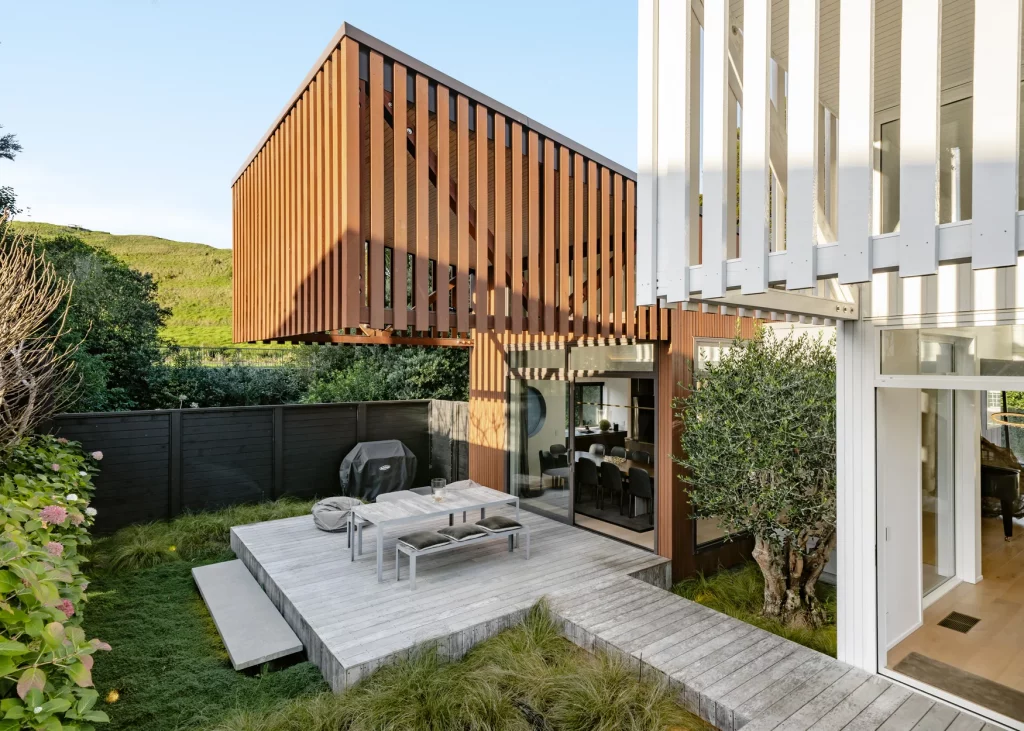
A pavilion-style residence featuring the cedar and white cladding exterior in Mount Hobson Lane, Auckland. (Photo courtesy of Richard Thode.)
By contrast, properties in the Queenstown-Lakes District are more commonly held as second or holiday homes. Here, the appeal is closely linked to the surrounding landscape and the sense of retreat it offers. For many buyers, these homes form part of a broader portfolio, reflecting a lifestyle-driven approach to ownership rather than a single primary residence. This reflects how the area’s resort appeal lends itself to lifestyle-led ownership, making these homes better suited as part of a broader portfolio.
Alongside the traditional pillars of location, scale and quality, there is a growing emphasis on wellness. Features such as saunas and private gyms are becoming increasingly relevant, aligning with a wider shift towards homes that support both lifestyle and wellbeing.
Foreign access and shifting interest
Foreign acquisition in New Zealand remains restricted, although recent policy developments are beginning to shape sentiment. The introduction of the Active Investor Plus Visa scheme in March 2026 allows eligible visa holders to purchase one home above NZ$5 million, albeit within a relatively small segment of the overall market. Notably, there are no stamp duties or additional levies imposed on foreign buyers.
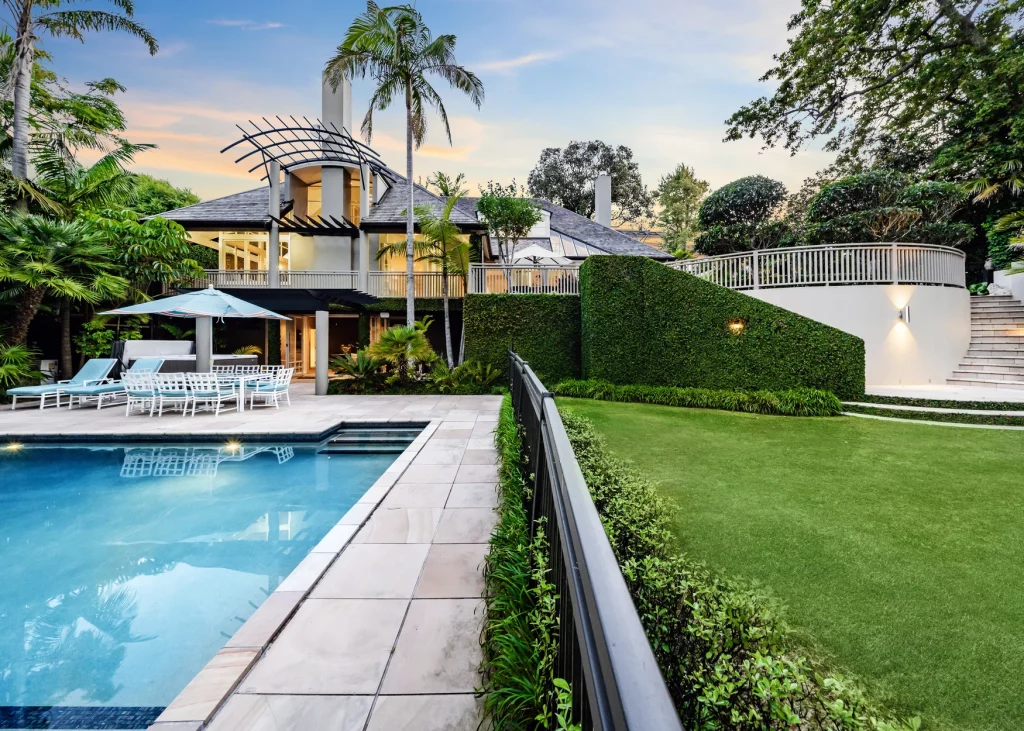
A Remuera Road estate with a pool, manicured lawns, and a curved double staircase leading up to the terrace. (Photo courtesy of Richard Thode.)
This has led to a rise in offshore enquiries and renewed interest in New Zealand property. However, transaction activity in the ultra-prime bracket continues to be driven largely by local buyers, offshore New Zealand citizens and Australian purchasers, maintaining the market’s traditionally discreet and domestic character.
Supply, demand and practical considerations
Inventory levels are currently considered reasonable across most regions, although supply can tighten at specific price points or locations. The Queenstown-Lakes District, in particular, has experienced more constrained availability compared to other parts of the country.
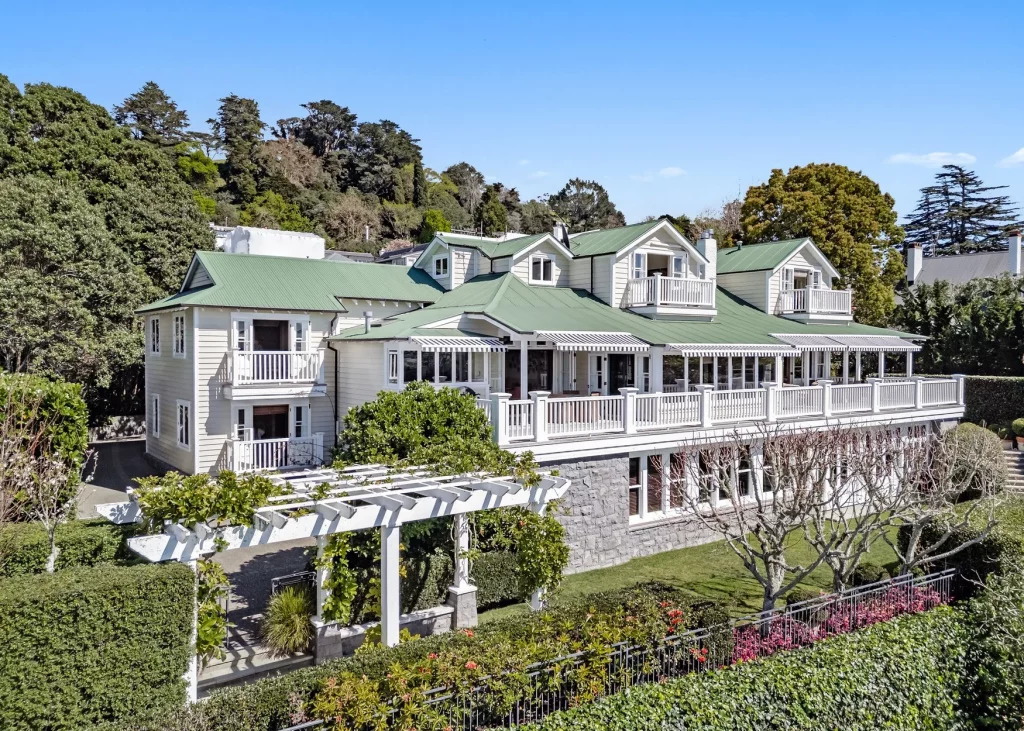
The main residence of a dual-title landholding, set on the Remuera Northern Slopes, in Auckland. (Photo courtesy of Richard Thode.)
Beyond acquisition, ownership considerations remain an important factor. Maintenance requirements, from landscaping to interior upkeep, are an inherent part of managing high-value properties, particularly for holiday homes. Many owners mitigate this through professional services, while smart home technology is increasingly used to monitor and manage properties remotely.
As the New Zealand ultra prime property market moves through 2026, its trajectory appears defined less by volatility and more by quiet resilience. Demand continues to favour homes that offer privacy, considered design and a strong sense of place, with standout properties maintaining their ability to command attention even within a more balanced landscape.
Read next:
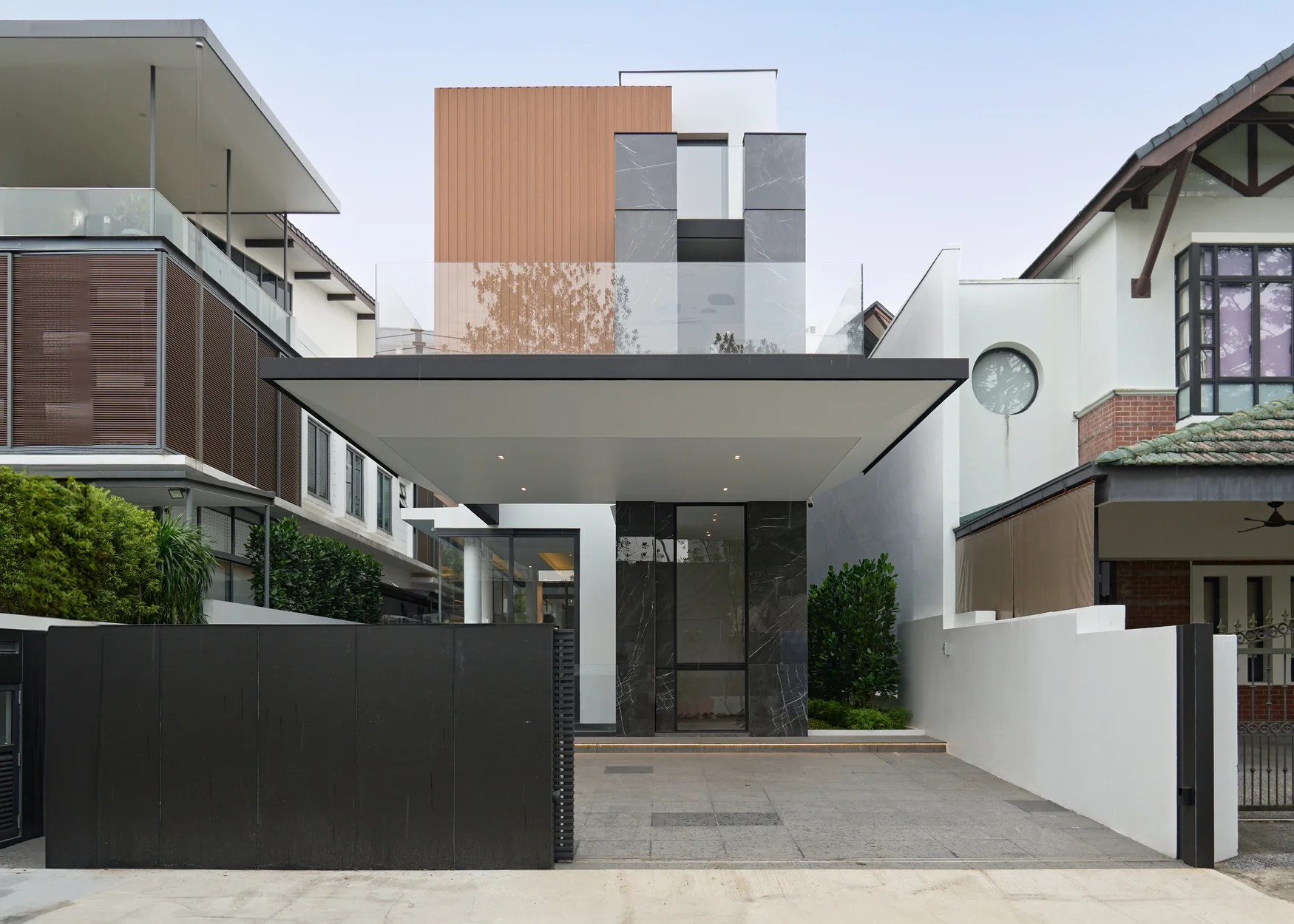
8+1 bed | 10,200 sqft area 19,500,000 SGD
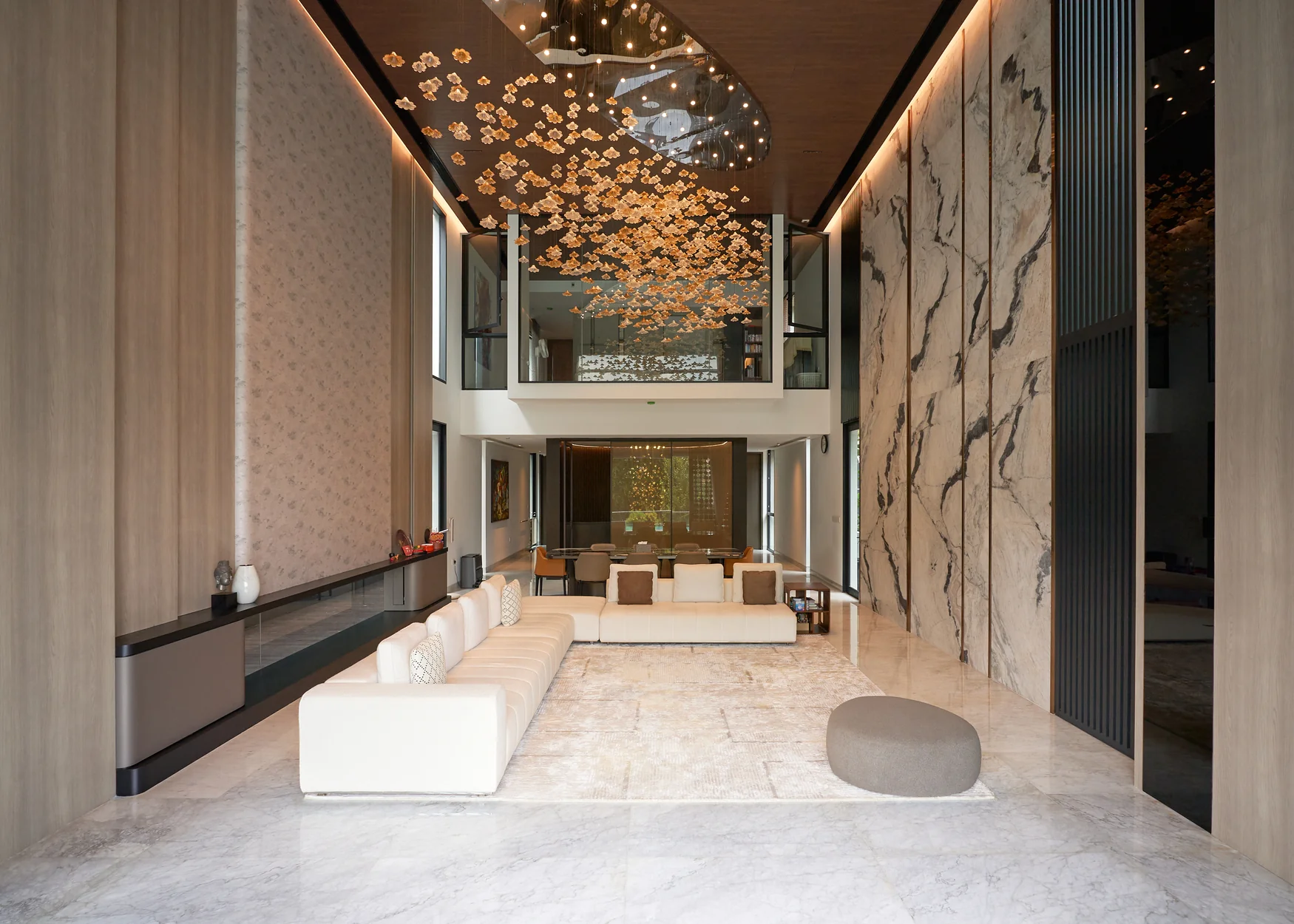
5 bed 19,380,000 SGD
4 bed | 4,208 sqft area POA
3-8 bed | 699,654 - 784,080 sqft area POA
6 bed POA