Travel experts share insights into today’s ultra-luxury journeys, where UHNW individuals value intention and long-haul trips to exotic China
by Annie Asistio
“Ultra-luxury travel today is less about excess and more about intention,” says Geraleine Yap, a senior travel consultant at Scott Dunn, an award-winning luxury travel firm known for curating bespoke, tailor-made holidays.
While plush amenities, such as a private butler service and extensive spa offerings are important, says Yap, UNHWI travellers are now seeking out stays that offer immersive and authentic experiences that are connected to the destination they’re in.
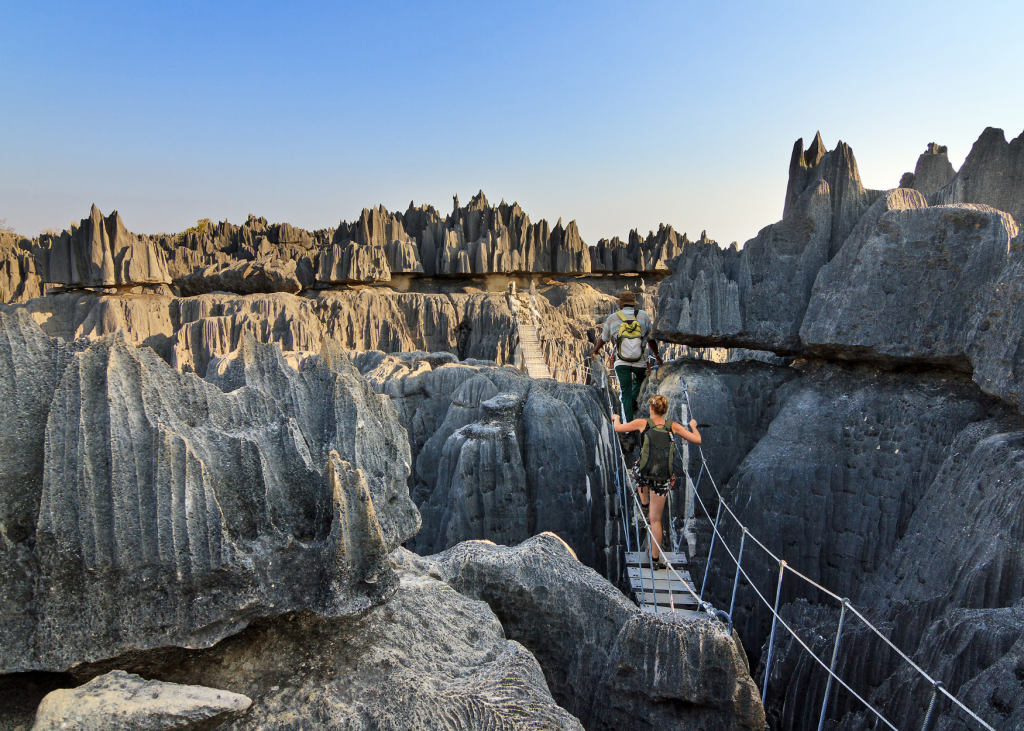
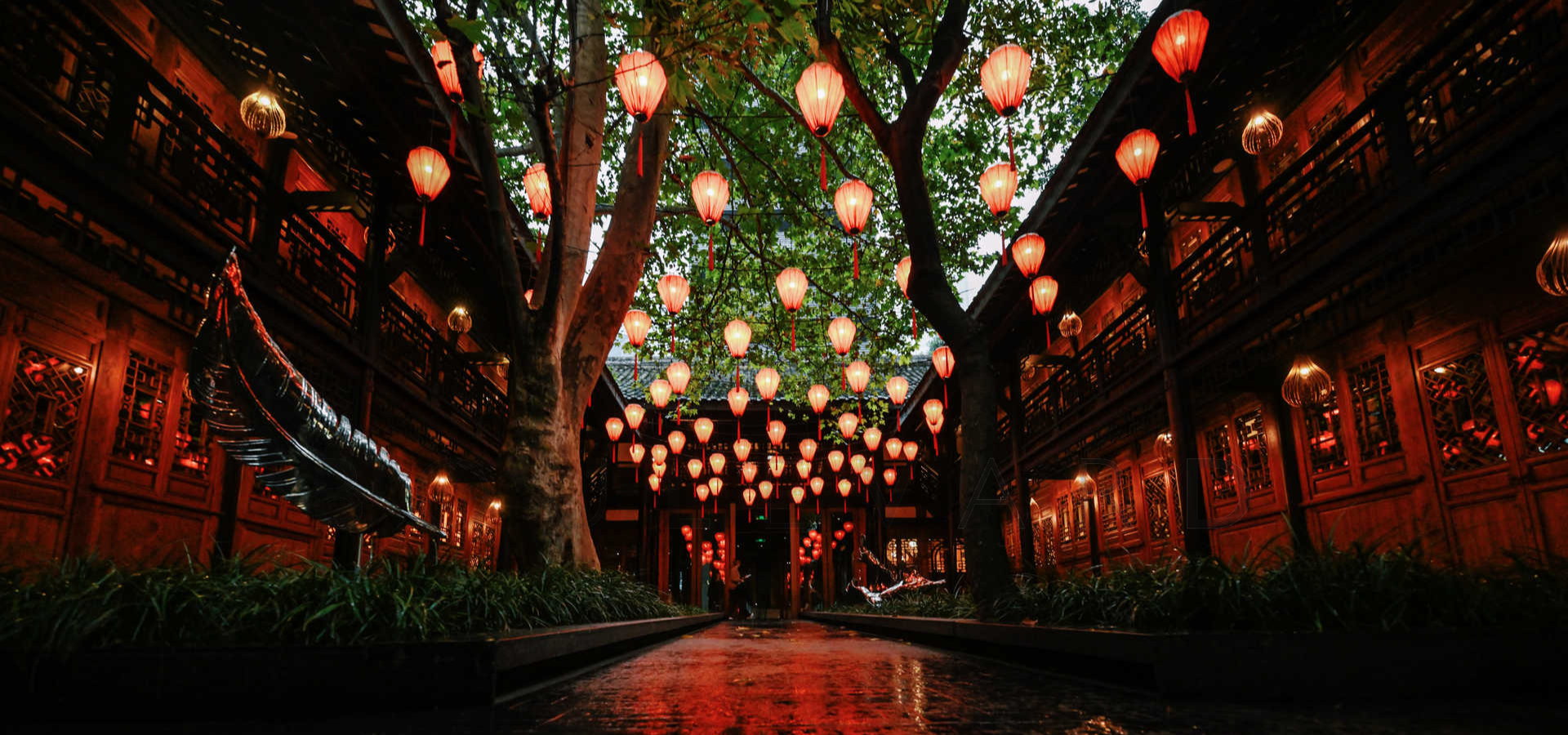
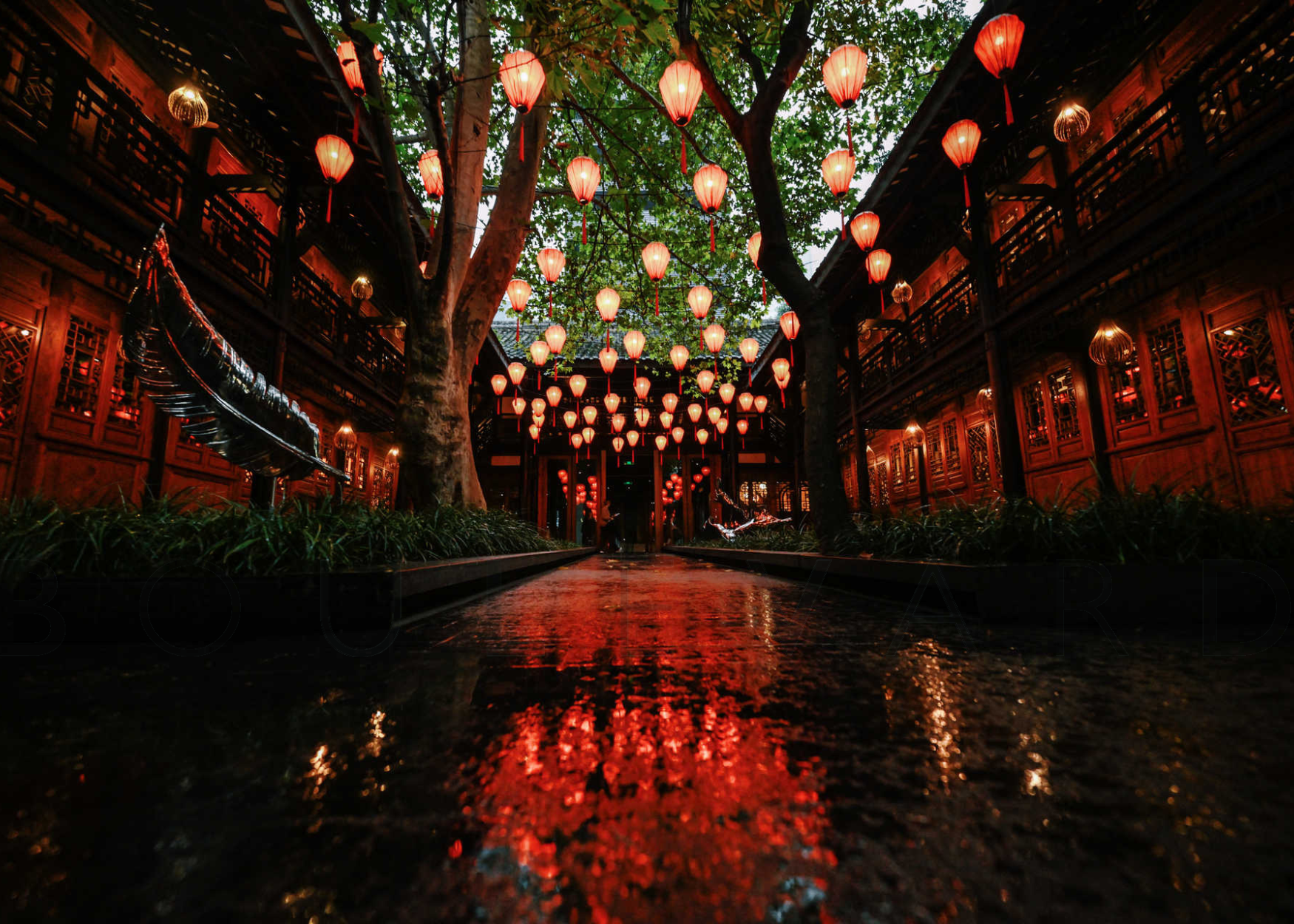
Tsingy De Bemaraha National Park in Madagascar. Top: Upper House in Chengdu, China.
Her insights are echoed by Chloe Chan, executive director of Prestige by Chan Brothers, the luxury division of Singapore’s long-established travel company Chan Brothers. It’s the small details that truly matter to an ultra-luxury guest, making them feel understood rather than just being pampered. She says, “Ultra-luxury is all about personalisation. They know not just your name, but everything you’ve shared with them, and it feels like you’re genuinely cared for.”
She adds about her recent experience at Chiva-Som in Thailand: “The staff know my name immediately. They have a very robust customer relationship management and are aware of your preferences, including dietary requirements—whether you’re lactose intolerant or otherwise.”
The new priorities defining ultra-luxury travel
As UHNW guests become increasingly discerning about how and where they spend their vacation time, Yap notes that two factors now sit at the heart of their travel decisions: a sense of privacy and true exclusivity.
There is a real desire for guests to get away from the crowds, which is why many travellers are now looking for private villas, property bookouts or expansive natural settings where they can press pause from the hustle and bustle of the city.
She adds: “Our guests tend to gravitate toward experiences that aren’t usually available to the general public. Some examples of this include the recent launch of andBeyond’s new red panda and tiger tracking expedition along the India-Nepal border, as well as the restored Oberoi Rajgarh Palace, which offers uncrowded tiger safaris in Panna National Park.”

Panna Tiger Reserve in Panna National Park, India.
Beyond the appeal of privacy and tailored experiences, Yap also notes that “responsible tourism” is emerging as a key priority for many travellers and is no longer just an optional consideration. An example of this is the increasing demand for ethical wildlife encounters in South Africa, where tourists are able to witness and explore the natural habitats of exotic animals respectfully and from a distance.
Over the past three years, this focus on responsible tourism has significantly increased among UHNW travellers from Asia. A 2022 study by TTG Asia found that 90 per cent of global travellers actively sought sustainable options when booking a trip, while those from the Asia-Pacific region were willing to pay 41 per cent more to ensure their travel was sustainable.
Where travellers are heading next
China has gained significant popularity and is set to become the most visited country in Asia amongst Asian travellers.
Data from YouTrip—a mobile financial platform that provides a multi-currency digital wallet for making purchases in over 150 currencies—shows that in the second quarter of 2025, China surpassed Japan as the top outbound destination among Singaporean travellers, with a 58 per cent increase in popularity.
Chan notes that travellers are increasingly drawn to China not only for its technological advancements but also for its unique and less-visited destinations: “China has changed so much over the past 20 years. Travellers are now going beyond the first-tier cities they’ve already visited, moving past places like Chengdu and Hangzhou, and exploring what we call ‘exotic China’, such as Yunnan and Xinjiang, for the scenery and natural beauty.”
Yap also highlights that China is one of the most in-demand destinations from their client portfolio: “Lots of guests are drawn to its culture and food, and it is a year-round destination with plenty to discover. Plus, its proximity to Singapore makes it an easily accessible destination, whether for short getaways or longer and more immersive trips.”
“Families in particular are increasingly travelling with their children to explore cities rich in history, like Xi’an and Beijing. Of course, Chengdu is very popular too, particularly for the adorable pandas,” she adds.
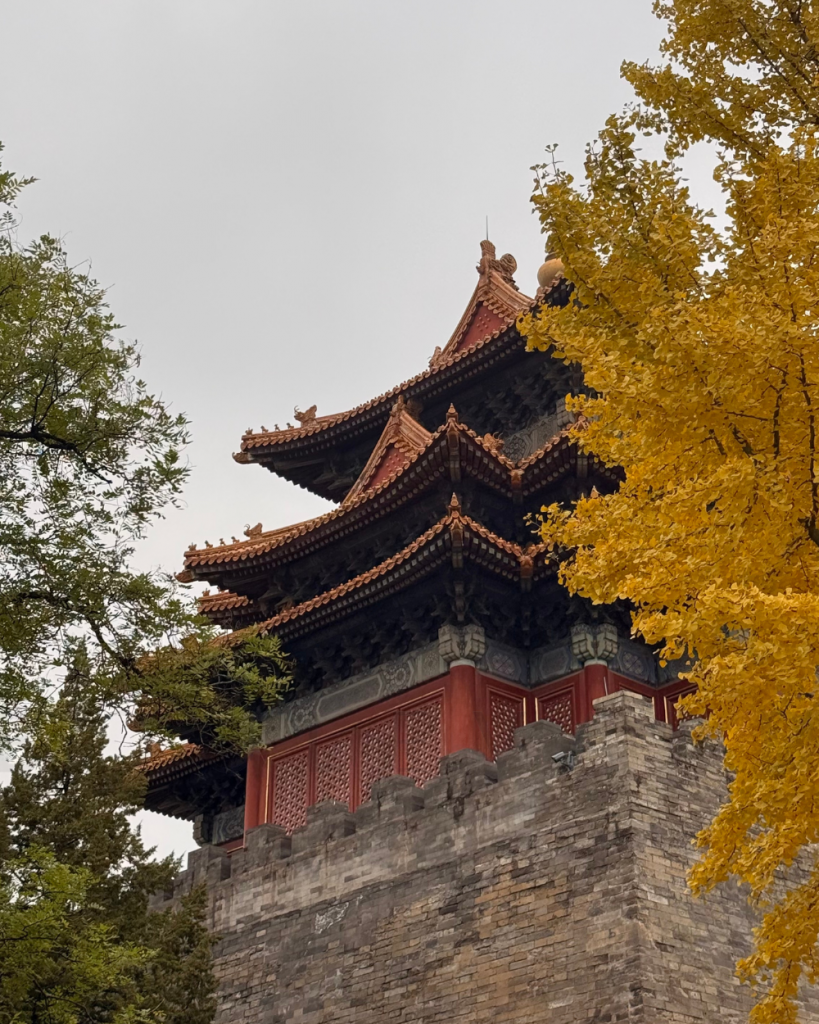

Left: Forbidden City in Beijing, China. Right: Panda in Chengdu, China.
While some clients continue to seek exceptional beachfront properties or nature-focused retreats, Chan explains that China has not replaced short-haul favourites like Bali and Bangkok, where travellers primarily look for coastal getaways. Instead, it is increasingly taking the place of traditional long-haul trips outside Asia.
“Singaporeans still travel frequently each year—typically two to three times—and often plan long-haul trips to Europe or exotic destinations such as South Africa. Today, many are choosing to replace that big European holiday with a trip to China. The shift is less about abandoning beachside escapes, which remain highly sought after, and more about substituting a seven-day long-haul itinerary with an equally enriching experience within China,” she says.
Apart from China, Yap notes that several emerging and under-the-radar destinations are gaining popularity among UHNW travellers, with Latin American countries leading the way.
“Latin America is growing in popularity among our guests, and one under-the-radar destination in particular is Chile. With its marvelous landscapes and unique experiences—like boating through Patagonia’s marble caves or going on puma safaris in the sweeping Torres del Paine National Park—and the opening of new lodges in recent times, it’s steadily becoming a favourite for travellers seeking both exclusivity and adventure,” she says.
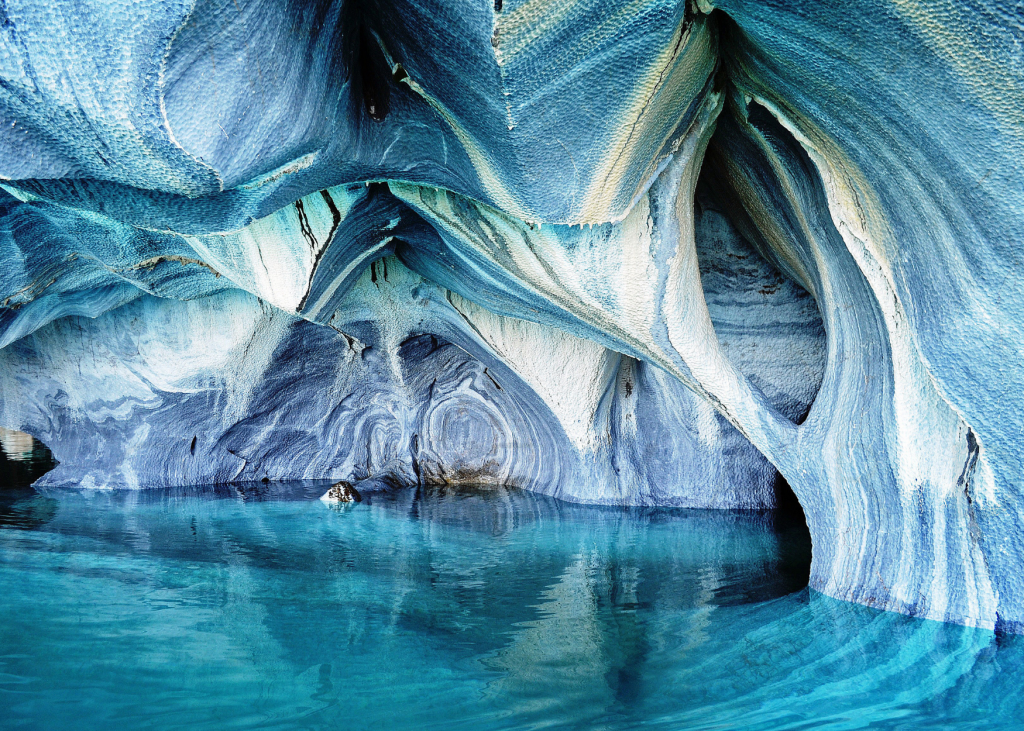
Marble caves in Patagonia, Chile.
Yap adds that Madagascar is also becoming a sought-after destination for luxury travellers, especially as increased flight routes from Emirates through Dubai and Seychelles have made it more accessible: “Guests are drawn to Madagascar for its unique biodiversity and conservation-led experiences.”
This shift is shaping how families plan their trips as well. Yap shared that most teenage travellers influence their family’s itineraries—and interestingly, their ideas are often driven not just by social media trends, but by a desire for experiences that feel both authentic and adventurous.
“City-escapes like South Korea and Paris are popular with teens, but what’s surprising is that South America and even far-flung places like Iceland are gaining traction as well. Some trips I’ve arranged for families with teens include bike tours through Buenos Aires’ most colourful neighbourhoods paired with a street food odyssey, as well as snorkelling between tectonic plates in Iceland,” Yap says.
It’s safe to say that beyond ultra-luxury destinations with exceptional amenities, travellers today are gravitating toward places that offer remarkable experiences and a sense of authenticity. And while preferences may shift, the enduring priority is unmistakable: a journey that feels intentional, immersive and deeply rooted in a destination’s true character.
Read next:
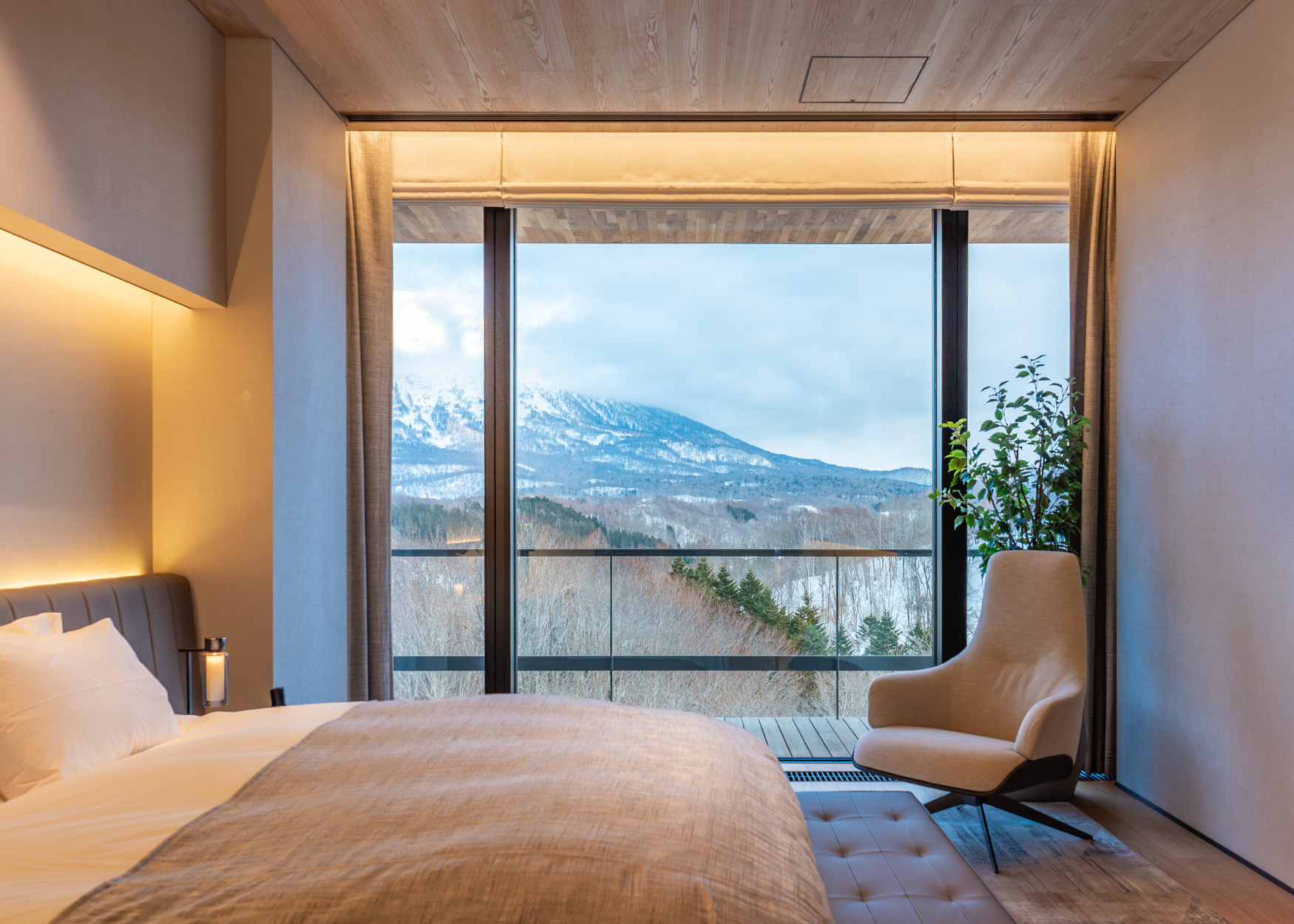
5 bed POA
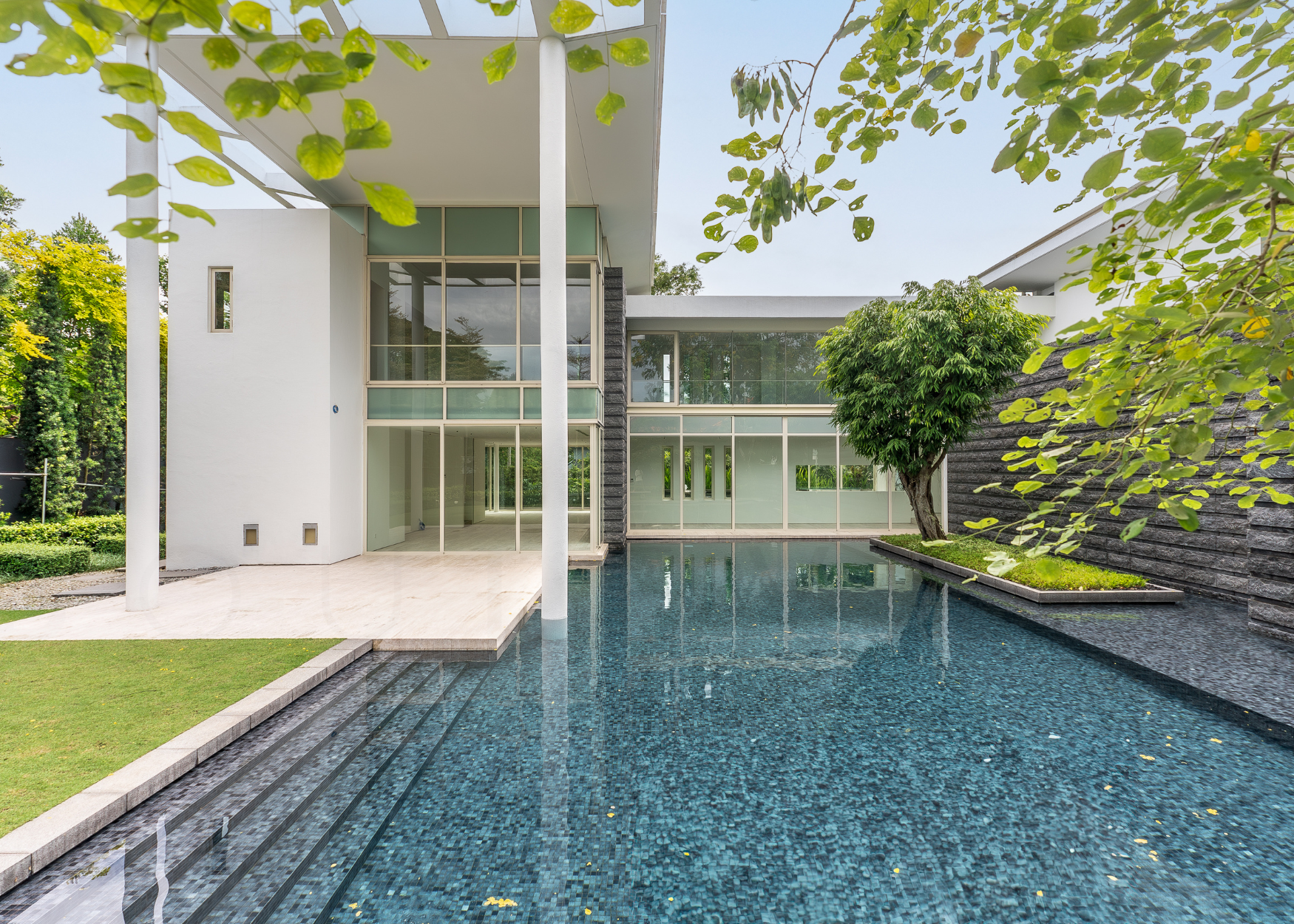
Belmont Road, D10 5 bed 43,800,000 SGD

3-4 bed | 2,702 - 8,923 area POA
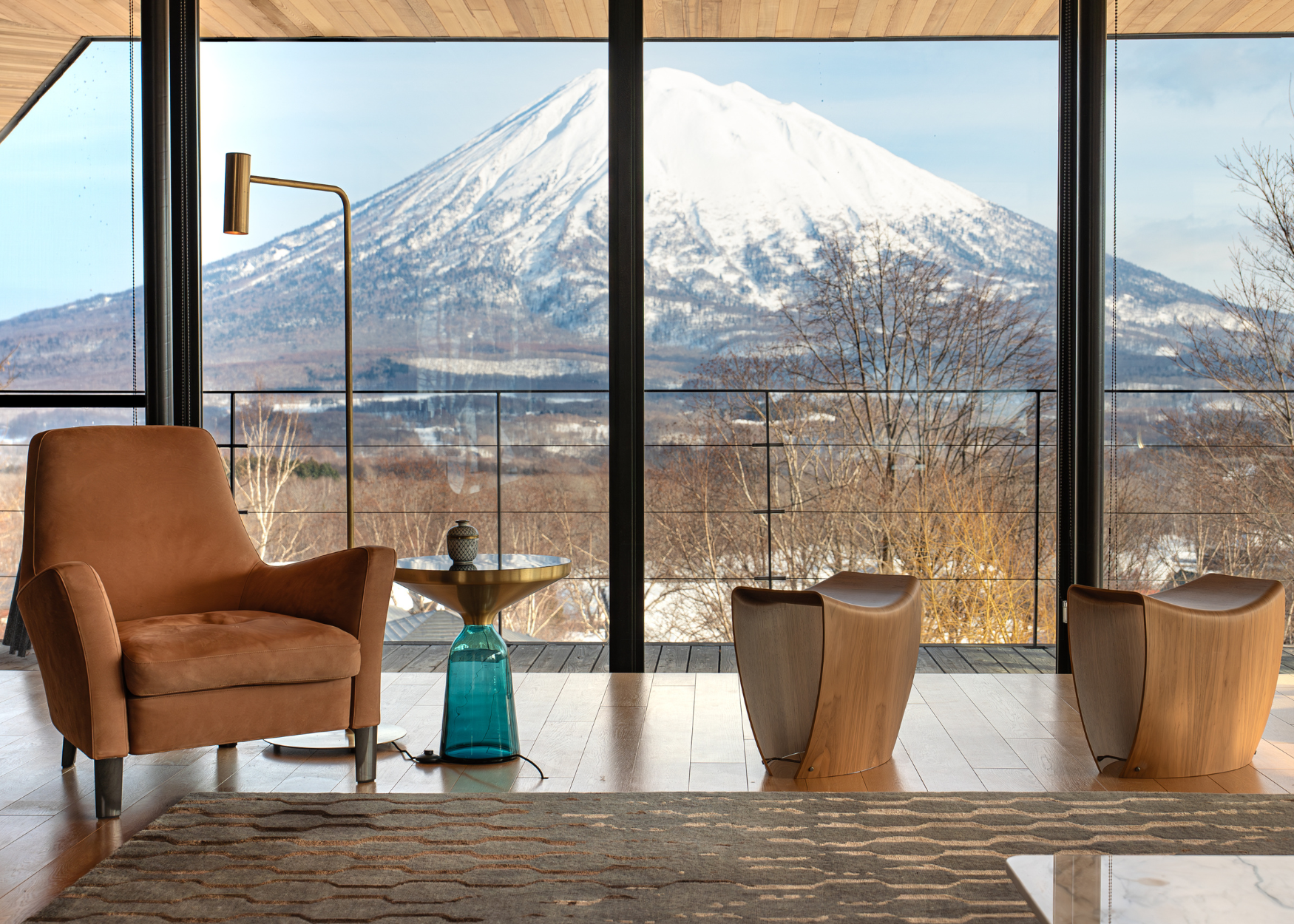
4+1 bed 20,000,000 USD
4 bed POA