The interview: Pommery’s Nathalie Vranken on how the brand honours its founder’s ethos “Never imitate anyone, including yourself”
by Annie Asistio
Photography by Jin Cheng Wong
Founded in 1836 in Reims, France, and shaped by Madame Jeanne-Alexandrine Louise Pommery after the death of her husband, Pommery secured its place in the world of cuvées with the creation of the first brut champagne in 1874—a dry style champagne distinguished by its freshness and vivacity. It was a true revolution for a wine that had, until then, been known for its exceptionally high level of sugar. Just over 150 years later, the Maison continues to honour its heritage while evolving its ethos, crafting champagnes that celebrate memories, experiences, and the joy of sharing.
Furthering Pommery’s legacy is global CEO Nathalie Vranken. She leads the maison with a vision that continues to uphold Madame Pommery’s inspiring modus operandi to this day: “Never imitate anyone, including yourself.” Guided by this philosophy, Vranken is committed to fostering creativity, introducing new cuvées, and offering experiences that go beyond a glass of champagne. For her, Pommery is not about revolution but about creating moments of emotion, pleasure, and memories—champagnes that become part of people’s cherished celebrations, from intimate gatherings to landmark occasions.
In this exclusive interview with Boulevard, Vranken explains what sets Pommery apart in the world of champagne, and how the maison creates cuvées that become part of life’s most memorable moments. She also reflects on how her marketing background shapes her leadership, the influence of Pommery’s close relationship with the arts on its craftsmanship, and what champagne truly means to collectors and connoisseurs.
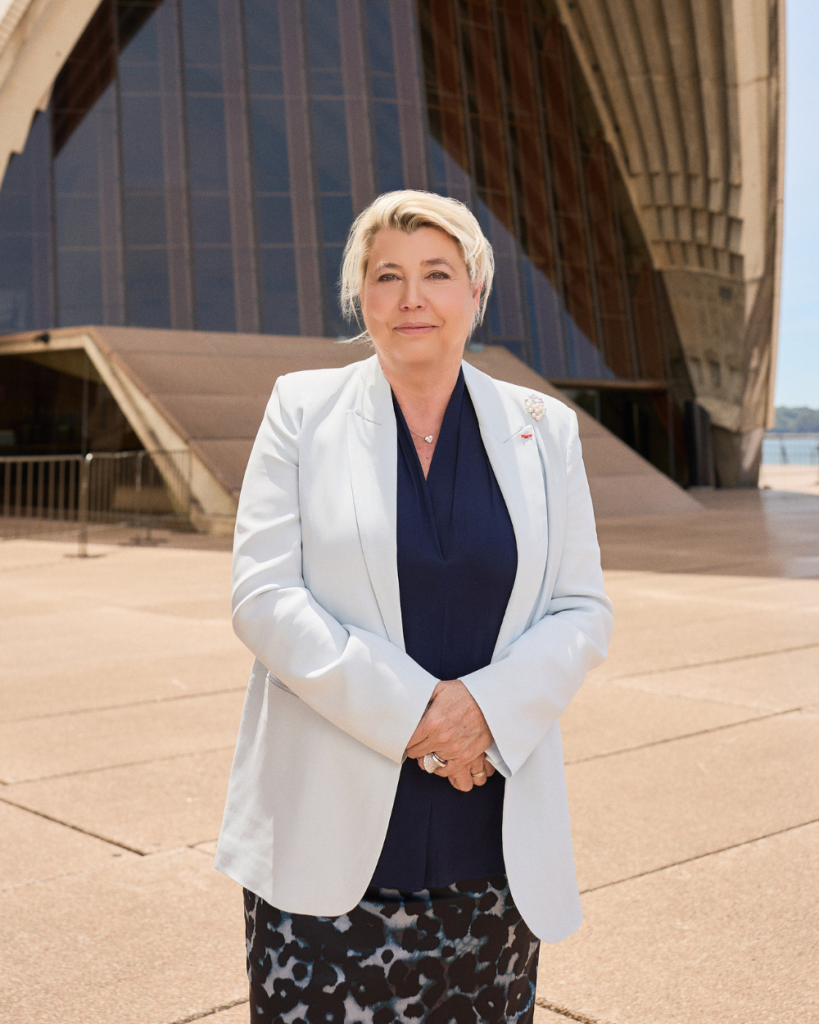
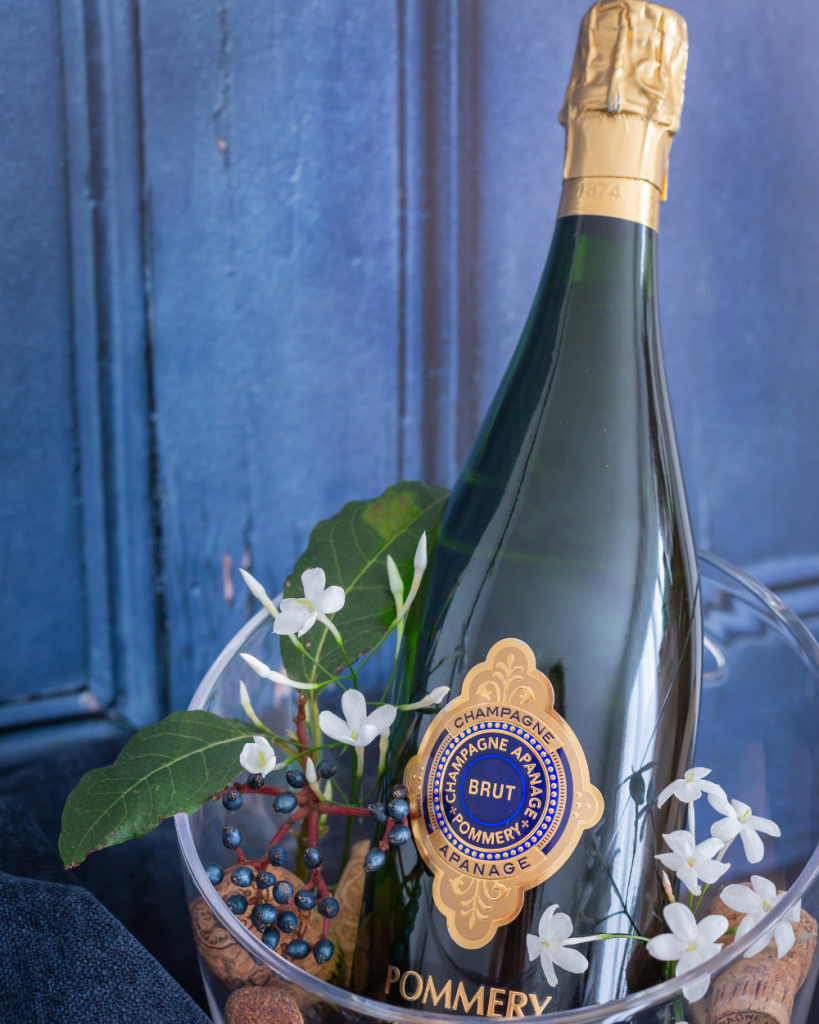
Left: Nathalie Vranken, CEO of Maison Pommery. Right: Pommery Brut Apanage 1874.
Boulevard: Pommery has a distinctive identity in the world of champagne—elegant yet daring. How would you describe what truly defines Pommery and what distinguishes it from other champagnes on the market?
Nathalie Vranken: The essence of Pommery is creativity—and blue. It’s the blue that sparks creativity, or you could call it the creative blue label—however you say it, that’s Pommery. Since Madame Pommery created the first brut in 1874, we have always celebrated that incredible innovation. We are deeply aware of, and dedicated to, these creations. I want Pommery to be seen not as a brand that seeks to start a revolution, but as one that continually brings fresh experiences to those who appreciate them.
Blvd: Your background in marketing brings a fresh perspective to the role of a CEO. How does it shape the way you told Pommery’s story and connect with modern audiences while safeguarding the brand’s legacy?
Vranken: My marketing background gives me an important connection to the reality of the market and teaches me to always listen to it. Advertising champagne is different from selling a product like a camera or a microphone, where advertising convinces people through technology, marketing, and awareness.
For champagnes, it’s different. The champagne you choose during occasions is important because it will be the one you remember the following year—when you gather with your family, it will hold that memory. That’s the experience you want to relive, and if it’s Pommery, that memory brings you back to us. I’m not selling a product to a tech-savvy community—I’m selling emotion, pleasure, and dreams.
So expressions are more difficult to advertise because the consumers themselves build the story. I need to be in the right place at the right time. If I’m not, you may choose another brand, and I lose not only that memory but also years of potential loyalty. Being present when the moment matters is what ensures Pommery becomes part of people’s cherished experiences.

Blvd: Among Pommery’s past releases what do they reveal about the brand’s creative philosophy?
Vranken: I have always been inspired by a phrase from Madame Pommery that I believe is both true and challenging to follow: “Never imitate anyone, including yourself.” Just because you had a good idea once doesn’t mean you should stick to it for the rest of your life. You need to keep finding new ideas, be creative, and help other people join the journey of the Pommery community.
You should listen to your market and create products that meet their expectations, while never compromising on quality. For example, every bottle must remain in the cellar for at least four and a half years. It doesn’t matter if it costs a fortune to store them—without that time, the product will not reach perfection.
Even small details matter, like letting the champagne rest after transport, giving it time to recover from a long journey in a container. Being patient and attentive allows people to enjoy it in a different way. It’s all these little things that make Pommery different.
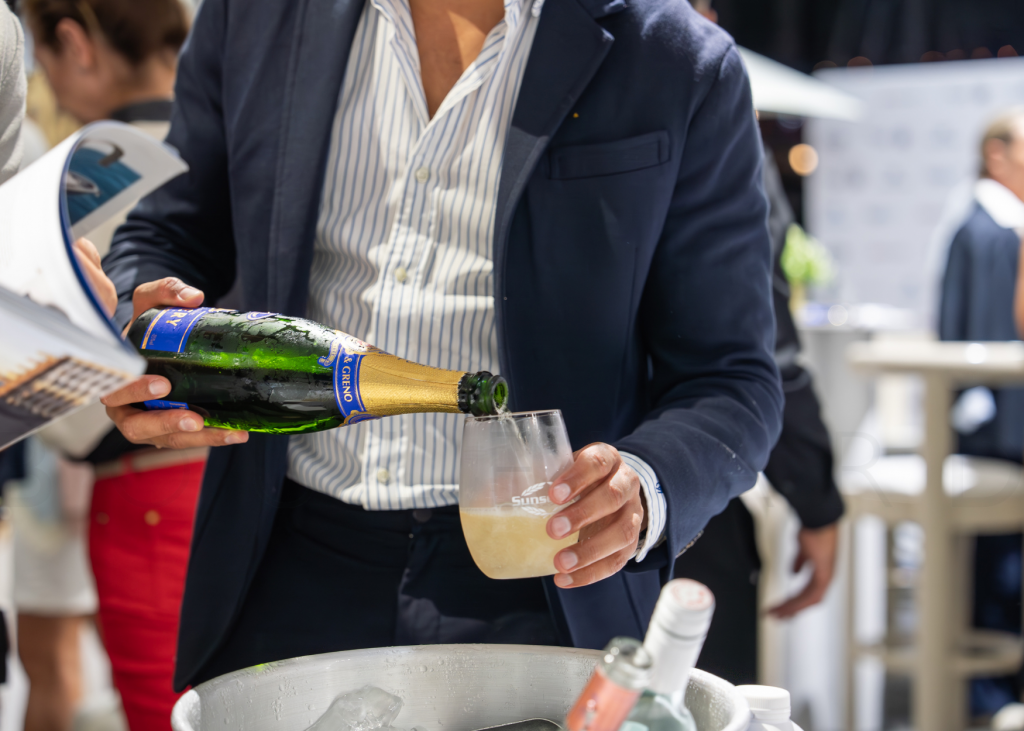
Blvd: The pandemic reshaped the global wine and champagne landscape. How did it influence the way Pommery engages with consumers and markets? And what are your observations on how the champagne industry has evolved since?
Vranken: During the pandemic, very few people were drinking champagne. Champagne is meant to be enjoyed with others, and from a French perspective, it wasn’t really a moment to drink because there was no one to celebrate with.
However, the year after, we saw an incredible increase in sales. Not because people were relieved to have survived covid, but because they hadn’t been able to celebrate for a year or more. The following year, all those celebrations happened at once, effectively doubling the number of festivities, and champagne sales surged.

Blvd: In your view, what do true collectors and connoisseurs value most in champagne? How do you cultivate desire and an emotional connection in a category so driven by heritage?
Vranken: True collectors and connoisseurs value champagne for the way it connects to memory, emotion, and personal discovery. When someone finds a style they love, they naturally want to understand it more—what gives it its character, why it resonates with them, and why it evokes certain memories.
They value a glass of champagne that carries pleasure, familiarity and anticipation. This curiosity is what keeps them discerning, always wanting to deepen their knowledge. It’s also why we continue creating new cuvées and new expressions. When you discover something you truly enjoy, you want that feeling to last. Yet, after ten encounters, even the most beloved experience becomes familiar, and collectors start seeking the next discovery.
For me, the future of champagne lies in that cycle of discovery—honouring heritage while offering new flavours, new stories and new emotions that allow collectors to keep exploring and connecting in meaningful ways.
Read next:

Belmont Road, D10 5 bed 43,800,000 SGD
4+1 bed 20,000,000 USD
4 bed POA

5 bed 10,000,000 USD

4 bed POA