
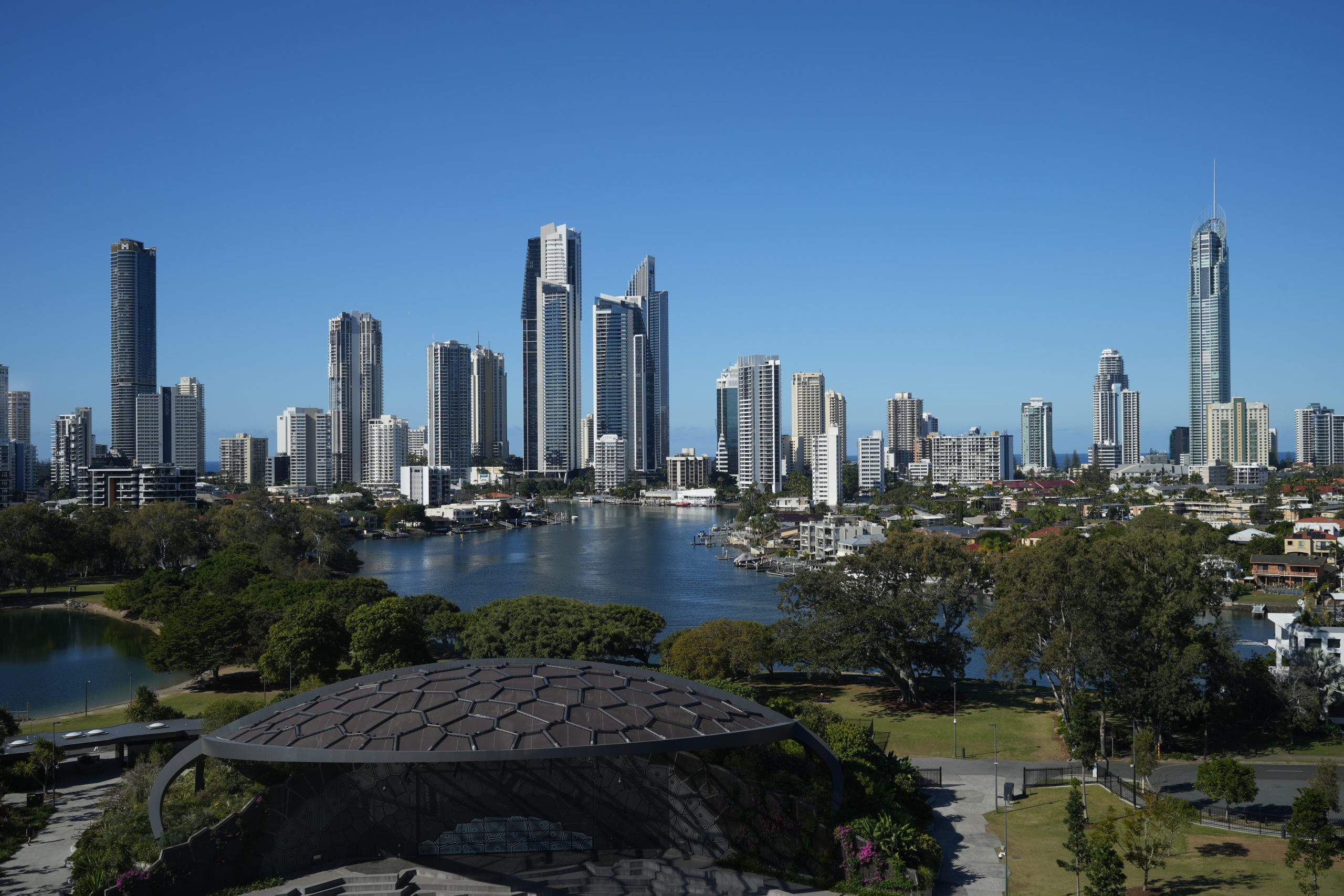
The interview: Michael Saadie reveals how NAB Private Wealth clients are adapting to volatile markets and looking to the future
by Karishma Tulsidas
Geopolitics was a major driver of the extraordinary market volatility experienced in 2025, but it was not the whole story. Inflation, interest rates, global growth expectations and even individual sectors such as AI all played a role in driving investor actions. From a NAB Private Wealth perspective, it combined and evolved into heightened levels of portfolio adjustments in response to their clients’ risk appetites.
“The year just past was characterised by one of the most significant resets in global capital flows since the 2008-09 financial crisis,” says Michael Saadie, Executive NAB Private Wealth and CEO of JBWere. “There was a shift away from the US as a recipient of investment, with investors pivoting towards Europe and Asia. This was driven by geopolitical policy settings and divergent economic cycles.”
“The Trump administration has been a key driver of this shift, and that was particularly evident in the first half of the year as we witnessed a sharp shift towards fixed income as clients sought stability and return for risk. In that first half, we more than doubled the bond activity of the previous year,” says Saadie.
“At the same time, the market experienced a series of impacts that drove investor actions. Capital flows and investor favour shifted away from China as its growth prospects remained subdued. The stampede to get positioned in major US tech stocks, particularly AI-orientated ones, continued in the first half of the year, but as we enter the new year there is a marked rotation out of the sector towards defensive segments—defense, consumer staples, healthcare.”
“We also face headwinds with the ongoing stickiness of inflation, shifting expectations of global growth prospects, the length of China’s slowdown, and ongoing uncertainty as Trump pursues multiple avenues internationally to push his ‘make America great again’ agenda,” adds Saadie.
The uncertainty from these headwinds has, not surprisingly, led to softening risk appetite: “One of the biggest things we’ve seen in the last six months is the number of individuals buying gold,” says Saadie. “They’re looking for mild risk with an appropriate return. If they can build a bond portfolio producing six to six-and-a-half percent, they’re pretty happy.”
Geographic diversification has also become increasingly pronounced: “Clients are looking at more diversification outside Australia to gain access to sectors with low domestic availability, such as defense, big pharma, AI, robotics and aerospace industries. But there is also the rise of private capital markets driving investments offshore, as well as the ongoing flow of funds into ETF’s and the ease they provide to global investment exposures.”
However, despite all these shifts some things remain the same. Property retains its claim as central to wealth portfolios across generations.
“We have a really large mortgage book, and a very large commercial real estate book,” Saadie says. “Real estate is always a core plank of every portfolio, whether it’s a home, a second home, or investment through REITs. It’s front and centre on everyone’s balance sheet.”
While property remains foundational, investment preferences vary by region. “What I’ve seen in the past five years is that people are investing differently on state-by-state basis.” In Victoria, for example, Saadie observes strong interest in commercial real estate, primarily industrial properties, and a retreat from residential investment properties due to the high-tax environment; others are increasingly looking interstate or offshore—including to South-East Queensland and Singapore—to align investments with their appetite and circumstances.
Across all asset classes, however, Saadie stresses that wealth management at the highest level is never standardised. “In this high net worth and ultra-high net worth segment, every individual is different,” he says. “Their needs are complex. There’s no cookie-cutter approach. It’s about understanding your client at the deepest level, doing the right account planning, and tailoring things appropriately.”
That philosophy underpins NAB Private Wealth and JBWere’s positioning in the market. NAB Private Wealth supports clients through banking, lending and investment platforms, complemented by JBWere’s advisory, family wealth and succession capabilities.
Saadie brings more than three decades of experience in financial services to both roles. He joined NAB in 2011 and was appointed Executive of NAB Private Wealth and CEO of JBWere in January 2023, having previously led NAB’s Business Banking Metro Australia division, served as Chief Risk Officer for Business and Private Bank, and headed the bank’s UK and Europe operations. He has spent his career working across corporate and institutional banking, private banking, wealth management and commercial property.
Given the combined expertise of both NAB Private Wealth and JBWere, Saadie believes the group’s breadth of capability is unmatched in the country. “We’re the only private wealth business in the Australian market with a comprehensive integrated offering, combining banking, investments and advice in a single connected experience,” he says. “We have our private bank that does structured lending for complex deals and high net worth families; we have our investment advisors who offer bespoke opportunities for our clients; and we have nabtrade for our self-directed wealth clients. We offer Advice through JBWere, which is the largest and oldest advisory firm in Australia. This year, we celebrate 185 years of advice. We look after individuals, families and business organisations and help them preserve what they’ve built, but then also help them work through the next stage—as to what they do with their wealth.”
This breadth is becoming critical as Australia enters one of the largest inter-generational wealth transfers in its history.
Saadie points to research indicating that just under four trillion dollars will shift between generations by 2050.
“About 80 per cent of this wealth will initially transfer to women, typically the partner, and often with the oldest daughter taking on responsibility,” says Saadie. “So we’re very conscious of ensuring we have the right people looking after those individuals, including hiring and growing more female advisers.”
Younger generations, he adds, are also approaching wealth very differently from those who built it.
“Their appetite is very different to the generation that originated the money,” Saadie says. “The younger generation is investing more in technology and AI, as they’re quite excited about what they’ve seen in the last five or six years. And in the past two years, we’re seeing a push towards European markets, which have certainly picked up.”
This generation is also more hands-on. “They want advice, but they also want to be able to do things themselves,” he explains. “So we’re doing a lot more in terms of digital engagement, allowing clients to self-serve where they want to self-serve.”
Impact investing has also moved decisively more into the mainstream. “Some clients are focused on impact investing—ensuring their investment profile doesn’t breach their personal beliefs,” Saadie says. He illustrates this with a recent family meeting: “Three children, all very different. One is deeply focused on social impact to support indigenous communities; the other two are more return-driven. Our role is to tailor the portfolio to each of those needs.”
Beyond investments, many families are also grappling with succession—often without knowing where to start. “Only about 30 per cent of our business clients believe they’re well structured for succession,” Saadie says. “The biggest challenge is helping clients who don’t know what they don’t know.”
Those conversations frequently extend into family dynamics, governance and philanthropy. “Family dynamics are a big challenge,” he says. “That’s where being a relationship business is absolutely critical.”
For many of these business owners, giving back is a priority: “We’re also seeing more families wanting to leave legacies through philanthropy. Philanthropic advice is growing rapidly. We are the largest advisory firm in Australia through JBWere and our family advisory business. This is something quite unique—helping families structure their giving, navigate challenges, and develop family charters, which is part of our integrated offering.”
As wealth transitions accelerate, Saadie believes the opportunity for wealth managers lies not only in managing capital, but in guiding families through complexity—across generations, values, and long-term legacy.
Read next:

5 bed POA
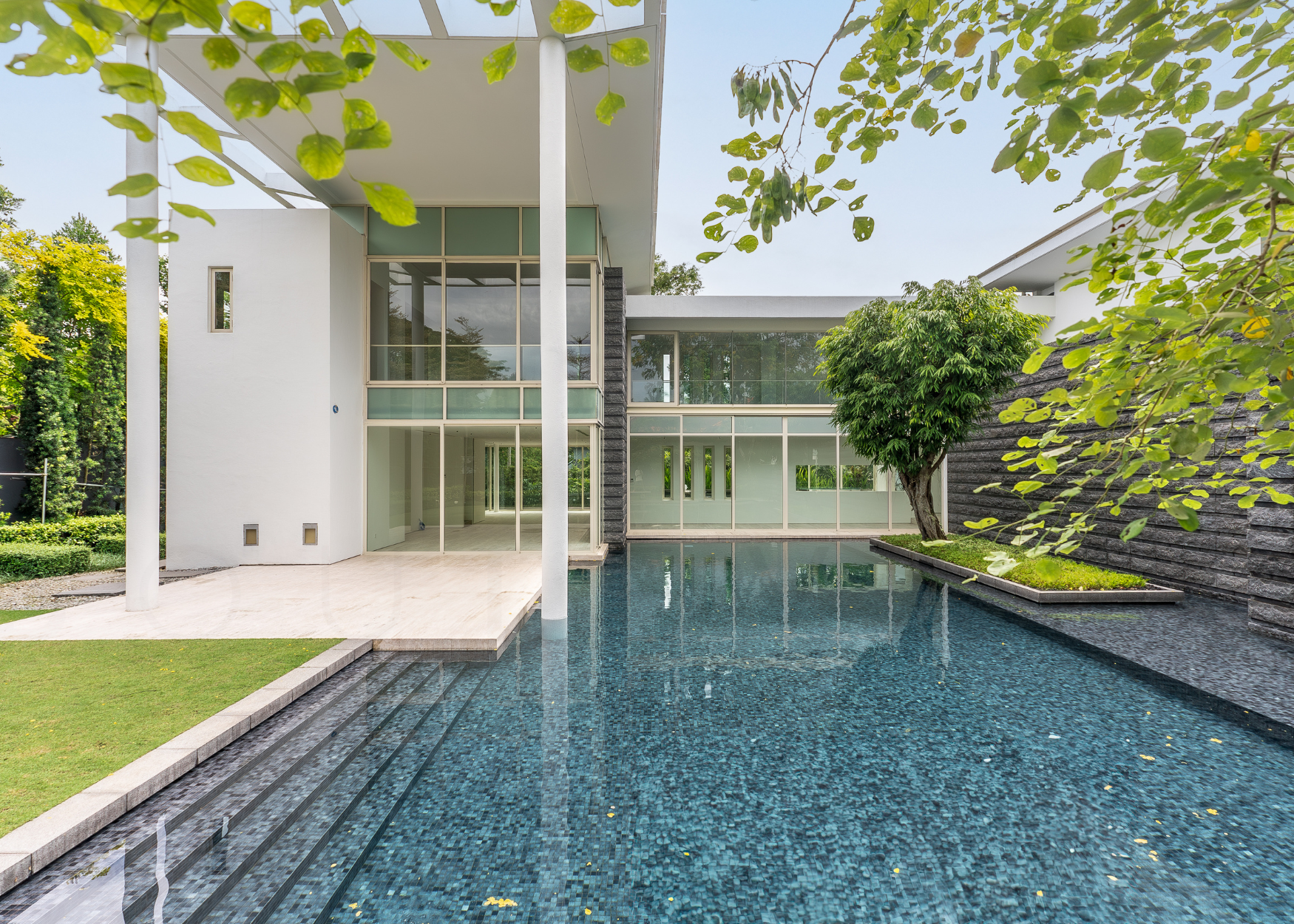
Belmont Road, D10 5 bed 43,800,000 SGD
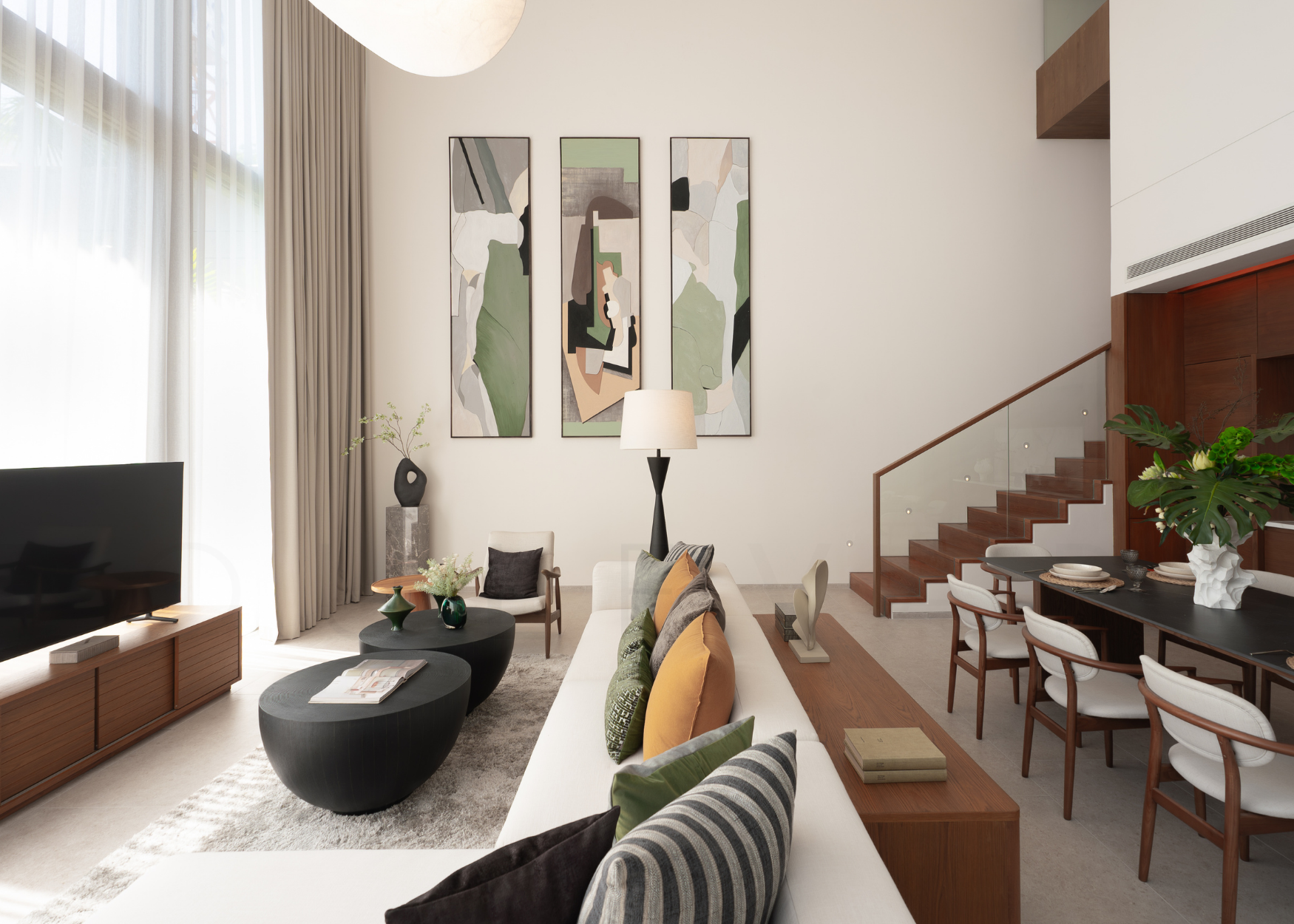
3-4 bed | 2,702 - 8,923 area POA

4+1 bed 20,000,000 USD
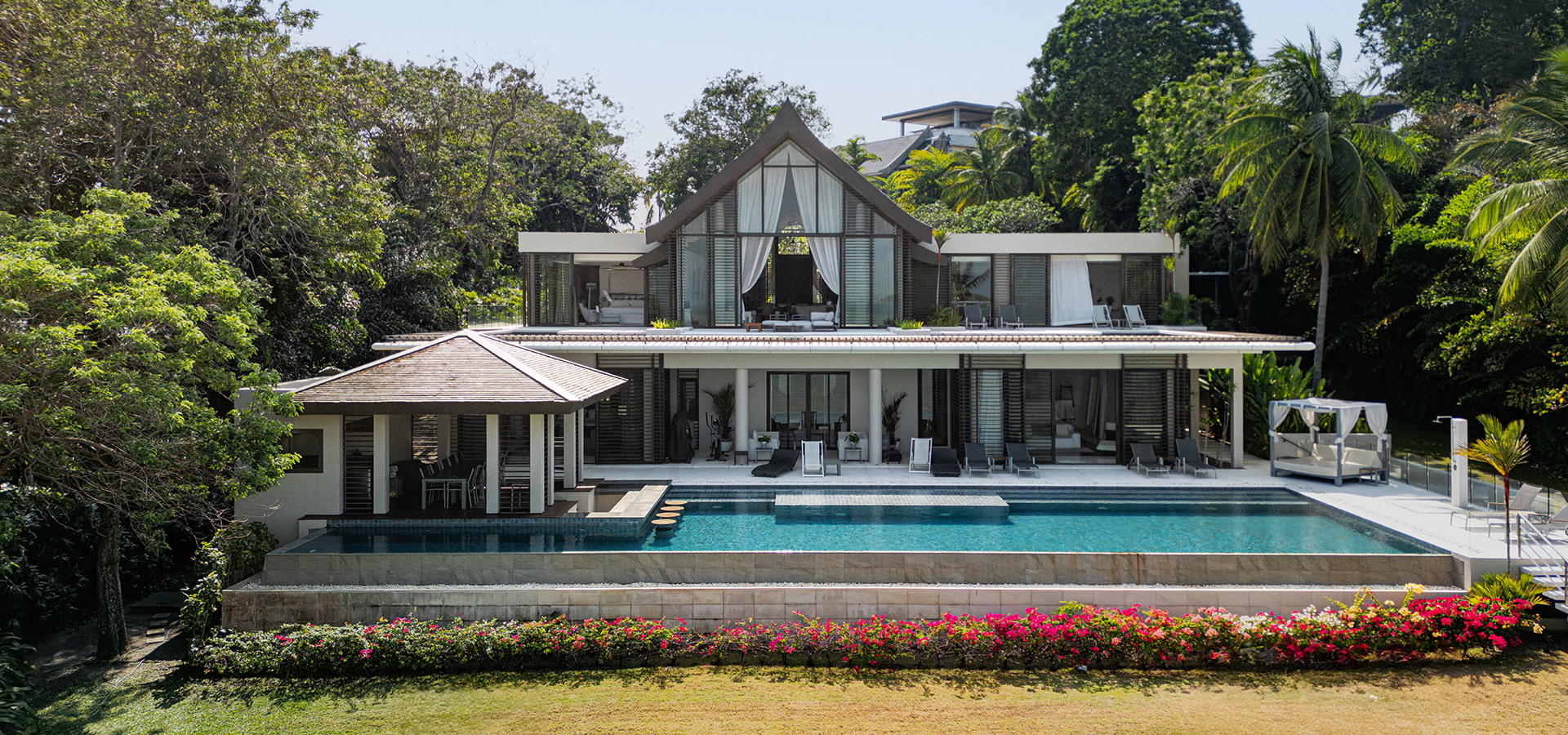
4 bed POA