When fashion captures an era in time, it becomes collectable, says Mars Marsanic
by Karishma Tulsidas
Photography by Jin Cheng Wong
Shot on location at Three Over Six showroom in Sydney, Australia.
One of the most extraordinary requests Sydney-based fashion and lifestyle concierge Three Over Six ever fulfilled was for the Hermès Sac Bijou Birkin, an 18k rose-gold bag set with more than 110 carats of blue sapphires and valued at more than AU $3 million. When a client asked for this near-mythical piece, co-founder Mars Marsanic and her team activated a global network, traced one in Asia, and personally hand-delivered it in Europe with complete discretion and security.
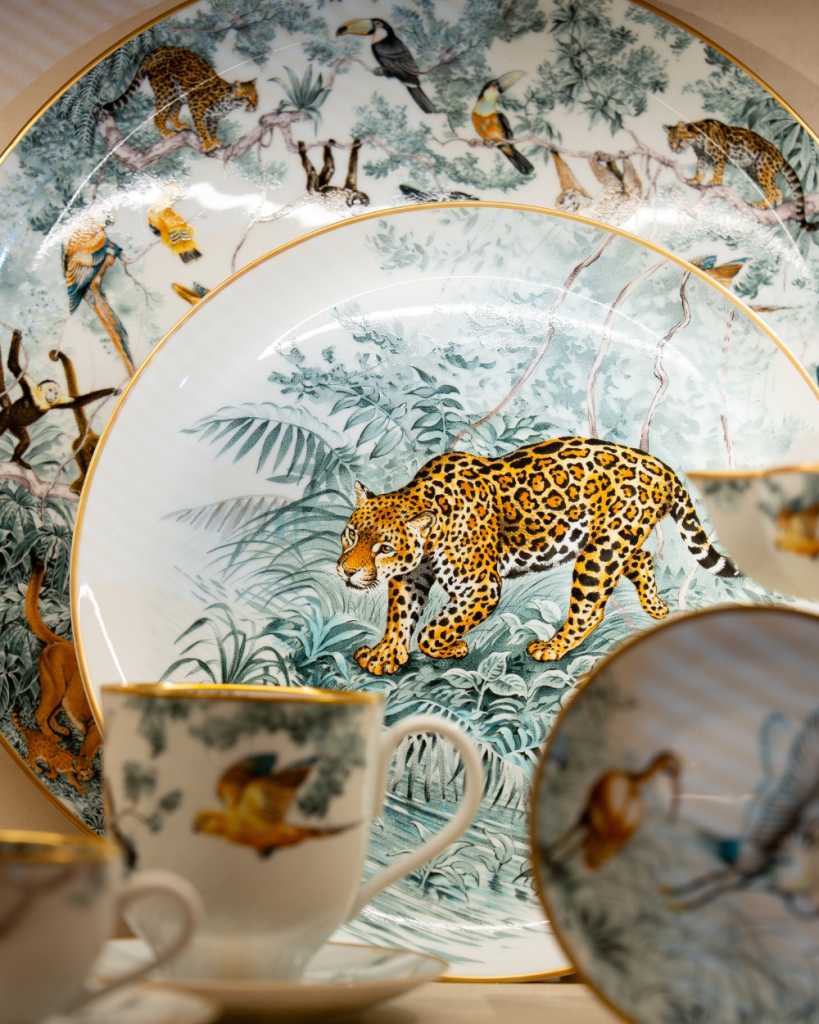
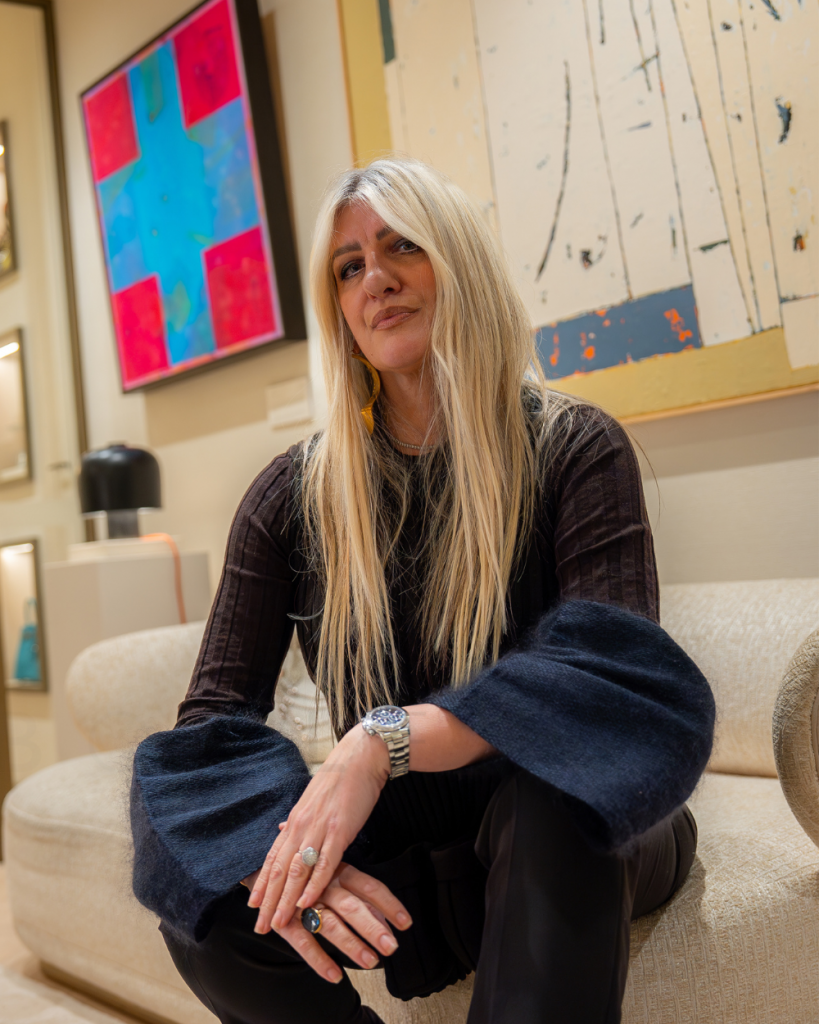
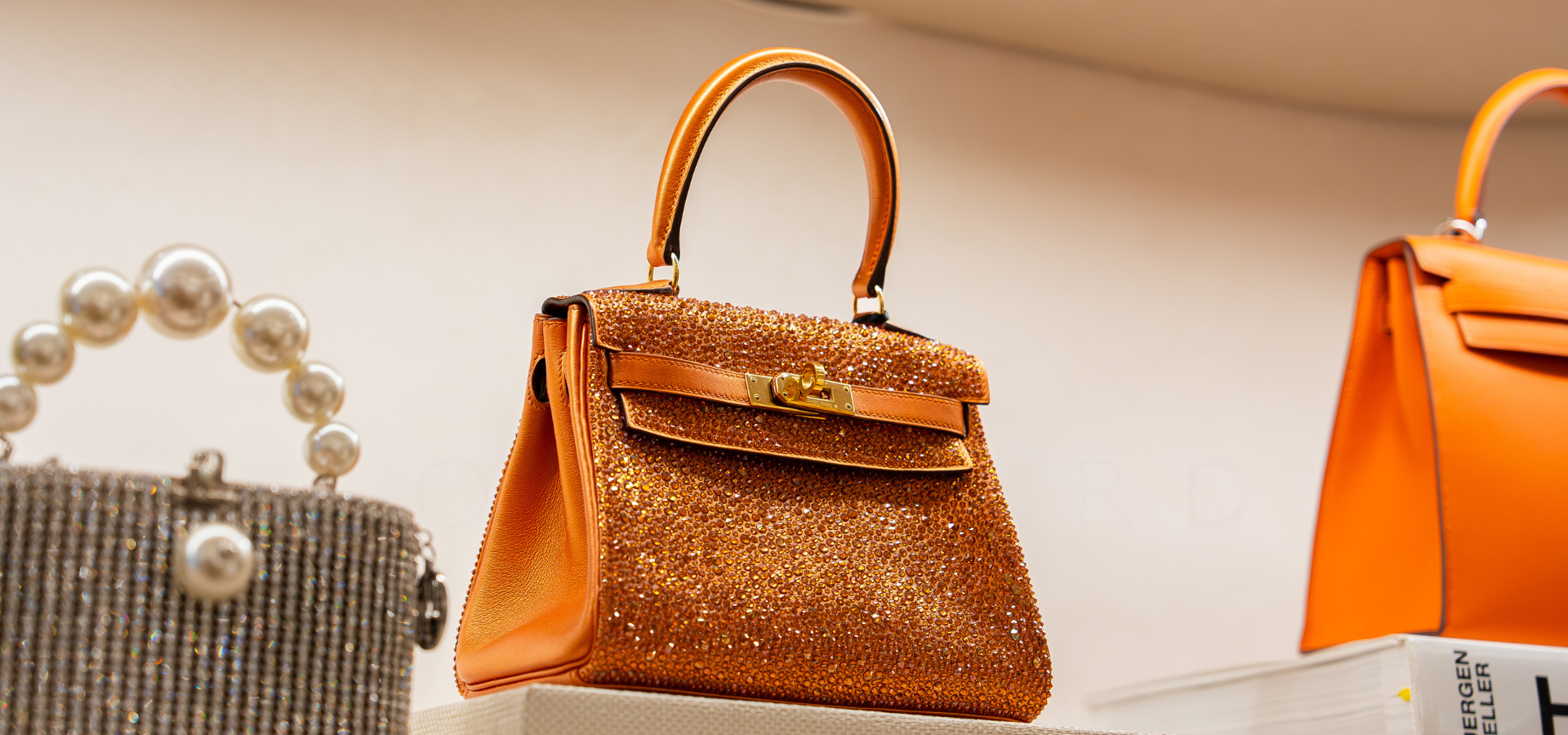
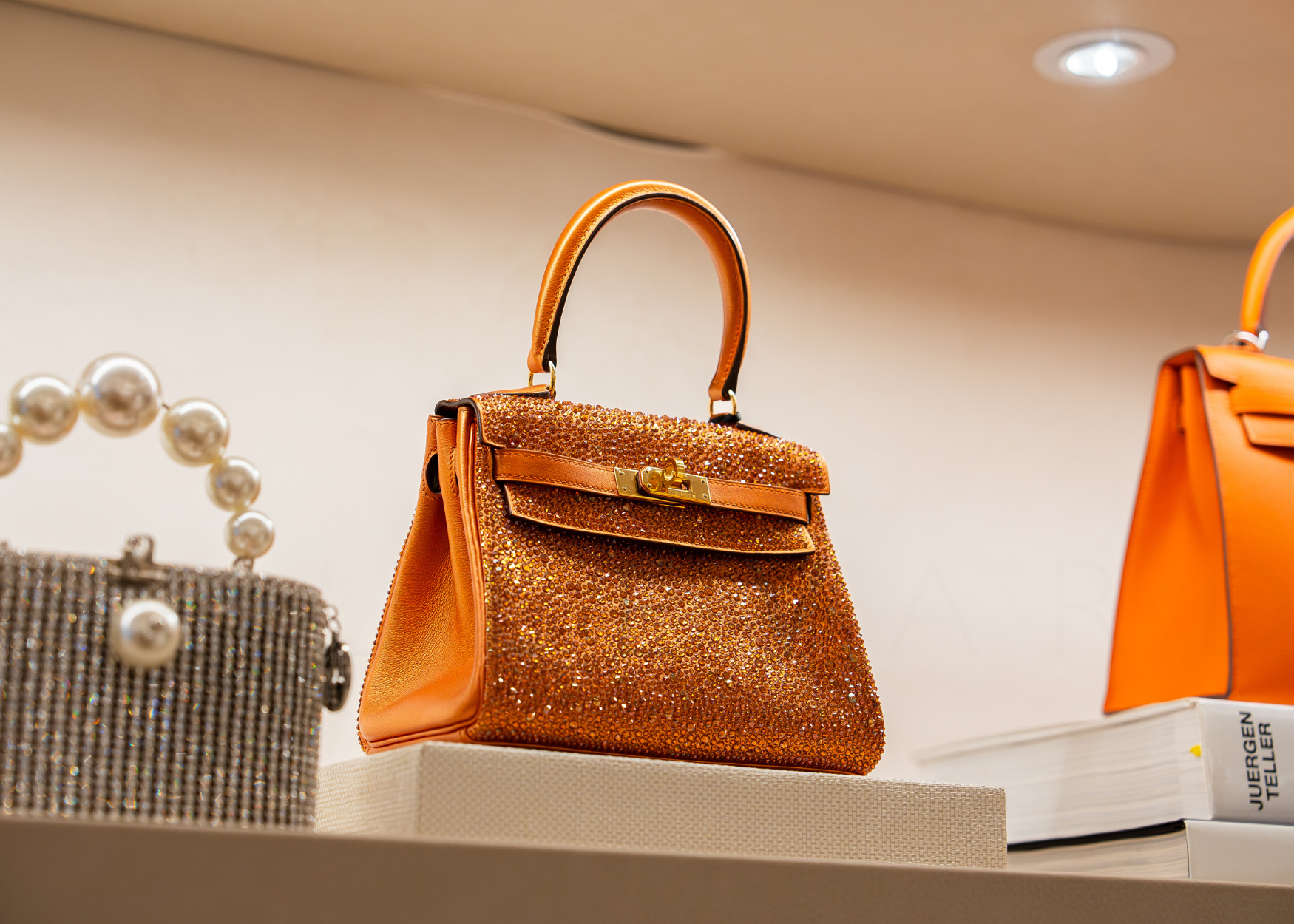
Left: Hermès Carnets d’Équateur Large Round Platter. Right: Three Over Six founder, Mars Marsanic. Top: Vintage Hermès Kelly bag in Metallic Copper set with Swarovski crystals.
Stories like this underscore the truth that drives collectors at every level. It’s never really about the price; rather, it’s about rarity, emotional resonance and the sense of owning a piece of cultural or artistic history.
And yet, after years of writing about luxury and collectability, we still circle the same questions. What actually makes something collectable? Why does one watch soar at auction while another stalls? Why does a particular Chanel bag appreciate, when its sibling doesn’t?
We put this to Marsanic: “Fashion becomes collectable when it carries artistic value, emotional resonance, and rarity,” she says. “A collectable piece captures a moment in time—an era, a designer’s creative peak, or a cultural shift—and turns it into something tangible.”
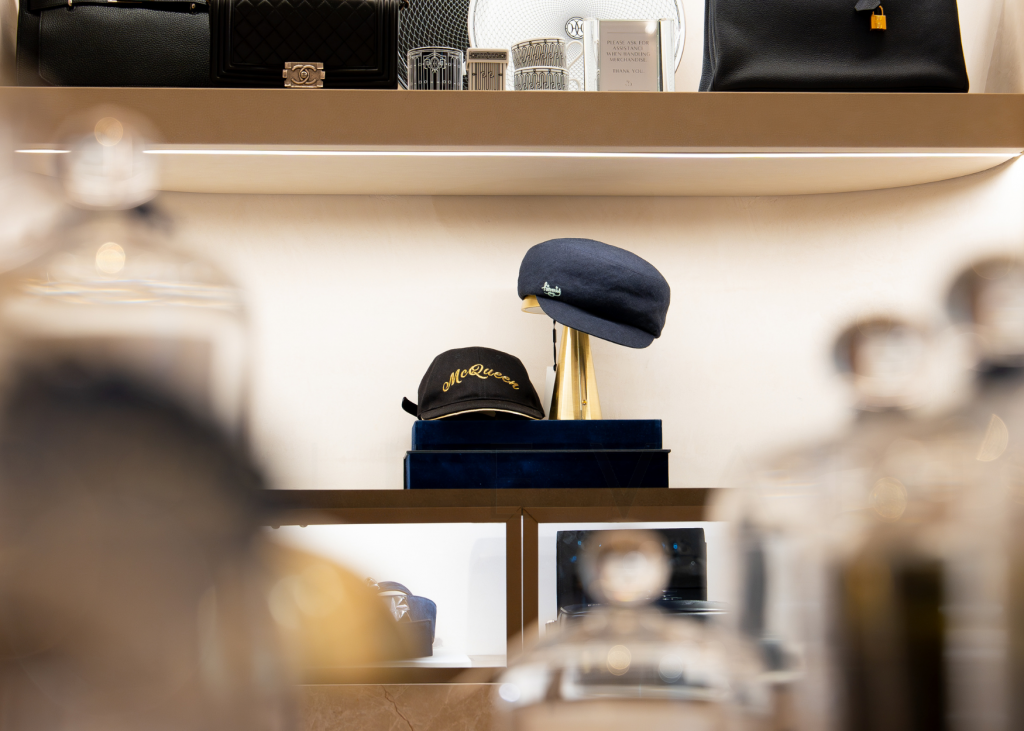
Alexander McQueen Embroidered Cap in black and gold and N&G Men’s newsboy cap in black.
Marsanic, who is based in Sydney, is a collector herself—of art, photography, vintage Chanel and Lacroix jewellery from the ‘80s and ‘90s, a growing library of art and fashion books… One of her most cherished pieces is a signed Helmut Newton Sumo book, and her guiding principle has nothing to do with projected returns. “I collect for the emotional connection. Each piece evokes a feeling, a sense of design, and a deeper appreciation of its uniqueness.”
It’s no secret that luxury—and collecting itself—has experienced tectonic shifts since the pandemic, which accelerated a move toward intimacy, comfort and self-directed style. With no galas, premieres or social gatherings to attend, wardrobes became more honest and more personal. “People began dressing for themselves rather than an audience,” she notes.
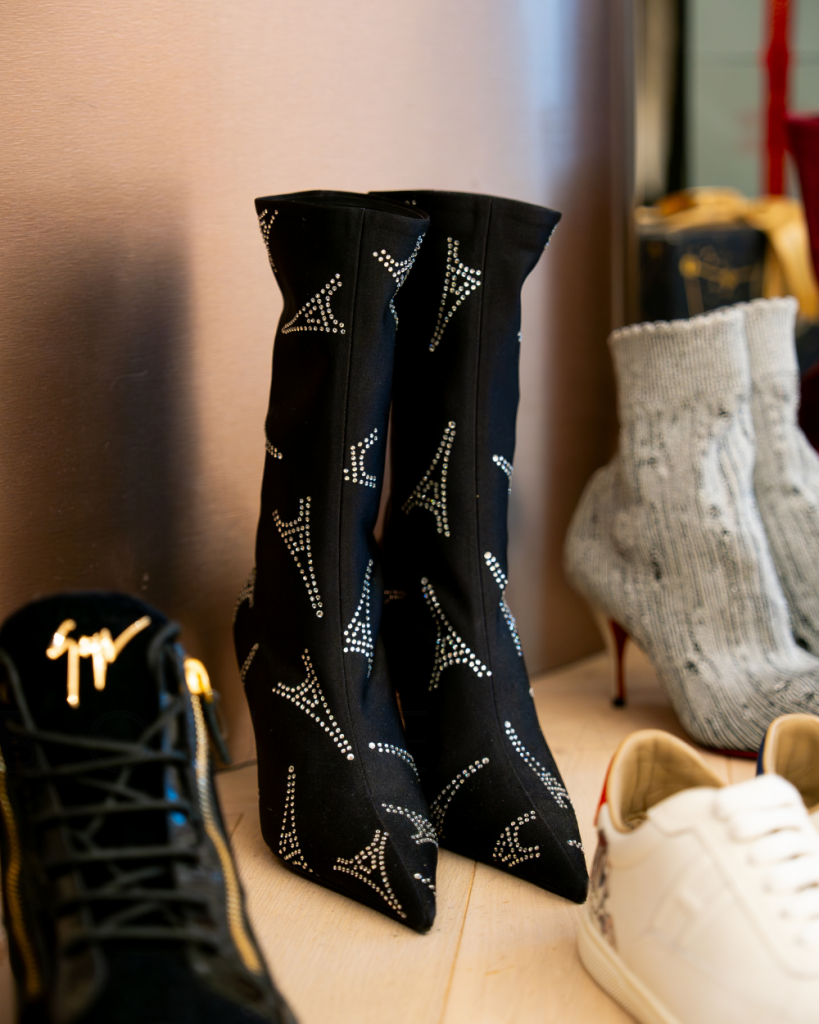
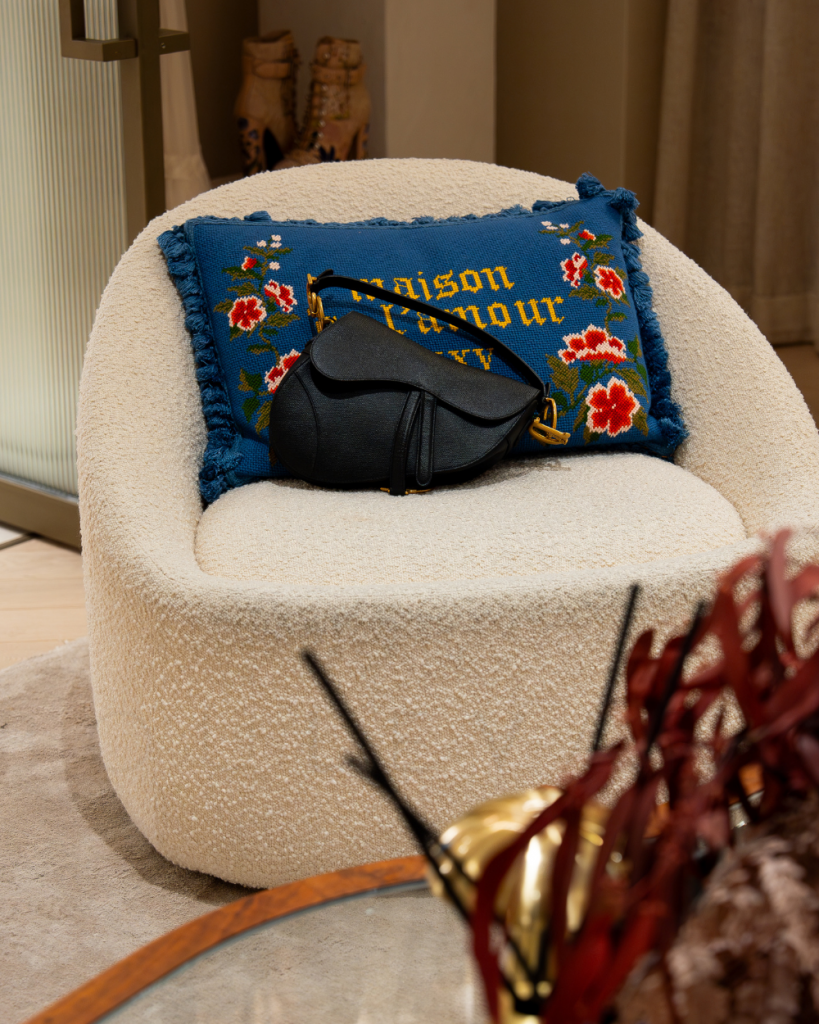
Left: Balenciaga Eiffel Tower Crystal Stretch Knit Knife Boot. Right: Dior Mini Saddle bag with strap.
That shift has clearly endured. Marsanic has noticed a gravitation toward exceptional craftsmanship, heritage, emotional resonance, and pieces that signal confidence without spectacle.
Collectors, she says, have become more exacting in recent years. “They expect authenticity, rarity, and highly personalised service. They’re no longer motivated by conspicuous consumption; they want pieces that are emotionally resonant, culturally relevant, or collectable.”
This is reflected in how wardrobes are curated today. “Combining contemporary luxury with rare, vintage or archival pieces allows clients to create something uniquely their own—a visual language built from personal taste and lived experience,” says Marsanic. “When people understand the story behind a piece, they naturally buy with more intention and care.”
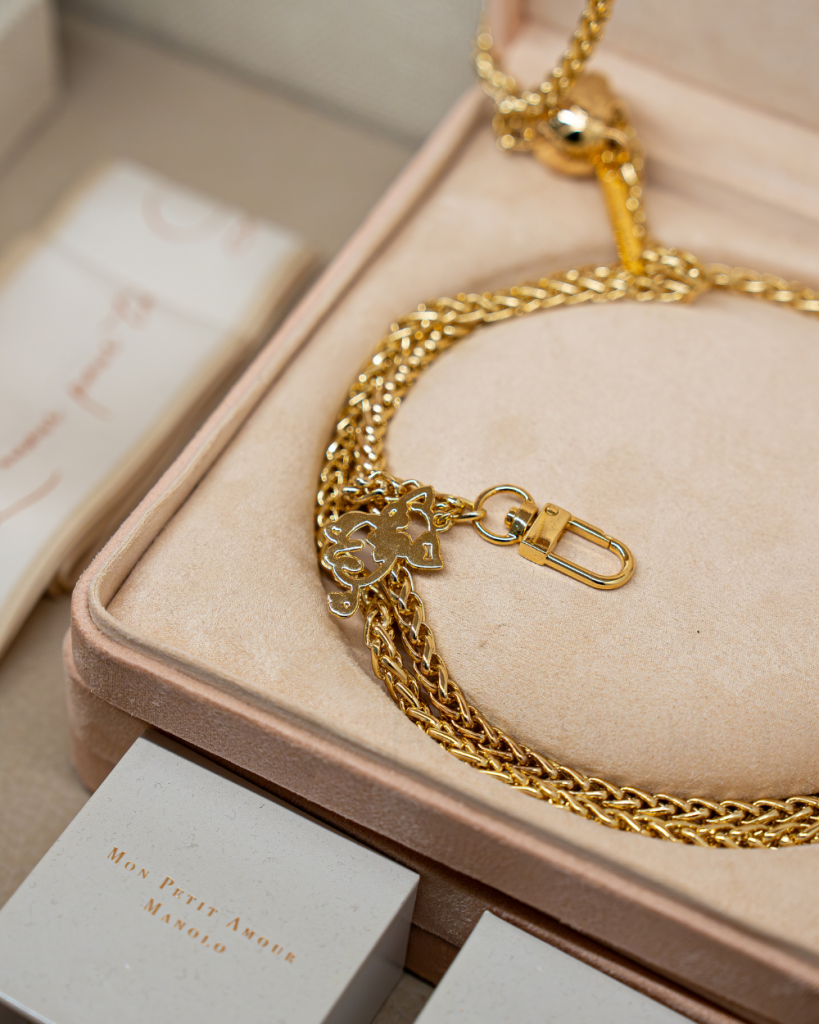
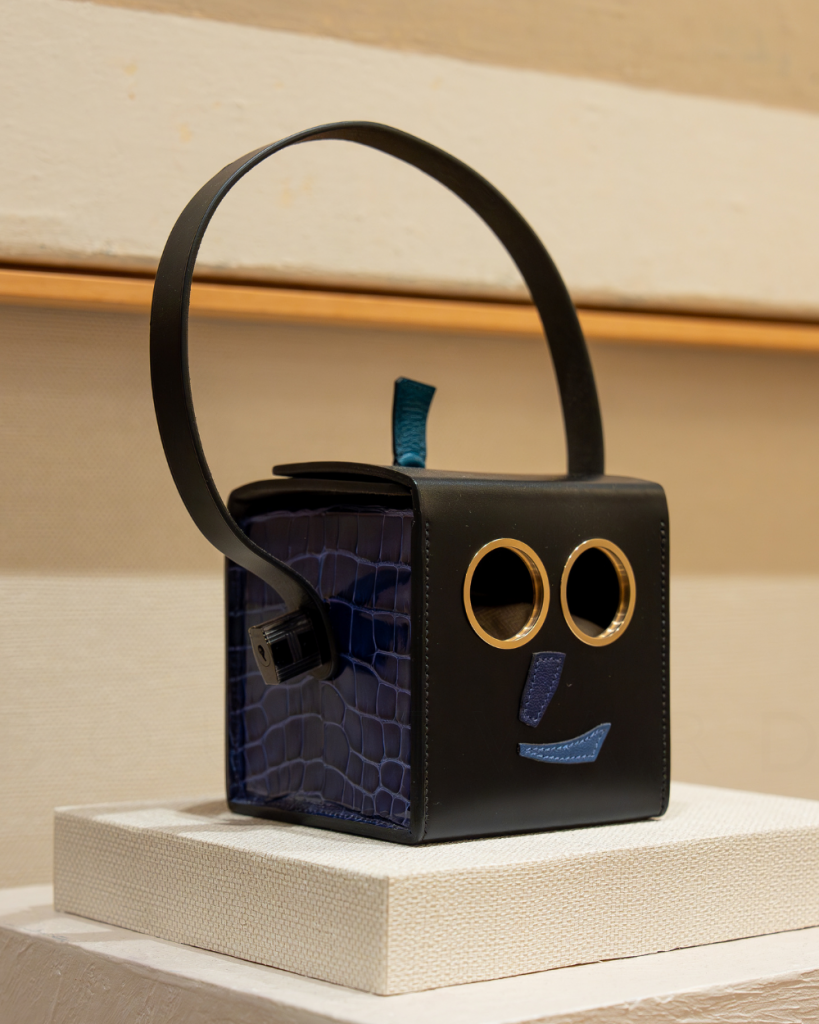
Left: Mon Petit Amour Manolo luxury pet leash in signature gold. Right: Hermès Petit H Limited Edition Robot Handbag.
In our conversation, the word intention comes up repeatedly. While trends cycle in and out, the shift toward purpose and meaning has remained. As Marsanic puts it: “Today, success is communicated through intention—choosing fewer, better pieces that hold meaning, rather than accumulating trends. Style has become more grounded, more personal, and more reflective of who someone truly is, rather than who they feel they need to be. The pandemic made fashion quieter, but also more honest.”
Ultimately, the world of collecting—whether it’s a McQueen runway look or a rare gold Birkin set with sapphires—comes down to three things: curation, meaning, and intentionality.
Read next:

5 bed POA
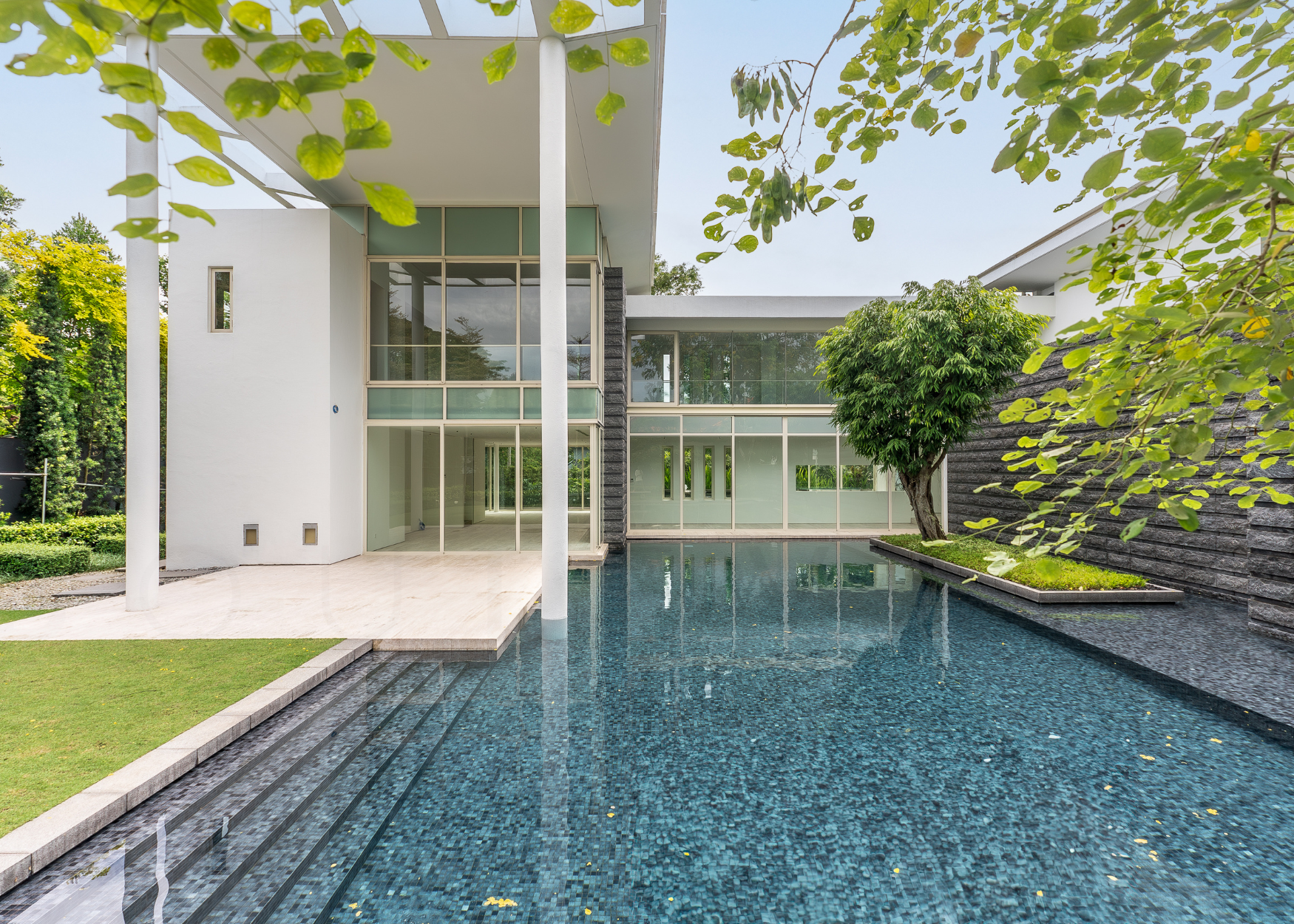
Belmont Road, D10 5 bed 43,800,000 SGD
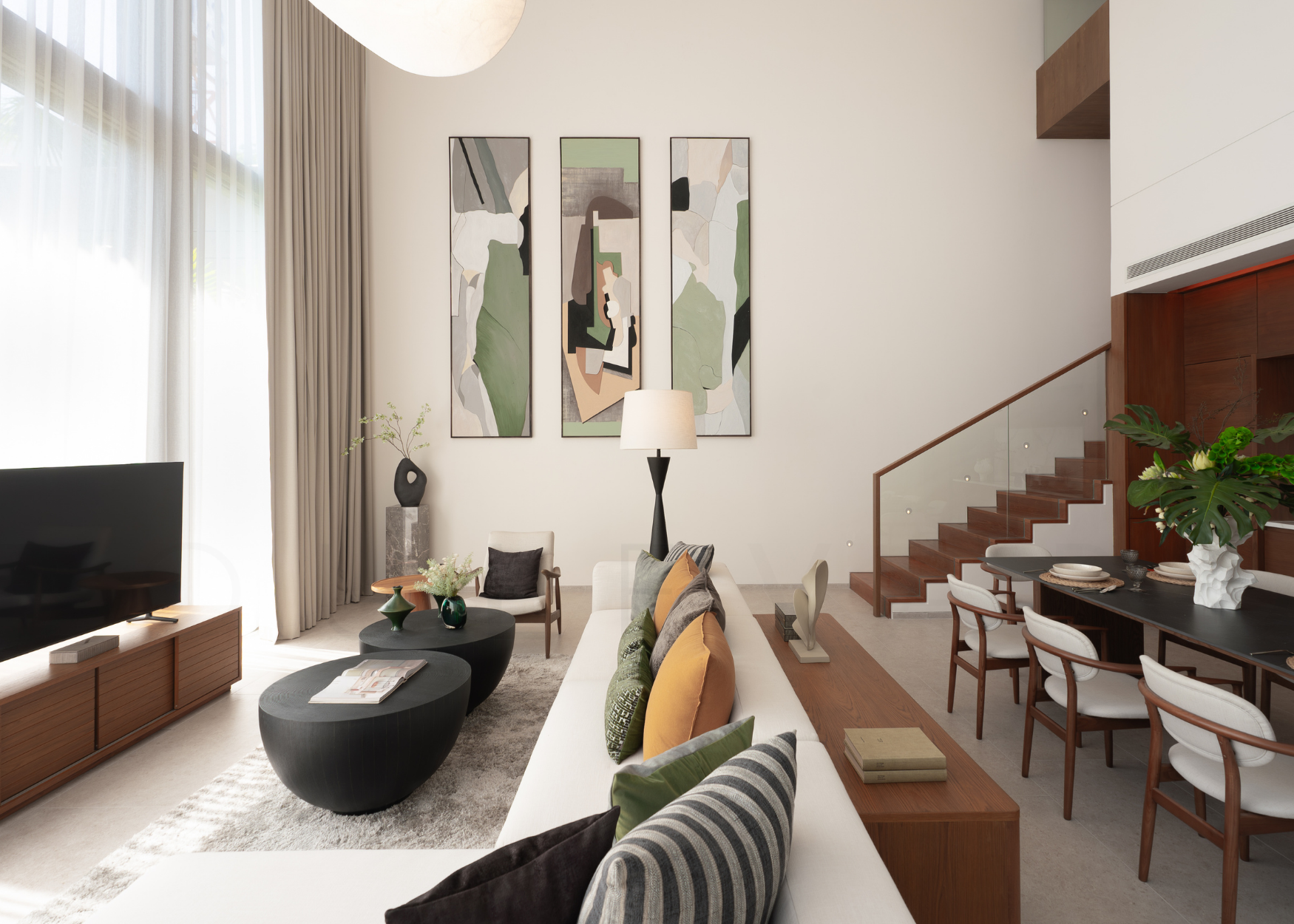
3-4 bed | 2,702 - 8,923 area POA
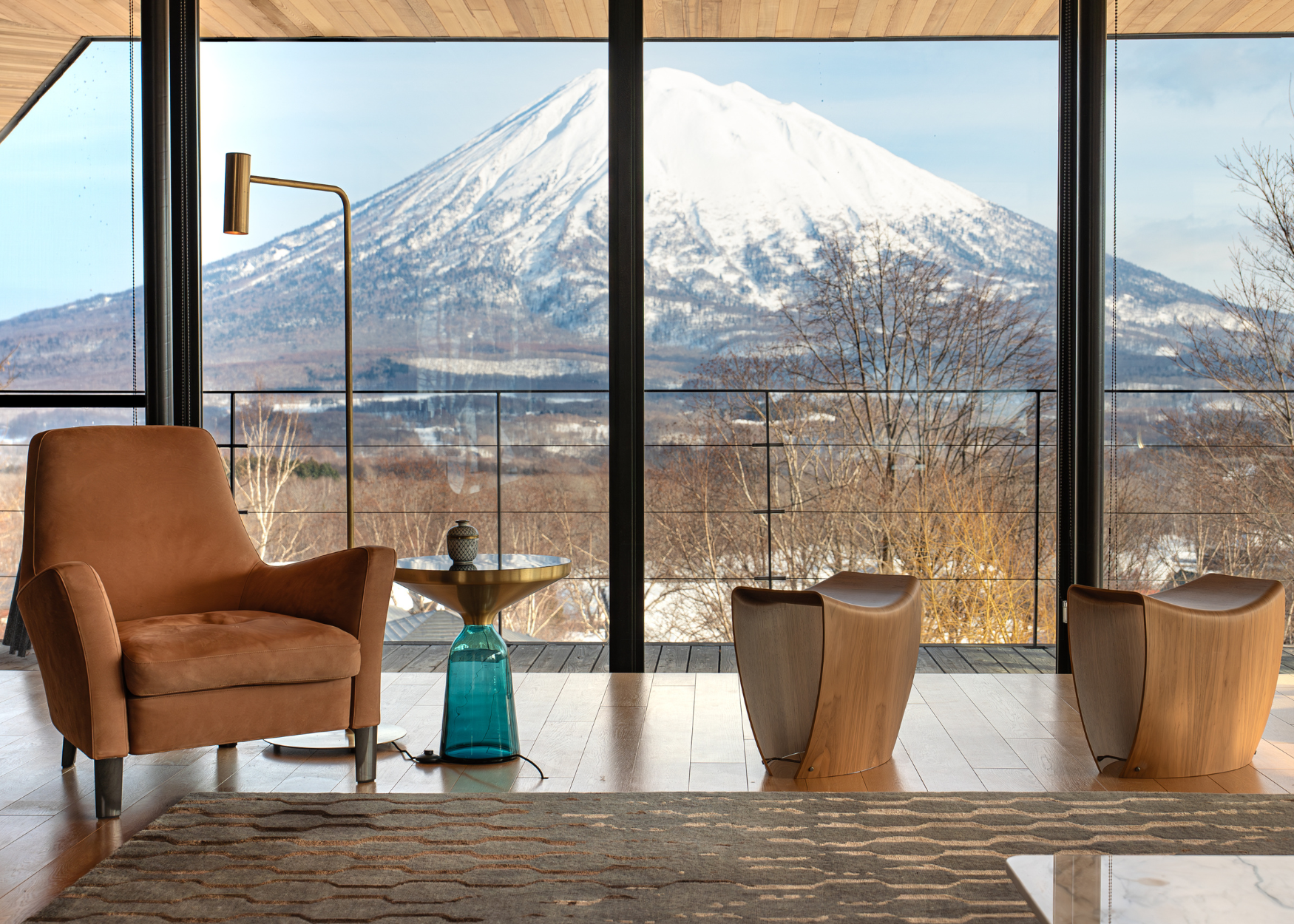
4+1 bed 20,000,000 USD
4 bed POA