Haute horlogerie is inherently archival. Maisons have long drawn on their heritage, from reissuing vintage references and revisiting calibres in new collections to restoring important pieces through in-house ateliers. Recent examples like Piaget’s Swinging Sixtie Sautoir, inspired by its 1969 creation, reflect the broader industry practice: treating watches as enduring objects with continuity rather than seasonal products.
Since the 18th and 19th centuries, watchmakers such as Vacheron Constantin and Patek Philippe have established a culture of craftsmanship rooted in permanence, where timepieces were serviced, restored and passed down across generations.
Through much of the 20th century, the secondary market existed largely in the background. Collectors traded pieces through auction houses and independent dealers, with little direct involvement from the brands themselves. The focus of haute horlogerie remained on creation rather than curation, even as vintage watches quietly began to acquire cultural and financial value.
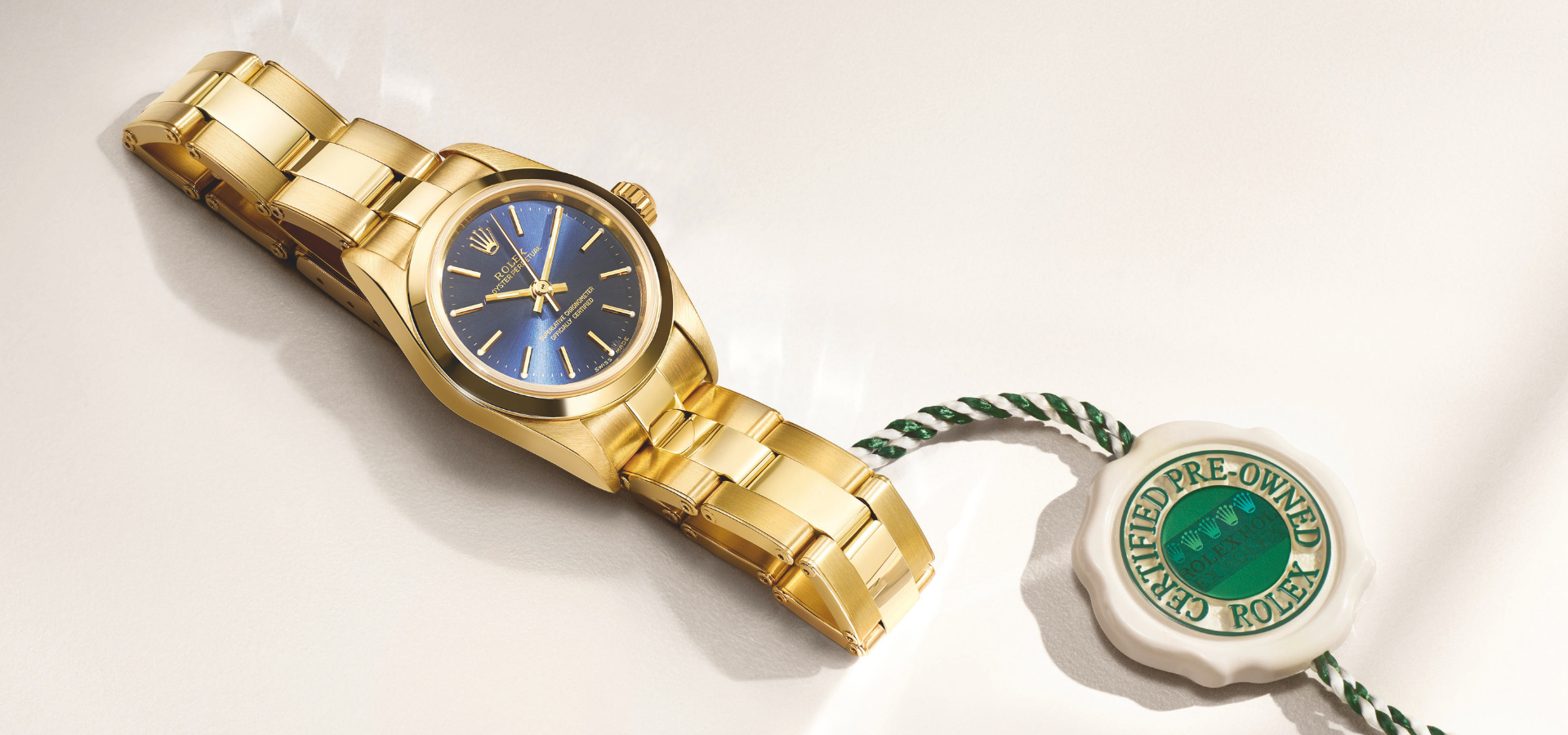
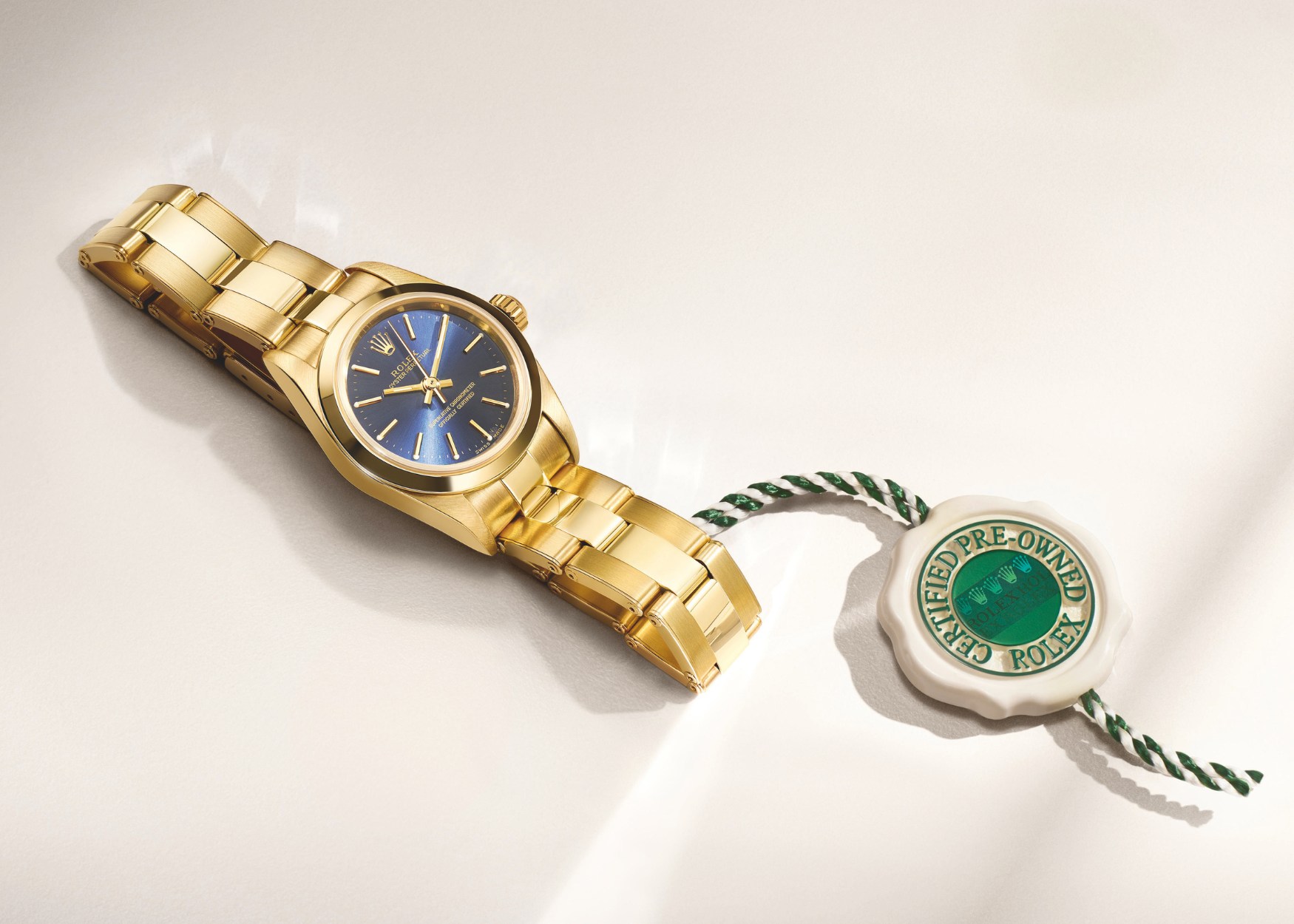
Vacheron Constantin Les Collectionneurs. Top: Rolex Oyster Perpetual Lady 76188.
This began to shift in the late 20th and early 21st centuries, as collecting matured into a more structured market. Auction results started to influence perception, and certain references achieved landmark status. In 2017, a Rolex Cosmograph Daytona ‘Paul Newman’ Ref. 6239 sold for US$17.8 million at auction, setting a world record for a wristwatch and demonstrating how provenance and rarity could dramatically elevate value. As demand grew, so did concerns around authenticity, condition and provenance, particularly for historically important pieces. The gap between primary retail and secondary trading became more visible.
In response, maisons gradually re-engaged with their own past. Archival research, restoration departments and heritage divisions took on greater importance, reinforcing the idea that a watch’s lifecycle extended far beyond its initial sale. This renewed focus on continuity has since been formalised through certified pre-owned (CPO) programmes. In turn, these initiatives reflect a broader shift towards transparency, provenance and long-term value, offering collectors a more structured way to acquire historically significant pieces.
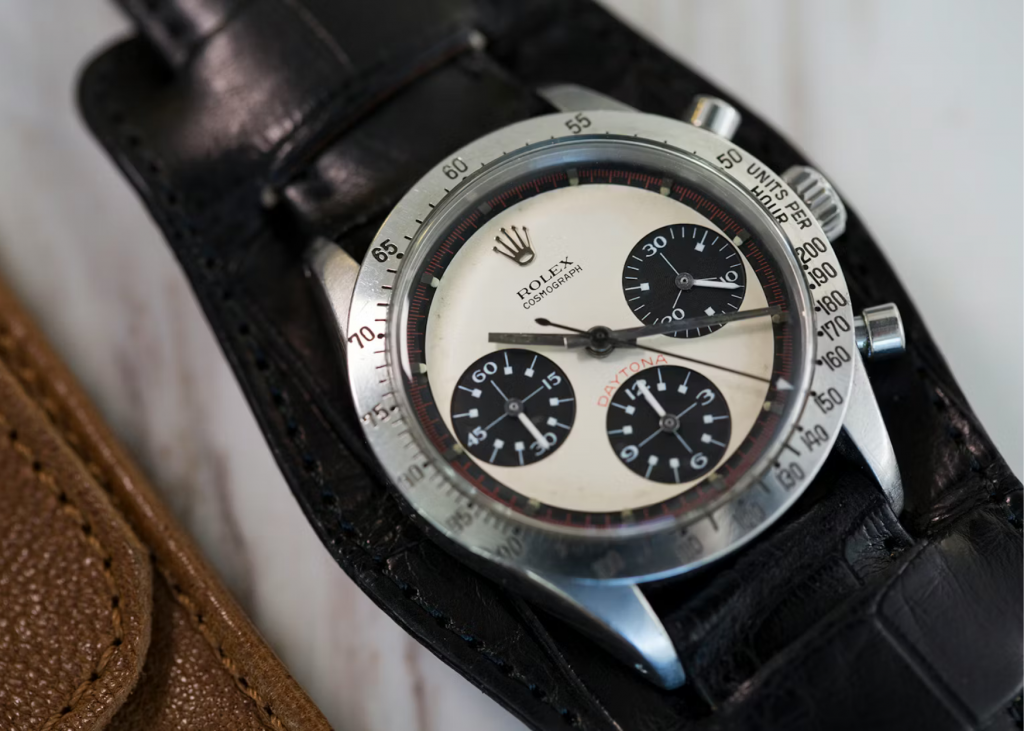
Rolex Cosmograph Daytona ‘Paul Newman’ Ref. 6239 sold for US$17.8 million at auction.
Among the most visible is the programme by Rolex, which has introduced a CPO framework through authorised retailers. Iconic models such as the Cosmograph Daytona, Submariner and GMT-Master II frequently appear within the programme, each authenticated, serviced and accompanied by a manufacturer-backed guarantee.
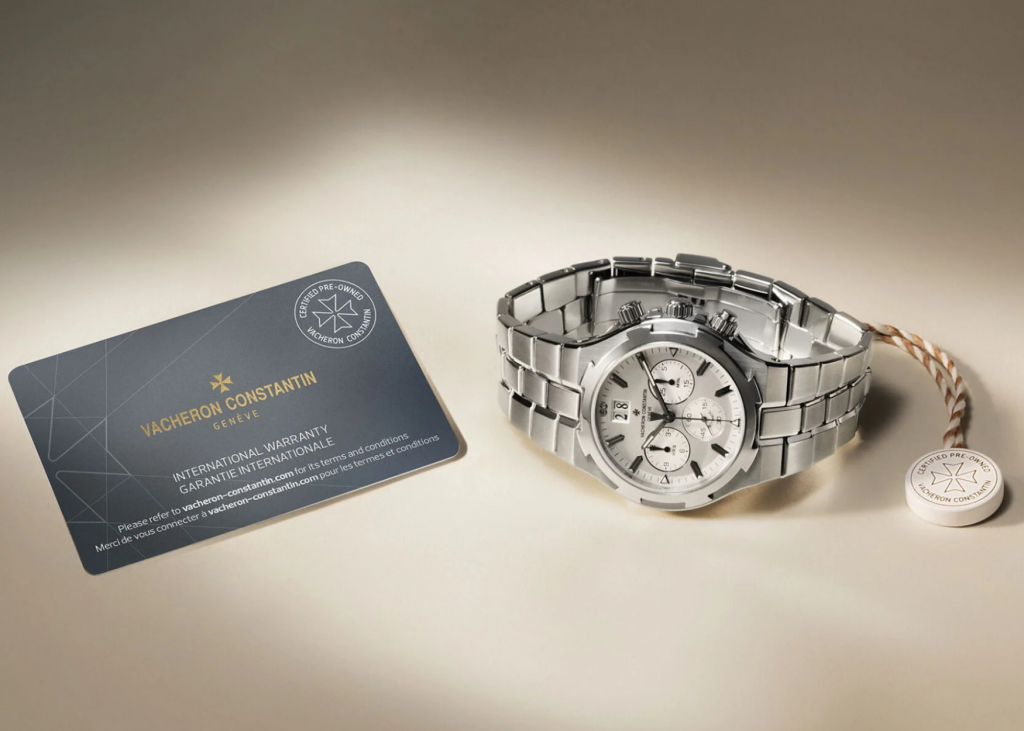
Similarly, Vacheron Constantin approaches the category with a curatorial lens through Les Collectionneurs. Rather than focusing on scale, the maison selects and restores vintage references that reflect its heritage. Examples have included mid-century Patrimony models and historically significant dress watches, each carefully restored and presented with detailed archival documentation.
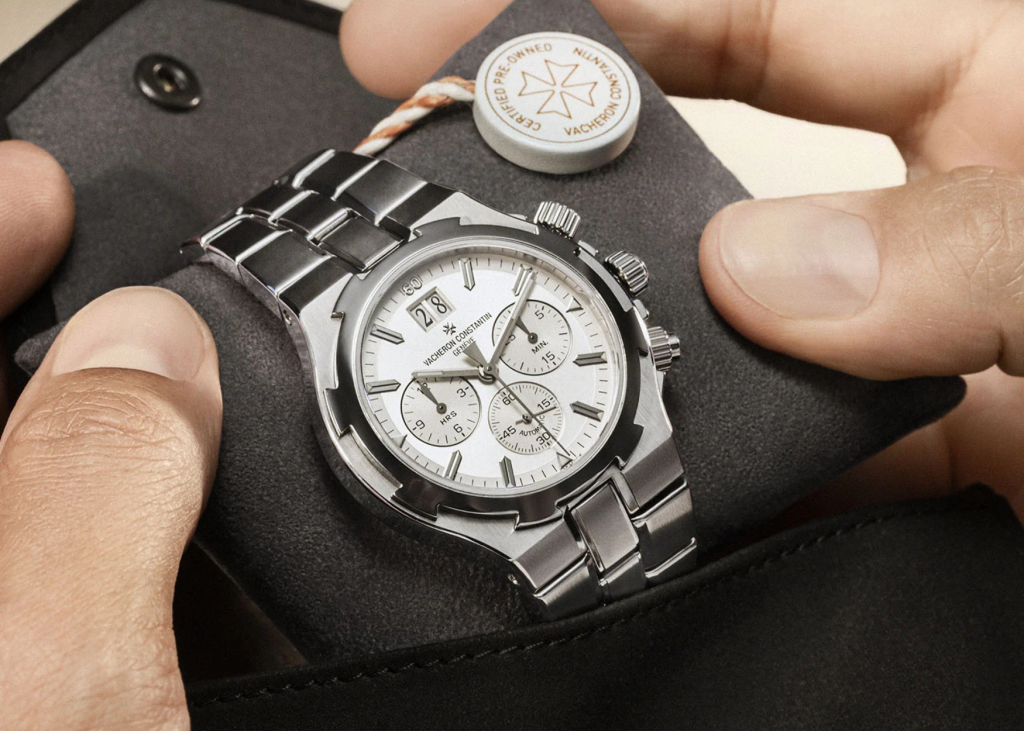
Vacheron Constantin Overseas Chronograph 49140/423A-8790.
At the more contemporary end of the spectrum, Richard Mille has extended its presence into CPO watches with an emphasis on technical assurance. Models such as the RM 011 and RM 035 have circulated within its programme, requiring specialist servicing with their complex case constructions and high-performance materials.
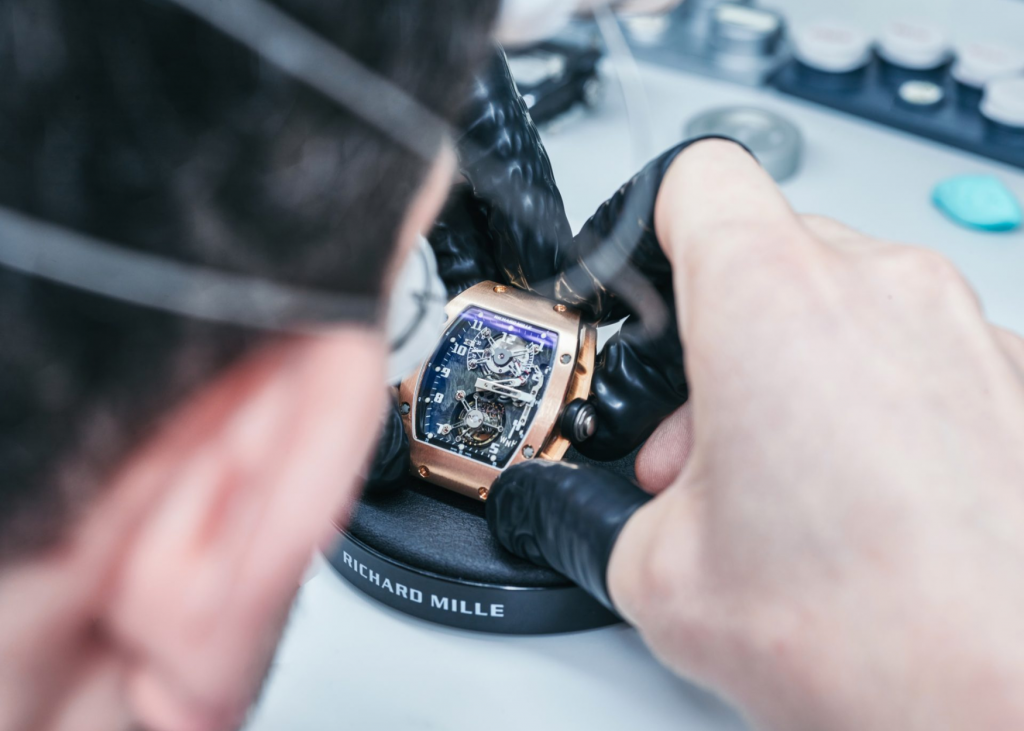
Richard Mille’s CPO programme.
Independent watchmaker MB&F has also entered the space with its own CPO initiative. Known for its unconventional horological machines, MB&F’s programme has included pieces like the Horological Machine No.3 and Legacy Machine No.1. Each is restored to original specifications, preserving both mechanical integrity and the design intent behind the brand’s experimental approach.
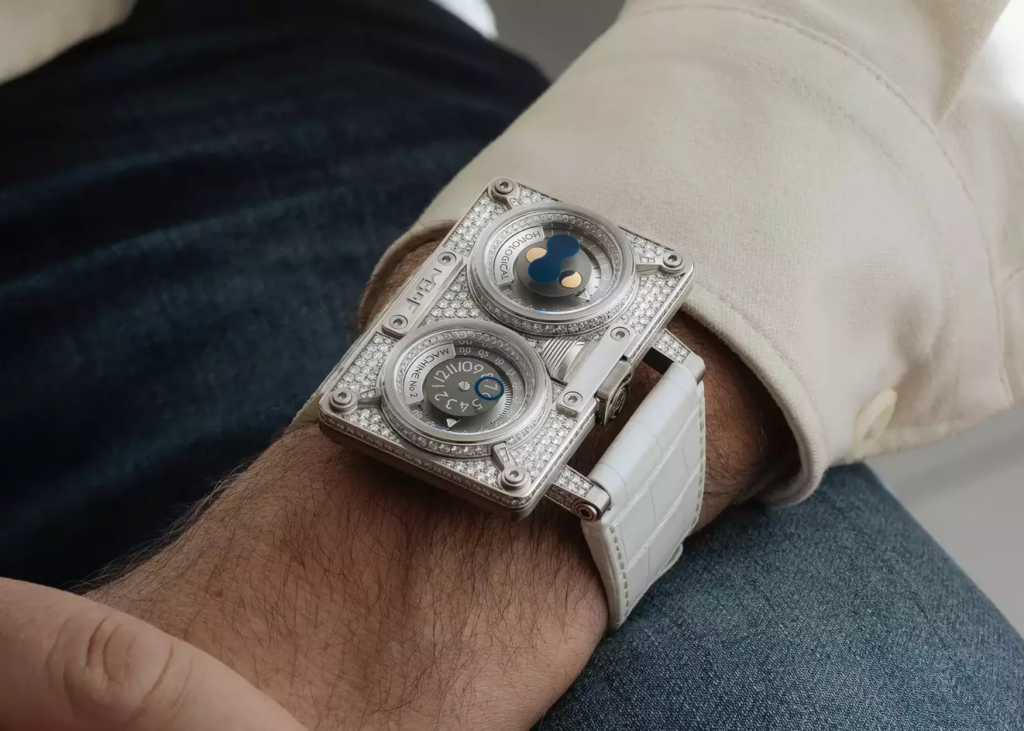
MB&F Horological Machine No.2 20.DWWWTL.R
These programmes signal a notable evolution in how each maison engages with its own legacy. Rather than leaving the secondary market entirely to external players, watchmakers are asserting greater oversight, bringing consistency to authentication and after-sales service.
For collectors and investors, this shift introduces a new layer of assurance. Provenance is no longer inferred but documented, and condition is no longer uncertain but certified. As the market continues to expand, CPO programmes in haute horlogerie are likely to play an increasingly central role in shaping how timepieces are collected, traded and valued over time.
Read next:

5 bed POA

Belmont Road, D10 5 bed 43,800,000 SGD

3-4 bed | 2,702 - 8,923 area POA

4+1 bed 20,000,000 USD
4 bed POA