The report: What UHNW buyers should know about Switzerland’s ultra-prime real estate
Kevin Furlan, real estate broker at Switzerland Sotheby’s International Realty, shares his insight on what UHNW buyers need to know when acquiring ultra-prime residential properties in Switzerland. From foreign ownership and residence requirements to Swiss pricing, taxes, and additional fees, Furlan highlights how strict regulations and limited availability reinforce the country’s position as a tightly held, highly regulated safe haven for global wealth.
Explore luxury holiday homes for sale
In Switzerland, foreigners cannot buy property if they do not have a permit, Swiss nationality or a forfait—a tax arrangement for foreign residents based on living expenses rather than income. This makes the Swiss property market highly restricted.
Against this backdrop, foreigners who reside in the country typically have to rent for about five years before they can have something of their own. Alternatively, they have to work in Switzerland to obtain a B permit or a forfait. In every case, they have to install their taxes here, meaning the primary residence, for tax purposes, must be based in Switzerland.
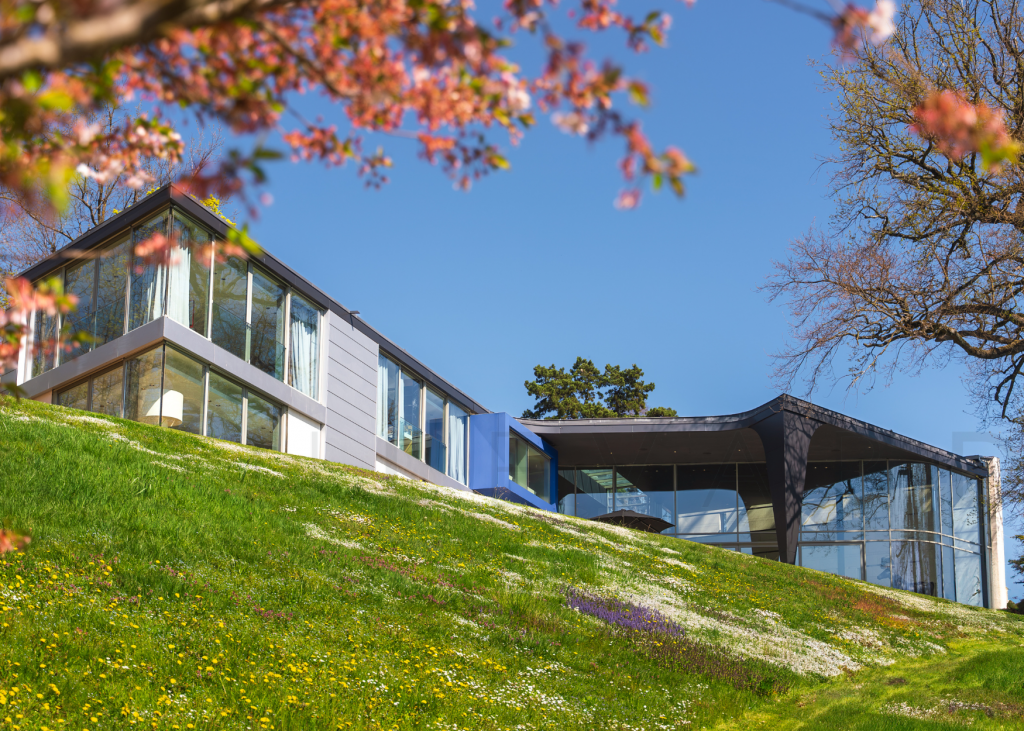
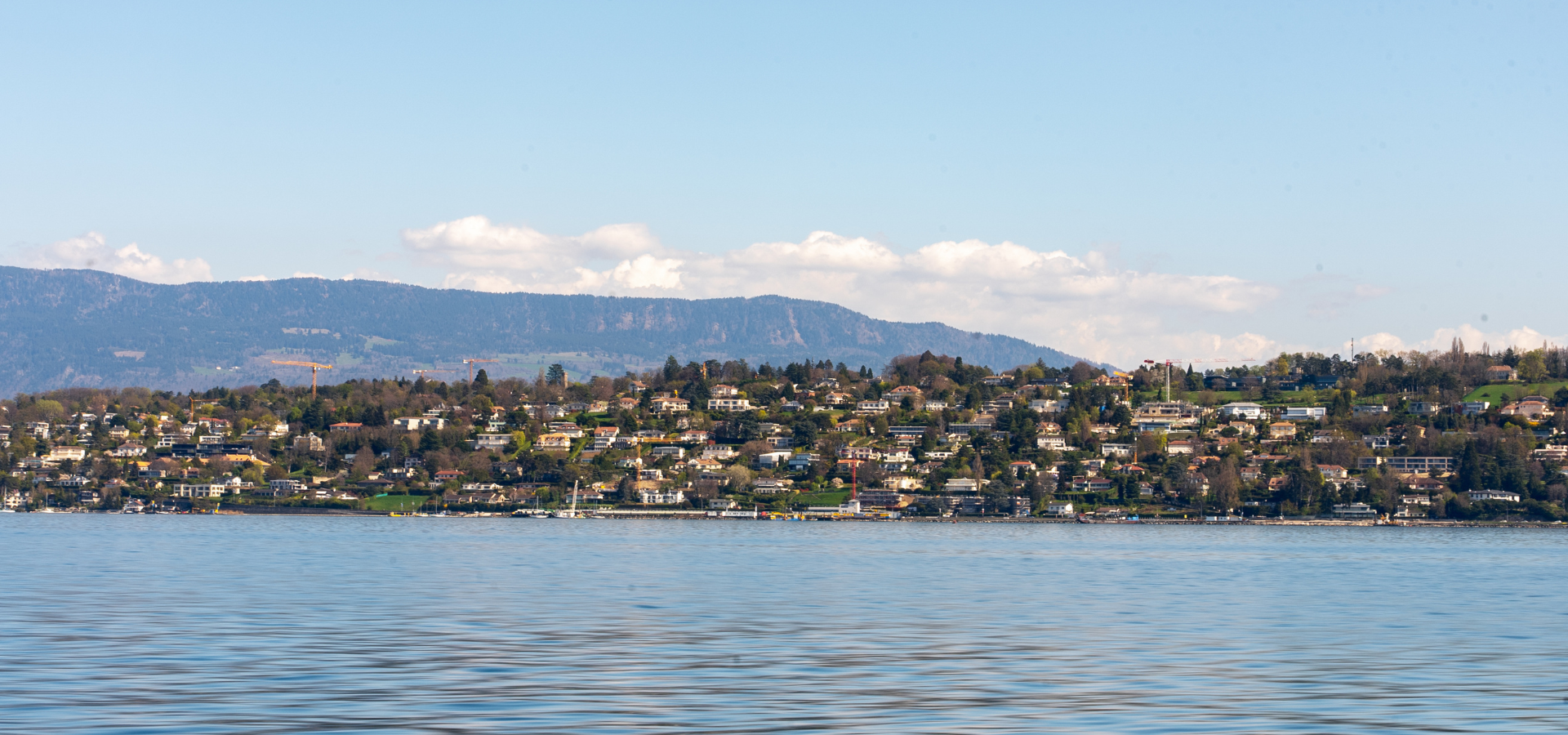
This architectural lakefront estate is for sale and located in Geneva’s historic Genthod enclave in Rte de Lausanne. Top: Views of the village across Lake Geneva.
Even then, ownership remains limited. If UHNW buyers want a secondary home—meaning a property that is not their main home in the country—they still cannot buy freely depending on their passports. Whether they are from Europe or outside, they have to follow strict limits of 250 sqm of interior space and no more than 1,000 sqm of land. For a billionaire, this is quite small compared to what they are typically used to.
A primary residence, where the homeowner officially lives and pays taxes in Switzerland, has fewer restrictions. Secondary homes face tighter rules: only 20 per cent of properties can be sold as second residences, while the rest must be primary homes. This cap makes second-home options scarce, particularly for foreign buyers.
Understanding costs, from square metres to notary fees
Within these constraints, prices are not controlled, but they are contained within a certain range. For average and standard apartments, prices are around CHF 10,000 to 12,000 per square metre. If it is a very simple apartment, residents would then renovate everything and spend at least another CHF 2,000 to 3,000 per square metre on top.
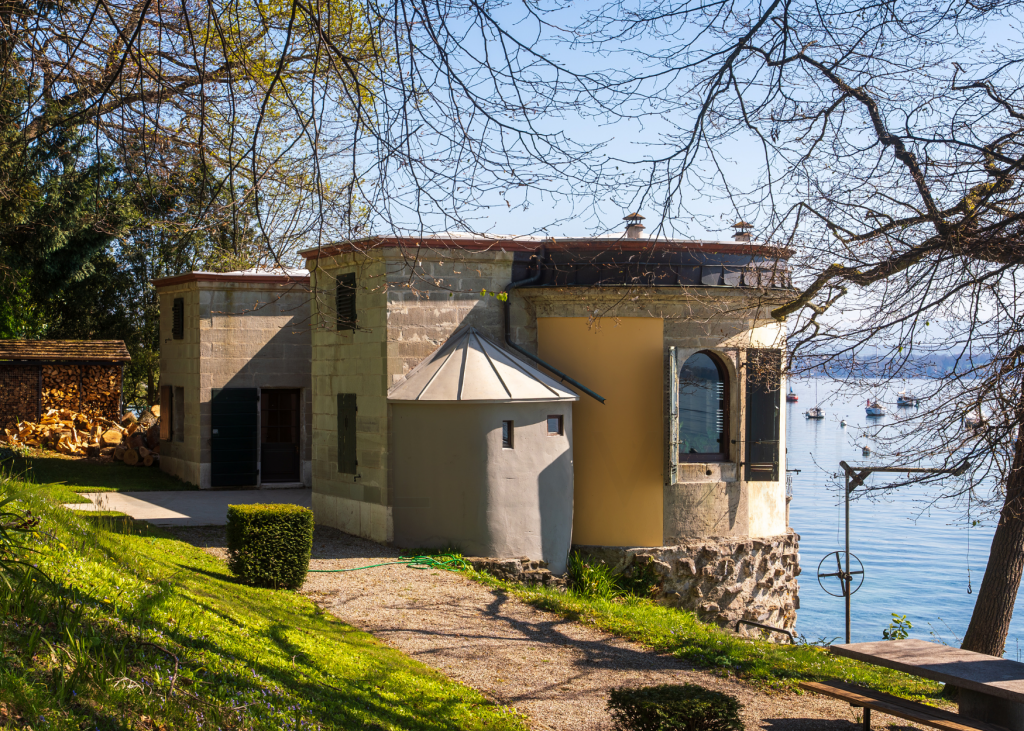
Nearby the same estate, a charming pavilion-style building by the water ‘Les Bains Astor’, developed in the early 19th century, provides further space for accommodation.
At the higher end of the market, prices range between CHF 24,000 and 35,000 per square metre. These are ultra-prime properties—larger, centrally located residences finished to the highest standards with luxury materials and designer renovations. This puts a 250-square-metre apartment at around five to seven million Swiss francs, depending on the property.
Beyond the purchase price, buyers should also consider additional fees and associated costs. When UHNW clients buy a property, they usually have to pay roughly five per cent of the total cost in notary fees. These include land registration, communal taxes, Geneva taxes and Swiss taxes. These fees and taxes can also vary depending on the size of the plot.
Commercial access and acquisition
In contrast, commercial acquisitions follow a different structure. While these properties can be acquired by anyone, they are typically held through companies, with profits—including rental income and capital gains—taxed at about 40 per cent. This makes taxation a key factor for investors when evaluating Swiss commercial real estate.
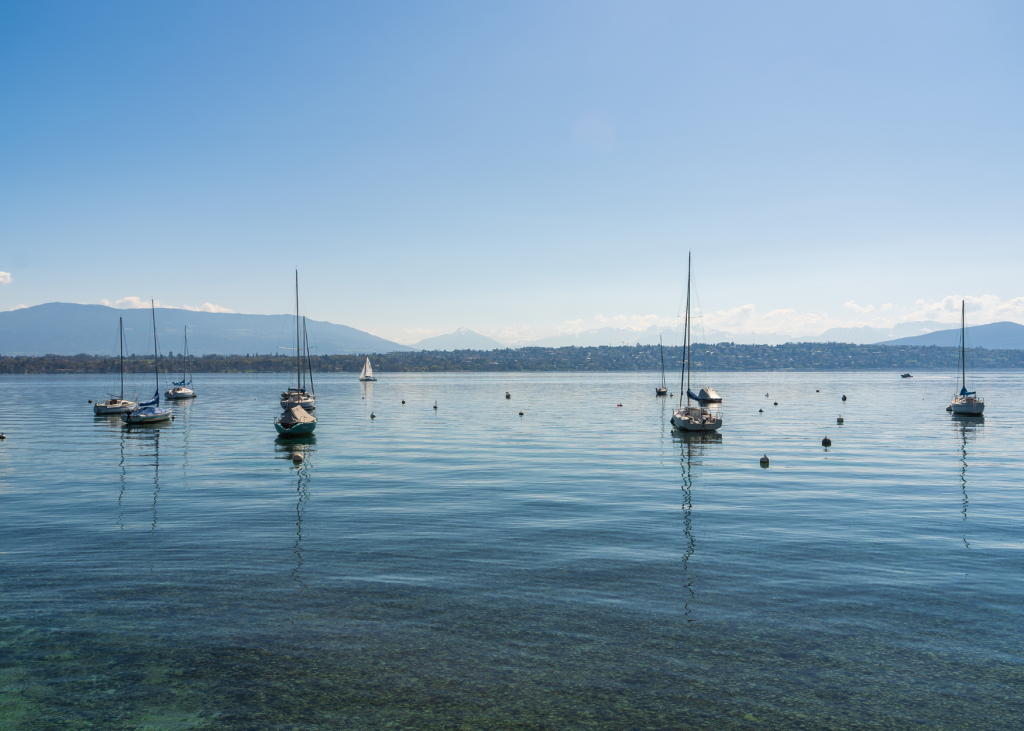
Views of Lake Geneva from the Rte de Lausanne estate.
Commercial acquisitions usually involve fewer fees because clients are essentially buying shares of a company. They do not have notary fees, and they do not need to pay lawyers to handle the process, making transactions more straightforward and efficient. As a result, it is very attractive to buy commercial properties in Zurich or Geneva, where the market is considered safe.
Go further with luxury property listings in Switzerland:
- Architectural lakefront estate in Rte de Lausanne, Genthod
- Beautiful chalet with panoramic mountain views, Bluche, Crans-Montana
- Idyllic verdant retreat, Conches, Geneva
- 1721 heritage château, Satigny, Geneva
- Beautifully renovated 1932 villa, Cologny, Geneva
Read next:
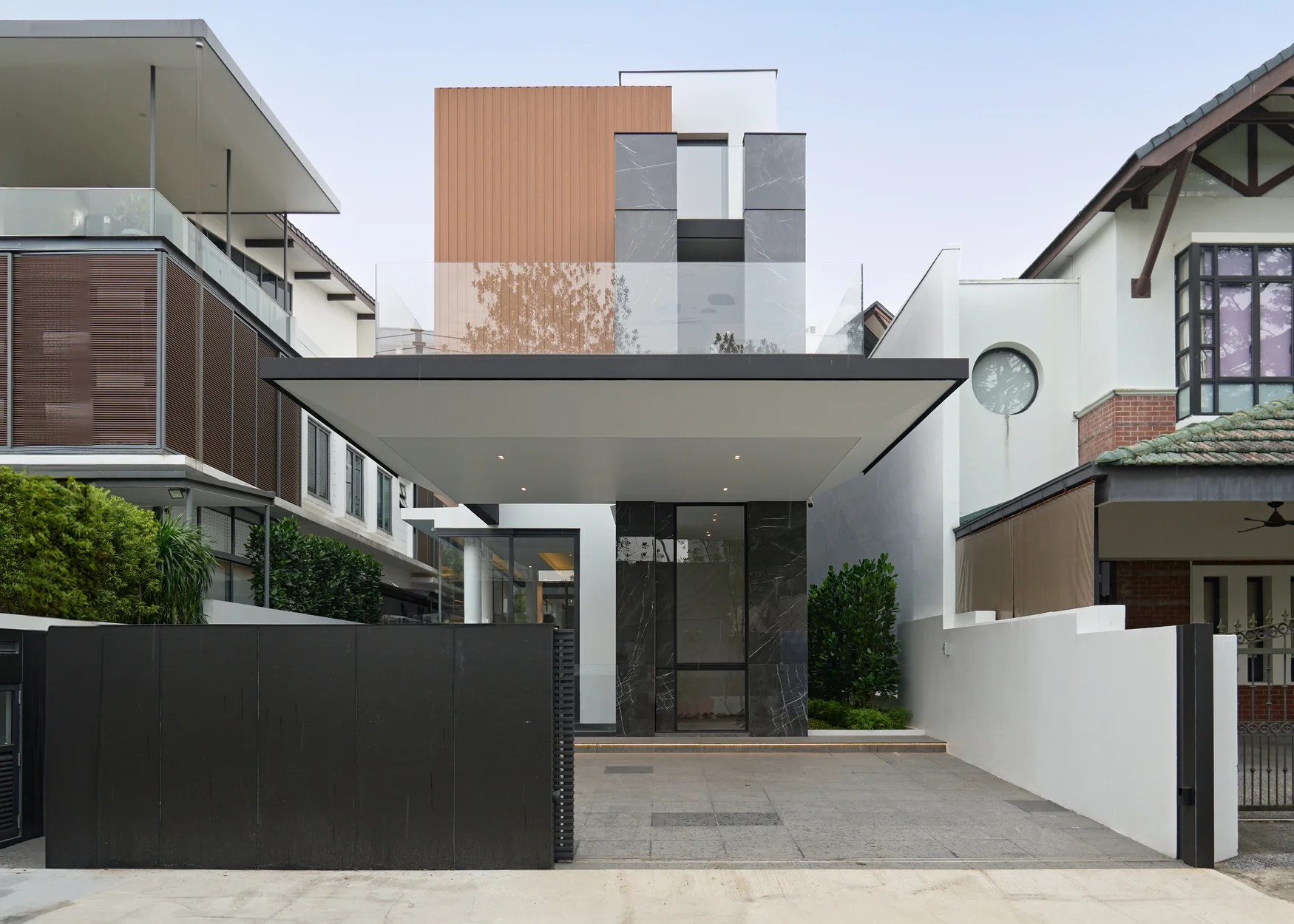
8+1 bed | 10,200 sqft area 19,500,000 SGD
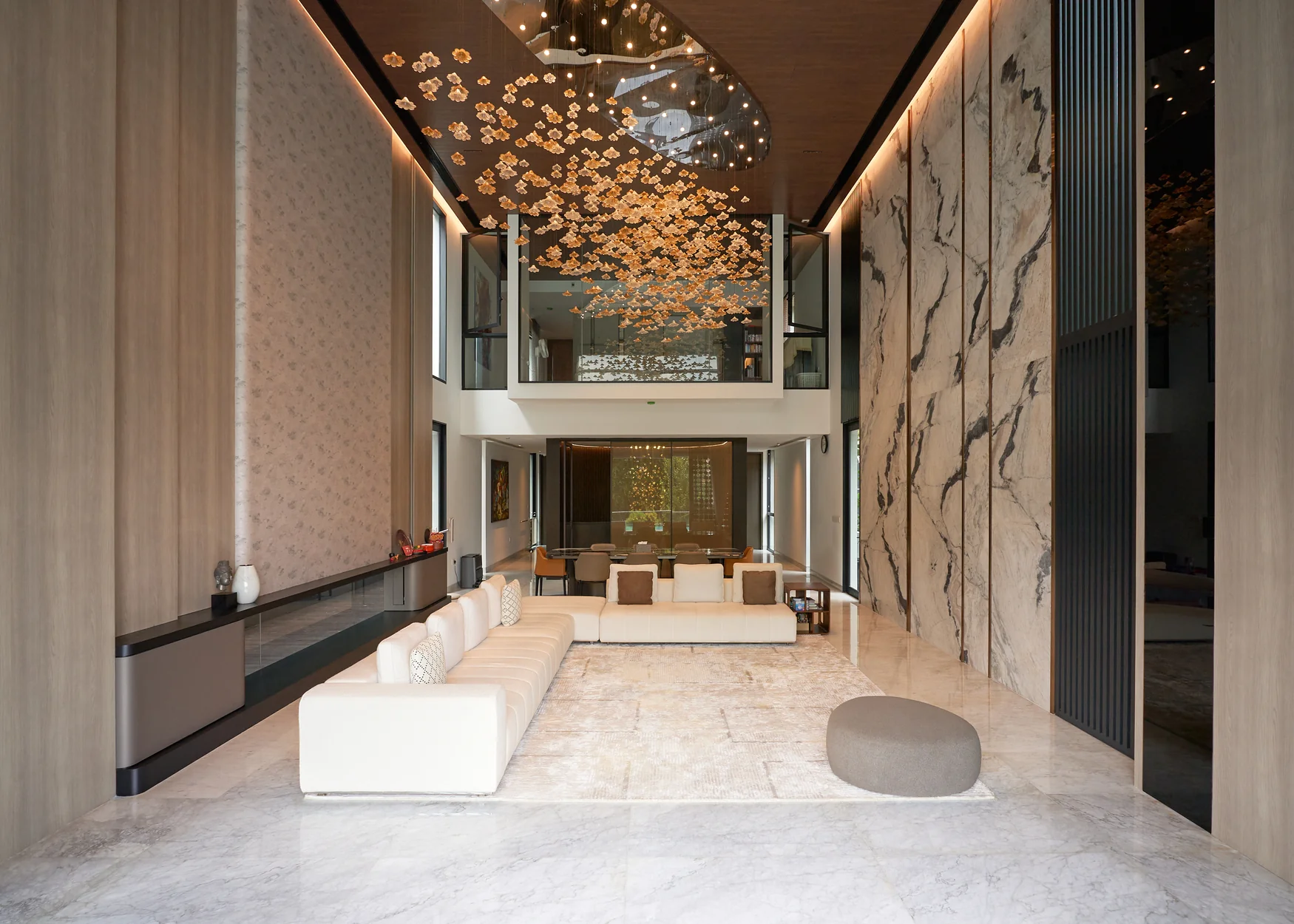
5 bed 19,380,000 SGD
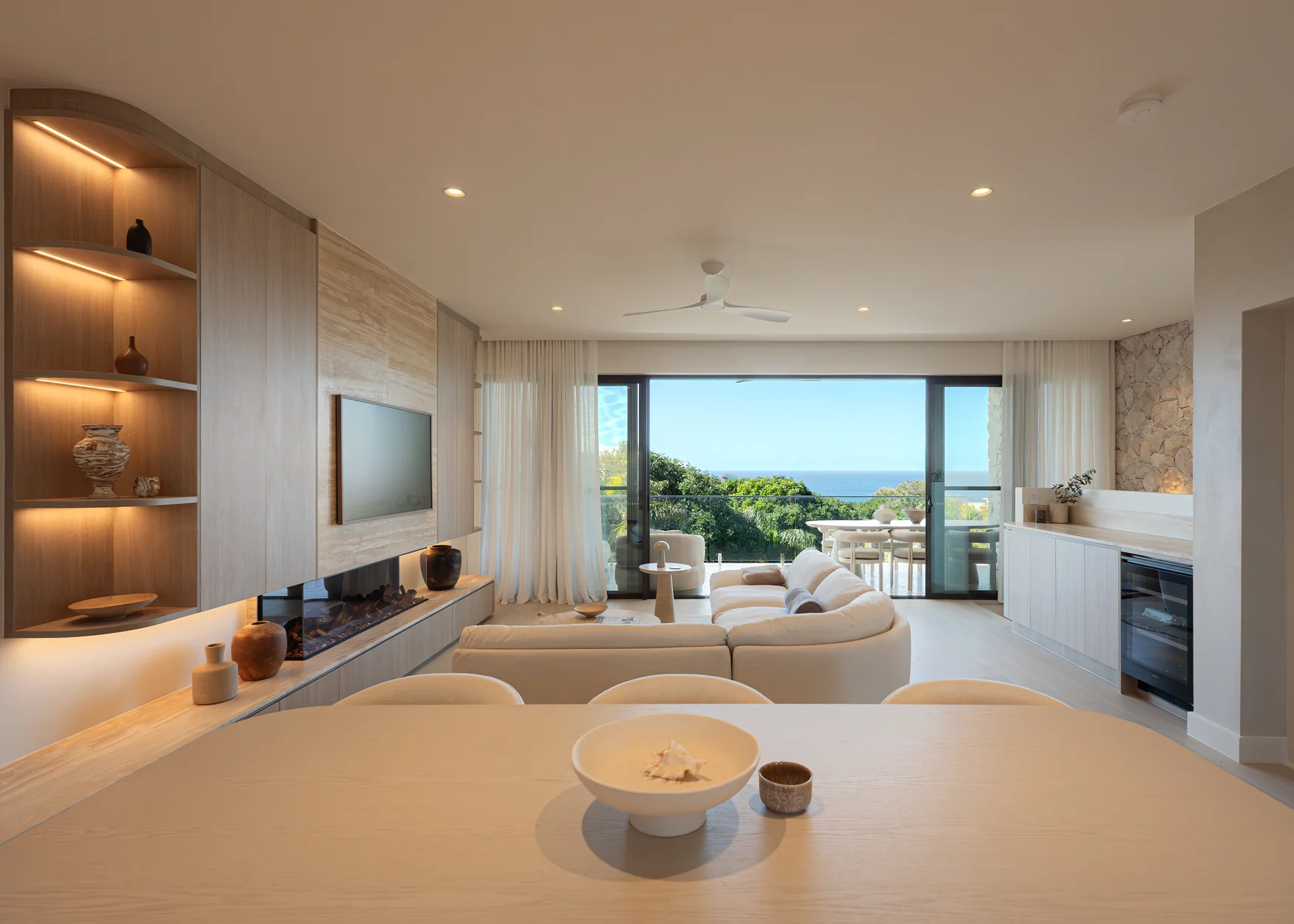
4 bed | 4,208 sqft area POA
3-8 bed | 699,654 - 784,080 sqft area POA
6 bed POA