A collector’s guide through Switzerland’s exclusive watchmaking destinations
by Annie Asistio
For discerning timepiece collectors, understanding a watch extends beyond ownership. It requires context, provenance and a direct connection to the craft itself. Switzerland offers this in a way few destinations can: through a tightly concentrated network of museums and ateliers that define the very foundations of haute horlogerie.
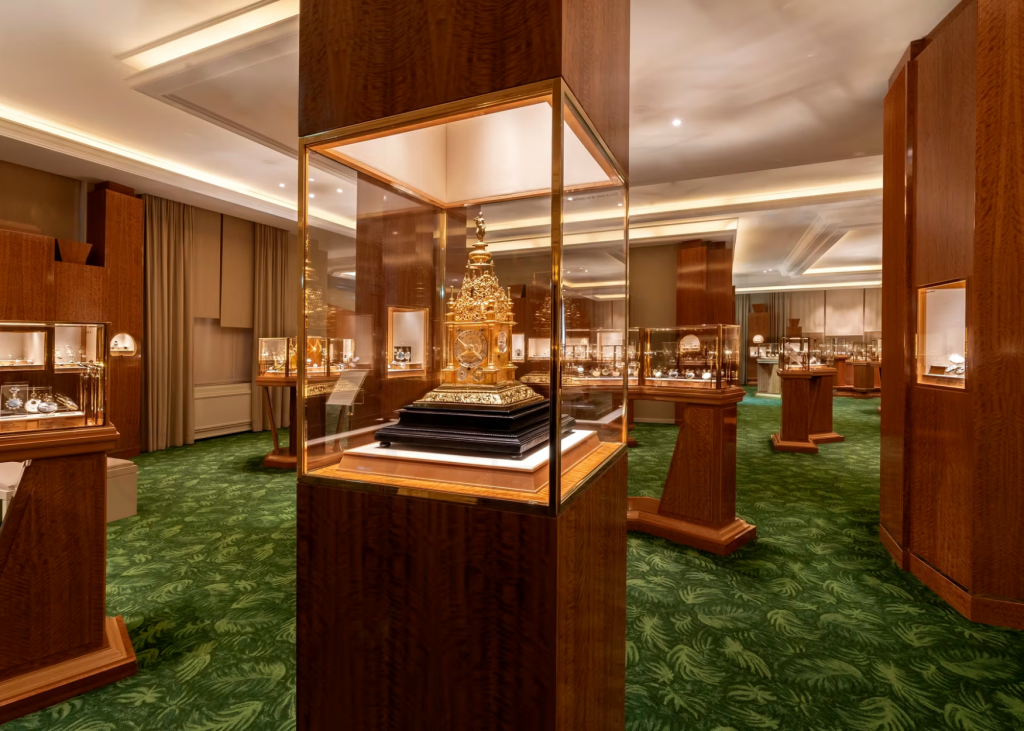
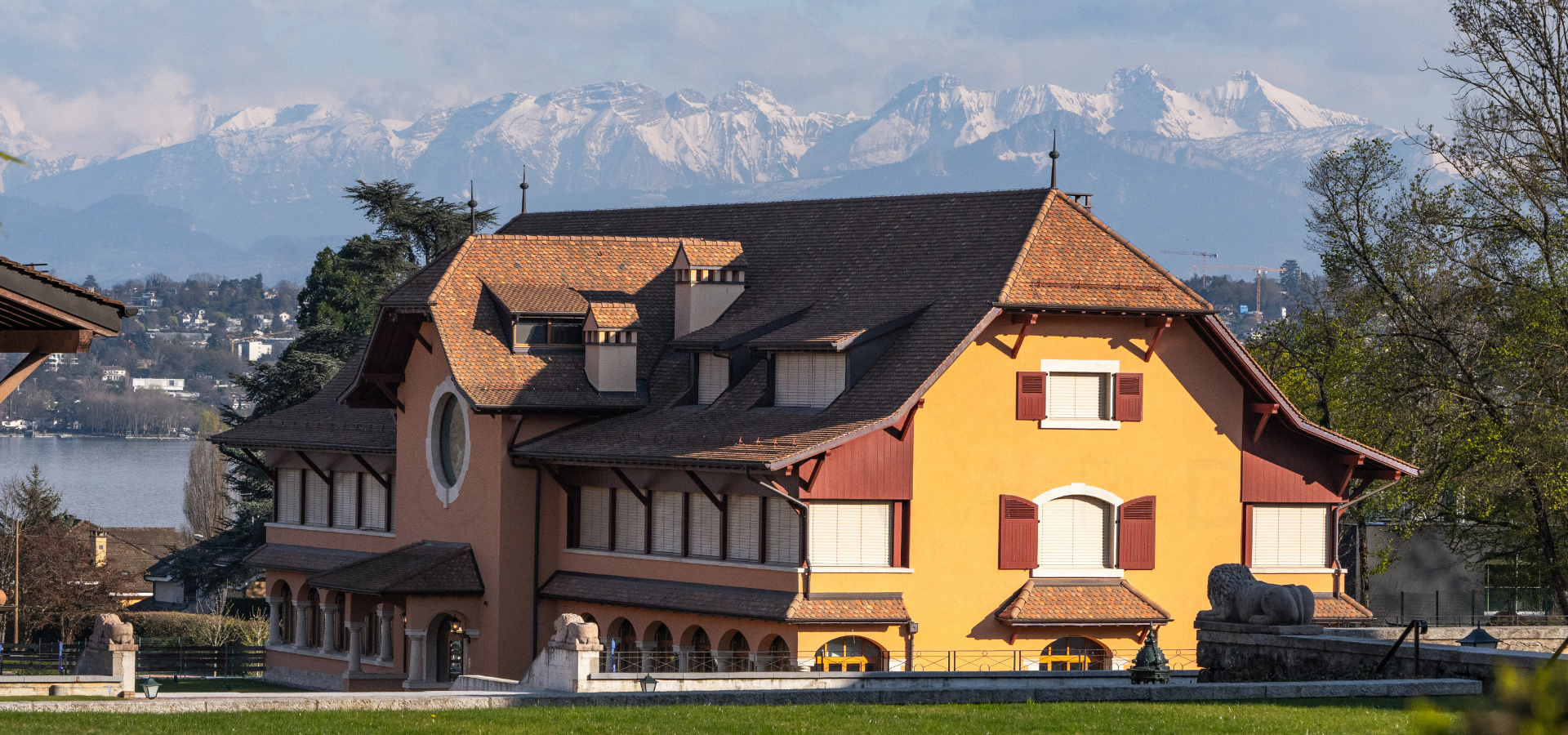
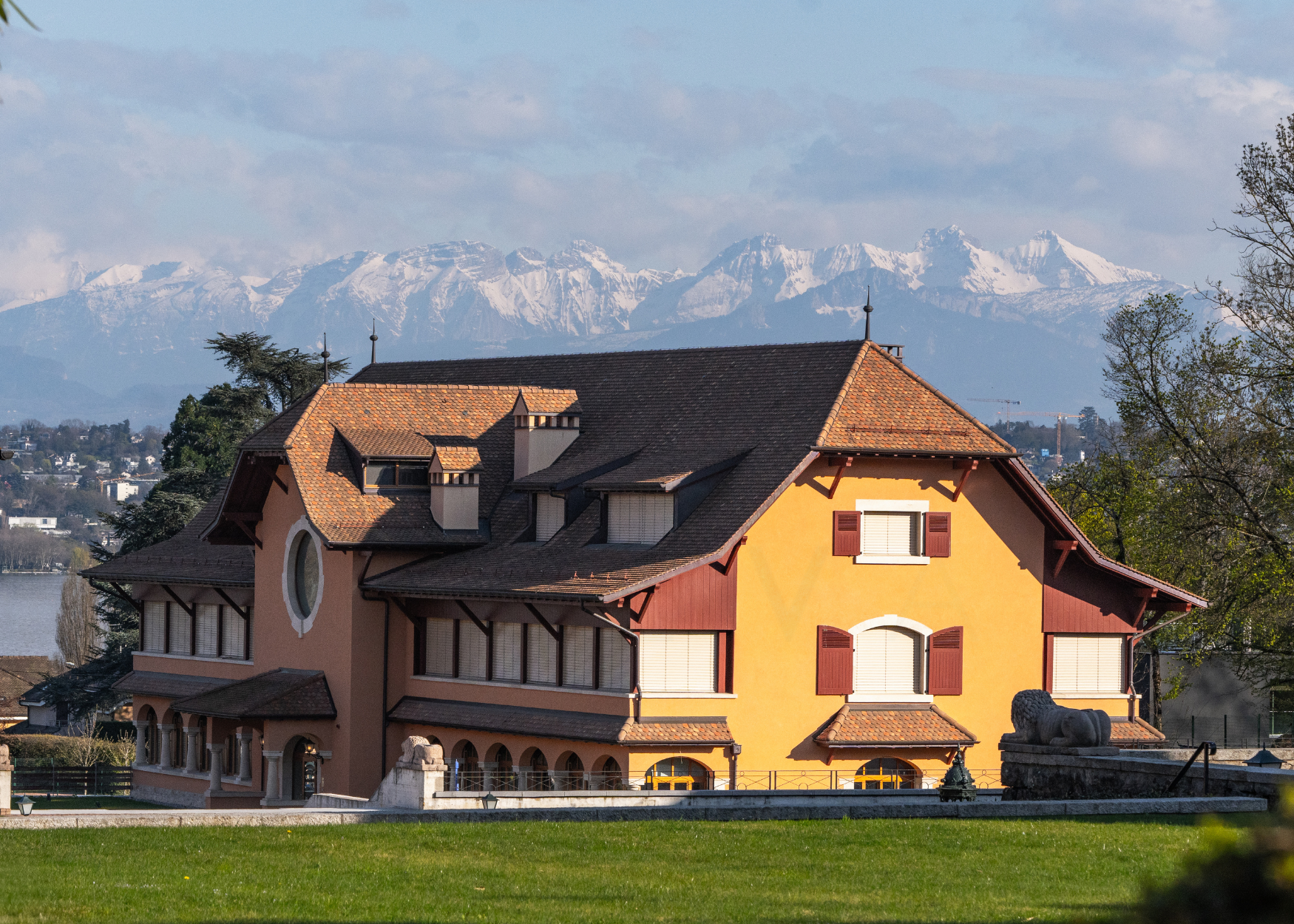
The Patek Philippe Museum in Geneva, Switzerland. Top: Franck Muller’s Watchland in Genthod, photo by Jin Cheng Wong.
In Geneva, the Patek Philippe Museum is one of the few institutions open to the public without restriction. With over five centuries of horological history, it provides a deep dive into the maison’s most technically demanding pieces ever made, from perpetual calendars and minute repeaters to split-seconds chronographs. Early timekeeping instruments, rare pocket watches and intricate decorative techniques establish the technical and artistic benchmarks against which modern pieces are measured.
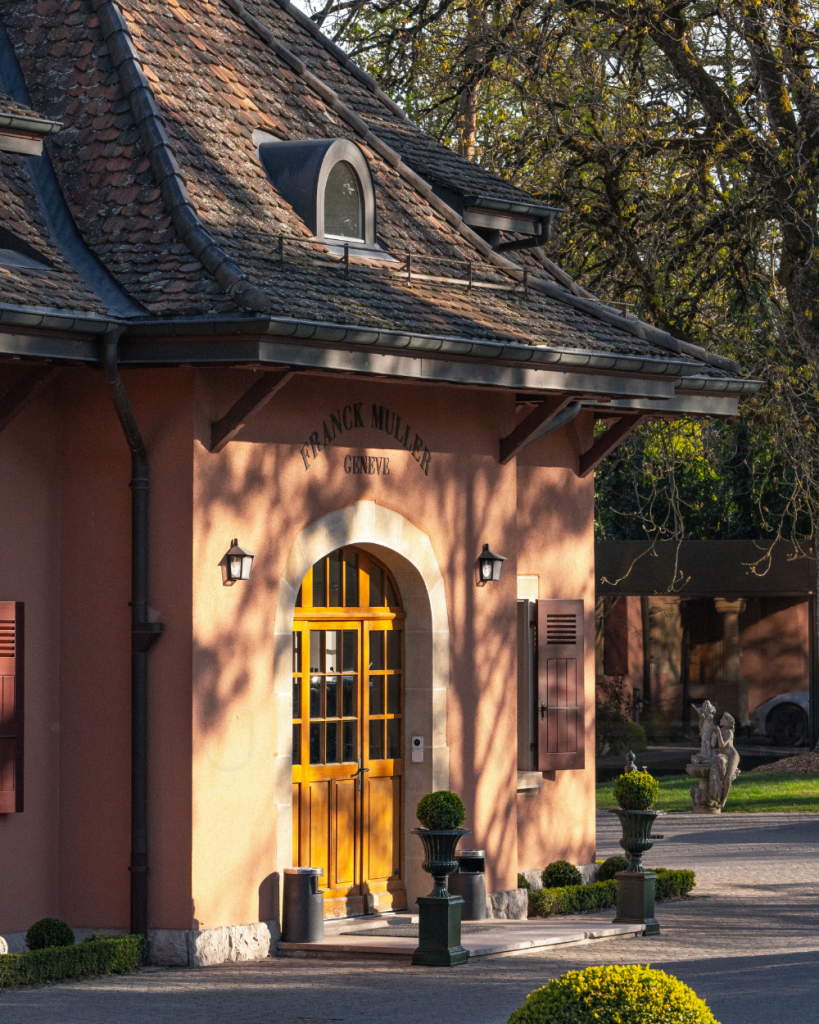
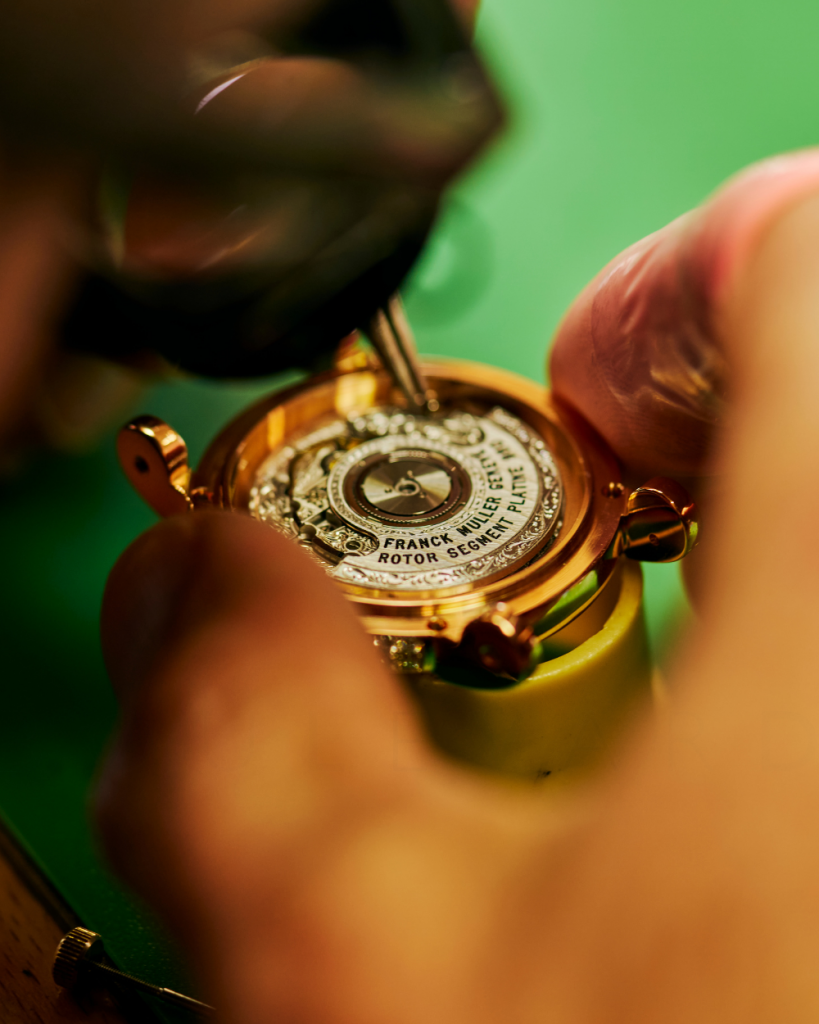
Franck Muller’s Watchland (left) allows guests to take a closer look at the inner workings of its iconic timepieces, including the Round Triple Mystery (right). Both photos by Jin Cheng Wong.
A short distance away, access becomes more deliberate. Franck Muller’s Watchland in Genthod operates as a fully integrated campus, where visits are arranged by appointment. The atelier shifts the focus to contemporary manufacture, where collectors see how design, engineering and assembly converge, offering insight into how modern independents interpret tradition while maintaining distinct identities.
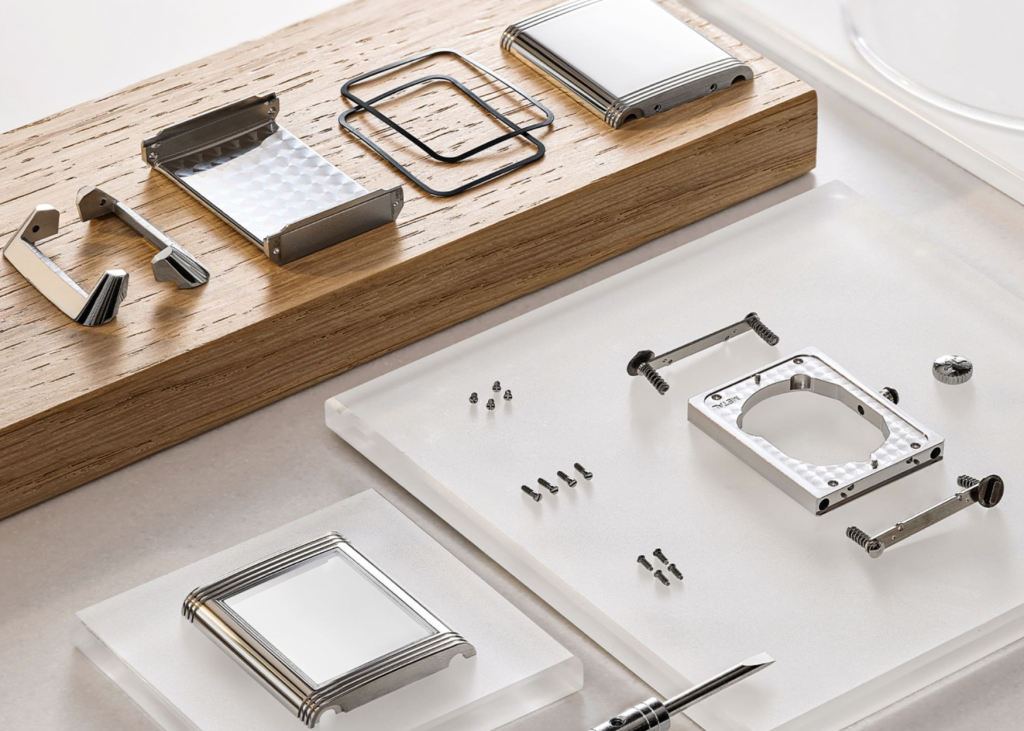
The assembly of a watch at Manufacture Jaeger‑LeCoultre SA in Vallée de Joux.
Around an hour’s drive from Geneva lies Vallée de Joux, the region often regarded as the centre of Swiss watchmaking. Among the maisons to open its doors to the public, whether by registration or invitation, is “the watchmaker’s watchmaker”, Jaeger-LeCoultre. Through guided visits and specialist workshops, the emphasis on both mechanical innovation and rare crafts highlights the level of expertise required to produce complications that retain long-term significance. This is evident from the Art Deco-inspired Reverso and the Polaris diving watch to the highly complex Hybris Mechanica series and the Atmos Clock, often referred to as the “President’s clock.”
The reservation-only Musée Atelier Audemars Piguet in Le Brassus also allows visitors to observe artisans at work or participate in masterclasses. Here, historical archives sit alongside active workshops, bringing collectors closer to the processes that define rarity, from movement assembly to hand-finishing.
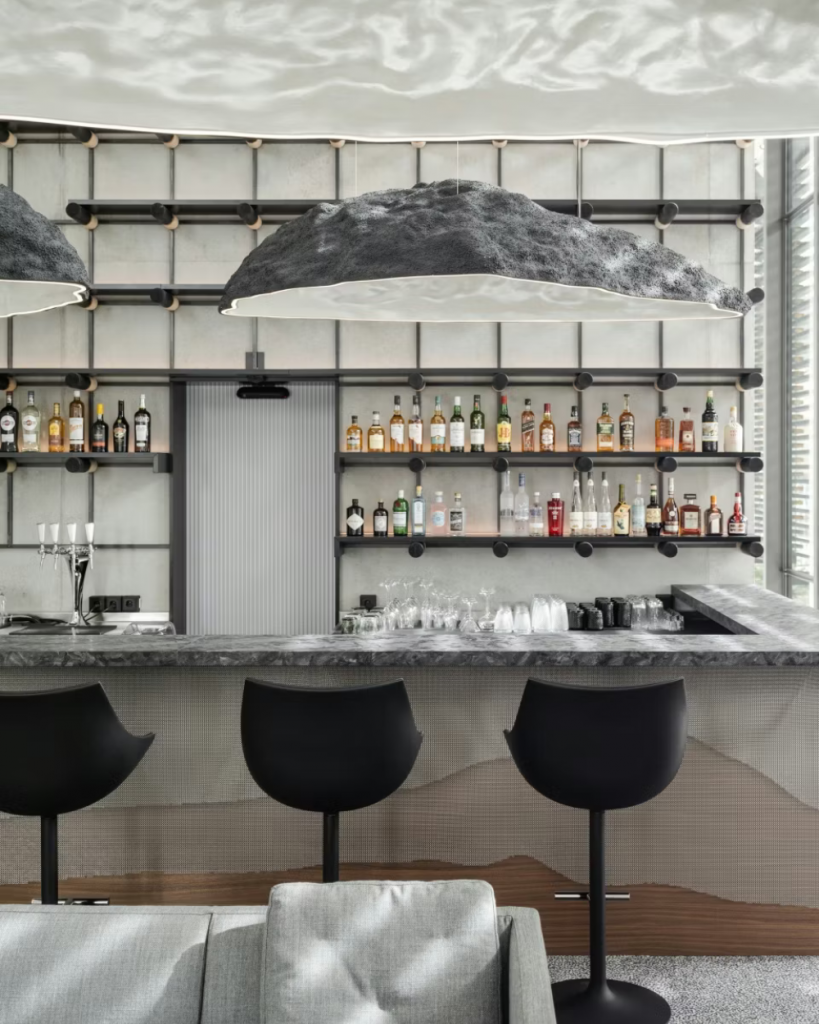
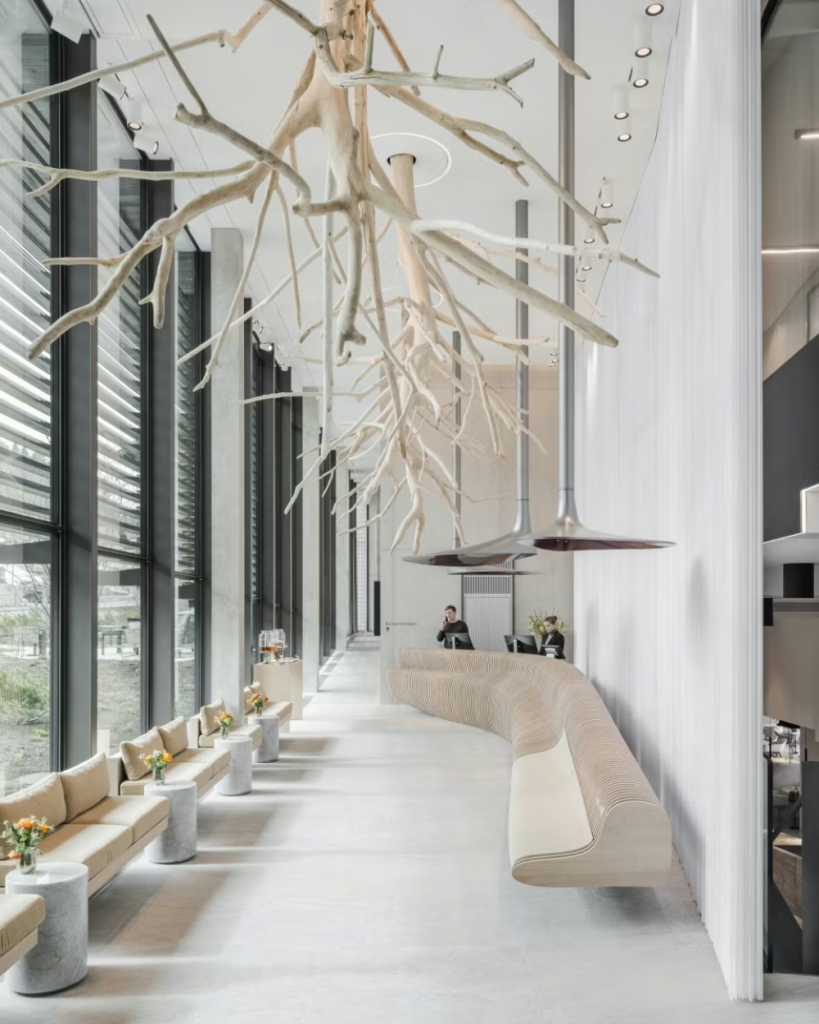
Apart from the Musée Atelier, Audemars Piguet also delved into the world of hospitality with the Hôtel des Horlogers in Le Brassus.
Audemars Piguet has also moved into hospitality with Hôtel des Horlogers. Directly tied to the brand’s heritage and environment, this hotel’s proximity and connection to the museum and manufacture itself have propelled it to the top of many connoisseurs’ wish lists. Guests move seamlessly between accommodation and atelier, effectively extending their visit into a more immersive, multi-day experience. Beyond its design, the hotel offers refined rooms, dining that reflects local flavours and access to curated watchmaking experiences, positioning it less as a standalone destination and more as an extension of the horological journey.
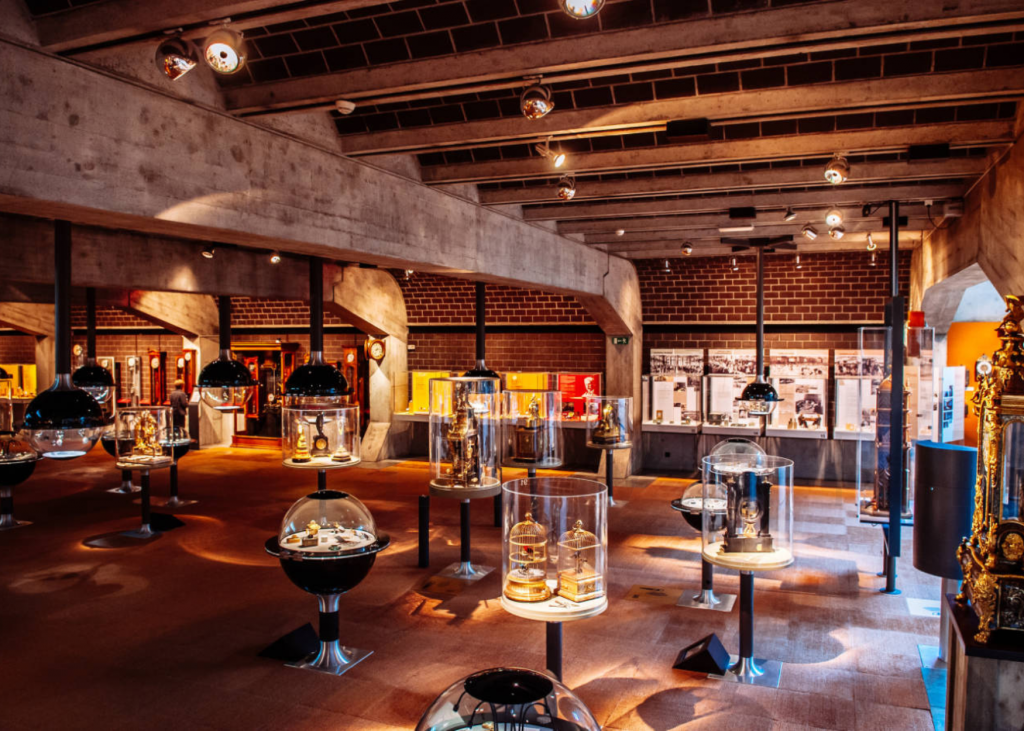
The International Museum of Horology, located in La Chaux‑de‑Fonds.
For a broader historical perspective across brands and eras, the International Museum of Horology in La Chaux‑de‑Fonds—at the heart of the Jura Mountains—is a must-visit with its expansive collection of timekeepers. From early mechanical clocks and marine chronometers to automata and modern wristwatches, each one traces the evolution of timepieces across centuries.
Taken together, this is a curated route that connects history, place and production into a coherent narrative. For collectors, that perspective is essential. It informs acquisition decisions, sharpens discernment and reinforces an understanding of why certain watches endure, not simply as objects of design, but as expressions of technical and cultural continuity.
Read next:
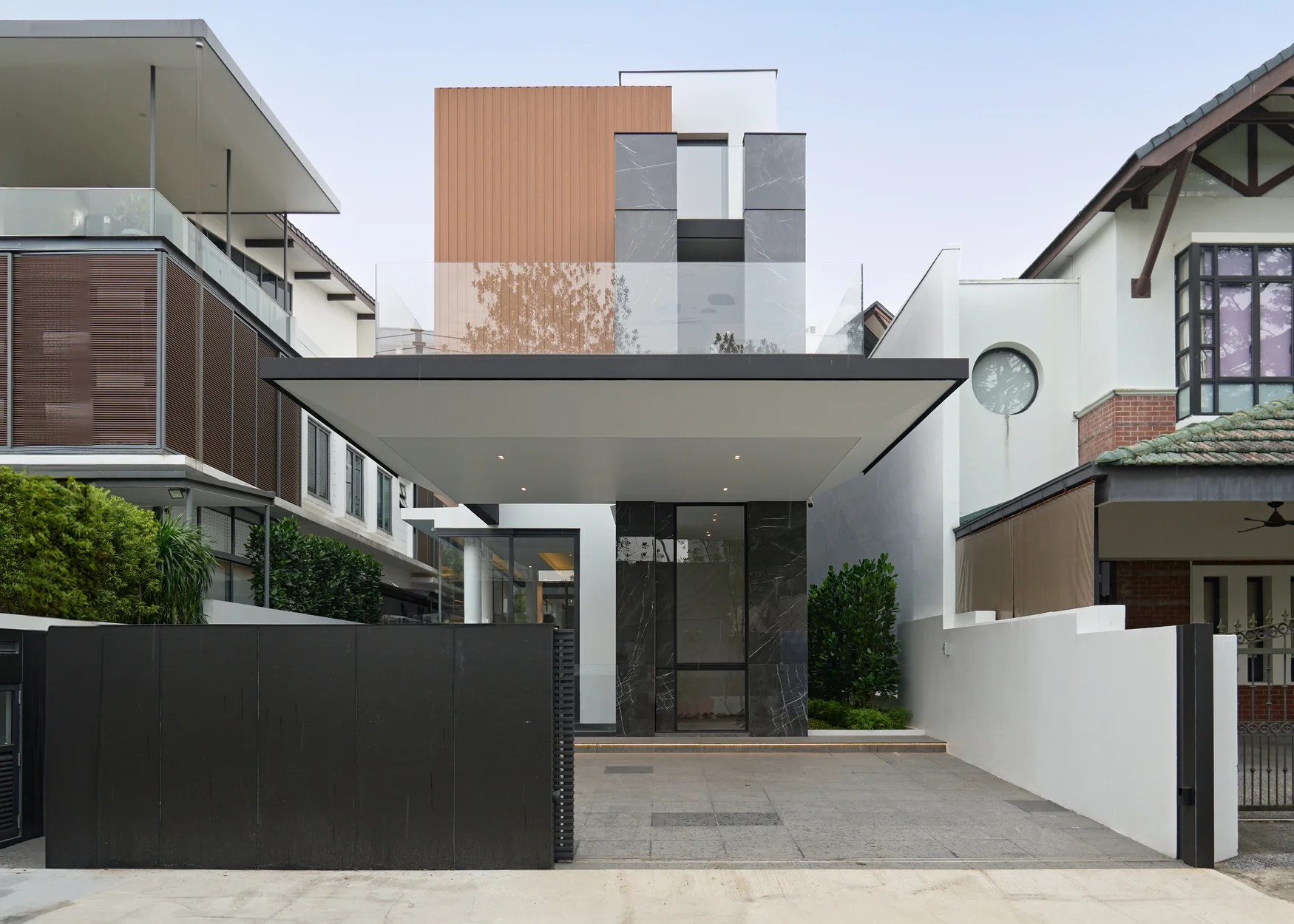
8+1 bed | 10,200 sqft area 19,500,000 SGD
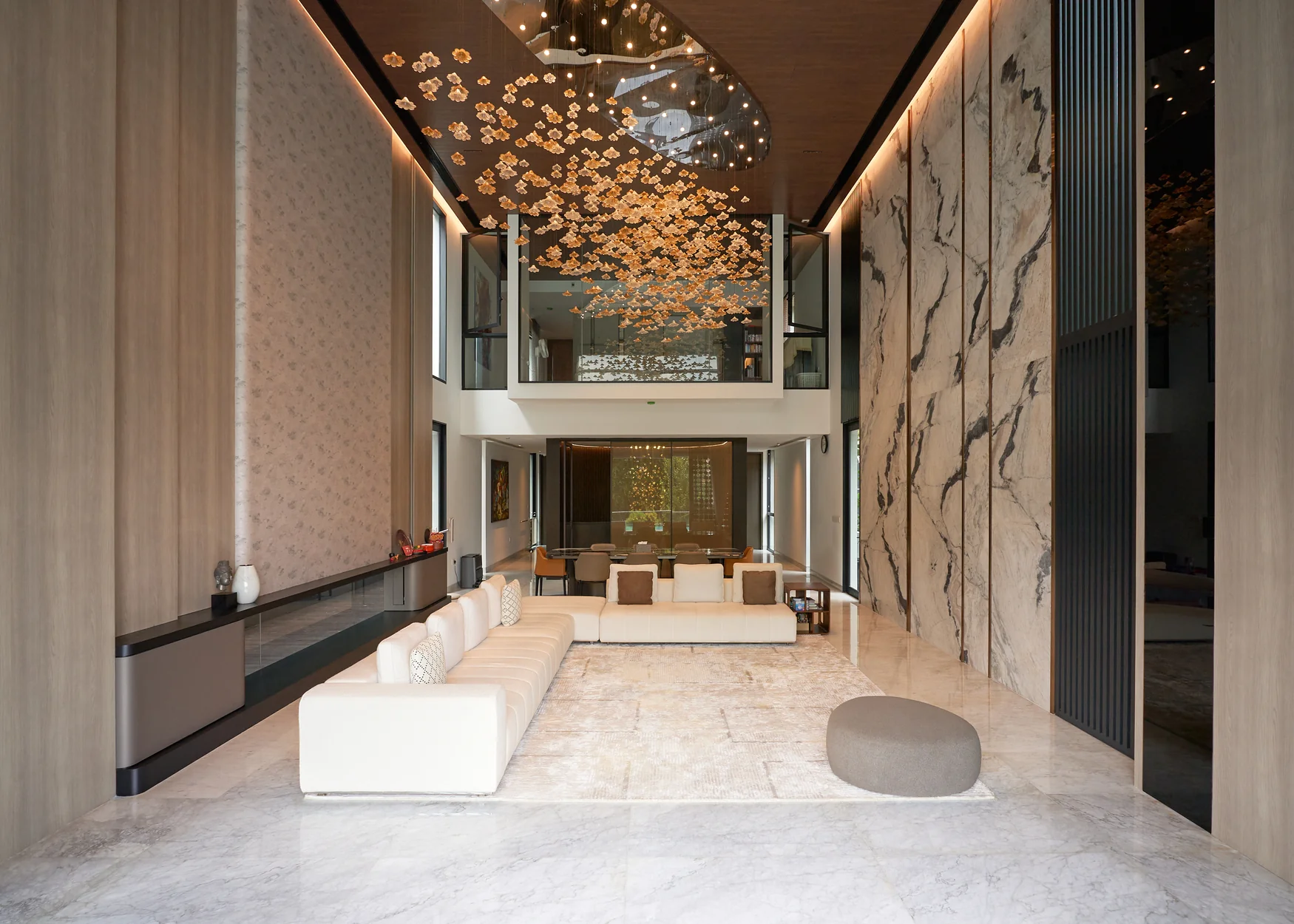
5 bed 19,380,000 SGD
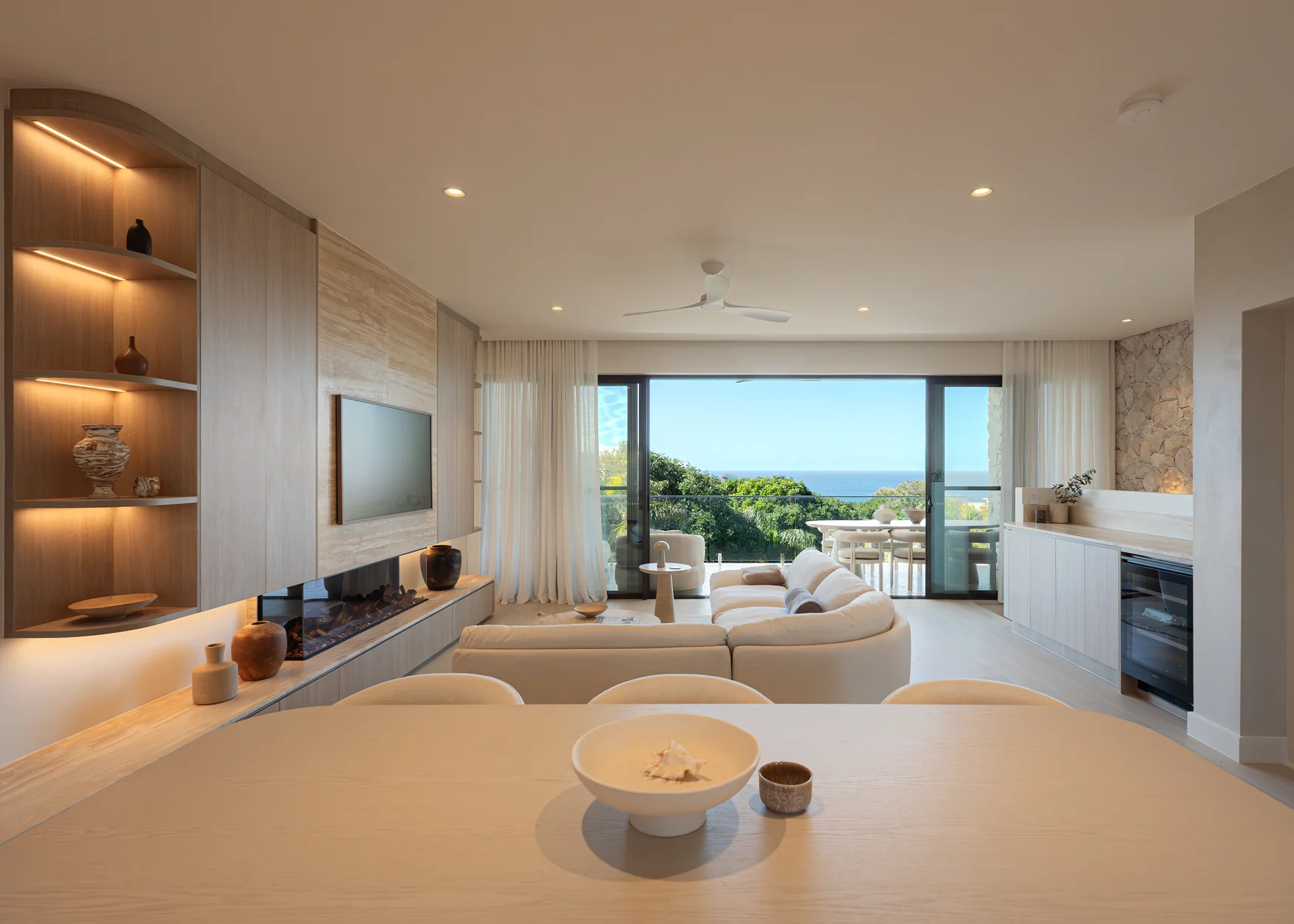
4 bed | 4,208 sqft area POA
3-8 bed | 699,654 - 784,080 sqft area POA
6 bed POA