The interview: How Blink Design Group’s Clint Nagata designs spaces that feel personal for each demographic
by Hamish McDougall
With nearly three decades of experience and practice, Blink Design Group founder and creative partner Clint Nagata has built an international portfolio spanning ultra-luxury hotels, residences and mixed-use developments across Asia and the Middle East. Some of their projects include Six Senses Kyoto and the One&Only Reethi Rah Hotel in the Maldives, as well as their first hotel in Europe, Six Senses in the Loire Valley in France.
Strong design begins with context, says Nagata. “Design is about finding the most focused narrative that helps tell a story and gives the project a clear identity,” he says. Whether working on a beachfront property or an urban high-rise, his work prioritises more than just a view. Instead, it draws on the cultural, historical and environmental cues of the destination to create spaces that feel considered, grounded and enduring.
In this exclusive interview with Boulevard, Nagata shares how design in hospitality has changed in the past decade—building spaces where guests feel at home rather than being in a hotel. He also explains how designing for specific user demographics shapes his work, from resorts that attract European families travelling with children to beachfront properties that appeal to Asian couples seeking more private and intimate experiences.
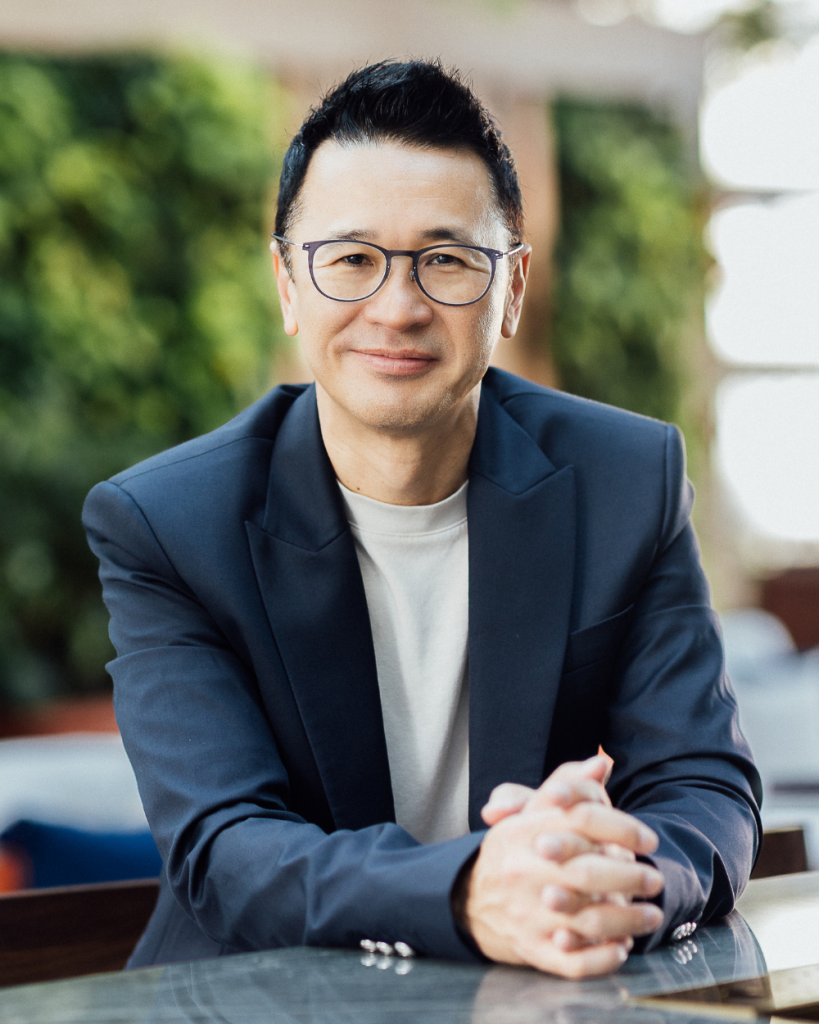
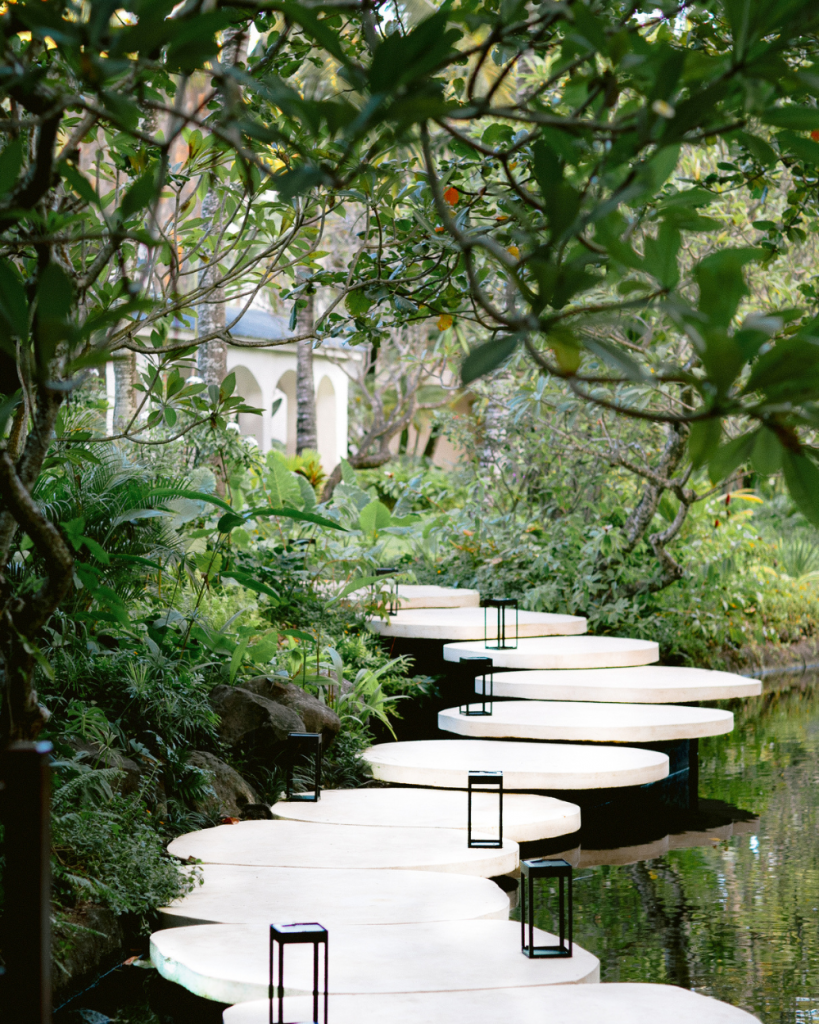
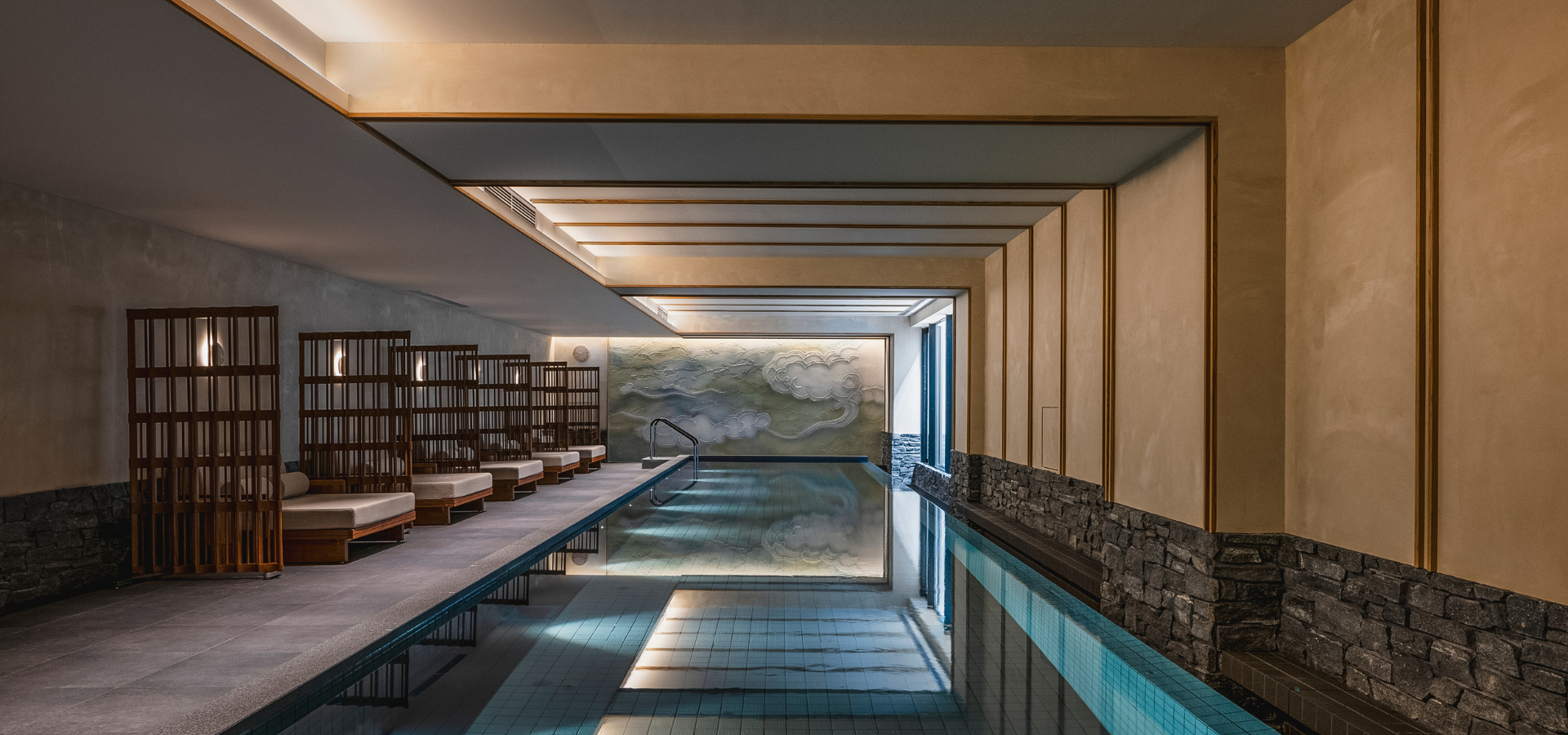
Left: Clint Nagata, founder of Blink Design Group. Right: One&Only Reethi Rah Hotel in Maldives. Top: The Six Senses Kyoto features world-class amenities, including an indoor swimming pool.
Boulevard: As someone at the nexus of luxury hospitality, residential and design, how have you seen the industry change over the past 10 years, and where do you think it is headed?
Clint Nagata: Well, I think it’s clear that real estate and hospitality are now closely tied together. In almost every project we have, there’s a residential component, which makes sense—not just from a financing perspective, but also because it creates a sense of community. Guests who invest in these properties as residents become part of the location.
I was speaking with someone from a hotel company in the UK about their wellness club concept. I like the idea because it goes beyond a one-time visit—you become a member and invest in that space. I can see this model extending to real estate and hotels, where you buy into a location, own a home and it becomes your first, second or third property. Everything seems to tie together nicely that way.
Blvd: I’ve recently noticed that there are pure developers who aren’t doing branded residences but are building spaces that increasingly feel like hospitality—and vice versa, hotels that aren’t residential are becoming more residential. As a designer, do you see these as the same kind of space or are they different? Do you bring different aesthetics or treatments to each?
Nagata: They’re very different experiences. Many of the hotel companies we work with don’t necessarily want their properties to feel like a hotel. In the ultra-luxury segment, guests want to feel at home. At the same time, the hotel convinces them through its food and beverage offerings, wellness programmes or simply by being in that particular city or resort location.
Six Senses Kyoto has a feature wall depicting mystical clouds in the world of Genji, inspired by traditional artworks.
Blvd: Luxury used to be all about things that were obviously expensive. How would you say the expectations of luxury design have changed?
Nagata: It has changed, and now it’s really about a sense of place. I know it sounds cliché, but people genuinely want to feel what that destination is like. What we try to do is interpret that sense of place by distilling the elements of the local culture and infusing them throughout the design. There’s still a bit of familiarity, since international tastes play a role, but at its core, it’s truly about the location.
Blvd: For a space like Phuket, which now has a truly global expat community—similar to Singapore, London or New York—how do you design a space that maintains its local identity, yet has evolved from a holiday destination or local marketplace into a global residential culture?
Nagata: I think we always try to design specifically for the user. When we start a project, we first ask, “What are the demographics?” For example, at the One&Only Reethi Rah Hotel in the Maldives, the main demographic for the resort is families. So we design villas with two or three bedrooms, nanny rooms and dining areas for six, eight or ten people. It’s about understanding the audience and designing specifically for their needs—this applies to both residential and hospitality projects.
The hotel attracts many European clients, who often come with their children, making it a multi-generational experience. Guests meet other Europeans, form friendships, and often return to the hotel the following year. They tend to prefer the beach villas. By contrast, Asian clients generally come as couples, prefer the water villas, and don’t bring many families. It’s fascinating to see how these different demographics influence the design.
Blvd: I understand that on these islands, people can feel a bit confined in smaller spaces, so couples and families often need areas to get some separation. For larger families, how do you design for multigenerational vacations? How are the spaces themselves evolving to accommodate them?
Nagata: It’s really about personalisation nowadays. For example, in one villa we’re designing in the Maldives—currently a resort—we’ve included his-and-her walk-in wardrobes and separate water closets. The showers are together, because that’s one space most couples are happy to share. But I love the idea of separate powder rooms, so everyone can have their own space and not have to worry about, “this is my bathroom, stay out!”
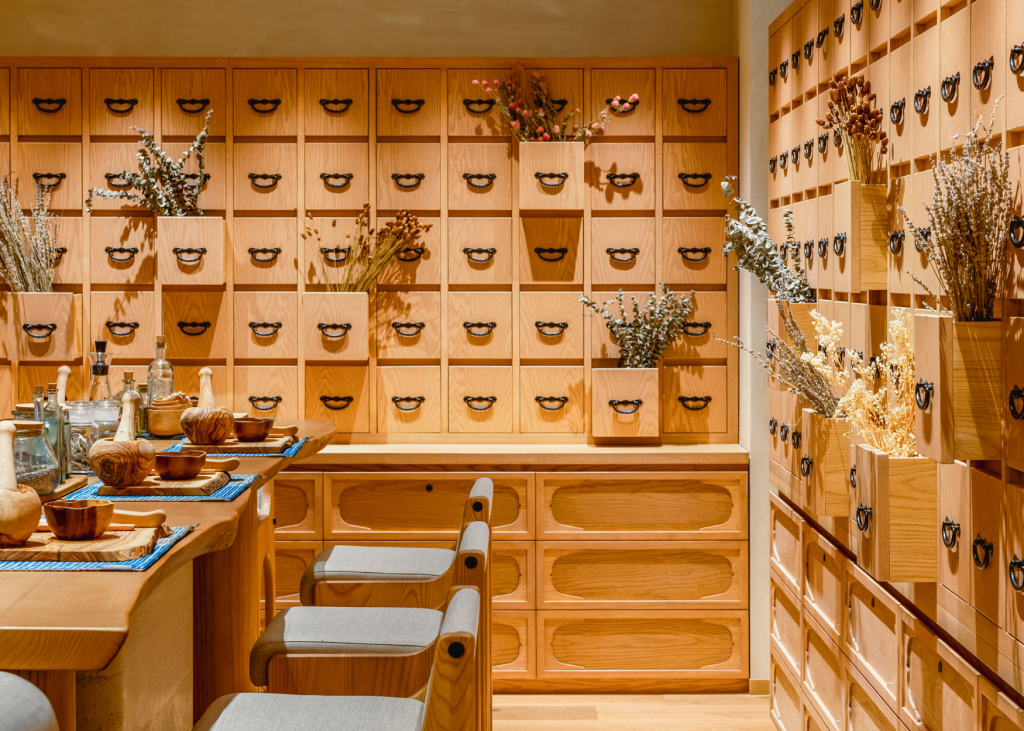
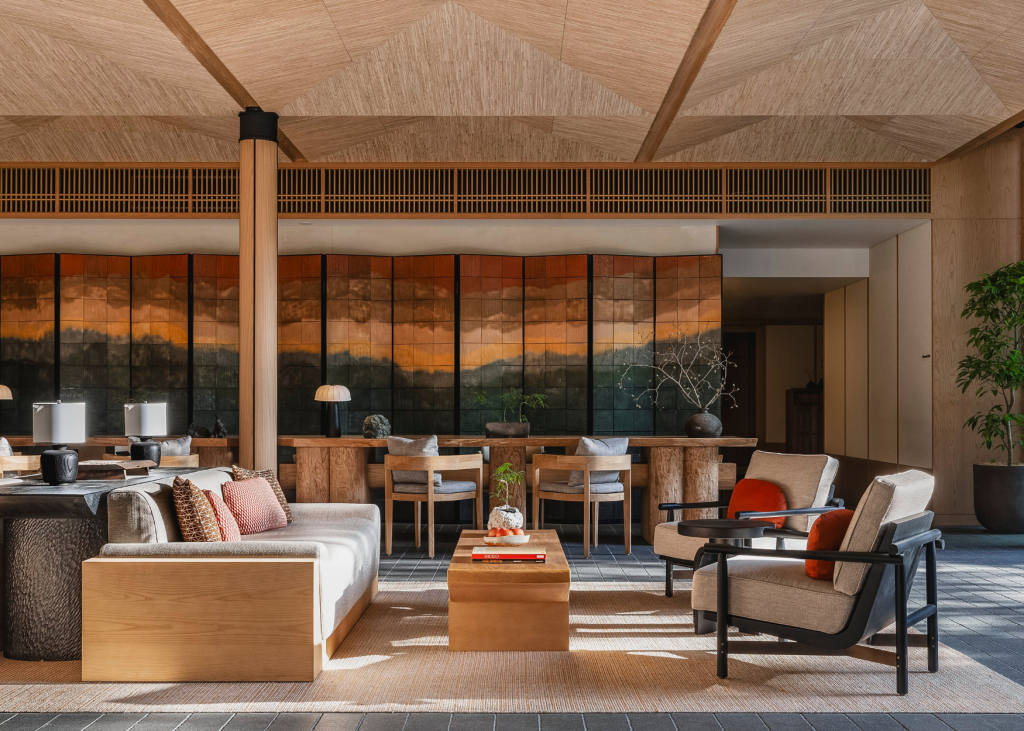
Six Senses Kyoto also includes the Alchemy Bar, where the Hyakumi Chest—Japanese apothecary cabinets—is the main highlight of the design.
Blvd: What challenges do you encounter as a designer when units are combined because they were originally too small?
Nagata: The challenge is often a mismatch between the design brief and expectations. It’s like when a developer says, “I want a luxury three-bedroom villa, 175 square metres,” and the space is simply too narrow—you realise it just won’t work.
What we try to do is educate our clients. Many of them aren’t seasoned developers, so they rely on us to guide them through the process. It’s about helping them understand that you can’t have three full bedrooms in 175 square metres. You could technically make it work, but each bedroom would be very tight.
Another challenge would be the budget. Everyone wants to do something unique, because competition keeps getting stronger and more complex every year. Standing out in such a crowded marketplace is increasingly difficult. Creativity is part of the solution, but it comes at a cost—it’s not free or cheap.
Developers often assume, “I hire you, you’re creative, so just make it work.” We do our best to stay within budgets, but another major pressure is time—where time is money. Developers want to start selling residences and villas as soon as possible, sometimes even before the land is fully acquired. Once the lease is signed or the land transfer happens, they want to start selling immediately.
This creates constant pressure for designers, because you have to deliver something on brand and ahead of schedule—sometimes three years in advance—so sales can begin and cash flow can start.
Blvd: In hotel spaces or developer residences, do you ever revisit projects after five or ten years and find yourself surprised by how the spaces are used or how they’ve changed?
Nagata: Yes. We designed the Six Senses in Kyoto, which opened about two and a half years ago. I’m of Japanese heritage—fourth-generation Japanese American—but I was born and raised in Hawaii, so I approached it with a very Western perspective. Along the way, I had to learn a lot about Japanese design. So in the guest quarters, we drew inspiration from tatami mats. It’s not actual tatami—it’s a custom carpet pattern—but apparently some guests asked if they needed to take off their shoes in the rooms because they thought it was tatami. I found that interesting, because I never saw it that way. To me, it was just an idea, an inspiration that we transformed into something different—but to the Japanese guests, it still reads as tatami.
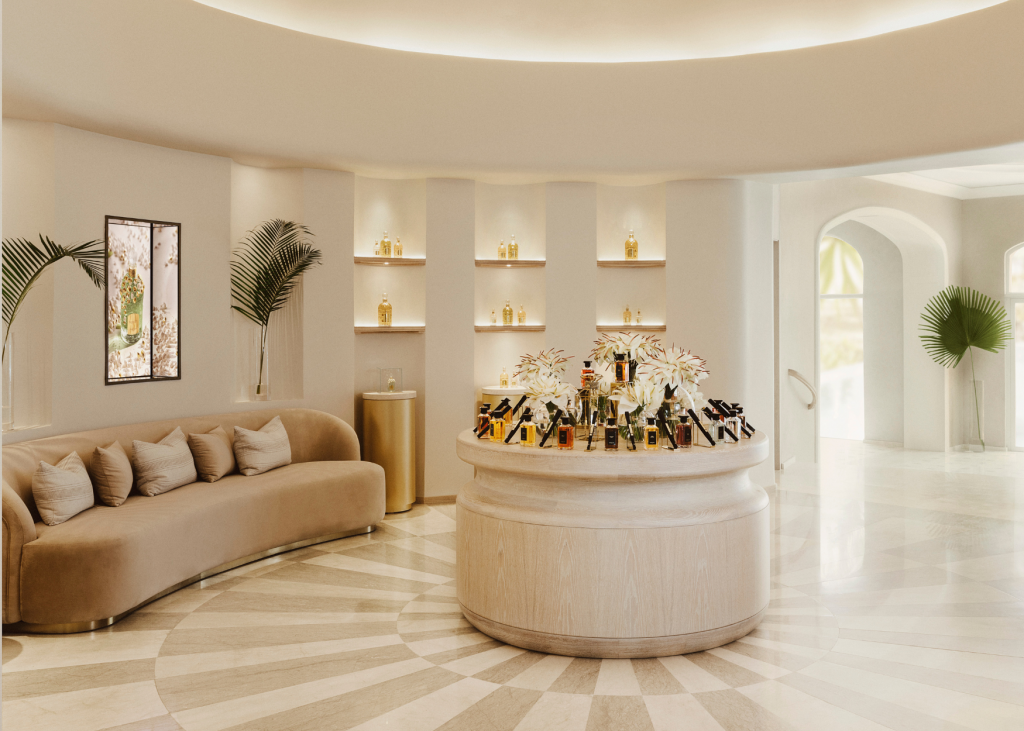
The One&Only Reethi Rah Hotel in Maldives features full-service spa treatments by Espa.
Blvd: How do you create something with character and distinction? How do you make such a project stand out?
Nagata: We always try to go back to the narrative. For example, we’re working on a project in Japan where that region had a significant French influence. So the design reflects a Japanese style that’s very different from what you typically see in Japan. Another example is a renovation project in Kuala Lumpur, where the site overlooks the original forest. There’s history there, and the design aims to capture that.
It’s about finding the most focused narrative that helps tell a story and gives the project a clear identity—rather than simply saying, “We’re in the desert” or “By the beach, with blue skies and clear sands.” We look for the elements that make the hotel truly distinct from everything else.
Blvd: What are you still learning in the space of design?
Nagata: That’s a good question. I’ve been doing this for almost 30 years, but I always feel there’s more to learn. Whenever someone asks me what my favourite project is, I say the next one. It’s only after I make a mistake that I realise I could have done it better. So, in a way, there’s always something new to discover and improve on.
Blvd: When you look back on a project, do you focus more on the flaws, or on the creativity and successes?
Nagata: I tend to see what a project could have been and always ask myself how we could have done it better. I was just on site yesterday, and they sent me photos this morning—I immediately thought, “Yes, we could have done this differently.” I find myself questioning why we made certain choices, and my director is smart enough to say, “Next time, let’s try it this way.”
Design isn’t black and white like engineering, where you input a formula and get a result. It’s intuitive and, in many ways, experimental. You often go through mock-up rooms to test ideas. Most of the time, you get it mostly right, but the hardest part is refining that final five percent—the small adjustments that make all the difference. “Next time, let’s try this instead of that.”
And now, at 56 years old, I find it easier to walk into a meeting and say, “Why don’t we do this?” and have the owner respond, “Ah, that’s a great idea.” It didn’t come so easily before. I think it’s the result of years of making mistakes and learning from them. Over the years, I’ve learned to understand owners’ perspectives—what they like, what they don’t—and adapt accordingly. Perhaps it comes easier if you came from that background, but I don’t. You have to learn and adapt along the way.
Blvd: What projects are you working on now where you’re applying lessons from past experiences? I know you’re doing the One&Only Maldives—what else do you have in the pipeline?
Nagata: We’ve been working on Six Senses in the Loire Valley in France, which is an interesting project. We’re doing parts of the architecture as well as the interiors. The design is inspired by the story of the saloon and the forest surrounding the property. It’s very French rural chic, especially with the old château, which we’ve updated with modern furnishings and furniture.
It’s our first project in Europe, and I find it fascinating that an Asia-based firm is designing a project in France without any French team members. I think we’ve done a good job reimagining what it could look like through our perspective. And it’s branded as well, which makes it really exciting.
Then in Phuket, we have two projects. One was with Raymond Lam of Oculus Architects—it was originally planned as a Rosewood, but it’s no longer branded as such. The other is with YTL Construction, which is a luxury hotel, but it’s not branded, and the residences behind it don’t have much of a view. There are some other complexities with the project, but that’s the current situation.
Read next:
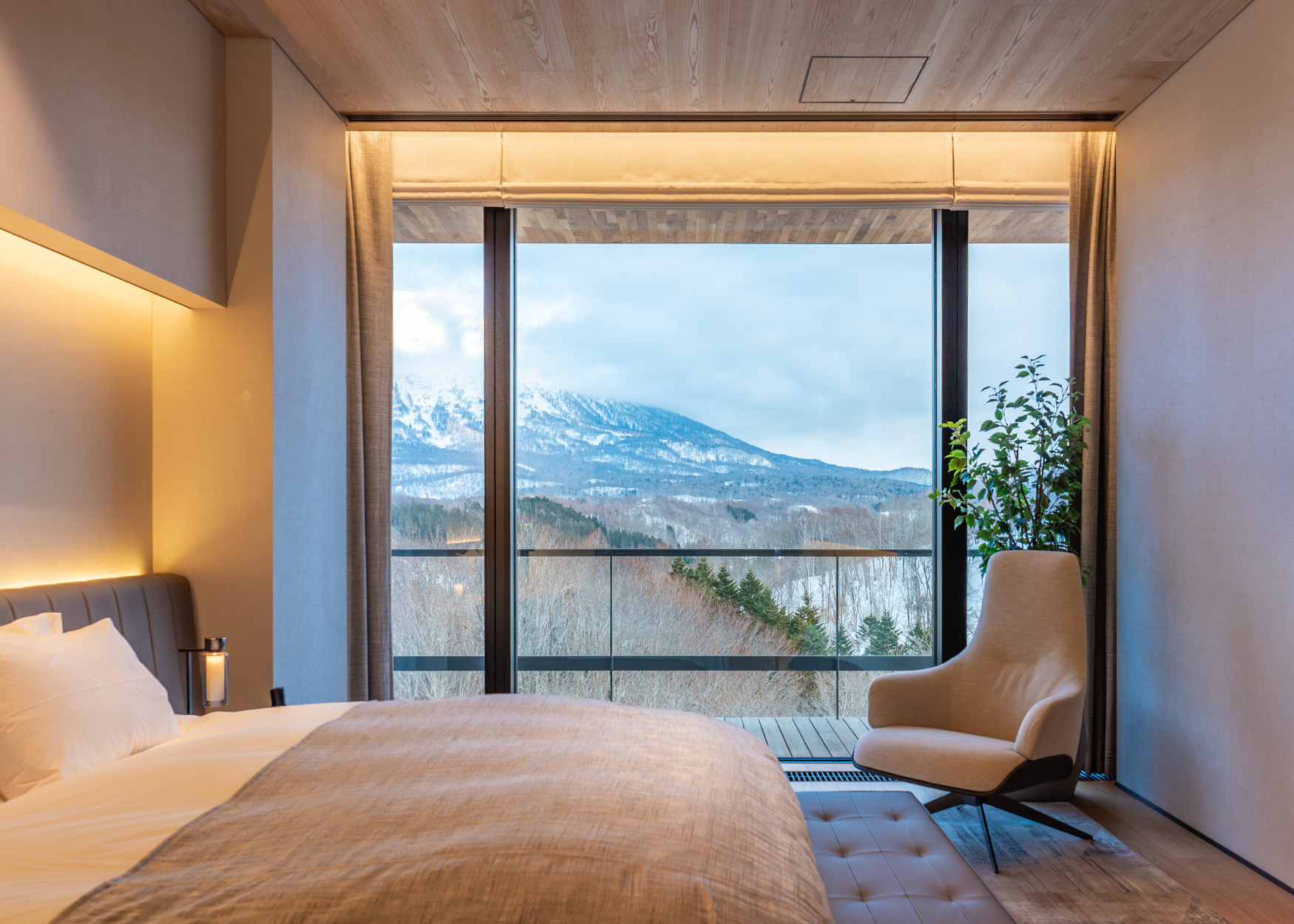
5 bed POA
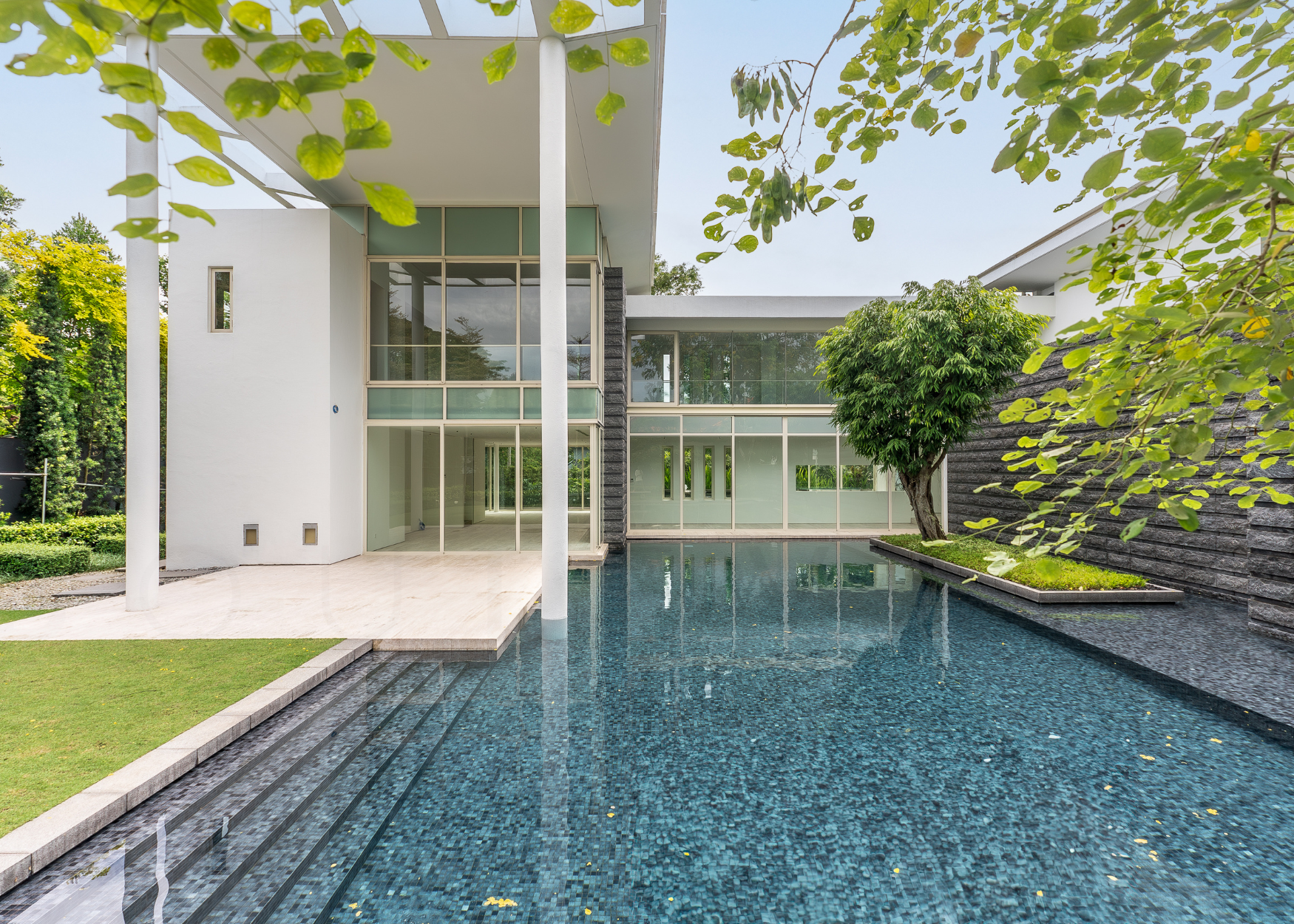
Belmont Road, D10 5 bed 43,800,000 SGD
3-4 bed | 2,702 - 8,923 area POA
4+1 bed 20,000,000 USD
4 bed POA