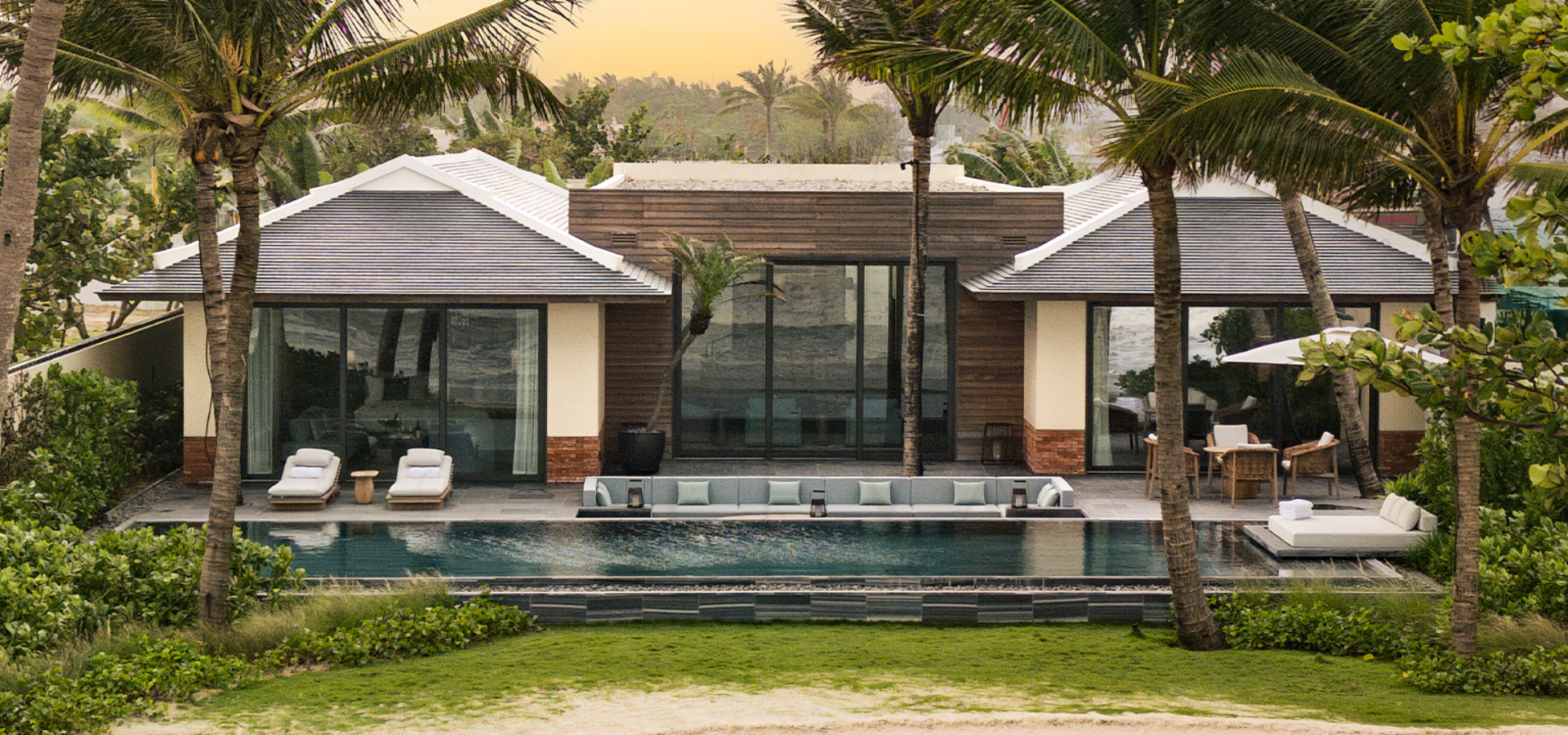
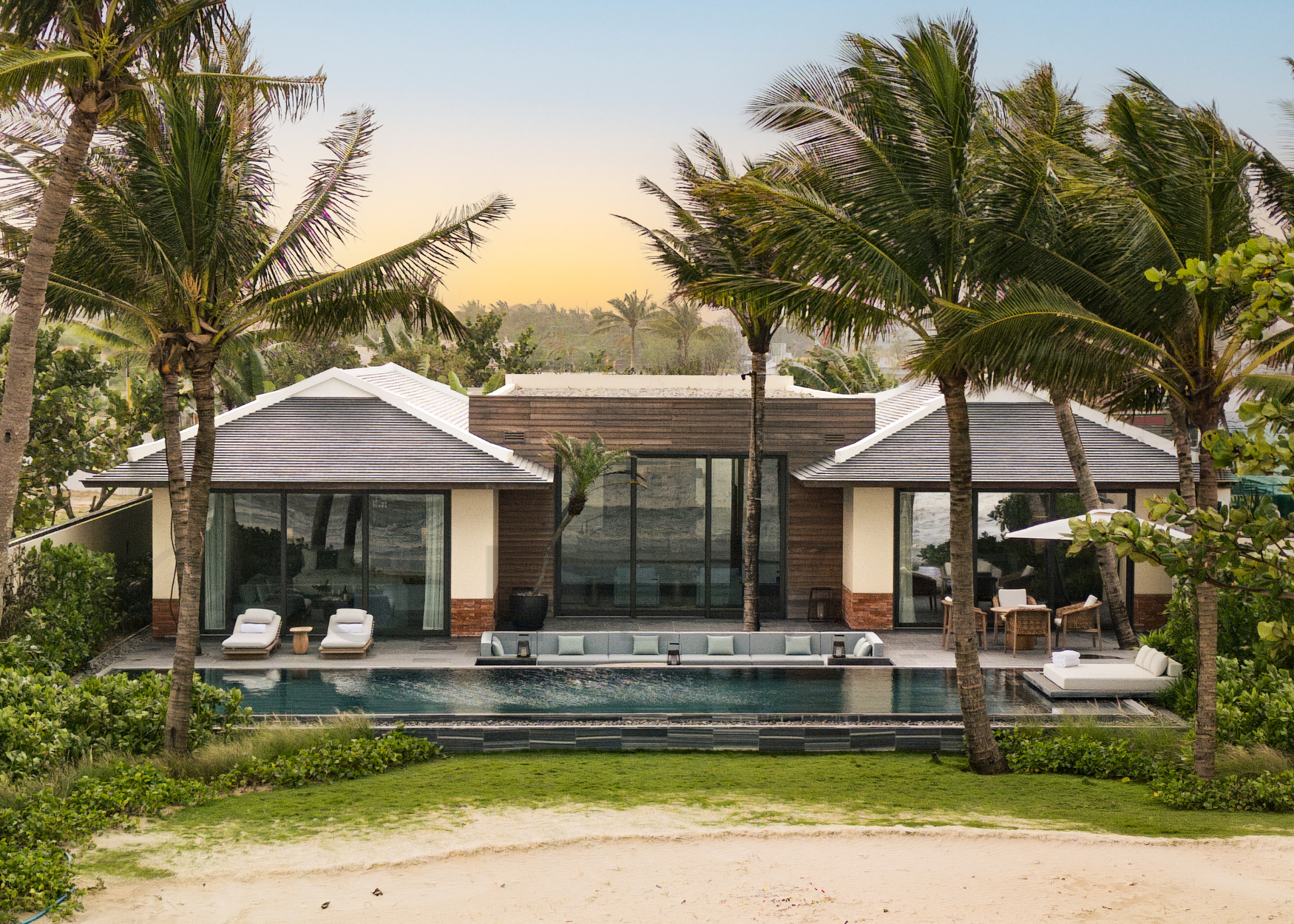
The interview: “China is now replacing long-haul trips, not short-haul ones,” says Chloe Chan, executive director of Prestige by Chan Brothers
by Annie Asistio
Photography by Jin Cheng Wong
Chloe Chan first experienced the demands of the travel industry at just 12 years old, when she assisted with answering overflow customer calls at her family’s business, Chan Brothers, under the close supervision of a senior staff. This experience gave her a ground-level understanding of the pressures and expectations that shape the travel sector. Years later, after completing a master’s degree in international law, she found herself drawn back to the industry, and the family business, with a sharper and new perspective.
In 2022, Chan became the executive director and third-generation leader of Chan Brothers Prestige—the luxury division of Singapore’s long-established travel company. And in 2025, she led a full repositioning of the brand, relaunching it as Prestige by Chan Brothers, with a focus on modernising the luxury travel experience for today’s jet-setters. This marked a shift towards creating tailored journeys, whether arranging access to remote islands or planning travel around major golf tournaments.
In this exclusive interview with Boulevard, Chan shares insights into the evolving priorities of today’s luxury travellers. Drawing on her close work with UHNW clients, she explains what defines top-level hospitality today, from deeply personalised service to carefully coordinated experiences beyond the hotel itself. Chan also reflects on how guest expectations have changed, the client profiles shaping demand, and the destinations and experiences she has encountered firsthand that she believes today’s ultra-luxury travellers will find most compelling.
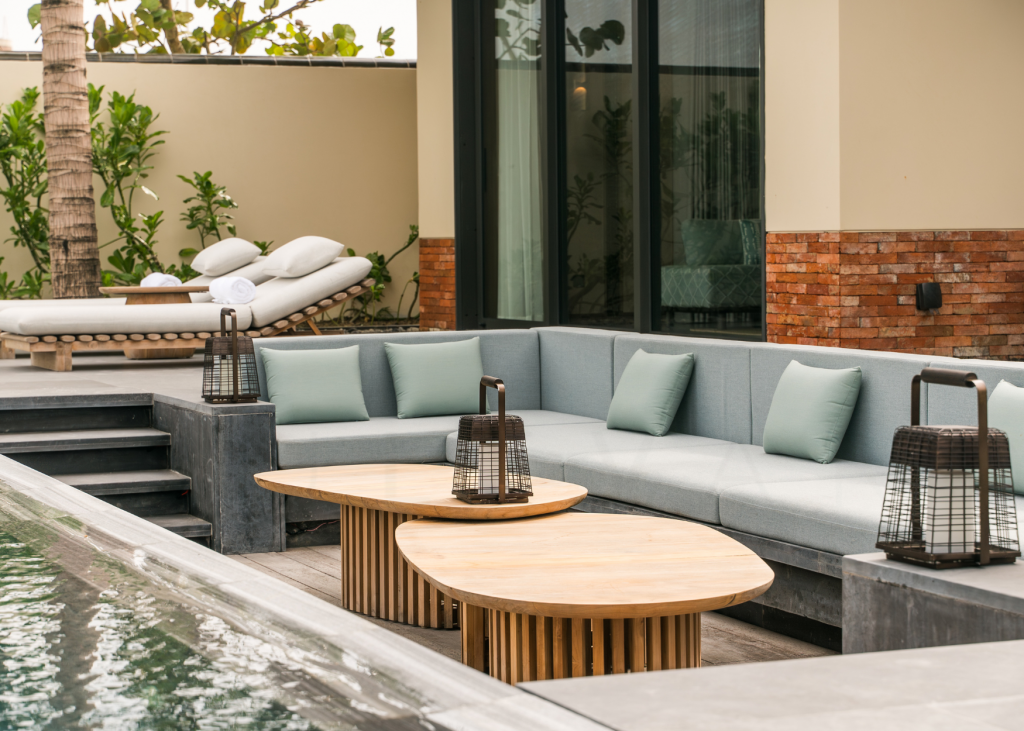
The Residences at Mandarin Oriental in Danang, Vietnam features access to world-class amenities, from curated spa and wellness programmes to the resort’s award-winning restaurant.
Boulevard: What defines an ultra-luxury hotel experience today?
Chloe Chan: Ultra-luxury is not just about the furnishings or breakfast in bed; it is all about personalisation. I had the opportunity to stay at Chiva-Som in Thailand, and the staff knew your name immediately. They have robust customer relationship management, and are aware of your preferences, including dietary requirements, whether you’re lactose intolerant or otherwise.
These touches are what truly matter to an ultra-luxury guest. They know not just your name, but everything you’ve shared with them, and it feels like you’re genuinely cared for. They also provided a customised menu because it was part of a wellness programme, along with activities tailored to each guest. So I think it’s not just about being pampered, it’s about feeling understood.
“Ultra-luxury is not just about the furnishings or breakfast in bed; it is all about personalisation.”
Blvd: And what do your UHNW clients look for when booking ultra-luxury hotels or experiences?
Chan: I think the first thing we need to distinguish is luxury versus ultra-luxury. Oftentimes we think of ultra-luxury as brand names such as the Mandarin Oriental or the Kempinski, but it’s also about hospitality. So there are two parts to it—one is the brand, and the second is hospitality, where the service is top notch. This isn’t limited to the hotel. For us, we can even arrange VIP transfers with fast-track service, especially in China.
In terms of hotel stays, having a Michelin-starred restaurant within the property is always a plus, and having a room that caters to your needs matters. Some clients, for example, prefer a bathroom with two sinks instead of one, or want the gym or pool located within the building. Understanding the client and having a travel advisor recommend hotels based on individual needs is where we come in, and it’s what guests are looking for.
And of course, early check-ins, late check-outs, and tailor-made itineraries are important. They don’t want cookie-cutter programmes.
Blvd: And how have guest expectations changed in recent years, especially after covid?
Chan: Guests have become more discerning about how we package not just the hotels but also the tour component. Being able to deliver a seamless experience, from land arrangements to the hotel stay, is where we can meet expectations. I also think that, in terms of hotels, guests are no longer just looking for chains. They’re seeking more lifestyle-driven properties and authentic architecture. That’s why you see many new hotels like The Standard or The Mondrian Hotel, which cater to luxury millennials or travellers who don’t want to stay in a generic luxury chain. That’s a trend we’re noticing.
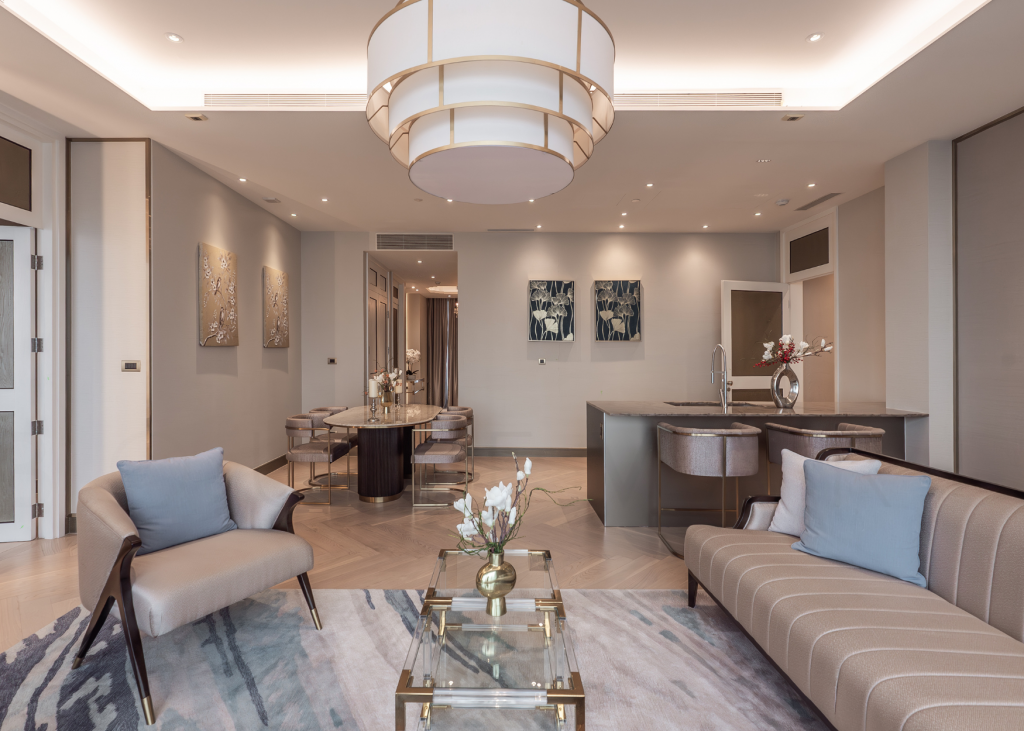
The Residences at Mandarin Oriental in Bangkok, Thailand offers access to premium facilities, including a gym, fitness and yoga rooms, library and meeting spaces.
Blvd: What types of travellers are driving growth in the ultra-luxury segment? Are these multi-generational families, couples, and both older and younger HNW travellers?
Chan: Interestingly, what we see in our business is mostly older clients. The boomers are still driving much of the growth. Millennials probably prefer to book their own trips. Families are also contributing significantly, and we’re seeing a lot of multi-generational travel. But overall, it’s primarily the older demographic we serve.
Blvd: Which destinations do these clients look for?
Chan: Right now, China is one of the hottest and most up-and-coming destinations. People are drawn to it because of the technology—China has changed so much over the past 20 years. Travellers are now going beyond the first-tier cities they’ve already visited, and exploring what we call “exotic China,” such as Yunnan and Xinjiang, for the scenery and natural beauty.
China is very much on trend, and once one family or couple visits, they tend to share their experience, and then the next group goes.
“Travellers are now going beyond the first-tier cities they’ve already visited, and exploring what we call ‘exotic China’ for the scenery and natural beauty.”
Blvd: So this is a very different demand compared to before, when people were mostly looking for beachfront destinations. Are they still doing that now?
Chan: I think there’s definitely still demand for beachfront villas. But China is now replacing long-haul trips, not short-haul ones. Singaporeans still travel frequently each year—maybe two or three times—and usually have a long-haul destination, like Europe or exotic places such as South Africa. Nowadays, many are replacing that big European trip with China. Short-haul destinations like Bali and Bangkok remain mainstays. So the focus is really on substituting the long, seven-day holiday with China rather than Europe, while beachfront villas continue to be very much in demand.
Blvd: Are there lesser-known or emerging destinations that you often recommend, especially to new clients?
Chan: Currently, we have inquiries for Bhutan and Kazakhstan. We also had a group visit the Caucasus this year. These are places people don’t normally go to, and they offer both safety and authenticity. Looking at travel patterns and speaking with our clients, it’s clear they’re seeking experiences that are still very authentic and local. For example, Bhutan has many temples and is known for its happy population, so clients are looking for something that is spiritual as well.
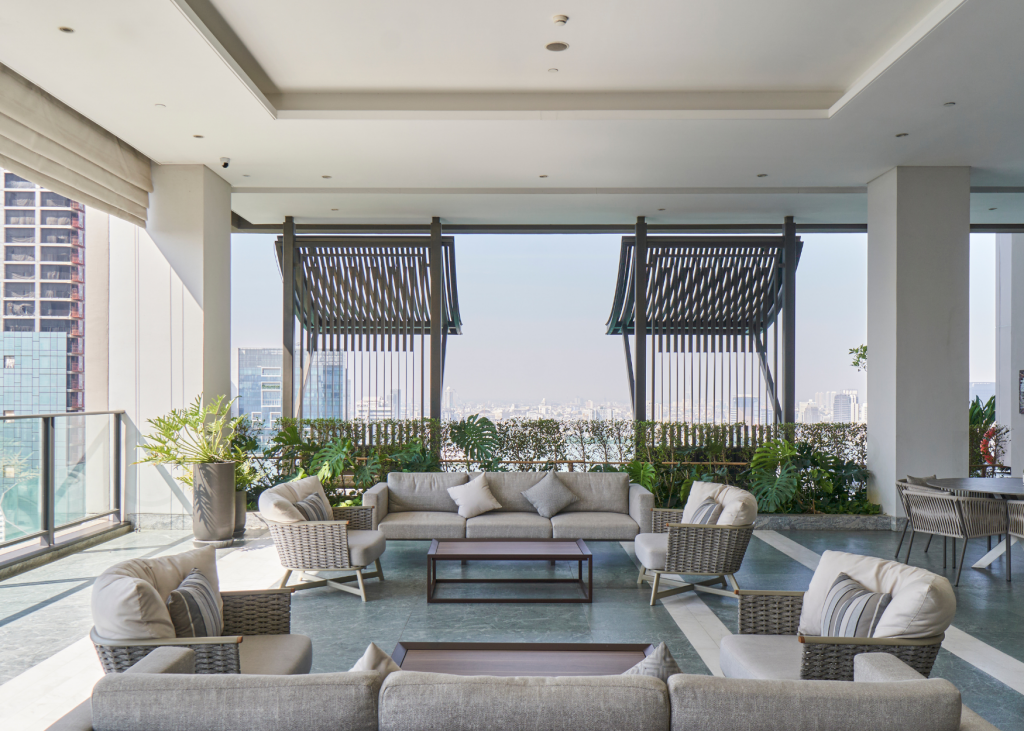
The Residences at Sindhorn Kempinski Hotel features a concierge serviced by Kempinski, as well as an onsite retail and dining village.
Blvd: What are some of the most extraordinary travel experiences you’ve personally had? You mentioned earlier your stay at Chiva-Som—are there any other remarkable experiences you’ve had in the past?
Chan: I’ve been to Iran before, and it was truly amazing, especially given the travel ban at the time. What you see in the media versus the reality on the ground is so different. I was blown away by how beautiful Iran is—the culture, the people, their hospitality and generosity. The food was incredible, and the architecture was truly remarkable, especially in Isfahan with its palaces and squares. That trip really changed my perspective on how the media portrays different countries, and it showed me that traveling is often the best way to truly understand a place.
I also think New Zealand is incredibly beautiful, especially for people who love nature and scenery—it’s truly breathtaking. Another experience that I really enjoyed was in Tasmania, where I had the opportunity to stay in a glamping site in the mountains. Experiences like glamping and hiking in such remote areas are unique and something you wouldn’t get if you just joined a standard tour group.
Blvd: And what about the experiences you’ve curated for your clients? Are there any specific, extraordinary, or standout trips that you’ve created for them?
Chan: One of the experiences we’ve curated was in South America. One of the clients wanted to visit the Brazilian Carnival, and we arranged that for them. In terms of Tibet, we’ve also organised trips to Mount Everest Base Camp.
Blvd: What is surprising you in this space of luxury travel? Is there anything that still excites you or surprises you?
Chan: I think it’s really interesting to see younger people spending more on luxury travel. Another trend is that people are traveling not just for destinations, but for events. For example, golf tournaments like the US Masters or Ryder Cup—people travel to places like Atlanta just to watch a golf match. It’s fascinating to see that clients are drawn not just by the destination, but by what excites them and what they’re passionate about.
Right now, we’re mostly focusing on golf tours, promoting events like the Masters and Ryder Cup. Next year, I hope to onboard more event-driven products to offer a wider range of options for our clients. Beyond that, most itineraries and products are still destination-focused.
Read next:
5 bed POA
Belmont Road, D10 5 bed 43,800,000 SGD
3-4 bed | 2,702 - 8,923 area POA
4+1 bed 20,000,000 USD
4 bed POA